
Reviewed · SUSHI EXPERIENCES
Tokyo Professional Sushi Chef Experience
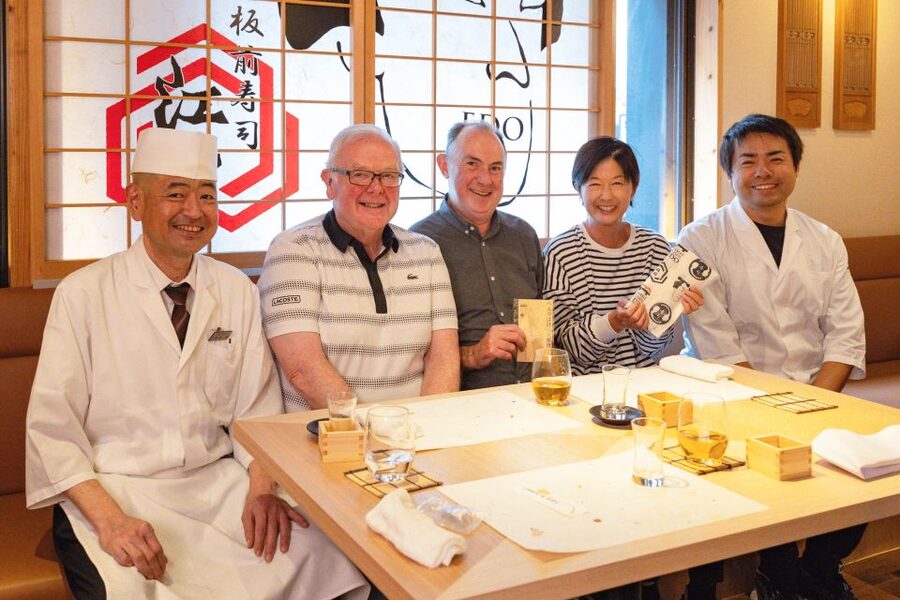
The best part of this Tokyo class is that you do not simply watch a chef make sushi. You work with the rice, wasabi, nori, and fish yourself, guided by an Itamae with 30 years of experience. The setting is a real sushi restaurant, not a generic cooking studio, so the lesson connects technique with the way sushi is made and served in Japan.
I like the small group, limited to eight people, and the wide range of sushi you get to handle, from uni and kuruma-ebi to chutoro and akami. I also like that the class includes a special wakame udon and has vegetarian and allergy-friendly options. The main consideration is the $161 price for two hours, which is fair for a hands-on lesson with premium ingredients, but high if you only want a quick meal.
Key points to know before booking
- Learn from a working Itamae: The chef has 30 years of experience and demonstrates professional fish preparation and sushi techniques.
- Make more than simple rolls: You prepare shari, grate real wasabi, work with premium nori, and form nigiri.
- Taste a broad fish selection: Uni, negitoro, hirame, kuruma-ebi, chutoro, and akami are part of the food experience.
- Small English-speaking class: Groups are limited to eight, with interpretation support available.
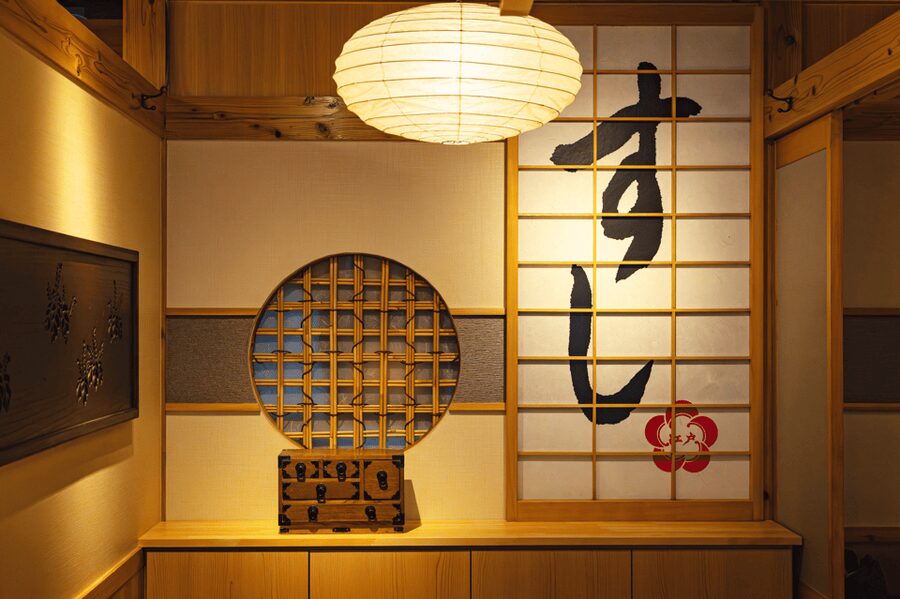
- A real restaurant setting: You learn in an actual Tokyo sushi restaurant rather than only watching a kitchen demonstration.
- Good flexibility for food needs: Vegetarian and allergy-friendly choices are available, though you should provide those details when booking.
Why the Tokyo restaurant setting matters
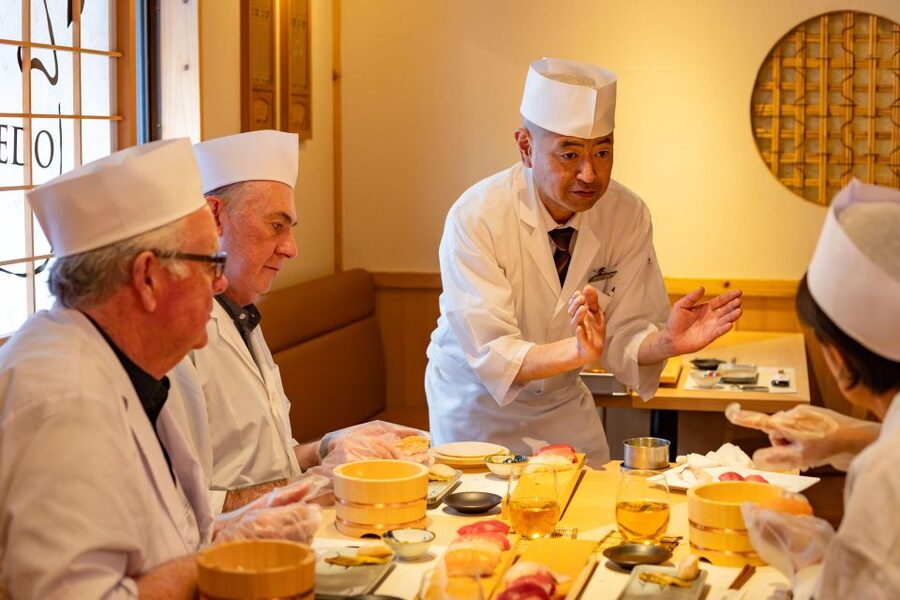
Many cooking classes take place in a classroom designed for tourists. This one is held in a real sushi restaurant, which gives the lesson a more useful sense of place. You are not only practicing a recipe. You are seeing how sushi fits into the work and rhythm of a Japanese restaurant.
That setting also makes the lesson feel less like a craft project. Sushi is often presented as simple food: fish, rice, and perhaps nori. The class shows you why the details matter. Rice temperature, seasoning, knife work, the amount of fish, and the pressure used to form nigiri all affect the final bite.
You should not expect to become a professional sushi chef in two hours. You will, however, leave with a better understanding of how much care goes into a piece that may look very small and simple. That is the real value of the class.
The group limit of eight is important here. An instructor can correct your hand position or show you how to shape the rice more easily in a small group than in a large tourist crowd. The class is conducted in English, with interpretation support, so you can follow the instructions without needing Japanese cooking vocabulary.
More Sushi Experiences in Tokyo
- Sushi Making Tokyo Roll and Authentic Japanese Sushi Class
★ 5.0 · 3,971 reviews - Tokyo: Roll and Authentic Sushi Making Class in Asakusa
★ 4.9 · 1,957 reviews - Make Sushi and Create Unforgettable Memories in Tokyo
★ 5.0 · 1,413 reviews
Starting with rice, wasabi, and the basics
The lesson begins with the building blocks of sushi. You learn how to prepare sushi rice, known as shari, and hear the chef’s guidance on getting its texture and seasoning right. This may sound less exciting than making nigiri, but it is the part you will use most often if you try sushi at home.
Good sushi rice needs the right balance. It must hold together without becoming heavy or sticky in the wrong way. The chef explains the technique rather than asking you to copy a finished product, giving you a foundation you can use after returning home.
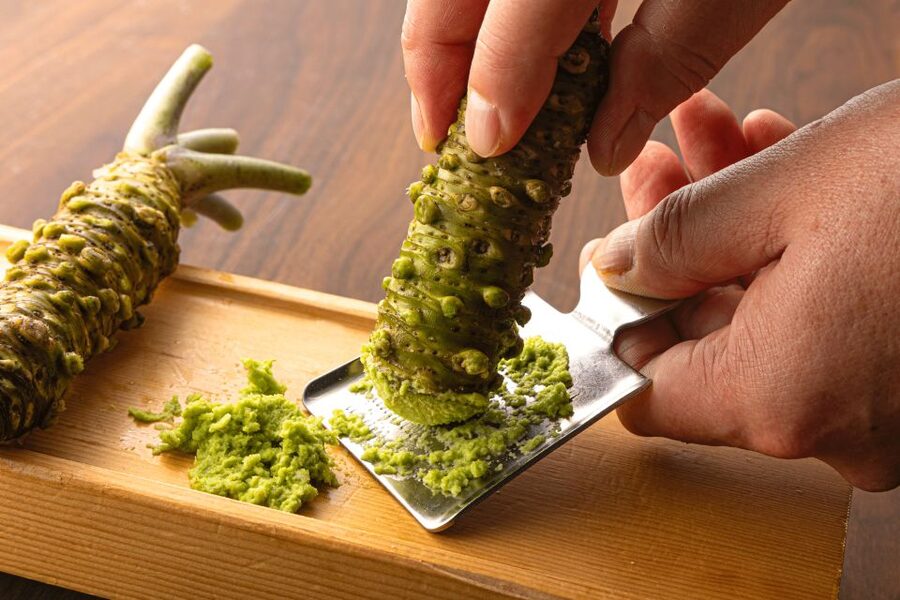
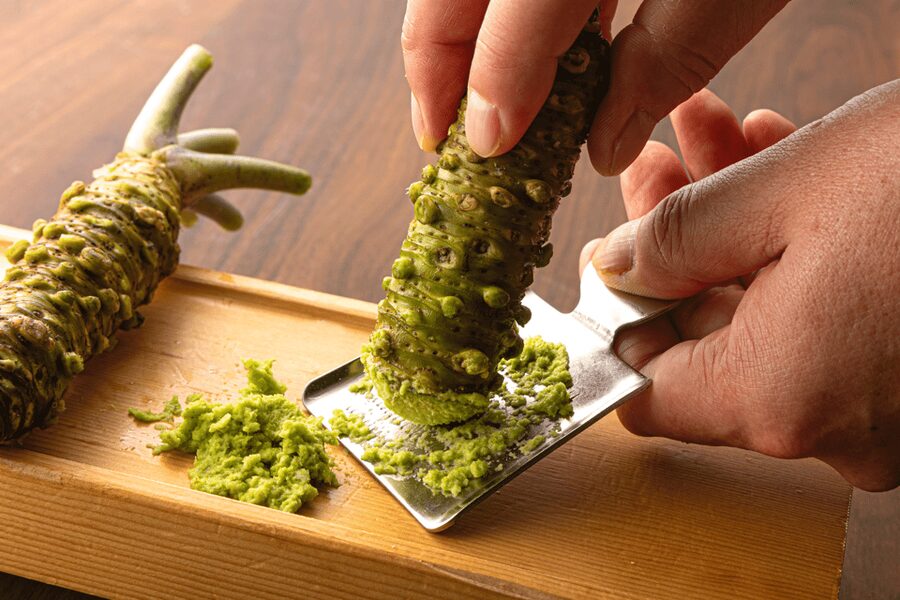
You also grate real wasabi. This is a particularly good detail because it lets you taste the difference between fresh wasabi and the familiar green paste served in many restaurants outside Japan. Freshly grated wasabi has a distinct flavor and texture, and the process itself helps explain why it is treated as a special ingredient.
You work with premium nori for hand-rolled sushi as well. Nori can seem like a small part of the dish, but its crisp texture and savory flavor affect the whole roll. Handling it yourself gives you a practical lesson in how much filling to use and how firmly to roll.
From chef demonstration to your own nigiri
The chef demonstrates fish preparation and sushi technique before you try it yourself. Watching the professional’s hands is useful, since sushi shaping involves small movements that are difficult to understand from written instructions alone.
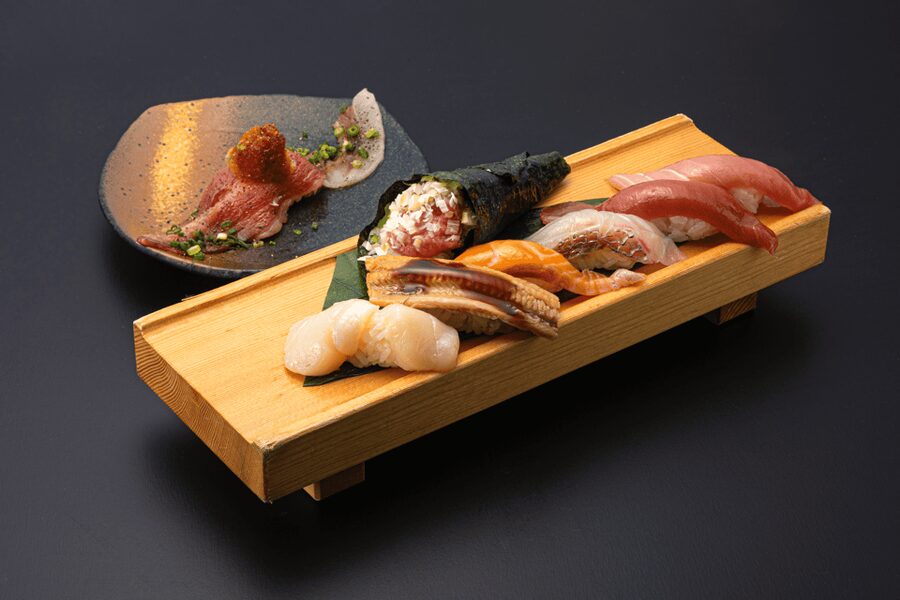
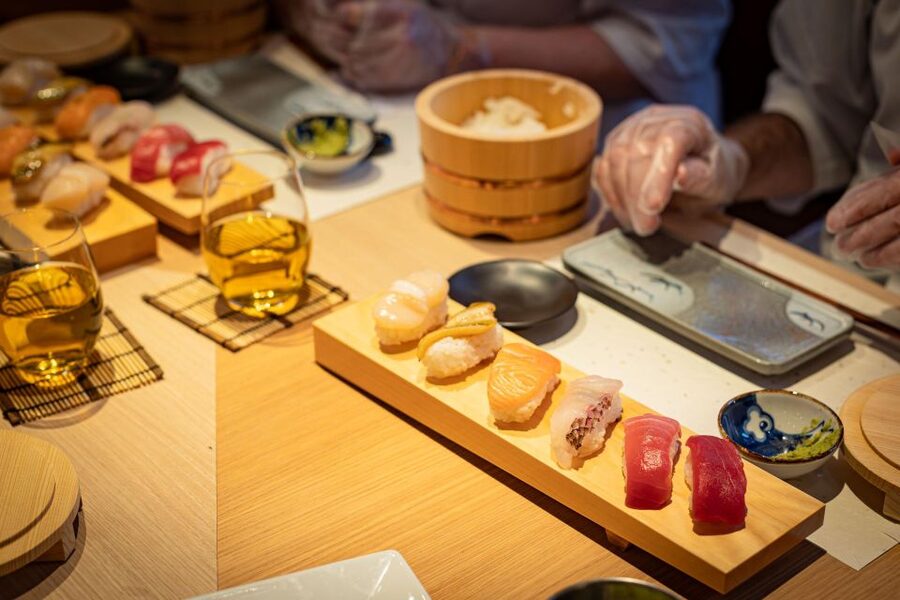
You then get to make and taste several kinds of sushi. The selection includes uni, negitoro, hirame, kuruma-ebi, chutoro, and akami. Each gives you a different lesson in texture, richness, and presentation.
Uni, or sea urchin, is soft and delicate. Negitoro combines fatty tuna with green onion, while hirame is a lighter white fish. Kuruma-ebi is Japanese tiger prawn. Chutoro is medium-fatty tuna, and akami is the leaner red part of the tuna.
The range is one of the strongest reasons to choose this class. You are not making one basic California-style roll and calling it sushi. You are handling several traditional ingredients and seeing how each one works with seasoned rice.
Forming nigiri is harder than it looks. The rice must hold together, but it should not be packed into a dense block. The fish needs to sit neatly on top, and the finished piece should be easy to eat in one bite. The chef’s corrections matter here, especially if your first pieces are too tight, too loose, or simply too large.
Do not worry about producing restaurant-perfect sushi immediately. The point is to understand the method and enjoy the process. You may find that the most useful skill is learning what proper sushi should feel like, which makes it easier to judge your own attempts later.
The tasting is part of the lesson
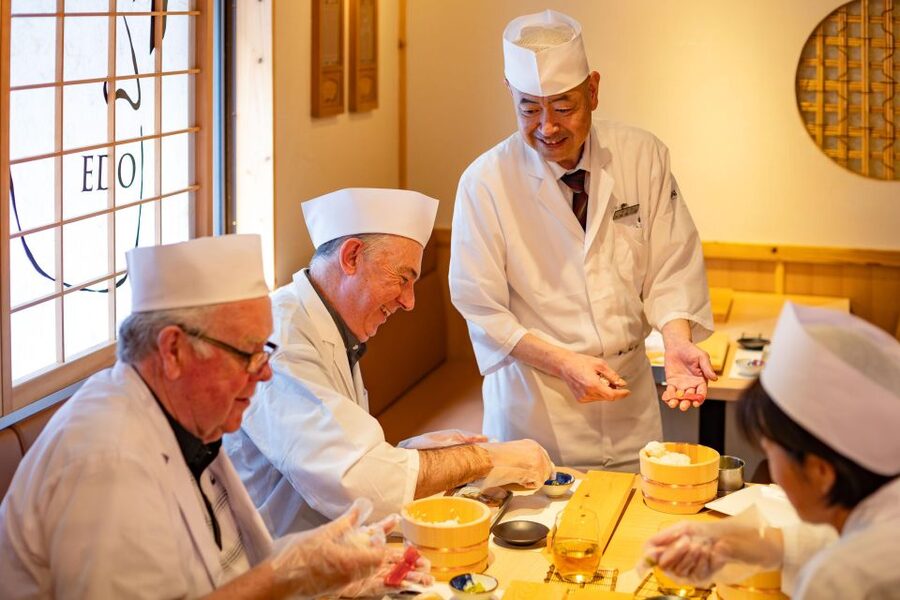
The food is not an afterthought. You make sushi and then taste what you have prepared, which connects the technique to the result. You can notice how the rice, wasabi, nori, and fish work together instead of treating each step as a separate task.
The class also includes wakame udon, adding a warm noodle dish to the meal. That is a nice change of texture after handling sushi, and it gives you something more substantial than a few pieces of nigiri.
A drink is listed among the course highlights, with beer, sake, cola, or green tea named as options. At the same time, the activity details also say beverages are not included and that the drink menu is available separately. Because those details do not fully match, I would confirm the drink arrangement before booking if it affects your budget or meal plans.
The ingredients and equipment needed for the class are included. That means you are paying for instruction as well as the food and tools, rather than needing to bring kitchen equipment yourself. You should still treat the price as the cost of a short culinary lesson, not simply the price of lunch.
Same trip, a completely different kind of day:
- 1-Day Tokyo Bus Tour
★ 5.0 · 14,250 reviews - Tokyo: TOKYO SKYTREE® Admission ticket
★ 4.5 · 11,192 reviews - Tokyo: teamLab Planets TOKYO Digital Art Museum Entry Ticket
★ 4.6 · 9,779 reviews - Tokyo: Sumo Show Experience with Chicken Hot Pot and a Photo
★ 4.8 · 6,678 reviews
Is $161 a fair price for two hours?
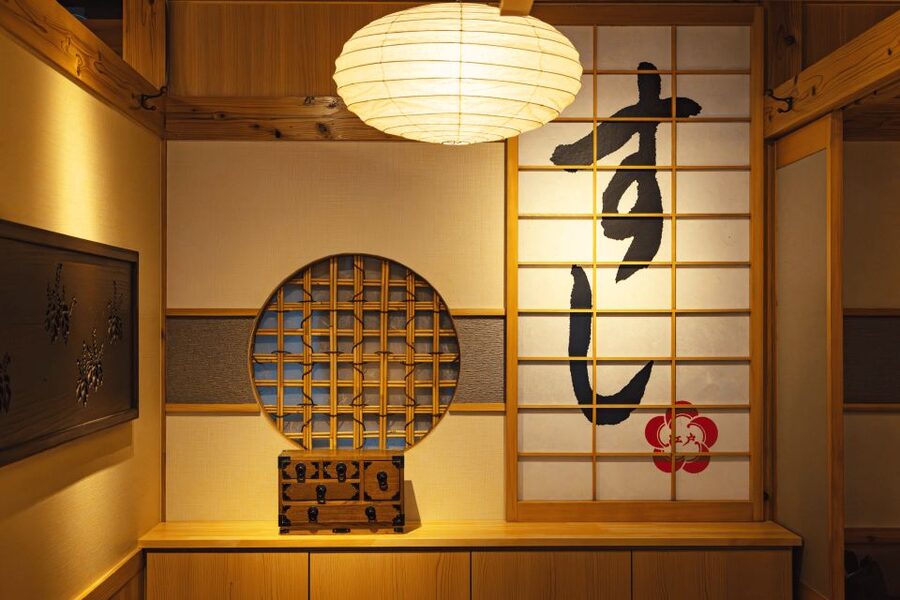
At $161 per person, this is not a bargain meal. You could spend less on sushi in Tokyo, and you could find shorter food activities at a lower price. The question is what you want from the time.
I see the price as reasonable for someone who values direct instruction, premium seafood, a small group, and access to a chef with three decades of experience. You are also paying for the tools, food, equipment, English instruction, and the chance to work in a real restaurant environment.
The value is weaker if you mainly want to eat high-quality sushi. In that case, a good sushi lunch may be a better use of your money. You should book this class when you want to understand the craft and take home a skill, not just fill an afternoon.
The small group improves the value. With no more than eight participants, you are less likely to spend the whole class watching from the back. The chef can show techniques close up and give you room to practice.
It also works well as a special activity during a Tokyo visit. You get a meal, a cultural lesson, and a practical memory in one two-hour appointment. For food lovers, that combination can justify the price more easily than a standard sightseeing stop.
What the class feels like for families
The activity is available to elementary school students and up, but children under 10 are not suitable. That means families with older children can consider it, especially if everyone enjoys food and hands-on activities.
The short duration helps. Two hours is long enough to learn several techniques without taking up an entire day in Tokyo. It can fit into a busy schedule, though you should check the exact starting time and meeting point for the option you book.
You should also remember that sushi making requires care and attention. Children who enjoy following instructions and trying new foods are likely to get more from it than children who want a fast, playful activity. The chef’s demonstrations and the chance to shape food may keep older children interested.
The class can also work for couples, friends, and solo food enthusiasts. A small group creates a more personal setting, but the minimum number of participants is two. If you are traveling alone, you should confirm availability before choosing this activity.
Vegetarian and allergy-friendly planning
Vegetarian and allergy-friendly options are available, which makes this class more flexible than many sushi activities. Still, do not assume every ingredient can be changed at the last moment.
Tell the provider about your needs when booking. Fish, shellfish, sea urchin, soy, and other ingredients may matter depending on your allergy or diet. The class includes handling food as well as eating it, so clear communication is especially important.
If you are vegetarian, you can still take part in the rice, wasabi, nori, and rolling techniques, but the exact menu will vary. The available information confirms that suitable options exist, not which specific replacement ingredients will be served.
Strong fragrances are not allowed, and smoking indoors is prohibited. The fragrance rule is worth noting because perfume or heavily scented products can interfere with the smell of fish and rice in a small restaurant setting.
What you will take home
The most useful souvenir is not a packaged item. It is the ability to prepare sushi with a better sense of proportion and technique.
You will understand how to season and handle shari, how fresh wasabi tastes, how to use nori for hand-rolled sushi, and how nigiri is formed. You also gain a clearer idea of how different fish are presented and paired with rice.
That does not mean you will recreate the exact class at home. Some of the seafood may be difficult or expensive to find, and professional knife work takes years of practice. But you can use the basic methods with ingredients available in your own kitchen.
The lesson may also change how you order sushi afterward. You will recognize the difference between lean and fatty tuna, notice the texture of properly handled rice, and understand why a small amount of wasabi can matter. That added awareness gives the class value beyond the two hours.
What the high praise tells me
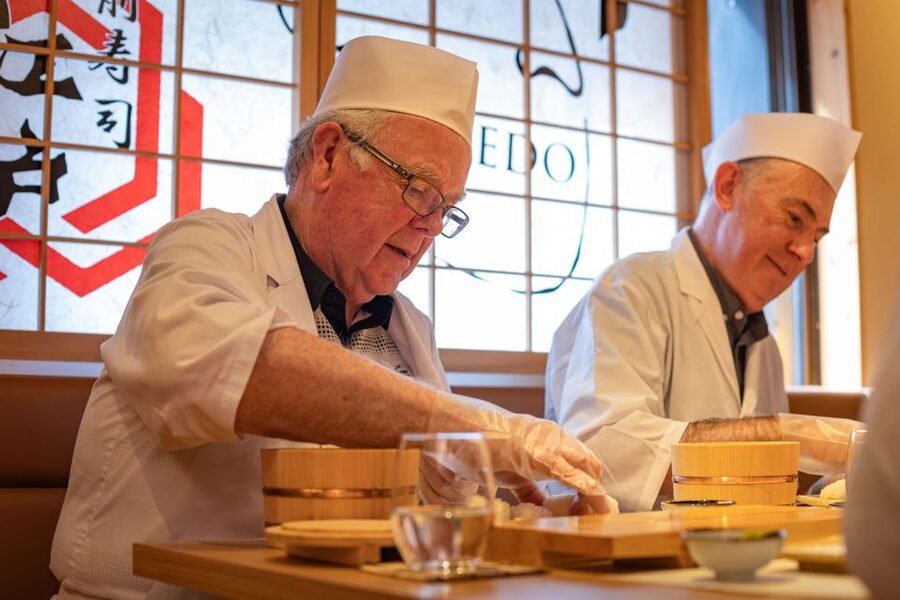
The strongest comments focus on the people leading the class. The chef and team are described as warm, patient, amusing, and clearly skilled. That matters because a technical lesson can become stressful if the instructor rushes or corrects you harshly.
Patience is especially important when teaching nigiri. Most beginners will need several tries before their rice shape and fish placement look right. The class is designed around explanation and practice, not simply watching an expert work.
Cleanliness and organization also receive specific praise. A clean, comfortable cooking space helps you focus on the food, and good organization matters when a two-hour class includes several ingredients, demonstrations, and tasting stages.
The class has earned a perfect 5 rating from 17 reviews, including comments in Spanish, German, English, and French. That does not remove the need to consider the price or the two-hour limit, but it does support the picture of a well-run lesson with friendly instruction.
Practical details for your Tokyo schedule
Plan for two hours, and check the available starting times before booking. The meeting point may change depending on the option selected, so do not assume every booking uses the same location.
The instructor speaks English, and interpretation support is available. Groups are limited to eight participants, with a minimum of two needed for the activity to run.
You can cancel up to three days in advance for a full refund. That is helpful if your Tokyo plans are still shifting, but it does not protect you from a same-day change.
Wear something comfortable and arrive ready to work with food. Avoid strong fragrances, and remember that smoking indoors is not allowed. The tools and equipment are supplied, so you do not need to bring kitchen gear.
Who should book this sushi class?
I would recommend it most strongly to food-focused visitors who want an active lesson rather than a passive meal. It suits anyone curious about Japanese technique, families with children aged 10 and older, and people who enjoy taking a new skill home from a trip.
It is also a good choice if you want to try several kinds of sushi in one sitting. The inclusion of uni, negitoro, hirame, kuruma-ebi, chutoro, and akami gives you more variety than a basic beginner class.
I would think twice if you are on a tight budget, dislike raw seafood, or only want a quick lunch. The class is also not suitable for children under 10, and solo participants should check the two-person minimum.
Should you book it?
Book this Tokyo sushi class if you want to learn by doing, value patient English instruction, and like the idea of working with premium ingredients in a real restaurant. The chef’s 30 years of experience, small group size, fresh wasabi, broad fish selection, and practical rice and nigiri lessons give the activity real substance.
Skip it if your goal is simply to eat sushi as cheaply as possible. At $161, you are paying for instruction and access to the process, not just the food. For the right person, it is a memorable way to understand sushi from the inside and bring a little of that craft into your own kitchen.
FAQ
How long does the Tokyo sushi class last?
The experience lasts two hours.
How much does the experience cost?
The listed price is $161 per person.
Is the class taught in English?
Yes. The instructor language is English, and interpretation support is available.
How many people are in each group?
The class is limited to eight participants.
What kinds of sushi will I make and taste?
The class includes uni, negitoro, hirame, kuruma-ebi, chutoro, and akami sushi. You also prepare sushi rice, grate fresh wasabi, and make hand-rolled sushi with premium nori.
Are vegetarian or allergy-friendly options available?
Yes. Vegetarian and allergy-friendly options are available.
Can children join the activity?
The experience is available for elementary school students and older, but it is not suitable for children under 10. A minimum of two participants is required.
Just added around Tokyo
- Kawagoe Japanese Food Tour : Unagi Kaiseki and Sake near Tokyo★ 5.0 · 30 reviews
- Kawagoe 4hr Private Tour with Licensed Guide (Kawagoe Dep)★ 5.0 · 13 reviews
- Little EDO Sushi Making workshop in Kawagoe★ 5.0 · 18 reviews
- 【R34】Tokyo:Private Daikoku tour in Modified R34★ 4.9 · 92 reviews
- :Tokyo,Shibuya/ Pro Photography in Kimono / English-Friendly★ 5.0 · 26 reviews
- Tokyo:Celebrate Unique Japanese New Year Tradition Festivity★ 3.9 · 20 reviews
- Tokyo: Allstar Food Tour★ 4.7 · 29 reviews
- Tokyo:Calligraphy &Make your original folding fan in Asakusa★ 5.0 · 62 reviews
Sushi Experiences, compared.
Sushi Making Tokyo Roll and Authentic Japanese Sushi Class
Our verdict →
Sake Omakase in Tokyo: Guided Tasting by Certified Sommeliers
Our verdict →
Browse the lists this tour appears in