
Reviewed · WALKING TOURS
Tokyo: Private Walking Tour with a Local
Tokyo: Private Walking Tour with a Local is less a sightseeing checklist than a personal city orientation. Your Lokafyer meets you at a central hotel, landmark, or café, then shapes the day around your interests, from old temples and quiet markets to Shibuya views, cafés, food, or Tokyo’s famously confusing rail system.
I like the practical help, especially learning how to use the metro before exploring on your own. I also like the private format, which lets guides such as Eduardo, Romana, David, and Lily adjust the pace, add rest stops, or change direction when your priorities shift.
The main consideration is that this is a flexible walk, not a fixed historical tour with guaranteed sights. Transport, meals, entrance fees, and optional activities cost extra, and the quality of your day depends on how well your interests match your guide.
Key points to know before booking
- The subway lesson can be the real payoff: Several guides have helped visitors buy tickets, use rail passes, and understand Tokyo’s stations.
- Your route is made for you: You can request temples, markets, gardens, food, shopping, street culture, or city views.
- You meet in or near central Tokyo: Pickup can be at your hotel, a landmark, or a café.
- Three hours is useful for a first look: Eight hours gives you time to cross several areas, but walking and train rides can make for a full day.
- It is private and wheelchair accessible: There is no fixed group or shared itinerary.
- Budget for extras: Your own meals, drinks, transport, attraction tickets, and the guide’s entrance fee when needed are not included.
Why a private Tokyo walk can save your first day
Tokyo can feel easy one minute and baffling the next. The streets are safe and orderly, but large stations have many exits, several rail operators, and signs that take time to decode. A local who can show you the ticket process and the right route may save more holiday time than another few facts about a famous shrine.
That practical side is where this experience earns its $82 per person price. You are not only paying for a walk. You are paying for a person who can help you get oriented, answer questions in real time, and point out places you could use during the rest of your stay.
Several guide pairings have been especially useful for this sort of introduction. Eduardo has helped people connect Shinjuku, Ikebukuro, Shibuya, and Asakusa while also finding lunch tips, views, and less obvious stops. David has helped visitors work out public transport and then added gardens or local areas. Romana has been praised for a calm, flexible approach, while Lily has helped first-time visitors combine the metro, Shibuya Crossing views, cafés, and Meiji Jingu.
Guide assignments can vary, so you should not assume that you will receive one particular person unless the booking process allows you to request one. Still, the recurring strength of the service is clear: a friendly local can make Tokyo feel less like a puzzle.
More Walking Tours in Tokyo
- Tokyo Tsukiji Fish Market Food and Culture Walking Tour
★ 5.0 · 3,184 reviews - Tokyo: Imperial Palace and Shogun Historical Walking Tour
★ 5.0 · 2,251 reviews - Tokyo: Shinjuku Local Bar and Izakaya Guided Walking Tour
★ 4.9 · 1,794 reviews
Meeting your Lokafyer and setting the route
The guide meets you at a preferred location in or near the city center. That can be your hotel, an iconic landmark, or a quiet café. This is more useful than it sounds, since you do not need to spend the first hour reaching a distant meeting point.
Before the walk, bring a short wish list. You might want to see a major temple, learn the train system, find a good lunch, look for a Pokémon Centre, see cherry blossoms, visit a garden, or walk through a traditional neighborhood. You can also arrive with no plan and let the guide suggest a route.
The best approach is to combine one or two must-sees with a practical goal. For example, ask to see a temple while learning how to travel there by rail. Or use a visit to Shibuya as a lesson in navigating a major station. This gives the tour a purpose beyond simply collecting photographs.
The itinerary description lists photo stops, sightseeing, scenic views, and guided walking, but it does not promise a standard sequence. That is a benefit for repeat visitors and a possible drawback for anyone who wants a guaranteed list of landmarks.
What three hours can realistically cover
A three-hour booking works well as an arrival-day introduction. You can stay near your hotel, visit one major area, and use public transport to add a second stop. Several successful routes have combined a local neighborhood with a temple, market, garden, or city view.
One compact example connected a stay in Shinjuku with Ikebukuro and Asakusa. That is a lot for three hours, but a local guide can reduce wrong turns and explain how to move between areas. You should still expect a brisk outing rather than a leisurely visit at every stop.
A shorter tour is also useful if you are older, traveling with children, or recovering from a long flight. Susan’s guide, Eduardo, adjusted the pace and added rest stops for older travelers. Another visitor found that the walk to Meiji Jingu was longer than expected, even with a helpful guide. That is a good reminder to tell your guide about mobility limits before setting off.
A three-hour tour can also focus on one district. Harajuku and Shibuya, for example, can fill a morning or afternoon with major sights, side streets, cafés, and shopping areas. You may appreciate the chance to return later and explore the places that caught your eye.
What changes during a six to eight hour day
A longer booking gives you room to connect different sides of Tokyo. You might begin with a traditional area, take the train to a modern district, stop for lunch, and continue to a garden or viewpoint. The full-day format is better for a wish list with several unrelated goals.
One itinerary included a temple, an introduction to the trains, a traditional area, and modern Tokyo. Another combined old markets, a temple, a park for blossom viewing, public transport, walking, and a taxi. These examples show the range possible, but they also show why a long day can feel full.
Do not confuse eight hours with eight hours of continuous walking. The day may include train rides, photo stops, café breaks, meals at your expense, and time spent working out directions. That variety is helpful in Tokyo, where moving between districts is part of the experience.
A long private tour costs more in energy as well as money. Wear comfortable shoes, carry water, and tell the guide when you need a pause. Since the route has no fixed script, you can usually favor fewer stops with more time at each one.
Same trip, a completely different kind of day:
- 1-Day Tokyo Bus Tour
★ 5.0 · 14,250 reviews - Tokyo: TOKYO SKYTREE® Admission ticket
★ 4.5 · 11,192 reviews - Tokyo: teamLab Planets TOKYO Digital Art Museum Entry Ticket
★ 4.6 · 9,779 reviews - Tokyo: Sumo Show Experience with Chicken Hot Pot and a Photo
★ 4.8 · 6,678 reviews
The Tokyo transport lesson is worth taking seriously
For many people, the most valuable part is not a landmark. It is learning how to move around afterward. Guides have helped visitors use metro and rail passes, buy tickets, identify station routes, and reach their next destination without feeling lost.
This matters because Tokyo transport can be intimidating even when the system works well. A guide can demonstrate the process with you rather than explain it in the abstract. You can ask where to change trains, how to find the correct station exit, and how to return to your hotel after the tour.
David helped one visitor understand the subway before visiting gardens. Lily showed another couple how to use the metro and then explained how to get back to their hotel when one person found the walking distance difficult. Those details are especially useful on your first day.
Transport is not included, so allow money for your own fares and any other travel during the day. A taxi may be useful when time is short or walking becomes tiring, but it is an optional cost. Ask your guide to explain each choice before you agree to a longer transfer.
Temples, gardens, markets, and modern Tokyo
You can ask for a balanced look at Tokyo rather than a single theme. A route might pair a temple or shrine with a modern district, then add a market, garden, or café. That contrast helps you understand the city as a place where old customs and fast-moving urban life sit close together.
Asakusa is one possible stop for a traditional side of Tokyo. Guides have used the area to explain temple customs and everyday etiquette. Meiji Jingu and local gardens offer a different setting, with more space and a slower pace. In spring, guides have helped people find parks for cherry blossoms, though seasonal sights naturally depend on timing.
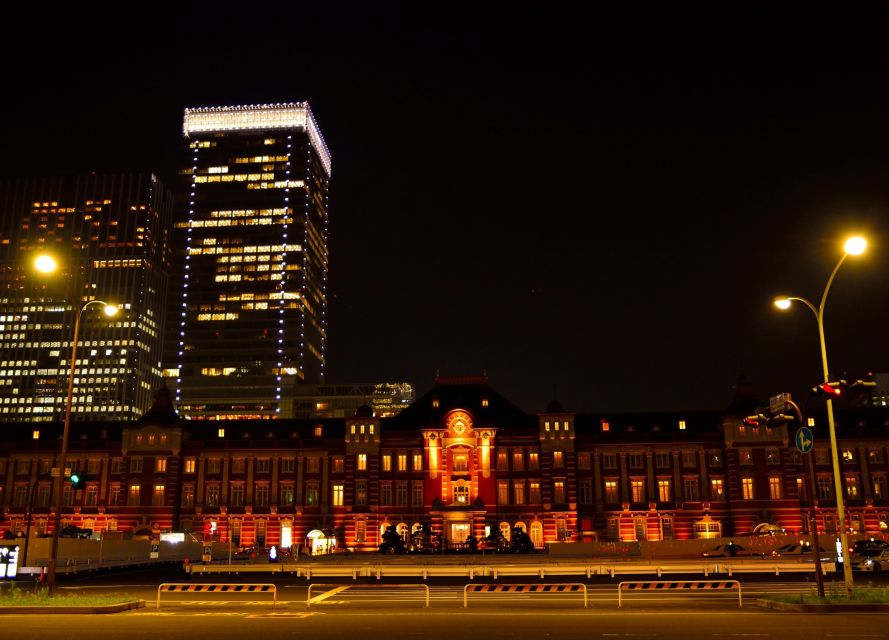
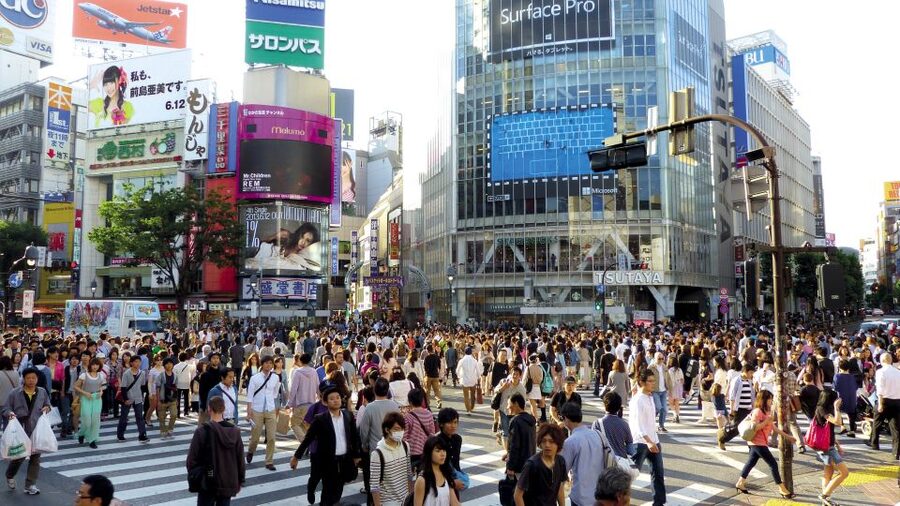
For modern Tokyo, Shibuya and Shinjuku are practical choices. You can see a famous crossing, seek out a high-rise view, learn the station layout, or ask where to return for food and shopping. A guide may also lead you through smaller streets and markets that are not part of a standard sightseeing route.
The key advantage is context. You can ask why a place matters, how people use it today, and what customs to observe. The guide’s personal knowledge may be more useful than a rehearsed speech, especially when you want to understand ordinary life rather than simply photograph a monument.
Food, cafés, shopping, and local suggestions
Food requests fit this tour well, but meals and drinks are not included. You can ask your guide to recommend a lunch place, a coffee stop, sushi, or a neighborhood worth returning to later.
One guide helped locate a small sushi restaurant near Shibuya and even checked the waiting situation. Another took a group to a lunch spot they described as a highlight. Other outings included cafés, local markets, and a cat café.
These are the moments that make the private format worthwhile. A guide can respond to what you actually want to eat instead of taking an entire group to a preset restaurant. Still, you should be clear about budget, dietary needs, and how much time you want to spend waiting or eating.
Shopping requests can also be folded in. One visitor wanted a Pokémon Centre along with transport practice, a high-rise view, cherry blossoms, and something cultural. The guide managed to connect those aims in a short outing. Give your guide a precise list if shopping is important, since Tokyo has many districts and you may not have time for every one.
Language, pace, and accessibility
The listed guide languages are English, Spanish, and French. This makes the tour useful for visitors who want to discuss local customs, transport, and food in a familiar language.
The guides described in the supplied experiences have included Eduardo, Romana, David, Lily, Elizabeth, Gonul, Siih, Faustine, and others. Their strengths vary, but the most praised qualities are friendliness, patience, flexibility, and practical help. One guide even arranged umbrellas during rain, showing the sort of small response that can make a difficult day easier.
The activity is wheelchair accessible, but you should discuss the route before the tour. Tokyo stations and long walks can make route planning important. Ask for elevators, shorter distances, rest stops, or fewer transfers if needed.
Children under three can join free, and children from three to twelve receive a 50 percent discount. A private group also lets you set a pace that works for your family instead of keeping up with strangers.
Price, flexibility, and what is not included
At $82 per person, the cost is easiest to justify when you use the guide for orientation, not just sightseeing. A private lesson in Tokyo’s transport system, combined with a custom route and local food advice, can help you enjoy the remaining days with less stress.
The value is lower if you only want a scripted tour of famous sights. You will also need to budget for your own transportation, meals, drinks, personal purchases, optional activities, and attraction tickets. If you ask the guide to enter an attraction with you, you cover the guide’s entrance fee as well.
The duration ranges from three to eight hours, and you can request a preferred start time. Free cancellation is available up to 24 hours before the tour for a full refund. Check availability for the actual times offered on your dates.
Who should book this Tokyo experience
I would choose this tour for a first visit, especially on the first or second day. It can show you how to use the metro, explain local customs, and give you ideas for the rest of your stay.
It also suits repeat visitors who want a specific focus, such as food, street culture, quiet neighborhoods, markets, gardens, or photography. Families and older travelers may appreciate the private pace, provided they communicate mobility needs early.
I would be more cautious if you want a fixed schedule, guaranteed entry to major attractions, or a formal lecture on Tokyo history. This is a conversation-led walk, and your preparation matters. Bring questions, name your priorities, and tell the guide what you do not want.
Should you book it?
Book it if you want a friendly introduction, practical transport help, and the freedom to shape your day. The strongest value comes from using the guide as both a local companion and a Tokyo coach.
Choose three hours for a focused first look or transport lesson. Choose six to eight hours if you want several districts, a meal break, and time for both traditional and modern Tokyo. Wear good shoes, keep your wish list realistic, and budget for extras. For many first-time visitors, that combination can make the rest of Tokyo much easier to enjoy.
FAQ
How long is the private Tokyo walking tour?
The tour lasts from 3 to 8 hours. Available start times depend on the date you choose.
What languages are available?
Live guides are listed for English, Spanish, and French.
Is the tour private?
Yes. It is a private group experience with a customized walking route and no fixed shared group.
Where does the guide meet me?
The Lokafyer can meet you at your preferred location in or near central Tokyo. This may be your hotel, an iconic landmark, or a quiet café.
Can I choose the start time?
You can request a specific time, subject to availability.
Can the guide help me use Tokyo trains and the metro?
Yes. The tour can include help with rail passes, metro tickets, station routes, and public transport navigation.
Are meals and drinks included?
No. Meals and drinks are not included, so you pay for your own food and beverages.
Are transportation costs included?
No. Transportation is not included. You are also responsible for personal expenses and optional activity costs.
Do I pay for the guide’s attraction ticket?
Yes. If you want to visit an attraction, you need to cover the entrance cost for the local guide as well as your own ticket.
Is the tour suitable for children and wheelchair users?
The activity is wheelchair accessible. Children under three can join free, and children aged three to twelve receive a 50 percent discount.
Just added around Tokyo
- Kawagoe Japanese Food Tour : Unagi Kaiseki and Sake near Tokyo★ 5.0 · 30 reviews
- Kawagoe 4hr Private Tour with Licensed Guide (Kawagoe Dep)★ 5.0 · 13 reviews
- Little EDO Sushi Making workshop in Kawagoe★ 5.0 · 18 reviews
- 【R34】Tokyo:Private Daikoku tour in Modified R34★ 4.9 · 92 reviews
- :Tokyo,Shibuya/ Pro Photography in Kimono / English-Friendly★ 5.0 · 26 reviews
- Tokyo:Celebrate Unique Japanese New Year Tradition Festivity★ 3.9 · 20 reviews
- Tokyo: Allstar Food Tour★ 4.7 · 29 reviews
- Tokyo: West-Side Cycling and Food Tour with Guide★ 5.0 · 37 reviews
Walking Tours, compared.

Kyoto Geisha Walking Tour: Gion District & Hidden Gems
Our verdict →
Imperial Palace and Shogun Historical Walking Tour
Our verdict →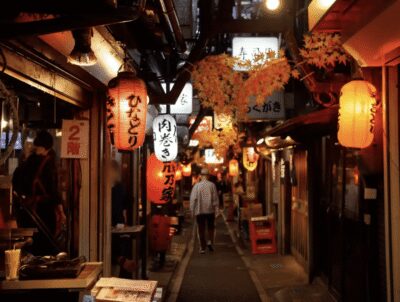
Shinjuku Local Bar and Izakaya Guided Walking Tour
Our verdict →

Nishiki Market Brunch Walking Tour (7 Tastings + Brunch)
Our verdict →
Kyoto Arashiyama Walking Tour: Bamboo, Monkeys, Gardens & Secrets
Our verdict →
Tokyo Castle & Imperial PalaceーShogun Walking Tour
Our verdict →Browse the lists this tour appears in