
Reviewed · WALKING TOURS
Tokyo: Private Custom Walking Tour with Local Guide
Tokyo is easier to understand when someone shows you how its pieces fit together. On this private walking tour, you can pair famous sights such as Senso-ji, Shibuya, or the Imperial Palace Gardens with the practical skills that make the rest of your trip smoother, including using the metro, finding a Suica card, and knowing how to behave at a shrine.
I like two things especially. First, the guide contacts you before the tour and shapes the day around your interests. Second, the private format lets you slow down for children, mobility needs, food stops, or an unexpected neighborhood that catches your eye. The main consideration is pace: fitting several Tokyo districts into one day means plenty of walking, stairs, and train rides.
Key points at a glance
- Start with your own priorities: Ask for traditional temples, modern Tokyo, shopping, food, anime, parks, or a mix.
- Learn the train system as you go: Guides such as Enrique, Karl, Albert, Cristiano, and Victor have helped visitors handle Tokyo’s confusing rail network.
- See Tokyo beyond the headline sights: Quiet corners of Shinjuku, Odaiba Marina, neighborhood streets, and lesser-known viewpoints can be added.
- Choose a useful first-day orientation: A hotel pickup and a tour on your arrival day can help you get over jet lag while learning the city.
- Expect a truly private outing: The guide can adjust stops, timing, and breaks for solo visitors, couples, families, and people with mobility concerns.
- Budget for extras: The $53 starting price covers the private walking service and public transport, but food, drinks, and attraction tickets cost extra.
A private introduction to Tokyo, not a fixed sightseeing march
This experience works best as a personal orientation to Tokyo. You are not handed a rigid route and hurried from one photo stop to the next. Before meeting, you can explain what matters to you, and the guide can suggest a sensible plan.
That matters in Tokyo because the city is too large to cover in a neat circuit. A day built around Asakusa and the Tokyo Skytree feels very different from one focused on Shibuya, Harajuku, and Shinjuku. Akihabara suits a different interest again, while Odaiba offers a quieter waterfront side of the city.
The tour lasts from two to eight hours. Two hours is enough for a compact introduction to one area or a quick orientation. Four hours gives you room for a few neighborhoods and some public transport practice. An eight-hour day can link several districts, though you should expect a serious amount of walking. One especially energetic eight-hour outing reached about 23,000 steps, so do not treat the longest option as a gentle stroll.
More Walking Tours in Tokyo
- Tokyo Tsukiji Fish Market Food and Culture Walking Tour
★ 5.0 · 3,184 reviews - Tokyo: Imperial Palace and Shogun Historical Walking Tour
★ 5.0 · 2,251 reviews - Tokyo: Shinjuku Local Bar and Izakaya Guided Walking Tour
★ 4.9 · 1,794 reviews
How the custom planning works
Your guide contacts you ahead of time to learn what you want to see. Be specific. If you want temples, say so. If you want modern architecture, local shopping, Japanese food, or help with the railway system, put that in your message.
You can also ask for a balance. One family combined popular sights with breaks and short detours for children. Another group wanted to see three different wards, shop, learn local history, and visit special-interest stops. A solo visitor used the time for Akihabara and Asakusa, along with advice on Japanese customs.
The guide may propose a route that links your choices efficiently. That is important because Tokyo’s districts are spread out, and a long list of sights can waste time if arranged poorly. You can also change direction during the day. Guides including Francine, Cristiano, Karl, and Himena have adjusted plans while the tour was underway, adding stops or spending longer in places that suited the group.
If you want to enter a museum or another paid attraction, tell the company in advance. The guide can help arrange tickets, but admission is not included. Museum visits also use up a good portion of a short tour, so they make more sense on a four to eight-hour booking than on a two-hour slot.
Asakusa and Senso-ji: the best traditional starting point
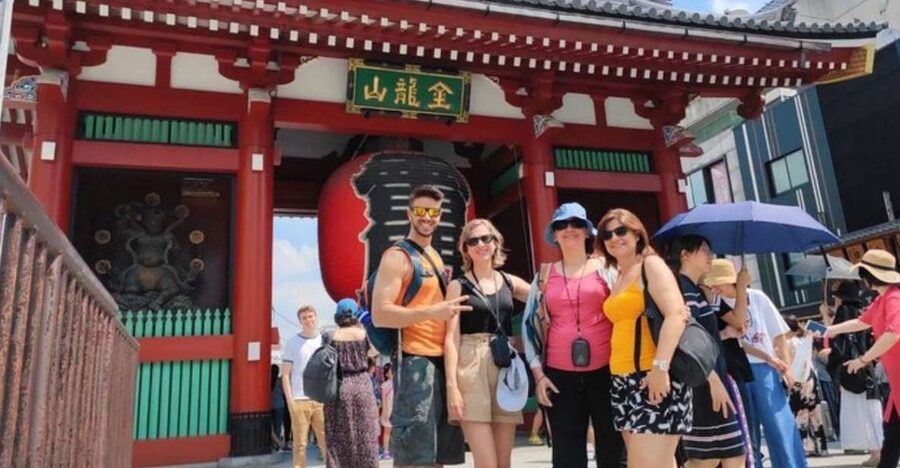
Asakusa is one of the clearest places to see old Tokyo traditions in a modern city. Senso-ji gives you a major Buddhist temple, a well-known approach street, and traditional-looking lanes where you can pause for snacks and small gifts.
A guide can explain how to enter a shrine or temple respectfully, which makes this more than a quick photograph. You can ask about customs, Japanese religious life, and the difference between a shrine and a temple. That basic context changes how you look at the gates, incense, worship practices, and surrounding streets.
The area also works well for food. One family enjoyed trying treats around Asakusa, while other outings paired the district with a viewing spot above the temple. The Tokyo Skytree can be added for a modern contrast, although its observation deck requires a separate ticket and takes time.
Asakusa is a strong choice for first-time visitors, families, and anyone who wants a gentle introduction to Japanese culture. It can feel crowded around the best-known sites, and the shopping streets are geared toward sightseeing, so ask your guide to add quieter lanes if you want a less polished view of the neighborhood.
Shibuya and Shinjuku: modern Tokyo with local direction
Shibuya is the obvious place to ask for Tokyo’s modern, high-energy side. You can combine its famous crossing and large commercial streets with quieter areas, depending on your interests and energy.
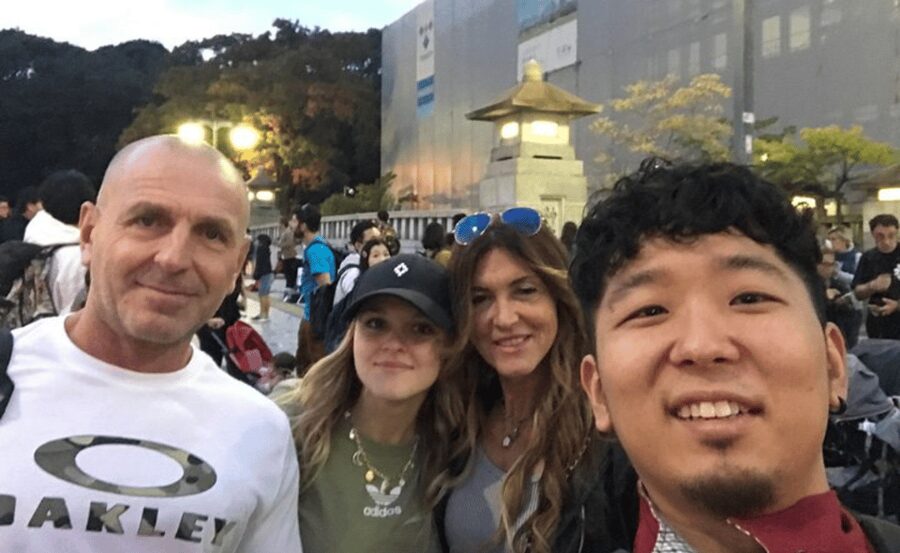
Shinjuku gives you another view of the city, from tall buildings and department stores to small local streets. One guide took a visitor through several different parts of Shinjuku and Shibuya, mixing temples, famous buildings, major sights, and calmer neighborhoods. That kind of contrast is one of the main benefits of a private guide. You do not have to spend the entire afternoon in the loudest or most crowded section.
The Tokyo Metropolitan Government Building is another useful possibility. It offers city views without the same type of paid observation-deck commitment as some attractions, although the experience and access details can change. Ask the guide to confirm what is available on your date.
This pairing suits you if you want to understand present-day Tokyo, find restaurant or bar ideas, or learn about karaoke and evening areas. It is less suitable if you want a slow temple-focused day. Shibuya and Shinjuku involve large stations, long crossings, and plenty of walking, so a two-hour version will feel brisk.
Same trip, a completely different kind of day:
- 1-Day Tokyo Bus Tour
★ 5.0 · 14,250 reviews - Tokyo: TOKYO SKYTREE® Admission ticket
★ 4.5 · 11,192 reviews - Tokyo: teamLab Planets TOKYO Digital Art Museum Entry Ticket
★ 4.6 · 9,779 reviews - Tokyo: Sumo Show Experience with Chicken Hot Pot and a Photo
★ 4.8 · 6,678 reviews
Imperial Palace Gardens and Marunouchi: history beside office towers
The Imperial Palace area gives you an easy way to combine formal Tokyo with open space. The gardens offer a break from dense streets, while nearby Marunouchi shows the city’s business district and polished modern architecture.
A guide can explain the place from the outside and help you understand how the palace area fits into Tokyo’s development. The tour does not automatically include entry to paid museums or attractions, and the supplied details describe monuments and museums mainly from the exterior unless you request an indoor visit in advance.
This area is especially appealing in cooler weather and during seasonal changes. One winter outing included the Imperial Palace Gardens and Marunouchi, with the gardens offering a pleasant change from the city streets. You can ask to combine it with Asakusa for a day that moves from traditional Tokyo to imperial and corporate Tokyo.
The drawback is that the palace grounds are not a single compact attraction that you can fully cover in a short visit. If you have only two hours, choose this area as your main focus rather than trying to add several distant districts.
Akihabara, Odaiba, and food stops for special interests
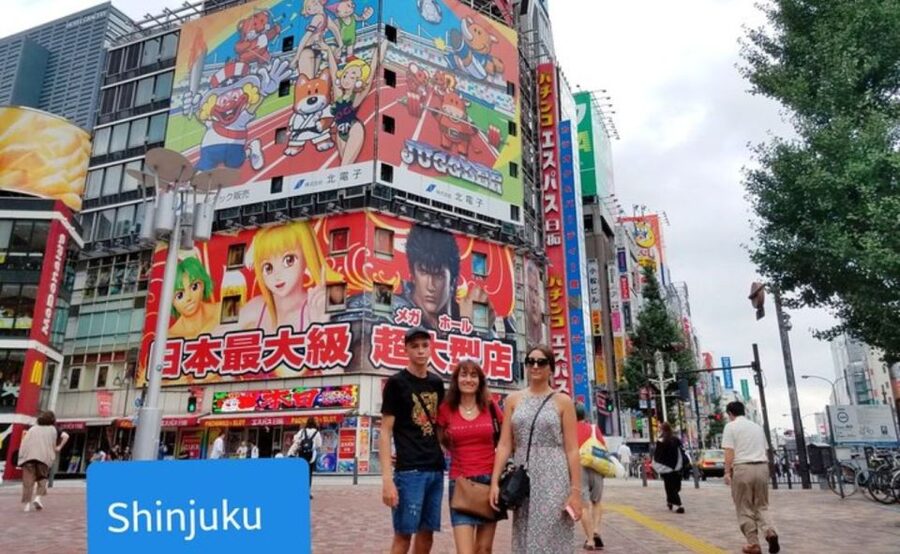
A custom tour earns its price when your interests are specific. Akihabara can be included if you care about electronics, anime, games, or pop culture. One solo visitor used the guide there as well as in Asakusa, receiving explanations of local customs and advice on appropriate behavior.
Odaiba offers a very different experience. One outing included the marina and gave the visitor a peaceful view of another side of Tokyo. It is a good choice when you need some breathing room from dense shopping streets, though reaching it takes time and public transport.
Food can also shape the day. A guide may suggest restaurants, bars, karaoke, or snack stops based on your preferences. One guide helped locate suitable food for a visitor with celiac disease, while another showed a group local food spots. Still, food and drinks are not included, and dietary needs should be explained before the tour so the guide has time to plan.
You can also request the Tsukiji area. One group received a behind-the-scenes look at the fish market and combined it with a viewing platform, a Pokémon Mega Center, and other stops. These examples show how the tour can work for a family with mixed ages, but they also show why you should not try to copy every stop into one day.
Public transport is part of the real value
Tokyo’s trains are fast and useful, but major stations can be confusing. This tour includes walking and public transport, except where a separately selected option changes the arrangement. The guide can show you how to move through stations, use the metro, and handle practical tasks such as getting a Suica card or collecting rail passes.
I consider this one of the strongest reasons to book the experience early in your stay. A guide such as Enrique, Karl, Albert, Cristiano, or Victor can help you practice the system while you are still unsure. After that, the rest of Tokyo feels less intimidating.
One couple used the tour to collect JR rail passes and learn local transport in much less time than they expected to spend alone. Another visitor booked the experience partly to gain confidence using the metro. That is a useful distinction: you are not just being carried between sights. You are learning a skill you can use afterward.
The train system can also limit how much you see. Tokyo districts are not all next door to one another, and transfers take time. If you want a relaxed day, pick two or three connected areas instead of asking for every famous sight.
The guides and the personal touch
The experience is delivered by different Guydeez guides, so the exact style depends on who is assigned. Names praised for flexibility, city knowledge, and practical help include Francine, Enrique, Karl, Albert, Cristiano, Himena, Victor, Fabian, Maria, Shaban, and Riccardo.
Francine has worked with visitors to plan the route before arrival and then adjust it during the day. Karl has been especially useful for explaining Tokyo life and helping with mobility needs. Albert has helped families with children and shown them how to manage the subway. Cristiano has assisted visitors with rail passes and public transport. Shaban has helped with tickets, meals, photographs, and extra stops during a long day.
That range is encouraging, but I would not assume every guide will offer the same expertise in every subject. State your priorities clearly and ask for help with your highest-priority area. The guide’s role is part sightseeing host, part city orientation helper, and part practical problem solver.
The private format also helps families and people with mobility concerns. The activity is listed as wheelchair accessible, and guides have adjusted walking plans, allowed regular breaks, and helped visitors with medical or mobility needs. You should still explain your exact requirements in advance, since Tokyo stations and busy areas can involve long distances.
Is $53 a good value?
The starting price of $53 per person is reasonable for a private service, especially if you are sharing the cost with a partner or family. You receive a custom plan, a private guide, hotel pickup when your accommodation is in Tokyo, and help with walking and public transport.
The value is highest when you use the guide for something that would otherwise cost you time or stress. Learning the train system, finding food that suits your diet, getting a first look at several districts, or understanding temple etiquette can make the rest of your trip easier.
You still need to pay for meals, drinks, and attraction tickets. The price also does not turn Tokyo into a small city. A short tour cannot cover every major sight, and a full-day tour may involve substantial walking and transport.
Free cancellation up to 24 hours before the start and the option to reserve now and pay later add flexibility. The tour can begin at your central Tokyo hotel. If your hotel is outside the city center, the operator chooses a convenient central meeting point. It may end somewhere different from where you began, so request a return to the starting point ahead of time if that matters.
Who should book this Tokyo walking tour?
I would recommend it most strongly for first-time visitors, families, solo visitors, couples, and anyone uneasy about Tokyo’s train system. It also suits you if your interests do not fit a standard sightseeing route, such as anime, local food, neighborhood life, shopping, or a mix of old and new Tokyo.
It is a smart first-day activity if you want to shake off jet lag while learning how the city works. Hotel pickup removes some early stress, and the guide can finish near a district you want to explore on your own.
I would choose a different format if you want a specialist museum tour, a food-only experience, or a fully scripted history lecture. This is a flexible city day, not a single-attraction tour. Its success depends on the match between your requests, the guide, and the amount of time you book.
FAQ
How long does the private Tokyo tour last?
You can book the tour for two to eight hours. Two hours works for one main area, while longer bookings allow more neighborhoods, transport practice, and extra stops.
Is the tour private?
Yes. The experience is for a private group, so the guide can adjust the route and pace for your party.
Can I choose where the tour goes?
Yes. The tour is customizable. You can request places, neighborhoods, food interests, cultural sites, shopping areas, and transport help before the tour.
Is hotel pickup included?
Pickup is included when your accommodation is in Tokyo. If the hotel is outside the city center, a convenient central meeting point will be selected.
Does the tour include public transportation?
Walking and public transportation are included, except where you select a different option. Attraction tickets, food, and drinks are not included.
Can I visit a museum during the tour?
You can request a museum visit in advance. The guide can adjust the plan and help with ticket bookings, but admission is not included.
Which languages are available?
Guides may lead the tour in English, French, Italian, Japanese, Spanish, or Portuguese.
Is the tour wheelchair accessible?
Yes, the activity is listed as wheelchair accessible. Explain your mobility needs before the tour so the route and pace can be planned appropriately.
Should you book it?
Book this tour if you want more than a checklist of Tokyo sights. Ask for a route that teaches you how to use the trains, includes the neighborhoods you care about, and leaves room for local advice. I would choose four hours for a balanced first introduction, or eight hours if you want several districts and do not mind a long day on your feet. At $53 per person, it is a practical buy when the guide helps you save time, avoid navigation headaches, and enjoy the rest of Tokyo with more confidence.
Just added around Tokyo
- Kawagoe Japanese Food Tour : Unagi Kaiseki and Sake near Tokyo★ 5.0 · 30 reviews
- Kawagoe 4hr Private Tour with Licensed Guide (Kawagoe Dep)★ 5.0 · 13 reviews
- Little EDO Sushi Making workshop in Kawagoe★ 5.0 · 18 reviews
- 【R34】Tokyo:Private Daikoku tour in Modified R34★ 4.9 · 92 reviews
- :Tokyo,Shibuya/ Pro Photography in Kimono / English-Friendly★ 5.0 · 26 reviews
- Tokyo:Celebrate Unique Japanese New Year Tradition Festivity★ 3.9 · 20 reviews
- Tokyo: Allstar Food Tour★ 4.7 · 29 reviews
- Tokyo: West-Side Cycling and Food Tour with Guide★ 5.0 · 37 reviews
Walking Tours, compared.

Kyoto Geisha Walking Tour: Gion District & Hidden Gems
Our verdict →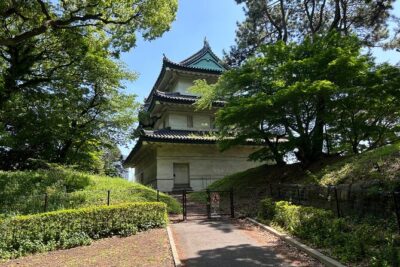
Imperial Palace and Shogun Historical Walking Tour
Our verdict →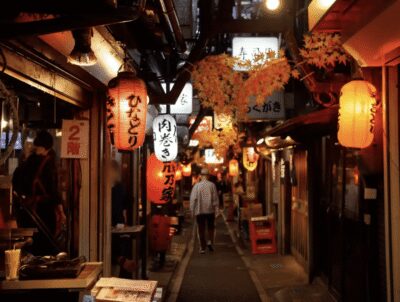
Shinjuku Local Bar and Izakaya Guided Walking Tour
Our verdict →

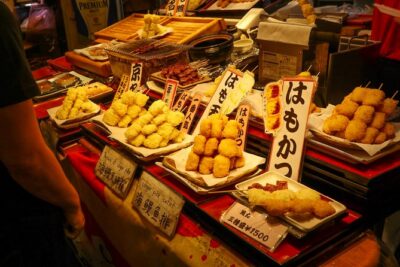
Nishiki Market Brunch Walking Tour (7 Tastings + Brunch)
Our verdict →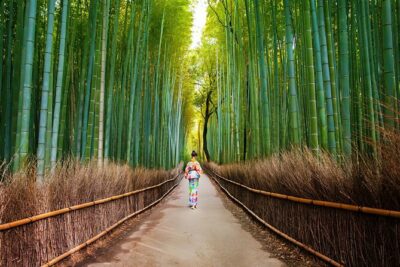
Kyoto Arashiyama Walking Tour: Bamboo, Monkeys, Gardens & Secrets
Our verdict →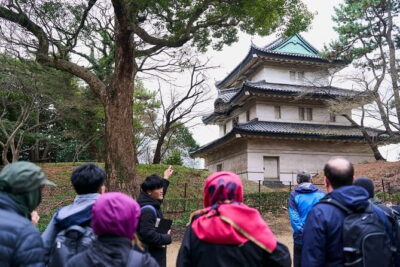
Tokyo Castle & Imperial PalaceーShogun Walking Tour
Our verdict →Browse the lists this tour appears in