
Reviewed · WALKING TOURS
Tokyo: Old Quarter Yanaka Walking Tour
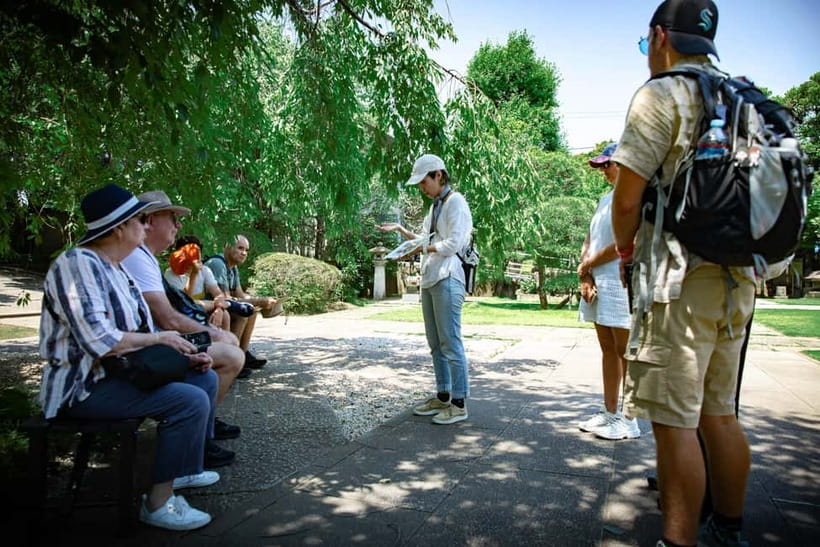
Tokyo’s Yanaka district gives you something central Tokyo rarely offers: quiet streets with a lived-in feel. Wooden houses, small temples, old shops, graveyard paths, and neighborhood businesses replace the towers and neon. It is not a grand monument tour. It is a slow look at how older Tokyo still works.
I like the walk for two clear reasons. First, the guide adds meaning to ordinary corners, from cemetery stones to local sweets. Second, the route links several worthwhile stops, including Tennoji Temple, Nezu Shrine, and Yanaka Ginza, without turning the afternoon into a forced march. The main drawback is that the experience depends heavily on your guide, and the beer stop may not work as a proper tasting for every group.
Key points at a glance
- Old Tokyo without the usual crowds: Yanaka feels calmer and more residential than many famous parts of the city.
- Tennoji’s bronze Buddha: See the large statue and gardens at one of Yanaka’s important temples.
- A cemetery that feels like a park: Broad paths, large trees, and stories about notable people make Yanaka Cemetery more than a quick pass-through.
- Small local stops: The route includes Yoshidaya Liquor Shop, Yanaka Beer Hall, traditional sweets, galleries, and artisan businesses.
- A useful three-hour route: Start at Nippori Station and finish at Yanaka Ginza, with no return trip to the starting point.
- Small English-speaking group: The limit of 10 people gives the guide room to answer questions and adjust the pace.
Why Yanaka is one of Tokyo’s best slow walks
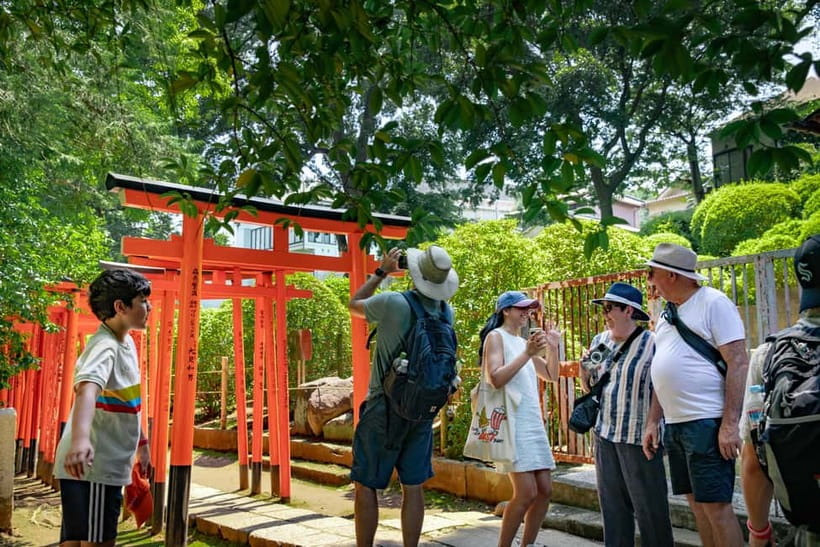
Tokyo can be thrilling, but its scale can wear you down. Yanaka offers a reset. You still hear the city around you, yet the streets feel more human. The route moves through narrow lanes where wooden homes, temple walls, tiny shops, and gardens appear one after another.
This part of Tokyo also escaped some of the destruction that reshaped other neighborhoods. That does not mean Yanaka is a museum. People live and work here, and that is exactly why the walk feels useful. You see a neighborhood rather than a set of isolated sights.
The guide is central to the experience. Aya, Junko, Rei, Polina, Yoshie, and several other guides have led recent tours, and the strongest descriptions consistently point to friendly explanations of Japanese customs, religion, local history, and daily life. Some guides live nearby or know the area closely, which can add a personal touch.
You should not expect a lecture delivered at speed. The best version of this tour is a conversation while walking. You can ask about Buddhist and Shinto practice, food, neighborhood life, or places to visit later. That makes the tour especially useful early in a Tokyo trip, when you still want help understanding what you are seeing.
More Walking Tours in Tokyo
- Tokyo Tsukiji Fish Market Food and Culture Walking Tour
★ 5.0 · 3,184 reviews - Tokyo: Imperial Palace and Shogun Historical Walking Tour
★ 5.0 · 2,251 reviews - Tokyo: Shinjuku Local Bar and Izakaya Guided Walking Tour
★ 4.9 · 1,794 reviews
Meeting at Nippori Station and entering Yanaka
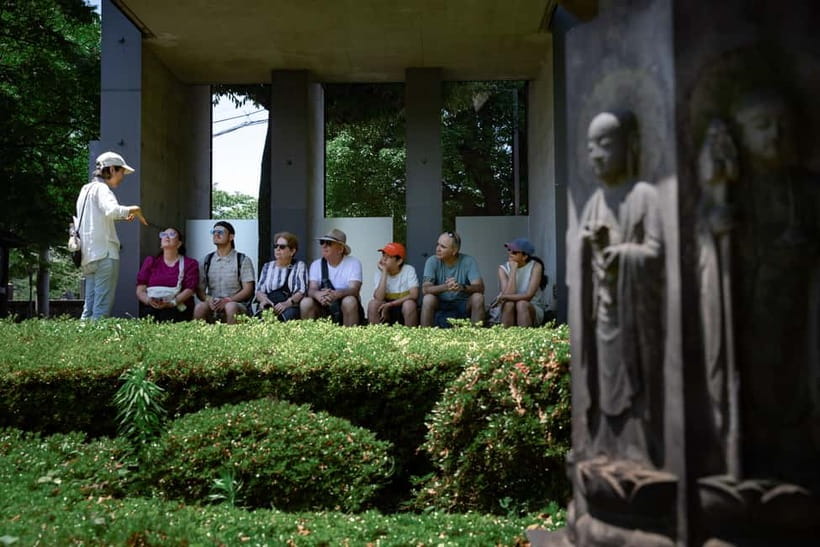
The meeting point is outside the JR Nippori Station North Ticket Gate, next to the NewDays convenience store. Take a moment to get oriented before leaving the station. Nippori is a busy rail stop, and meeting outside the correct gate matters.
From there, the route moves into Yanaka on foot. The change is quick. Station activity gives way to quieter streets, low buildings, small shrines, and temple grounds. You will walk for three hours, so comfortable shoes are a must. The route includes cemetery paths, narrow lanes, and several stops, but it is still a walking tour rather than a sightseeing bus with long breaks.
The group can include up to 10 people. That is a useful size for this neighborhood. A very large group would make narrow lanes and small shops awkward, while a small group lets you hear the guide and ask questions. One booking even turned into a private tour when only two people attended, though you should treat that as a possibility rather than a promise.
Tennoji Temple and its bronze Buddha
Tennoji Temple is the first major stop, with about 20 minutes for a guided visit. The temple is known for its large bronze Buddha, described as one of the seven Gods of Fortune and the only one located in Yanaka.
This stop gives the walk an early spiritual focus. You can look at the temple architecture, pause in the gardens, and listen as your guide explains the beliefs and customs connected with the site. The gardens are not presented as a huge formal attraction, so the value comes from the calm setting and the context provided by the guide.
Twenty minutes is enough for an introduction, photographs, and a quiet look around. It is not enough for a detailed study of every building. That is fine. The temple works best as the opening note for a route that keeps connecting religion, neighborhood life, and the past.
If your interest is mainly in grand temple complexes, Tennoji may feel modest. If you enjoy smaller places where you can stop and observe, it sets the right tone.
Yanaka Cemetery under the tall trees
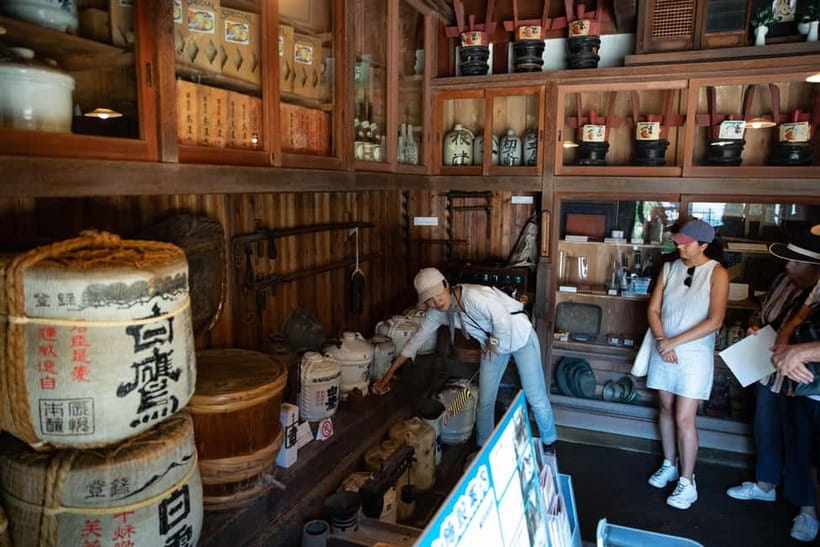
The tour then spends about 30 minutes in Yanaka Cemetery. This is one of the more memorable parts of the route because it feels peaceful rather than solemn in a heavy way. Large trees line the paths, giving the cemetery a cool, spacious quality that contrasts with Tokyo’s packed streets.
Your guide shares stories about notable people buried there and explains how the cemetery fits into Yanaka’s religious and local setting. The details help you read the place as part of the neighborhood, not simply as a shortcut between temples.
This is also where the walking pace matters. You are not rushed from one photo stop to the next. The route gives you time to notice stone markers, tree cover, temple boundaries, and the way residents use the surrounding streets.
Please remember that this is an active cemetery and religious area. Keep your voice low and follow the guide’s lead about where to walk and what to photograph. If you prefer nonstop entertainment, 30 minutes here may feel long. I think it is one of the tour’s strongest sections because it shows Tokyo at a slower speed.
Same trip, a completely different kind of day:
- 1-Day Tokyo Bus Tour
★ 5.0 · 14,250 reviews - Tokyo: TOKYO SKYTREE® Admission ticket
★ 4.5 · 11,192 reviews - Tokyo: teamLab Planets TOKYO Digital Art Museum Entry Ticket
★ 4.6 · 9,779 reviews - Tokyo: Sumo Show Experience with Chicken Hot Pot and a Photo
★ 4.8 · 6,678 reviews
Yoshidaya Liquor Shop and the neighborhood’s small businesses
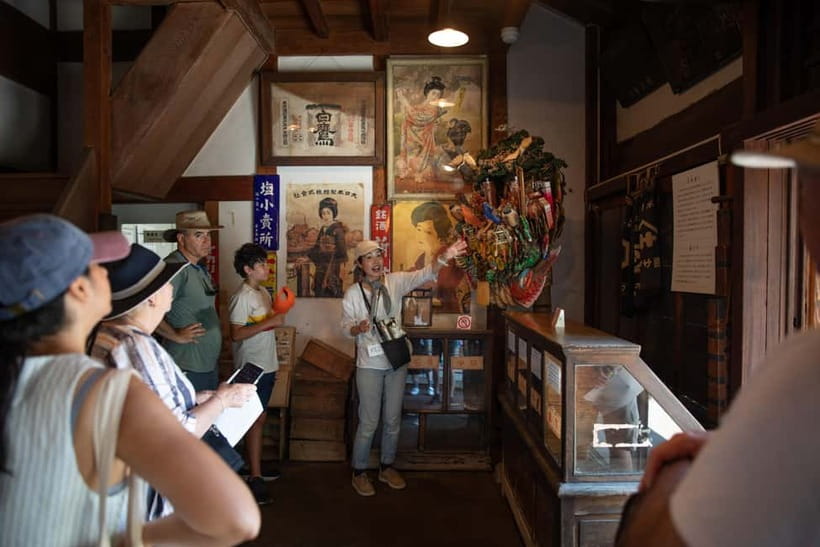
A short 10-minute visit to Yoshidaya Liquor Shop brings the walk back into everyday Yanaka. Small businesses like this help explain why the district feels different from a sightseeing zone built only around major attractions.
The stop is brief, but it gives the guide a chance to discuss local shopping habits and the role of long-running neighborhood stores. Along the way, you may also encounter traditional sweet shops, small galleries, and artisans. The exact businesses open to the public can vary, so think of this part as a guided introduction rather than a fixed shopping program.
This is one of the tour’s practical advantages. On your own, you might walk past a shop without knowing what makes it worth a look. With a local guide, you get an explanation and can mark down places to revisit after the tour.
Yanaka Beer Hall and the 30-minute break
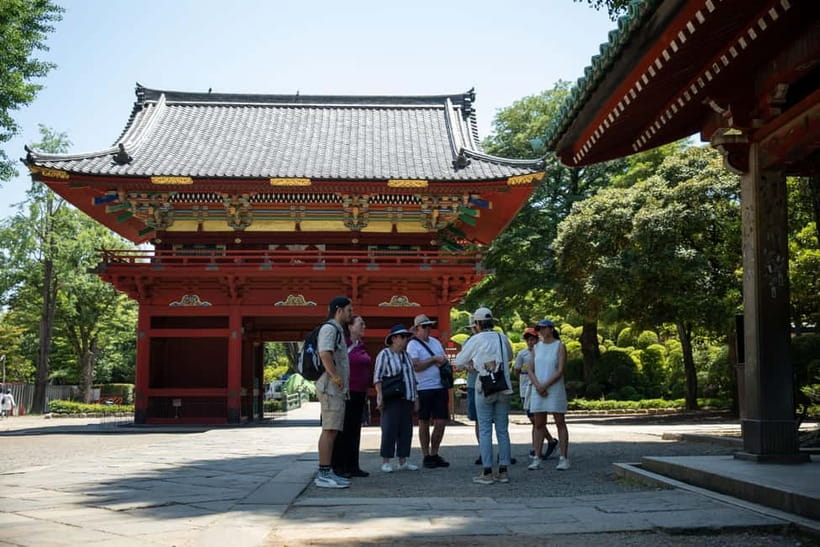
The planned break at Yanaka Beer Hall lasts about 30 minutes. It is a useful pause in the middle of the walk, especially in warm weather. You may have time for a beer, a snack, or a little free time, depending on the group.
Do not book this tour solely for the beer stop. One person found that the group was not served beer because not everyone wanted a drink. That points to an important practical detail: the stop is part of the route, not a guaranteed tasting session for every participant.
The break can still be worthwhile. It lets you sit down, chat with the guide, and reset before more walking. Other food stops and sweet shops may also appear along the route. Bring some yen or a payment method suitable for small purchases if you want to buy treats, but the tour price covers the guide rather than food and drinks.
The Himalayan cedar and Yanaka’s slower rhythm
The Yanaka Himalayan Cedar Tree receives about 10 minutes. It is a simple stop, but it fits the character of the neighborhood. The tree is a reminder that Yanaka’s appeal comes from the combination of natural features, old buildings, religious sites, and ordinary streets.
You will not spend a long time here. Instead, the guide uses it as a marker within the walking route and a chance to explain local surroundings. These smaller pauses help the tour feel like a walk through a district rather than a checklist of famous Tokyo sights.
The tree also gives you another brief change of pace after the beer hall. If you enjoy street-level details more than major monuments, this kind of stop will likely appeal to you. If you want every minute filled with major architecture, it may seem less important.
Nezu Shrine and the final stretch to Yanaka Ginza
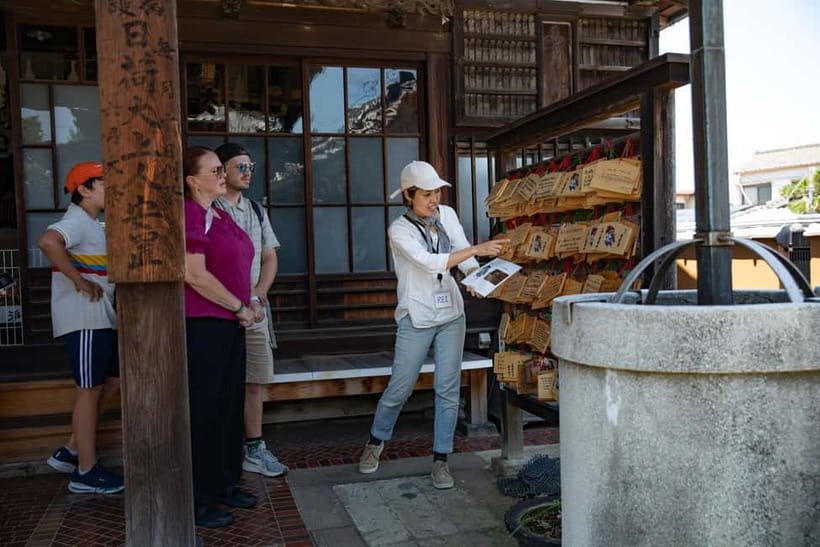
Nezu Shrine is allotted about 20 minutes and is one of the route’s most appealing landmarks. The shrine adds a different side of Japanese religious tradition after the Buddhist setting of Tennoji. Your guide can help explain the difference between Buddhist and Shinto places, which is valuable if you are still sorting out the visual and cultural clues around Tokyo.
The route may also include small art spaces, shops, and local food stops before reaching Yanaka Ginza. The mix is part of the point. You move from quiet sacred grounds into the practical world of shopping, snacks, and neighborhood commerce.
The tour finishes at Yanaka Ginza, a convenient ending. You are not returned to Nippori Station, but you finish in a place where you can continue exploring, eat, shop, or make your own way onward. Ask your guide for suggestions before the group separates. Several guides have offered useful restaurant and area tips, including ramen advice.
Yanaka Ginza can be more active than the cemetery and side streets, so the ending gives the walk a bit of energy. It also makes sense as a final stop because you can continue at your own pace after the formal tour ends.
What the guides add to the experience
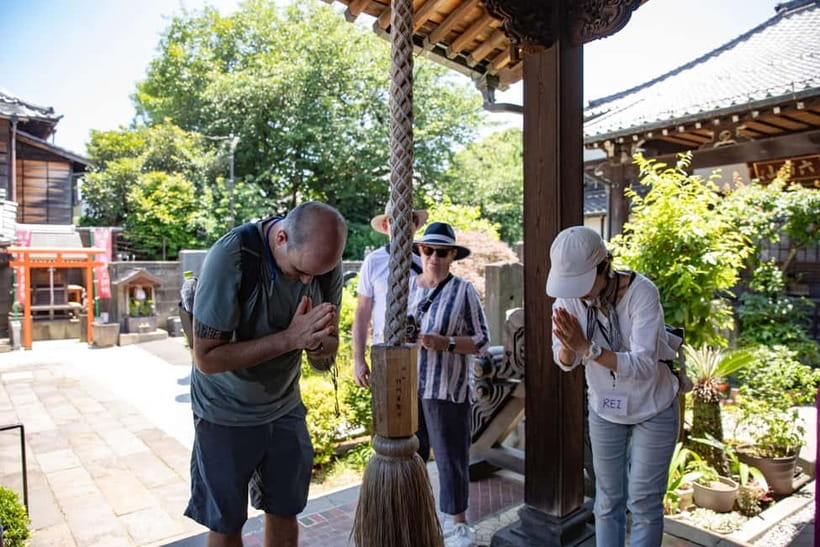
The strongest part of this tour is not a single building. It is the explanation between the stops. A good guide turns a quiet lane into a clue about old Tokyo, or explains why a temple, shrine, cemetery, and shop sit so close together.
Recent guide names include Aya, Junko, Rei, Polina, Yoshie, Kiyo, Mei, Mai, Kaori, Aki, and others. The guides are not interchangeable in personality, so your experience may vary. Still, the repeated strengths are clear: friendly conversation, solid English, patience with questions, and an ability to explain religion and daily life without making the walk feel like a classroom.
Some guides have adjusted for hot weather by keeping the group in shade and reminding people to drink water. Others have continued calmly through rain or a thunderstorm. Weather can affect your comfort, so bring water and dress for the forecast. The walk takes place outdoors, with limited shelter during the route.
One small weakness is communication before the meeting. One person wished for a message from the guide with contact details after having trouble navigating the subway. Plan your route to Nippori in advance and allow extra time, since contacting the guide while lost may not be easy.
Is $32 a fair price for three hours?
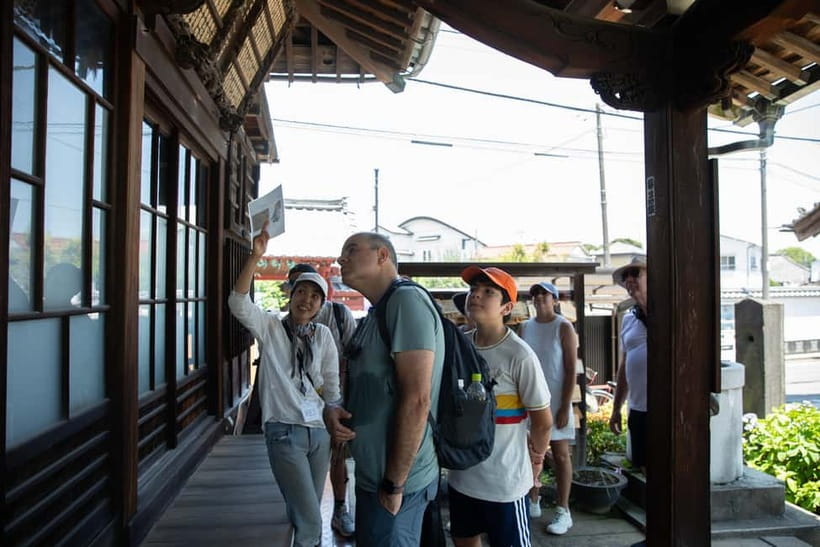
At $32 per person, this is reasonably priced for a three-hour, small-group walking tour in Tokyo. You are paying for an English-speaking guide, local explanation, and a route that combines several areas you could visit independently but might not connect as smoothly.
You are not paying for food, drinks, entrance fees, or transport. That matters most at Yanaka Beer Hall and the sweet shops. Budget extra if you want to sample something.
The value is highest for first-time visitors, people who like cultural context, and anyone who wants a calmer contrast to Shibuya, Shinjuku, or Asakusa. If you are comfortable researching Yanaka, navigating its lanes, and reading about the temples yourself, you can visit the area without a tour. The fee then buys convenience and conversation rather than access to something unavailable on your own.
Free cancellation up to 24 hours before the start and the option to reserve now and pay later make the booking less rigid. Starting times vary, so check the available slot that fits your day.
Who should book this Yanaka walk?
I would choose this tour if you want to understand Tokyo through neighborhood life rather than only major sights. It suits solo visitors, couples, families, and small groups who enjoy walking, local shops, temples, and questions answered along the way.
It is also a good choice for a second or third day in Tokyo, once you have seen the city’s headline attractions and want a quieter change of scene. The tour can work on a first day too, especially if your guide’s local advice will help shape the rest of your visit.
You may want to skip it if you dislike walking for three hours, prefer a tightly scheduled monument tour, or are mainly looking for a food tour. The stops include opportunities for beer, sweets, and snacks, but the main subject is Yanaka itself.
Should you book it?
Book this tour if you want old Tokyo at walking speed, with a friendly English-speaking guide to explain temples, shrines, cemeteries, shops, and local customs. The route is varied, the group is small, and the finish at Yanaka Ginza leaves you in a useful place to continue your day.
The one caution is that the exact feel depends on the assigned guide and the weather. Still, the steady praise for guides such as Aya, Junko, Rei, and Polina, along with the chance to see corners you might miss alone, makes $32 a sound buy for most visitors who value local context over grand spectacle.
FAQ
How long is the Yanaka walking tour?
The tour lasts three hours.
Where does the tour start?
It starts outside the JR Nippori Station North Ticket Gate, next to the NewDays convenience store.
Where does the tour finish?
The tour finishes at Yanaka Ginza.
What language is the tour offered in?
The live tour guide speaks English.
How large is the group?
The group is limited to 10 participants.
Is food or drink included in the price?
The tour includes the guide, but food and drinks are not listed as included. There is a break at Yanaka Beer Hall, and the route may include sweet shops and other places where you can make your own purchases.
What places does the tour visit?
The route includes Tennoji Temple, Yanaka Cemetery, Yoshidaya Liquor Shop, Yanaka Beer Hall, the Yanaka Himalayan Cedar Tree, and Nezu Shrine. It finishes at Yanaka Ginza.
Can I cancel the booking?
You can cancel up to 24 hours in advance for a full refund. You can also reserve now and pay later.
Just added around Tokyo
- Kawagoe Japanese Food Tour : Unagi Kaiseki and Sake near Tokyo★ 5.0 · 30 reviews
- Kawagoe 4hr Private Tour with Licensed Guide (Kawagoe Dep)★ 5.0 · 13 reviews
- Little EDO Sushi Making workshop in Kawagoe★ 5.0 · 18 reviews
- 【R34】Tokyo:Private Daikoku tour in Modified R34★ 4.9 · 92 reviews
- :Tokyo,Shibuya/ Pro Photography in Kimono / English-Friendly★ 5.0 · 26 reviews
- Tokyo:Celebrate Unique Japanese New Year Tradition Festivity★ 3.9 · 20 reviews
- Tokyo: Allstar Food Tour★ 4.7 · 29 reviews
- Tokyo: West-Side Cycling and Food Tour with Guide★ 5.0 · 37 reviews
Walking Tours, compared.

Kyoto Geisha Walking Tour: Gion District & Hidden Gems
Our verdict →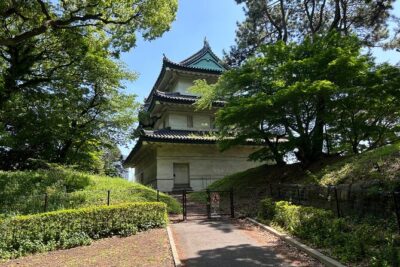
Imperial Palace and Shogun Historical Walking Tour
Our verdict →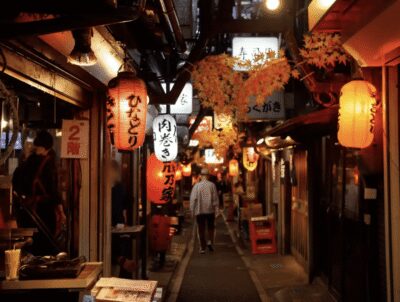
Shinjuku Local Bar and Izakaya Guided Walking Tour
Our verdict →

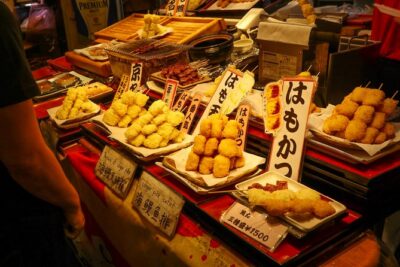
Nishiki Market Brunch Walking Tour (7 Tastings + Brunch)
Our verdict →
Kyoto Arashiyama Walking Tour: Bamboo, Monkeys, Gardens & Secrets
Our verdict →
Tokyo Castle & Imperial PalaceーShogun Walking Tour
Our verdict →Browse the lists this tour appears in