
Reviewed · TEMPLES & SHRINES
Tokyo: Meiji Jingu, Harajuku, Shibuya, and Shijuku Tour
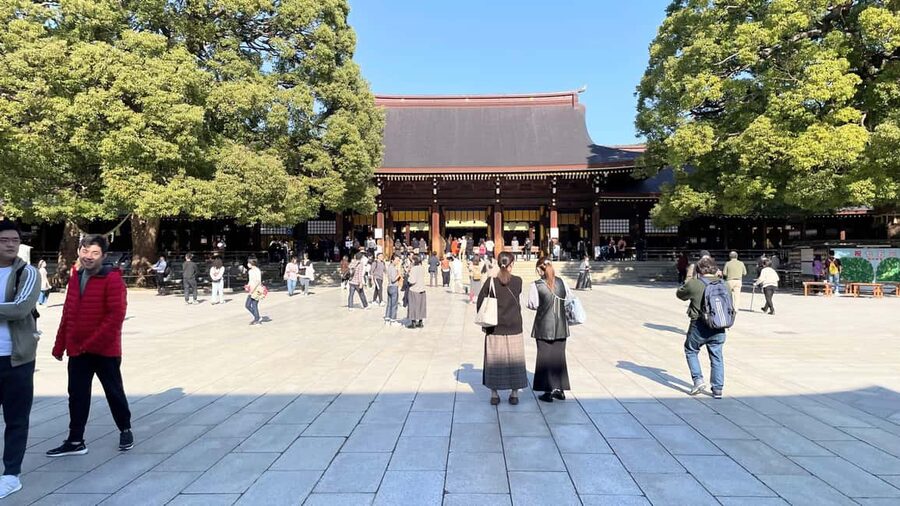
Tokyo can feel like several cities stitched together, and this private West Tokyo tour gives you a fast, friendly way to connect the pieces. In four hours, you move from the quiet forest of Meiji Shrine to Harajuku’s youth fashion, Shibuya’s famous crossing, and Shinjuku’s neon-lit entertainment streets.
I like two things right away: the route covers very different sides of Tokyo, and your guide can adjust the stops as you go. Guides including Maruf, Emir, Erica, Joe, and Ayoub have been praised for explaining customs, taking photos, and shaping the outing around families and personal interests. The main drawback is the pace. Four hours is enough for an introduction, but not enough for relaxed shopping, long meals, and careful sightseeing at every stop.
Key points to know before booking
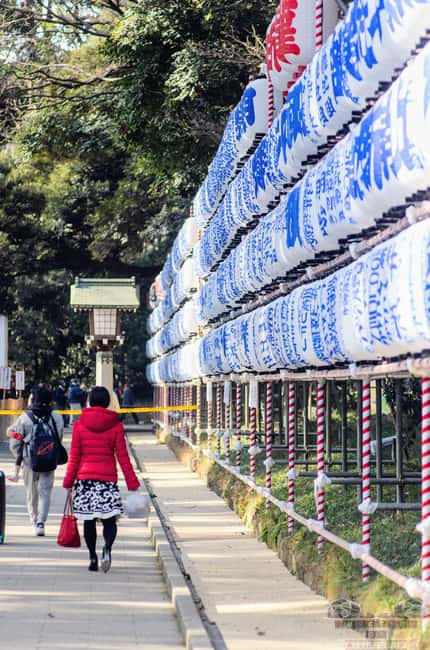
- Meiji Shrine begins the day with quiet forest paths and Shinto customs, a welcome contrast to central Tokyo.
- Takeshita Street and Cat Street show two different sides of Harajuku, from colorful youth trends to calmer boutique shopping.
- Shibuya Crossing gives you Tokyo’s classic city scene, with time for shopping and a visit to the Pokémon Center.
- Shinjuku finishes with food, nightlife, Omoide Yokocho, and Golden Gai, though the hour goes quickly.
- Public transportation is part of the experience, with subway rides included and a guide to help you navigate.
- The private format offers real flexibility, useful for families, first-time visitors, and anyone with a short Tokyo stay.
A smart introduction to West Tokyo
At $103 per person, this is not a bargain-priced orientation walk, but the value improves when you are traveling as a private group and want help making sense of Tokyo’s rail system. Your guide accompanies you throughout, public transportation within Tokyo is included, and the route can change to fit your interests.
The tour offers four pickup areas: Minato City, Shibuya City, Taito City, and Shinjuku City. That makes it easier to fit into a Tokyo stay, though you should confirm the exact meeting arrangement and start time when booking.
The group is private, and the guide speaks English. That matters here because much of the tour is not about entering major attractions. It is about understanding what you are seeing, finding the right streets, and making good use of limited time.
You should expect regular walking, stairs or station connections, and time on the subway. The activity is listed as wheelchair accessible, but a customized plan is still worth discussing in advance if your group has mobility needs.
More Temple & Shrine Tours in Tokyo
- Tokyo: Meiji Shrine, Asakusa, Skytree Bus Tour and Cruise
★ 4.7 · 1,986 reviews - Tokyo: Asakusa Walking Tour with Sensoji Temple Visit
★ 4.8 · 1,583 reviews - Tokyo Panoramic 1 Day: Meiji Shrine, Asakusa, Odaiba and SKYTREE®
★ 4.5 · 1,222 reviews
Meiji Shrine: Tokyo’s forested starting point
Meiji Jingu is a good first stop because it slows the city down. The shrine is dedicated to Emperor Meiji and Empress Shoken, and its wooded setting feels far removed from the traffic and signs of nearby Harajuku.
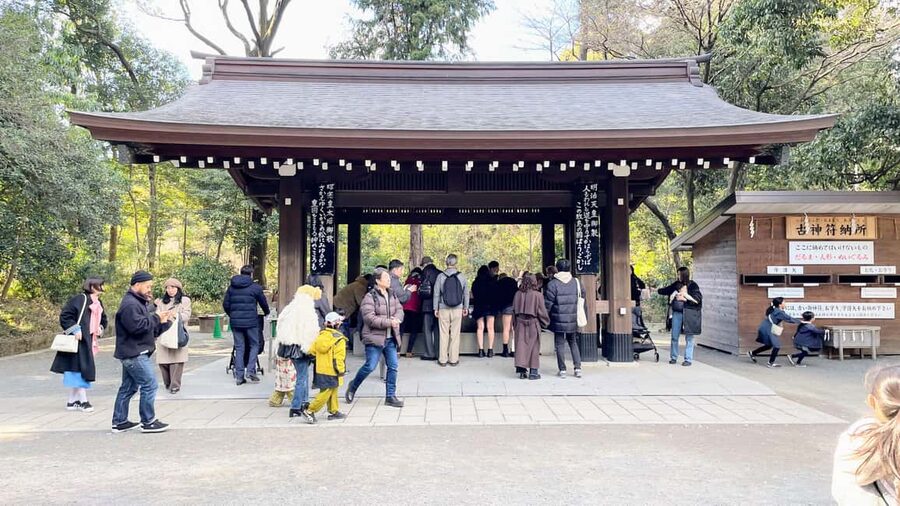
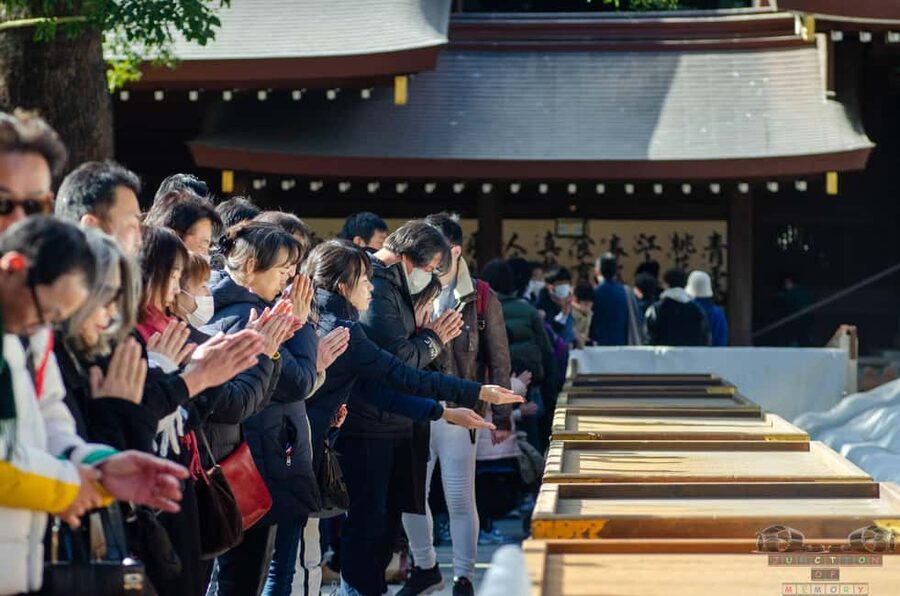
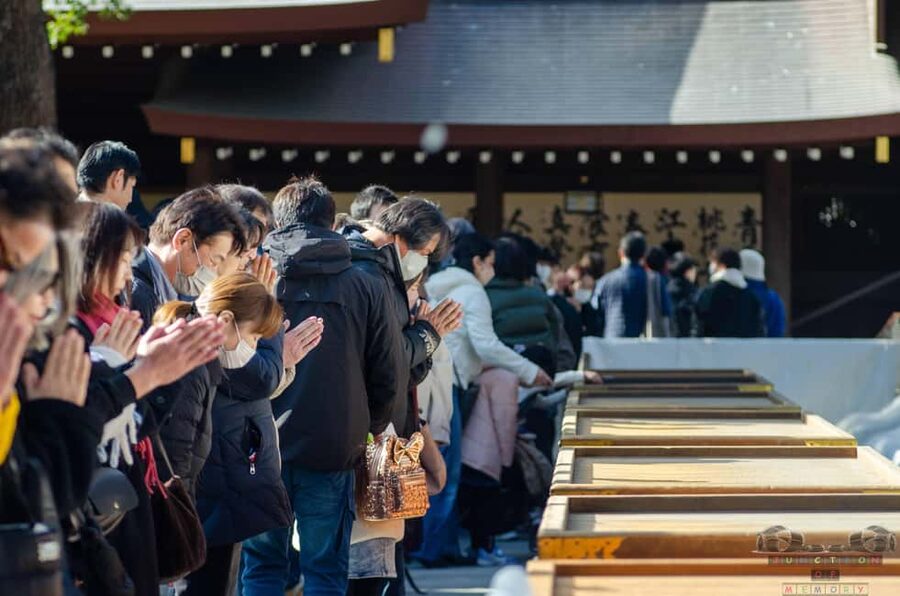
Your guide explains the role of the shrine and the basic customs you see along the way. At the water pavilion, you can learn how to purify yourself before approaching the main shrine area. You can also write a wish on an ema, a wooden plaque, if you want to take part in a familiar Japanese tradition.
The shrine is not a museum visit with a long list of objects to inspect. Its appeal comes from the approach through the forest, the quiet change of pace, and the chance to see how a working Shinto site fits into modern Tokyo.
The tour includes admission fees for Meiji Shrine, although the amount of time there depends on your start time and the rest of your chosen route. If you are especially interested in Japanese religion, tell your guide at the start. If fashion and shopping matter more, the guide may keep the shrine visit focused and save time for Harajuku and Shibuya.
Takeshita Street and Harajuku’s youthful side
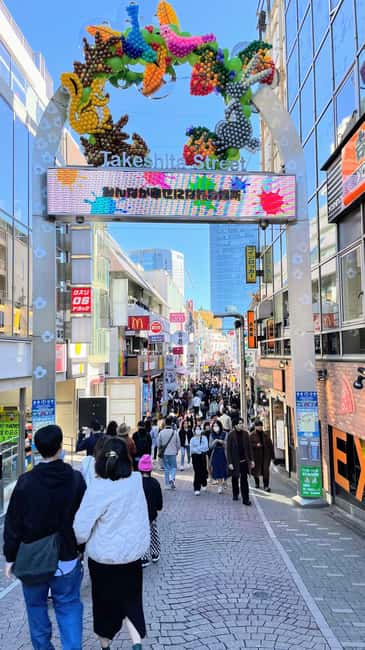
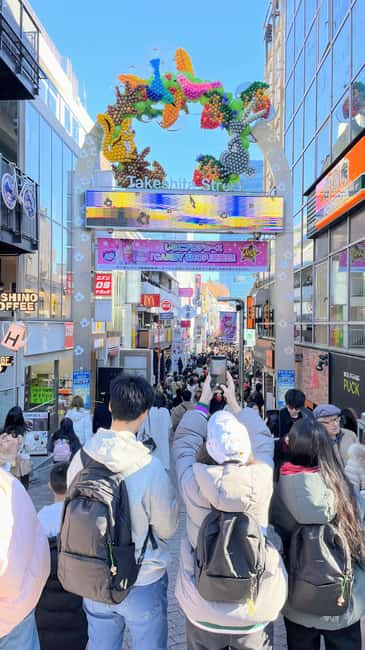
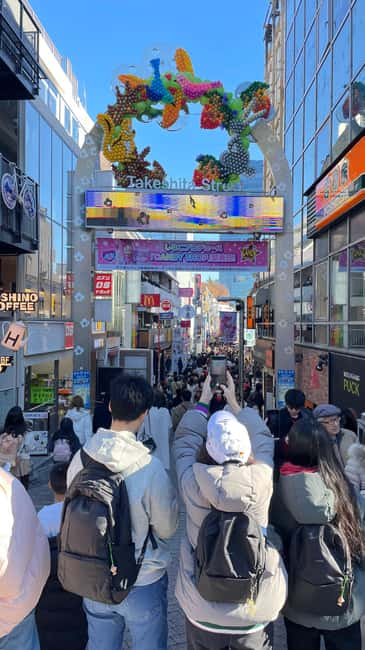
From Meiji Shrine, you walk about 15 minutes to Takeshita Street. The street is famous for bold youth fashion, novelty shops, small boutiques, and sweet snacks such as crepes and rainbow-colored cotton candy.
This is the place to enjoy Tokyo’s playful side. You can stop for photos, browse shops, and watch the flow of shoppers. The street is compact but often crowded, so do not expect a calm stroll or a long, unhurried shopping session during the 30-minute planned stop.
The guide adds useful context by explaining how Harajuku developed as a center of youth style and how its looks have influenced fashion beyond Japan. You may also get suggestions for shops that match your interests instead of simply walking past every storefront.
The larger Harajuku area offers a broader mix of cafes, boutiques, street art, cultural sites, and stores such as Kiddy Land. If you are traveling with a child, this section may be especially useful. Erica was praised for paying close attention to a 12-year-old traveler, while other guides have helped families make choices during a first full day in Japan.
Food is not included, so snacks and drinks are your own expense. That is not a major issue in Harajuku, where there are plenty of tempting stops, but it does mean you should budget extra if you want to sample several treats.
Cat Street: a calmer link to Shibuya
The walk from the Harajuku area toward Cat Street takes about 22 minutes. This is one of the tour’s better transitions because the character changes without needing a long train ride.
Cat Street has a more relaxed shopping feel than Takeshita Street. You find a mix of vintage and higher-end shops, along with smaller boutiques that reward browsing. It is a useful stop for people who like fashion but do not want the entire Harajuku visit to revolve around novelty sweets and crowded storefronts.
The route gives your guide room to point out the difference between the two areas. Takeshita Street is loud and youthful. Cat Street feels more polished and less frantic. You can ask to spend more time shopping here, but remember that Shibuya and Shinjuku each receive about an hour later in the outing.
The optional animal or snake cafe is another possible addition. You must request it at the beginning, and extra fees may apply. Because it is not included and the tour already has a tight schedule, this works best for someone with a strong interest in that type of cafe. Adding it may require cutting time elsewhere.
Same trip, a completely different kind of day:
- 1-Day Tokyo Bus Tour
★ 5.0 · 14,250 reviews - Tokyo: TOKYO SKYTREE® Admission ticket
★ 4.5 · 11,192 reviews - Tokyo: teamLab Planets TOKYO Digital Art Museum Entry Ticket
★ 4.6 · 9,779 reviews - Tokyo: Sumo Show Experience with Chicken Hot Pot and a Photo
★ 4.8 · 6,678 reviews
Shibuya Crossing and a useful hour in the city
A subway ride of about 10 minutes brings you to Shibuya. This part of the tour lasts about one hour and combines the famous crossing with free time, photos, shopping, and local guidance.
Shibuya Crossing is the classic Tokyo moment: traffic stops, people move from several directions, and the intersection briefly becomes a carefully managed mass of pedestrians. Your guide can help you find a good place to watch and photograph the action, then explain what else is worth seeing nearby.
The included plan also covers the Pokémon Center in Shibuya and shopping at Don Quijote, the discount store known for its wide range of goods. These stops make the hour more practical than a simple photo visit. You can pick up souvenirs, compare Japanese snacks, or browse character merchandise, though personal purchases are not included.
This is also the place to consider the animal or snake cafe if you requested one. The extra cost and time commitment should be clear before you start, since an optional cafe can easily change the rhythm of the afternoon.
Several guides have been praised for taking photos, including Maruf, who was singled out for being especially willing to photograph people at each stop. That can be useful at Shibuya, where asking a stranger for a group picture is not always easy.
Shinjuku after dark, or before the evening rush
The final subway ride takes about 15 minutes, followed by roughly one hour in Shinjuku. The neighborhood gives you a sharp change of mood from Shibuya’s crossing and shops.
Shinjuku is known for shopping, entertainment, nightlife, and a dense concentration of restaurants. The tour can include the Godzilla Head, Omoide Yokocho, and Golden Gai, with time to walk, take photos, and ask your guide for ideas about eating or continuing your evening.
Omoide Yokocho, also called Memory Lane, offers a narrow, old-style drinking and dining area. Golden Gai is known for its small bars and tightly packed lanes. The tour does not include meals or drinks, and the hour is too short for a full dining experience, but your guide can help you understand what you are seeing and suggest places to return to later.
The schedule mentions sunset and allows free time, so a later start can make Shinjuku feel especially atmospheric. Still, do not book this tour expecting a full night out. It ends with an introduction and recommendations, not an extended bar crawl or restaurant visit.
If you are staying in Tokyo for several days, Shinjuku is a good place to finish because you can return later with the guide’s suggestions. If this is your only evening in the city, ask early for practical recommendations that match your budget and interests.
Why the private format matters

The strongest part of this activity is not any single landmark. You can visit Meiji Shrine, Shibuya Crossing, and Shinjuku on your own. The value lies in having someone connect them, manage the transfers, and adjust the balance between culture, shopping, food, and photos.
A private guide is especially helpful on a first full day in Japan. One guide helped a family understand customs and get oriented during its first day, while another returned guests to their hotel by train. That train ride became part of the experience rather than a stressful trip through an unfamiliar station.
The guide names vary. Past outings have been led by Joe, Ayoub, Maruf, Erica, Emir, and Amir, among others. Their styles may differ, but the activity is designed around an English-speaking guide and a personalized route. You should still explain your priorities at the beginning rather than assume every stop will receive equal time.
Families may appreciate the flexibility and photo help. Couples can shift the route toward fashion, cafes, and nightlife. First-time visitors can ask for explanations of manners, shrine customs, and public transport. Returning visitors can use the four hours to focus on places they missed.
Walking, trains, and the four-hour limit
The schedule includes walking segments of about 15 and 22 minutes, plus subway rides of about 10 and 15 minutes. These transfers are not filler. They show you how Tokyo’s districts connect and give you practical help with a transport system that can feel confusing at first.
At the same time, the tour is active. You should wear comfortable shoes and keep your shopping modest until the end, especially if you plan to carry purchases through several stations.
The stated time at Shibuya and Shinjuku is about one hour each. Takeshita Street receives roughly 30 minutes, Harajuku about 15 minutes, and Meiji Shrine begins the route. Those blocks are enough for an overview, but not for long lines, extensive shopping, or a leisurely meal.
This is best treated as a well-guided sampler, not a slow cultural tour. If you want deep time at one shrine, a full shopping afternoon, or several cafe visits, a longer or more specialized activity would suit you better.
Is $103 per person a fair price?
The answer depends on how much help you need. At $103 per person, you are paying for a private English-speaking guide, a flexible route, public transportation fees within Tokyo, shrine admission, and the convenience of having someone handle the flow between districts.
For a solo visitor, the price may feel high compared with using a map and train app. For a family or small private group, the value is easier to see, especially if you would otherwise spend time getting lost, missing the best streets, or struggling to explain your interests.
Meals, drinks, shopping, and optional cafe admissions cost extra. The tour also does not replace a full evening in Shinjuku or a full day of Harajuku shopping. Its strength is efficient orientation with personal attention.
Free cancellation up to 24 hours before the start and the option to reserve now and pay later make it easier to fit into a changing Tokyo schedule. These are useful safeguards, but the real booking decision comes down to pace and priorities.
Who should book this Tokyo tour?
I would choose this tour if you have only a short time in Tokyo, want to see several famous districts in one outing, or feel unsure about using the subway. It also suits families who want a guide to adjust the route for children, shoppers who need help finding the right areas, and first-time visitors who want cultural context rather than a series of unconnected photo stops.
I would hesitate if you prefer slow travel. Four hours passes quickly once walking, train transfers, photos, and shopping are included. Travelers focused mainly on museums, food, or shrine architecture may prefer a narrower tour with more time at one subject.
For the best result, tell the guide at the start whether your priorities are Meiji Shrine, youth fashion, Pokémon merchandise, Japanese snacks, photography, nightlife, or local customs. The more specific you are, the more useful the private format becomes.
FAQ
How long is the Tokyo tour?
The tour lasts four hours.
Is the tour private?
Yes. It is offered for a private group.
Which areas does the tour visit?
The route includes Meiji Shrine, Takeshita Street, Harajuku, Cat Street, Shibuya, and Shinjuku.
Is public transportation included?
Yes. Public transportation fees within Tokyo are included, and subway rides are part of the route.
Is the tour conducted in English?
Yes. The activity includes a live English-speaking guide.
Are meals and drinks included?
No. Meals and beverages are not included unless specifically stated in the itinerary.
Can I visit an animal or snake cafe?
You can request an animal or snake cafe at the beginning of the tour. Additional fees may apply, and adding the stop can affect the rest of the schedule.
Should you book it?
Book this tour if you want a private, flexible first look at West Tokyo and value a guide who can explain customs, manage train connections, take photos, and adjust the plan. The combination of Meiji Shrine, Harajuku, Shibuya, and Shinjuku gives you a useful cross-section of the city in one morning or afternoon.
Skip it if you want long meals, serious shopping time, or a quiet, slow visit to each place. For most first-time visitors with limited time, though, $103 buys more than a list of sights. It buys structure, local help, and a much easier start in a city that can otherwise take several days to understand.
Just added around Tokyo
- Kawagoe Japanese Food Tour : Unagi Kaiseki and Sake near Tokyo★ 5.0 · 30 reviews
- Kawagoe 4hr Private Tour with Licensed Guide (Kawagoe Dep)★ 5.0 · 13 reviews
- Little EDO Sushi Making workshop in Kawagoe★ 5.0 · 18 reviews
- 【R34】Tokyo:Private Daikoku tour in Modified R34★ 4.9 · 92 reviews
- :Tokyo,Shibuya/ Pro Photography in Kimono / English-Friendly★ 5.0 · 26 reviews
- Tokyo:Celebrate Unique Japanese New Year Tradition Festivity★ 3.9 · 20 reviews
- Tokyo: Allstar Food Tour★ 4.7 · 29 reviews
- Tokyo: West-Side Cycling and Food Tour with Guide★ 5.0 · 37 reviews
Temples & Shrines, compared.

Tea Ceremony in a Traditional Tea House in Kiyomizu
Our verdict →
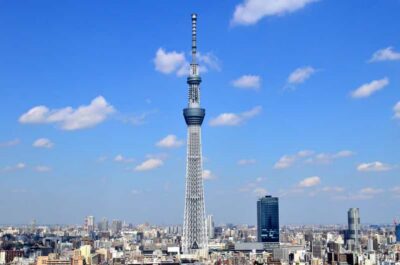
Meiji Shrine, Asakusa, Skytree Bus Tour and Cruise
Our verdict →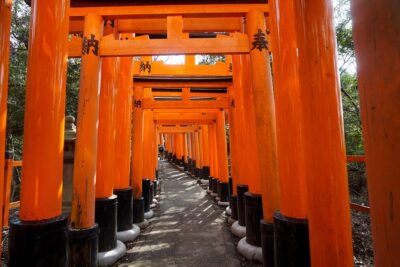
Fushimi Inari Hidden Hiking Tour (Private Option Available)
Our verdict →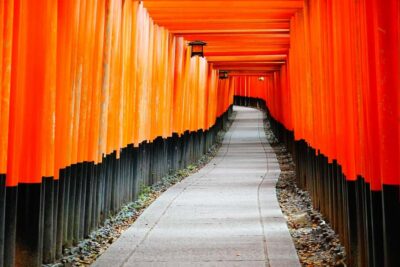
Osaka/Kyoto:Kinkakuji,Arashiyama,FushimiInariShrine,NaraPark
Our verdict →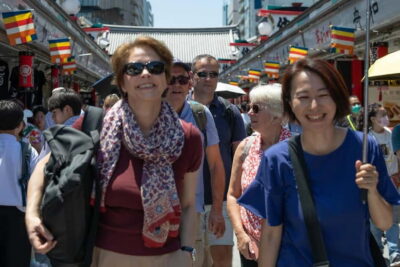
Nikko: Kegon Falls, Lake Chuzenji & Toshogu Temple
Our verdict →
Kamakura & Enoshima Day Trip including Temple Tickets
Our verdict →Browse the lists this tour appears in