
Reviewed · GARDEN TOURS IN TOKYO
Tokyo: Full-Day Japanese Garden Private Guided Tour
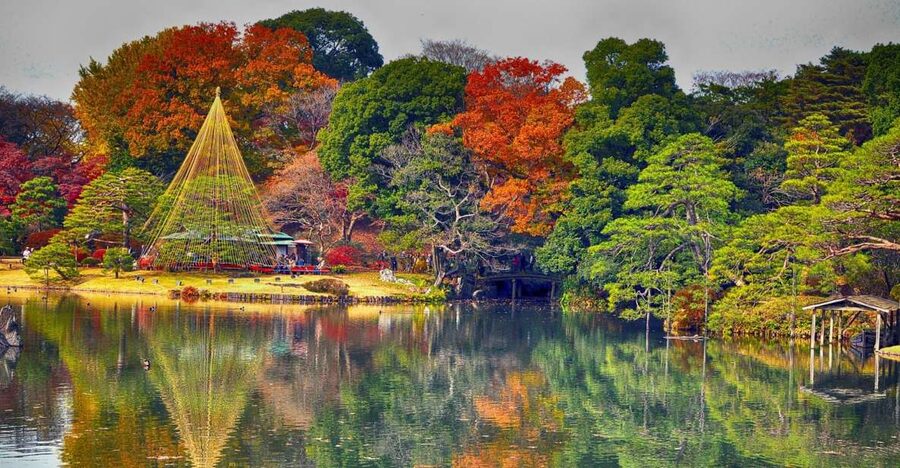
Tokyo’s best gardens are scattered across a huge city, and this private tour gives you a local guide to connect them into one sensible day. You might visit the Imperial Palace gardens, Meiji-Jingu Shrine, a teahouse garden, and Shinjuku Gyoen, or ask for a different mix.
I like the custom route, which lets you focus on cherry blossoms, historic gardens, photography, quiet ponds, or a broad first look at Tokyo. I also like the one-to-one guidance. Yoshi, Hiro, Tachi, Kumi, and Yoko have all been praised for careful planning, transport advice, and adjusting the day to the guest’s pace.
The main caution is travel time. Tokyo’s gardens are spread out, so a poorly planned route can leave you spending too much of the six hours on trains. Entrance fees, meals, and transport also come out of your pocket.
Key points to know before booking
- A private six-hour route: You choose the gardens, or ask your guide to plan the day around your interests.
- The classic combination: Imperial Palace gardens, Meiji-Jingu Shrine, a small teahouse garden, and Shinjuku Gyoen make a strong first-time route.
- Real flexibility: Guides have adjusted timing for cherry blossoms, crowded sites, different walking speeds, and personal interests.
- A walking-heavy day: Public transport or taxis connect distant gardens, with fares paid separately.
- Strong guide feedback: Yoshi, Hiro, Tachi, Kumi, and Yoko have received praise for communication and local advice.
- Value depends on the route: At $151 per person, the tour makes the most sense when you want personal planning rather than a fixed group excursion.
Why a private garden day works well in Tokyo
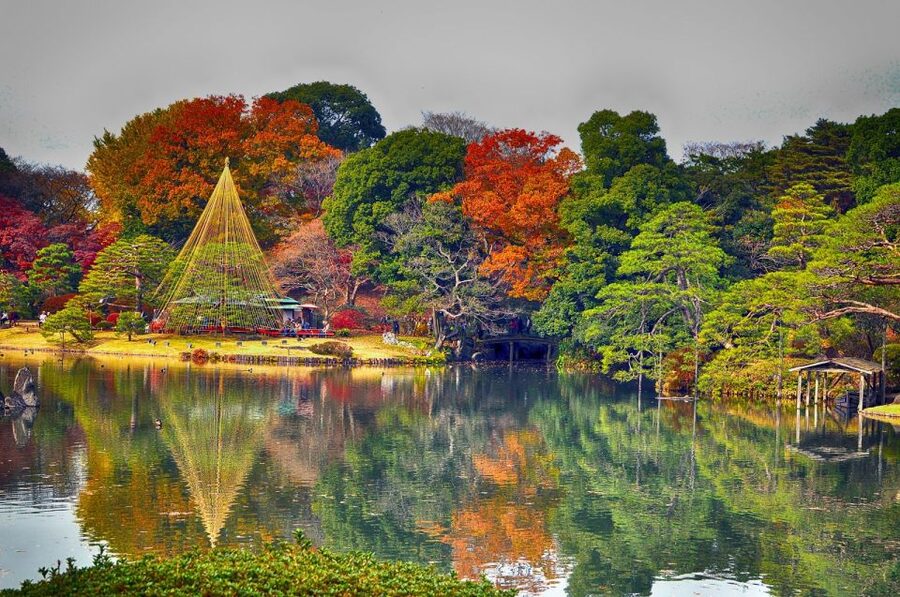
Tokyo’s gardens are not gathered in one compact park district. Imperial Palace gardens sit near the center, Meiji-Jingu Shrine is in the Harajuku area, Shinjuku Gyoen lies farther west, and other good choices spread toward Ueno, Rikugien, Hama Rikyu, and eastern Tokyo.
That geography is the reason to consider a guide. You are not simply paying for someone to point at flowers. You are paying for help choosing a sensible route, reading the city’s transport system, and making the most of six hours.
I especially like the private format for couples, families, and small groups with different interests. You can ask for a slower walk, more time for photographs, a focus on Japanese garden design, or a route built around seasonal flowers.
The guide meets you at your hotel or another agreed location. Pickup is on foot if you are within a reasonable distance, and the guide is due to wait in the hotel lobby or requested train station 10 minutes before the start.
More Garden Tours in Tokyo
- Imperial Palace East Garden and Edo Castle Walking Tour in Tokyo
★ 5.0 · 510 reviews - Tokyo: Imperial Palace East Gardens Walking Tour
★ 4.8 · 353 reviews - Tokyo Castle, Imperial Palace, Shogun & Garden Walking Tour
★ 5.0 · 211 reviews
Building your six-hour route
The most important step happens before the walk begins. The local partner contacts you to confirm the plan, and your guide may take up to seven days to make contact. This is not a fully confirmed arrangement until a guide accepts the booking, so do not treat it like an instant guaranteed reservation.
Use that planning exchange well. Tell the guide which gardens matter most, how much walking feels comfortable, and if you want shrines, architecture, seasonal flowers, or quiet corners. Yoshi was praised for asking about expectations before the day and then adjusting the timing to match them.
The sample route gives you a useful idea of the pace. It begins near the Imperial Palace, continues to Meiji-Jingu Shrine, adds a smaller garden with a pond and teahouse, stops for lunch in Harajuku, and finishes at Shinjuku Gyoen.
That is a full day, not a gentle stroll with long café breaks. You will walk, use trains or taxis, and make several changes of scene. If you want a slower experience, ask for two or three gardens rather than trying to collect every name on the list.
Imperial Palace gardens: a formal opening
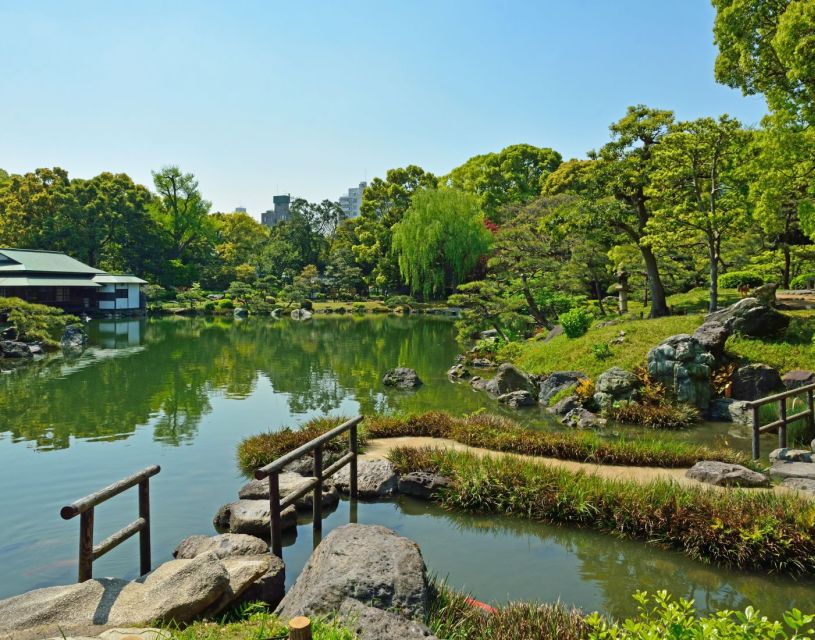
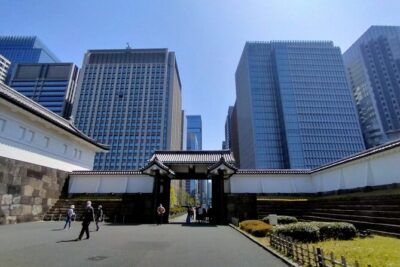
The Imperial Palace garden is a good first stop because it introduces the ordered style many people picture when they think of a Japanese garden. Expect broad paths, carefully arranged plantings, open views, and a sense of space that feels different from Tokyo’s crowded streets.
Your guide can add context about the palace area, Japanese garden planning, and the role of formality in a historic setting. The value here is not just the scenery. It is the chance to notice how water, stone, trees, open ground, and buildings are placed together.
Do not expect a secluded woodland walk. This is a central Tokyo sight, and the setting is stately rather than remote. It works best as the opening chapter of the day, especially if you want a clear introduction before moving to smaller and more specialized gardens.
Check current opening arrangements with your guide before settling on this stop. Garden access and seasonal conditions can affect the day’s route.
Meiji-Jingu Shrine and the Harajuku pause
Meiji-Jingu Shrine changes the mood. Instead of a palace garden, you enter a wooded shrine setting with a strong connection to modern Japanese history and religious practice.
The shrine is not technically a garden in the same sense as Shinjuku Gyoen or Rikugien, but it fits naturally into a day about Tokyo’s green spaces. It also gives your guide room to explain customs and cultural details that you might miss when walking through on your own.
The Harajuku area is a practical lunch stop because the schedule allows many food choices. Food is not included, so you pay directly for your meal. This flexibility is useful, since your group can choose what suits its budget and appetite rather than being tied to a set restaurant.
A lunch break also matters for stamina. The full route can be long, particularly in spring when popular sites attract large crowds. Hiro was praised for showing guests the cherry blossom areas efficiently during a busy peak season, but even a well-planned route still involves plenty of walking.
Same trip, a completely different kind of day:
- 1-Day Tokyo Bus Tour
★ 5.0 · 14,250 reviews - Tokyo: TOKYO SKYTREE® Admission ticket
★ 4.5 · 11,192 reviews - Tokyo: teamLab Planets TOKYO Digital Art Museum Entry Ticket
★ 4.6 · 9,779 reviews - Tokyo: Sumo Show Experience with Chicken Hot Pot and a Photo
★ 4.8 · 6,678 reviews
The small teahouse garden and pond
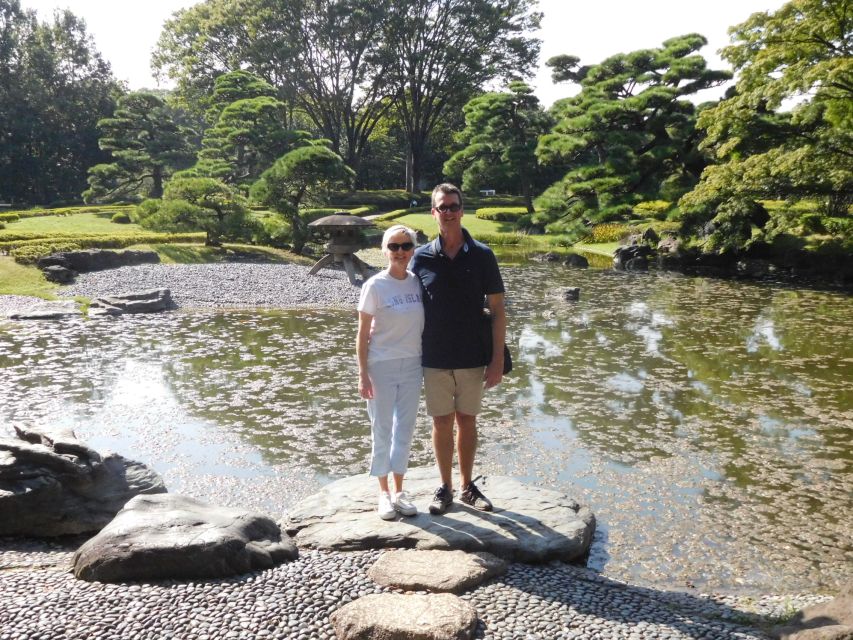
The sample itinerary includes a quieter garden with a charming teahouse and pond. This is the kind of stop that can make the day feel personal rather than like a checklist of Tokyo’s biggest names.
A small pond garden gives you a chance to slow down and notice details: the framing of a view, the shape of a bridge, the placement of a teahouse, or the way a path controls what you see next. Your guide’s explanations can help you understand why these spaces feel carefully composed without turning the walk into a lecture.
The exact garden is part of the customization, so confirm the name and admission arrangements with your guide. Some gardens may suit a quiet afternoon better than a rushed morning, and some may have their own opening schedules or entrance charges.
Shinjuku Gyoen: three garden styles in one park
Shinjuku Gyoen is the strongest all-round stop in the sample plan. It is large, varied, and easy to appreciate even if your group has different tastes.
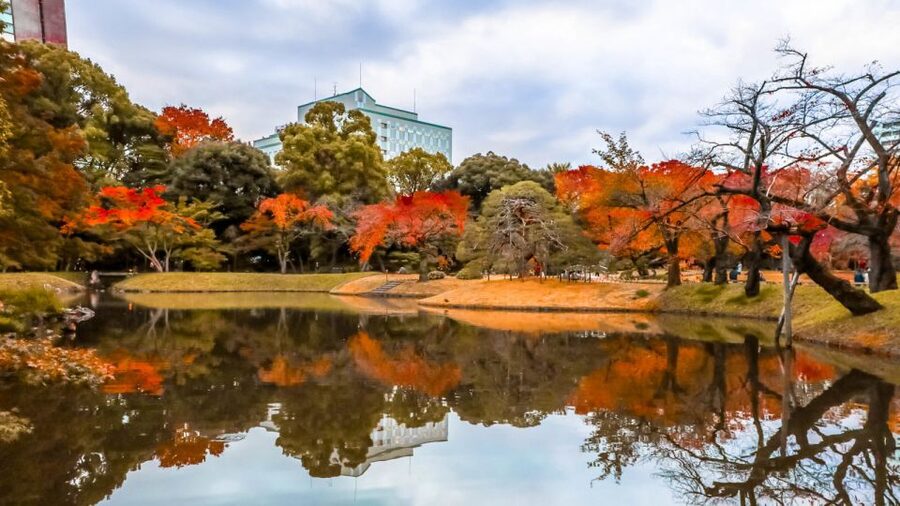
You can see a traditional Japanese garden, a formal French garden with masses of roses, and an English-style garden with broad open lawns and natural-looking planting. That range gives you a useful comparison within one park instead of requiring separate trips across Tokyo.
This is also a strong choice for first-time visitors who want more than one kind of garden. One person can enjoy ponds and clipped trees, another can look for flowers, and someone else can simply enjoy open space.
The drawback is size. A park this large can consume a lot of the afternoon, especially during blossom season or when you stop for photographs. Ask your guide to choose the most important sections rather than trying to cover every path.
Shinjuku Gyoen can become crowded at popular times. Hiro’s spring route showed the value of local timing, since a guide who knows where and when to go can reduce wasted movement. Still, no guide can remove the crowds entirely.
Other gardens worth requesting
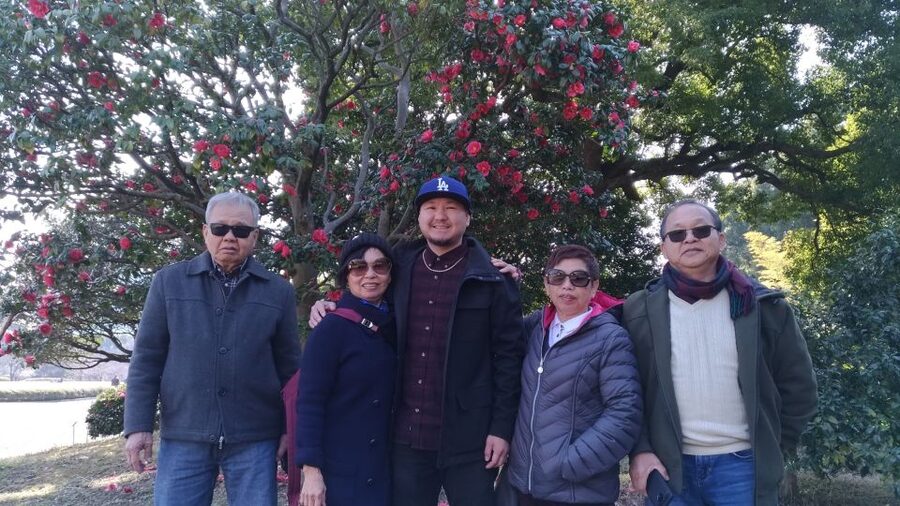
The tour offers a long menu of possible alternatives. Each one changes the character of the day.
Koishikawa Korakuen Garden is a sensible choice if you want a traditional garden with carefully arranged scenery and historic character. It can pair well with another central or eastern Tokyo stop, but your guide should plan the transport carefully.
Hama Rikyu Gardens gives you a different feel, with a historic garden setting close to Tokyo’s modern waterfront district. It can work well if you want to contrast old garden design with the city around it.
Rikugien Garden is a good request for a classic Japanese garden experience. Its paths and views reward a slower pace, so it may be better as one of the day’s main stops rather than a quick addition.
Yoyogi Park is more open and relaxed than a formal garden. It pairs naturally with Meiji-Jingu Shrine and Harajuku, making it a practical choice when you want fewer train rides.
Ueno Park offers a broad city park setting and can fit an eastern Tokyo route. It is not the same kind of carefully composed garden as Rikugien or Koishikawa Korakuen, so make sure your guide knows if formal design is your main goal.
Koishikawa Botanical Garden suits people who want plants and botanical variety. Confirm current admission and access details in advance, since entrance fees are not part of the tour price.
Kiyosumi Teien Garden is another strong request for pond, stone, and traditional design. It may appeal to you if the quieter details of garden construction matter more than famous landmarks.
Former Shiba Rikyu Gardens can fit a central Tokyo plan and offers another traditional garden option. It may work well when you want to limit travel between stops.
Nezu Museum and Happo-en Garden broaden the day beyond public parks. Ask your guide about current access, opening hours, and any admission requirements before including them.
You cannot sensibly visit all of these in six hours. The best route groups nearby places and leaves enough time to enjoy each stop.
What the guide adds to the day
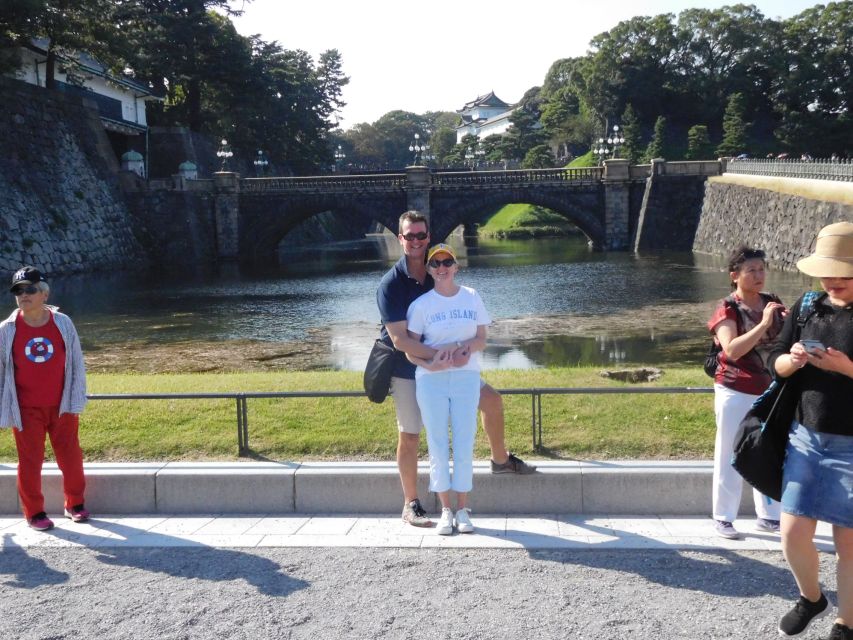
The most praised part of this experience is not a particular garden. It is the guide’s ability to shape the day around you.
Yoshi received especially strong praise for communication before the tour, matching the route to the guest’s pace, and offering useful suggestions for transport and restaurants. Hiro was described as prompt, efficient, and good at handling a crowded blossom season. Tachi was praised for hosting a highly flexible day, while Yoko was credited with understanding what guests hoped to see and learn.
Kumi’s approach included taking guests to a restaurant she liked, adding a personal touch beyond the garden route. That kind of local advice can be valuable, but it also means your final experience depends on the guide assigned to you.
There is one clear warning in the feedback. One poorly received day included two gardens the guest found uninteresting, a third garden that was closed, and too much time spent on the subway. The guide was courteous but moved too quickly.
That criticism is useful. Confirm the day’s garden choices, opening status, transport plan, and walking pace before you start. Flexibility only helps when both sides use it carefully.
Price, extra costs, and overall value
The price is $151 per person for six hours. For a private experience in Tokyo, that can be fair value if you want a guide to plan a complicated garden route and explain the cultural setting along the way.
The price does not include food, drinks, entrance fees, or public or private transport. Those costs can add up, especially if you choose several paid gardens or use taxis between distant areas.
The tour includes walking pickup when your accommodation is within a reasonable distance. Other transport can be arranged, but you pay the fare separately. The basic format is therefore best for people comfortable using Tokyo’s public transport and walking between stations, gates, and garden paths.
Compare the cost with what you actually need. If you already know which gardens you want, feel confident navigating Tokyo, and prefer to move independently, booking separate admissions and using trains will cost less. If you want a local person to make decisions, explain what you are seeing, and adjust the route in real time, the private fee has a clear purpose.
Who should book this garden tour
I would consider this tour for a first visit to Tokyo when gardens are a priority but you do not yet understand how far apart they are. It also suits repeat visitors who have seen the major districts and want a day shaped around a particular interest.
Families may appreciate the private format because the pace can change during the day. Couples can request a quieter route with ponds and teahouses. Photographers may benefit from timing advice during blossom season, although crowded periods still require patience.
This is less suitable if you dislike walking, want a fixed sightseeing bus, or expect every entrance and train fare to be included. It is also not ideal if you want a slow visit to one garden only. For that, a shorter single-site plan may be better.
The experience takes place rain or shine, so bring suitable clothing and shoes. It is wheelchair accessible, but confirm the exact route and transport plan in advance because garden paths and station transfers can vary.
Should you book it?
Book this tour if you want a flexible private day and value local planning more than the lowest possible price. Ask for a route with realistic travel times, confirm which gardens are open, and name your top two priorities before the guide finalizes the plan.
I would choose a compact route over a long list. Shinjuku Gyoen with Meiji-Jingu Shrine and Yoyogi Park makes sense for a first outing, while Rikugien, Koishikawa Korakuen, or Kiyosumi Teien may suit a more traditional garden focus.
The tour’s best quality is its human side. A good guide can turn scattered green spaces into a coherent day and help you see why each garden feels different. Just keep the plan grounded, allow for Tokyo traffic and crowds, and remember that $151 covers the guide and private planning, not the whole day’s expenses.
FAQ
How long is the Tokyo garden tour?
The tour lasts six hours.
Is this a private tour?
Yes. All bookings are private, and the experience is arranged for a private group.
Which languages are available?
The tour is offered with a live guide in English or Japanese.
Can I choose the gardens?
Yes. You can request your preferred gardens, or ask the guide to plan the route for you. The experience can be personalized to your interests.
What gardens might be included?
Possible stops include the Imperial Palace gardens, Shinjuku Gyoen, Koishikawa Korakuen, Hama Rikyu Gardens, Rikugien, Yoyogi Park, Ueno Park, Koishikawa Botanical Garden, Kiyosumi Teien, Former Shiba Rikyu Gardens, Nezu Museum, and Happo-en Garden.
Is lunch included?
No. Food and drinks are not included. The sample route includes lunch in Harajuku, where you choose and pay for your meal.
Are entrance fees included?
No. You pay entrance fees separately.
Is transportation included?
No. Public or private transportation during the tour is not included. The tour is primarily a walking experience, and trains or taxis can be used at additional cost.
Where does pickup take place?
Your guide can meet you at your accommodation or a requested train station. Pickup from accommodation is on foot if it is within a reasonable distance, and the guide waits 10 minutes before the scheduled pickup time.
Does the tour operate in bad weather?
Yes. The experience takes place rain or shine. It is wheelchair accessible, but you should confirm the planned route and transport arrangements in advance.
More Full-Day Tours in Tokyo
- Tokyo Private Full-Day Tour by Car or Van
★ 5.0 · 684 reviews - Tokyo Full Day Tour with a Local Expert Guide
★ 4.2 · 13 reviews - From Tokyo: Mount Fuji Full-Day Sightseeing Trip
★ 4.5 · 4,970 reviews - Mount Fuji Full-Day Private Tour from Tokyo (Customizable)
★ 4.9 · 1,470 reviews
Just added around Tokyo
- Kawagoe Japanese Food Tour : Unagi Kaiseki and Sake near Tokyo★ 5.0 · 30 reviews
- Kawagoe 4hr Private Tour with Licensed Guide (Kawagoe Dep)★ 5.0 · 13 reviews
- Little EDO Sushi Making workshop in Kawagoe★ 5.0 · 18 reviews
- 【R34】Tokyo:Private Daikoku tour in Modified R34★ 4.9 · 92 reviews
- :Tokyo,Shibuya/ Pro Photography in Kimono / English-Friendly★ 5.0 · 26 reviews
- Tokyo:Celebrate Unique Japanese New Year Tradition Festivity★ 3.9 · 20 reviews
- Tokyo: Allstar Food Tour★ 4.7 · 29 reviews
- Tokyo: West-Side Cycling and Food Tour with Guide★ 5.0 · 37 reviews
Garden Tours in Tokyo, compared.
Imperial Palace East Garden and Edo Castle Walking Tour in Tokyo
Our verdict →


Experience Crafting a Flower-Adorned Mini Japanese Garden
Our verdict →
Browse the lists this tour appears in