Reviewed · TICKETS
Tokyo: Authentic Japanese Dance Show ticket by professionals
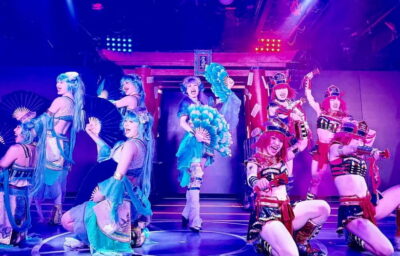
Japanese dance is best seen up close, where a small turn of the wrist or a change in facial expression can carry as much weight as a grand gesture. This Shinjuku performance puts you near professional dancers who have won awards in Japanese dance competitions, so you can study the detail rather than watch from a distant seat. I especially like the intimate setting and the chance to see kimono and decoration at close range. The main consideration is language: the listed performance language is Japanese, though English explanations have been provided between performances.
I also like how easy this is to fit into a Tokyo day. You do not need to travel out to a remote theater or commit to a full-day cultural excursion. At $54 per person, it is not a bargain-basement show, but the professional performers, close view, cultural explanation, and post-show photo time give it a fair claim on your evening budget.
Key points to know before booking
- Shinjuku location: You can add this performance to a day in one of Tokyo’s most convenient districts.
- Award-winning dancers: The performers have received awards at Japanese dance competitions.
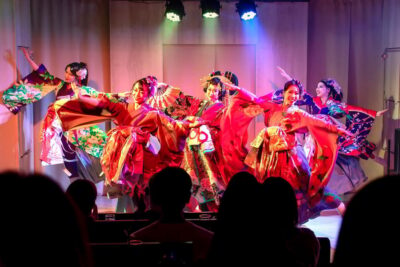
- Close-up viewing: You can see expressions, hand movements, costume details, and decorative work clearly.
- Four centuries of tradition: The performance presents an art form passed down for more than 400 years.
- No photos during the show: Photography is allowed at the end, not during the performance.
- Flexible booking: You can reserve now and pay later, with full cancellation available up to 24 hours ahead.
What the Shinjuku setting adds to the evening
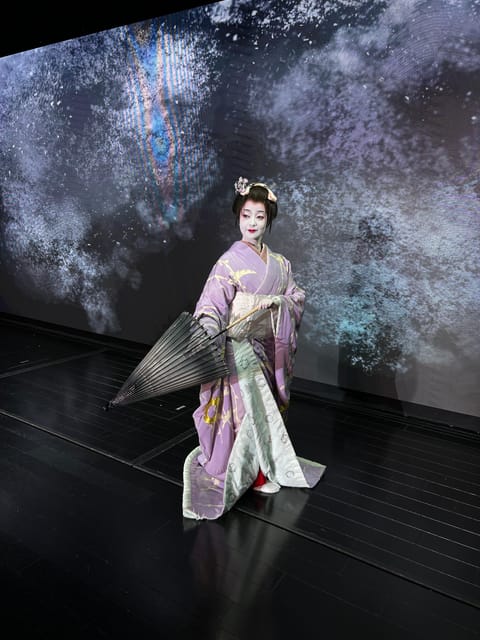
Shinjuku is a practical place for this experience. You can spend the day exploring Tokyo and then reach the show without making a separate trip into a quieter regional town. The location also creates an interesting contrast: outside, you have one of Tokyo’s busiest urban centers; inside, the focus shifts to controlled movement, traditional music, and formal costume.
That contrast is part of the appeal. You are not seeing Japanese dance in a museum display or reading about it in a guidebook. You are watching a living performance in the middle of modern Tokyo. For a first visit to Japan, this makes the evening easy to arrange and culturally worthwhile.
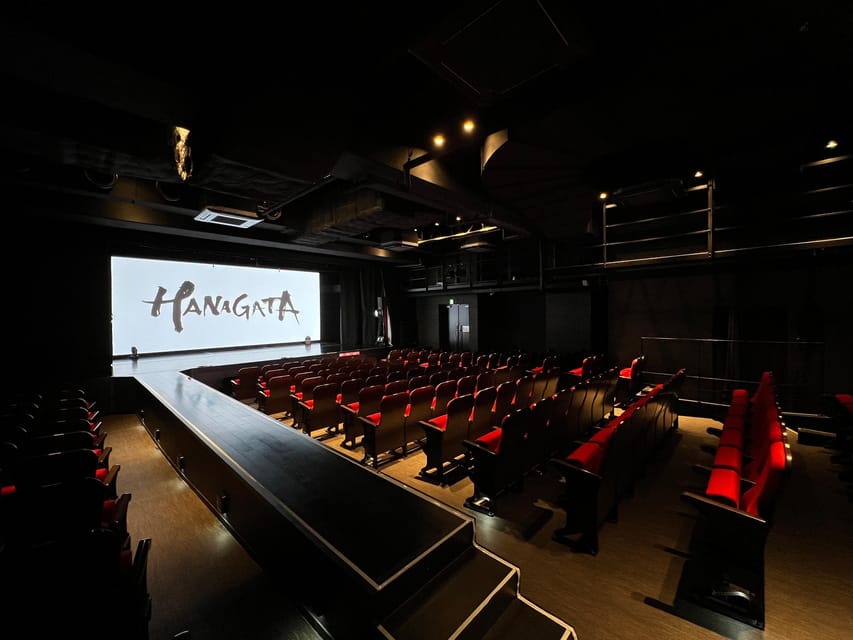
The exact theater layout and performance length are not specified, so check the booking details for the current schedule. What is clear is that the seating is close enough for you to see the dancers’ expressions and the fine work on their kimonos. One useful advantage is that there is no bad seat according to the available audience feedback, though the precise seating plan may change.
More Shows & Performances in Tokyo:
- Tokyo: Sumo Show Experience with Chicken Hot Pot and a Photo
★ 4.8 · 6,678 reviews - Tokyo: Sumo Show and Dining Experience
★ 4.8 · 2,742 reviews - the SUMO show
★ 5.0 · 1,960 reviews
Why close seating matters in Japanese dance
Japanese dance can look restrained if you expect large stage movements. Much of its force comes from small details: a measured step, a slow turn, the angle of a sleeve, or a carefully held expression. From far away, those details can disappear. Here, you have a better chance of seeing how technique works at close range.
I would pay special attention to the hands and upper body. The dancers do not need to rush to hold your attention. Their posture, timing, and controlled gestures communicate mood and character. The faces matter, too. A subtle change in expression can help you follow the feeling of a scene even when you do not understand every word or piece of traditional context.
The costumes are another reason to choose a close performance. Kimono are not simply attractive clothing for the stage. The color, layers, sleeves, obi, and decorative details help create the visual world of the dance. Audience feedback has repeatedly singled out the clothing as beautiful, and that praise makes sense for a performance where you can see the fabric and decoration rather than just a bright shape under stage lights.
A 400-year art form on a modern stage
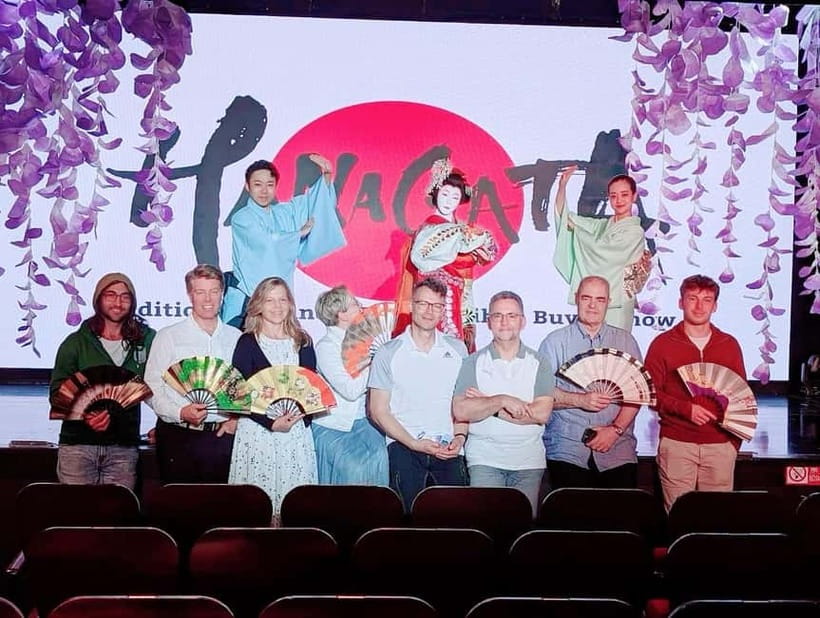
The show presents Japanese dance as an art with more than 400 years of development. That long timeline matters because the movements are not random choreography created for tourists. They belong to a tradition shaped by Japanese theater, music, costume, manners, and storytelling.
You should not expect a history lecture alone. The value is in seeing historical ideas carried through the body. A dancer’s posture may suggest a character’s status or mood. A change in music can alter the atmosphere. A costume can tell you something about the role before the performer makes a single large movement.
The cultural background also helps if you have never seen Japanese dance. Without explanation, you might notice beauty but miss some of the meaning. English information has been offered between performances, which can make the art easier to follow for an international audience. Still, Japanese is the listed language, so you should be comfortable with some visual learning and not expect every moment to be translated.
What happens before the performance
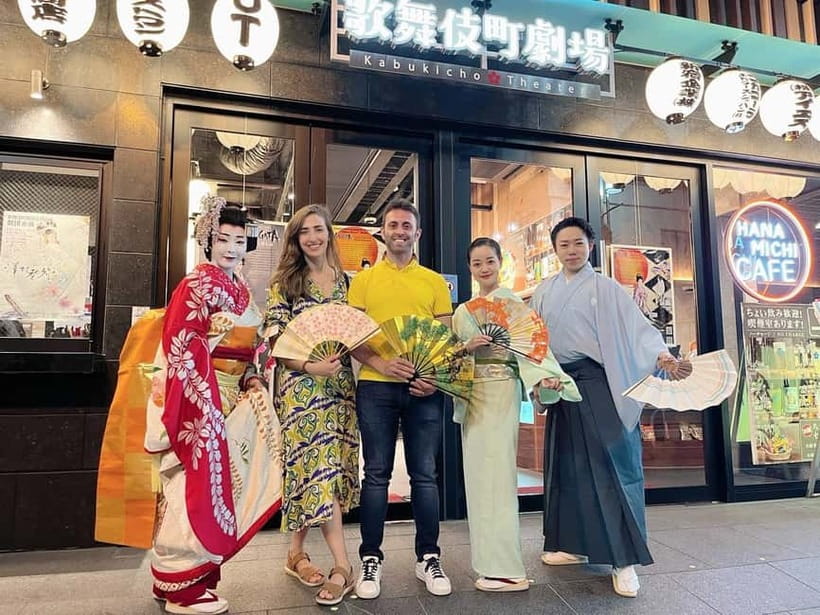
The information provided does not give a detailed minute-by-minute schedule, so I would avoid planning another timed attraction immediately afterward. The known format centers on the dance performance, with cultural information presented around the separate pieces. Staff and performers have also spent time speaking with audience members before and after the show.
That personal contact can be useful. You may be able to ask about the costumes, the dance tradition, or what you have just seen. English support has been available in these conversations, although you should not assume that every part of the event will be presented in English. A few Japanese phrases can make the exchange more enjoyable, and one audience member even practiced Japanese with the staff.
Welcome gifts have also been provided at some performances. They are a pleasant extra, but I would treat them as a bonus rather than a reason to book. The main purchase is the live performance and the access to professional dancers.
A few more Tokyo half-days worth comparing
- 1-Day Tokyo Bus Tour
★ 5.0 · 14,250 reviews - Tokyo: TOKYO SKYTREE® Admission ticket
★ 4.5 · 11,192 reviews - Tokyo: teamLab Planets TOKYO Digital Art Museum Entry Ticket
★ 4.6 · 9,779 reviews - Tokyo: Shinjuku Food Tour (13 Dishes at 4 Local Eateries)
★ 5.0 · 6,603 reviews
The performance itself: movement, music, and costume
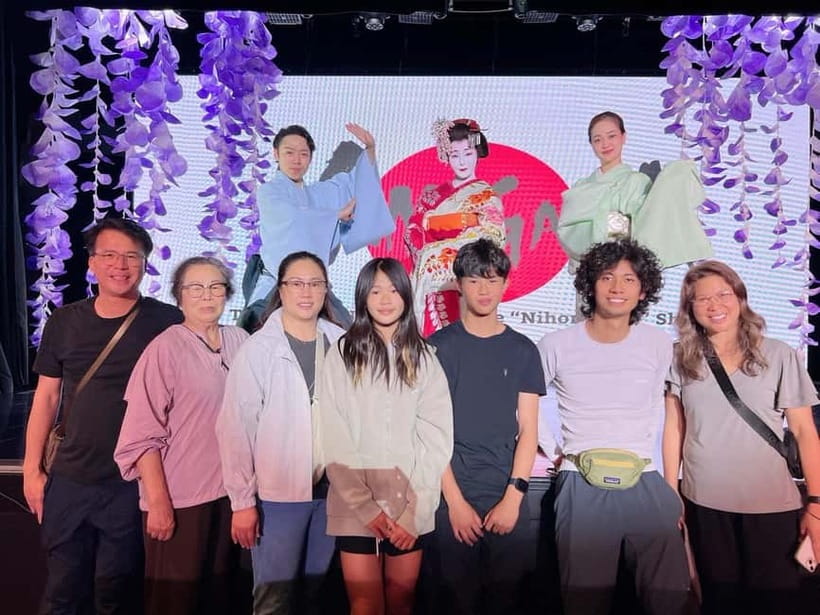
The central section of the experience is a series of traditional Japanese dance performances. The supplied details do not name each piece or promise a fixed program, so the exact stories and dances may vary. You can expect the presentation to focus on the beauty of movement, the dancers’ expressions, traditional music, and the role of costume.
This is not a loud, fast-paced stage show built around spectacle. Its appeal is more patient. You watch the performers create meaning through precision. If you enjoy theater, classical music, costume, or visual art, you will likely find plenty to study. If you need constant action or a translated story at every moment, the pace may feel slow.
The professional level is important here. The dancers have won awards at Japanese dance competitions, so the performance offers more than a casual cultural demonstration. You are seeing artists who have trained within the discipline and are being presented as top-level performers. That does not mean you need technical knowledge to enjoy it. You can simply notice the control, concentration, and care behind every movement.
The show has also been described as educational, with explanations that help connect the performance to Japanese culture. I like this balance. Pure spectacle can leave you with attractive images but little understanding. Pure instruction can feel like a classroom. This experience aims to give you both the beauty and enough context to see why the forms matter.
Photography rules and the post-show photo time
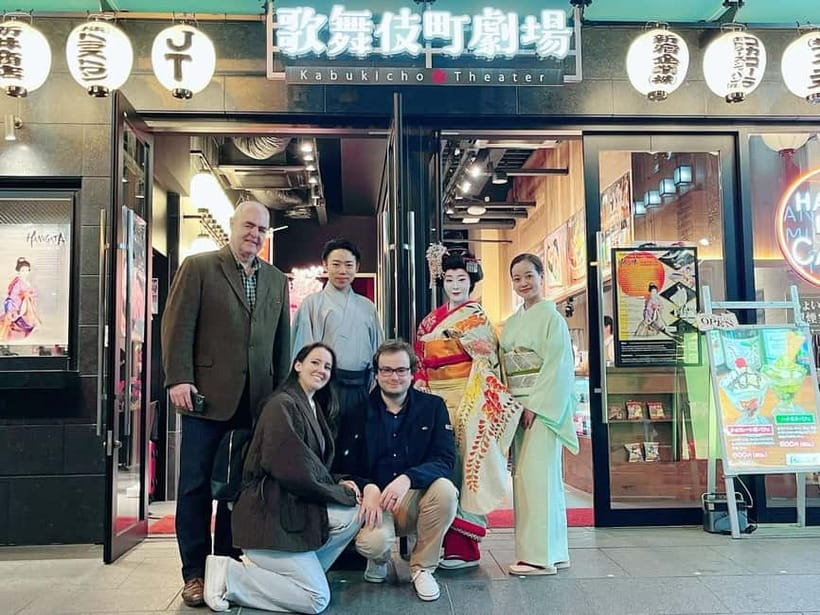
Photography is prohibited during the performance. This is a firm part of the experience, not a minor suggestion. You will need to put your phone away while the dancers are on stage.
That rule may disappoint you if you hoped to document every kimono detail, but it has a clear benefit. Screens and camera sounds do not interrupt the performers or the people seated around you. You can watch the show without deciding when to raise your phone, and the dancers can work without flashes or distractions.
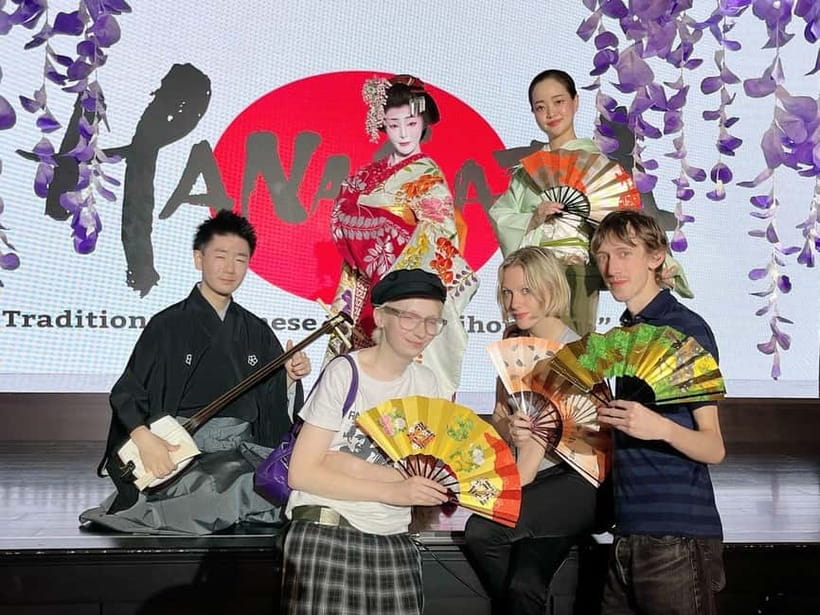
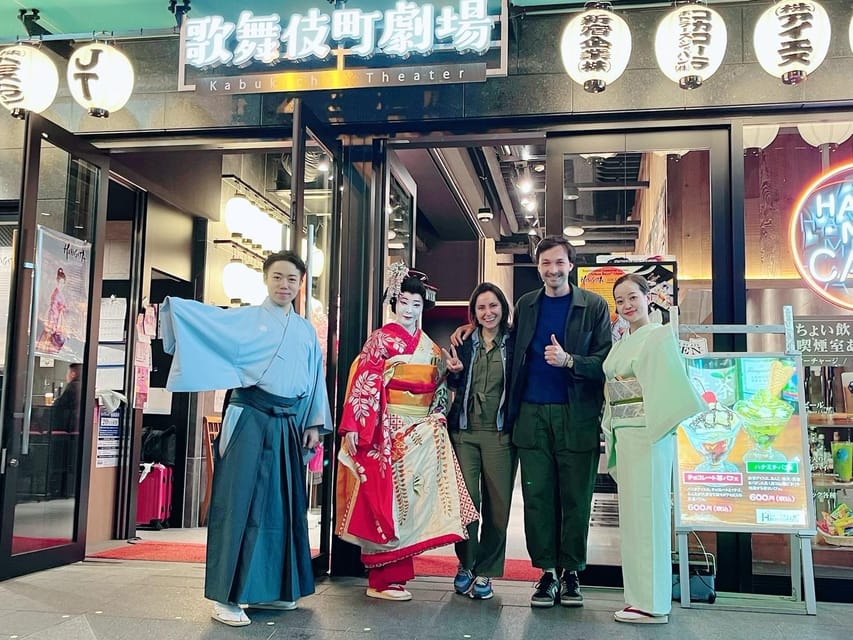
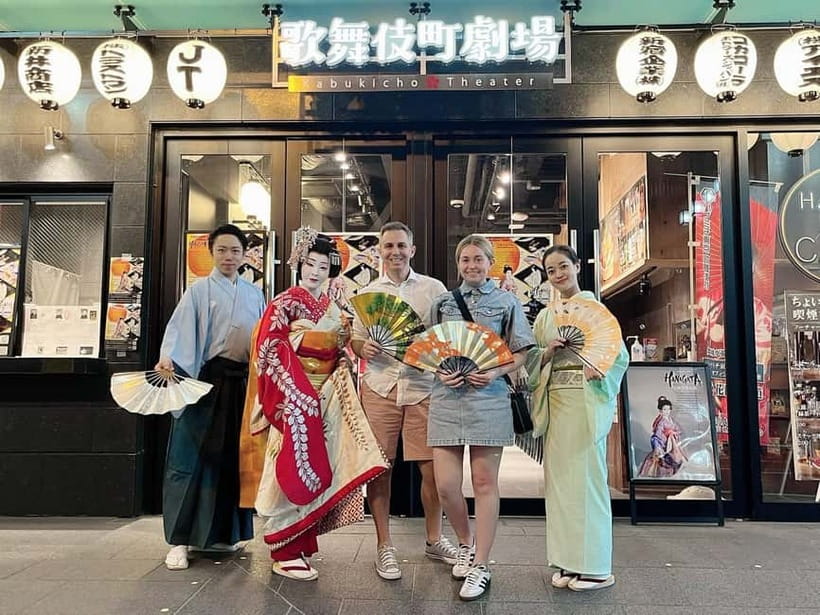
A separate photo period takes place after the performance. This gives you a proper chance to record the evening and capture the costumes at close range. Since you cannot photograph during the dances, use the post-show period for pictures rather than trying to sneak a quick image from your seat.
The photo time also gives the evening a more personal finish. You may be able to see the dancers and staff after the formal performance, ask a question, and take a souvenir image. The timing and exact format are not specified, so follow the staff’s instructions and do not assume that every performer will be available for an extended conversation.
Is $54 a fair price?
At $54 per person, this is a mid-priced cultural performance rather than a casual free activity. The value depends on what you want from a Tokyo evening.
If you only want a quick look at traditional clothing, the price may feel high. You can see kimono elsewhere in Japan without buying a performance ticket. The case for this show is stronger if you want professional dancers, close viewing, cultural explanation, and a structured live event in central Tokyo.
The close seating is a real part of the value. A large theater can offer a grander production, but it may reduce your sense of connection to the performers. Here, you can see facial expressions and small gestures, and you do not need a technical background to appreciate the effort involved.
The price also covers more than the time on stage. You are paying for the training behind the dancers, the preparation of the costumes, the presentation, and the chance to speak with staff and performers before or after the show. Food and drinks are not included, so plan to eat separately in Shinjuku. Hotel pickup is not included either, but the central location makes this easier to add to your own plans.
The reserve-now, pay-later option may help if your Tokyo schedule is still changing. You can also cancel up to 24 hours in advance for a full refund. Check the exact booking terms attached to your selected date, since schedules and conditions can change.
Who will enjoy this most
I would recommend this to you if you want an introduction to Japanese performing arts without spending a full day outside Tokyo. It is especially suitable for first-time visitors who want cultural depth but also need a convenient location.
You will probably enjoy it if you like:
- Traditional music and theater
- Costume and textile details
- Quiet, precise performance styles
- Cultural explanations between performances
- Small venues where you can see the performers clearly
- Activities that work well in an evening Tokyo itinerary
Families may also find the event useful, but the listing does not give an age recommendation or detailed child policy. Childcare can be arranged through a separate program, and experiences for children may also be available through that service. You must reserve those arrangements separately.
This may not be your best pick if you want a fully English-language show, a fast-moving production, or a meal included with your ticket. The listed language is Japanese, and the performance asks you to follow the art through movement as much as through explanation.
Practical tips for making the most of it
Read a little about Japanese dance before you arrive, but do not turn the evening into homework. Knowing that the art uses small gestures, controlled posture, costume, and music will help you notice more once the dancers begin.
Arrive ready to focus. Since photography is not allowed during the show, charge your phone for the journey and keep it away once the performance starts. Save your picture-taking for the final photo period.
Give yourself time before and after the performance rather than scheduling a rushed restaurant reservation across town. Shinjuku has plenty of dining options, but food is not part of the ticket, and the post-show conversations or photos may take longer than you expect.
Finally, keep your expectations realistic about translation. English explanations have been available between performances, and some staff members have spoken English well, but Japanese remains the official listed language. You can still follow the visual story, but this is not a substitute for an English-language theater production.
My recommendation for the Shinjuku dance show
I would book this if you want a focused cultural experience with genuine artistic skill, close seating, and a chance to see traditional Japanese dance in Tokyo without a complicated excursion. The strongest reasons are the award-winning performers, the view of their expressions and costumes, and the useful explanation around the dances.
I would skip it only if your priority is a fully translated performance, a large-scale spectacle, or an all-inclusive evening with food. For everyone else, $54 is a reasonable price for a carefully presented look at an art form that has developed over more than four centuries. Keep your phone in your pocket during the show, stay open to a slower pace, and use the final photo time to take home the visual memory.
FAQ
Where does the Japanese dance show take place?
The show takes place in Shinjuku, in Tokyo on Honshu. Its central location makes it easy to add to a Tokyo sightseeing day.
How much does the ticket cost?
The listed price is $54 per person.
What does the ticket include?
The ticket includes entrance to the Japanese dance performance.
Are food and drinks included?
No. Food and beverages are not included in the ticket price.
Is hotel pickup provided?
No. Hotel pickup is not included.
Can I take photographs during the performance?
No. Photography is prohibited while the performances are taking place.
Can I take photographs after the show?
Yes. A photo opportunity is provided at the end of the performance.
What language is the experience in?
The listed language is Japanese. English explanations have also been provided between performances, and English-speaking staff support has been available at some events.
Can I cancel or pay later?
You can reserve and pay later, and cancellation up to 24 hours in advance is available for a full refund.
Just added around Tokyo
- Kawagoe Japanese Food Tour : Unagi Kaiseki and Sake near Tokyo★ 5.0 · 30 reviews
- Kawagoe 4hr Private Tour with Licensed Guide (Kawagoe Dep)★ 5.0 · 13 reviews
- Little EDO Sushi Making workshop in Kawagoe★ 5.0 · 18 reviews
- 【R34】Tokyo:Private Daikoku tour in Modified R34★ 4.9 · 92 reviews
- :Tokyo,Shibuya/ Pro Photography in Kimono / English-Friendly★ 5.0 · 26 reviews
- Tokyo:Celebrate Unique Japanese New Year Tradition Festivity★ 3.9 · 20 reviews
- Tokyo: Allstar Food Tour★ 4.7 · 29 reviews
- Tokyo: West-Side Cycling and Food Tour with Guide★ 5.0 · 37 reviews
Tickets, compared.

teamLab Planets TOKYO Digital Art Museum Entry Ticket
Our verdict →
Japanese Dance Cabaret Theater Asakusa-Kaguwa Ticket
Our verdict →
Kamakura & Enoshima Day Trip including Temple Tickets
Our verdict →