
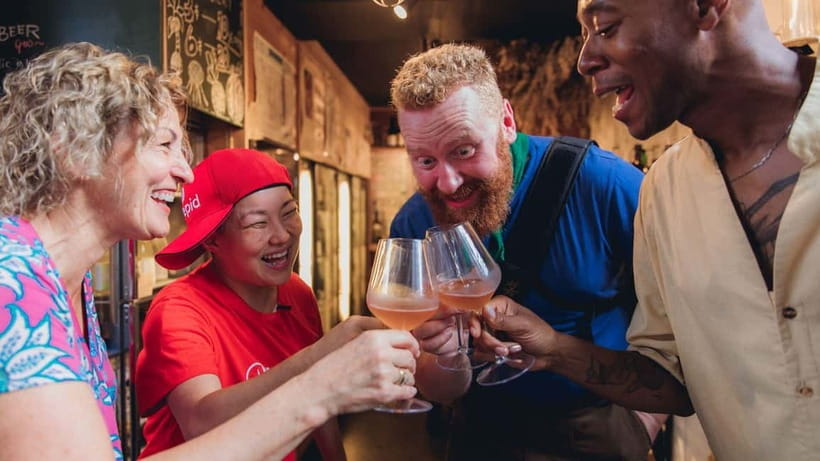
Reviewed · WALKING TOURS
Tokyo After 5: Local Eats, Drinks & Culture Walk
Tokyo After 5 shows you a side of the city that is easy to miss when you stick to major sights: the ordinary evening ritual of eating, drinking, and talking after work. You move from a Ginza depachika to smoky yakitori lanes and then to Tsukishima, where monja-yaki cooks on a table-top hotplate.
I like the small eight-person group and the hands-on cooking. I also like the mix of food, neighborhoods, and everyday customs, rather than one long meal in a single restaurant. The main catch is walking: one past participant counted about 9,000 steps, and the route includes subway stations with stairs. Vegetarian, vegan, and gluten-free diets cannot be accommodated.
Key points to know before booking
- Three very different food stops: Taste yakitori, monja-yaki, and wagashi, with local drinks along the way.
- A real neighborhood route: You see Ginza, Yurakucho, and Tsukishima, including streets many visitors skip.
- Hands-on monja-yaki: You sit around a hotplate and help cook this Tokyo specialty yourself.
- Small group of eight: The size makes it easier to ask about etiquette, ingredients, and local eating habits.
- Good value at $89: The price includes two subway tickets, three food tastings, two drinks, and guiding.
- Important food limitation: No vegetarian, vegan, or gluten-free alternative is available.
Tokyo after work, one bite at a time
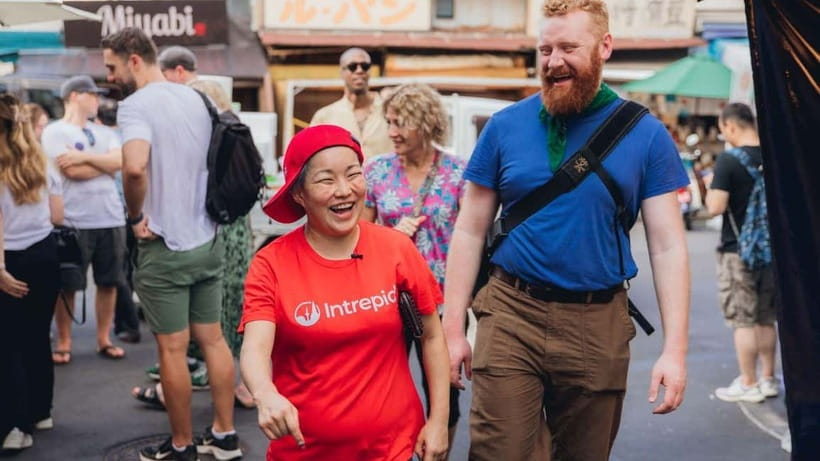
This is not a formal sightseeing walk with food added as an afterthought. It is built around how Tokyo residents unwind at the end of the day. You eat in places tied to daily life, move through commercial and residential districts, and get help with the small rules that can make Japanese restaurants feel less mysterious.
The 210-minute schedule gives you time to settle into each stop. You are not simply handed a plate and rushed onward. Your guide explains what you are eating, how it is made, and how the setting fits into Tokyo’s food culture.
The tour begins at Mitsukoshi Ginza, one of the city’s best-known department stores. Meet outside at the life-size seated lion statue near the A7 exit of Ginza Station. That detail matters. Ginza Station has three Tokyo Metro lines, but the underground passages can be confusing, so aim for the A7 exit and look for the statue at street level.
The route finishes in Ginza. That makes the tour easy to pair with an evening stroll, shopping, or another plan in central Tokyo.
More Walking Tours in Tokyo
- Tokyo Tsukiji Fish Market Food and Culture Walking Tour
★ 5.0 · 3,184 reviews - Tokyo: Imperial Palace and Shogun Historical Walking Tour
★ 5.0 · 2,251 reviews - Tokyo: Shinjuku Local Bar and Izakaya Guided Walking Tour
★ 4.9 · 1,794 reviews
Starting with a depachika in Ginza
A depachika is a department-store basement food hall, and it is one of the best places to see the care Japanese food sellers put into presentation. You might find boxed meals, carefully arranged sweets, grilled foods, and seasonal specialties displayed with an almost gift-shop level of attention.
The point here is not simply to grab a snack. Your guide helps you understand how the food hall works, what different dishes are, and how seasonal ingredients shape Japanese eating. If you have felt unsure about choosing unfamiliar foods from a Japanese display, this is a useful start.
You will also begin to see how food and appearance are linked in Japan. A small sweet can reflect the season through its color, shape, or ingredients. A prepared dish can be designed for a particular occasion, not just for quick eating.
This stop suits cautious eaters because you can ask questions before ordering or tasting. It also suits curious eaters who want context instead of a string of unexplained samples. Keep in mind that the included food is limited to the tour’s planned tastings, so additional purchases cost extra.
Yakitori in Yurakucho’s lantern-lit lanes
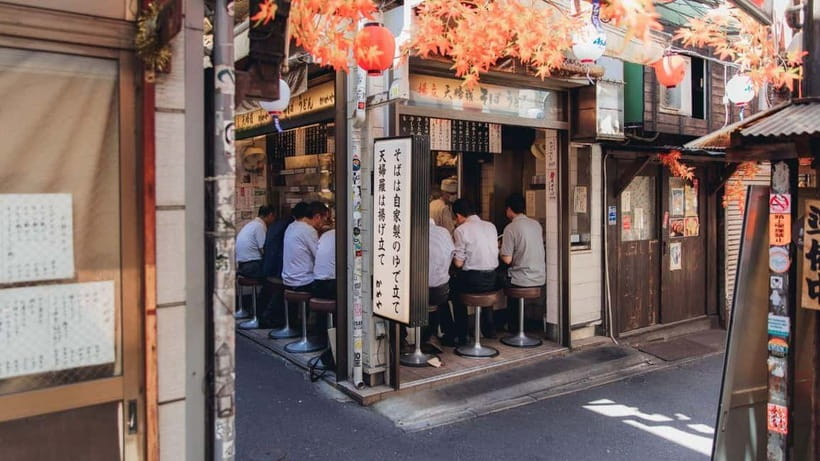
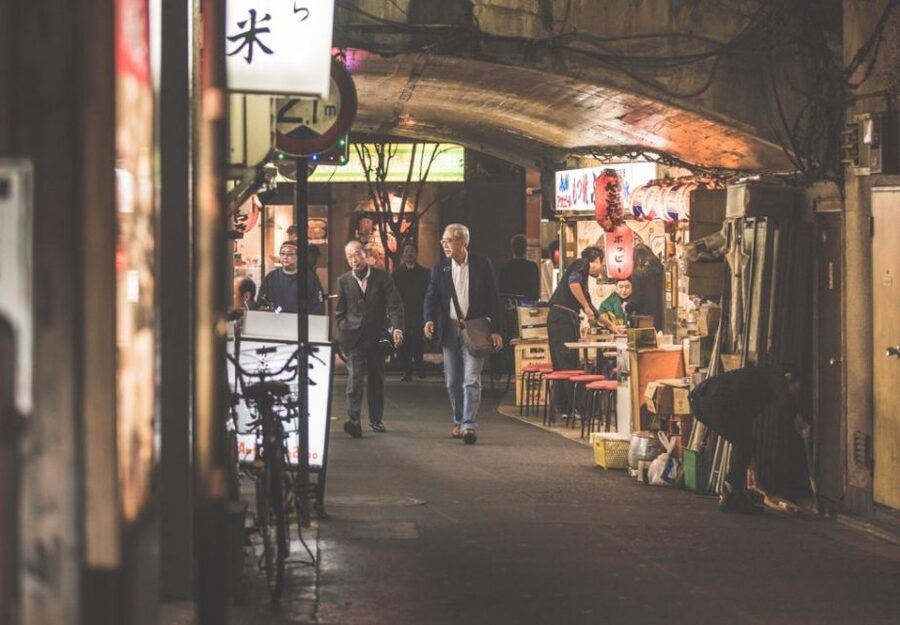
From Ginza, the experience shifts to Yurakucho. The polished department-store setting gives way to narrow, lantern-lit backstreets where office workers gather after hours for skewers and drinks.
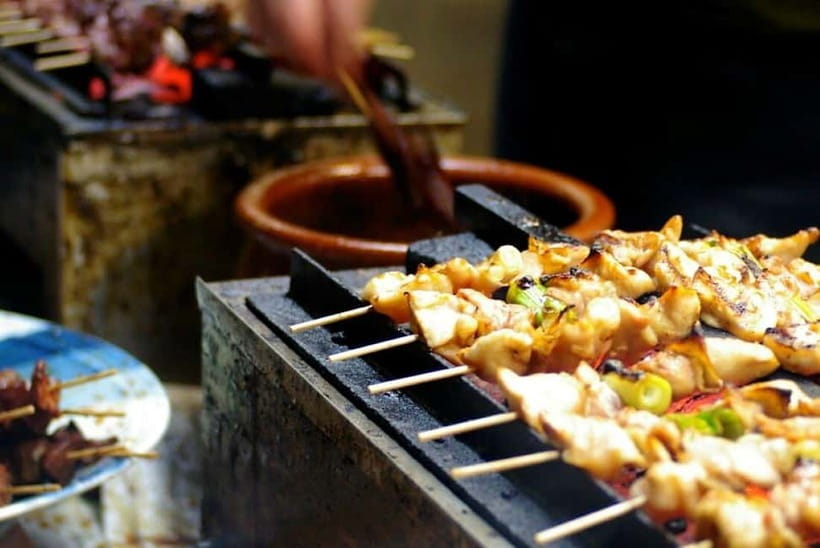
Yakitori means grilled chicken on skewers, though the experience can include a range of grilled meats and vegetables. The appeal is in the directness of it: food goes onto a hot grill, picks up smoke and char, and arrives ready to eat. Your guide explains how the skewers are prepared and why these compact drinking streets matter to Tokyo’s working culture.
This is one of the most atmospheric parts of the walk. You get a look at a social side of Tokyo that is easy to miss from the main avenues. The restaurants are local in feel, and the small group helps you fit into the setting without having to manage the ordering process alone.
The tour includes one local drink at this stage, such as sake, beer, or a soft drink. Participants under 20 receive a non-alcoholic drink, since the legal drinking age in Japan is 20.
Past guides have included Tsunematsu Hidenori, Yuki, Kirir, Meg, and Yoshi. Guide quality matters on a food walk, especially in small restaurants, and the strongest accounts describe patient, sociable guides who answer questions and introduce places that are difficult to find without local help.
There is one practical point to understand. These are neighborhood eateries, not polished restaurants designed for large international groups. Seating can be close, noise can be part of the setting, and the experience may feel less controlled than a standard restaurant meal. That is part of the charm, but it will not suit anyone seeking a quiet, spacious dinner.
Tsukishima and the hotplate tradition
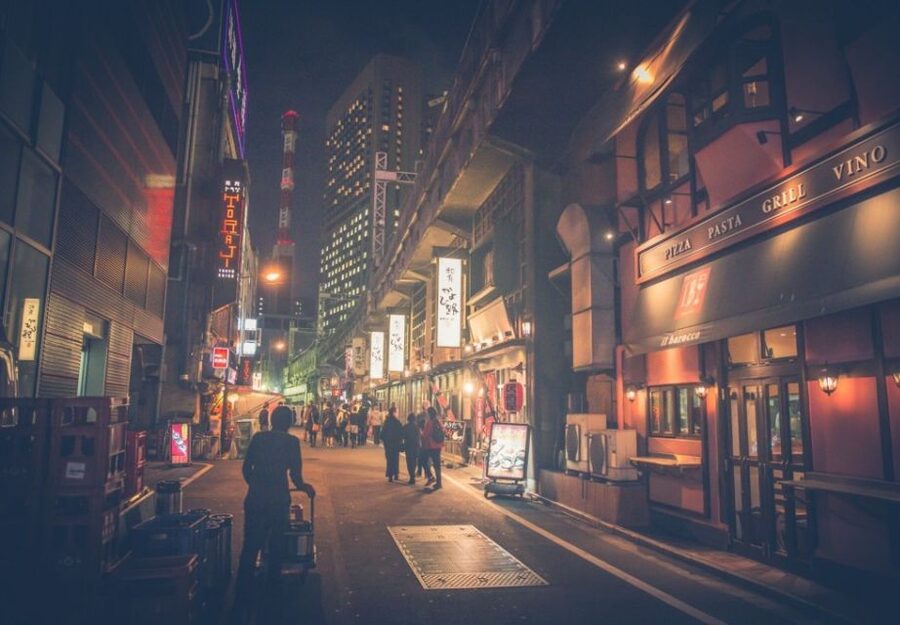
The route then takes you by subway toward Tsukishima Monja Street. Two subway tickets are included, which is helpful because it removes some of the small transport decisions from the evening. You still need to manage station stairs and transfers, so comfortable shoes are sensible.
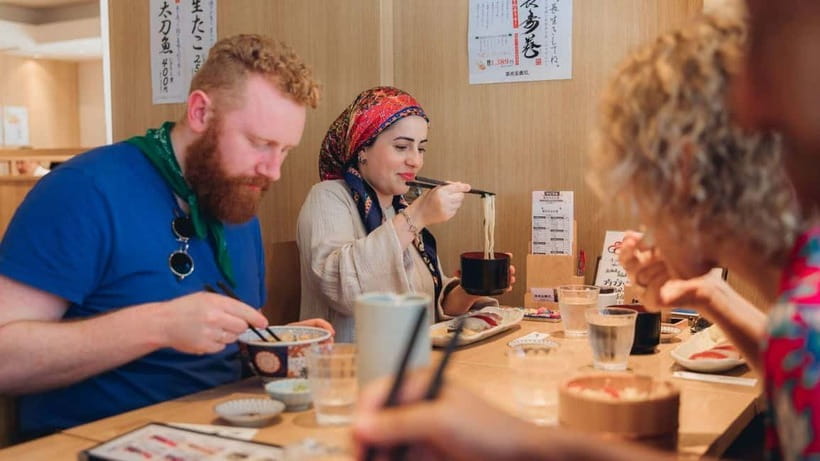
Tsukishima is closely linked with monja-yaki, a savory batter dish cooked on a hotplate. It is related to okonomiyaki, but the texture is much looser and softer. Rather than arriving as a firm pancake, monja-yaki is spread and cooked directly on the table in a way that feels halfway between a meal and a shared activity.
Here, your guide helps you watch the dish being prepared, then try the technique yourself. That hands-on element is important. Without help, a first attempt can feel confusing, especially when to spread the ingredients and how to use the small spatula. With a guide beside you, the hotplate becomes part of the fun rather than a test.
The atmosphere also changes the meal. You sit around the cooking surface, share the dish, and take part in a style of eating that is social and informal. Depending on the evening’s arrangements, the stop may also include okonomiyaki or another extra tasting, but the confirmed included dish is monja-yaki.
Some people may need a little time to appreciate the texture. If you prefer crisp, clearly separated ingredients, monja-yaki may not become your favorite Japanese food. If you enjoy trying something tied closely to one Tokyo neighborhood, it is one of the more distinctive parts of the route.
A past account described the food tour as a comfortable amount of eating and walking, while another participant found the walking too demanding for an 83-year-old companion. I would treat this as a moderate walking evening, not a gentle, stationary tasting. The route includes city streets, subway travel, and stairs.
Same trip, a completely different kind of day:
- 1-Day Tokyo Bus Tour
★ 5.0 · 14,250 reviews - Tokyo: TOKYO SKYTREE® Admission ticket
★ 4.5 · 11,192 reviews - Tokyo: teamLab Planets TOKYO Digital Art Museum Entry Ticket
★ 4.6 · 9,779 reviews - Tokyo: Sumo Show Experience with Chicken Hot Pot and a Photo
★ 4.8 · 6,678 reviews
Wagashi and the meaning of seasonal sweets
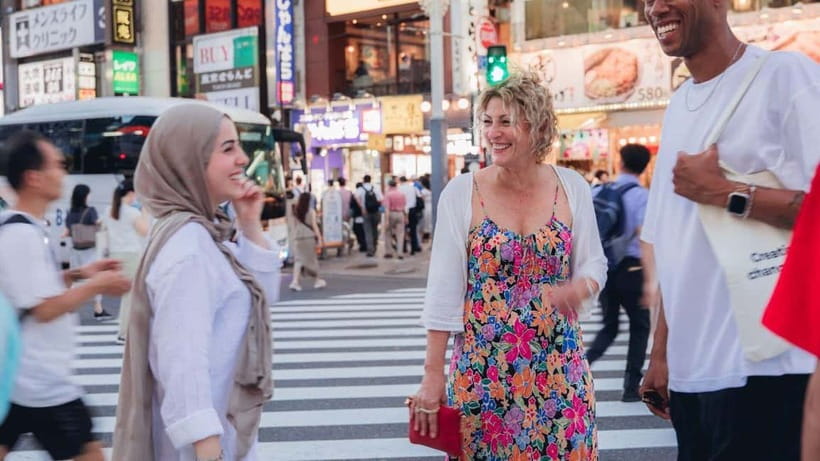
The sweet course introduces wagashi, traditional Japanese confections often made with ingredients such as red bean paste, rice, and other carefully prepared elements. The important lesson is not just sweetness. Wagashi often reflects the season through shape, color, and presentation.
Your guide explains how Japanese aesthetics and the calendar influence these small treats. That gives the stop more value than simply trying a dessert and moving on. You begin to see why a sweet may be shaped like a flower, colored to suggest a season, or designed to accompany a particular kind of tea or occasion.
Taste is personal here. One past participant loved the range of foods but did not care for the red-bean and mochi combination. That is a useful warning for anyone who has never tried wagashi. The texture can be soft and sticky, and the sweetness is different from a Western pastry.
The food sequence has also varied at times. Some earlier versions of the experience included items such as melon bread or a chocolate-filled crepe. The dependable structure described for this tour is yakitori, monja-yaki, wagashi, and two local drinks, so consider any extra treat a possible bonus rather than part of the value calculation.
What the $89 price really covers
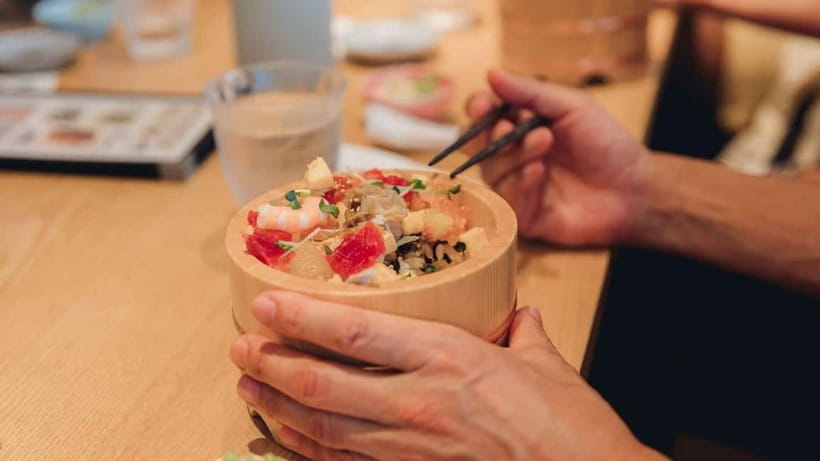
At $89 per person, this is not a cheap way to buy dinner. It is a guided introduction to several parts of Tokyo’s food culture, with the cost spread across tastings, drinks, subway transport, and local instruction.
The included package covers:
- Three food tastings: yakitori, monja-yaki, and wagashi
- Two drinks, with sake, beer, or a soft drink available
- Two subway tickets
- An English-speaking local guide
- Hands-on yakitori and monja-yaki experiences
- A group limited to eight participants
The value is strongest if you are new to Tokyo or uneasy about ordering in small local establishments. A guide can explain what is happening, help with etiquette, and point out why one neighborhood food tradition matters. You are also paying for access to places you might not find during a short visit.
The value is weaker if you already know Tokyo’s food districts, speak Japanese comfortably, or want a full dinner with large portions. The included tastings are meant to introduce you to several foods, not replace an all-you-can-eat meal. Extra food and drinks are available for purchase but are not included.
Group size, pace, and practical comfort
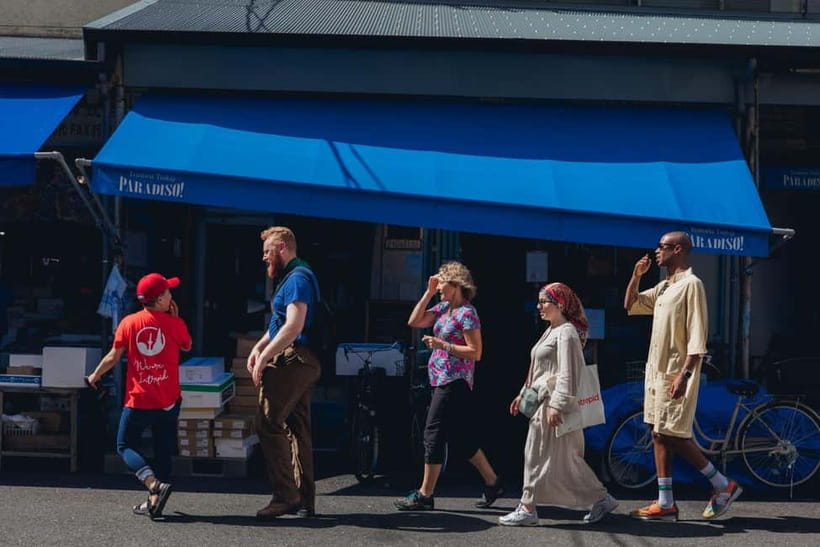
A maximum of eight participants is a real advantage. Small restaurants can be awkward with a large group, while eight people can still sit together and hear the guide. You also have a better chance to ask about ingredients, cooking methods, and customs without holding up a crowd.
The walk is aimed at people aged 12 and older. Alcohol rules are clear: the legal drinking age is 20, and anyone younger receives non-alcoholic drinks. Families with older children may find the cultural side appealing, though the evening is built around adult food and after-work dining rather than a child-focused program.
Wear comfortable shoes. One person recorded roughly 9,000 steps, and the subway sections involve stairs. The tour is not presented as accessible for every mobility level, so contact the provider before booking if stairs or extended walking are a concern.
The food restrictions deserve careful attention. Vegetarian, vegan, and gluten-free options are not available because the participating establishments cannot meet those requirements. If you have a serious allergy or need strict ingredient control, this is not a suitable choice.
The company describes the activity as carbon neutral and operates as a B Corp certified business. That may matter to you if you prefer booking with a provider that has formal environmental and social commitments. It does not change the route or food, but it is a useful part of the company’s operating approach.
Who will enjoy this Tokyo food walk?
I would choose this tour for a first or second visit to Tokyo when I wanted a low-stress introduction to local eating. It gives you several districts in one evening and removes much of the uncertainty around small restaurants.
It is especially well suited to you if:
- You want food and neighborhood culture together
- You like tasting several dishes instead of ordering one large meal
- You are curious about yakitori, monja-yaki, and wagashi
- You want help with ordering and Japanese dining customs
- You prefer a small group over a large bus-style outing
- You are comfortable walking for several hours
I would look elsewhere if you need vegetarian, vegan, or gluten-free food. I would also skip it if you want a relaxed, slow dinner with no public transport, stairs, or restaurant changes.
The guide can make a big difference. The named guides who have led past tours include Tsunematsu Hidenori, Yuki, Kirir, Meg, and Yoshi, but your guide is assigned for the date you choose. A good guide is particularly useful during the yakitori and monja-yaki stops, where explanation and timing add a lot to the meal.
Should you book Tokyo After 5?
Book it if you want an easy, social way to meet Tokyo through food rather than landmarks. The strongest features are the small group, the local restaurant settings, and the chance to cook monja-yaki yourself. The route also gives you a useful contrast between Ginza’s department-store food culture, Yurakucho’s after-work drinking streets, and Tsukishima’s neighborhood specialty.
Think twice if your diet is restricted, your mobility is limited, or you expect a full dinner for $89. For everyone else, it is a practical first-evening choice, especially early in a Tokyo visit when you want local guidance and a few ideas for where to eat next.
FAQ
Where does the tour meet?
Meet outside Mitsukoshi Ginza at the life-size seated lion statue. It is near the A7 exit of Ginza Station.
Which subway lines serve Ginza Station?
Ginza Station is served by the Tokyo Metro Ginza Line, Hibiya Line, and Marunouchi Line.
Where does the tour finish?
The tour finishes in Ginza.
How long does the experience last?
The tour lasts 210 minutes, or three and a half hours.
How many people can join the group?
The group is limited to a maximum of eight participants.
What language is the tour conducted in?
The live guide speaks English.
What foods are included?
The included tastings are yakitori, monja-yaki, and wagashi.
What drinks are included?
Two local drinks are included. Depending on age and availability, these may be sake, beer, or a soft drink.
Can children join the tour?
Participants must be at least 12 years old. Anyone under 20 receives non-alcoholic drinks because the legal drinking age in Japan is 20.
Are vegetarian, vegan, or gluten-free options available?
No. The establishments used on the tour cannot cater to vegetarian, vegan, or gluten-free requirements.
Are subway fares included?
Yes. Two public transportation tickets are included.
Can I cancel for a full refund?
You can cancel up to 24 hours in advance for a full refund. You can also reserve now and pay later.
Just added around Tokyo
- Kawagoe Japanese Food Tour : Unagi Kaiseki and Sake near Tokyo★ 5.0 · 30 reviews
- Kawagoe 4hr Private Tour with Licensed Guide (Kawagoe Dep)★ 5.0 · 13 reviews
- Little EDO Sushi Making workshop in Kawagoe★ 5.0 · 18 reviews
- 【R34】Tokyo:Private Daikoku tour in Modified R34★ 4.9 · 92 reviews
- :Tokyo,Shibuya/ Pro Photography in Kimono / English-Friendly★ 5.0 · 26 reviews
- Tokyo:Celebrate Unique Japanese New Year Tradition Festivity★ 3.9 · 20 reviews
- Tokyo: Allstar Food Tour★ 4.7 · 29 reviews
- Tokyo: West-Side Cycling and Food Tour with Guide★ 5.0 · 37 reviews
Walking Tours, compared.

Kyoto Geisha Walking Tour: Gion District & Hidden Gems
Our verdict →
Imperial Palace and Shogun Historical Walking Tour
Our verdict →
Shinjuku Local Bar and Izakaya Guided Walking Tour
Our verdict →

Nishiki Market Brunch Walking Tour (7 Tastings + Brunch)
Our verdict →
Kyoto Arashiyama Walking Tour: Bamboo, Monkeys, Gardens & Secrets
Our verdict →
Tokyo Castle & Imperial PalaceーShogun Walking Tour
Our verdict →Browse the lists this tour appears in