
Reviewed · WALKING TOURS
The Old Quarter of Tokyo – Yanaka Walking Tour
Tokyo can feel like a city built for speed, but Yanaka moves at a gentler pace. This three-hour walking tour leads you through temples, shrines, old wooden houses, a cemetery, narrow residential lanes, and Yanaka Ginza, a local shopping street. It is a useful counterpoint to Tokyo’s neon districts and crowded stations.
I like two things right away: the small maximum group of 10 people, which leaves room for questions, and the way the route connects religion with ordinary neighborhood life. Guides including Aya, Junko, Mei, Rei, and Polina are praised for clear English, local knowledge, patience, and good food suggestions. The main drawback is simple: it is a walking tour in a city where summer heat and humidity can be tough, so comfortable shoes, water, and sun protection matter.
Key points about the Yanaka walk
- See old Tokyo in a quiet neighborhood: Yanaka has wooden homes, temples, shrines, and small lanes that feel far removed from Ginza or Omotesando.
- Learn how Buddhism and Shinto fit into daily life: The route includes both Buddhist temples and a major Shinto shrine, with guidance on local customs.
- Walk through Yanaka Cemetery: You will hear about Japanese cemetery traditions and how locals use and respect these spaces.
- Visit Nezu Shrine’s red torii gates: This is one of the tour’s best photo stops and a calmer alternative to Kyoto’s famous Fushimi Inari.
- Finish at Yanaka Ginza: The route ends beside shops, sweets, and street food, giving you an easy place to continue exploring.
- Keep the cost in perspective: At $40 per person, the value comes from context, route planning, and personal attention rather than admission tickets.
Why Yanaka feels unlike central Tokyo
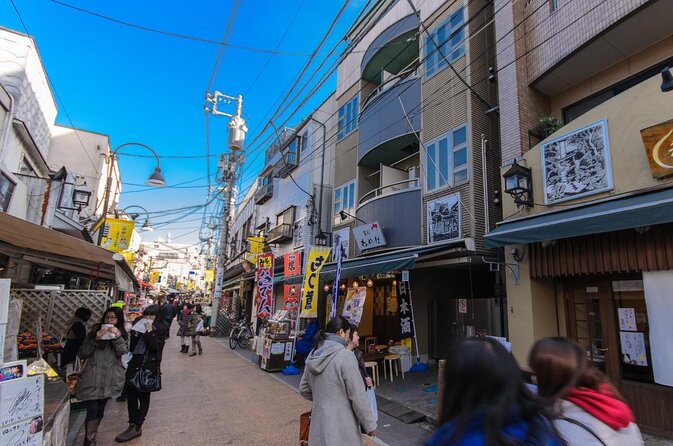
Yanaka gives you a useful change of scale. Instead of large department stores, tower blocks, and major tourist sights, you walk past modest wooden houses, local temples, quiet back streets, and small shops. Parts of the neighborhood survived the World War II bombings, along with later fires and disasters, so the old buildings give the area a distinct sense of continuity.
You meet the guide and group at Nippori Station. From there, the route moves on foot through a residential part of Tokyo and finishes near Yanaka Ginza. The start and end points are different, so you should think of this as a one-way neighborhood walk rather than a loop back to the station.
That arrangement works well. You begin with the easy transport connection at Nippori and finish near food and shopping. It also means you do not waste time retracing your steps.
The group can include up to 10 people. That is large enough to give the walk some social energy, but small enough for a guide to answer questions and take photographs. Several guides are named in the feedback, including Aya, Junko, Mei, Rei, Kiyo, Mami, Mommi, and Polina. The guide you receive will vary, but the strongest pattern is clear: expect a friendly English-speaking local who explains customs as well as buildings.
More Walking Tours in Tokyo
- Tokyo Tsukiji Fish Market Food and Culture Walking Tour
★ 5.0 · 3,184 reviews - Tokyo: Imperial Palace and Shogun Historical Walking Tour
★ 5.0 · 2,251 reviews - Tokyo: Shinjuku Local Bar and Izakaya Guided Walking Tour
★ 4.9 · 1,794 reviews
Tennoji Temple and the Yanaka Buddha
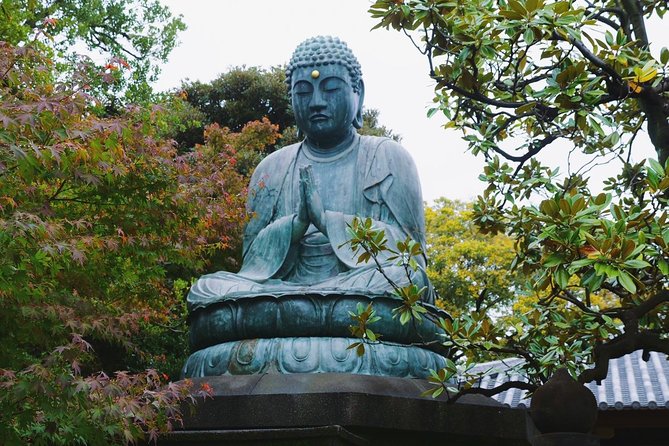
The first stop is Tennoji Temple, where you see the Yanaka Buddha, created in 1690. You have about 15 minutes here, with no admission charge.
This is a good opening stop because it introduces the religious side of the neighborhood without asking you to absorb too much at once. Your guide can explain the temple’s background and point out details that are easy to miss if you simply walk through on your own.
The stop also sets up one of the tour’s central ideas: Japanese religious life is not limited to a single tradition. Later, you visit a Shinto shrine, so you can compare the settings, customs, and symbols as you go.
Fifteen minutes is enough for an introduction, but it is not a long temple visit. If you want extended time for quiet observation or photography, you may feel the schedule moves on quickly. The strength here is interpretation, not a lengthy stay.
Yanaka Cemetery and local customs
From Tennoji, you walk into Yanaka Cemetery for about 15 minutes. Admission is free, and the guide explains what a Japanese cemetery is like and some customs followed by local people.
This section adds a more thoughtful tone to the route. The cemetery is not simply a sightseeing stop. It is part of the neighborhood, and the guide helps you understand how such places fit into Japanese life. That context is especially useful if you have seen Buddhist memorial sites elsewhere in Japan but were unsure how to read them.
The walk through the cemetery also makes the neighborhood’s older character easier to understand. Yanaka is not a preserved stage set. It is a living district where homes, temples, memorial sites, shops, and daily routines sit close together.
You should be prepared for a respectful visit rather than a photo checklist. The tour presents the cemetery as a place with meaning, so listening and following the guide’s advice matter more than rushing from one view to the next.
Ueno Sakuragi Atari and the old wooden houses
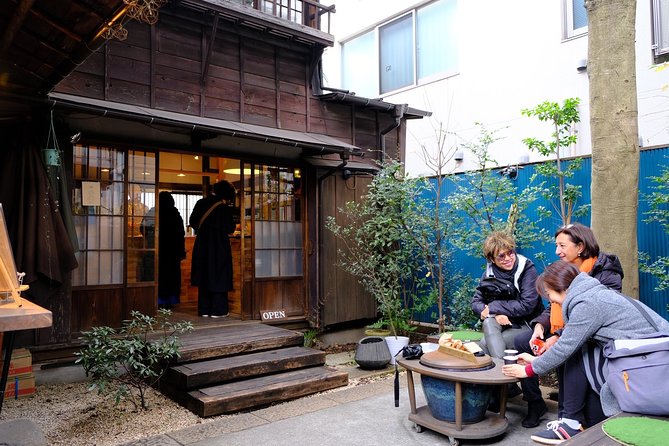
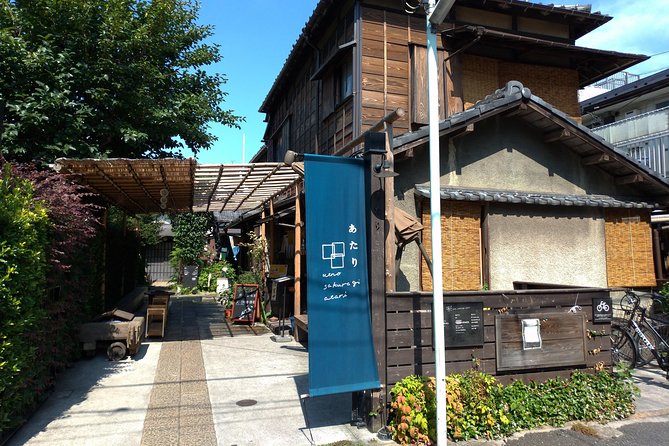
Ueno Sakuragi Atari provides a short break after the temple and cemetery stops. About 80-year-old wooden homes have been renovated into a cafe, bakery, and beer hall, creating a community space for local residents. The stop lasts around 15 minutes.
This is one of the most appealing parts of the route for anyone interested in how old Tokyo adapts to modern use. You are not only looking at an old house from the outside. You are seeing traditional buildings given a new role without losing their connection to the neighborhood.
The cafe, bakery, and beer hall are not included in the tour price, so plan to pay for anything you buy. The short stop may be enough to look around, but it is not designed as a full cafe visit.
There is also a 100-year-old cider tree described as a symbol of Yanaka. It adds a small but memorable detail to the walk, especially if you like local landmarks that do not appear on every Tokyo sightseeing list.
Same trip, a completely different kind of day:
- 1-Day Tokyo Bus Tour
★ 5.0 · 14,250 reviews - Tokyo: TOKYO SKYTREE® Admission ticket
★ 4.5 · 11,192 reviews - Tokyo: teamLab Planets TOKYO Digital Art Museum Entry Ticket
★ 4.6 · 9,779 reviews - Tokyo: Sumo Show Experience with Chicken Hot Pot and a Photo
★ 4.8 · 6,678 reviews
Enju-ji Temple and the god of strong legs
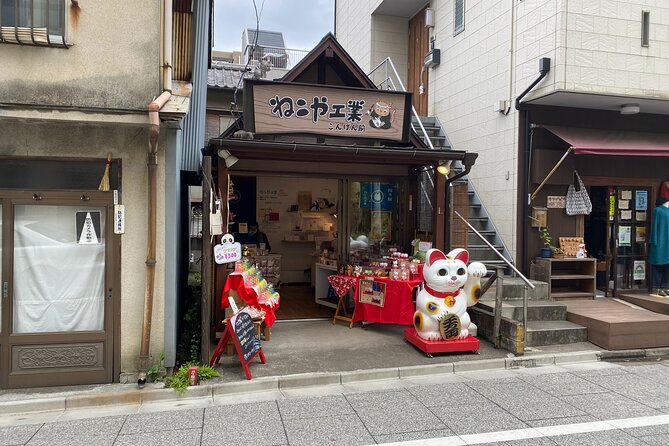
Enju-ji Temple is a brief five-minute stop. Its focus is unusual: a deity associated with strong legs rather than the type of Buddhist figure many visitors expect. Wooden boards carry the wishes of people with foot problems.
The stop is short, but the subject is memorable. It shows how religious practice can be direct and practical, tied to health, work, movement, and everyday concerns. The boards also give the site a personal feel.
There is no admission charge listed for the temple, though the tour information marks admission as not included. In practical terms, you should expect to pay your own personal expenses if you choose to buy anything during the walk.
Nezu Shrine and its red torii gates
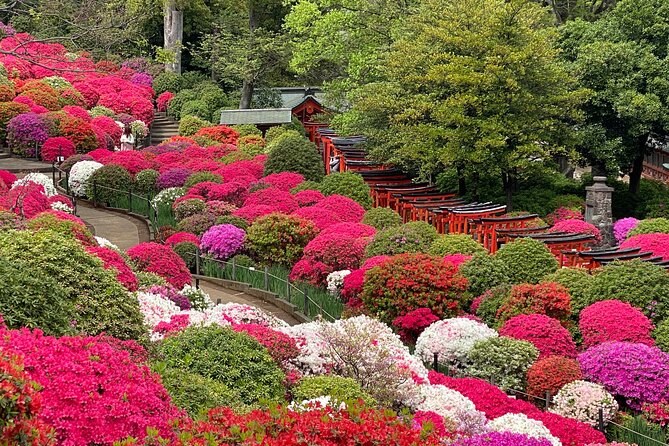
Nezu Shrine gets about 20 minutes, making it the longest formal stop on the route. Admission is free. Here you see rows of red torii gates, recalling the more famous gates at Fushimi Inari Shrine in Kyoto.
This is likely to be one of your best photo opportunities. The shrine offers a strong visual change from the wooden homes and cemetery, while still fitting the tour’s focus on old neighborhood culture.
Your guide also explains shrine etiquette. That is useful because the details of visiting a Shinto shrine can be easy to overlook. Knowing how to approach the space helps you behave respectfully and makes the visit more meaningful.
Do not expect the scale of Fushimi Inari. The appeal here is not size or a long climb. It is the combination of a beautiful shrine, red gates, and a quieter Tokyo setting. Twenty minutes gives you time to look, take pictures, and ask questions, but not to explore every corner at length.
Hebimichi and a look at everyday life
The route then turns onto Hebimichi, a back street in a residential area. The name is associated with a snake-like road, and the key point is the setting rather than a major monument.
This is where the tour feels most different from a standard sightseeing route. You see ordinary streets and Japanese daily life up close, with no large attraction competing for attention. A guide can help you notice details about homes, lanes, and the way the neighborhood is arranged.
This part also explains why the tour is best done with someone who knows Yanaka well. Without context, a residential back street may look like simply a route between major stops. With a local guide, it becomes part of the story of how the area works.
Keep your expectations realistic. You are not visiting a museum or formal historic site here. The value lies in slowing down and seeing how an older district functions.
Yanaka Ginza and the best place to continue alone
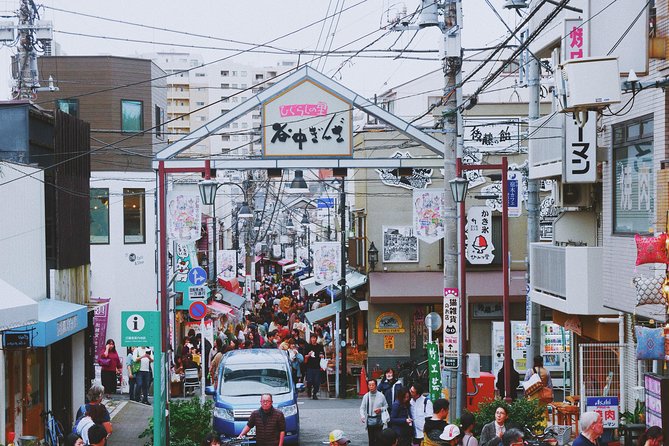
The final stop is Yanaka Ginza Shopping Street, where you spend about 20 minutes. Food, drinks, and personal purchases are not included, but this is the ideal place to buy a snack or continue exploring after the tour.
Your guide explains which shops are worth noticing and points out local foods and sweets. Several guides are also praised for suggesting good street food, so it is worth asking for specific recommendations before the group separates.
Yanaka Ginza is a practical ending point because you can turn the last part of the tour into your own lunch or snack stop. You might browse the small shops, try something local, or simply enjoy the contrast with Tokyo’s grand commercial centers.
The stop is relatively short if you want to shop seriously. Consider the 20 minutes an introduction rather than enough time for a full market visit. Since the tour ends here, you can stay longer on your own without needing to return to the group.
What the guides add to the experience
The guide is the main reason to book this instead of downloading a neighborhood map. The route itself is accessible, but the explanations connect temples, shrines, folk stories, homes, and shopping streets in a way that is difficult to manage alone.
Aya is described as attentive, patient with questions, and generous with practical suggestions. One guide used laminated photos to clarify historical points, a simple touch that can help when you are trying to picture how the area looked in earlier periods.
Junko is described as someone who knows the neighborhood well, and one guide is noted as living locally. Rei is praised for handling questions and explaining cultural and religious customs. Polina is singled out for folk stories and a strong command of the area. These details suggest that the guiding style is personal rather than scripted.
The English standard also matters. The information indicates that several guides speak clear English, with one guide praised for explaining fully and answering questions carefully. That makes the tour a better fit if you want to ask about religion, housing, food, or customs rather than simply follow a route.
Is $40 a fair price?
At $40 per person, this is not a ticket-heavy sightseeing tour. Most stops are free, and food and drinks cost extra. You are paying mainly for a planned route, a small group, an English-speaking local guide, and the explanation that ties the area together.
I think the price is fair if Yanaka is unfamiliar to you and you want help reading the neighborhood. A guide can show you the best sequence, explain etiquette, point out the renovated wooden buildings, and finish you at a useful food street.
The value is weaker if you prefer wandering alone and are happy to look up temple information as you go. The tour does not include a meal, transport, or paid attraction, so budget separately for snacks at Yanaka Ginza or Ueno Sakuragi Atari.
The maximum group size of 10 is important here. In a small neighborhood with narrow streets and quiet religious sites, a very large group would work against the experience. This cap keeps the walk more manageable and gives you a better chance to speak with the guide.
Practical advice for a comfortable walk
Wear comfortable shoes. The route lasts about three hours and includes streets, temple grounds, cemetery paths, and residential lanes.
Tokyo summers can be hot and humid. Bring water, use sun protection, and consider a hat. One report describes a 35-degree day, so do not treat this as a casual stroll that requires no preparation.
The tour requires good weather. If poor weather causes cancellation, you are offered another date or a full refund. For your own flexibility, cancellation at least 24 hours before the start time allows a full refund. Changes or cancellations inside that period are not accepted for a refund.
The meeting point is outside Nippori Station at 2 Chome-19 Nishinippori, Arakawa City. The tour ends at Yanaka Ginza, 3-chome-13-1 Yanaka, Taito City. Check the exact meeting instructions before setting out, especially because the start and finish are in different places.
Mobile tickets make the booking simple. The tour is near public transportation, service animals are allowed, and the information says most people can take part. No special admission tickets are needed for the main temples, cemetery, or shrine stops.
Who should book this Yanaka tour?
I would choose this tour if you have already seen, or plan to see, Tokyo’s major modern districts and want a quieter contrast. It suits you if you enjoy walking, local stories, religious customs, old homes, and small shops more than big attractions.
It is also a strong first-day or second-day option because it helps you understand a different side of the city without taking a full day. The route finishes in a place where you can eat and shop, so you can keep exploring after the guide leaves.
I would hesitate if you dislike walking in heat, want a long visit at each temple, or prefer a tour built around paid attractions. The itinerary uses short stops, with only about 20 minutes at Nezu Shrine and Yanaka Ginza, so the pace is designed to give you an overview of the district.
Final verdict: a worthwhile look at old Tokyo
Book this tour if you want Tokyo to feel more human and less like a chain of famous viewpoints. The best parts are the connection between Buddhist and Shinto traditions, the quiet residential streets, the old wooden buildings at Ueno Sakuragi Atari, and the practical finish at Yanaka Ginza.
The tour is not about grand monuments or elaborate entry tickets. It is about noticing how a historic neighborhood still works. At $40, that makes sense for visitors who want clear English explanations, a small group, and a route they might not assemble on their own.
Bring good shoes, sun protection, and an appetite for local snacks. If that sounds like your kind of Tokyo, Yanaka is a smart choice.
FAQ
How long does the Yanaka Walking Tour last?
The tour lasts approximately three hours.
How much does the tour cost?
The listed price is $40 per person.
Where does the tour start?
It starts at Nippori Station, at 2 Chome-19 Nishinippori, Arakawa City, Tokyo 116-0013, Japan.
Where does the tour end?
The tour ends at Yanaka Ginza, at 3-chōme-13-1 Yanaka, Taito City, Tokyo 110-0001, Japan.
What places are visited?
The route includes Tennoji Temple, Yanaka Cemetery, Ueno Sakuragi Atari, Enju-ji Temple, Nezu Shrine, Hebimichi, and Yanaka Ginza Shopping Street.
Is food included?
No. Food, drinks, and personal expenses are not included. You can buy local foods and sweets at your own cost.
Is admission included for the temples and shrine?
The listed stops at Tennoji Temple, Yanaka Cemetery, and Nezu Shrine have free admission. Personal expenses and any items you purchase are not included.
How many people can join the tour?
The maximum group size is 10 people.
Can I cancel for a refund?
You can cancel at least 24 hours before the start time for a full refund. Cancellations or changes made less than 24 hours before the start time are not refunded. If poor weather cancels the experience, you are offered another date or a full refund.
Just added around Tokyo
- Kawagoe Japanese Food Tour : Unagi Kaiseki and Sake near Tokyo★ 5.0 · 30 reviews
- Kawagoe 4hr Private Tour with Licensed Guide (Kawagoe Dep)★ 5.0 · 13 reviews
- Little EDO Sushi Making workshop in Kawagoe★ 5.0 · 18 reviews
- 【R34】Tokyo:Private Daikoku tour in Modified R34★ 4.9 · 92 reviews
- :Tokyo,Shibuya/ Pro Photography in Kimono / English-Friendly★ 5.0 · 26 reviews
- Tokyo:Celebrate Unique Japanese New Year Tradition Festivity★ 3.9 · 20 reviews
- Tokyo: Allstar Food Tour★ 4.7 · 29 reviews
- Tokyo: West-Side Cycling and Food Tour with Guide★ 5.0 · 37 reviews
Walking Tours, compared.

Kyoto Geisha Walking Tour: Gion District & Hidden Gems
Our verdict →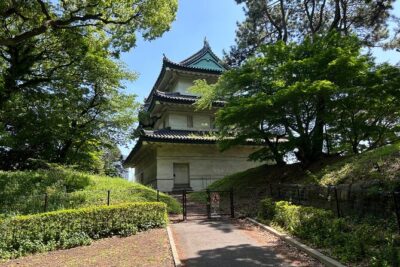
Imperial Palace and Shogun Historical Walking Tour
Our verdict →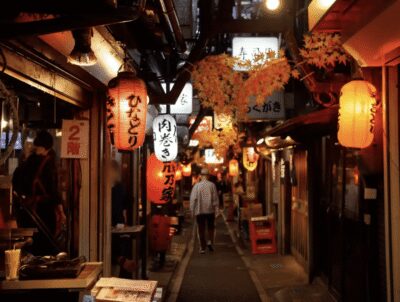
Shinjuku Local Bar and Izakaya Guided Walking Tour
Our verdict →

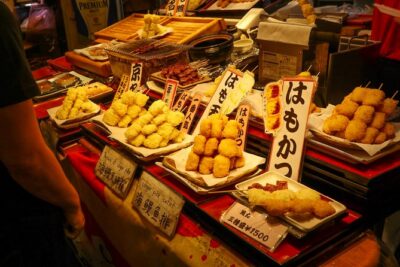
Nishiki Market Brunch Walking Tour (7 Tastings + Brunch)
Our verdict →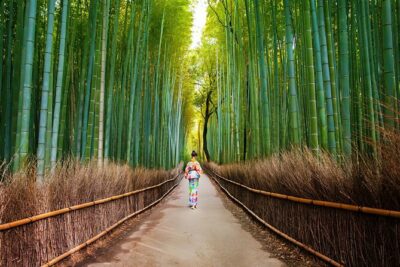
Kyoto Arashiyama Walking Tour: Bamboo, Monkeys, Gardens & Secrets
Our verdict →
Tokyo Castle & Imperial PalaceーShogun Walking Tour
Our verdict →Browse the lists this tour appears in