
Reviewed · TEA CEREMONY EXPERIENCES
Tea ceremony experience in Japanese-style room 60min
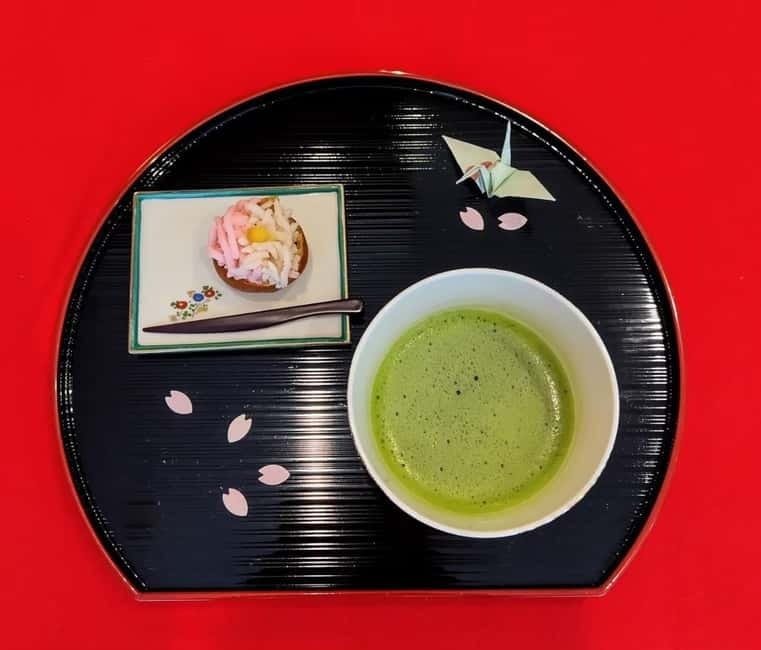
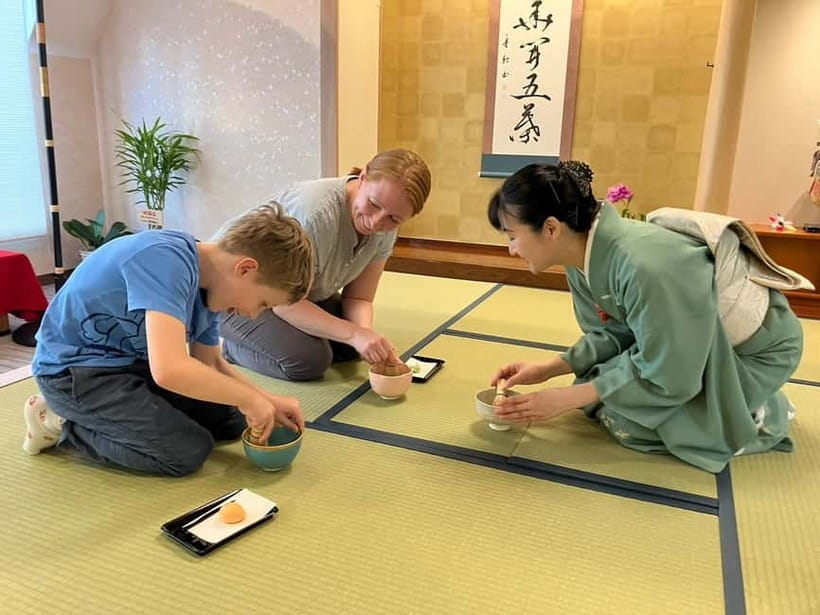
The best part of this experience is that you do not simply sit and watch. You choose a bowl, taste a seasonal sweet, learn the meaning behind the ceremony, then whisk your own matcha. Ryouko and her assistants keep the lesson warm and approachable, even if you know nothing about tea etiquette.
I like the chance to examine bowls with different designs and hear why each one is special. I also like the setting: Wasako occupies a Japanese-style room inside the historic Charyo-Ichimatsu building, a registered tangible cultural property. The main consideration is timing. Some sessions finish in about 40 to 45 minutes, so anyone expecting a long formal ceremony may find the experience brief for the price.
Key points at a glance
- Choose your own bowl and sweet: Each matcha bowl has a different design, and the host explains the bowl you select.
- Make your own matcha: After watching the demonstration, you get hands-on instruction and prepare tea yourself.
- A calm historic setting: The ceremony takes place at Wasako, inside the registered tangible cultural property Charyo-Ichimatsu.
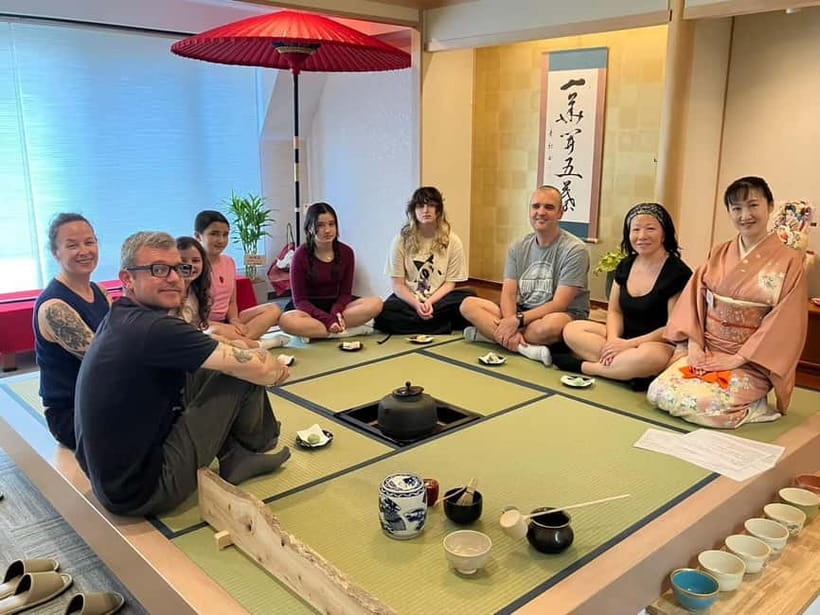
- Small groups only: The limit is seven people, with English and Japanese instruction.
- Excellent photo potential: Staff can take photos during the ceremony, and the building has many attractive spots for pictures.
- Socks are required: Shoes come off indoors, and you need socks to step onto the tatami. If needed, socks are sold for 500 yen.
What happens inside Wasako
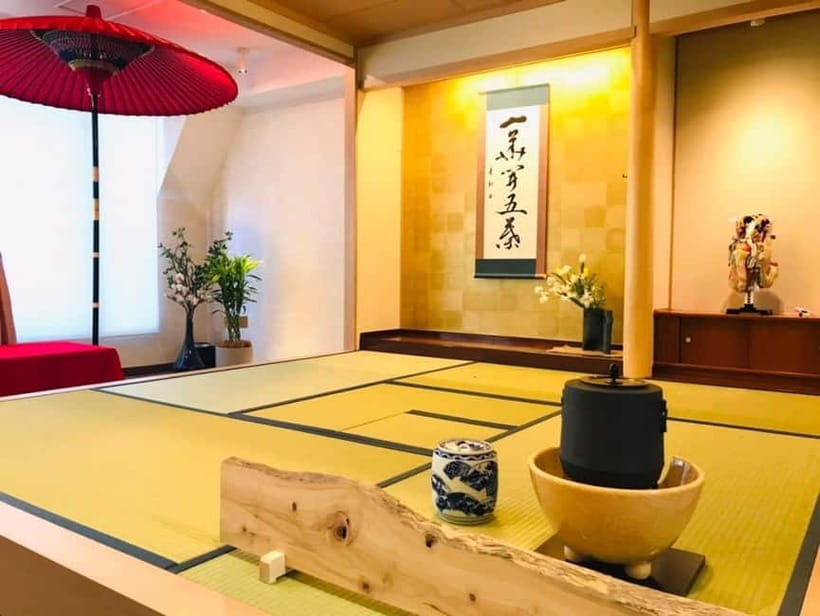
You meet at Wasako, located inside the Charyo-Ichimatsu restaurant. The room is reached from Tawaramachi Station in about five minutes, or from Asakusa Station in about ten minutes. The directions can feel a little vague, so look for the green tea ceremony signs. The room is on the fifth floor, two doors to the right of the kimono rental area, near an incense shop doorway.
Once inside, you remove your shoes. Bring socks, since bare feet are not suitable for the tatami area. This small detail matters. You do not want to arrive ready for photos and then discover that your footwear does not meet the house rules.
There are four usual start times: 10:00, 11:30, 13:30, and 15:00. These slots make it easy to fit the ceremony between Asakusa sightseeing, lunch, and a visit to nearby shops. Still, check the exact time when you book. The listed duration can range from 45 minutes to four hours, while the tea session itself is generally around an hour and can finish sooner.
More Tea Ceremony Experiences in Tokyo
- Matcha Making Class in Tokyo with Authentic Japanese Sweets Set
★ 5.0 · 744 reviews - Tokyo: Traditional Tea Ceremony with a Tea Master
★ 5.0 · 528 reviews - Tokyo: Matcha Making Experience with Mochi Sweets in Asakusa
★ 4.9 · 388 reviews
Choosing a bowl with a story
Before the tea is prepared, you select the matcha bowl and the sweet you will use. This is a simple choice, but it gives the experience a personal touch. Instead of receiving an identical cup like everyone else, you handle several bowls and choose one that appeals to you.
Each bowl has its own design, and the host explains it individually. The details may be easy to overlook if you are rushing through a temple or museum, but here the bowl becomes part of the lesson. You begin to notice shape, color, and decoration, and you understand that the tools are not just practical kitchen items.
The sweet is served with the tea. Its purpose is not only to add a treat to the session. Eating it before drinking the matcha helps prepare your palate for the tea’s bitterness. The combination makes the matcha easier to appreciate, especially if this is your first taste.
Watching the tea ceremony demonstration
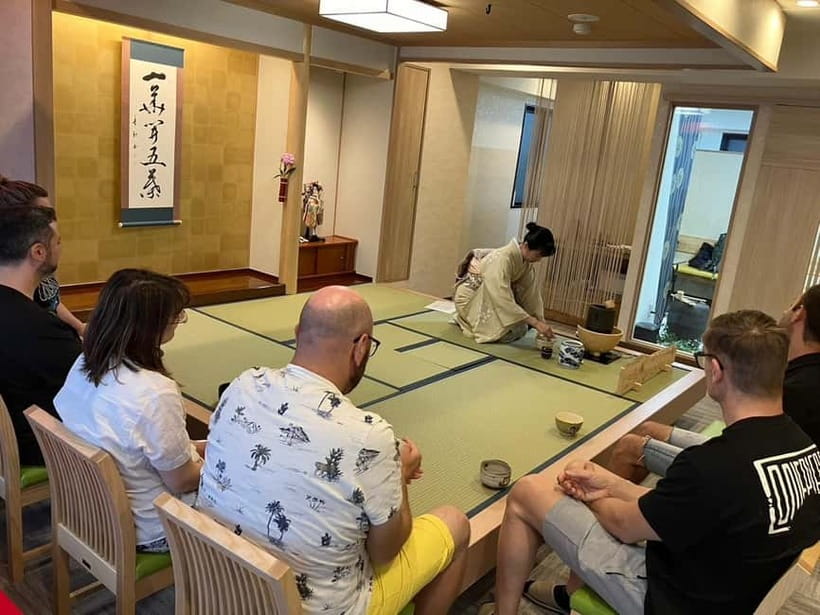
The demonstration gives you a clear view of the movements, utensils, and order of the ceremony. Ryouko explains the steps as she works, and instruction is available in English and Japanese. You can ask questions as the ceremony unfolds rather than trying to remember everything for a lecture afterward.
The host may also explain the hanging scroll, furnishings, and the background of the tea ceremony. This is where the setting becomes more than a pretty room. The objects around you help show how a tea gathering is arranged and why the room has been prepared in a particular way.
The atmosphere is quiet and measured. That calm is part of the appeal, but it also means this is not a high-energy activity. If you prefer a fast-moving attraction with many stops, you may find the pace slow. If your Tokyo schedule feels crowded, however, 45 minutes of careful attention can be a welcome pause.
Preparing your own matcha
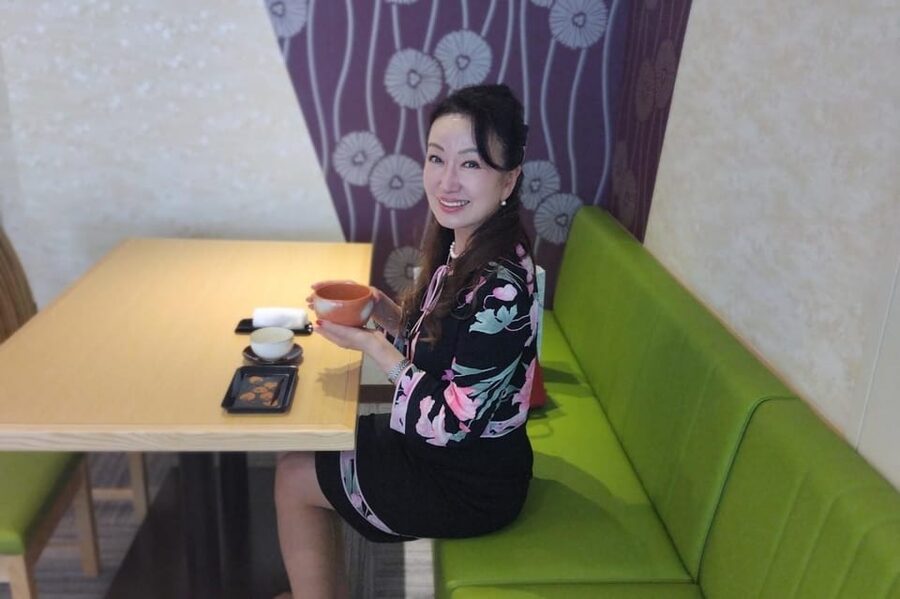
The hands-on portion is the reason I would choose this activity over a demonstration-only tea visit. After watching the host, you learn how to prepare matcha yourself. You handle the equipment, follow the instructions, and whisk your own tea.
You do not need prior knowledge. The host guides you through the process and helps you get the motions right. Your first bowl may not look as smooth as the tea prepared by a tea master, and that is part of the fun. The activity lets you understand the care involved without demanding years of training.
You then drink the tea with the sweet you selected. This gives the ceremony a satisfying shape: choose, observe, learn, prepare, and taste. It is also a useful way to remember the lesson. You are not just watching someone else perform a tradition. You have taken part in it.
Same trip, a completely different kind of day:
- 1-Day Tokyo Bus Tour
★ 5.0 · 14,250 reviews - Tokyo: TOKYO SKYTREE® Admission ticket
★ 4.5 · 11,192 reviews - Tokyo: teamLab Planets TOKYO Digital Art Museum Entry Ticket
★ 4.6 · 9,779 reviews - Tokyo: Sumo Show Experience with Chicken Hot Pot and a Photo
★ 4.8 · 6,678 reviews
Ryouko, Akiko, and the human side of the lesson
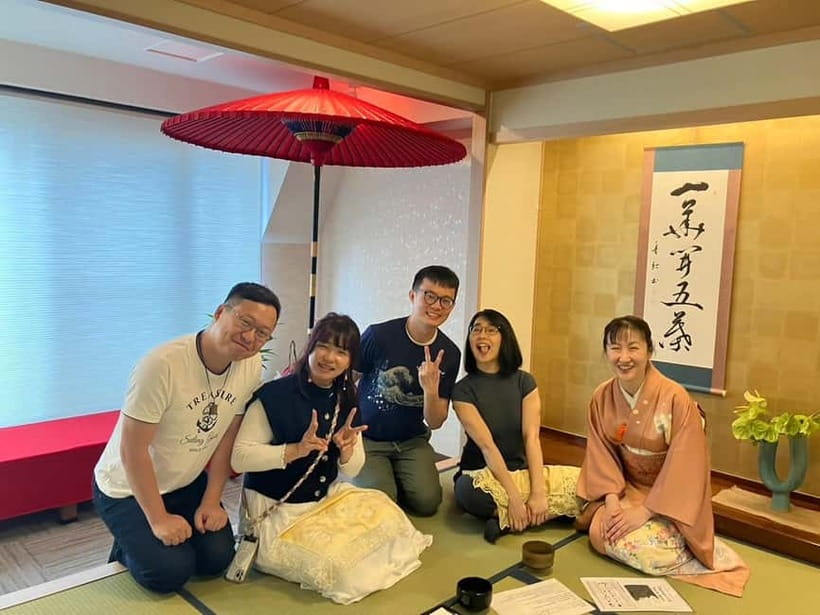
The strongest part of the experience is the personal instruction. Ryouko is the owner and tea master, and she is described as patient, calm, and eager to explain Japanese culture. Her assistant Akiko also helps with arrangements, including kimono dressing when that option is booked.
The instruction is gentle rather than stiff. You can ask about the utensils, the steps, or the meaning of the room. The host also makes an effort to keep the session comfortable for families and first-time visitors. Teenagers and adults can take part, while children under six are not accepted.
Photo help is another useful touch. Staff can take pictures of you during the ceremony, so you are not forced to choose between holding the whisk and documenting the moment. You can also take your own pictures and videos, as long as you follow the room’s instructions.
The building and photo opportunities
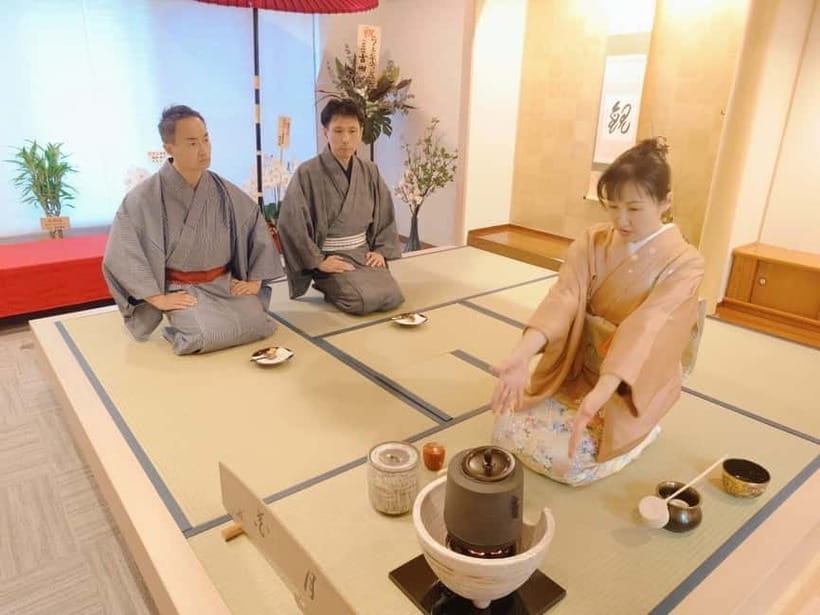
Charyo-Ichimatsu is designated as a registered tangible cultural property in Japan. That status gives the setting added interest, but you should not expect a large museum or an open-air heritage site. The appeal is in the traditional room, the furnishings, the utensils, and the small details that frame the ceremony.
There are several photo-worthy spots in and around the building. The room itself gives you a natural background for pictures, especially if you add a kimono rental. The staff can help take photos during the ceremony and may also help you record the preparation process.
A kimono is not listed as part of the $45 tea ceremony price. Some participants arrange a separate kimono rental and find it worthwhile for the photographs. If you want that option, confirm the cost, timing, and availability before booking rather than assuming it is included.
Is $45 a fair price?
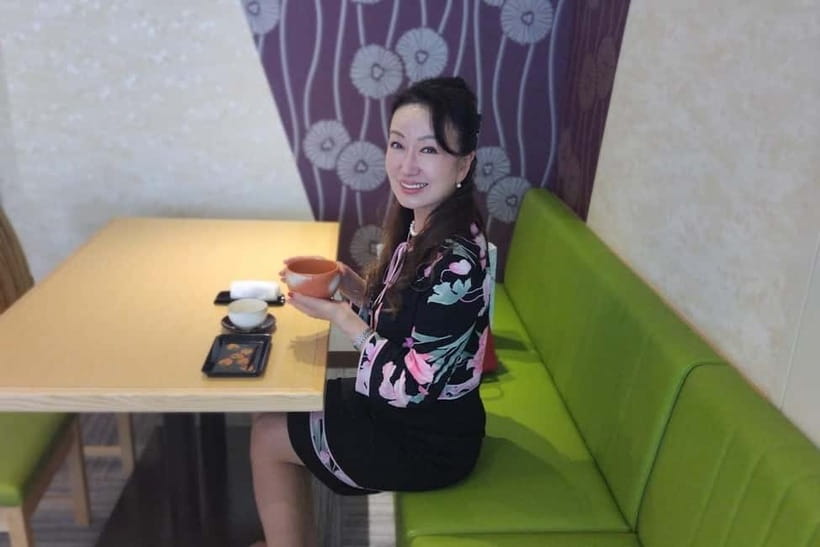
At $45 per person, this is not the cheapest way to drink matcha in Tokyo. You can find green tea at cafés for far less. The price here pays for the room, instruction, sweets, the demonstration, your own preparation, and a small-group setting limited to seven people.
The value depends on what you want. If your goal is simply to taste matcha, this is too much money for the drink. If you want a guided cultural activity where you can ask questions, handle the tools, choose a bowl, and take pictures, the price is more reasonable.
The session length is the main point to consider. The advertised title suggests a 60-minute experience, while the stated duration ranges from 45 minutes to four hours. A session may finish in roughly 40 to 45 minutes, especially if the group arrives early or the teaching moves quickly. One participant felt the price did not match the shorter experience and wanted more historical information.
I would book it for the personal instruction rather than for a long ceremony. The small group and chance to make tea yourself add value. Still, if you want a full formal tea-school presentation lasting several hours, ask for clarification before paying.
Getting there from Asakusa and Tawaramachi
Wasako is convenient for a day in eastern Tokyo. From Tawaramachi Station on the Tokyo Metro Ginza Line, use Exit 3 and allow about five minutes on foot. From Asakusa Station on the Toei Asakusa Line, Exit A4 is about ten minutes away.
The Asakusa area is a good match for the activity because you can pair the ceremony with nearby cultural sights and traditional shopping streets. Plan enough time to find the entrance. The green signs are useful, but the meeting point has been described as less clear than ideal.
Arrive a little early, but do not rely on an early arrival to extend the booked session. You will need time to find the room, remove your shoes, and settle in. Keep your socks on until you know where you are permitted to step.
Group size, age, and comfort
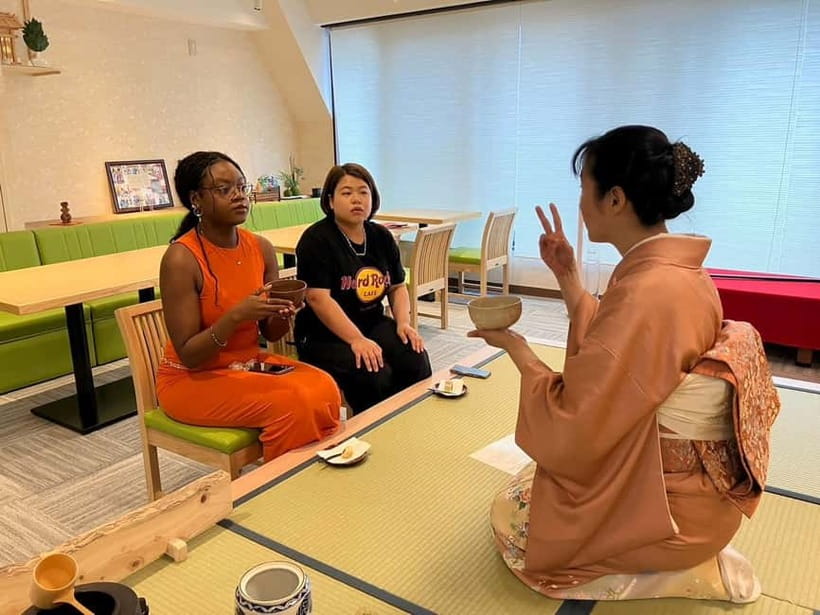
The maximum group size is seven. That is small enough for questions and personal help, though your experience may feel different if you are alone or sharing the room with several families. Solo participants can sometimes receive very direct instruction, but group energy may add a friendly element.
Children under six are not accepted. Older children and teenagers can take part, provided they can sit quietly and follow the instructions. The experience has worked well for families with teenage children and adult siblings.
The activity is not suitable for wheelchair users. Shoes are not allowed indoors, and socks are required if you go onto the tatami. These are simple rules, but they are important when deciding if the room is comfortable for everyone in your party.
Booking, payment, and cancellation details
You can reserve a place and pay later, which helps if your Tokyo schedule is still changing. Free cancellation is available up to 24 hours in advance for a full refund. The cancellation terms become stricter after that point: cancellations made the day before incur a 50 percent fee, while cancellations on the day of the event incur a 100 percent fee.
The listed instructor languages are English and Japanese. If detailed historical explanation is especially important to you, consider asking about the level of instruction when booking. The session includes explanations of the ceremony, furnishings, and tools, but the amount of history may vary with the host and the time available.
Who should book this tea ceremony?
I would recommend it to you if you want a hands-on cultural activity in Tokyo rather than a passive demonstration. It is especially suitable for first-time visitors to Japan, couples, families with older children, photographers, and anyone who wants a quiet break from busy sightseeing.
It also suits you if you like small details. Choosing a bowl, learning why the sweet is served, watching the host’s movements, and trying the whisk yourself are modest pleasures, but they add up to a clear introduction to tea culture.
I would hesitate if you want a long, highly formal ceremony or a detailed academic lecture. The session may be shorter than expected, and the amount of historical explanation can be limited. I would also check the kimono arrangements carefully, since that experience is separate from the basic tea booking.
FAQ
Where does the tea ceremony take place?
It takes place in the Japanese-style room of Wasako, inside the Charyo-Ichimatsu restaurant in Tokyo.
How far is the venue from Tawaramachi Station?
The venue is about a five-minute walk from Tawaramachi Station, Exit 3, on the Tokyo Metro Ginza Line.
How far is the venue from Asakusa Station?
It is about a ten-minute walk from Asakusa Station, Exit A4, on the Toei Asakusa Line.
What start times are available?
The listed start times are 10:00, 11:30, 13:30, and 15:00. Check availability for the date you want.
How long does the experience last?
The stated duration ranges from 45 minutes to four hours. The tea ceremony session itself may take about 40 to 60 minutes, depending on the booking and pace.
Is the instruction available in English?
Yes. Instruction is offered in English and Japanese.
How many people can join?
The group is limited to seven participants.
Do I need to bring anything?
Bring socks. Shoes are not allowed indoors, and socks are required if you step onto the tatami.
Is a kimono included?
A kimono is not listed among the included items. Some participants arrange a separate kimono rental, so confirm the details before booking.
Can children or wheelchair users participate?
Children under six are not accepted, and the activity is not suitable for wheelchair users.
Should you book it?
Book this tea ceremony if you want to learn by doing. The choice of bowl and sweet, clear demonstration, and chance to whisk your own matcha make it more personal than a quick tea tasting. Ryouko and her team also add warmth, patience, and useful help with photographs.
Before booking, set your expectations correctly. This is a small, quiet introduction to tea culture, not a several-hour formal ceremony. At $45, it offers fair value when you care about instruction, setting, and participation. If you mainly want a cheap cup of matcha, spend your money at a café instead. If you want a memorable cultural stop near Asakusa, bring socks and make room for this calm, hands-on hour.
Just added around Tokyo
- Kawagoe Japanese Food Tour : Unagi Kaiseki and Sake near Tokyo★ 5.0 · 30 reviews
- Kawagoe 4hr Private Tour with Licensed Guide (Kawagoe Dep)★ 5.0 · 13 reviews
- Little EDO Sushi Making workshop in Kawagoe★ 5.0 · 18 reviews
- 【R34】Tokyo:Private Daikoku tour in Modified R34★ 4.9 · 92 reviews
- :Tokyo,Shibuya/ Pro Photography in Kimono / English-Friendly★ 5.0 · 26 reviews
- Tokyo:Celebrate Unique Japanese New Year Tradition Festivity★ 3.9 · 20 reviews
- Tokyo: Allstar Food Tour★ 4.7 · 29 reviews
- Tokyo: West-Side Cycling and Food Tour with Guide★ 5.0 · 37 reviews
Tea Ceremony Experiences, compared.

Tea Ceremony in a Traditional Tea House in Kiyomizu
Our verdict →


World Heritage Kyoto & Nara Uji Authentic Matcha Experience
Our verdict →
Arashiyama Bamboo Forest, Monkeys, Matcha & Temple Tour
Our verdict →
Browse the lists this tour appears in