
Reviewed · HISTORICAL TOURS
Taste Local Life: Nagasaki’s Historical Street Walking Tour
Nagasaki’s oldest streets tell a story that is easy to miss from a sightseeing bus. This tour links Chinese-style temples, tram travel, small shops, and Spectacles Bridge in one walk, giving you a close look at the city’s daily rhythm as well as its past. I especially like the Sofukuji and Kofukuji temples, each with a different connection to Nagasaki’s Chinese influence. I also like the use of the city tram, a simple way to see how locals move around.
The main drawback is that the $105.42 price does not include food, drinks, or private vehicle transport. You pay for the guide’s time and local context, not a meal package or a long list of entry tickets. Wear proper walking shoes, since the tour covers temple grounds, shopping streets, and city sidewalks.
Key Points at a Glance
- Chinese-style temple architecture: Visit Sofukuji and Kofukuji, two of Nagasaki’s most distinctive religious sites.
- A short tram ride included: Travel from the station area toward Sofukuji on the Nagasaki Electric Tramway.
- Small private setting: The activity is limited to your own group, with a stated maximum of eight people.
- Local shopping streets: Walk through older commercial areas and finish in the long Hamamachi Arcade.
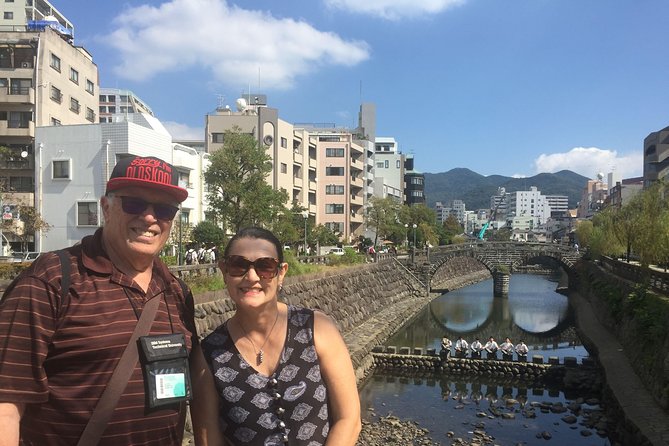
- Meganebashi finish: See Nagasaki’s oldest existing stone arch bridge, known in English as Spectacles Bridge.
- Helpful local guides: Guides named Yuko, Tomomi, Masaaki, and Yuki have led this experience.
Why This Nagasaki Walk Works
I like this tour because it does not treat Nagasaki as a string of isolated photo stops. The temples, tram, old streets, souvenir shop, bridge, and shopping arcade form a clear half-day route through the city.
You begin at 9:00 a.m. near Nagasaki Station, at Hotel New Nagasaki. The tour description also refers to Nagasaki Station as the convenient meeting area, so I would check the final confirmation carefully for the exact spot. From there, you set out with a guide and finish back at the meeting point.
The timing is useful. Three and a half hours gives you enough structure for a morning without taking over your whole day. Afterward, you can plan another Nagasaki sight, lunch, or time at your own pace.
The stated price is $105.42 per person. That is not a bargain if you only want to snap photos at two temples. It becomes more reasonable if you value a local guide who can explain the Chinese connections, point out details you might pass by, and help you understand how the older shopping streets fit into present-day Nagasaki.
The small size matters here. The group limit is eight, and the activity is described as private, meaning only your group participates. That gives you a better chance to hear the guide and ask questions than you would on a large city tour. One practical point came through clearly from the experience: even with a small group, a whispering audio system could make explanations easier to hear. Stay close to the guide, especially near busy streets.
More Historical Tours in Nagasaki:
- Nagasaki WW2 History and Culture Tour
★ 5.0 · 19 reviews - World Heritage Shirakawa-go and Experience Tours from Kanazawa
★ 5.0 · 4,049 reviews - Tokyo: Imperial Palace and Shogun Historical Walking Tour
★ 5.0 · 2,251 reviews
Riding the Tram from Nagasaki Station
The Nagasaki Electric Tramway is part of the experience rather than just a way to save your legs. The tram ride takes you from the station area toward Sofukuji, and the basic admission is included.
I like this opening because it gives you a quick sense of Nagasaki beyond the main station. The tram is described as easy to use, with clear signs, so you do not need to solve the city’s transport system on your own during this part of the morning.
The ride itself is brief, listed at about 10 minutes. That means the focus remains on the walking route, not on sitting in transit. You should still expect ordinary public transport conditions, since this is a tram ride through the city rather than a private vehicle.
Private transport by taxi, car, or bus is not included. The tram is the intended transport for this portion of the route. If you need door-to-door service, this is not the right format.
Sofukuji Temple and Its Chinese Design
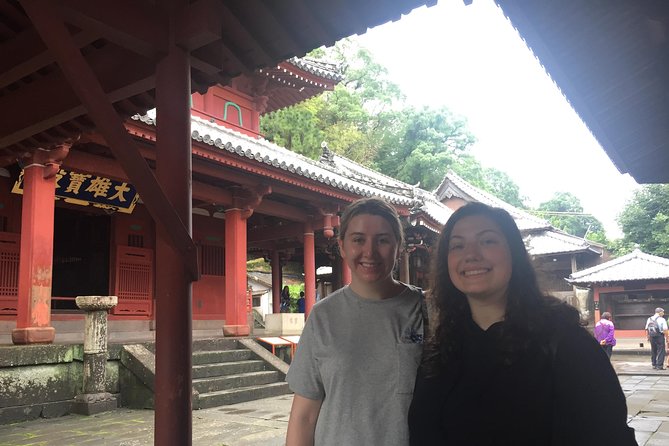
Sofukuji is the first major stop, with about 35 minutes set aside for the visit. It was built in 1629 as a Rinzai temple using the Nanchuan architectural style of China.
This is one of the strongest parts of the tour. Nagasaki’s position as a port gave it long connections with overseas merchants and communities, and Sofukuji lets you see that connection in physical form. The temple does not look like a generic Japanese religious site. Its Chinese design gives the visit a different visual character.
The Daimon Gate and Daeleon Hall, the main hall, are designated Important Cultural Properties. The supplied information also refers to national cultural significance. Your guide can help you understand why these structures matter rather than leaving you to admire the gates without context.
Thirty-five minutes is enough for an introduction, though it is not a long temple visit. If you like to examine every roof detail, courtyard, and inscription at leisure, you may want more time than this tour allows. The benefit is that you see Sofukuji as part of a wider route rather than spending your entire morning in one compound.
Listen for the explanations about Nagasaki’s links with China. The guides who receive the strongest praise, including Tomomi, Masaaki, Yuko, and Yuki, are described as clear, warm, and well informed about the temples and city. Their style appears to be a major part of what you are paying for.
Kofukuji and the Older Shopping Streets
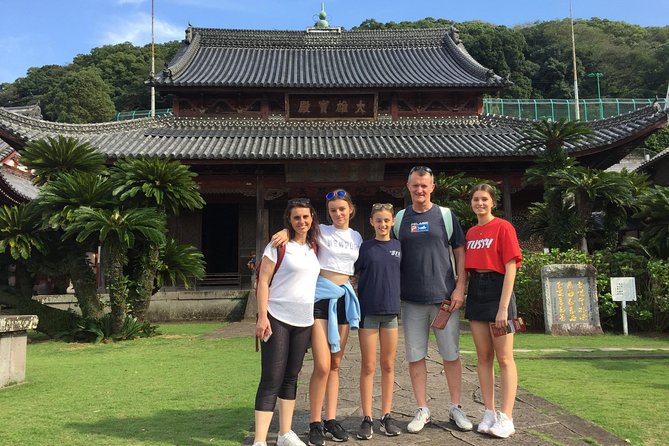
Kofukuji follows Sofukuji, with about 50 minutes allocated to the temple and the streets around it. The temple is connected with several notable developments, including the introduction of Japanese kidney beans, Mincho kanji characters, and Kofukuji dining tables.
Those details make Kofukuji more than another temple photo stop. They point to the practical exchange of ideas that took place around Nagasaki’s Chinese community. Your guide can connect religious buildings with food, writing, and everyday objects, which gives the stop a broader appeal.
The route then moves into one of Nagasaki’s oldest shopping streets. This is where the tour shifts from formal monuments to ordinary city life. You may find shops, snack stands, and older storefronts along the way. Food is not included, so bring money if you want to buy something.
I like this section because it gives the tour a human scale. A temple can tell you about design and belief. A shopping street shows how people use the same part of town day after day.
The 50-minute block offers a good balance, but your guide will need to manage the pace. If you stop often to browse or eat, you may have less time at later points. This is a guided walk, not an open-ended shopping trip.
More Walking Tours in Nagasaki:
- Nagasaki: Private Walking Tour with a Local
★ 4.7 · 79 reviews - Nagasaki Street Food Adventure: Private Walking Tour with a Local
★ 5.0 · 26 reviews - Kyoto Geisha Walking Tour: Gion District & Hidden Gems
★ 4.7 · 3,273 reviews - Tokyo Tsukiji Fish Market Food and Culture Walking Tour
★ 5.0 · 3,184 reviews
Motenashiya Near the Bridge
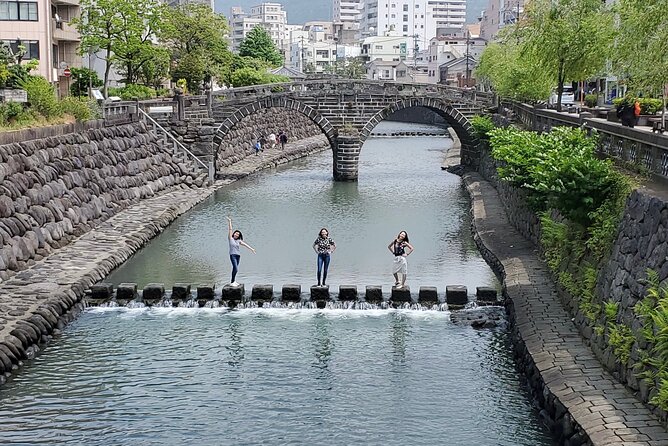
Motenashiya is a tourist information center and souvenir shop near Megane Bridge. The stop lasts about 15 minutes and admission is free.
This is a practical pause. You can look at maps and local touring materials, and the shop carries selected souvenirs. It is not presented as a major attraction, so I would treat it as a useful way to orient yourself before the bridge and shopping arcade.
The stop also fits the tour’s local focus. Instead of rushing from one famous monument to the next, you get a short look at a place designed to help people understand Nagasaki and take something small home.
Do not expect a full shopping session here. Fifteen minutes is enough to browse and ask for basic local information, but not enough for a long stop.
Spectacles Bridge and the Famous Reflection
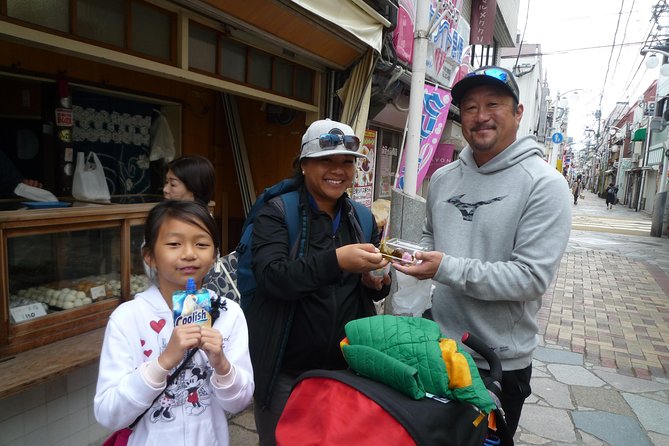
Meganebashi, or Spectacles Bridge, receives about 30 minutes. Built in 1634, it is described as the oldest existing arcuate stone bridge in Nagasaki.
The name comes from the two round arches and their reflection in the water, which can resemble a pair of spectacles. A heart-shaped stone feature nearby is another small detail to look for.
This is a good place for your guide to explain how the bridge was connected with the entrance to Kofukuji for the local Chinese community. That link gives the bridge more meaning than a quick photograph alone.
The bridge is free to view, and the stop gives you time to take pictures and look along the water. The exact appearance of reflections will depend on conditions, so do not treat the famous shape as a guaranteed perfect image. The attraction is the bridge, its age, and its setting in the old part of town.
For me, this is the visual high point of the route. It is compact, easy to understand, and tied directly to the cultural story introduced at the temples.
Hamamachi Arcade and the End of the Walk
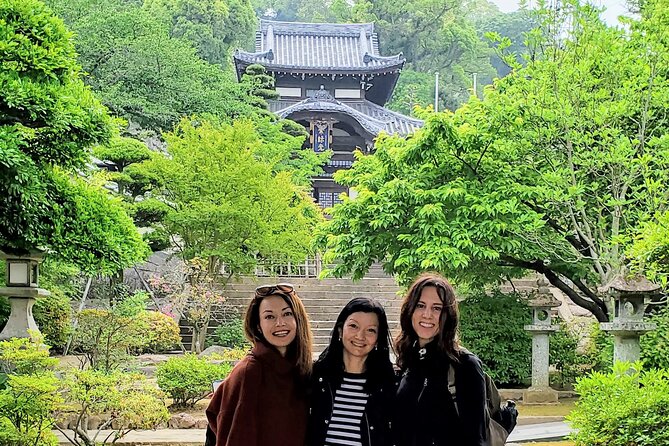
The final stop is Hamamachi Arcade, with about 25 minutes set aside. The covered shopping streets extend for hundreds of meters in different directions and are decorated with local emblems and colorful banners.
This ending brings you back into present-day Nagasaki. After temples and historic stonework, you see a commercial district where the city shops, eats, and carries on. The covered design is also useful in uncertain weather, although the tour still includes outdoor walking between stops.
Twenty-five minutes is enough to get a feel for the arcade and perhaps browse a few stores. It is not enough to explore every branch. If you find something you want to buy, keep an eye on the clock and remember that the tour is scheduled to end back at the meeting point.
The contrast between Hamamachi and the temple streets is one of the route’s strengths. You are not left with a picture of Nagasaki as an old city frozen in time.
What the Guides Add
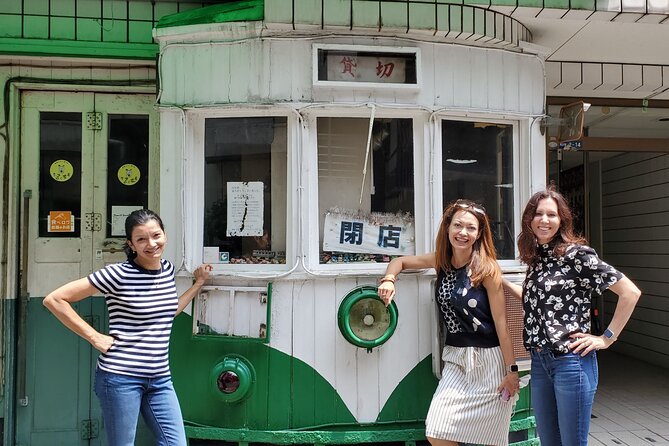
The guide can make or break a walking tour, and this one has several guides who receive particularly strong praise. Yuko is described as warm and engaging. Tomomi is praised for her explanations of temples and shrines. Masaaki is noted for his English, energy, historical knowledge, and ability to keep the group on time. Yuki is also described as friendly and well informed.
Those details matter because the itinerary itself is not difficult to understand. You can find a bridge, temple, or shopping arcade without help. The value lies in learning why these places are connected and noticing details you might otherwise miss.
The tour has a 4.9 rating from 27 reviews, with 96 percent recommended. That is a strong record, but the sample is still small. One useful criticism concerns hearing the guide clearly, so stay within earshot and speak up if you miss an explanation.
Price, Pace, and Who Should Book
At $105.42 per person, this is best for someone who wants interpretation, not just transportation. The tram ticket and local taxes are included, but food, drinks, hotel pickup, and private car transport are not.
I would book it if you have a morning in Nagasaki and want a guided introduction to the temple district, old streets, and central shopping areas. It also suits first-time visitors who prefer a clear route from the station rather than working out public transport and temple locations alone.
The moderate fitness requirement is worth taking seriously. You will ride the tram, walk through temple grounds, cross city streets, browse shopping areas, and spend much of the three and a half hours on your feet. Easy walking shoes are essential.
I would skip it if your main goal is a long, relaxed shopping session, a private car tour, or a food-focused experience. You pay for the guide and the connections between places, while meals and private transport are your responsibility.
Should You Book This Nagasaki Tour?
Book this tour if you want Nagasaki explained through its streets rather than reduced to a list of famous sights. The combination of Sofukuji, Kofukuji, the old shopping area, Meganebashi, and Hamamachi gives you a useful cross-section of the city in one morning.
The best reason to book is the guide. Yuko, Tomomi, Masaaki, and Yuki are all associated with the qualities you want here: clear English, patience, local insight, and good time control. Confirm the meeting details, wear comfortable shoes, and budget separately for snacks or purchases.
For a compact introduction to Nagasaki’s Chinese connections, historic center, and everyday shopping streets, I think the tour earns its price.
FAQ
How long does the Nagasaki walking tour last?
The tour lasts approximately 3 hours and 30 minutes.
What time does the tour start?
The stated start time is 9:00 a.m.
Where does the tour meet?
The formal meeting point is Hotel New Nagasaki, at 14-5 Daikokumachi, Nagasaki, 850-0057, Japan. The tour information also refers to Nagasaki Station as the convenient meeting area, so check your confirmation for the exact meeting instructions.
Where does the tour end?
The activity ends back at the meeting point.
Is transportation included?
A ride on the Nagasaki Electric Tramway is included. Private transportation by taxi, private car, or bus is not included.
Are food and drinks included?
No. Food and drinks are not included in the tour price.
Is the tour private?
Yes. The activity is described as private, with only your group participating. The tour information also gives a maximum group size of eight people.
What should I wear?
Wear shoes that are easy to walk in. A moderate level of physical fitness is required.
Can I cancel for a full refund?
You can cancel up to 24 hours before the experience begins for a full refund. Cancellations or changes made less than 24 hours before the start time are not accepted for a refund.
Just added around Nagasaki
- Semi Private Guided Tour of Nagasaki.★ 5.0 · 17 reviews
- Nagasaki Half-Day Private Tour with Government-Licensed Guide★ 5.0 · 53 reviews
- Visit Gunkanjima Island (Battleship Island) in Nagasaki★ 4.0 · 32 reviews
- Nagasaki: Private Walking Tour with a Local★ 4.7 · 79 reviews
- Nagasaki: Private Tour with Local Guide★ 4.8 · 18 reviews
- Tour Nagasaki or Fukuoka in Privacy and Comfort.★ 5.0 · 17 reviews
- Nagasaki Street Food Adventure: Private Walking Tour with a Local★ 5.0 · 26 reviews
- Nagasaki Private Tour with a Local – Highlights & Hidden Gems★ 5.0 · 24 reviews
Historical Tours, compared.

Imperial Palace and Shogun Historical Walking Tour
Our verdict →
World Heritage Kyoto & Nara Uji Authentic Matcha Experience
Our verdict →
Kyoto Gion: 2-Hour Geisha Culture & History Walking Tour
Our verdict →
Hiroshima Historical Walking Tour – Why A-Bomb was Dropped
Our verdict →
Yanaka Walking Tour: Historic and Traditional District of Tokyo
Our verdict →
Shinjuku Historical Walking Tour & Secret Backstreets
Our verdict →
Mt. Fuji Heritage Tour: Traditional Villages, Lakes & Shrine
Our verdict →Browse the lists this tour appears in