
Reviewed · NAGASAKI TOURS
Semi Private Guided Tour of Nagasaki.
Nagasaki packs mountain views, international history, Christian heritage, and the memory of August 9, 1945 into one compact city. This semi-private tour gives you a way to connect those pieces with Pene Dalton, a friendly long-term resident who adjusts the day to your group rather than simply marching through a checklist.
I like the mix of serious and scenic stops, especially the hour at Mt. Inasa and the careful time set aside for the Atomic Bomb Museum and Peace Park. I also like that transport, guide service, gratuities, and most listed entrance fees are included. The main consideration is pace: seeing every planned stop can make for a long day, and some walking and public transport are involved.
Key points at a glance
- A broad view of Nagasaki: The route links Mt. Inasa, the Atomic Bomb Museum, Peace Park, Dejima, Chinatown, Oura Church, and Glover Garden.
- Pene Dalton leads the tour: He speaks native English and has lived in Nagasaki for many years, giving you local context as well as historical background.
- Flexible small-group format: The tour can adapt to group interests, with alternate stops such as Nishizaka, Suwa Shrine, or Spectacles Bridge if weather or closures interfere.
- Transport is covered: The operator uses public and private transport, depending on group size, with costs included.
- Most major admissions are included: Dejima is listed separately as not included, so confirm that admission before setting your budget.
- Good for cruise-day planning: Several past tours have included pickup near the cruise port and an ending within walking distance, but you should confirm the exact meeting point.
Why this tour makes sense in Nagasaki
Nagasaki is not a city you understand from one monument. Its story moves from Asian trade to European contact, from Christian persecution to industrial growth, and from wartime destruction to a strong peace message. The stops on this tour give you a useful outline of that story.
You begin with the city from above, then move into its most painful chapter at the Atomic Bomb Museum and Peace Park. From there, the route shifts to Dejima, Chinatown, Oura Church, and Glover Garden, where Nagasaki’s long connection with China, Europe, trade, and Christianity comes into focus.
That range is the tour’s greatest strength. A shorter sightseeing trip might show you the views and the old foreign district but leave out the historical weight of the city. Another tour might focus almost entirely on the atomic bombing. This route tries to give you both.
The format is also more personal than a large coach tour. The maximum is 20 people, though several past groups were much smaller. A small group makes it easier to ask questions, adjust the order, or spend more time at a place that matters to you.
Pene’s role is important here. His approach, based on the available details, is conversational and adaptable. He explains a site, gives you room to look around, and pays attention to what interests your group. That can be especially useful in a city where the historical material deserves more than a quick photo stop.
A few more Nagasaki half-days worth comparing
- Nagasaki: Private Walking Tour with a Local
★ 4.7 · 79 reviews - Nagasaki Full-Day Private Tour with Government-Licensed Guide
★ 5.0 · 66 reviews - Nagasaki Half-Day Private Tour with Government-Licensed Guide
★ 5.0 · 53 reviews
Mt. Inasa gives you the city’s best opening view
Mt. Inasa is a strong first stop because it immediately shows you Nagasaki’s unusual shape. The city stretches between hills and water, and the view helps you understand why the streets and neighborhoods feel so tightly arranged.
The mountain is famous for its wide city panorama and for its night views. The tour allows about an hour here, with admission included. Depending on the day and the operating conditions, access may involve a scenic ropeway, though the exact transport method is determined by the operator.
This stop is more than a pretty overlook. After seeing Nagasaki from above, you can better place the port, the central districts, and the hills that surround the city. If clouds or poor weather block the view, the operator may need to alter the plan, since the experience requires good weather.
If your group has limited time, Mt. Inasa is one of the stops worth protecting. It gives you something visual and restful before the more serious parts of the day.
The Atomic Bomb Museum and Peace Park require time and attention
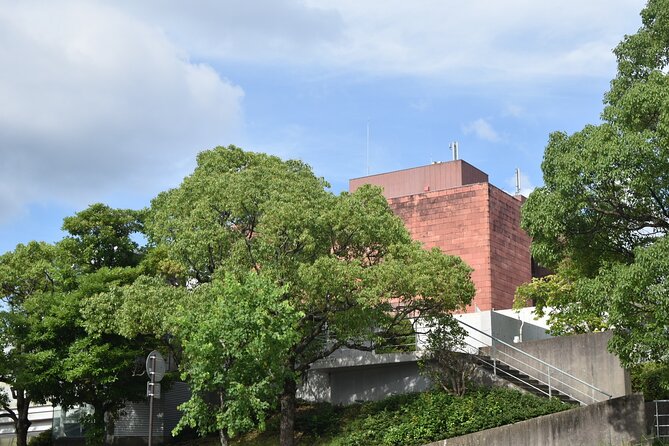
The Atomic Bomb Museum is the emotional center of the tour. It examines the bombing of Nagasaki on August 9, 1945, through photographs, objects, and personal accounts. You should expect a quiet, difficult hour rather than a fast-moving sightseeing visit.
The museum is strongest when you allow yourself time to read and think. Pene can provide historical context, but the displays themselves carry much of the weight. This is not a stop to rush through simply to keep to a schedule.
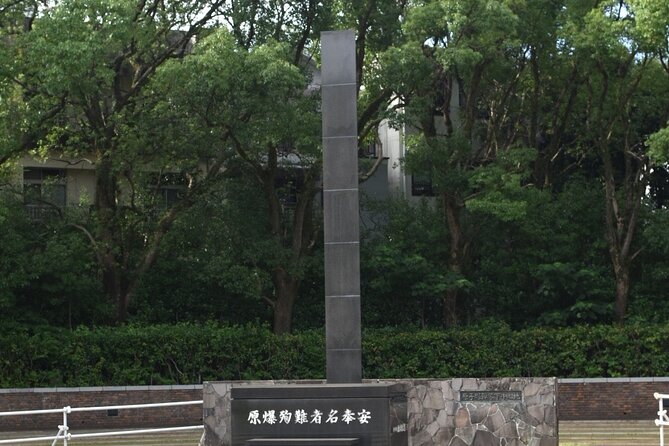
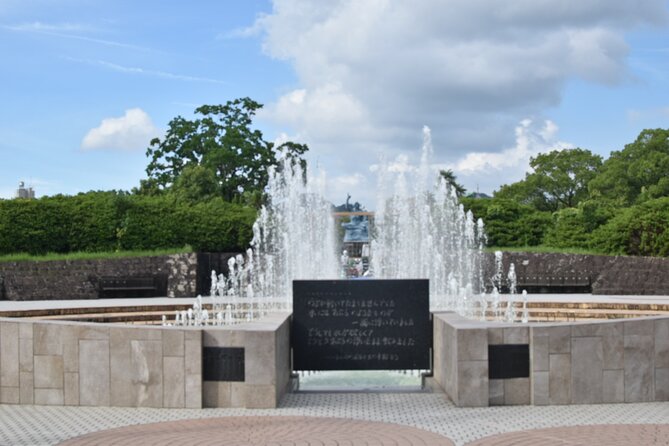
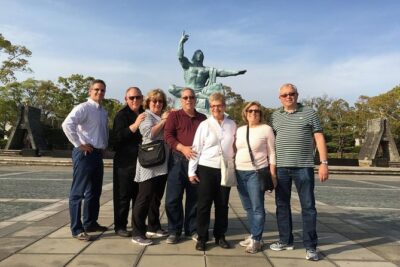
Peace Park follows with a different tone. Its Peace Statue and open grounds serve as a memorial to those killed and as a call for an end to nuclear war. The planned visit lasts about 30 minutes, which gives you time to see the main features, pause, and walk through part of the grounds.
I appreciate that the tour separates the museum and park rather than treating them as one hurried stop. The museum gives you evidence and individual stories. The park gives you space to reflect. If your group wants a longer museum visit, you may need to shorten a later stop, so tell your guide early.
The subject matter can be hard for children or anyone who prefers a lighter day. Still, for many people, this is the reason to visit Nagasaki. The tour handles it as part of the city’s identity rather than as an isolated memorial.
Dejima explains Nagasaki’s connection with the outside world
Dejima was a fan-shaped trading island and a Dutch trading post during Japan’s period of restricted foreign contact. The restored site shows how Nagasaki served as one of Japan’s main links with the outside world.
The scheduled visit is about 15 minutes, which is brief. You may get an introduction and a quick look rather than a full examination of the buildings and displays. If Dejima is a priority for you, ask whether the timing can be adjusted.
There is also a cost detail to watch. The stop is marked as not including admission, even though the overall tour information says entrance fees for listed covered places are included. That is a direct inconsistency, so confirm the current Dejima admission arrangement before booking or arriving.
Even with limited time, Dejima adds useful context. It helps explain why Nagasaki developed a different feel from many other Japanese cities and why foreign influence appears so strongly in the city’s architecture, food, and religious history.
More Private-Only Departures in Nagasaki:
- Nagasaki Street Food Adventure: Private Walking Tour with a Local
★ 5.0 · 26 reviews - Nagasaki Private Tour with a Local – Highlights & Hidden Gems
★ 5.0 · 24 reviews - Nagasaki: Private Tour with Local Guide
★ 4.8 · 18 reviews - Nagasaki Private Customizable Half Day Tour
★ 5.0 · 16 reviews
Shinchi Chinatown adds food and cultural history
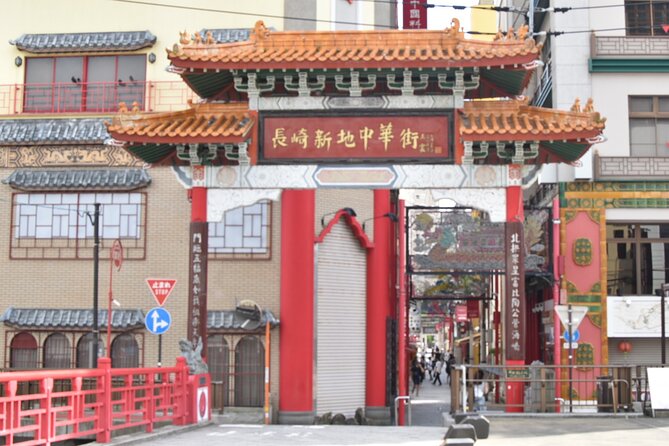
Nagasaki’s Shinchi Chinatown is described as Japan’s oldest Chinatown. Its colorful gates and compact streets make it a pleasant change of pace after the museum and Peace Park.
The planned 45 minutes gives you time to walk around and look at the architecture. It may also be a practical place to arrange lunch, but food is not included in the tour. A lunch break or restaurant reservation can be arranged if requested, with the meal and any booking costs paid separately.
Nagasaki has its own local food traditions, and one past group was taken to a restaurant serving Nagasaki-style dishes. That kind of help can be valuable if you are unsure how to order or want guidance beyond the usual tourist choices. It is not guaranteed as part of the standard tour, so request it in advance.
Chinatown works well as a flexible stop. You might use it for food, browsing, or simply a break from the more formal historical sites. If the tour is running late, this could be one place where your group chooses how long to stay.
Oura Church shows the strength of Nagasaki’s Christian past
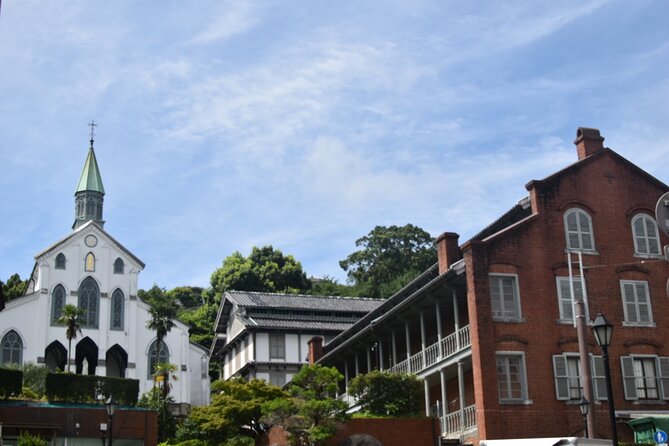
Oura Catholic Church is one of Nagasaki’s most distinctive buildings. Built in 1864 by French missionaries, it is the oldest existing Christian church in Japan and has a Gothic design that looks striking against the surrounding city.
The church also connects to the story of hidden Christians, making it more than an architectural visit. Nagasaki’s Christian history includes long periods when the faith was restricted, followed by the return of foreign missionaries and the construction of churches such as Oura.
The visit is scheduled for about 50 minutes, with admission included. That is enough time to appreciate the building and hear the historical background without reducing it to a quick exterior photo.
You should be aware that this is a religious site as well as a tourist attraction. A respectful visit matters. The tour’s emphasis on history and local context should help you understand why the church has such importance in Nagasaki.
Glover Garden brings the foreign settlement together
Glover Garden sits on a hillside and contains Western-style buildings from the Meiji period. Its best-known house is the Glover Residence, built for Scottish merchant Thomas Glover and described as the oldest Western wooden house in Japan.
The garden gives you another view of Nagasaki, this time through the people and businesses that helped shape the city’s modern development. The buildings, hillside setting, and harbor views make this one of the more relaxed portions of the route.
You have about an hour here, and admission is included. Because the garden is on a slope, this is one of the places where comfortable shoes and a moderate level of fitness will help. If hills or stairs are difficult for you, contact the operator before booking to check suitability.
Glover Garden also balances the darker parts of the day. After the Atomic Bomb Museum and Peace Park, the historic houses provide a lighter setting without losing the connection to Nagasaki’s international past.
The itinerary can change, and that is a good thing
The listed route contains seven stops, but the day is not completely fixed. Weather, site closures, group interests, and available time can affect the order or selection.
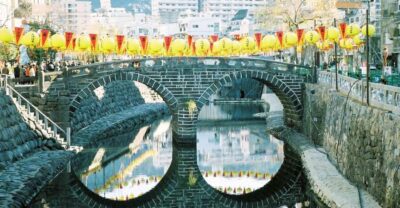
Possible alternate stops include Nishizaka, Suwa Shrine, and Spectacles Bridge. That flexibility matters in Nagasaki, where hills, weather, and transport connections can affect the day. It also means you should not treat every listed stop as guaranteed in every circumstance.
A group interested in religious history might prefer extra time at Oura Church or a visit to Suwa Shrine. A group focused on the bombing may want a slower museum and Peace Park visit. A group arriving by cruise ship may need to protect the return schedule.
Tell Pene what matters most at the start. The guide’s value is not just knowing where to go. It is helping you make sensible choices when eight hours of sightseeing cannot comfortably become twelve.
Transport and timing: what your day will feel like
The tour lasts approximately four to eight hours. The listed stop times alone add up to a little over five hours, before moving between sites, waiting for transport, and taking breaks. In practical terms, you should plan for a full half-day at minimum and potentially a long day if your group visits all seven stops.
Transport costs are included. The operator uses a mix of public and private transport, with the choice based on the number of participants. That gives the tour some flexibility, but it also means you should expect movement rather than a private car waiting at every stop.
Several past groups had small numbers, including one group of four. Small numbers make public transportation easier and give you more direct access to the guide. The maximum group size is 20, so ask about the expected group size for your date if that affects your decision.
The tour ends back at the meeting point. The exact meeting point is not provided in the available details. Some past groups were collected near the cruise port and finished close enough to walk back, but you should confirm that arrangement directly if you are visiting from a ship.
Lunch, drinks, bottled water, and emergency taxi transport back to the start are not included. A taxi can be arranged for an unexpected return, but you pay the fare.
Is $125 a fair price?
At $125 per person, this is not the cheapest way to see Nagasaki. It can still be good value if you want a guide for the city’s history and plan to visit several paid sites.
The price includes an in-person English or French-speaking guide, gratuities, covered public transportation, and entrance fees for the places designated as included. Those inclusions reduce the small expenses that can build up during a long day.
The value is highest for people who want explanation rather than simple transportation. Pene can connect Dejima, Oura Church, Glover Garden, and the wartime memorials into one story. You also avoid the work of planning transfers between hilltop views, northern memorial sites, and the southern historic district.
The value is lower if you prefer wandering alone, already understand Nagasaki’s history, or only want one or two sights. In that case, local transport and individual admissions may cost less, though you would be arranging the route yourself.
Remember to allow for lunch and possibly Dejima admission. A group discount may be available, and the operator says to ask if your preferred date shows as unavailable, since alternate arrangements may sometimes be possible.
Who should book this Nagasaki tour?
I would recommend this tour to you if you want one guide-led day that covers the city’s main themes. It suits first-time visitors, cruise passengers with limited time, families who want help with transport, and groups that prefer a flexible plan over a fixed coach route.
It is also a good match if you care about history. The tour does not treat Nagasaki as only a scenic port. You will spend real time with the atomic bombing memorials, Christian heritage, foreign trade, and the city’s Meiji-era development.
You should think twice if you dislike walking, hills, public transport, or emotionally serious museums. The operator asks for moderate physical fitness, and mobility needs should be discussed before booking. You may also find the full route too busy if you prefer slow visits and long meals.
The free cancellation policy allows a full refund when you cancel at least 24 hours before the start time. Changes made inside that period are not accepted, and poor weather or failure to meet the minimum number of participants can lead to a date change or full refund.
Should you book it?
Book this tour if you want a personal guide, a wide sweep of Nagasaki, and help fitting major sights into one day. Pene Dalton appears particularly well suited to groups that value patience, clear English, historical explanation, and small changes to the plan.
Before paying, confirm the meeting point, expected group size, Dejima admission, and how the timing will work with your ship or onward transport. If those details fit, $125 buys more than a sightseeing route. It buys a connected understanding of Nagasaki, from the mountain view to the peace memorials and the old foreign quarter.
FAQ
How long does the Semi Private Guided Tour of Nagasaki last?
The tour lasts approximately 4 to 8 hours, depending on the route, weather, site conditions, and time available.
Which sites are included in the planned route?
The planned stops are Mt. Inasa, the Nagasaki Atomic Bomb Museum, Nagasaki Peace Park, Dejima, Shinchi Chinatown, Oura Catholic Church, and Glover Garden.
Is admission included at every stop?
Entrance fees for the listed covered sites are included, but Dejima is separately marked as not included. Confirm the current Dejima admission arrangement before the tour.
Is transportation included?
Yes. Public transportation costs are included, and the operator may use a mix of public and private transportation depending on the number of participants.
Is lunch included?
No. A lunch break or restaurant reservation can be arranged if requested, but you pay for the meal and any booking costs.
Who guides the tour?
The tour provides an English or French-speaking in-person guide. Pene Dalton is the guide named in the available tour information and past tour responses.
How many people can join?
The maximum group size is 20 people. The actual group may be smaller, depending on bookings.
Does the tour return to the starting point?
Yes. The activity ends back at the meeting point. If you need to return by taxi unexpectedly, the operator can arrange it, but the fare is not included.
What happens if the weather is poor?
The experience requires good weather. If it is canceled because of poor weather, you can be offered another date or a full refund.
Just added around Nagasaki
- Nagasaki: Private Tour with Local Guide★ 4.8 · 18 reviews
- Tour Nagasaki or Fukuoka in Privacy and Comfort.★ 5.0 · 17 reviews
- Nagasaki Street Food Adventure: Private Walking Tour with a Local★ 5.0 · 26 reviews
- Nagasaki Private Tour with a Local – Highlights & Hidden Gems★ 5.0 · 24 reviews
- Nagasaki WW2 History and Culture Tour★ 5.0 · 19 reviews
- Nagasaki Private Customizable Half Day Tour★ 5.0 · 16 reviews
- Nagasaki Full-Day Private Tour with Government-Licensed Guide★ 5.0 · 66 reviews
- Nagasaki Full Day Tour with Licensed Guide and Vehicle★ 5.0 · 27 reviews
Nagasaki Tours, compared.
Visit Gunkanjima Island (Battleship Island) in Nagasaki
Our verdict →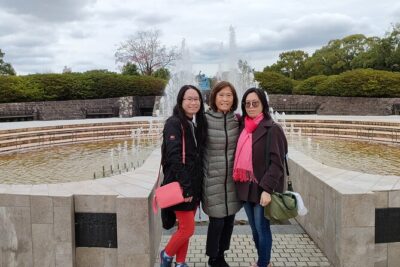
Browse the lists this tour appears in