
Reviewed · TEA CEREMONY EXPERIENCES
Matcha Making Class in Osaka with Authentic Japanese Sweets Set
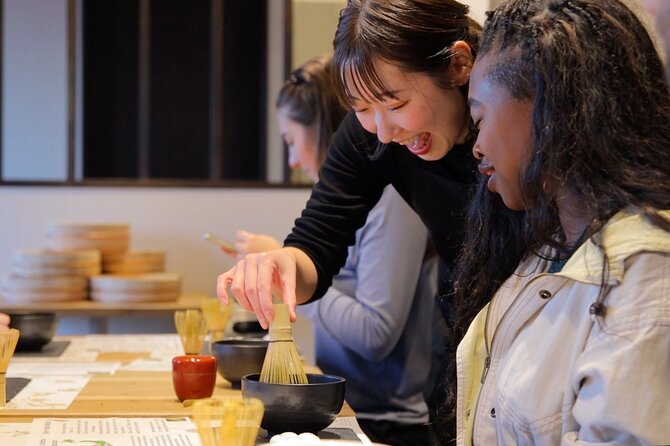
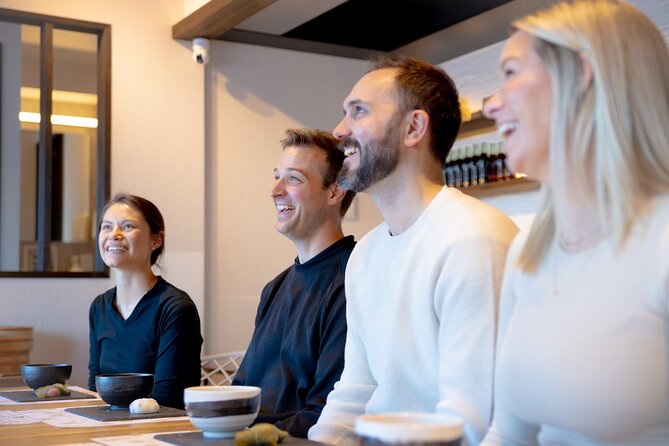
Osaka’s matcha class turns a simple cup of tea into a hands-on cultural lesson. You learn where matcha comes from, watch the proper method, then whisk your own bowl while the teacher fixes small mistakes. I like the small maximum of six people, and I like that the lesson uses visuals and short quizzes instead of a long lecture.
The matcha and Japanese sweets are included, so the $21.89 price covers more than a demonstration. The main drawback is finding the entrance at 1-chōme-16-20 Higashishinsaibashi. A few people needed extra time to locate the building, so arrive early and use the venue’s YouTube directions if needed.
Key points at a glance
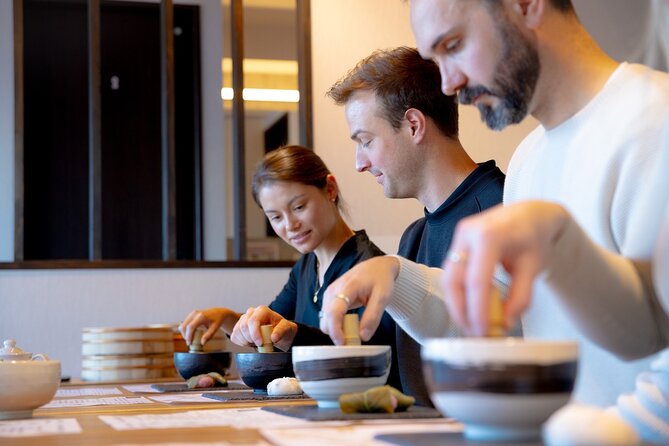
- You make the matcha yourself: The host guides each step and corrects your technique.
- The class is capped at six people: That keeps the lesson personal and gives you room to ask questions.
- History comes with the whisking: Visuals and quizzes explain matcha’s background in an easy, memorable way.
- Japanese sweets are part of the tea break: Their sweetness helps balance matcha’s strong, grassy flavor.
- Morning and afternoon times are available: You can fit the one-hour class around Osaka sightseeing.
- The meeting point is in Higashishinsaibashi: It is near public transportation, but the entrance can take a little hunting.
What this Osaka matcha class actually gives you
This is not a formal, highly ceremonial tea performance where you sit quietly and watch an expert do everything. It is a friendly introduction to matcha, with you holding the tools and making the tea yourself.
The class begins with the basic story of matcha and how it is produced. The teaching style appears designed for first-timers. Hosts use pictures, questions, and simple explanations, which makes the information easier to remember than a string of dates and formal terms.
Then comes the practical part. The tools and ingredients are prepared for you, so you do not need to bring anything or learn a long list of equipment first. Your instructor demonstrates the process and then lets you try. If your whisking is too slow or your technique needs adjusting, the host can show you what to change.
That hands-on step is the reason I would choose this over a tea tasting alone. You leave with a method you can repeat at home, not just a pleasant drink and a few photographs.
More Tea Ceremony Experiences in Osaka
- Osaka: Tea Ceremony Experience
★ 4.9 · 1,426 reviews - Tea Ceremony Experience in Osaka Doutonbori
★ 5.0 · 754 reviews - Osaka: Matcha Making Experience with Japanese Sweets
★ 5.0 · 146 reviews
Learning from Momo, Fuko, Matty, and Yui
The host can vary by session, but several instructors have earned especially warm praise for their teaching. Momo is described as lovely and easy to enjoy, while Fuko uses clear English and a quiz to make the background information stick.
Matty’s approach is more playful and interactive. Yui is also praised for being easy to understand and for guiding the practical part clearly. That range matters because an English-language cultural class succeeds or fails on communication. Here, the teaching is meant to be relaxed rather than stiff.
You should still expect different personalities from one session to another. One host may spend more time on matcha’s story, while another may focus more on the preparation. The consistent point is that the lesson is built for beginners and includes a chance to ask questions.
The class has also received a two-time TripAdvisor Best of the Best award and is described as popular with people from Europe, North America, and Australia. Those details do not replace your own judgment, but they suggest that the English instruction and international setup are well established.
The matcha lesson, step by step
The first portion gives you context. You learn about matcha’s origins, production, and role in Japanese tea culture. The class does not appear to demand prior knowledge, so you can arrive knowing only that you like a matcha latte, or perhaps not liking matcha yet.
Next, the host explains the tools and ingredients. Since everything is already prepared, the pace stays brisk during this one-hour session. You are not spending half the class waiting for water, bowls, or sweets to be arranged.
The teacher then demonstrates how to prepare the tea. Pay attention to the small physical details, since they are the part most useful at home. The point is not simply to stir green powder into water. You learn how to handle the whisk and how to create a smoother, more pleasant cup.
After the demonstration, you make your own matcha. This is where the small group helps. With no more than six people, the host can watch what you are doing and offer individual guidance. A larger class might leave you copying from a distance. Here, you have a better chance to ask why your tea looks different from the instructor’s.
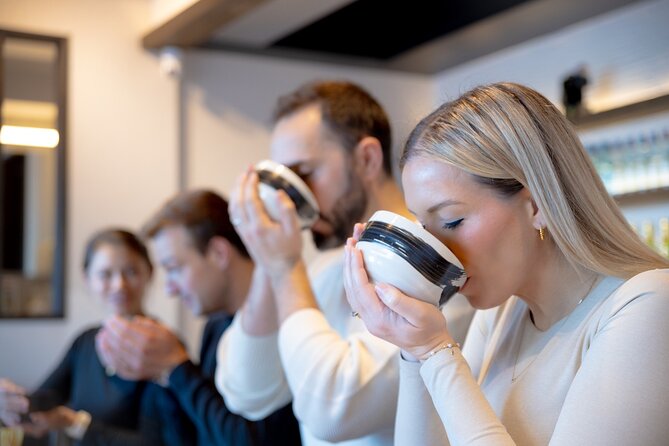
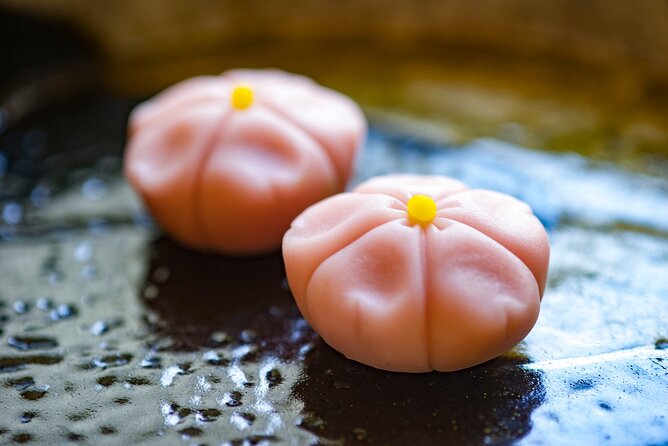
The session ends with matcha and Japanese sweets. The sweets are not just decoration. Their sweetness gives your palate a break from matcha’s concentrated, slightly bitter taste and makes the tea easier to appreciate.
Why the sweets matter
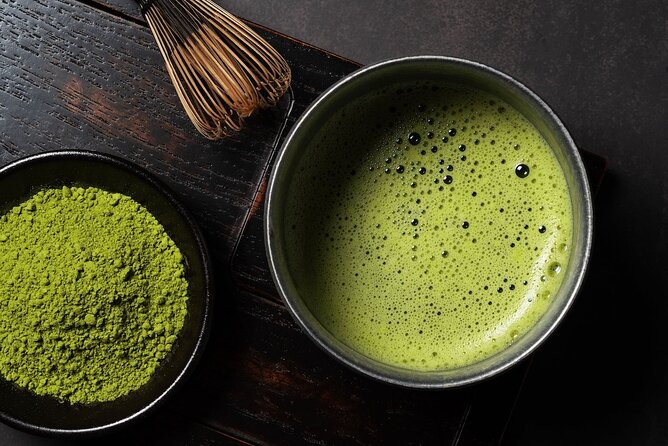
Matcha has a powerful flavor. If you usually drink sweetened matcha beverages, the straight tea may surprise you. The Japanese sweets give you a traditional partner for the drink and help explain how the tea is enjoyed without turning it into a sugary café beverage.
The included sweets also add value at this price. You are not paying $21.89 merely to stand beside a demonstration table for a few minutes. You receive instruction, ingredients, a drink, and a small food pairing in about an hour.
Do not expect a full Japanese meal or a large dessert course. The description points to small Japanese sweets, meant to accompany the matcha. That is enough for a cultural tasting, but you should plan a proper meal before or after if you are hungry.
Same trip, a completely different kind of day:
- Osaka Go Karting Tour with Funny Costume
★ 5.0 · 2,658 reviews - Osaka Castle: Museum and Tower Entry Ticket
★ 4.5 · 2,380 reviews - Osaka: Shinsekai Food Tour with 13-15 Dishes at 5 Eateries
★ 4.8 · 2,204 reviews - Osaka Food Tour: 13 Dishes at 5 Local Eateries
★ 5.0 · 2,149 reviews
A one-hour pause in Higashishinsaibashi
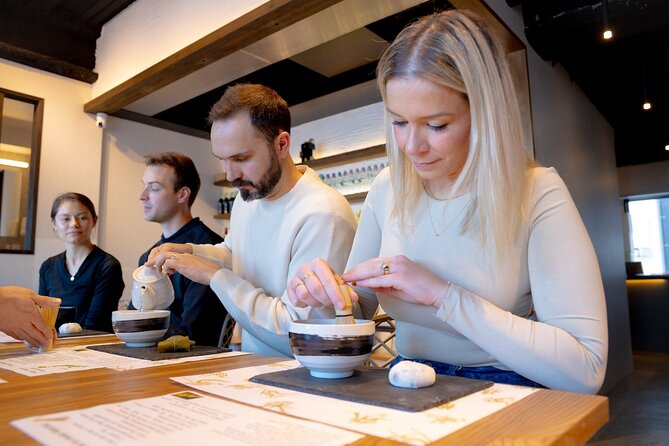
The meeting point is Matcha Making Osaka, at 1-chōme-16-20 Higashishinsaibashi in Chuo Ward. The location is near public transportation, making it a practical stop during a day in central Osaka.
The weak point is wayfinding. The address can be harder to identify than you might expect, and one person found the building confusing on arrival. Another specifically advised watching the venue’s YouTube short to find the place. I would not cut it close, especially for a morning session when you may be navigating unfamiliar streets.
Use the full address rather than searching only for a general matcha class. Check the meeting instructions before leaving your hotel, keep the mobile ticket ready, and allow extra minutes for the final approach. The activity ends at the same meeting point, so there is no need to arrange a second pickup location.
The class lasts about one hour. That makes it easy to place between sightseeing stops, shopping, or a meal. Morning and afternoon sessions also give you some control over the rhythm of your day. If you want matcha early, book the morning. If you prefer a break after exploring Osaka, choose the afternoon.
Is $21.89 good value?
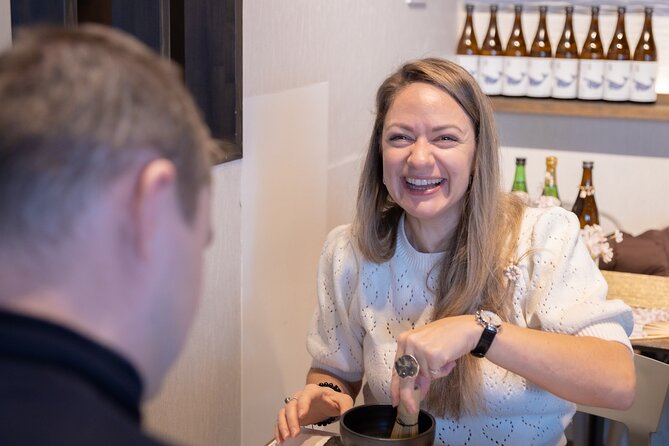
For Osaka, $21.89 is a reasonable price for a short cultural activity, particularly because matcha and Japanese sweets are included. You also receive direct instruction rather than a passive tasting.
The best value comes from the practical lesson. If you already make matcha at home, you may learn only a few new details. But if you have bought matcha in Japan and never understood how to prepare it properly, this class gives your purchase a better chance of being used.
The small group is another important part of the calculation. A maximum of six people is not the same as a crowded demonstration with dozens of participants. You get more chances to see the teacher’s method up close and receive a correction when you try it yourself.
The experience is not a substitute for a long study of tea ceremony. It is also not a full cooking class. Think of it as a compact introduction with one drink, one sweet pairing, and enough instruction to continue experimenting at home.
What the atmosphere is like
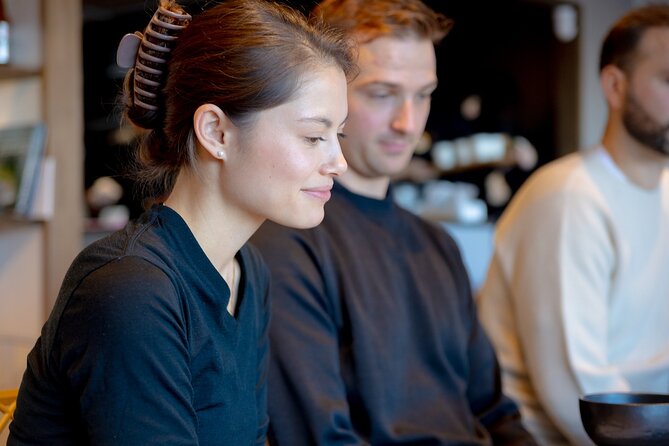
The tone is casual, calm, and interactive. Visual aids and quizzes keep the history section moving, while the practical portion gives you something to do with your hands. That balance should suit you if you want cultural context but do not enjoy sitting through a formal talk.
The class also works well for solo visitors. A group of six or fewer makes it easier to take part without feeling lost among larger parties. Couples and families can enjoy it too, though the supplied information does not specify a minimum age or particular child arrangements.
You can take photographs to remember the experience. The setting is meant to be relaxed, so you should have opportunities to photograph the prepared tea and sweets, though the exact timing depends on the host and the flow of the session.
The two available time periods help with energy as well. A morning class can be a quiet start before Osaka’s later activity, while an afternoon class gives you a short pause after walking around the city. Since the class takes only about an hour, it does not consume a major part of your itinerary.
What could be better
The location instructions need attention. An address in central Osaka does not always mean an obvious entrance, especially in a building with several businesses. Do not assume you can arrive at the neighborhood and spot the class immediately.
The activity also depends on the host’s teaching style. Momo, Fuko, Matty, and Yui have each been praised for making the session clear and enjoyable, but no two instructors will present the material in exactly the same way. If you want a highly formal, traditional tea ceremony with strict etiquette, this casual class may feel too light.
The one-hour length is both a strength and a limit. It keeps the activity affordable and easy to schedule, but it leaves little time for a detailed look at tea production, regional differences, or advanced preparation. You get the essentials, not an exhaustive study.
Finally, the class is focused on matcha. If you dislike its strong flavor, the sweets may soften the experience but will not change the nature of the drink. Still, the beginner-friendly approach makes it a reasonable way to find out whether you enjoy proper matcha rather than a sweet café version.
Who should book it
I would recommend this class to you if you want a simple cultural activity that does not require a full afternoon. It suits first-time matcha drinkers, people who already enjoy matcha but cannot prepare it properly, and anyone who wants a break from Osaka’s fast pace.
It is particularly useful if you plan to buy matcha during your Japan trip. After the lesson, you will have a better idea of how to use it at home and what the tea should taste like when prepared correctly.
The class also fits solo visitors well because the small group gives you a natural social setting without the scale of a large tour. English-speaking instruction makes it accessible if you do not speak Japanese.
I would skip it if your main goal is a formal tea ceremony, a large meal, or an advanced lesson in tea preparation. You should also choose a different activity if you have no room to arrive early and sort out the meeting point.
At $21.89, the combination of instruction, hands-on practice, matcha, sweets, and a small group is fair. Book it if you want to understand the drink you are tasting and take home a skill, not just a souvenir photo. Just give yourself extra time to find the door.
FAQ
How long does the matcha class last?
The class lasts approximately one hour.
Where does the activity begin and end?
It begins at Matcha Making Osaka, 1-chōme-16-20 Higashishinsaibashi, Chuo Ward, Osaka, 542-0083, Japan. The activity ends back at the same meeting point.
Is the class taught in English?
Yes. An English-speaking instructor leads the class.
Is prior matcha experience required?
No. The class is designed for beginners, and the host guides you through each preparation step.
Are matcha and Japanese sweets included?
Yes. The experience includes matcha with Japanese sweets.
How many people can join the class?
The activity has a maximum of six participants.
Can I cancel for a full refund?
Yes. You can cancel at least 24 hours before the experience start time for a full refund. Changes or cancellations made less than 24 hours before the start time are not accepted for a refund.
More Sweets & Dessert Tours in Osaka
- Osaka: Japanese Traditional Sweets Making and Tea Ceremony
★ 4.7 · 118 reviews - Matcha Making Class in Tokyo with Authentic Japanese Sweets Set
★ 5.0 · 744 reviews - Tokyo: Matcha Making Experience with Mochi Sweets in Asakusa
★ 4.9 · 388 reviews - Kyoto: Japanese Traditional Sweets Making and Tea Ceremony
★ 4.4 · 314 reviews
Just added around Osaka
- Exclusive Sushi Making Experience with a Master Chef – Osaka Area★ 5.0 · 25 reviews
- Private Home-Style Cooking Class in Osaka with Local Mom Yoshiko★ 5.0 · 46 reviews
- Hidden Osaka – Yukaku Red Light Tour & Culinary Adventure★ 4.8 · 96 reviews
- Osaka: Walking Tour and Top Highlights★ 4.8 · 104 reviews
- Osaka: Private Ceramic Painting Workshop★ 5.0 · 13 reviews
- Pickleball in Osaka, Kobe & Kyoto with Locals!★ 4.7 · 80 reviews
- Eat Like a Local in Osaka – Private Custom Street Food Tour★ 4.3 · 33 reviews
- Osaka:SUMO BEATS SHOWCASE: Taiko Drum and Wagyu burger!★ 4.2 · 37 reviews
Tea Ceremony Experiences, compared.

Tea Ceremony in a Traditional Tea House in Kiyomizu
Our verdict →


World Heritage Kyoto & Nara Uji Authentic Matcha Experience
Our verdict →

Arashiyama Bamboo Forest, Monkeys, Matcha & Temple Tour
Our verdict →
Browse the lists this tour appears in