
Reviewed · TEA CEREMONY EXPERIENCES
Tea Ceremony Experience in Osaka Doutonbori
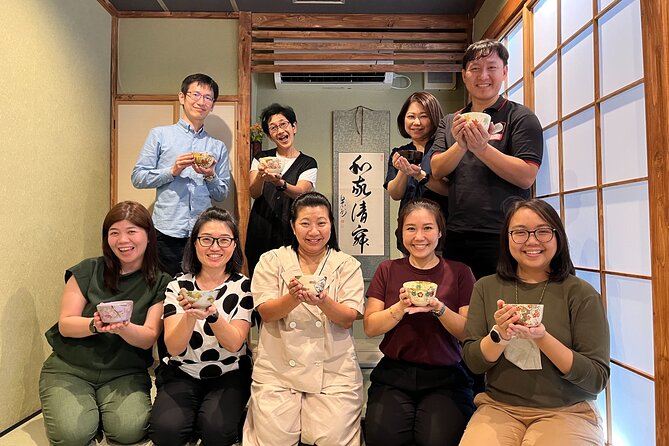
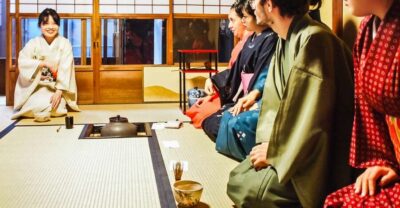
The best part of this Osaka experience is the sharp contrast between the noisy Dotonbori streets and the quiet care of a Japanese tea ceremony. Inside, you learn the meaning behind each movement, watch an experienced host prepare matcha, then whisk your own bowl. Kazu, Mai, and Soda are among the hosts praised for their warm teaching style.
I like two things in particular: the small-group format, which gives you room to ask questions, and the chance to make your own tea instead of only watching. The price is also fair at $20.69 for about 45 minutes, with sweets included. The main consideration is the location instructions. Use Google Maps and search for Tea Ceremony Osaka The Osaka, since the address pin supplied by some booking systems can lead you astray.
Key points at a glance
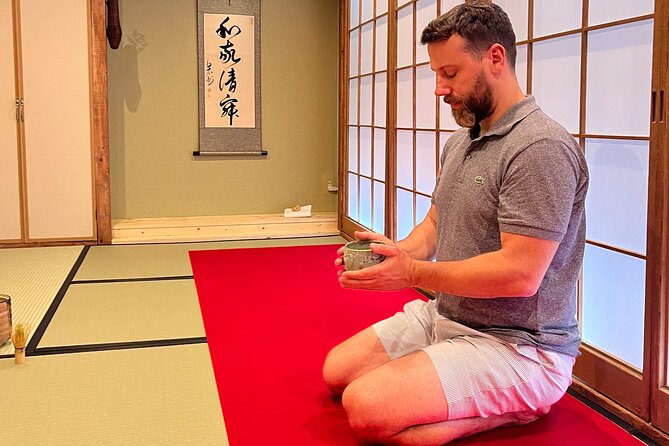
- Watch, learn, then whisk: The class explains the ceremony before you prepare your own matcha.
- Hosts who teach with personality: Kazu, Mai, and Soda are noted for clear explanations, friendly manner, and patient guidance.
- A calm pause near Dotonbori: You are close to Osaka’s famous entertainment district, yet the ceremony offers a quiet change of pace.
- Traditional sweets are part of the lesson: Seasonal Japanese sweets accompany the tea and help balance matcha’s bitter taste.
- Good for families: Children can receive caffeine-free matcha milk, but children under five require advance contact and may not be admitted.
- Personal attention in a shared class: The maximum group size is 15, though many sessions are smaller.
A quiet room beside Osaka’s busiest streets
Dotonbori is one of Osaka’s most energetic areas, known for bright signs, restaurants, crowds, and the famous canal. This tea ceremony takes place right in the middle of it, at Tea Ceremony Osaka The Osaka, on the second floor of a building at 1-chome Higashi-5-26 in Chuo Ward.
That setting gives the experience much of its appeal. You do not have to spend half a day reaching a distant temple or formal tea house. Instead, you can fit a short cultural lesson between shopping, lunch, and sightseeing in central Osaka.
Once you enter the tea room, the mood changes. The ceremony asks you to slow down and notice small actions: how the tea tools are handled, how the bowl is presented, and how the tea is received. You are still in central Osaka, but the pace feels far removed from the streets outside.
The room is not presented as an elaborate historic temple setting, so you should book this for instruction and participation rather than grand architecture. Its strength is access. You can get a clear introduction to tea culture without dressing in formal clothing or committing to a long ceremony.
More Tea Ceremony Experiences in Osaka
- Osaka: Tea Ceremony Experience
★ 4.9 · 1,426 reviews - Matcha Making Class in Osaka with Authentic Japanese Sweets Set
★ 5.0 · 509 reviews - Osaka: Matcha Making Experience with Japanese Sweets
★ 5.0 · 146 reviews
What happens during the 45-minute class
The published duration is about 45 minutes, though one description calls it roughly an hour. Plan a little flexibility if you have a tight dinner reservation or train connection. The class ends back at the meeting point, so there is no separate drop-off or final stop to find.
The session begins with an explanation of Japanese tea ceremony customs, traditions, and etiquette. Your host introduces the purpose of the ceremony and explains why the preparation is treated as an art rather than a quick method for making a drink.
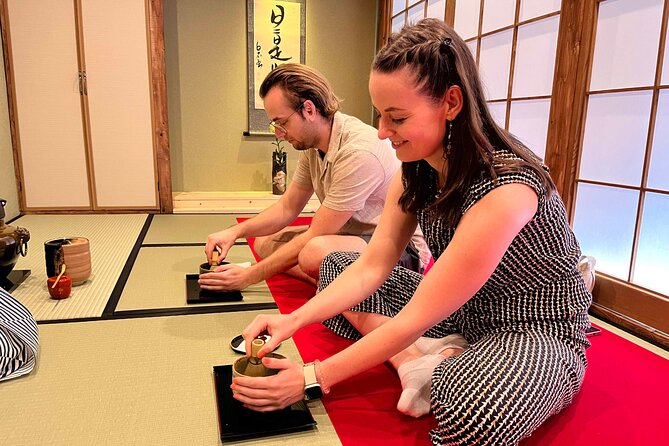
You then watch the host prepare matcha. This demonstration matters because the ceremony is easier to understand once you see the order of movements. Hosts explain the proper use of the tools, how the tea is served, and how it should be received and enjoyed.
The instruction is not purely formal. The hosts use clear English, friendly conversation, and, in Kazu’s case, a little humor. One particularly memorable detail from the teaching style is the demonstration of the traditional foot shuffle, accompanied by playful sound effects. That kind of warmth can make etiquette feel approachable instead of intimidating.
After the demonstration, you prepare your own matcha. The host guides you through the process, so you do not need previous experience. This is the point where the class becomes more than a performance. You get a feel for the whisk, see how much effort the tea requires, and learn why the final drink depends on careful preparation.
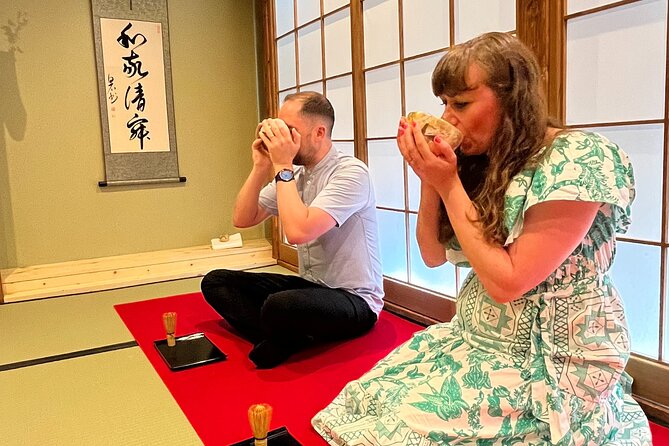
You also taste tea made by the host. Comparing the expert preparation with your own cup gives you a useful sense of the technique. Do not worry about producing a perfect bowl on your first attempt. The value is in taking part and understanding the method.
The tea, sweets, and etiquette
Matcha has a strong, grassy flavor with a noticeable bitterness. The traditional Japanese sweets served with it are not just decoration. Their sweetness helps prepare your palate for the tea and gives you a better sense of how the pairing works.
The sweets may reflect the season, and the experience includes a traditional treat or matcha pastry. Exact items can vary, so do not expect a fixed menu. If you have a serious allergy or dietary restriction, the supplied information does not spell out available alternatives, so you should ask before booking.
The etiquette lesson covers both serving and drinking. You learn how to handle the bowl and how to approach the tea with respect. This is useful even if you never attend another ceremony, since it gives you context for the care built into Japanese hospitality.
The class also offers a glimpse into the social role of tea. The ceremony developed as an art form in Japan from the 16th century onward. The experience explains how tea gatherings could create a setting where people met as equals, and how samurai used such occasions for conversation about politics and strategy.
That background adds weight to the gestures. The ceremony is not simply a slow way to prepare green tea. It is a lesson in attention, hospitality, and the relationship between host and guest.
Why the small group matters
The shared plan is designed for people who want to take part with other participants. The maximum group size is 15, but several sessions described in the supplied material had only two couples or six people. Group size can vary, so you should not assume every class will be especially intimate.
A small class makes a real difference here. You can see the host’s hands clearly, follow the whisking demonstration, and ask about customs without interrupting a large crowd. You also have more chance to receive corrections when making your own tea.
A group of 15 would feel less personal than a group of six. That is the main limitation to keep in mind. Still, the activity is short, structured, and hands-on, so even a fuller class should give you a chance to prepare your own bowl.
The shared setting also suits families and couples who want a low-pressure cultural activity. You are not required to perform alone in front of an audience. Everyone takes part under the host’s direction.
Same trip, a completely different kind of day:
- Osaka Go Karting Tour with Funny Costume
★ 5.0 · 2,658 reviews - Osaka Castle: Museum and Tower Entry Ticket
★ 4.5 · 2,380 reviews - Osaka: Shinsekai Food Tour with 13-15 Dishes at 5 Eateries
★ 4.8 · 2,204 reviews - Osaka Food Tour: 13 Dishes at 5 Local Eateries
★ 5.0 · 2,149 reviews
Hosts who make the lesson accessible
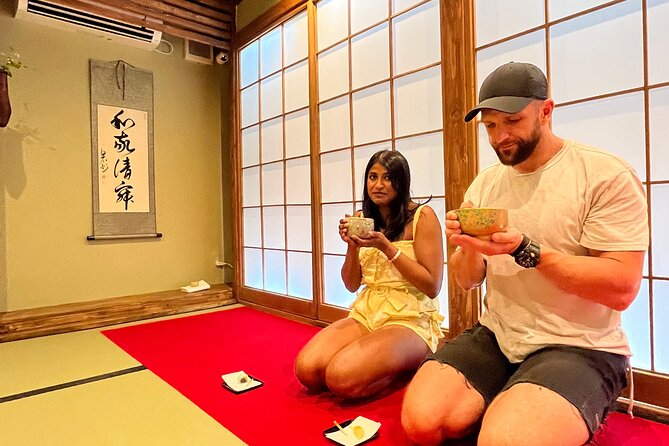
The host can vary by session. Names associated with the experience include Kazu, Mai, and Soda. Kazu is described as relaxed, sweet, and funny, while Mai is praised for explaining the history, preparation, and drinking customs in a clear way. Soda leads a calm session that includes a demonstration and hands-on preparation.
The common thread is an informal teaching style. You get an explanation of the ceremony without being expected to know Japanese customs beforehand. English is used, and one host is specifically described as speaking very good English.
That matters because tea etiquette involves details that can be easy to miss. A host who explains the reason behind an action helps you remember it. You are less likely to see the ceremony as a string of rules and more likely to understand the courtesy behind them.
The hosts also appear willing to help with practical problems. In one account, Kazu assisted when a phone was accidentally taken by another participant and waited while it was returned. That small detail suggests attentive hosting, though it is not a promised part of the program.
A good choice for families
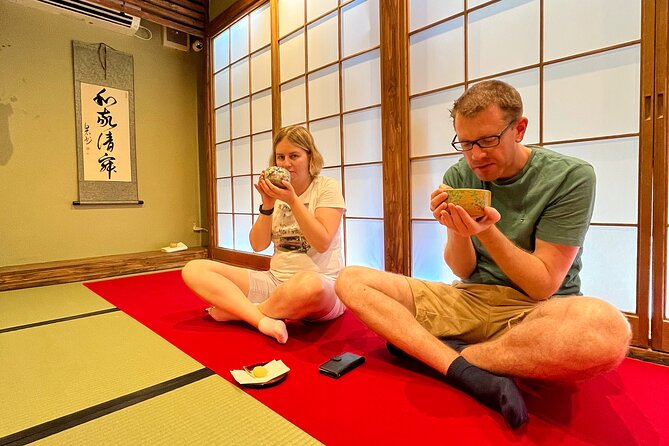
Children are welcome in the family-friendly version, and caffeine-free matcha milk is available for them. This lets younger children join the ritual without drinking regular matcha.
Parents should contact the provider in advance if bringing a child under five. Children under five cannot join the regular plan, and admission is not guaranteed even when an adult has a ticket. This is an important rule, not a minor detail to sort out at the door.
Older children can benefit from the hands-on format. They get a cultural activity with a clear beginning and end, rather than a long lecture. The sweets and the chance to whisk tea themselves may also hold their attention better than a purely observational ceremony.
For very young children who cannot sit quietly or follow a short sequence of instructions, the experience may be less comfortable. The ceremony is relaxed, but it still depends on respect for the setting and the host.
The value at $20.69
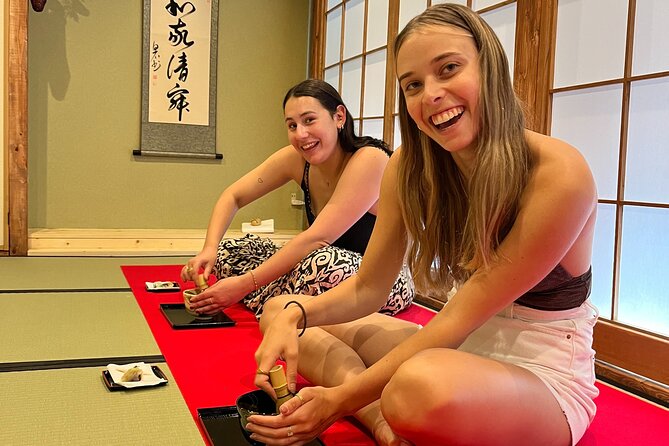
At $20.69 per person, this is a modest-priced cultural activity in central Osaka. You receive a guided introduction, a demonstration, your own matcha-making attempt, prepared tea, and traditional sweets. The small-group structure adds value because you are not simply watching from the back of a room.
The experience is also efficient. A full formal tea ceremony can require more time and preparation, while this session gives you the key elements in under an hour. I would see it as a useful first step, not a substitute for every form of Japanese tea practice.
The price is strongest for first-time visitors who want context without spending a large part of the day on one activity. It is also practical on a rainy day or during a busy Osaka schedule. You can pair it with Dotonbori sightseeing before or after the class.
There is no need to buy special clothing for this activity. One description specifically values the chance to take part without changing into traditional attire. That keeps the experience simple and removes a common barrier for casual visitors.
Finding the meeting point in Dotonbori
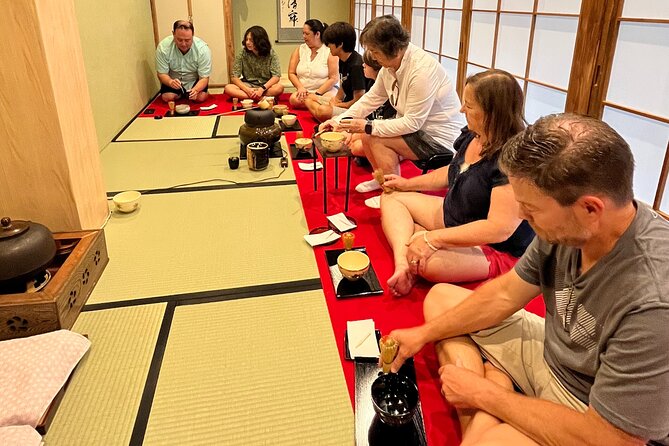
The address deserves careful attention. Search Google Maps for Tea Ceremony Osaka The Osaka rather than relying only on the booking platform’s address link. The supplied directions warn that the pin may lead to a different Google Maps location.
Look for the address written as 1-chome Higashi-5-26. The word Higashi, meaning east, is important. The common mistake is entering 1-5-26 without Higashi, which can point you to the wrong place.
The venue is near public transportation and the activity returns to the same meeting point. Even so, allow time to find the building and reach the second floor. Dotonbori is easy to recognize but can be crowded, and a short walk may take longer than the map suggests.
A mobile ticket keeps the arrival process simple. Save the confirmation on your phone, and check the location before leaving your hotel. This is one occasion when five minutes of preparation can prevent a rushed arrival.
Who should book this experience
I would recommend it to you if you want a short, hands-on introduction to Japanese culture. It works especially well for first-time visitors, families with older children, couples, and anyone who wants a quiet break from Osaka’s food and nightlife.
It is also a good fit if you are curious about etiquette but do not want a highly formal ceremony. The host explains what is happening, demonstrates the process, and lets you make the tea yourself. You can learn without feeling that you are being tested.
The experience may be less satisfying if you want an elaborate tea house, traditional clothing, or a long, silent ceremony focused on strict form. The central Osaka setting is convenient, but it is not a remote retreat. Group size may also vary, and the class is brief.
I particularly like it as a final-day activity. It gives you a calm, reflective hour before leaving Japan, and the lesson can leave you with a new appreciation for matcha beyond the sweet café drinks found in many tourist areas.
Cancellation and planning notes
You can cancel for a full refund up to 24 hours before the start time. Changes or cancellations made less than 24 hours in advance are not accepted for a refund, with cut-off times based on local Osaka time.
Confirmation is provided when you book. The experience has a maximum capacity of 15 people, and the mobile ticket is convenient for sightseeing days when you are moving around the city.
The provider may also have items available for purchase, so bring some extra cash if you think you may want to buy something. No particular purchase is required for the ceremony.
Should you book the Osaka Dotonbori tea ceremony?
Book it if you want a friendly, affordable way to understand matcha preparation and tea etiquette without leaving central Osaka. The strongest reasons are the chance to make your own tea, the clear cultural explanation, the seasonal sweets, and hosts such as Kazu and Mai who bring warmth to the lesson.
Skip it if your main goal is a grand historic setting or a long formal ceremony. For most visitors, though, the combination of access, price, and participation is hard to fault. Just confirm the exact meeting point, include Higashi in the address, and contact the provider before booking if you are bringing a child under five.
FAQ
How long does the tea ceremony experience last?
The stated duration is approximately 45 minutes. Some descriptions refer to an experience of about one hour, so allow a little extra time if you have another booking afterward.
Where does the activity start and end?
It starts at Tea Ceremony Osaka The Osaka, located on the second floor at 1-chome Higashi-5-26, Dotonbori, Chuo Ward, Osaka 542-0077. The activity ends back at the same meeting point.
What happens during the class?
The host explains tea ceremony culture, traditions, history, and etiquette. You watch matcha being prepared, taste tea and traditional sweets, and then make and drink your own matcha.
Is the activity suitable for children?
Yes, the activity is family-friendly, and caffeine-free matcha milk is available for children. If you are bringing a child under five, contact the provider in advance. Children under five may not be admitted to the regular plan.
How do I find the correct meeting point?
Use Google Maps and search for Tea Ceremony Osaka The Osaka. Include Higashi in the address, since entering only 1-5-26 can lead to the wrong location.
Can I cancel for a refund?
Yes. You can cancel at least 24 hours before the start time for a full refund. Cancellations or changes made less than 24 hours before the start time are not accepted for a refund.
Just added around Osaka
- Exclusive Sushi Making Experience with a Master Chef – Osaka Area★ 5.0 · 25 reviews
- Private Home-Style Cooking Class in Osaka with Local Mom Yoshiko★ 5.0 · 46 reviews
- Hidden Osaka – Yukaku Red Light Tour & Culinary Adventure★ 4.8 · 96 reviews
- Osaka: Walking Tour and Top Highlights★ 4.8 · 104 reviews
- Osaka: Private Ceramic Painting Workshop★ 5.0 · 13 reviews
- Pickleball in Osaka, Kobe & Kyoto with Locals!★ 4.7 · 80 reviews
- Eat Like a Local in Osaka – Private Custom Street Food Tour★ 4.3 · 33 reviews
- Osaka:SUMO BEATS SHOWCASE: Taiko Drum and Wagyu burger!★ 4.2 · 37 reviews
Tea Ceremony Experiences, compared.

Tea Ceremony in a Traditional Tea House in Kiyomizu
Our verdict →
World Heritage Kyoto & Nara Uji Authentic Matcha Experience
Our verdict →

Arashiyama Bamboo Forest, Monkeys, Matcha & Temple Tour
Our verdict →
Browse the lists this tour appears in