
Reviewed · KIMONO & YUKATA EXPERIENCES
Kyoto: Traditional Kimono Rental
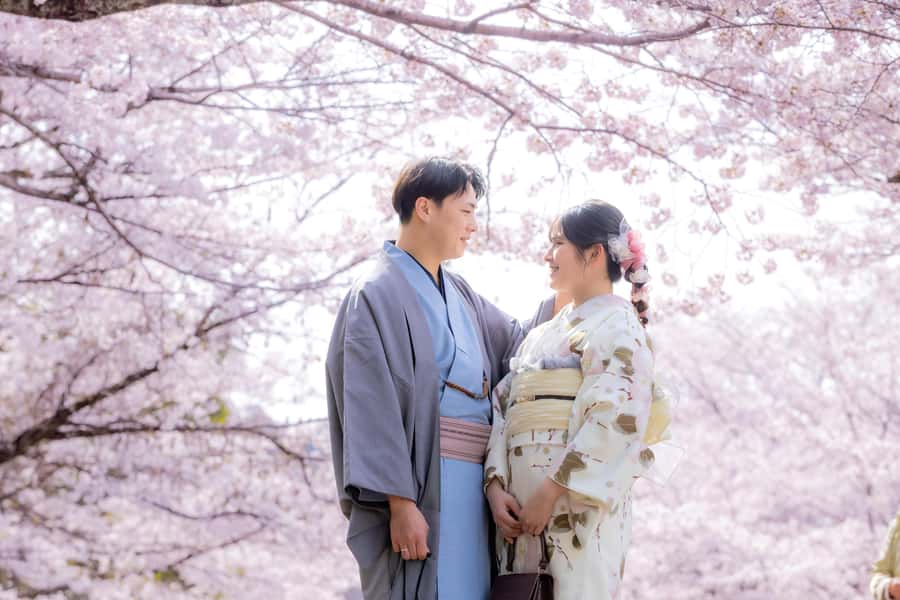
Kyoto looks different when you walk its old streets in a kimono. Wooden machiya houses, temple gates, tea shops, and narrow lanes become more than scenery. Your clothing puts you in closer contact with the city’s traditional side. I especially like the 160-year Edo-period connection and the wide selection, from restrained classic patterns to sharper modern designs.
The trained dressers are another strong point. They are taught in-house and tested before working with customers, which matters when several layers, belts, and careful folds must feel secure without making you miserable. The main caution is time: dressing takes about an hour, and hair or makeup adds another 30 minutes, so do not schedule a tight temple visit afterward.
Key points to know before booking
- Three minutes from Gojo Station: You can reach the shop easily from Kyoto Station, just one stop away.
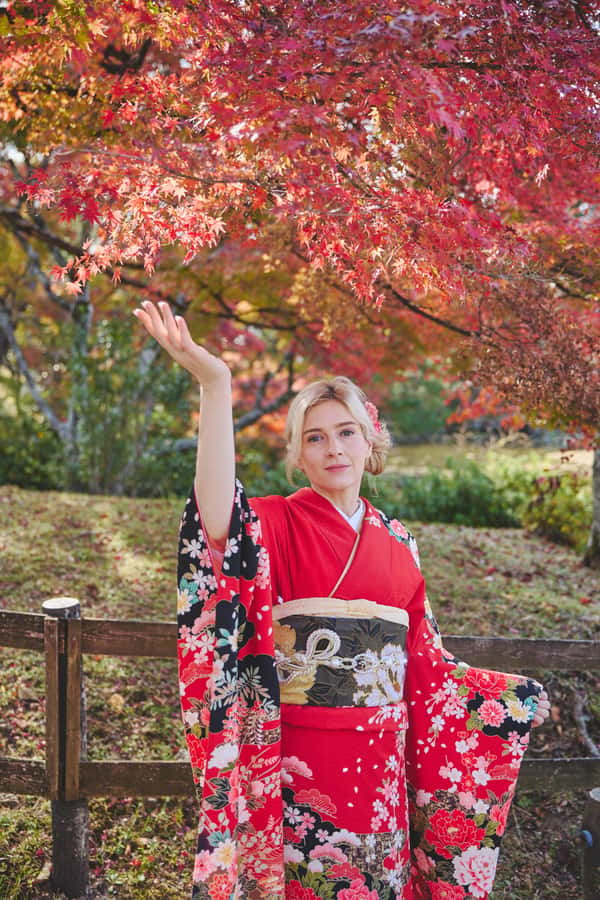
- A large choice of styles: Pick from casual kimono, yukata, seasonal patterns, formal clothing, and premium options.
- Sizes cover a broad range: Women’s sizes run from S to 4LW, and men’s sizes from 5S to 5L.
- Hair styling is optional: Eight catalog styles are available, with accessories and makeup offered as add-ons.
- Plan your route around the return time: Same-day returns are due by 5:30pm unless you pay for a later or postal return.
- Photography is not included: Professional photos and videos are available separately, but you can use the kimono for your own photos outside the shop.
A 160-year-old Kyoto shop with a practical purpose
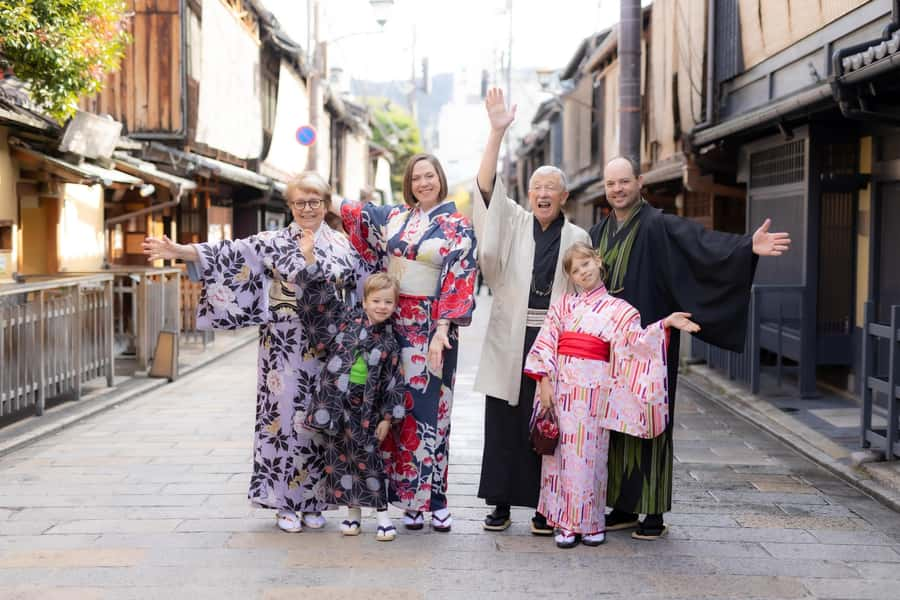
Kyoto Kimono Rental Yumeyakata is operated by a long-established kimono store with roots reaching back to the Edo period. That background is more useful than a decorative claim. It means the shop’s main business is tied to kimono itself, not simply to providing a costume for a quick photograph.
At the same time, this is a rental experience designed for modern visitors. You do not need to know how to put on a kimono, tie the obi, or choose a style that suits the day. Staff guide you through the process and help create a finished look that feels appropriate for walking around Kyoto.
I like that balance. The experience gives you access to traditional clothing without pretending you are attending a formal ceremony. You can wear a classic pattern for a tea ceremony, select a lighter yukata for a warm day, or choose something more current for photos with friends.
The shop also makes an effort to serve a broad range of body types. Women’s sizes extend from S to 4LW, while men’s sizes range from 5S to 5L. That is worth checking before you book if standard rental sizing has been a problem for you elsewhere.
More Kimono Experiences in Kyoto
- Kimono Tea Ceremony at Kyoto Maikoya, NISHIKI
★ 5.0 · 911 reviews - Kyoto: Kimono Rental with Hairstyling and Accessories
★ 4.8 · 653 reviews - Kyoto: Kimono Tea Ceremony at Orizuruya Gion
★ 4.9 · 618 reviews
Getting there from Kyoto Station and Gojo
The shop is about a three-minute walk from Gojo Station. Gojo is only one stop from Kyoto Station, so the location is convenient if you are arriving with a day bag and want to get dressed soon after reaching the city.
This location also gives you several route choices. You can head toward Kiyomizu-dera and the Higashiyama area, walk through Gion, visit Fushimi Inari Shrine, or make your way toward Nijo Castle. The shop is not at each attraction, of course, so you still need to plan transport and walking time.
That matters because kimono changes your pace. The clothing is not meant for a frantic day of crossing Kyoto from one end to the other. It is better suited to a focused outing, such as visiting Higashiyama, strolling near the river, attending a tea ceremony, or taking photos around traditional streets.
The meeting point is also the end point. You return to the same shop after your outing, unless you arrange a next-day or postal return.
Choosing between classic kimono, yukata, and modern styles
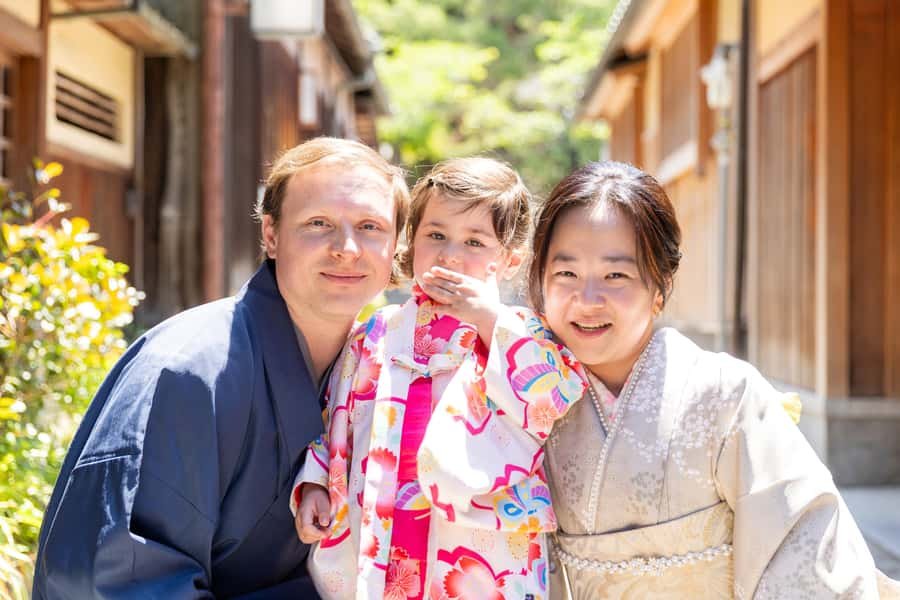
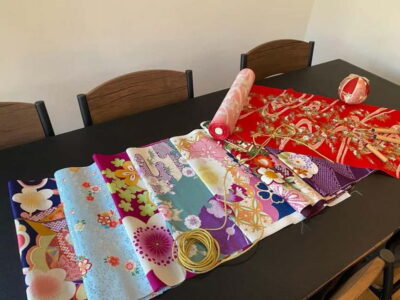
The selection is one of the best reasons to choose this shop. You can look through classic and formal kimono, casual styles, seasonal colors, contemporary patterns, and premium-grade clothing for special occasions.
A kimono is generally more layered and structured, while a yukata is lighter and more relaxed. The right choice depends on the season, the occasion, and how much formality you want. For a tea ceremony, a more polished kimono makes sense. For a casual walk or warm-weather outing, a yukata may be easier.
You can also think about the background for your photos. Soft colors and traditional patterns may suit temple grounds and wooden streets. A bolder design can work well with the quieter tones of Kyoto’s old neighborhoods. Staff can help you make the choice, which is useful if you are facing a long rack of unfamiliar patterns.
Men have a selection of kimono and yukata too, so this is not limited to women dressing up. Families and groups can coordinate colors or simply choose clothing that fits each person’s taste.
The shop’s modern approach is helpful here. You are not forced into one narrow idea of what traditional clothing should look like. The collection includes older-looking elegance and more current designs, so you can choose an outfit that feels like you.
What happens during the one-hour dressing process
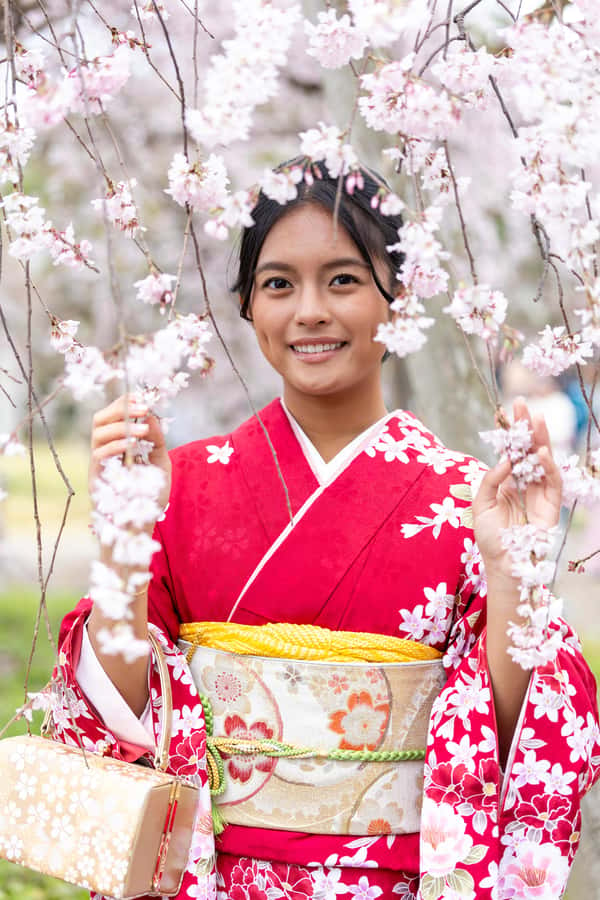
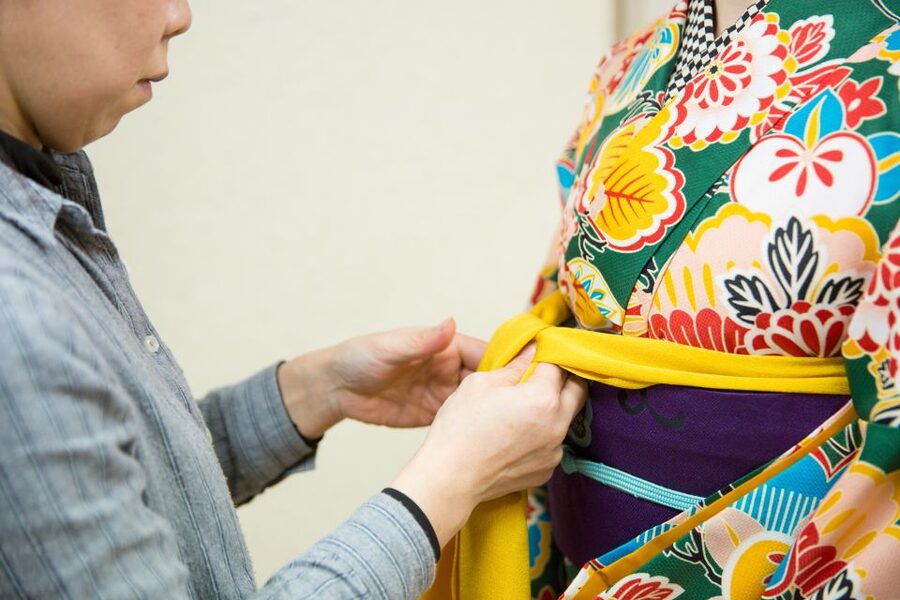
Allow about one hour for the basic rental and dressing process. This is not a quick change into a robe. The staff arrange the layers, secure the clothing, tie the obi, and check the final shape.
That time is part of the cultural experience. One person described being surprised by how much work goes into getting dressed, and that is a useful expectation to carry with you. The process can feel special because you are seeing the skill involved rather than simply picking up clothing from a counter.
The dressers are trained in-house and must pass internal examinations before they work with customers. The shop says it does not use temporary or part-time staff for daily operations. For you, that should mean more consistent handling and a better chance of getting a secure, comfortable fit.
Still, a kimono is not ordinary sightseeing clothes. You may want to walk more slowly and take breaks. You should also avoid booking the rental immediately before a fixed appointment unless you have plenty of spare time. Departure time cannot be guaranteed.
If you add hair styling and makeup, allow about 30 extra minutes. The hair service includes eight catalog styles. A customized style costs an additional ¥1,100 per person, while requesting a style on arrival costs ¥2,200 per person and may depend on salon availability.
The makeup option is regular makeup, not maiko or geiko makeup. That distinction is important if you are expecting the highly stylized white face and elaborate appearance associated with Kyoto’s professional entertainers.
Same trip, a completely different kind of day:
- PERFECT KYOTO 1-Day Bus Tour
★ 5.0 · 13,518 reviews - Kyoto: Fushimi Inari, Kinkakuji, Bamboo Grove 1 Day Bus Tour
★ 4.8 · 4,316 reviews - Kyoto: Tea Ceremony in a Traditional Tea House in Kiyomizu
★ 4.9 · 3,519 reviews - Kyoto Geisha Walking Tour: Gion District & Hidden Gems
★ 4.7 · 3,273 reviews
Hair, accessories, and the finishing touches
Hair styling can make a major difference in photographs. The available styles are selected from a catalog, and a hair accessory can be added if you choose that option. The service is designed to be quick, which helps keep the preparation manageable for families or groups.
If you want a particular look, decide before arriving. Customization costs extra, and an on-arrival request can cost more. Full bookings may also limit what the salon can do, so the catalog options are the safer choice when your schedule is tight.
Makeup is separate as well. Since it is not maiko or geiko makeup, think of it as a finishing service for your day in kimono rather than a full theatrical transformation.
The add-ons can change the value of the experience. At the advertised $25 starting price, the basic rental is affordable. Once you add hair, makeup, accessories, upgraded clothing, and professional photography, your final cost will be higher. I would start with the basic plan if you mainly want to stroll around Kyoto, then add services only if photographs or a more formal look are central to your plans.
Exploring Kyoto after you are dressed
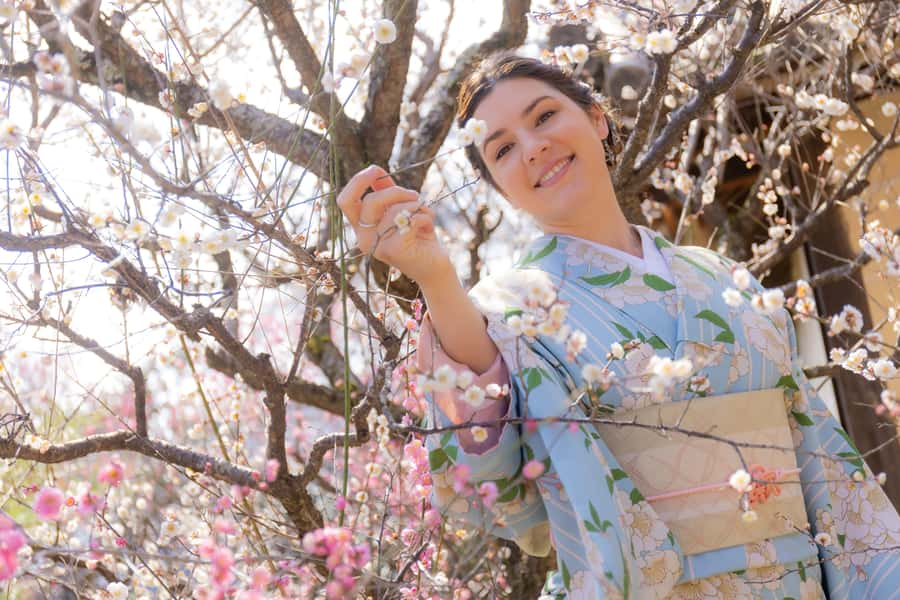
The rental does not include a guided walk. After dressing, you are free to choose your own route and spend the day at your preferred sights.
Higashiyama is a natural match. Its traditional streets and wooden buildings provide the kind of setting that makes the clothing feel connected to Kyoto rather than like a costume in a studio. Kiyomizu-dera is another popular choice, although you should allow enough time for the walk and return.
Gion offers old teahouses and traditional streets, while Nijo Castle gives you a different kind of historical setting. Fushimi Inari Shrine is also accessible from the shop, though its long approach and many steps may be less comfortable in formal clothing.
Arashiyama is another possible outing. One group used the kimono rental for a visit to the monkey park and had a good time, but you should consider the physical demands before choosing a route with steep paths or many stairs.
A quieter plan may be better than an ambitious one. Walk beside the river, visit one or two temples, stop for tea, and give yourself time for photographs. The point is not to cover every famous sight. It is to notice how the clothing changes your experience of familiar places.
You can also pair the rental with a tea ceremony. One customer added hair styling before attending a tea ceremony and found the preparation itself memorable. That combination gives the kimono a clear purpose and makes the day feel more complete.
Bags, comfort, and the return rules
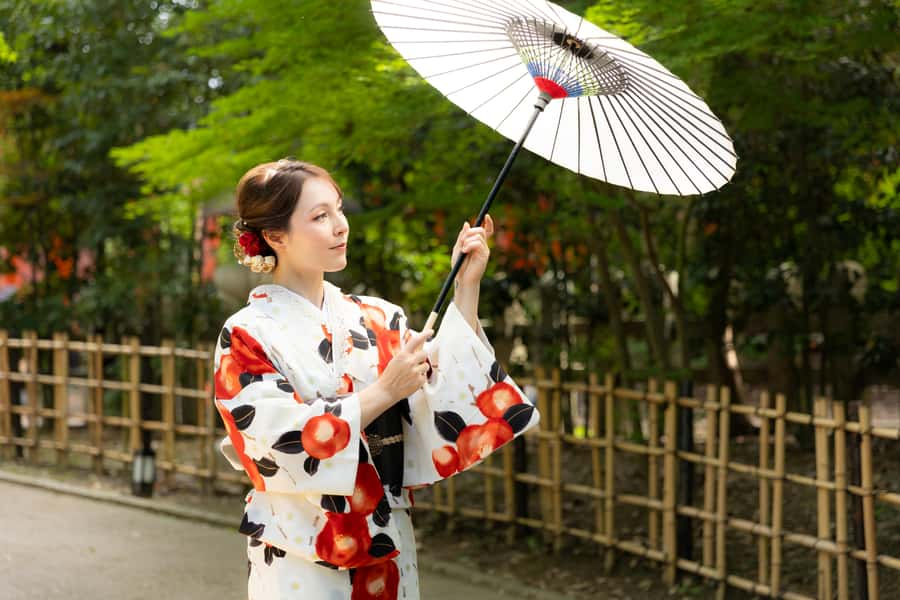
The shop stores your clothes and handbag, which makes exploring much easier. You can leave the bulky everyday layers behind and walk with less to carry.
Large luggage and strollers are different. Suitcases, strollers, and other large items cost ¥550 per piece per day for storage, payable on-site. If you are arriving directly from a train with a large suitcase, check this cost and storage arrangement before you go.
Return planning deserves attention. The standard same-day return is by 5:30pm. A next-day return between 9am and 5pm is available for an extra fee, and postal return is also possible for an extra fee.
The return procedure is confirmed when you arrive, so listen carefully and make a note of the agreed option. If your sightseeing route takes you far from Gojo, leave enough time to get back. The rental ends at the meeting point, not at your final temple or restaurant.
Smoking, shoes, video recording, photography inside the shop, and strong fragrances are not allowed indoors. You can take photographs outside after you are dressed, but keep the shop’s interior rules in mind.
Is $25 good value for Kyoto?
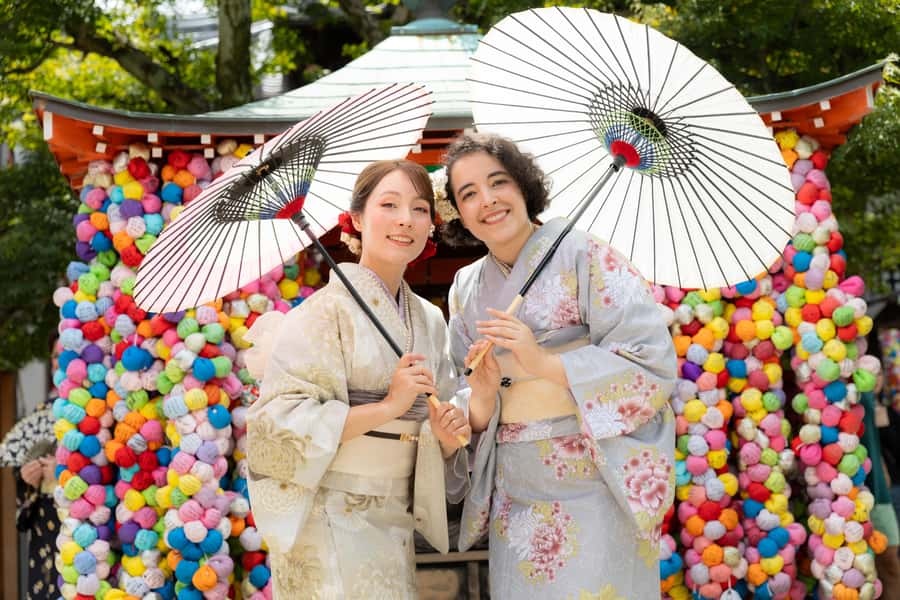
At $25 per person, the standard rental is a good value for a full day of access to traditional clothing, professional dressing, and storage for your everyday clothes and handbag. The price is especially reasonable if you plan to use the outfit for several hours rather than dressing only for a quick photo.
The value depends on how much you add. Hair styling, makeup, accessories, upgraded kimono choices, and professional photographs are separate. The basic price should not be treated as an all-inclusive photo package.
Professional photography and video are available, but they are not included. If you want polished portraits, budget for that separately. If you are happy using your own phone or camera outside the shop, you can keep the cost closer to the advertised rate.
The rental also saves you from buying or arranging formal clothing for a single day. You get the visual impact of kimono without the cost and responsibility of owning one. For a special Kyoto day, that is a practical trade.
Who will enjoy this most?
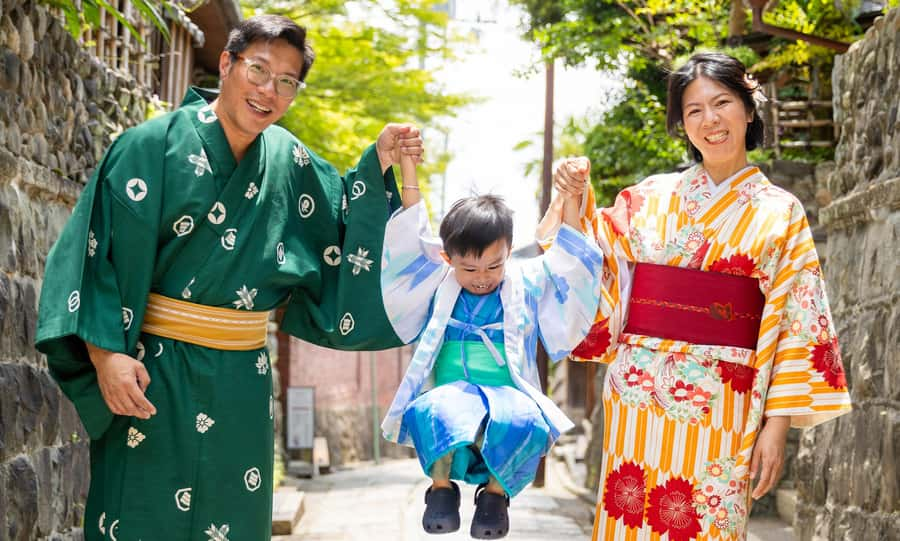
I would recommend this for couples, friends, families, and solo visitors who want a hands-on cultural activity rather than another sightseeing stop. It works particularly well if you have a flexible day and enjoy taking photographs.
Families can use the service together, and the broad size range makes it more accessible than many rental operations. Hair styling can be a nice addition for children and adults who want a finished look, though young children may need patience during the dressing process.
It is also a good match for a tea ceremony, a visit to Gion or Higashiyama, or a gentle day of temple walks. You should be comfortable with slower movement and traditional clothing that may feel restrictive compared with ordinary sightseeing clothes.
The experience is not suitable for pregnant women, wheelchair users, babies under one year, or people over 6 feet 6 inches, or 200 centimeters. Those limits should guide your decision before booking.
Should you book Kyoto Kimono Rental Yumeyakata?
Book it if you want Kyoto to feel more personal and you can spare at least half a day for dressing, strolling, and returning the clothing. The combination of a historic kimono business, a large selection, trained dressers, useful storage, and a convenient Gojo location gives you a lot for the basic price.
I would skip it if your Kyoto schedule is packed with timed admissions or if you dislike wearing structured clothing for several hours. I would also avoid planning a long, hilly route unless you are ready to move slowly.
For the best day, arrive with a loose plan, choose your clothing carefully, add hair styling if photographs matter to you, and select one main sightseeing area rather than racing across the city. That approach lets the kimono become part of your Kyoto experience instead of an outfit squeezed into an already crowded schedule.
FAQ
Where is Kyoto Kimono Rental Yumeyakata located?
The shop is a three-minute walk from Gojo Station in Kyoto. Gojo Station is one stop from Kyoto Station.
How long does the kimono rental preparation take?
Basic kimono rental and dressing takes about one hour. Customers who add hairstyling and makeup should allow about 30 extra minutes.
What clothing options are available?
The shop offers classic kimono, casual styles, seasonal patterns, formal clothing, premium options, and yukata. Designs range from traditional elegance to contemporary styles.
What sizes are available?
Women’s kimono sizes range from S to 4LW. Men’s sizes range from 5S to 5L.
Is hairstyling included?
Women’s hairstyling is an optional add-on, not part of the standard rental. Eight hairstyles are available in the catalog.
Is makeup included, and is it maiko makeup?
Makeup is an optional add-on. It is not maiko or geiko makeup.
When must I return the kimono?
Same-day returns are due by 5:30pm. Next-day returns from 9am to 5pm and postal returns are possible for an extra fee.
Are professional photographs included?
No. Professional photos and videos are not included in the standard rental, though professional photography is available separately.
Can I cancel for a refund?
You can cancel up to 24 hours in advance for a full refund.
Just added around Kyoto
- Sekka Cotton Furoshiki Class★ 5.0 · 19 reviews
- Kyoto Sword Experience – includes Museum Ticket/Ninja Experience★ 4.5 · 149 reviews
- Scenic Green Tea Fields of Hidden Kyoto & Local Tea Exp (Private)★ 5.0 · 32 reviews
- Secret Eastern Kyoto Biking Adventure★ 5.0 · 44 reviews
- Private Sake Tasting in Central Kyoto with Sake Sommelier★ 5.0 · 32 reviews
- Samurai School in Kyoto: Samurai for a Day★ 5.0 · 202 reviews
- Samurai Performance and Casual Experience: Kyoto Ticket★ 4.5 · 115 reviews
- SHIRAKAWA Japanese Culture Experiences with private English staff★ 5.0 · 16 reviews
Kimono & Yukata Experiences, compared.
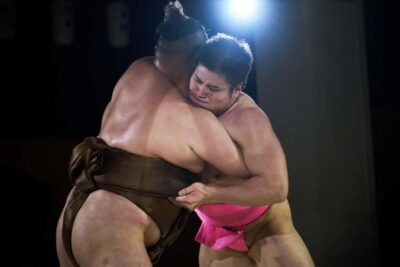
Sumo Show & Experience w/ Optional Kimono & Hot Pot
Our verdict →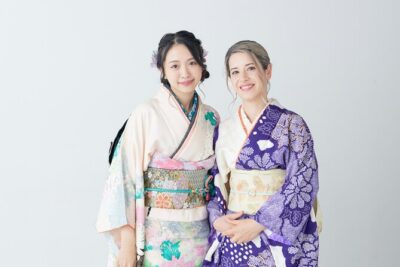
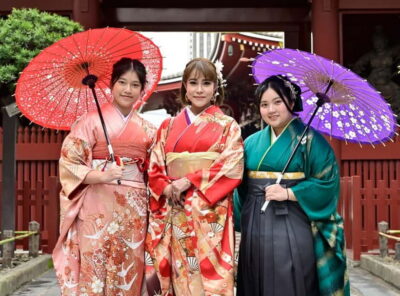
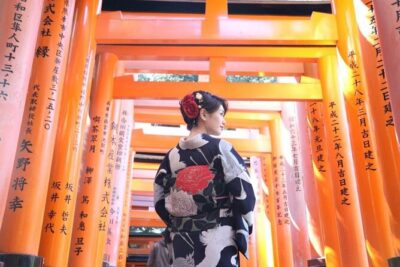
Family-Friendly Kimono & Yukata Experience at WARGO
Our verdict →
Browse the lists this tour appears in