Reviewed · KYOTO TOURS
Kyoto: Traditional Concert at Townhouse or Bathhouse
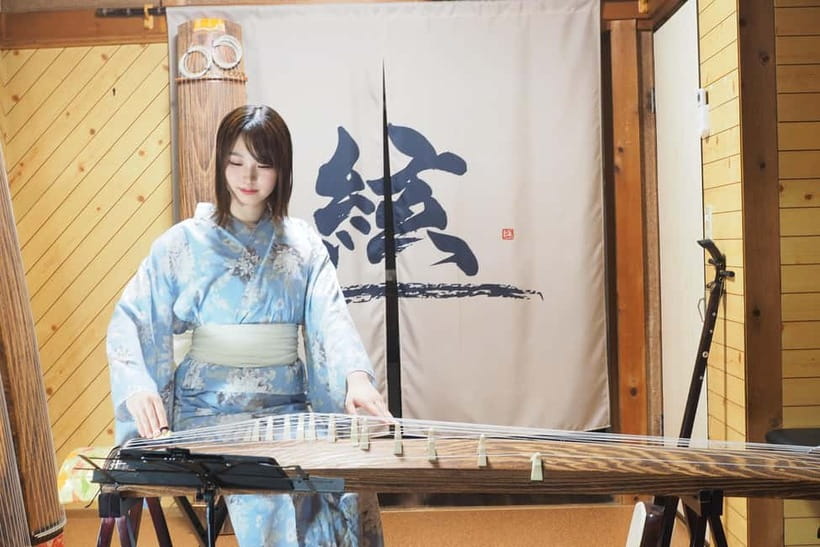
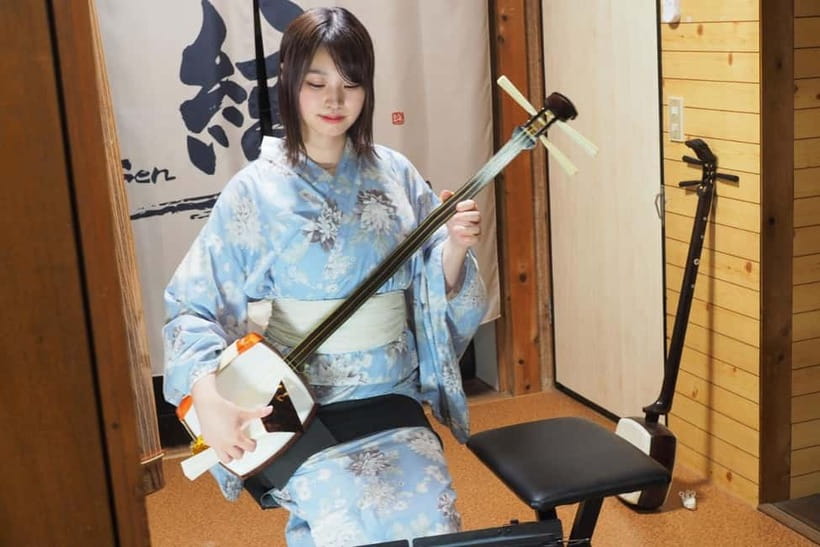
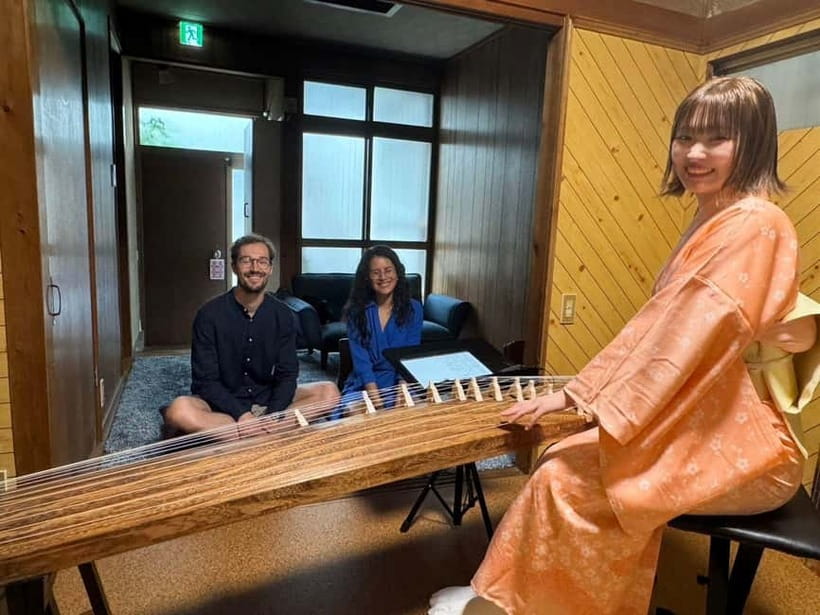
Kyoto’s traditional music makes the strongest impression here when you are close enough to see every finger movement. In a traditional townhouse, a professional musician such as Furan, Aoi, or Kyoko performs koto and shamisen just a few feet away, while Gen and his team explain the instruments in plain English. The result feels less like a formal stage show and more like an evening in a musician’s home.
I like the small audience and the useful explanations. You hear four or five pieces, but you also learn how the instruments are built, how Japanese notation works, and why the music sounds as it does. I also like the optional koto workshop, which gives you something to do with your hands instead of only watching.
The main consideration is the venue choice. The townhouse is intimate and runs almost daily, but it can feel snug when attendance approaches its limit. The historic bathhouse has more dramatic sound and allows about 30 people, but its duet programs are offered irregularly, mainly on Mondays. Check the date and meeting point carefully.
Key points at a glance
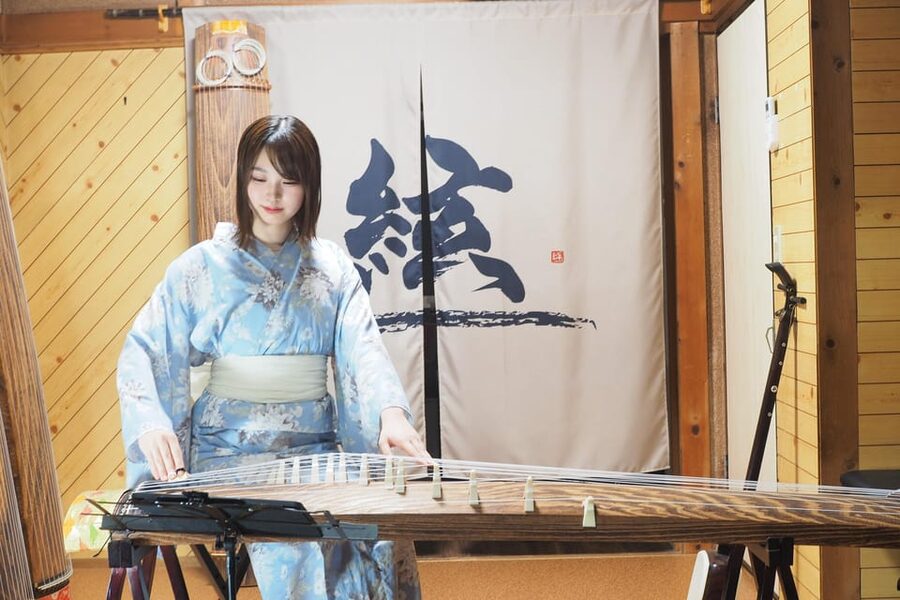
- Traditional townhouse: A warm living-room setting for up to about 11 people, with solo koto and shamisen performances.
- Historic bathhouse hall: Tiled walls create natural reverberation for koto duets with shamisen, shakuhachi, flute, guitar, or other instruments.
- Four or five pieces: Programs mix classical works, newer compositions, songs, and pieces selected around the individual performer.
- Bilingual guidance: English and Japanese explanations cover the instruments, picks, bridges, notation, and musical background.
- Hands-on lesson: Townhouse bookings can include a 35 to 40 minute beginner koto workshop with sanitized instruments.
- Good value at $32: You receive a concert, cultural explanation, questions with the musicians, photos, and possibly a practical lesson.
Why this small Kyoto concert works
Many cultural activities in Kyoto give you a quick look at a costume, craft, or performance, then send you on your way. This one gives you time to listen. That matters with koto and shamisen music, where the small details are the point: the scrape of a pick, the fading vibration of a string, the shift from delicate melody to a sharper, more percussive phrase.
The format also helps if you know little about Japanese music. The opening explanation covers how the instruments are played and what makes them different. You can ask about materials, notation, performance customs, and the pieces themselves without needing any background.
The presentation is bilingual in Japanese and English. Gen, Shoei, and other hosts have served as translators and presenters, while musicians including Furan, Aoi, and Kyoko have performed different programs. Because the repertoire changes with the artist and season, the exact concert is not fixed. That is a plus for repeat visits, but you should not book expecting one specific song unless the current program confirms it.
More Concerts in Kyoto:
- Concerts Played with Traditional Instruments in Kyoto
★ 5.0 · 50 reviews - Kyoto: Japanese Koto & Shamisen Concert and Koto Class
★ 4.9 · 31 reviews
The traditional townhouse: music at close range
The townhouse is the most intimate option. It holds up to about 11 people, and some performances have had only a handful of people present. Seating may be on cushions or chairs, and the room has the feel of a lived-in Japanese home rather than a concert auditorium.
That setting changes how you listen. You can watch the musician’s hands, see the bridge and strings, and notice how the performer uses the pick. When a singer accompanies the koto or shamisen, the voice feels immediate rather than amplified and distant.
The solo program usually includes four or five classical and contemporary pieces. Sample works include Kajimakura, Chidorino Kyoku, and Kaede no Hana, though the selection rotates. A performer may also sing traditional songs or present a more modern arrangement. One program might lean toward quiet, lyrical koto music, while another gives the shamisen more attention.
The townhouse setting is particularly good for first-time listeners. You are not simply asked to sit quietly through an unfamiliar concert. The commentary gives you a frame for what you hear, and the small group makes it easy to ask a question afterward.
There is one practical trade-off: the room is small. If all available places are filled, seating can feel close. That is part of the charm, but anyone who prefers generous personal space may favor the bathhouse hall.
The historic bathhouse hall: bigger sound and duet programs
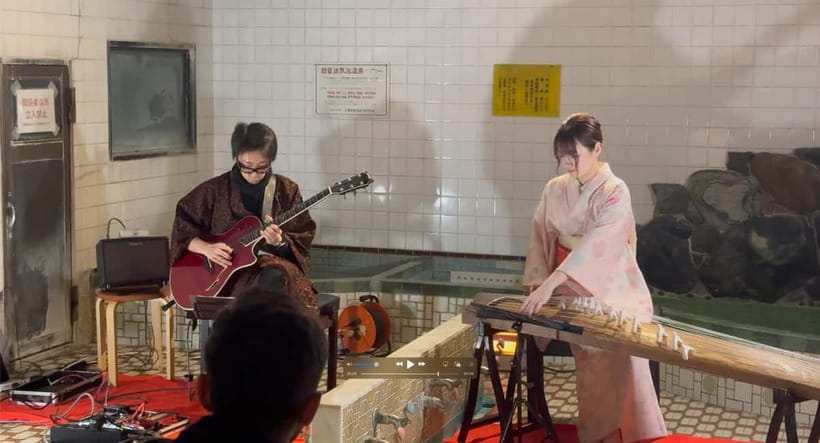
The bathhouse option offers a different kind of evening. You do not bathe there, and the ticket does not include access to bathing facilities. Instead, the performance takes place in a historic hall whose tiled walls create a natural echo.
The hall holds up to about 30 people and uses rows of chairs. Compared with the townhouse, it feels less private, but the sound has more reach. A koto phrase can hang in the room, and a duet can build a fuller, more dramatic sound than a solo performance in a small wooden room.
The program combines solo and duet works across four or five pieces, not counting the opener. Pairings can include koto and shamisen, shakuhachi, taishōgoto, flute, guitar, or another instrument. The exact combination depends on the artists and the date.
I would choose this venue if you already enjoy live music and want to hear how traditional Japanese instruments work with another sound. The duet format provides more contrast than the townhouse solo program. It can also make the old bathhouse setting feel like part of the performance, since the room itself shapes the music.
The drawback is scheduling. These concerts are offered irregularly, mainly on Mondays, so they are harder to fit into a tightly planned Kyoto visit. The townhouse is the safer choice if you need a particular day.
What happens during the 45 to 105 minutes
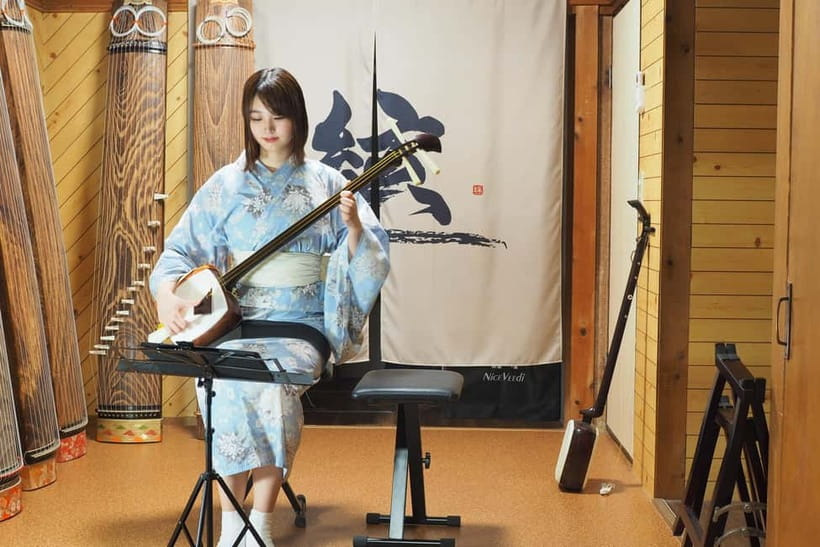
The basic concert takes about 45 minutes. If you add the koto workshop, the total can reach about 105 minutes. The precise starting time and duration depend on the option you book.
A few more Kyoto half-days worth comparing
- PERFECT KYOTO 1-Day Bus Tour
★ 5.0 · 13,518 reviews - Kyoto: Fushimi Inari, Kinkakuji, Bamboo Grove 1 Day Bus Tour
★ 4.8 · 4,316 reviews - Kyoto: Tea Ceremony in a Traditional Tea House in Kiyomizu
★ 4.9 · 3,519 reviews - Kyoto Geisha Walking Tour: Gion District & Hidden Gems
★ 4.7 · 3,273 reviews
Arrival and seating
Allow five to ten minutes for check-in and settling into the room. The hosts explain basic etiquette and direct you to cushions or chairs at the townhouse, or rows in the bathhouse hall.
The townhouse may be a little difficult to locate. Several people found the setting away from the usual tourist routes, and one useful tip is to rely on the map location or latitude and longitude if the street address does not bring you directly to the door. The meeting point can vary by option, so do not assume both venues use the same address.
Instrument introduction
The introduction lasts about 10 to 15 minutes. You learn the names and parts of the instruments, how the bridges and picks work, and how the performers read Japanese musical notation.
This is one of the strongest parts of the experience. Koto music can look simple from a distance, but seeing the instrument up close makes the performance easier to follow. The shamisen also has its own sound and technique, and the explanation helps you hear the difference rather than treating both instruments as generic Japanese music.
The concert
The performance itself runs about 25 to 30 minutes. Expect four or five pieces, with a mix of classical, contemporary, and original or artist-selected works. Short comments may introduce a piece or explain its setting, so the concert stays accessible without turning into a lecture.
The musical mood can shift. A piece may sound calm and spare, followed by a work with stronger rhythm or a more modern arrangement. Some performers also sing. Kyoko, for example, has presented traditional songs along with koto and shamisen, while other musicians have focused more on instrumental playing.
Pay attention to the pauses between notes. The instruments are not simply playing fast melodies. The space around the sound is part of the experience, especially in the quiet townhouse.
Questions and photographs
After the music, allow five to ten minutes for questions and photos. You can meet the musicians, ask about the pieces, and take pictures with the performers.
The small setting makes this more useful than a standard stage exit. You do not need to shout a question from the back of a hall. The hosts have explained everything from instrument materials to musical history, and they generally make the exchange friendly and easy for beginners.
The optional koto workshop
The workshop is available only with traditional townhouse bookings. It takes about 35 to 40 minutes and uses sanitized instruments with guidance from the hosts.
You begin with the basics: how to sit, how to pluck the strings, and how to follow a short piece of notation. The aim is not to turn you into a koto player in one afternoon. It is to let you feel the instrument and understand the physical skill behind the concert.
This add-on is especially worthwhile for families, music lovers, and anyone who likes active cultural experiences. Children and adults can work toward playing a short phrase, and the instructors adjust their help for beginners. One parent described the extra assistance given to a child, which is a good sign for families with older children who can sit through the concert.
Do not choose the workshop if you want a quick, quiet concert only. It adds a substantial amount of time. It also changes the mood from listening to practicing, which some people will love and others may not need.
How authentic is the setting?
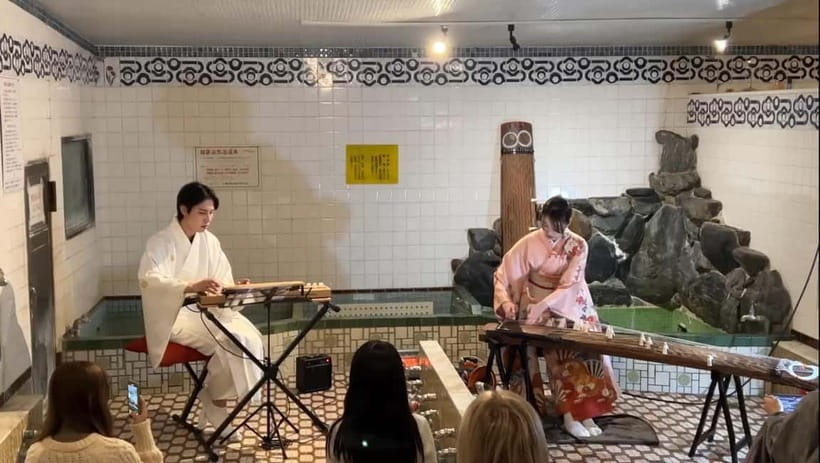
The townhouse is about as far from a large tour production as you can get while still having a clear program and English support. You sit in a real Japanese home, hear a performer in traditional clothing, and see the instruments at close range.
That does not mean the evening is unstructured. Gen and the hosts guide you through the music, translate questions, and explain what you are seeing. The balance works well: you get context without losing the sense that this is a personal musical meeting.
The bathhouse hall provides a different kind of authenticity. Its old tiled surfaces are not a decorative backdrop added for visitors. They affect the sound. The setting is less home-like but more theatrical, particularly when two instruments answer each other in the echoing space.
Price, group size, and practical value
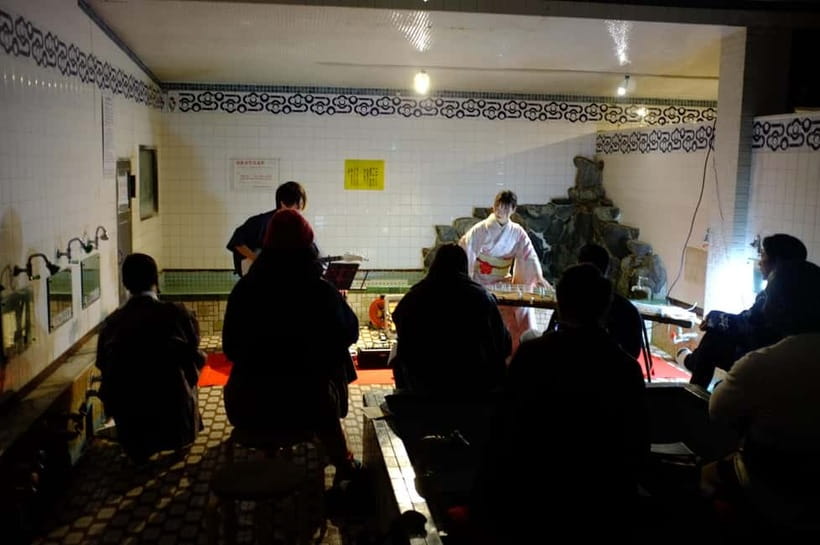
At $32 per person, this is a strong cultural buy in Kyoto. You are paying for a professional performance, bilingual commentary, a question period, photo time, and seating. The townhouse option can also include the koto lesson, which makes the price especially reasonable if you want more than a passive show.
The value comes from the access. A large concert may give you more music, but it usually will not let you inspect the instruments, ask direct questions, or try a phrase yourself. Here, the educational part is built into the program.
The private or small-group format also matters. A private booking can make the townhouse feel like your own cultural appointment, although the standard option may include other people. Capacity is about 11 in the townhouse and about 30 in the bathhouse, so confirm the venue if group size is important to you.
Free cancellation is available up to 24 hours before the activity, and you can reserve while paying later. Transportation, food, and drinks are not included. Plan to arrive independently.
Combining the concert with Kyoto sightseeing
The concert works best as an evening or late-afternoon stop rather than as an isolated trip across town. From the nearby Saiin area, you can connect with several major sights.
- Nijō Castle: About 20 minutes away. It is a natural pairing for a daytime castle visit followed by music.
- Arashiyama: About 25 minutes by walking to Saiin Station, taking the Hankyu line to Katsura, then transferring to the Randen Line.
- Kinkaku-ji: About 20 minutes, using a bus from Nishioji Sanjō and then a short walk.
- Nishiki Market: About 25 minutes by direct Hankyu service to Karasuma or Kawaramachi, useful for food before or after the concert.
Build in extra time for transfers and for finding the venue. The townhouse is away from the main sightseeing paths, and a peaceful concert is not improved by arriving breathless.
Who will enjoy this most?
I would recommend the townhouse to first-time listeners, couples, solo visitors, and small families who want a personal introduction to Japanese music. It is also a good choice if you have already seen Kyoto’s temples and want a cultural activity that is quiet rather than crowded.
Choose the bathhouse if sound matters more to you than intimacy. The duet programs and reverberant room offer more variety, but you need a Monday or another listed date that fits your plans.
This is not the right pick if you want a long concert, a full evening meal, or a large-scale theatrical performance. It is also not a bathing experience despite the bathhouse name. Babies under one year are not suitable for the activity.
Should you book it?
Book this if you want to hear Japanese instruments close up and understand what you are hearing. The townhouse is the best all-around option: it runs almost daily, keeps the group small, and offers the workshop. The bathhouse is the more distinctive choice for repeat visitors or anyone drawn to unusual acoustics and duet music.
For $32, you get more than a short recital. You get access to the musicians, clear explanations, and a chance to connect the sound with the instruments themselves. If your Kyoto schedule allows only one traditional music event, this is a practical and personal choice.
FAQ
How long does the Kyoto traditional music experience last?
The concert program takes about 45 minutes. Adding the optional townhouse koto workshop brings the total duration to about 105 minutes.
What instruments will I hear?
The program features koto and shamisen. Bathhouse duets may also include shakuhachi, taishōgoto, flute, guitar, or another instrument, depending on the date and performers.
Is the experience suitable for beginners?
Yes. No prior knowledge of Japanese instruments or traditional music is required. The hosts explain the instruments, playing methods, notation, and repertoire in Japanese and English.
What is the difference between the two venues?
The townhouse holds up to about 11 people and features solo koto and shamisen programs in a home-like setting. The historic bathhouse hall holds about 30 people and presents solo and duet programs with natural reverberation from tiled walls.
Is the koto workshop included at both venues?
No. The hands-on workshop is available only with traditional townhouse bookings. It lasts about 35 to 40 minutes and teaches basic techniques and a short phrase.
Does the bathhouse ticket include bathing?
No. The bathhouse option is for the concert only. Bathing, food, drinks, and transportation are not included.
How many pieces are performed?
The concert usually includes four or five pieces. The bathhouse program combines solo and duet works, and the exact repertoire changes with the musicians and venue.
Can I cancel the booking?
You can cancel up to 24 hours in advance for a full refund. The meeting point depends on the option booked, so check the confirmed venue before setting out.
Just added around Kyoto
- Sekka Cotton Furoshiki Class★ 5.0 · 19 reviews
- Kyoto Sword Experience – includes Museum Ticket/Ninja Experience★ 4.5 · 149 reviews
- Scenic Green Tea Fields of Hidden Kyoto & Local Tea Exp (Private)★ 5.0 · 32 reviews
- Secret Eastern Kyoto Biking Adventure★ 5.0 · 44 reviews
- Private Sake Tasting in Central Kyoto with Sake Sommelier★ 5.0 · 32 reviews
- Samurai School in Kyoto: Samurai for a Day★ 5.0 · 202 reviews
- SHIRAKAWA Japanese Culture Experiences with private English staff★ 5.0 · 16 reviews
- A Privately Guided Photoshoot in Beautiful Kyoto by a Pro★ 5.0 · 18 reviews
Kyoto Tours, compared.

Tea Ceremony in a Traditional Tea House in Kiyomizu
Our verdict →
Kyoto Geisha Walking Tour: Gion District & Hidden Gems
Our verdict →

Fushimi Inari Hidden Hiking Tour (Private Option Available)
Our verdict →