Reviewed · KYOTO TOURS
Concerts Played with Traditional Instruments in Kyoto
The unusual part of this Kyoto concert is the setting: a traditional Japanese home becomes the stage. Instead of watching from a large hall, you sit close to the performers and hear the koto and shamisen without the distance of a formal theater. The program includes classical pieces, newer works, and original compositions, so you get more than a museum-style look at old instruments.
I like the short 50-minute format, which fits neatly into a busy Kyoto day, and I like the chance to ask questions and take photos after the music. The optional koto session adds real value if you want to do more than listen. The main consideration is that transportation and coffee or tea are not included, and the intimate setting may not suit anyone seeking a large-scale concert.
Key points at a glance
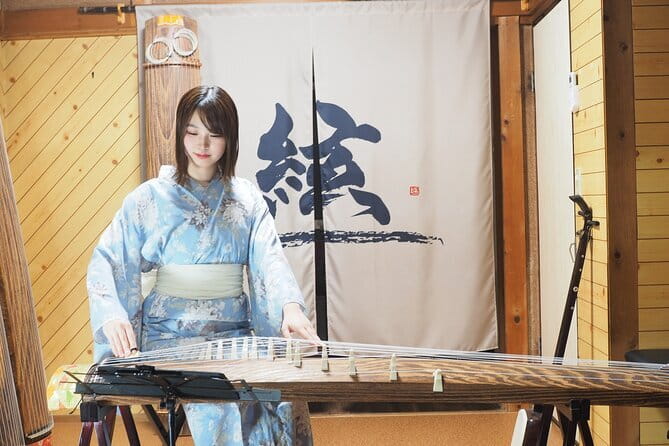
- A concert inside Gen Home Saiin: Hear the music in a traditional Japanese home rather than a large performance venue.
- Two instruments explained clearly: Learn how the koto and shamisen work before the performance begins.
- Classical and modern music together: The program can include Chidori no Kyoku, Rokudan no Shirabe, Kajimakura, modern pieces, and original works.
- Q&A and photos after the music: You have time to speak with the professional musicians directly.
- Optional hands-on koto session: Upgrade to try a simple piece yourself.
- Convenient 50-minute schedule: Several start times are available during the day, with free cancellation up to 24 hours before the start time.
A Kyoto concert in someone’s home
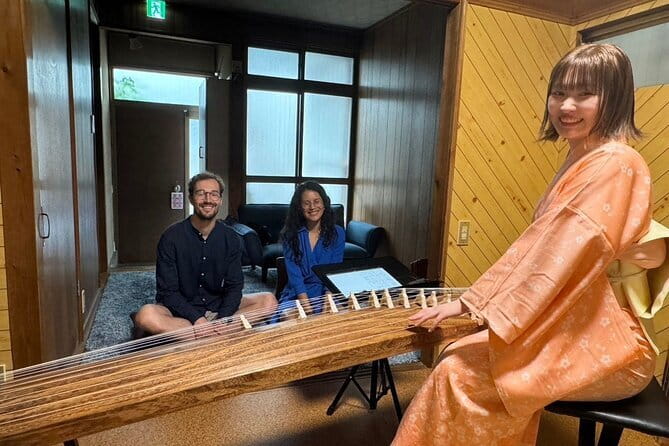
Kyoto offers plenty of chances to see traditional arts, but this experience takes a quieter, more personal route. At Gen Home Saiin, a home is arranged as a small performance space for an intimate concert of koto and shamisen music.
That setting matters. In a large hall, you may admire the music from a distance. Here, the instruments and musicians are the focus from the moment you arrive. The room helps you notice the sound itself: the plucked notes of the koto, the sharper character of the shamisen, and the way each instrument carries rhythm and feeling.
I would choose this for the cultural context as much as for the performance. The short introduction explains what you are hearing before the first piece begins, which helps if you know little about Japanese music. You do not need to arrive with a background in classical music or traditional Japanese arts.
The program is presented in English, and the experience is organized around explanation, performance, and conversation. That makes it a sensible choice for anyone who wants something more accessible than a formal concert with no introduction.
More Concerts in Kyoto:
- Kyoto: Traditional Concert at Townhouse or Bathhouse
★ 4.9 · 224 reviews - Kyoto: Japanese Koto & Shamisen Concert and Koto Class
★ 4.9 · 31 reviews
What you learn about the koto and shamisen
The concert begins with a brief explanation of the koto and shamisen. This is an important part of the experience, not filler before the music.
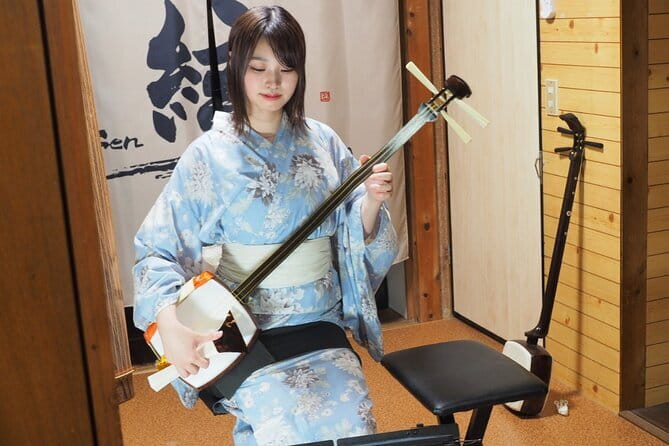
The koto is a traditional Japanese string instrument with a long, horizontal body. Its sound can be soft and spacious, but it can also carry a strong rhythmic pulse. The shamisen has a different voice, with a more direct and percussive quality. Hearing the two in the same program gives you a useful comparison.
The introduction also helps you listen for changes in tone and technique. Once you know which instrument is doing what, the music becomes easier to follow. You can hear the koto’s flowing lines and the shamisen’s distinct attack rather than treating the performance as one general block of traditional sound.
I especially like this format for first-time visitors. A standard concert can leave you wondering what to notice. Here, the performers give you a starting point before asking you to sit back and listen.
The music: classical pieces and newer compositions
The program includes well-known classical pieces such as Chidori no Kyoku, Rokudan no Shirabe, and Kajimakura. These works connect the concert to the long tradition of Japanese instrumental music.
Chidori no Kyoku is one of the pieces that may leave the strongest impression. Its emotional quality can be striking, particularly when heard at close range in a small room. One performance of this piece was described as moving enough to bring tears, which tells you something about the mood it can create. It is not simply background music for a cultural demonstration.
Rokudan no Shirabe and Kajimakura add further examples of the classical repertoire. The program may also include modern pieces and original compositions, so the concert does not treat Japanese music as something frozen in the past.
That mix is a real strength. You get a sense of the older tradition while also hearing how these instruments function in more recent music. If you already know a few Japanese melodies, you may even recognize some of the tunes. If not, the spoken explanations give you enough context to appreciate the change in style from one piece to the next.
The music comes from composers including Yoshizawa Kengyo, Yatsuhashi Kengyo, and Kikuoka Kengyo. Their names may mean little to you before the concert, but the program connects their work with the pieces you hear. That gives the performance a clear link to the development of the instruments and their repertoire.
Why the home setting changes the experience
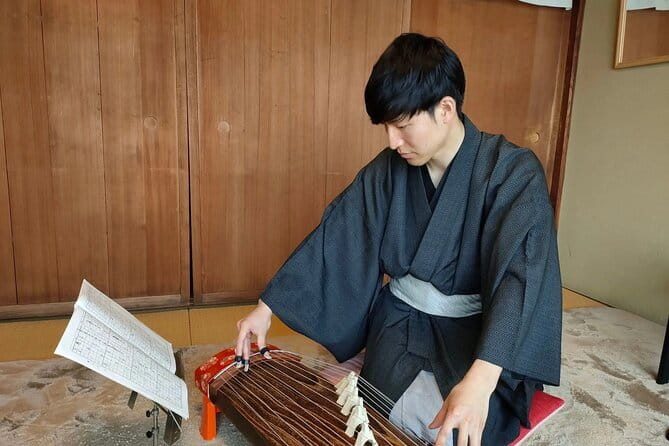
The home venue is the heart of this activity. Gen Home Saiin is not presented as a grand concert hall, and that is precisely the point.
A small domestic setting can make the program feel direct and personal. You are close to the musicians, and the discussion after the performance becomes easier than it would be in a large theater. The musicians are professional performers, but the format does not feel like a distant stage production.
This is also a good way to spend part of a Kyoto afternoon or evening when you want a break from temples and crowded streets. The activity gives you a focused cultural experience without taking up half a day. At roughly 50 minutes, it works well before dinner, between sightseeing stops, or alongside another activity in the Saiin area.
The trade-off is scale. If you want a dramatic theatrical production with elaborate staging, this is not that. The appeal comes from the music, the room, and the chance to talk with the performers. You are paying for closeness and access, not spectacle.
A few more Kyoto half-days worth comparing
- PERFECT KYOTO 1-Day Bus Tour
★ 5.0 · 13,518 reviews - Kyoto: Fushimi Inari, Kinkakuji, Bamboo Grove 1 Day Bus Tour
★ 4.8 · 4,316 reviews - Kyoto: Tea Ceremony in a Traditional Tea House in Kiyomizu
★ 4.9 · 3,519 reviews - Kyoto Geisha Walking Tour: Gion District & Hidden Gems
★ 4.7 · 3,273 reviews
The live performance and the conversation afterward
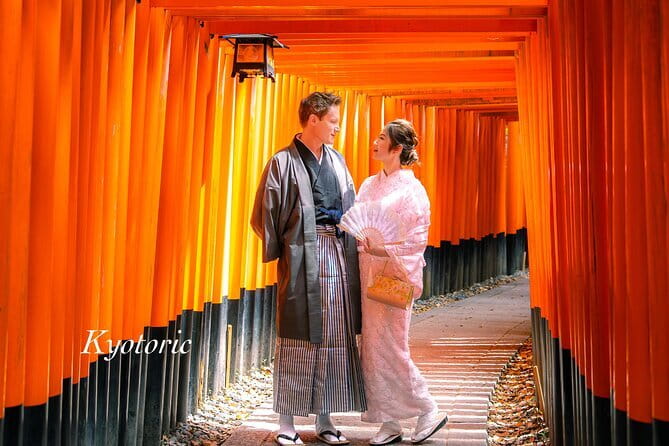
After the introduction, you listen to the live concert. The program includes both classical and contemporary material, with the koto and shamisen at the center.
The short running time keeps the event focused. You are unlikely to feel trapped in a long recital, but the program still has enough room to show different styles. I find that useful in Kyoto, where a day can already include several temples, gardens, markets, and long walks.
The Q&A follows the performance. This is where the experience becomes more than a concert recording brought to life. You can ask about the instruments, the music, and the traditions behind what you have heard. The conversation also gives you a chance to clarify details from the opening explanation.
Photo-taking is included after the concert. That gives you a natural moment to remember the visit and, if you wish, take pictures with the performers and instruments. The experience is structured for interaction, rather than asking you to quietly leave as soon as the final note ends.
The program is offered in English, which is important for anyone who wants the explanations to be part of the value. Without that connection, the activity would still provide music, but the educational side would be much thinner.
The optional hands-on koto session
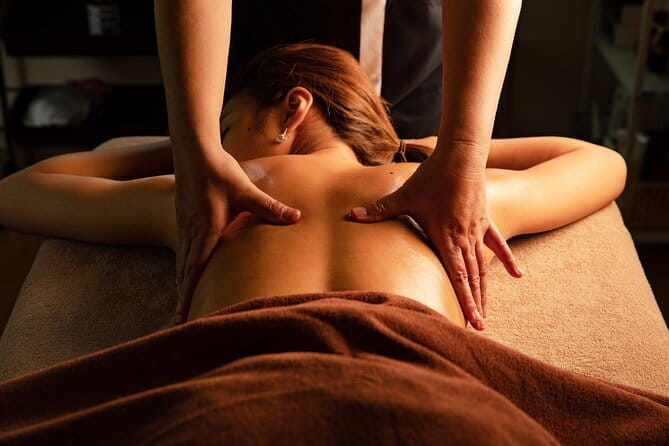
You can upgrade to participate in a hands-on koto session. Instead of only seeing and hearing the instrument, you try playing a simple piece yourself.
This option makes sense for families, curious beginners, and anyone who likes learning by doing. You should not expect a full music lesson or advanced training. The point is to feel how the instrument responds and gain a better understanding of the technique behind the performance.
I would consider the upgrade if this is your main cultural activity in Kyoto. Trying the koto gives you a physical connection to the music, and even a simple piece can make the professional performance seem more impressive. It also gives children and older visitors a clear activity to remember.
If you mainly want to listen, the standard concert should be enough. The hands-on portion is not essential to understand the program, but it adds participation for a modest extra commitment of time.
How the $39.63 price works as a value
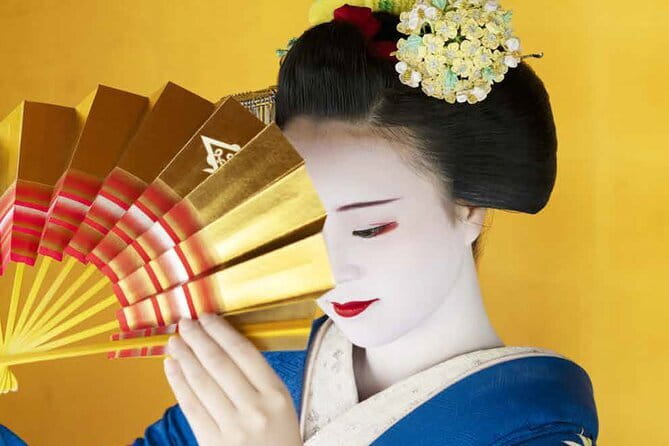
At $39.63 per person, this is not the cheapest way to hear music in Kyoto. It is also not simply an admission ticket to sit in a hall for 50 minutes.
The price covers the live koto and shamisen concert, the instrument explanation, and the access to a Q&A with the professional performers. The home setting adds something you usually cannot get from a public performance: a close encounter with the musicians and their instruments.
I consider the price fair if you value personal contact and clear cultural explanation. You are paying for a small-scale program that combines music, instruction, and conversation. The optional koto session may improve the value further if you want an active experience.
The value is weaker if you are only looking for background entertainment or a cheap evening show. This is a focused cultural appointment, and its worth depends on your interest in Japanese music. Coffee and tea are not included, so plan to handle refreshments separately.
Scheduling, transport, and practical planning
The concert lasts about 50 minutes, and several tour options are available throughout the day. That flexibility is useful in Kyoto, where sightseeing plans often shift around temple opening hours, meals, and train connections.
The experience is near public transportation, but private transportation is not included. You will need to make your own way to Gen Home Saiin. Since the activity takes place at a home, check the meeting information carefully when booking and allow enough time to arrive without rushing.
Mobile tickets make the booking simple to manage on your phone. Confirmation is received at the time of booking, so you can fit the concert into your schedule with a clear start time.
Most people can participate. The supplied information does not describe special access arrangements beyond that, so anyone with particular mobility or seating needs should confirm details before booking.
You can cancel for a full refund if you do so at least 24 hours before the local start time. Changes or cancellations inside that window are not accepted for a refund. That policy is fairly flexible, but it still makes it wise to choose a time you can keep.
The experience is booked, on average, 33 days in advance. That does not guarantee every session will sell out, but it suggests you should reserve ahead if this is important to your Kyoto plans.
Who will enjoy this most
I would recommend this concert to you if you want to understand a little of what you are hearing rather than simply check off a cultural performance.
It suits:
- First-time visitors who want an easy introduction to Japanese instruments
- Music lovers interested in traditional and modern repertoire
- Couples looking for a calm, intimate activity
- Families who may enjoy the optional koto session
- Anyone who prefers small settings to large tourist shows
- Visitors with only an hour to spare in a busy Kyoto schedule
It may be less suitable if you need a long, elaborate production or if you are not interested in listening to instrumental music. The concert is short and focused, with the instruments doing most of the work.
I would also think about the optional session if you are traveling with children. The performance requires quiet attention, while trying the koto gives younger participants a more active role. The exact format of the hands-on option depends on the upgrade you select, but it is designed around playing a simple piece rather than mastering the instrument.
Should you book this Kyoto concert?
Book it if you want a personal introduction to Japanese music in a setting that feels close to daily life rather than built for mass entertainment. The strongest reasons are the home venue, the clear English explanation, the mix of classical and modern compositions, and the chance to speak with the musicians afterward.
The 50-minute length makes it easy to fit into a larger Kyoto itinerary, and the optional koto session gives you a way to take part instead of only watching. At $39.63, I see good value for visitors who care about context and direct contact.
Skip it if your priority is a large concert, dramatic staging, or a very low-cost activity. For everyone else, this is a thoughtful use of one hour, especially if you schedule it early in your trip and then notice koto and shamisen music with sharper ears afterward.
FAQ
Where does the concert take place?
The concert takes place at Gen Home Saiin, a traditional Japanese home in Kyoto that is arranged as a performance space.
How long does the experience last?
The experience lasts approximately 50 minutes.
What instruments will I hear?
You will hear the koto and shamisen, with a short explanation of both instruments before the concert.
What music is performed?
The program can include classical works such as Chidori no Kyoku, Rokudan no Shirabe, and Kajimakura, along with modern and original compositions.
Is there an opportunity to speak with the musicians?
Yes. A Q&A session follows the performance, and photo-taking is also available afterward.
Can I try playing the koto?
Yes. An upgrade is available that lets you try playing a simple piece on the koto.
Is transportation included?
No. Private transportation is not included, although the venue is near public transportation.
Can I cancel for a refund?
Yes. You can receive a full refund if you cancel at least 24 hours before the experience start time. Cancellations or changes made less than 24 hours before the start time are not refunded or accepted.
Just added around Kyoto
- Sekka Cotton Furoshiki Class★ 5.0 · 19 reviews
- Kyoto Sword Experience – includes Museum Ticket/Ninja Experience★ 4.5 · 149 reviews
- Scenic Green Tea Fields of Hidden Kyoto & Local Tea Exp (Private)★ 5.0 · 32 reviews
- Secret Eastern Kyoto Biking Adventure★ 5.0 · 44 reviews
- Private Sake Tasting in Central Kyoto with Sake Sommelier★ 5.0 · 32 reviews
- Samurai School in Kyoto: Samurai for a Day★ 5.0 · 202 reviews
- Samurai Performance and Casual Experience: Kyoto Ticket★ 4.5 · 115 reviews
- SHIRAKAWA Japanese Culture Experiences with private English staff★ 5.0 · 16 reviews
Kyoto Tours, compared.
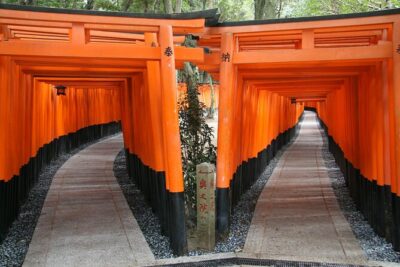

Tea Ceremony in a Traditional Tea House in Kiyomizu
Our verdict →
Kyoto Geisha Walking Tour: Gion District & Hidden Gems
Our verdict →

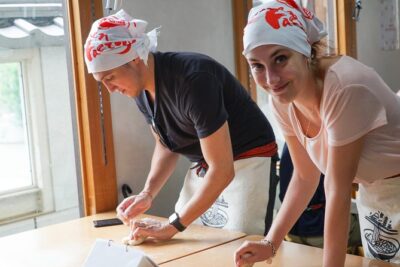

Fushimi Inari Hidden Hiking Tour (Private Option Available)
Our verdict →