
Reviewed · KIMONO & YUKATA EXPERIENCES
Kyoto Portrait Tour with Kimono
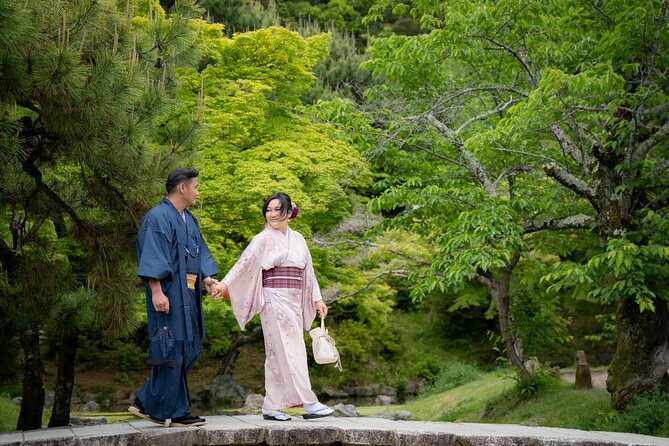
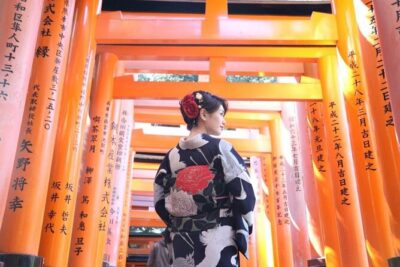
Kyoto’s old streets make a fine studio, and this 90-minute portrait walk gives you more than a few posed shots in front of one landmark. You move through Yasaka Shrine, Maruyama Park, Chion-in, Ishibe Alley, Nene-no-Michi, and Yasaka Pagoda while a local photographer guides your poses and looks for clean angles.
I like two things right away: the small group limit of six, which gives you real camera time, and the choice between morning and afternoon light. I also like that the photographers add short bits of local background rather than treating the experience as a quick photo stop.
The main catch is simple: the kimono costs extra and must be arranged separately. You also need to reach the western gate of Yasaka Shrine on time, then walk through busy historic streets in traditional clothing and footwear.
Key points to know before booking
- Six people maximum: A small group leaves room for individual portraits, couples’ shots, and family photos.
- Six scenic stops: The route links major Kyoto sights with quieter lanes in the Gion and Higashiyama area.
- Kimono is not included: You choose and pay for rental clothing through a separate shop.
- Photographers help with posing: Yuta, Takuma, Mina, Soma, Cocoro, and other local photographers have been praised for patience and direction.
- Edited photos are included: Your finished images are part of the experience, though the total number is not specified.
- Morning or afternoon departure: You can choose the light that suits your plans, clothing, and photo style.
A portrait walk through Kyoto’s old quarters
This experience works best if you want a keepsake that feels connected to Kyoto rather than a studio portrait with a generic backdrop. The route passes through the eastern side of the city, where shrine gates, wooden buildings, stone lanes, gardens, and the Yasaka Pagoda give your photos a strong sense of place.
You are not simply dropped at a landmark and told to smile. The photographer walks with you, suggests poses, watches the background, and looks for moments when a crowd clears. Soma, for example, has been praised for finding quieter viewpoints and making busy scenes look far less crowded in the finished photos.
That matters in Kyoto. Gion and Higashiyama can be full of people, especially during cherry blossom season and autumn color. A photographer who knows where to stand can make a big difference. The route also gives you a brief walking introduction to the area, so the session has some sightseeing value even if the final photographs are your main goal.
The experience lasts about an hour and a half. That is long enough for several settings, but not so long that a rented kimono becomes tiring. Expect a steady walk with regular stops rather than a relaxed afternoon tour.
More Kimono Experiences in Kyoto
- Kimono Tea Ceremony at Kyoto Maikoya, NISHIKI
★ 5.0 · 911 reviews - Kyoto: Kimono Rental with Hairstyling and Accessories
★ 4.8 · 653 reviews - Kyoto: Kimono Tea Ceremony at Orizuruya Gion
★ 4.9 · 618 reviews
Yasaka Shrine starts the session
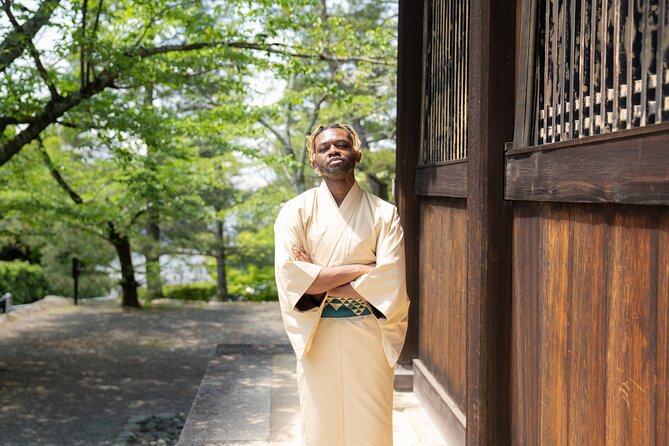
The meeting point is Yasaka Jinja’s Nishiromon Gate, also called the Western Tower Gate, at 625 Gionmachi Kitagawa in Kyoto’s Higashiyama Ward. This is a practical starting place because Yasaka Shrine is one of the area’s best-known traditional landmarks and provides an immediate Kyoto setting.
Your first 20 minutes are spent around the shrine. Expect photographs with shrine architecture and traditional details behind you, along with a short introduction to the site. One useful part of this stop is the chance to settle into the camera before the walk gets underway.
If you have never had professional portraits taken, the first few poses can feel awkward. The photographers who receive the strongest praise, including Yuta, Takuma, Mina, and Cocoro, are described as patient and good at making people comfortable. Yuta has also been praised for explaining how to pose, which is especially useful when a kimono limits your natural range of movement.
The shrine can be busy. You may need to wait briefly for a clean view, and your photographer may shift you a few steps to avoid other people. That is normal for this part of Kyoto, not a flaw in the tour.
Maruyama Park adds gardens and seasonal color
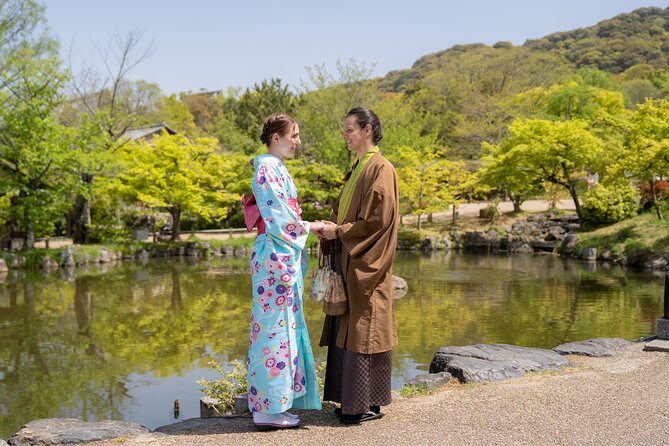
From Yasaka Shrine, the route continues to Maruyama Park for another 20 minutes. It is Kyoto’s oldest park, and its traditional garden style gives the photos a softer setting than the shrine’s gates and buildings.
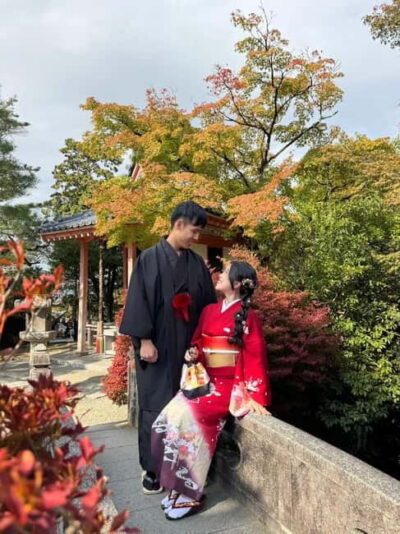
This is particularly appealing in early April, when cherry trees begin to bloom. Autumn can also bring red leaves along the route. The exact conditions depend on the date of your booking, so you should not reserve this solely for seasonal color. Even without blossoms, the park offers greenery, paths, and a change of visual pace.
I like this stop because it gives the photographer room to create different types of portraits. At Yasaka Shrine, the mood is formal and distinctly religious. In Maruyama Park, you can expect more relaxed poses and a garden setting.
The 20-minute timing is enough for a useful series of photographs, but not enough for a long park visit. If you want to stop and explore every path, you will need to return on your own.
Chion-in supplies the grand backdrop
The next 20-minute stop is Chion-in Temple, best known here for its enormous Sanmon Gate. The gate is described as 24 meters tall and 50 meters wide, making it one of the most imposing wooden temple entrances in Japan.
This is where the photographs can take on a more dramatic scale. A kimono portrait against such a large wooden structure gives the image a clear sense of Kyoto’s religious architecture without requiring a long temple visit.
The guide also shares some historical background at this stop. That short explanation adds value for anyone who wants more than a fashion shoot. You get a little context for the place while moving through the route.
Keep in mind that the experience does not list temple admission as an added charge, and the stop is presented as a photo and viewing visit rather than a full tour of Chion-in’s buildings. If you want to see the complete temple grounds, allow separate time before or after the session.
Same trip, a completely different kind of day:
- PERFECT KYOTO 1-Day Bus Tour
★ 5.0 · 13,518 reviews - Kyoto: Fushimi Inari, Kinkakuji, Bamboo Grove 1 Day Bus Tour
★ 4.8 · 4,316 reviews - Kyoto: Tea Ceremony in a Traditional Tea House in Kiyomizu
★ 4.9 · 3,519 reviews - Kyoto Geisha Walking Tour: Gion District & Hidden Gems
★ 4.7 · 3,273 reviews
Ishibe Alley brings the old-street atmosphere
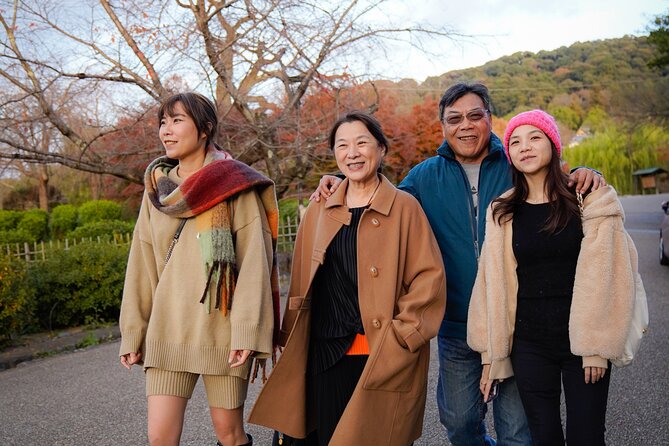
The route then turns toward Ishibe Alley for about 10 minutes. This narrow lane is surrounded by traditional architecture and provides a more intimate background than the large shrine and temple gates.
This is one of the most useful stops for people who want their photos to feel less like standard sightseeing pictures. The lane’s scale brings the camera closer to the textures of old Kyoto: walls, paving, wooden facades, and a more enclosed street view.
There is an important practical detail here. Ishibe Alley is the only stop specifically marked with an admission charge not included, though the supplied information does not state the amount. Ask the operator for clarification if this concerns you. Do not assume your photo-tour price covers every possible access fee.
Because the stop lasts only 10 minutes, the photographer will work efficiently. You should arrive ready to walk and pose rather than expecting time to browse shops or linger.
Nene-no-Michi slows the pace
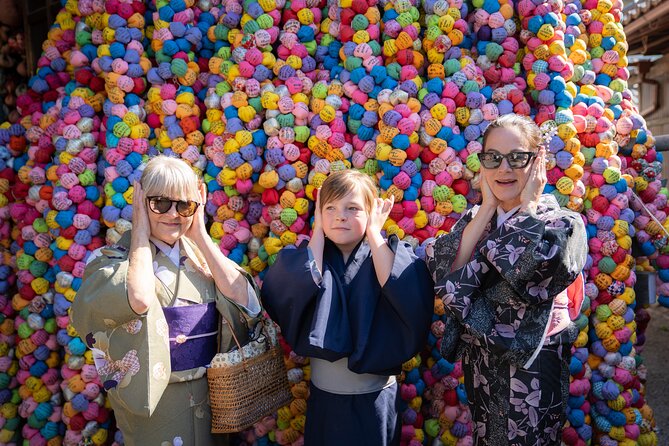
Nene-no-Michi, or Nene Road, is another 10-minute stop. Its flagstone walkway passes close to Kodaiji and is known for its traditional atmosphere. In autumn, red leaves can add color, while the stone surface and older buildings provide a classic Higashiyama setting at any time of year.
This is a good place for walking portraits. Instead of standing in one spot, you may be photographed moving along the road, looking toward a building, or pausing beside the stone path. The short stop also keeps the session varied.
The road is popular, so you should expect other people. A skilled photographer may wait for a gap or frame you tightly, but no photographer can guarantee an empty lane. This is one reason the smaller group size matters. Six people are much easier to position than a large party.
Yasaka Pagoda ends the walk
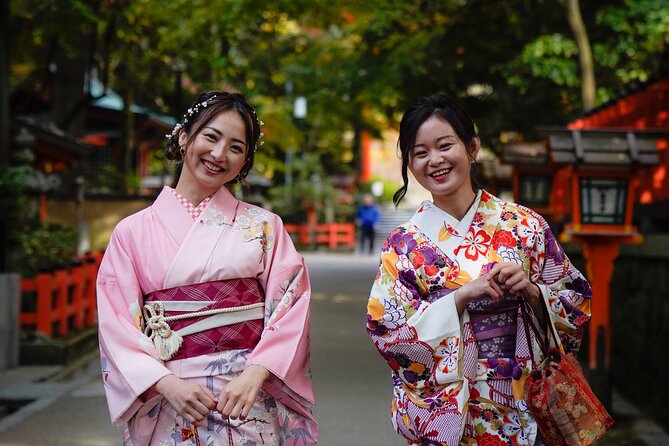
The final stop is Yasakanoto, better known as Yasaka Pagoda. The five-story pagoda is one of Kyoto’s most recognizable landmarks and gives the session a strong closing image.
The tour finishes in front of the pagoda, then the guide provides travel tips for the surrounding area. This is helpful if you plan to continue toward other Higashiyama sights after the photographs. It also makes the endpoint practical: you are not returned to the starting gate, but left near one of Kyoto’s most useful sightseeing areas.
The last 10 minutes are brief, so think of the pagoda as a final portrait setting rather than a full temple visit. You will get the landmark in your photographs, but you may want extra time afterward to explore the area at your own speed.
What the photographers add
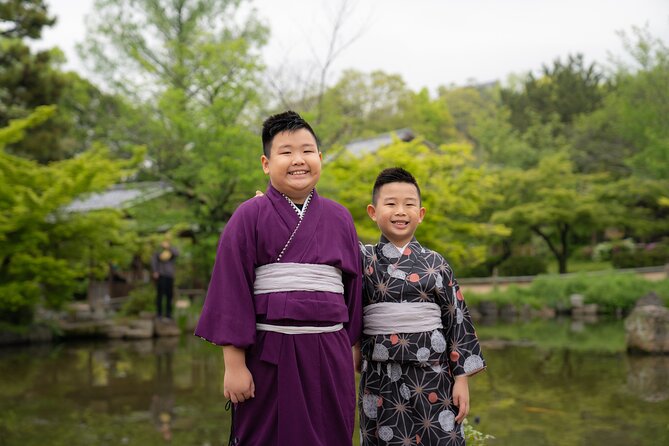
The photographer is the heart of this experience. The supplied information names several people who have led sessions, including Yuta, Takuma, Mina, Soma, Cocoro, and Andy Yu Lei. Assignments can vary, so you should not assume you will receive a particular person unless the booking process confirms it.
The strongest pattern is personal guidance. Yuta has been praised for explaining poses and waiting for people to move out of the frame. Takuma has been described as friendly, patient, and comfortable to work with, even when a group had limited time before a train. Mina has been praised for choosing good angles and responding after the session when edited photographs were delivered.
Cocoro has been described as punctual, efficient, and easy to chat with. One portrait session with her produced more than 60 images, though that number is not a guarantee for every booking. Soma has been praised for his English, local suggestions, sense of humor, and ability to find less crowded viewpoints.
This range of feedback tells you what to value: clear posing help, patience, local route knowledge, and quick communication. If you are camera-shy, say so at the start. If you have a favorite street or pose, mention it. One useful feature of the experience is that the photographer can respond to your preferences rather than forcing every group into the same set of poses.
Kimono planning is your responsibility
The tour price is $85.87 per person, but it does not include a kimono. You arrange clothing through the rental shop of your choice, giving you more control over color, style, and budget. It also means the advertised price is not your complete cost if you want the full kimono look.
Plan the timing carefully. You need to be dressed and at Yasaka Shrine’s western gate when the session begins. The provided details do not state a specific rental shop, dressing time, or return procedure, so confirm those points before paying for clothing.
Comfort matters. A traditional outfit can look wonderful in photographs, but walking between six stops takes effort. Choose footwear you can manage on stone paths, and allow enough time to reach the meeting point without rushing. Your photographer can take care of framing, but you need to arrive ready for the walk.
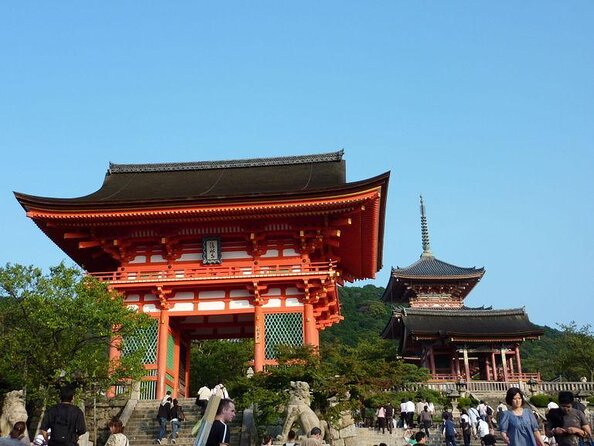
The tour also works without a kimono if you prefer ordinary clothing, since the clothing itself is not included or required in the stated terms. Still, the route’s traditional settings pair naturally with Japanese dress.
Is $85.87 good value?
At $85.87 per person, the price is reasonable if you want both professional portraits and a short guided walk through Gion and Higashiyama. You are paying for a photographer’s time, route selection, posing help, local commentary, and edited photos, not simply entrance to a set of attractions.
The value improves for solo visitors. A person traveling alone may have plenty of phone snapshots but few polished portraits. This service solves that problem directly. It also suits couples and small families who want photographs together without handing a camera to strangers.
The value is less clear if your main goal is a full cultural tour, a long temple visit, or a formal kimono rental package. The session is short, several stops last only 10 minutes, and the kimono must be purchased separately.
A maximum of six people is a good middle ground. You get a social experience without the large-group delays that can turn a photo session into a waiting exercise. If your party is larger than six, expect to book separately or choose another format.
Timing, meeting point, and cancellation
The experience offers morning and afternoon sessions, letting you choose between different light and fit it around your Kyoto plans. Morning may suit you if you want a cooler walk and an earlier start, while afternoon may work better if you need time for a kimono fitting first. The information does not promise a particular type of light, so treat this as a scheduling choice rather than a guarantee of golden-hour photographs.
You meet at Yasaka Jinja Nishiromon Gate and finish at Hōkan-ji Temple, in front of Yasaka Pagoda. Both points are in Kyoto’s Higashiyama Ward and are near public transportation. Check the exact gate name before setting out, since Yasaka Shrine has more than one entrance.
Confirmation is received at booking. Most people can participate, and service animals are allowed. You may cancel for a full refund up to 24 hours before the local start time. Cancellations or changes made less than 24 hours ahead are not accepted for a refund.
Who should book this Kyoto portrait tour?
I would choose this experience if you want polished photographs without spending half a day in a studio. It is especially well suited to:
- Solo visitors who want portraits in a kimono
- Couples seeking photographs in Kyoto’s historic districts
- Small families who want group and individual images
- First-time portrait subjects who need pose direction
- Visitors with only 90 minutes for a photo session and short walk
- Anyone who prefers local streets and shrine settings over a staged backdrop
I would think twice if you dislike being photographed, need wheelchair-friendly route details that are not provided, or want a detailed temple tour. The route includes stone paths, narrow historic lanes, and several short walking sections, but the supplied information does not give a full accessibility assessment.
Should you book it?
Book this tour if the photographs are your main goal and you are willing to arrange a kimono separately. The best features are the small group size, the varied route, and the hands-on help with posing. You also get edited images and a practical introduction to one of Kyoto’s most photogenic areas.
Before booking, confirm the kimono plan, meeting time, expected photo delivery, and any access charge connected with Ishibe Alley. If you do that homework, the $85.87 fee offers solid value for a personal Kyoto keepsake, especially for solo visitors and couples.
FAQ
Is the kimono included in the tour price?
No. The kimono is not included. You can choose a kimono from the rental shop you prefer and pay for it separately.
How long does the experience last?
The portrait walk lasts approximately 1 hour and 30 minutes.
How many people can join the tour?
The tour has a maximum of six participants.
Where does the tour begin?
The meeting point is Yasaka Jinja Nishiromon Gate, the Western Tower Gate, at 625 Gionmachi Kitagawa in Kyoto’s Higashiyama Ward.
Where does the tour finish?
The experience ends in front of Yasaka Pagoda at Hōkan-ji Temple. The guide also provides travel tips for the surrounding area.
Are edited photographs included?
Yes. Professional edited photos and a guide are included. The exact number of photographs is not specified.
Can I cancel for a full refund?
Yes. You can cancel at least 24 hours before the local start time for a full refund. Cancellations or changes made less than 24 hours before the start are not accepted for a refund.
Just added around Kyoto
- Sekka Cotton Furoshiki Class★ 5.0 · 19 reviews
- Kyoto Sword Experience – includes Museum Ticket/Ninja Experience★ 4.5 · 149 reviews
- Scenic Green Tea Fields of Hidden Kyoto & Local Tea Exp (Private)★ 5.0 · 32 reviews
- Secret Eastern Kyoto Biking Adventure★ 5.0 · 44 reviews
- Private Sake Tasting in Central Kyoto with Sake Sommelier★ 5.0 · 32 reviews
- Samurai School in Kyoto: Samurai for a Day★ 5.0 · 202 reviews
- SHIRAKAWA Japanese Culture Experiences with private English staff★ 5.0 · 16 reviews
- A Privately Guided Photoshoot in Beautiful Kyoto by a Pro★ 5.0 · 18 reviews
Kimono & Yukata Experiences, compared.

Sumo Show & Experience w/ Optional Kimono & Hot Pot
Our verdict →
Family-Friendly Kimono & Yukata Experience at WARGO
Our verdict →
Browse the lists this tour appears in