
Reviewed · KAMAKURA TOURS
Kamakura Half Day Tour with a Local Expert Guide
Kamakura’s old shrines, Zen temples, gardens, and sea views make it one of the best easy day trips from Tokyo. This private four-hour walk gives you a local guide and a flexible route, with Tsurugaoka Hachimangu Shrine and the Great Buddha among the likely highlights. I like the chance to trade a standard checklist for a small Zen temple or a meal picked to suit your tastes. I also like the choice of English, Japanese, or French guides.
The main catch is value. At $87 per person, you still pay for trains, temple and park admission, food, and drinks. If you choose Tokyo pickup, your guide helps you use public transport rather than providing a car, so independent visitors who are comfortable with Kamakura’s trains and maps may find the price hard to justify.
Key points to know before booking
- A private walking tour: Your guide can adjust the pace and route to your interests rather than following a fixed group schedule.
- Tokyo pickup is not private transport: The guide meets you and helps with the journey, but train fares and other transport costs are extra.
- Major Kamakura sights are within reach: Tsurugaoka Hachimangu Shrine, Zen temples, gardens, scenic streets, and the Great Buddha may fit into the visit.
- French, English, and Japanese are available: French-speaking guide Raphaël has helped several visitors shape a flexible outing.
- The $87 price covers guiding, not the whole day: Add admissions, transport, and meals when comparing the cost with an independent visit.
- Four hours goes quickly: You will need to choose between several major sights or accept a brisker pace.
Why Kamakura works so well in half a day
Kamakura gives you a striking change of pace from Tokyo. The city is known for Shinto shrines, Zen temples, old religious sites, gardens, and wooded hills, all packed into a place that can be reached from the capital by train.
That compact layout makes a four-hour tour possible, but it also creates a planning problem. Kamakura has more than enough sights for a full day. A private guide can help you decide what matters most, but you should arrive with a clear wish list.
If you want the city’s famous sights, the route may focus on Tsurugaoka Hachimangu Shrine and the Great Buddha. If you have already seen the main attractions, you can ask for quieter temple grounds, garden time, or help finding a local restaurant. The route can be customized, which is the strongest reason to choose this experience over a standard group tour.
I would tell you to pick two or three priorities before meeting your guide. For example, you might choose the shrine, one Zen temple, and the Great Buddha. Trying to cover every important site in four hours can turn a pleasant walk into a race.
A few more Kamakura half-days worth comparing
- Tokyo: Kamakura & Enoshima Day Trip including Temple Tickets
★ 4.5 · 1,375 reviews - From Tokyo: Kamakura & Enoshima 1-Day Bus Tour
★ 4.5 · 189 reviews - Kamakura Historical Walking Tour with the Great Buddha
★ 5.0 · 129 reviews
Tsurugaoka Hachimangu Shrine and Kamakura’s historic center
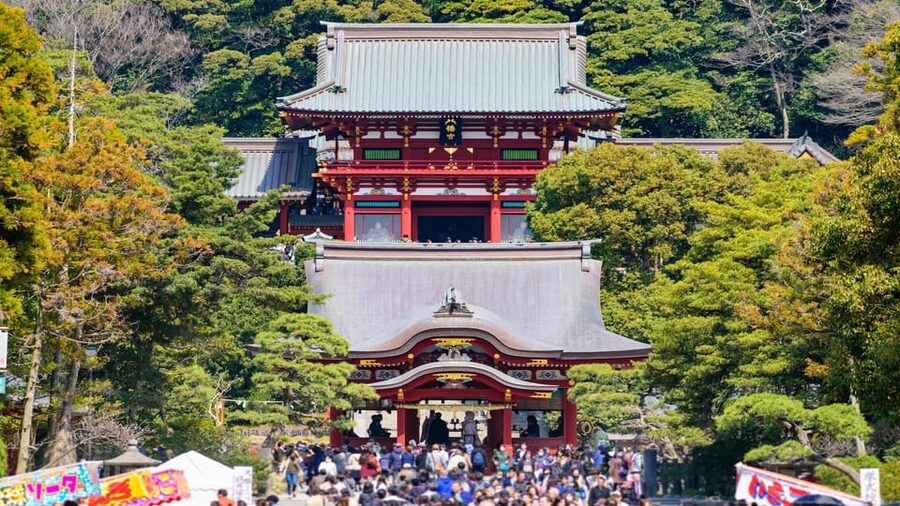
Tsurugaoka Hachimangu Shrine is one of the natural anchors for a Kamakura visit. Its approach, steps, gates, open grounds, and religious buildings give you a useful introduction to the city’s past and present.
A local guide can explain how the shrine fits into Kamakura’s role as a major center of Japanese political and religious life. That context matters. Without it, you may see a grand stairway, red structures, and worshippers, but miss how the site connects to the city around it.
The shrine is also a practical starting point because it sits near shops, streets, and other central sights. You can walk through the area while your guide points out details you might otherwise pass without notice.
Keep your expectations sensible. This is a walking tour, not a private vehicle tour, and temple or shrine visits take time. If you linger at the shrine, you may need to give up another stop or shorten your time at the Great Buddha.
Zen temples, gardens, and the quieter side of Kamakura
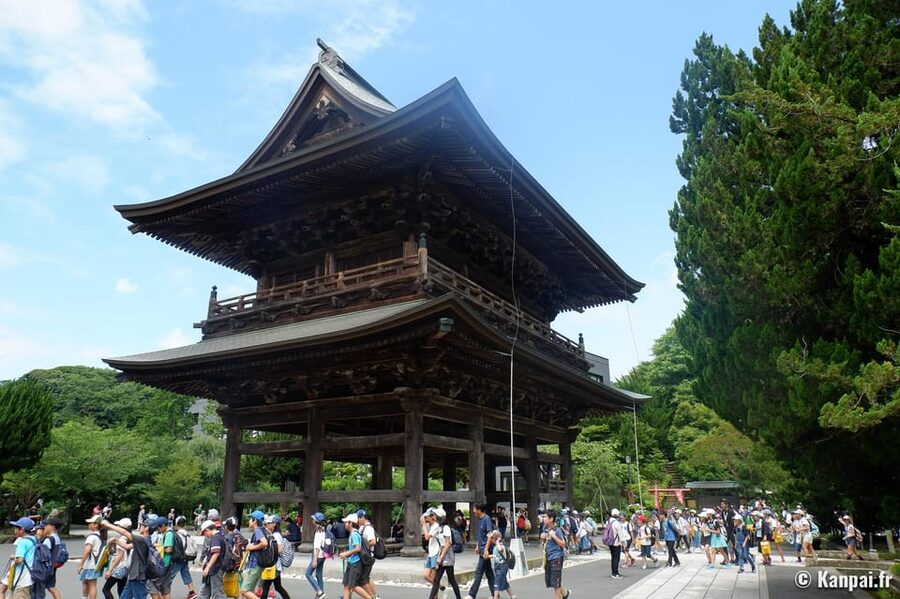
The tour’s best moments may come away from Kamakura’s most famous names. One booking included a small Zen temple chosen instead of a more standard tourist stop, and that kind of adjustment is exactly where a private guide can earn the fee.
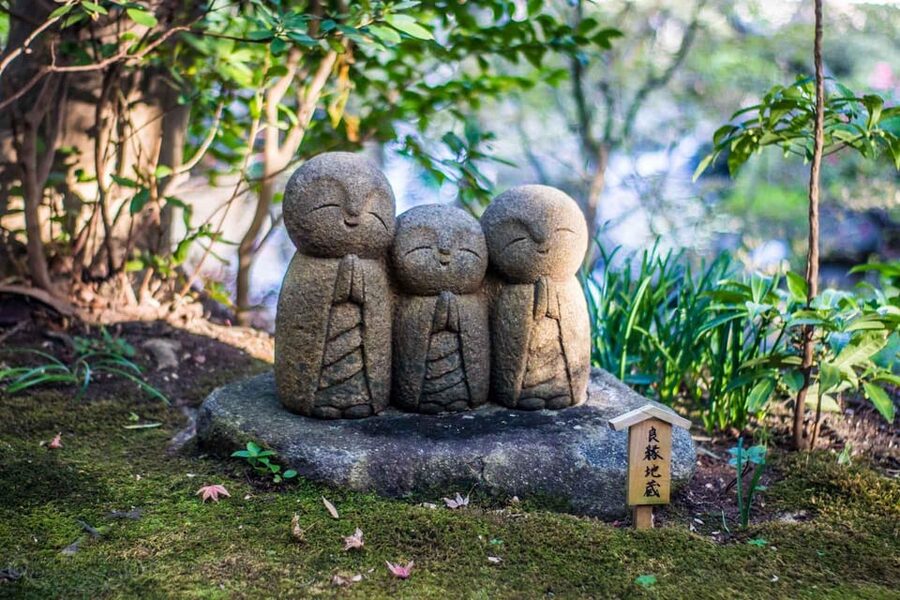
Kamakura’s Zen temples are often valued for their calm grounds, simple design, and gardens. You may find stone paths, carefully arranged planting, gates, and places set apart from the city streets. The supplied details do not promise a specific temple, so ask your guide before the walk begins which Zen site fits your interests and the available time.
I like this part of the tour for visitors who want more than a quick photograph. A guide can help you slow down and notice the relationship between the buildings, gardens, and surrounding hills. You can also ask for explanations of Buddhist practice, temple customs, or the differences between a Shinto shrine and a Buddhist temple.
There is one limitation. Not every guide will have the same level of expertise on specialized questions. One booking found the guide friendly and helpful but less prepared for detailed historical points. If you have an academic interest in Zen, Japanese religious history, or architecture, send your questions in advance and ask for a guide suited to that focus.
The Great Buddha and the case for setting priorities
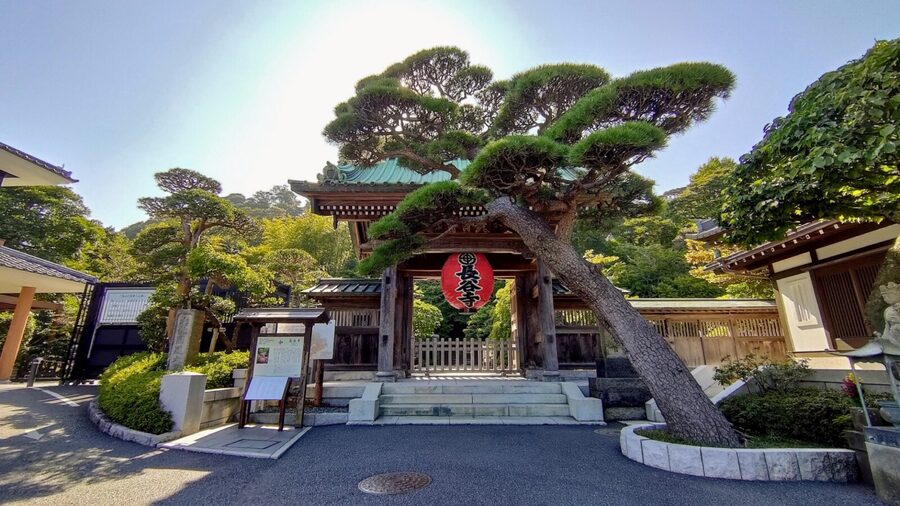
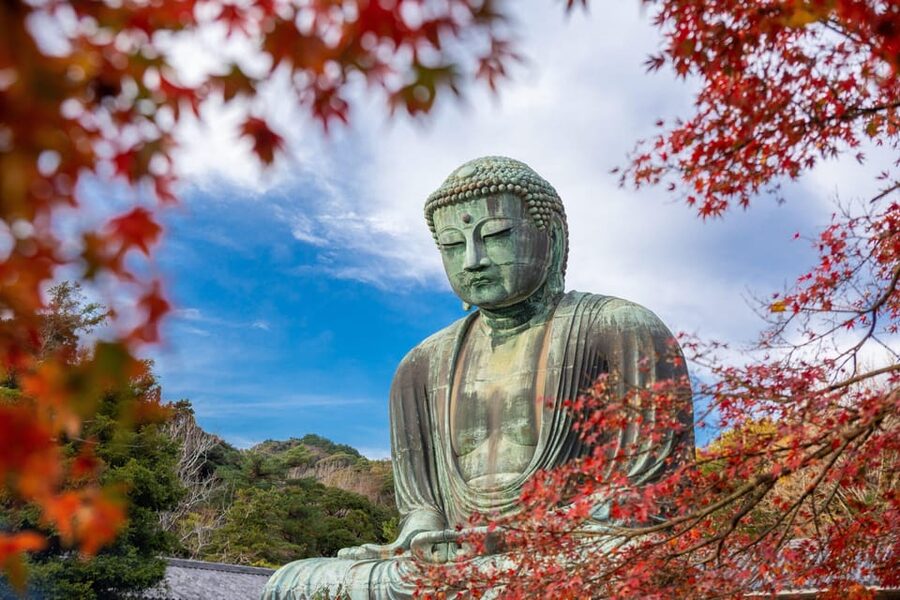
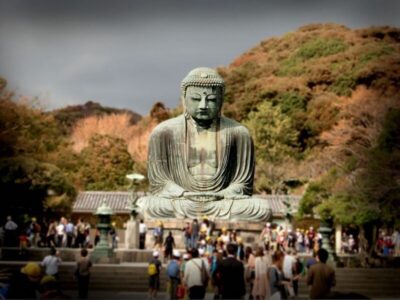
The Great Buddha is one of Kamakura’s best-known sights and may be included in a route built around the city’s headline attractions. Its scale gives you a strong visual moment, especially after spending time among smaller temple buildings and gardens.
Admission to parks and temples is not included, so plan for extra costs. The activity price covers the walking guide, but not entry tickets. Your guide can help you reach the site and explain what you are seeing, yet the entrance fee remains yours to pay.
A four-hour visit can include the Great Buddha and Tsurugaoka Hachimangu Shrine, but the exact balance depends on your starting point. Meeting in Kamakura gives you more sightseeing time. Meeting in Tokyo adds the journey to Kamakura, and the guide may spend part of the appointment helping you use the train system.
That distinction matters. One visitor who paid extra for Tokyo pickup expected transport and instead received help finding the right trains. The guide was described as pleasant and informative, but the arrangement felt poor value because the route covered only a shrine and the Buddha. If you book from Tokyo, confirm exactly how much of the four hours will be spent traveling.
More Guided Tours in Kamakura:
- Kamakura 8 hr Private Walking Tour with Licensed Guide from Tokyo
★ 5.0 · 80 reviews - Kamakura: Private Guided Walking Tour with Local Guide
★ 4.8 · 60 reviews - Kamakura 4hr Private Trip with Government-Licensed Guide
★ 5.0 · 58 reviews - From Tokyo: Kamakura Full Day Tour with a Local Expert Guide
★ 4.6 · 43 reviews
What a private guide adds to the walk
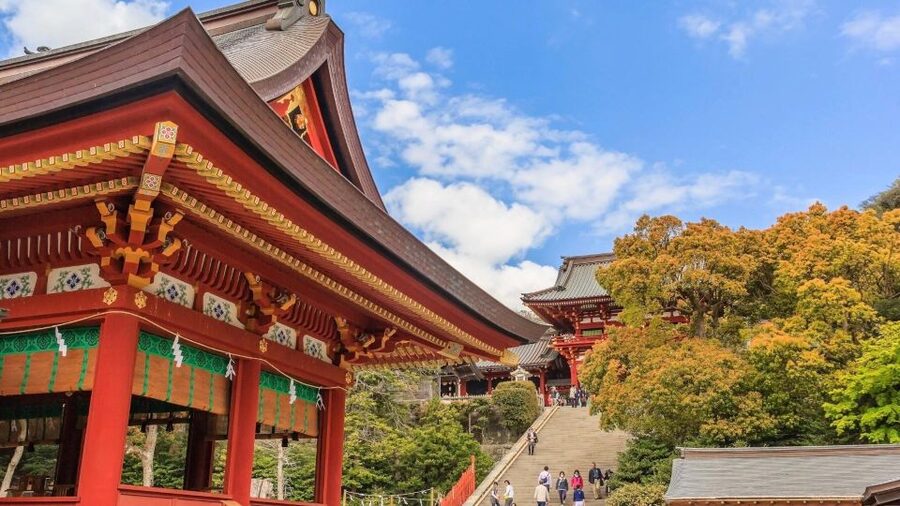
A private guide can make Kamakura easier to handle. You do not need to keep pace with a large group, and you can ask to slow down, change the focus, or spend more time at a temple.
The guides also bring practical local help. Raphaël, also written as Rafael in the booking details, adapted one visit to the time available and the group’s interests. He also helped find a restaurant for dinner based on the diners’ requests. That kind of assistance can be more useful than another fact about a shrine.
French-speaking support is a real advantage for francophone visitors. English and Japanese are also offered. Guide Flo was described as kind and very helpful, though still learning about some locations. You should see the guide as a local companion and interpreter, not automatically as a specialist in every part of Kamakura’s past.
There is also no need to expect a private car. The meeting is on foot at your hotel or another agreed location, and public transportation costs are separate. The guide can help keep those costs low, but you still need a transport budget.
Tokyo pickup or Kamakura meeting point?
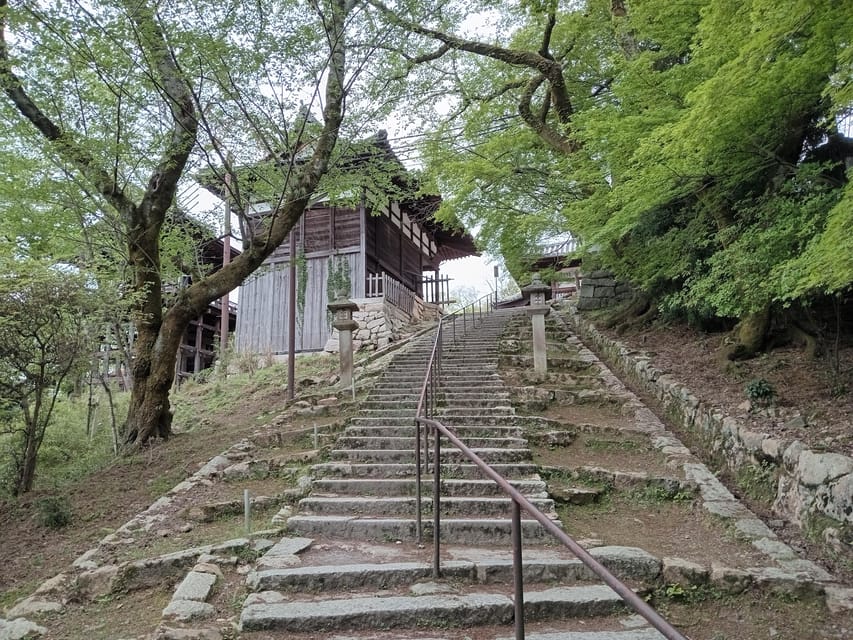
You have two basic choices: meet in Tokyo or meet in Kamakura. The better option depends on what you want from the four hours.
A Tokyo meeting point is convenient if you want help with the trip or are nervous about using Japanese trains. The guide can show you which trains to take and help you get oriented. The downside is time. A round trip between Tokyo and Kamakura can consume a sizeable part of a half-day appointment, and you pay the transport costs for yourself and the guide.
Meeting in Kamakura gives you the full walking period in the city. It is the better value if you already know how to reach the area or are comfortable arranging the train yourself. It also makes it easier to include several sites without hurrying.
Before booking, ask three direct questions:
- Where exactly will we meet?
- Does the four-hour clock begin in Tokyo or in Kamakura?
- Which transport and admission costs should I expect to pay?
Those answers will tell you far more about the real value than the headline price.
How much value do you get for $87?
The listed price is $87 per person. For a private guide, that can be reasonable if you value personal attention, language support, local advice, and a route built around your interests.
The calculation changes for two reasons. First, the listed price does not include transportation, food, drinks, or admission to parks and temples. Second, the guide does not provide a private car. If you are traveling alone, the per-person cost feels higher. If you are sharing the tour with family or friends, the private format may make more sense.
You can visit Kamakura independently for much less. Train fares and entry tickets are the main unavoidable costs, while maps and signs can help you find the major sites. The paid tour earns its keep when you want help choosing between many temples, communicating in another language, learning more as you walk, or finding a less obvious stop.
It is less convincing if you only want to see the shrine and Great Buddha. Those sights can be visited without a guide, particularly if you are comfortable using public transportation. The private format is best for people who want conversation and flexibility, not simply transport from one famous site to another.
Walking pace, access, and practical comfort
This is a walking tour, so wear comfortable shoes and leave room in your schedule for steps, paths, and pauses. The supplied activity information lists the experience as wheelchair accessible, but the route can be customized, so discuss your needs when arranging the meeting point and sights.
Kamakura’s religious sites may include uneven or sloped areas, and the exact route is not fixed in the information provided. Ask the guide which temples and gardens are most suitable for your mobility needs before the day begins.
The tour lasts four hours and can start at various times, depending on availability. A morning start may leave you time for lunch afterward, while an afternoon visit can pair well with dinner in Kamakura or Tokyo. Food and drinks are not included, but your guide can help you look for a restaurant if you ask.
The activity is not suitable for people over 95. That is an unusually specific restriction, so check it carefully if it affects someone in your party.
Who will get the most from this Kamakura tour?
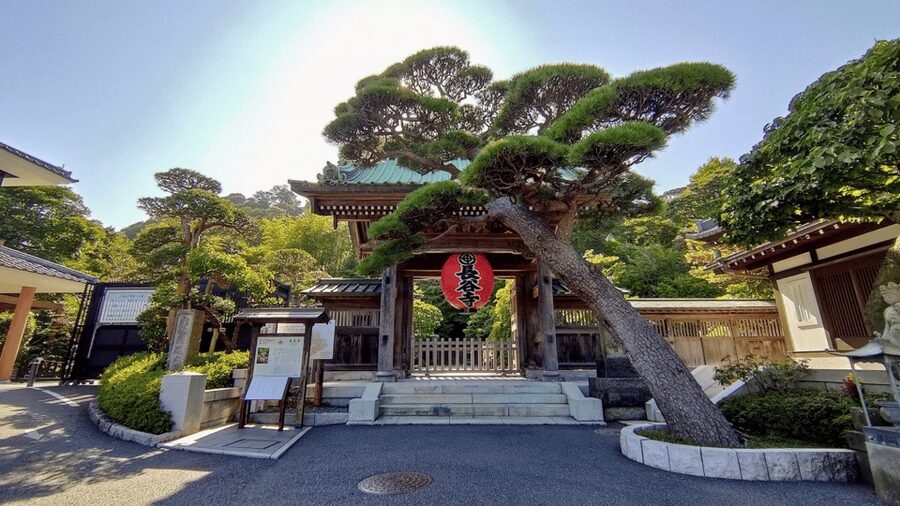
I would choose this tour for a first visit when I wanted help making sense of several different religious sites. It also suits families or couples who prefer a private pace and do not want to follow a fixed group schedule.
It can work especially well for:
- Visitors who want a flexible route rather than a standard sightseeing circuit
- Francophone visitors seeking a French-speaking guide
- People who want advice on restaurants and local areas
- Visitors with limited time who need help choosing between Kamakura’s many sights
- Anyone interested in temples, shrines, gardens, and Kamakura’s past
I would be more cautious if your main goal is simply reaching the Great Buddha. You can arrange that independently, and paying $87 per person plus transport and admission may not feel worthwhile.
I would also ask detailed questions if you want expert-level answers about a narrow subject. The guides can be warm, adaptable, and useful, but the available feedback shows that their depth may vary by location and topic. A friendly guide who helps you enjoy the day is not always a specialist historian.
Is the four-hour format enough?
Yes, if you keep the plan tight. Choose the shrine and one or two other priorities, then let the guide shape the order. A focused route can give you a good first look at Kamakura without turning the day into a checklist.
No, if you want to explore many temple grounds, eat a relaxed meal, visit the Great Buddha, and spend time in several gardens. In that case, ask about extending the tour or plan to continue independently afterward.
The biggest mistake is treating four hours as a full Kamakura day. It is better viewed as a guided introduction, with enough time for major highlights and one personal interest.
Should you book it?
Book this tour if you want a private local guide, a flexible route, and help connecting Kamakura’s shrines, Zen temples, gardens, and food options. It is particularly appealing if you prefer English, Japanese, or French support and want to move at your own pace.
Skip it if you are comfortable with trains, maps, and independent sightseeing, especially if you only want the Great Buddha and Tsurugaoka Hachimangu Shrine. The $87 fee can be fair for personal guidance, but it is not an all-inclusive day tour, and Tokyo pickup does not mean private transportation.
If you do book, meet in Kamakura when possible, name your top two or three interests, and confirm the transport and admission costs before you start. That simple planning will give this flexible tour its best chance to feel personal rather than expensive.
FAQ
How long does the Kamakura tour last?
The tour lasts four hours.
Where can the tour begin?
You can arrange pickup in Tokyo or Kamakura. The guide meets you at your hotel or another agreed location on foot.
Does the tour provide a private car?
No. This is a walking tour, and the activity does not include private car service.
Are transportation costs included?
No. You pay transportation costs for yourself and the guide separately. The guide can help keep those costs as low as possible.
Are food and drinks included?
No. Food and drinks are not included in the tour price.
Are temple and park admission fees included?
No. Admission to parks and temples is an additional cost.
Which languages are available?
Live guides are available in English, Japanese, and French.
Is this a private group tour?
Yes. The activity is offered for a private group.
Can the tour be canceled for a full refund?
Yes. You can cancel up to 24 hours in advance for a full refund.
Is the tour wheelchair accessible?
The activity is listed as wheelchair accessible. Since it is a walking tour with a customizable route, discuss your access needs with the provider in advance.
Is the tour suitable for someone over 95?
No. The activity is listed as unsuitable for people over 95.
Just added around Kamakura
- First time in Kamakura? Enjoy a Tour of All Must-sees!★ 5.0 · 15 reviews
- Your Own HANKO Name Seal Activity in Kamakura.★ 5.0 · 24 reviews
- Kamakura Tours Half Day or Full Day Tours with a local guide.★ 5.0 · 12 reviews
- Buddha, Bamboo & Zen – Bespoke Kamakura Private Walking Tours★ 5.0 · 25 reviews
- Exciting Kamakura – One Day Tour from Tokyo★ 5.0 · 40 reviews
- Kamakura Bamboo Forest and Great Buddha Private Tour★ 5.0 · 12 reviews
- Tokyo Yokohama Night View Tour With Kamakura And Enoshima★ 3.5 · 14 reviews
- Tokyo: Day Trip to Kamakura in Spanish – Spanish★ 4.9 · 22 reviews
Kamakura Tours, compared.
Kamakura & Enoshima Day Trip including Temple Tickets
Our verdict →
Kamakura Historical Walking Tour with the Great Buddha
Our verdict →
Kamakura 8 hr Private Walking Tour with Licensed Guide from Tokyo
Our verdict →
Kamakura Private & Customizable Tour – All-in-One Experience
Our verdict →
Browse the lists this tour appears in