
Reviewed · KAMAKURA TOURS
Kamakura: A Journey Through Medieval Japan
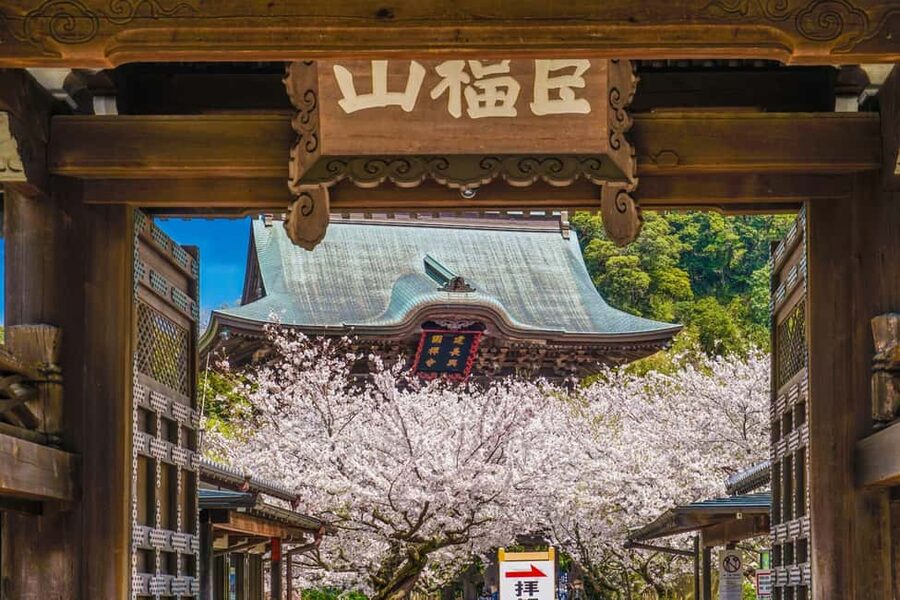
Kamakura gives you Japan’s samurai past, Zen temples, and seaside escape in one compact day trip from Tokyo. The best part is the contrast: quiet temple grounds at Engaku-ji, grand ceremony at Tsurugaoka Hachimangu, and the serene bronze Great Buddha. John’s storytelling ties these places together instead of leaving you with a string of disconnected photo stops.
I like the smart use of trains and buses, which lets you cover more ground without turning the day into a march. I also like the chance to eat shojin-ryori, Buddhist vegetarian food, rather than settling for a routine tourist lunch. The main drawback is simple: this remains a walking tour with stairs and uneven temple paths, so it is not suitable for wheelchair users or people with major mobility limits.
Key points at a glance
- Engaku-ji sets the tone: Learn how Zen shaped religion, politics, art, and samurai culture.
- Tokei-ji adds a human story: This former nunnery became a refuge and pilgrimage site for women.
- The route covers Kamakura’s essential sights: You visit Tsurugaoka Hachimangu and the Great Buddha in one well-paced outing.
- The eight-hour option reaches Enoshima: The island blends religious sites, seaside views, family amusements, and old-fashioned kitsch.
- John is the key strength: He explains history clearly, adjusts plans for your group, and helps with public transport and food choices.
- Costs stay fairly clear: The $35 guide fee is separate from roughly 800 to 1,500 yen in entry fees, transport, and lunch.
Why Kamakura makes such a good break from Tokyo
Kamakura was the seat of Japan’s first warrior government about 900 years ago, during the Kamakura Period. That fact gives the town a special character. You are not just visiting old religious buildings. You are walking through the place where samurai power, Zen Buddhism, court traditions, and local worship met.
Today, Kamakura is also a favorite summer escape for people from Tokyo. The town offers temples, shrines, wooded paths, and access to the sea. That mix makes it more varied than a single-site day trip, but it can also make planning awkward. The sights are spread across different neighborhoods, and the most useful routes involve local trains and buses.
That is where John’s role matters. He guides in English, explains the background in plain terms, and knows how to connect the main sights without wasting your time. Several visitors specifically praised his storytelling, humor, flexibility, and ability to adjust the pace for groups. One group of six managed the major sights in half a day, while another received a customized route and help finding a gluten-free lunch.
The experience is available as a private or small-group tour. That gives you more room to ask questions, change the pace, or request a different balance of temples, food, photographs, and seaside scenery.
A few more Kamakura half-days worth comparing
- Tokyo: Kamakura & Enoshima Day Trip including Temple Tickets
★ 4.5 · 1,375 reviews - From Tokyo: Kamakura & Enoshima 1-Day Bus Tour
★ 4.5 · 189 reviews - Kamakura Historical Walking Tour with the Great Buddha
★ 5.0 · 129 reviews
Starting at Kita-Kamakura and entering Zen at Engaku-ji
Meet John outside the East Exit of Kita-Kamakura Station. The station is small and easy to read, a welcome change after Tokyo’s huge rail hubs. Starting here also places you close to one of Kamakura’s most important Zen temples.
Engaku-ji is the first major stop, with about an hour set aside for the visit. The temple is a good opening because it introduces the ideas that shaped much of Kamakura’s religious and cultural life. John explains Zen’s connection with Japanese politics, art, and daily practice, so the temple feels like more than a collection of halls and gardens.
The setting also helps. After the noise and density of Tokyo, Engaku-ji offers a slower beginning. You can focus on the architecture, grounds, and religious atmosphere before moving into the busier center of town.
You should allow for walking on temple paths and expect some uneven surfaces. There are places to sit along the route, and the tour does not require you to walk every segment between sights. Still, this is not a gentle, step-free museum visit. Comfortable shoes are essential.
Tokei-ji and the stories beyond samurai battles
The short visit to Tokei-ji lasts about 15 minutes, but it adds an important layer to the day. This former nunnery became a pilgrimage destination for women from across Japan. Its story helps balance the usual focus on shoguns, warriors, and male political power.
I like this stop because it shows how religious institutions could serve different communities and needs. It also prevents the tour from becoming a simple parade of famous buildings. The brief time here means you will not get an exhaustive visit, but John can explain why the site matters and how it fits into Kamakura’s wider story.
This is also a useful point to check the day’s pace. If you are on the four-hour route, the group needs to keep moving. If you have booked the longer option, the schedule allows more breathing room, lunch, and the Enoshima extension.
Shojin-ryori gives lunch a sense of place
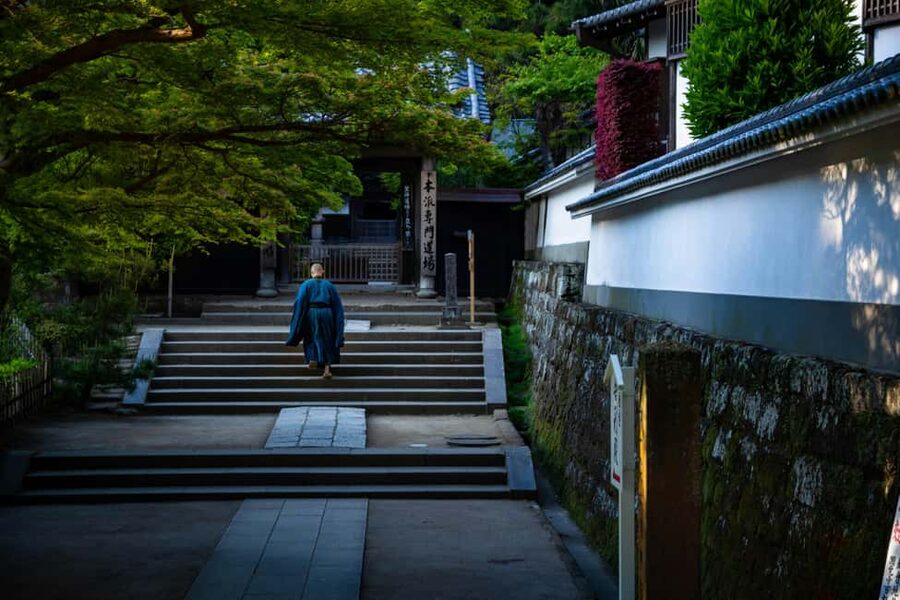
For the eight-hour tour, lunch usually includes shojin-ryori, the vegetarian food associated with Buddhist monks. This is one of the most distinctive features of the experience. Instead of treating lunch as a gap between attractions, you get a meal linked to the religious traditions you have been learning about.
The price is about 1,000 yen per person, and lunch is paid separately. The food is vegetarian, and vegan arrangements can be made if you tell John in advance. A gluten-free lunch was also arranged for one person with celiac disease, so you should share dietary needs before the tour rather than trying to explain them at the last minute.
The meal is generally part of the eight-hour route, but you can request it on the four-hour option. Keep in mind that adding lunch to a shorter visit may reduce the number of sights or make the pace tighter. If food and cultural context matter to you, the longer tour is the better fit.
Same trip, a completely different kind of day:
- Kamakura Private Tour: Temples, Nature, and the Great Buddha
★ 5.0 · 121 reviews - Kamakura Walking Tour – The City of Shogun
★ 5.0 · 100 reviews - Kamakura 8 hr Private Walking Tour with Licensed Guide from Tokyo
★ 5.0 · 80 reviews - Tokyo: Kamakura & Enoshima Day Tour with Pickup & Train Ride
★ 4.1 · 61 reviews
Tsurugaoka Hachimangu and the heart of Kamakura
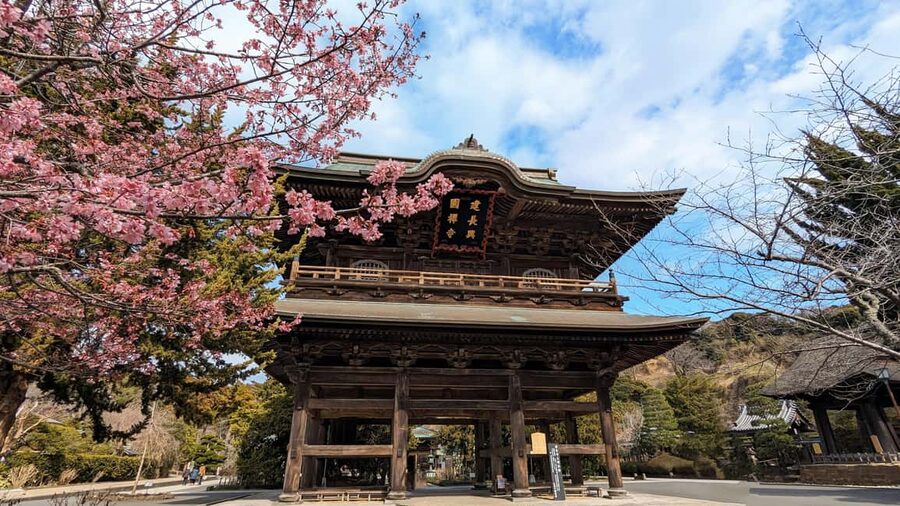
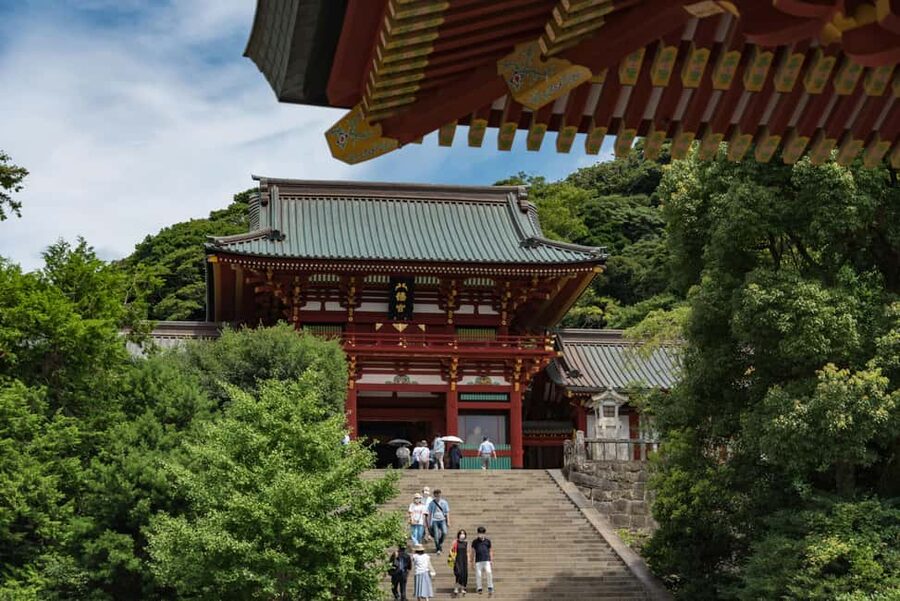
From the quieter temple district, the route moves toward Tsurugaoka Hachimangu. This large shrine sits at the center of Kamakura’s public and religious life and connects directly with the city’s samurai government.
The guided visit lasts about 30 minutes. That is enough time to understand the shrine’s role and see the major approach and grounds, but not enough for a slow, unstructured wander through every corner. John’s explanations help you read the site as a political space as well as a place of worship.
This is likely to be one of the busier stops. Tsurugaoka Hachimangu is popular, so do not expect the same quiet mood as Engaku-ji. That contrast is useful. Kamakura is not preserved as a silent historical park. It remains a working destination used for worship, local outings, ceremonies, and sightseeing.
The shrine also shows why a guide can be more useful here than a map. Without context, you may notice the scale and beauty but miss the connection between the shrine, the city’s main axis, and the rise of samurai rule.
Reaching the Great Buddha by bus
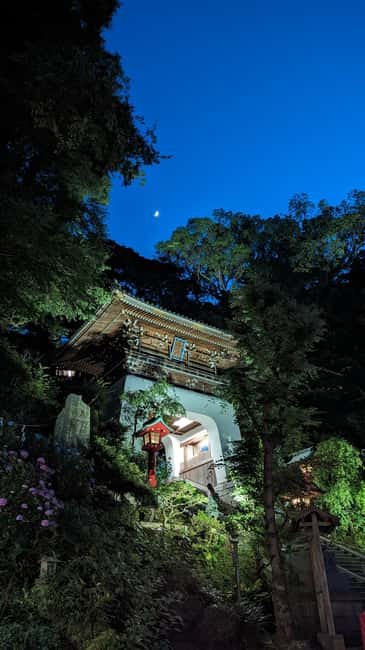
After Tsurugaoka Hachimangu, the route uses a bus for about 20 minutes. Transportation costs are roughly 400 yen per person, paid separately. Using public transport is a practical choice because it saves your legs and links the central shrine with the Great Buddha at Kotoku-in.
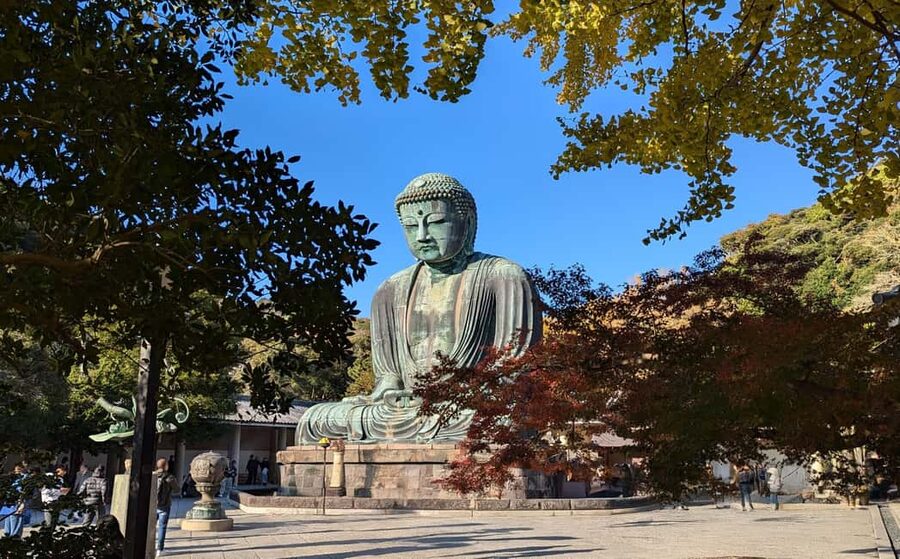
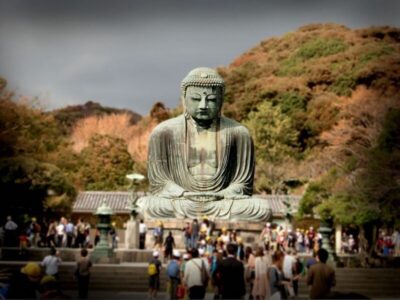
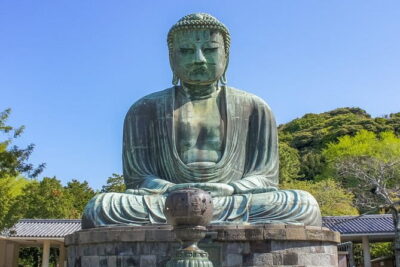
The Great Buddha is one of Japan’s largest Buddha statues and one of Kamakura’s defining sights. The visit takes about 30 minutes. You get time to see the statue, understand its place in Kamakura’s religious history, and take photographs without making the stop drag on.
The Great Buddha is famous, so it can feel more crowded and more set up for quick sightseeing than the temple stops. That is not a reason to skip it. Its scale and calm expression make it one of the few places in Japan that earns its fame. John’s historical explanation gives the statue more meaning than a quick photo from the entrance.
The route continues by train for about 15 minutes after Kotoku-in. Again, you pay your own fare. The train ride is not a nuisance to be endured. It is part of how you experience modern Kamakura, where historic sites and ordinary local transport sit side by side.
Enoshima adds sea air, shrines, and a little kitsch
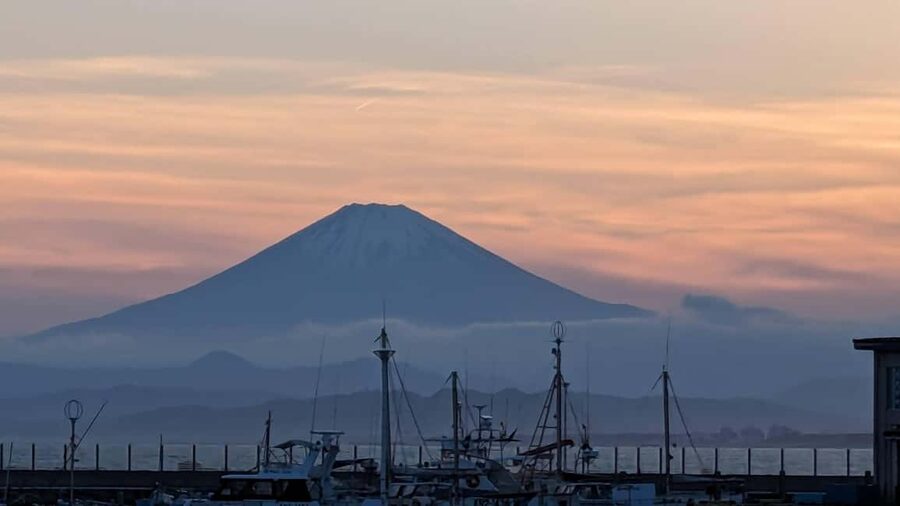
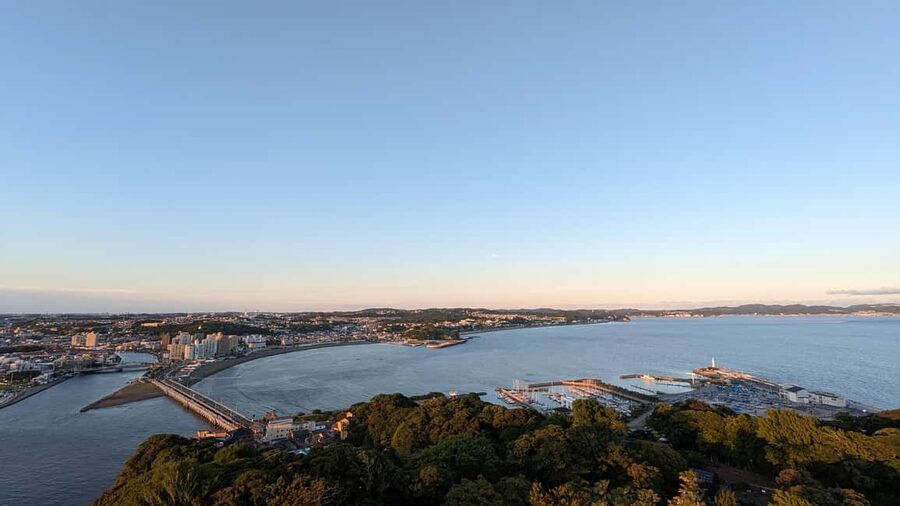
Enoshima is included on the private eight-hour tour. The island takes about two hours, making it a substantial final chapter rather than a quick add-on.
Enoshima has long had a sacred identity, but today it is also a popular seaside outing for couples and families. That produces an entertaining mix of holiness, shops, food, views, and old-fashioned amusement. The island is not solemn from end to end, and that is exactly why it works as a counterpoint to the temples.
The walk can be especially appealing later in the day. John knows scenic places for photographs, and one group enjoyed reaching a particularly beautiful view around sunset. Since the tour timing can vary, you should not assume sunset is guaranteed, but the guide can shape the visit around the light and your interests when conditions allow.
Two hours is enough to see the main character of Enoshima without spending the entire day there. It is not enough for a slow exploration of every path and attraction, so decide what matters most. You might prefer religious sites and views, or you might want more time for the island’s seaside atmosphere and food stalls.
The full route ends with drop-off at either Kita-Kamakura Station or Kamakura Station. That flexibility is useful if you plan to continue exploring independently or return to Tokyo.
Four hours or eight hours?
The four-hour option works well if you are making a half-day trip from Tokyo. It can give you a strong overview of the northern temple area, Tsurugaoka Hachimangu, and the Great Buddha. One family covered several temples and shrines in four hours and found the time passed quickly, which says something about the pace and the amount of material covered.
Choose four hours if you want the main historical sights and need to protect the rest of your day. It is also a good choice if your group includes people who tire quickly, though the tour still involves plenty of walking.
The eight-hour option is better if you want the food experience and Enoshima. It gives John more room to explain details, adapt the route, and use the public transport system without rushing from one stop to the next.
The longer route does not simply add more of the same. It changes the rhythm from historic temples and shrines to lunch, local transport, the Great Buddha, and a seaside island. For a first visit to Kamakura, that variety makes the full day a strong choice.
What the $35 price really covers
At $35 per person, the guide fee is modest for a private or small-group experience, but the advertised price is not the full cost of the day. You should budget separately for:
- Temple and shrine entry fees, roughly 800 to 1,500 yen per person, including the guide’s admission
- Public transport, roughly 400 yen per person
- Lunch, around 1,000 yen per person
The value depends on how much help you want. If you are comfortable researching Kamakura, reading train maps, and finding context at each site, you could visit independently for less. But the guide fee pays for more than directions. John connects Zen Buddhism with politics and art, explains the samurai period, adjusts the route, points out good photo spots, and helps with food needs.
I think the price works best for first-time visitors who want a clear structure without joining a large bus group. It is less compelling for repeat visitors who already know Kamakura well and prefer to wander alone.
Walking, weather, and practical planning
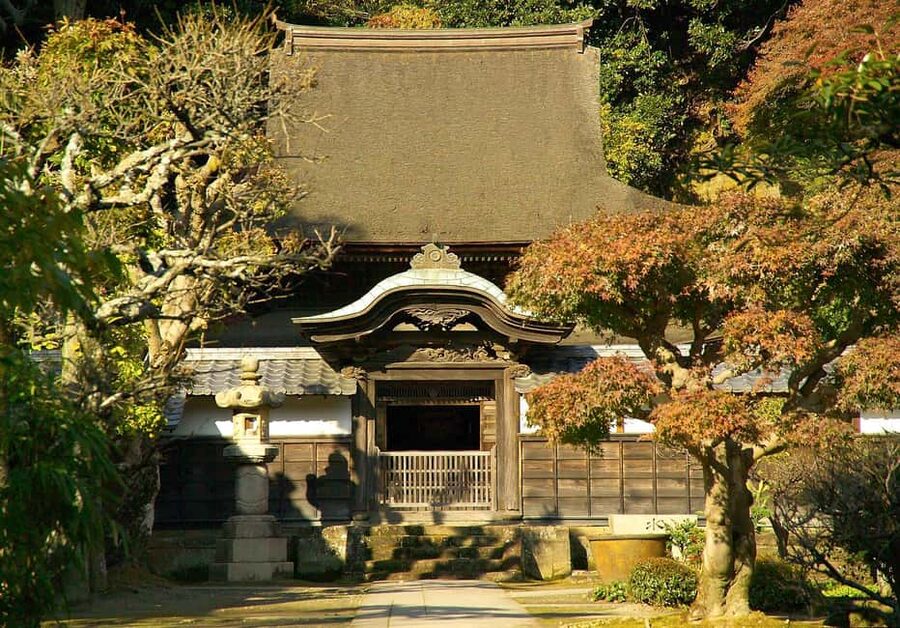
The route uses walking plus buses and trains. There are places to sit, and the transport links reduce the amount of continuous walking, but you should still expect a full day on your feet on the eight-hour route.
The tour is not suitable for wheelchair users or people with mobility impairments. Temple grounds may include steps or uneven paths, and Enoshima adds another walking section. If you have a physical limitation that is not severe but could affect the route, contact John beforehand and explain what you need.
Wear shoes you can walk in for several hours. Bring water and allow some flexibility around the schedule, especially if you want lunch, photographs, or extra questions. The tour can be customized when booked privately, so tell John early if you care most about architecture, religion, food, family pacing, or Enoshima.
The cancellation policy is reassuring: you can cancel up to 24 hours before the start for a full refund. You can also reserve and pay later, which helps if you are still arranging a Tokyo schedule.
Who will get the most from this Kamakura tour?
I would choose this experience if you want history explained through places rather than delivered as a lecture. John’s strongest qualities are his storytelling, clear English, flexibility, and practical knowledge of the local transport system. His American background also gives him an easy English style, which can be useful when you want to ask detailed questions.
The tour suits:
- First-time visitors to Kamakura
- Couples and families wanting a private or small-group day
- Tokyo visitors who want a well-planned half-day escape
- People interested in Zen, samurai politics, and Japanese religious practice
- Anyone who wants help arranging vegetarian, vegan, or gluten-free food
- Photographers who value scenic stops and advice on timing
I would hesitate if you dislike walking, want a completely independent day, or need step-free access. The route is flexible, but it cannot remove every physical demand of historic temple grounds and island paths.
Should you book it?
Book this Kamakura tour if you want the town’s main sights explained as one connected story. The four-hour version is a strong use of a half-day, while the eight-hour option earns its extra time through shojin-ryori and Enoshima.
John is the main reason to choose this experience over simply taking the train and following a guidebook. He helps you cover a lot without losing the human details, adjusts plans for your group, and brings the temples, shrine, Buddha, and island into focus.
Skip it if you already know Kamakura, prefer wandering alone, or cannot manage a walking route. For most first-time visitors with reasonable mobility, the $35 guide fee is a fair trade for a smoother day and a much clearer understanding of medieval Japan.
FAQ
Where does the tour begin?
The tour begins outside the East Exit of Kita-Kamakura Station.
How long does the experience last?
You can choose a four-hour or eight-hour tour. Starting times depend on availability.
Is Enoshima included on every tour?
Enoshima is included on the private eight-hour tour. It is the final major stop and includes about two hours of guided time.
Is lunch included in the price?
No. Lunch costs about 1,000 yen per person and is paid separately. Shojin-ryori is generally offered on the eight-hour route, but you can request it on the four-hour tour.
Can the tour accommodate dietary restrictions?
Yes. Vegetarian and vegan arrangements are available if you notify the guide beforehand. Dietary restrictions should be shared before the tour.
How much should I budget for admission and transport?
Entry fees are about 800 to 1,500 yen per person, and transport costs about 400 yen per person. These charges are separate from the $35 guide fee.
Is the tour suitable for wheelchair users?
No. The tour is not suitable for wheelchair users or people with mobility impairments. It includes walking through temple and shrine grounds, plus public transport.
Just added around Kamakura
- First time in Kamakura? Enjoy a Tour of All Must-sees!★ 5.0 · 15 reviews
- Kamakura Tours Half Day or Full Day Tours with a local guide.★ 5.0 · 12 reviews
- Buddha, Bamboo & Zen – Bespoke Kamakura Private Walking Tours★ 5.0 · 25 reviews
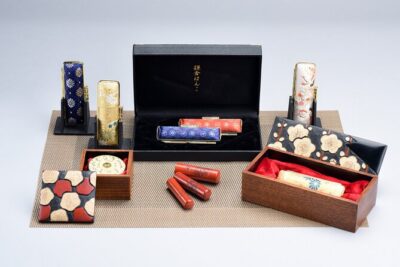
- Your Own HANKO Name Seal Activity in Kamakura.★ 5.0 · 24 reviews
- Exciting Kamakura – One Day Tour from Tokyo★ 5.0 · 40 reviews
- Kamakura Bamboo Forest and Great Buddha Private Tour★ 5.0 · 12 reviews
- Tokyo Yokohama Night View Tour With Kamakura And Enoshima★ 3.5 · 14 reviews
- Tokyo: Day Trip to Kamakura in Spanish – Spanish★ 4.9 · 22 reviews
Kamakura Tours, compared.
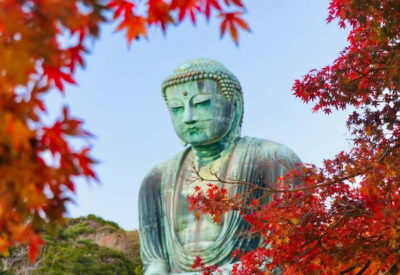
Kamakura & Enoshima Day Trip including Temple Tickets
Our verdict →
Kamakura Historical Walking Tour with the Great Buddha
Our verdict →
Kamakura 8 hr Private Walking Tour with Licensed Guide from Tokyo
Our verdict →
Kamakura Private & Customizable Tour – All-in-One Experience
Our verdict →
First time in Kamakura? Enjoy a Tour of All Must-sees!
Our verdict →Browse the lists this tour appears in