
Reviewed · WALKING TOURS
Graffiti in Tokyo Walking Tour: Shibuya and Harajuku
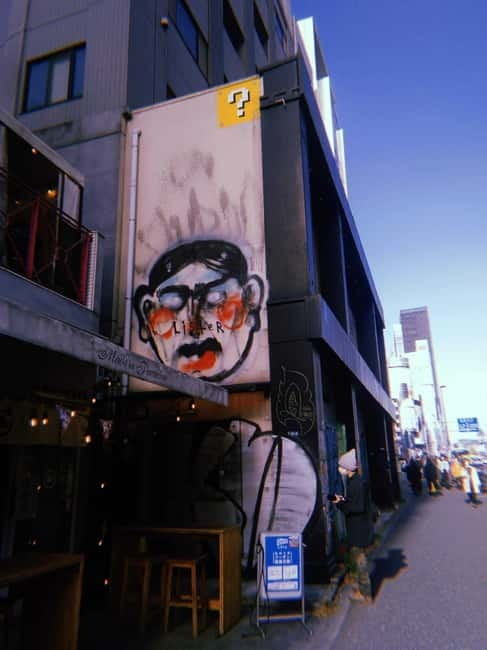
Tokyo hides its graffiti in plain sight. A sticker tucked beside a shop sign, a tag high on a wall, or a mural down a side street can disappear into the city’s visual noise. This two-hour walk with Elena Calderon teaches you how to spot those details and explains the culture behind them.
I like the access to lesser-known corners of Shibuya and Harajuku, and I like that the tour covers more than big murals. You will see tags, throw-ups, stickers, galleries, art studios, and legal walls, with context about local and international artists. The main consideration is that this is a walking tour for people who can manage city streets and changing weather, not a museum visit or a polished public-art route.
Key points to know before you book
- Meet at Manhattan Records in Shibuya: Confirm the exact meeting instructions, since the route information also refers to the Kifune Building.
- Follow Elena’s trained eye: She has more than 10 years of graffiti research experience and works as an art curator.
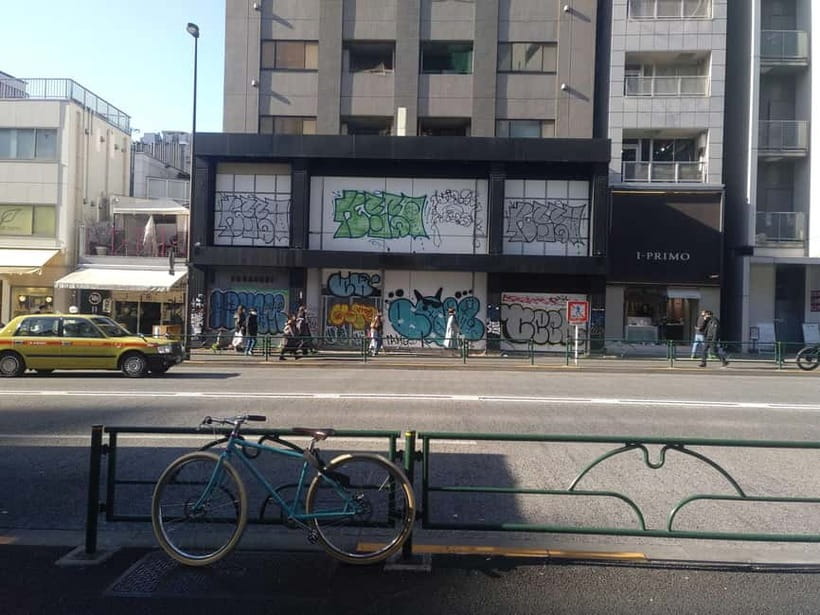
- See the art people usually walk past: The route includes tags, stickers, throw-ups, murals, legal walls, and less obvious street pieces.
- Shibuya and Harajuku provide two different moods: Shibuya brings dense city energy, while Harajuku adds creative streets, galleries, and art spaces.
- The price is $38 for two hours: That is fair if you care about street art and want interpretation, not just a self-guided stroll.
- Plan for a proper walk: Wear comfortable shoes, bring water and a camera, and carry some cash for possible gallery or food stops.
Why this Tokyo graffiti walk is different
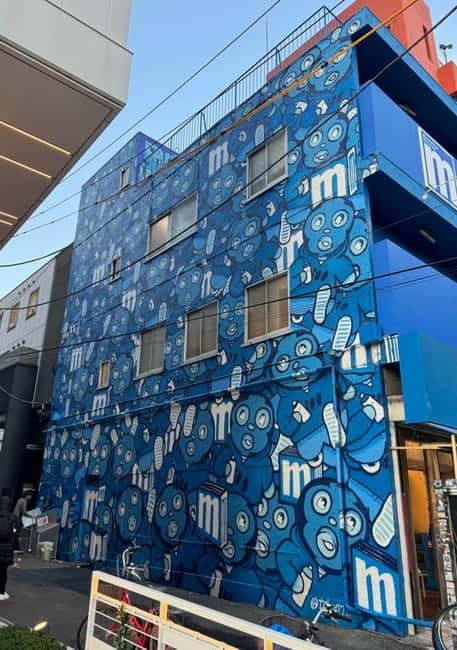
Many people visit Shibuya for the famous crossing, department stores, music shops, and bright signs. Harajuku draws crowds for fashion, youth culture, and Takeshita Street. This tour uses those familiar districts as a starting point, then shifts your attention to the edges: service lanes, side streets, building surfaces, stickers, and works that are easy to miss.
That change in focus is the real value. You are not simply being led from one large mural to another. You are learning how to look. Elena explains the difference between tags, throw-ups, stickers, and larger painted works, then places them within Tokyo’s particular street-art culture.
Tokyo is not known for covering every wall with public art. Graffiti can be removed quickly, and much of it is unauthorized. That means the city’s street-art scene is often discreet. A guide who has spent years tracking artists and crews can show you work you would probably pass without noticing.
The tour is also useful for visitors who already know a little about graffiti. You can ask about artists, styles, galleries, and the difference between legal and secret street spots. One particularly helpful feature is the connection to Tokyo’s art spaces. Elena can point you toward galleries, exhibitions, and studios, with discounts available at some art galleries and restaurants connected with the tour.
More Walking Tours in Tokyo
- Tokyo Tsukiji Fish Market Food and Culture Walking Tour
★ 5.0 · 3,184 reviews - Tokyo: Imperial Palace and Shogun Historical Walking Tour
★ 5.0 · 2,251 reviews - Tokyo: Shinjuku Local Bar and Izakaya Guided Walking Tour
★ 4.9 · 1,794 reviews
Starting at Manhattan Records in Shibuya
The stated meeting point is Manhattan Records Shop, a practical landmark in Shibuya for anyone interested in music and street culture. The wider itinerary also identifies the Kifune Building as the starting and ending location, so I would check the final confirmation carefully before setting out. That small bit of preparation matters in Shibuya, where a short map distance can involve several exits, crossings, and crowded lanes.
Arrive ready to walk rather than expecting a formal check-in desk. You will need comfortable shoes, water, a camera if you want to record details, and some cash. Meals and drinks are not included, and transportation to the meeting point is your responsibility.
The start in Shibuya makes sense. This is one of Tokyo’s most visually charged districts, but its best street art is not always on the main pedestrian routes. The tour can take you away from the obvious sights and toward less visible work by local and international artists.
Do not expect every piece to be a giant, photograph-ready wall. Some of the most interesting stops may be small. A sticker, tag, or quick throw-up can carry information about style, identity, and place, even when it takes only seconds to photograph.
Reading Shibuya one wall at a time
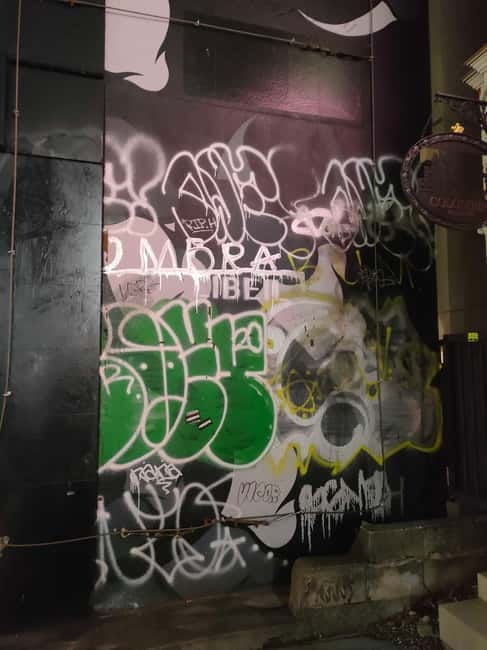
The Shibuya portion makes up most of the guided walk. Elena’s role is important here because street art can look like random paint if you do not know what to examine. She helps you notice lettering, placement, repetition, layering, and the way artists use a wall or object.
The route includes legal walls as well as unauthorized work. That contrast gives you a better sense of the scene. Legal spaces can allow artists more time and room to work, while hidden pieces may reflect speed, risk, and the need to avoid removal. The tour does not treat illegal graffiti as a tourist stunt. You are asked to respect local laws, avoid littering, and leave the area as you found it.
The strongest part of this format is the explanation. Elena has been researching graffiti for more than 10 years and also works as an art curator. That background lets her discuss both the street-level details and the wider art world around them.
You may hear about artists and crews, local and international influences, and places where the work connects with galleries or exhibitions. The focus is not only on what you see, but on who made it, why the placement matters, and how the piece fits into Tokyo’s urban culture.
Several people who joined the walk found that Elena’s explanations made familiar streets look different. That is a useful test for this kind of tour. If you leave able to spot a tag or sticker you would previously have ignored, the two hours have done their job.
The small details matter as much as the murals
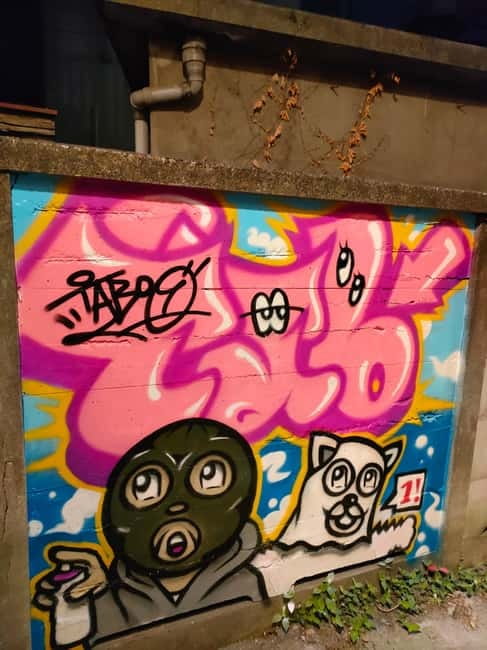
I like that the tour does not promise only large-scale paintings. Tokyo’s graffiti scene includes tags, stickers, throw-ups, and murals, and each form asks you to look in a different way.
A mural is easy to notice, but a sticker can be hidden on a pole, shutter, sign, or narrow corner. A tag may be quick and personal, while a throw-up uses larger, simpler lettering. You do not need to become an expert in two hours, but you will gain a working vocabulary and a better eye.
This is also where the camera helps. Bring one, but remember that some pieces may be in tight spaces, on private property, or partly covered. Ask before photographing people, studios, or gallery interiors. The tour information specifically asks you to respect local laws, avoid smoking, and avoid alcohol, drugs, and littering.
Expect the art to change over time. Street work may be painted over, removed, or altered. The exact pieces on the day can vary, which is part of the nature of the subject. You are booking access to a scene and a way of reading the city, not a guaranteed list of permanent monuments.
Same trip, a completely different kind of day:
- 1-Day Tokyo Bus Tour
★ 5.0 · 14,250 reviews - Tokyo: TOKYO SKYTREE® Admission ticket
★ 4.5 · 11,192 reviews - Tokyo: teamLab Planets TOKYO Digital Art Museum Entry Ticket
★ 4.6 · 9,779 reviews - Tokyo: Sumo Show Experience with Chicken Hot Pot and a Photo
★ 4.8 · 6,678 reviews
Harajuku in 10 minutes
The itinerary includes a short Harajuku visit of about 10 minutes. That is not enough time for a full neighborhood tour, a long gallery visit, or a leisurely look at every fashion street. Think of it as a compact extension of the Shibuya route.
Harajuku adds a different creative setting. Here, Elena can connect street pieces with art galleries, studios, exhibitions, and the wider culture of design and fashion. The stop may be brief, but it helps show that Tokyo’s street art does not exist apart from the city’s creative businesses.
If you want a slow visit to a gallery, plan to return on your own after the tour. Gallery and museum admission is not included, although most are free of charge, and the tour offers insider information about top art galleries. The discounts mentioned for some galleries and restaurants may add value, but you should ask which venues currently participate.
The short Harajuku segment is one of the tour’s limits. If your main goal is a long gallery crawl or a full neighborhood history walk, this experience may feel too narrow. Its purpose is to keep the attention on graffiti and related art spaces.
What the guide adds to the $38 price
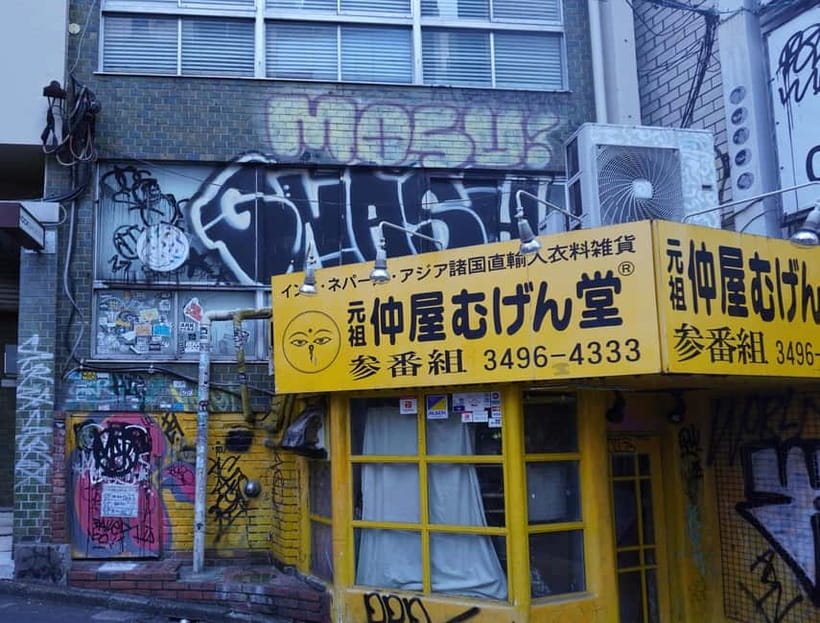
At $38 per person, this is reasonably priced for a two-hour specialist walk, especially if you would otherwise spend your time wandering without recognizing the work around you. The value comes from Elena’s research, route knowledge, and ability to connect street pieces with artists and galleries.
You are not paying for an entry ticket to a major attraction. You are paying for interpretation and access to places that are not laid out on a standard sightseeing map. That makes the price worthwhile for anyone who follows graffiti, street photography, contemporary art, or alternative city culture.
The value is weaker if you are only mildly curious about graffiti or prefer traditional landmarks. Two hours on foot can feel long if you want famous temples, gardens, or indoor exhibits. The route also does not include meals, drinks, transportation, or guaranteed admission to art spaces.
I would compare this with the cost of a regular museum visit. Many galleries and museums are free, but they do not provide the same street-level guidance. The tour gives you a framework you can use for the rest of your Tokyo visit, which is useful if you plan to explore Shibuya and Harajuku again.
Who will enjoy this most
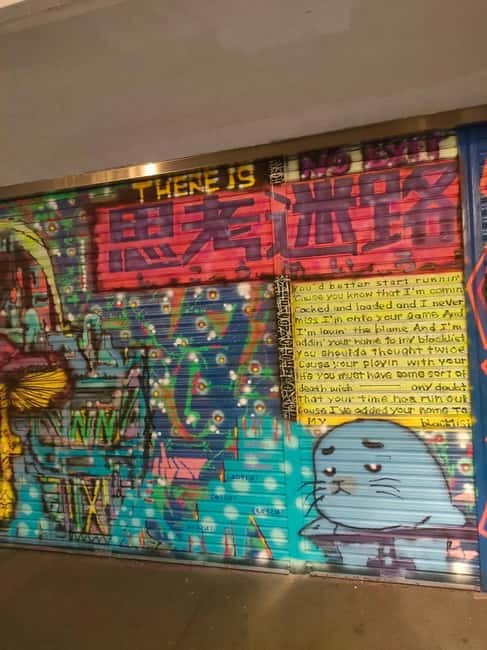
This tour suits you if you already enjoy graffiti, street art, photography, graphic design, music culture, or contemporary art. It also works well if you have visited Shibuya before and want a new reason to return.
Families can join, and one family found the route fun and accessible as a different way to see the city. Still, the walking format and subject matter may appeal more to older children and adults than to very young children. Babies under one year are not considered suitable for the activity.
You should be comfortable walking through city streets and standing at stops. The experience is not suitable for people with mobility impairments, and the operator sets an upper age limit of 95. Wear shoes that can handle several hours on pavement and prepare for rain, heat, or cooler conditions.
The tour is available in English and Spanish. That is useful if you want more than a quick visual explanation. Elena’s ability to communicate clearly was repeatedly praised, and her flexible approach helped some people focus on particular murals or artists they wanted to find again.
Practical tips for making the walk better
Check the meeting-point details before leaving your hotel. Manhattan Records is the stated meeting place, while Kifune Building appears elsewhere in the route information. Bring the confirmation on your phone and allow enough time to navigate Shibuya.
Take a small camera or use your phone, but do not let photography take over. I would first listen to Elena’s explanation, then take a few images and note the location. One useful outcome of the walk is learning which pieces you want to revisit later.
Carry water and cash. There are no meals or drinks included, and the tour information specifically recommends cash. Ask Elena about participating galleries and restaurants if you want to use the available discounts.
Keep an open mind about what counts as art. The most memorable stop may not be the biggest wall. It might be a tiny sticker, a layered tag, or a piece you only notice after Elena points toward it.
The tour offers free cancellation up to 24 hours before the start and allows you to reserve now and pay later. Those terms make it easier to fit into a changing Tokyo schedule, but you should still check the current starting times before booking.
Should you book the Shibuya and Harajuku graffiti walk?
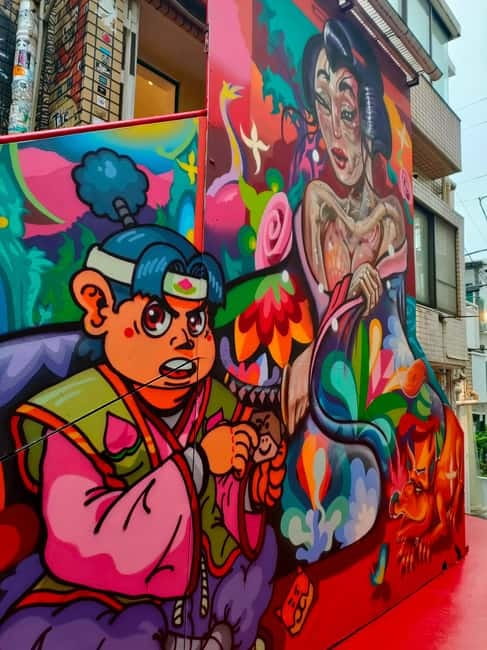
Book it if you want to see Tokyo through its unofficial art, enjoy walking, and value a guide who can explain the people and ideas behind what you see. Elena’s research background, gallery connections, and close attention to tags and stickers give the tour more substance than a simple photo walk.
Skip it if you want a broad introduction to Tokyo, a long gallery visit, or a route focused on famous sights. The Harajuku stop is short, and some of the art may be small, temporary, or partly hidden.
For the right audience, $38 is a fair price for a focused look at a side of Shibuya and Harajuku that guidebooks often miss. Bring good shoes, a camera, water, and curiosity. The city will supply the walls. Elena helps you see what is on them.
FAQ
Where does the tour meet?
The stated meeting point is Manhattan Records Shop in Shibuya. The route information also refers to the Kifune Building, so confirm the exact location in your booking details before you go.
How long does the tour last?
The guided walking tour lasts two hours.
Which Tokyo neighborhoods does the tour visit?
The tour focuses on Shibuya and Harajuku.
What types of street art will I see?
The tour can include tags, throw-ups, stickers, murals, legal walls, and unauthorized street pieces.
Who leads the tour?
The guide is Elena Calderon of Totemo. She has more than 10 years of graffiti research experience and works as an art curator.
In which languages is the tour offered?
The tour is offered in English and Spanish.
Is transportation included?
No. Transportation to the meeting point is not included.
Are meals and drinks included?
No. You should bring water, and meals and drinks are not included.
Are gallery or museum entrance fees included?
No. Entrance fees are not included, although most of the galleries and museums mentioned are free of charge.
What should I bring?
Bring comfortable walking shoes, a camera, water, and cash. You should also prepare for changing weather and respect local laws.
Who should not take this tour?
The activity is not suitable for people with mobility impairments, babies under one year, or people over 95 years old.
Can I cancel the booking?
You can cancel up to 24 hours in advance for a full refund. The reserve-now, pay-later option lets you book without paying immediately.
Just added around Tokyo
- Kawagoe Japanese Food Tour : Unagi Kaiseki and Sake near Tokyo★ 5.0 · 30 reviews
- Kawagoe 4hr Private Tour with Licensed Guide (Kawagoe Dep)★ 5.0 · 13 reviews
- Little EDO Sushi Making workshop in Kawagoe★ 5.0 · 18 reviews
- 【R34】Tokyo:Private Daikoku tour in Modified R34★ 4.9 · 92 reviews
- :Tokyo,Shibuya/ Pro Photography in Kimono / English-Friendly★ 5.0 · 26 reviews
- Tokyo:Celebrate Unique Japanese New Year Tradition Festivity★ 3.9 · 20 reviews
- Tokyo: Allstar Food Tour★ 4.7 · 29 reviews
- Tokyo: West-Side Cycling and Food Tour with Guide★ 5.0 · 37 reviews
Walking Tours, compared.

Kyoto Geisha Walking Tour: Gion District & Hidden Gems
Our verdict →
Imperial Palace and Shogun Historical Walking Tour
Our verdict →
Shinjuku Local Bar and Izakaya Guided Walking Tour
Our verdict →

Nishiki Market Brunch Walking Tour (7 Tastings + Brunch)
Our verdict →
Kyoto Arashiyama Walking Tour: Bamboo, Monkeys, Gardens & Secrets
Our verdict →
Tokyo Castle & Imperial PalaceーShogun Walking Tour
Our verdict →Browse the lists this tour appears in