
Reviewed · TEMPLES & SHRINES
From Osaka: Nara, Kiyomizu-dera & Fushimi Inari Trip
Nara’s deer, Kyoto’s wooden temple stage, and Fushimi Inari’s red torii gates make this a strong first look at Japan’s cultural heart. I like the way the trip combines three very different places in one day, and I like that guides explain the religious and architectural meaning instead of simply pointing out photo stops.
The trade-off is time. You spend part of the day on the bus, and traffic can affect the order and length of each visit. The 4.4 rating reflects a good overall experience, but one careful account found 2.5 hours at Kiyomizu-dera too long and only 1.5 hours in Nara too short. Guides Angeles and Alejandro earned special praise for their clear explanations.
Key points at a glance
- Nara Park’s free-roaming deer: Feed and approach hundreds of deer in an open park setting.
- Kiyomizu-dera access included: See Kyoto from the temple’s famous wooden stage and visit Otowa Waterfall.
- Sannenzaka adds old Kyoto atmosphere: Walk narrow, cobbled streets lined with wooden buildings, shops, and tea houses.
- Fushimi Inari ends the day: Follow a section of the famous red torii paths on Mount Inari.
- English and Spanish guidance: Commentary covers religion, architecture, and construction, with Angeles and Alejandro specifically praised for their explanations.
- A busy but useful value: At $49 per person, transportation and temple access make this a practical choice if you want several major sights without arranging separate trips.
Why this Osaka day trip works
This tour links Nara and Kyoto, two places that feel quite different from Osaka. Nara gives you open parkland, old temples, and deer wandering among visitors. Kyoto brings traditional streets, a major Buddhist temple, and one of Japan’s most recognizable Shinto shrines.
I like this combination because you are not repeating the same kind of stop all day. You move from animals and park paths to temple architecture, then finish among rows of red shrine gates. Each place offers a different window into Japanese culture.
The plan also makes sense for a short stay. If you have only one free day from Osaka, arranging Nara and two Kyoto sights on your own would require careful transport planning. Here, transportation from the meeting point is included, and the guide gives context as you go.
Still, this is not a relaxed day spent in one neighborhood. The distances are long, and some time is spent on the bus. You should expect a full sightseeing schedule, walking on uneven streets, and possible changes caused by traffic, weather, local events, or other operating conditions.
More Temple & Shrine Tours in Nara
- Kyoto/Osaka: Nara, Fushimi Inari Taisha, Arashiyama Bus Tour
★ 4.7 · 1,275 reviews - Osaka/Kyoto: Arashiyama, Nara & Fushimi Inari Shrine w/Lunch
★ 4.4 · 754 reviews - Kyoto/Osaka: Kinkakuji, Bamboo Forest, and Nara Deer Park
★ 4.4 · 265 reviews
Starting near Osaka Mode Gakuen
The meeting point is at the corner of the Osaka Mode Gakuen building. Look for the guide holding an Amigo Tours sign, and arrive at least 10 minutes before departure for check-in.
Hotel pickup and drop-off are not included, so you need to make your own way to this starting point. That is a small but important detail when judging the $49 price. The tour begins with a central meeting arrangement rather than door-to-door service.
The guide service is offered in English or Spanish. The most specifically praised guides are Angeles and Alejandro, who explained religious ideas, architectural styles, and construction methods in a way that added substance to the stops. Guide assignments can vary, but the experience is designed for visitors who want more than a silent ride between attractions.
Bring water, sunscreen, a camera, and comfortable shoes. The shoes matter most. Nara Park is spread out, Kyoto’s historic streets are uneven in places, and Fushimi Inari involves walking along shrine paths and steps.
Nara Park and the deer

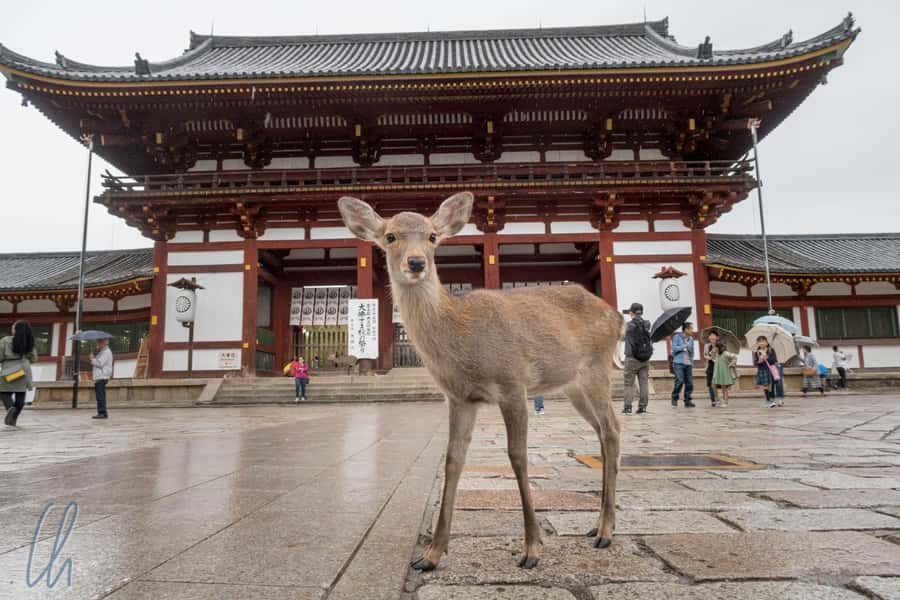
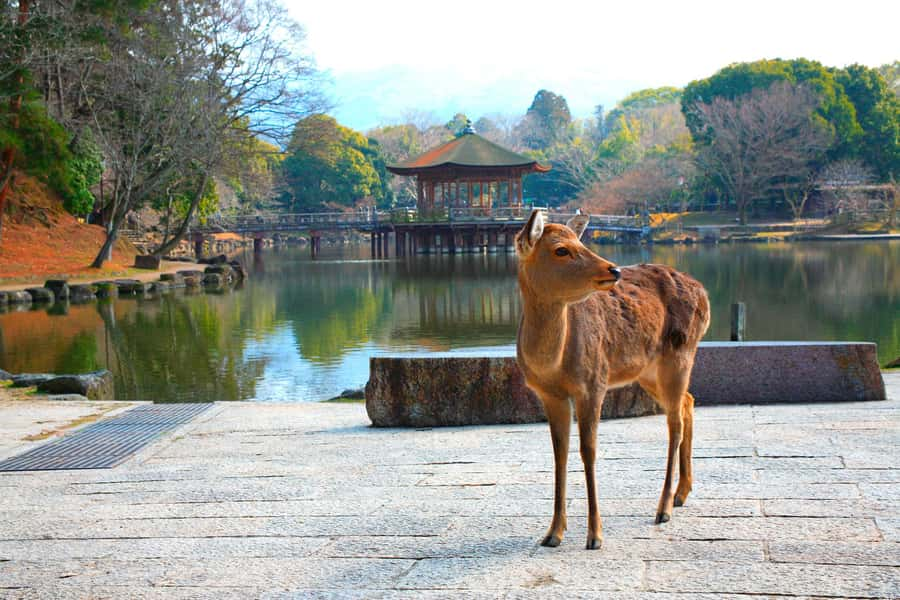
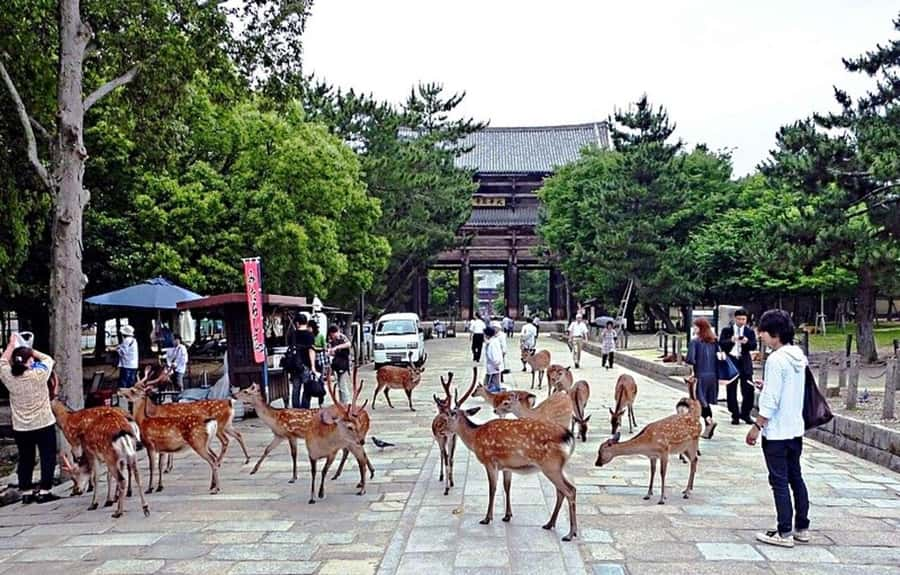
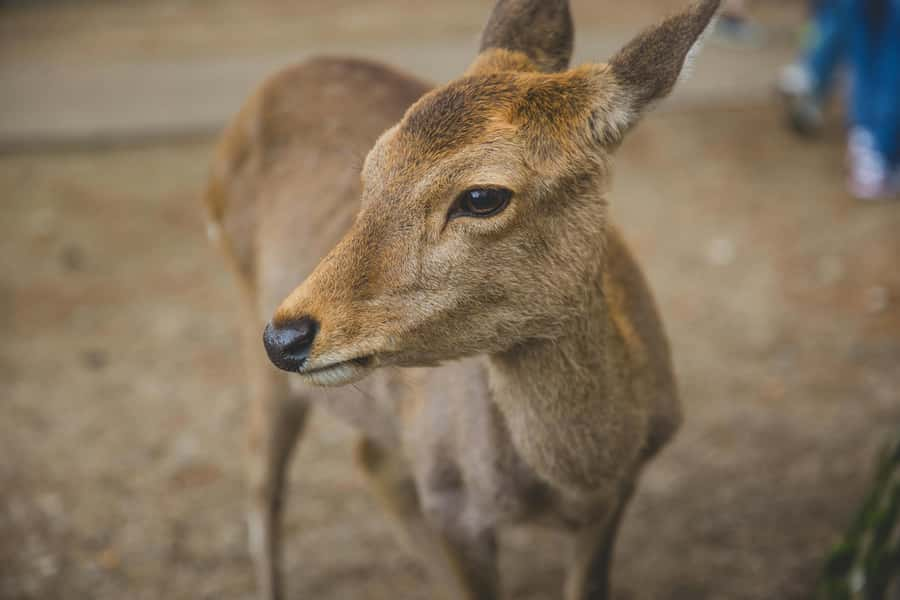
Nara Park is an easy place to understand Japan’s connection between sacred sites, nature, and animals. Hundreds of deer roam freely through the grounds, and you can feed and interact with them while walking through the park.
The deer are the immediate attraction, but the setting gives the visit its calm character. You are not seeing them behind a fence. They move through the park as part of the public space, which makes the encounter feel very different from a standard animal exhibit.
The guide can also help put Nara into context. The tour description presents the park as the first major stop, though traffic or operating conditions may change the order. That flexibility matters because the day includes several popular sites and long road connections.
Time is the main concern here. One detailed account found that 1.5 hours in Nara was not enough. I can see why. You need time to find the deer, feed them, take photographs, walk through the park, and absorb the setting without rushing.
If your priority is Nara itself, this may feel brief. If your priority is seeing several major places from Osaka in one day, the shorter visit is easier to accept. Keep your expectations clear: this is an introduction to Nara, not a full-day exploration of every temple and park path.
Kiyomizu-dera and the view over Kyoto
Kiyomizu-dera is the tour’s main temple stop and one of Kyoto’s best-known sights. The temple is UNESCO-listed, and access to Kiyomizu-dera is included in the tour price.
The most famous feature is the large wooden stage, which gives you sweeping views over Kyoto. The structure also gives the site much of its visual character. From here, the temple feels connected to the hills and city below rather than isolated from them.
You will also visit Otowa Waterfall. Its sacred waters are associated with wishes, making it more than a scenic pause. The stop gives the guide a natural chance to explain how religious practice and everyday hopes meet at Japanese temples.
Kiyomizu-dera can be the strongest stop for architecture. Angeles and Alejandro were praised for explaining construction and architectural style, and that sort of detail is useful here. A guide can point out what you are seeing instead of leaving you with only a famous view and a few photographs.
The timing may not always feel perfectly balanced. One account described spending 2.5 hours at Kiyomizu-dera in the morning, which felt too long, especially before lunch. That experience also had less time in Nara. The order can change because of traffic and other conditions, so you should be ready for one stop to receive more time than expected.
Same trip, a completely different kind of day:
- World Heritage Kyoto & Nara Uji Authentic Matcha Experience
★ 5.0 · 1,573 reviews - Nara Half Day Trip Walking Tour (Private Option Available)
★ 5.0 · 937 reviews - Nara Early Morning Tour (Kyoto or Osaka Departure Available)
★ 5.0 · 676 reviews - Kyoto and Nara Day Trip from Kyoto
★ 4.5 · 445 reviews
Sannenzaka’s old Kyoto streets
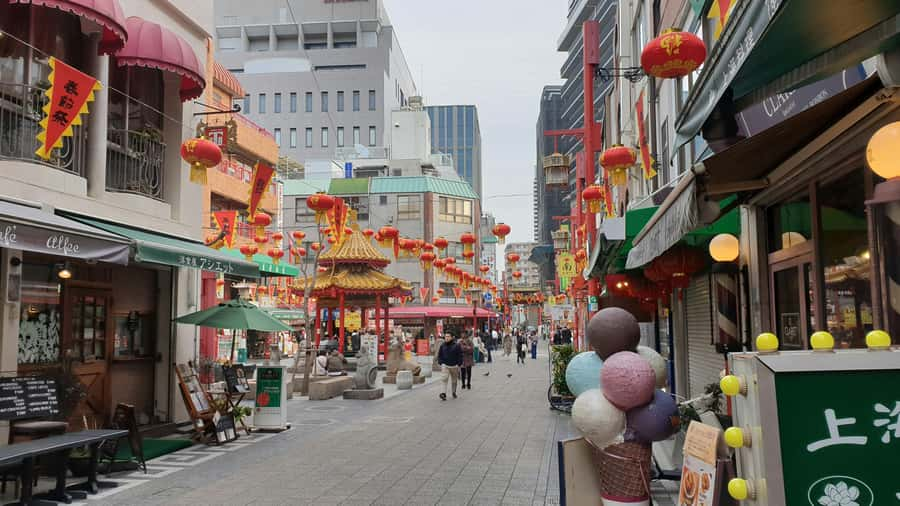
The walk through Sannenzaka gives the day a different pace. Here, the focus shifts from a single temple to the streets around it, with narrow cobbled lanes, traditional wooden houses, small shops, and tea houses.
This is the part of the tour where you get a sense of Kyoto’s preserved architectural character. It is also a useful transition after the temple visit. Instead of moving straight back to the bus, you walk through an area where the buildings, street shape, and shopfronts help create a historic feel.
I would treat Sannenzaka as a walking and atmosphere stop rather than a long shopping session. The schedule includes several major attractions, so you may have limited time to browse. The streets can also be tiring if you are wearing poor shoes or carrying a heavy bag.
The appeal is simple: Sannenzaka lets you see how Kyoto’s cultural image continues beyond its major temple grounds. You get wooden buildings, traditional shops, and a closer look at the kind of streets many people hope to find in Kyoto.
Fushimi Inari’s red torii gates
The final major stop is Fushimi Inari Taisha, known for its long paths lined with red torii gates. The gates wind up Mount Inari, creating one of Japan’s most recognizable shrine walks.
This is a Shinto site, so the atmosphere differs from Kiyomizu-dera. The repeated gates create a strong visual rhythm, but the walk also has a quiet, reflective quality as the path continues uphill. You do not need to treat the visit as just a photo stop. Take a moment to notice the changing feel as the path moves away from the entrance.
The tour promises a walk through the site, not a complete climb of Mount Inari. That distinction matters. Fushimi Inari’s paths extend a long way, while the day already includes Nara, Kiyomizu-dera, and Sannenzaka. Your available walking time will depend on the day’s schedule and traffic.
Ending here is a smart choice. The shrine provides a memorable final image, and its red gates contrast sharply with the deer park and wooden temple structures earlier in the day. You then return to Osaka and finish at the original meeting point.
What the $49 price really covers
At $49 per person, this is a useful value for someone who wants transportation, a bilingual guide, and access to Kiyomizu-dera in one package. The price is especially attractive if you are uncomfortable linking Osaka, Nara, and Kyoto by yourself.
You are paying for convenience as much as sightseeing. The bus connects distant areas, and the guide provides explanations along the way. That can save time and reduce the stress of comparing train routes, station exits, and local connections.
Food and drinks are not included. You should plan to buy or bring your own refreshments, especially since the day may place you at a major stop before a convenient meal break. The schedule can change, and one account specifically found that a long morning at Kiyomizu-dera came before lunch.
The value is less clear if you want a slow, highly flexible day. Independent transport would let you spend longer in Nara or walk deeper into Fushimi Inari. This tour gives you breadth, but the price comes with a fixed schedule and shared transportation.
Walking, timing, and comfort
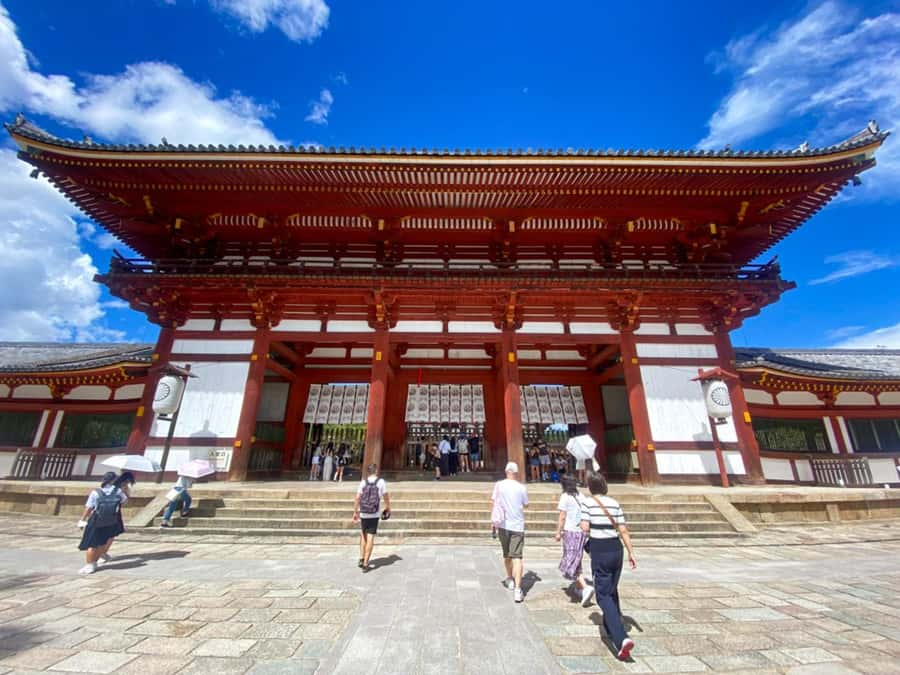
The most important practical warning is the amount of movement. The tour information directly notes long distances and time on the bus. You should be ready for a physically active day, even though much of the travel between cities happens seated.
Comfortable shoes are essential. Expect park paths, historic streets, temple grounds, and shrine paths. Sunscreen and water are also sensible because some portions take place outdoors, and shade may not always be available.
The tour is not suitable for wheelchair users. The combination of long distances, uneven historic streets, temple grounds, and shrine paths makes this a poor fit for anyone who needs fully accessible routing.
The order of stops can change. Traffic, weather, local events, and other operating conditions may affect the schedule, but the tour aims to complete the planned sights whenever possible. I would avoid booking this on a day when you need to be back in Osaka at a very specific early hour.
Who should book this experience
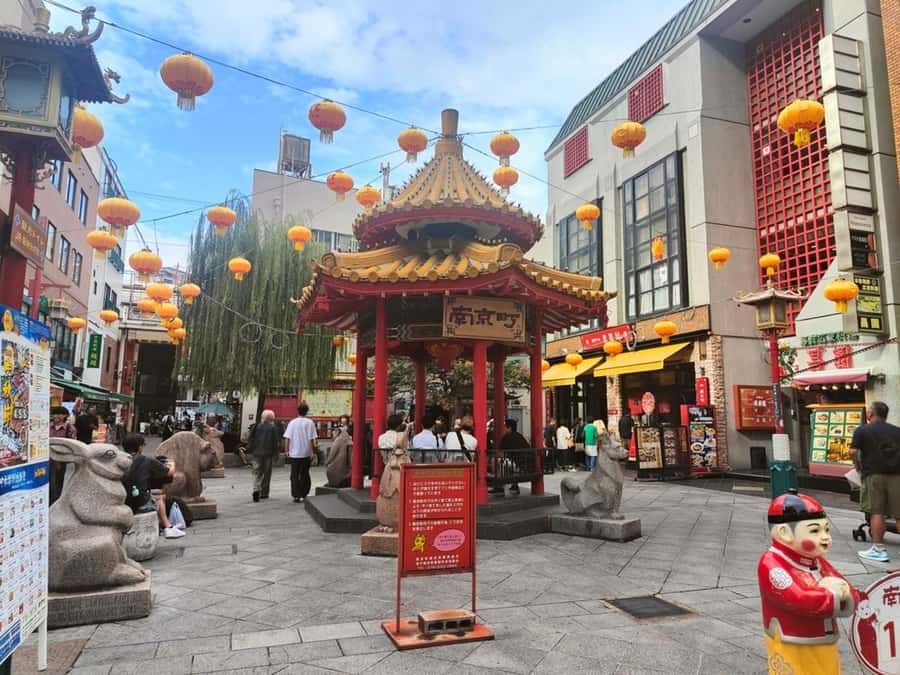
I would recommend it to a first-time visitor who has one open day and wants a broad introduction to Nara and Kyoto. It also suits anyone who prefers a guide to explain religious customs, architecture, and construction rather than handling every detail alone.
It works well for visitors who value famous sights and efficient coverage. You see Nara Park, Kiyomizu-dera, Sannenzaka, and Fushimi Inari without arranging multiple transport legs yourself.
I would be more cautious if your main goal is a slow visit to Nara. The 1.5-hour example shows how quickly that stop can pass. I would also think twice if you dislike bus travel, need hotel pickup, or want to spend a full morning exploring one temple at your own speed.
The bilingual format is useful if you prefer English or Spanish explanations. Guides Angeles and Alejandro received particularly strong praise for their subject knowledge and explanations, though you should not assume they will lead every departure.
Should you book it?
Book this tour if you want three major cultural stops in one day, accept a busy schedule, and value transportation plus live explanations at a low price. The included Kiyomizu-dera access strengthens the deal, and the mix of deer, temple views, historic streets, and red torii gates gives you a memorable overview.
Skip it if you want long, unhurried visits or if Nara is your main reason for going. The strongest decision point is time, not sightseeing quality. You will see a lot, but traffic and itinerary changes can shift the balance between stops.
Cancellation is flexible up to 24 hours before departure for a full refund, and you can reserve now and pay later. That makes it easier to hold a place while keeping your plans open.
FAQ
Where does the tour start?
Meet the guide at the corner of the Osaka Mode Gakuen building. The guide will be holding an Amigo Tours sign.
How early should I arrive?
Arrive at least 10 minutes before the departure time for check-in.
Where does the tour end?
The activity ends back at the original meeting point.
Are hotel pickup and drop-off included?
No. You must travel to and from the meeting point yourself.
What languages are available?
The tour is offered with an English or Spanish guide.
Is Kiyomizu-dera admission included?
Yes. Access to Kiyomizu-dera is included.
Are food and drinks included?
No. Food and drinks are not included in the tour price.
Is the tour suitable for wheelchair users?
No. The experience is not suitable for wheelchair users.
Can I cancel for a full refund?
Yes. You can cancel up to 24 hours in advance for a full refund.
Just added around Nara
- Private Kyoto Tour by Car with Optional Nara or Osaka Add-Ons★ 5.0 · 36 reviews
- Kyoto, Osaka, Nara Private Tour by Car English Driver Guide★ 4.0 · 63 reviews
- Nara Todaiji Kasuga Taisha Private Full Day Tour From Kyoto★ 5.0 · 13 reviews
- From Kyoto: Nara History Guided Half Day Bus Tour with lunch★ 5.0 · 23 reviews
- Nara 8hr Private Tour – Kyoto DEP. with Licensed Guide★ 5.0 · 115 reviews
- Arashiyama & Nara Highlights: One-Day Private Tour Adventure★ 5.0 · 16 reviews
- Kyoto Private Car Tour – Full Day with Local Guide & Nara Option★ 5.0 · 169 reviews
- Kyoto & Nara Private Tour from Osaka Kyoto Hotel Pick-up★ 4.5 · 32 reviews
Temples & Shrines, compared.

Tea Ceremony in a Traditional Tea House in Kiyomizu
Our verdict →

Meiji Shrine, Asakusa, Skytree Bus Tour and Cruise
Our verdict →
Fushimi Inari Hidden Hiking Tour (Private Option Available)
Our verdict →
Osaka/Kyoto:Kinkakuji,Arashiyama,FushimiInariShrine,NaraPark
Our verdict →
Nikko: Kegon Falls, Lake Chuzenji & Toshogu Temple
Our verdict →
Kamakura & Enoshima Day Trip including Temple Tickets
Our verdict →Browse the lists this tour appears in