
Reviewed · SAKE TASTING
Casual Japanese sake tasting and snack experience, Kabukicho
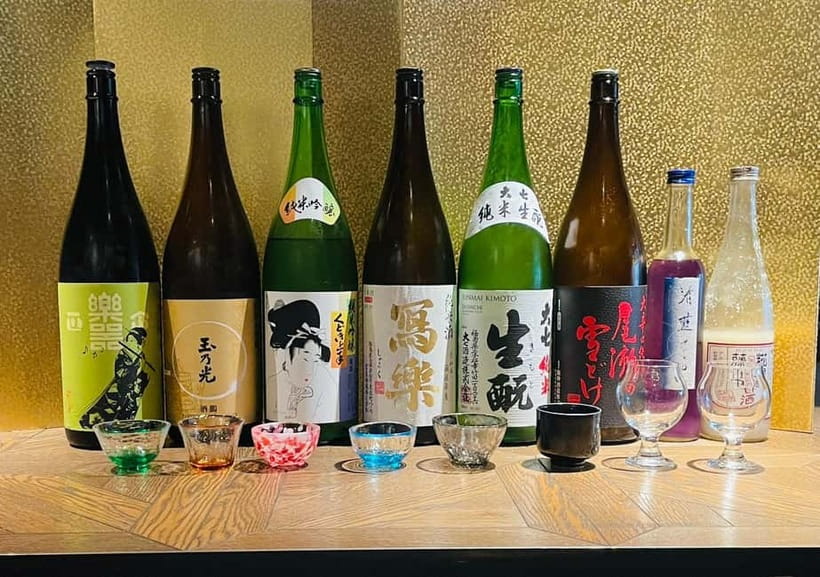
The main draw here is simple: you compare eight Japanese drinks instead of being handed one glass and told to guess what you like. The tasting moves through lower-alcohol options, regular sake, warm and chilled pours, a cocktail-style drink, and sweet amazake with snacks along the way.
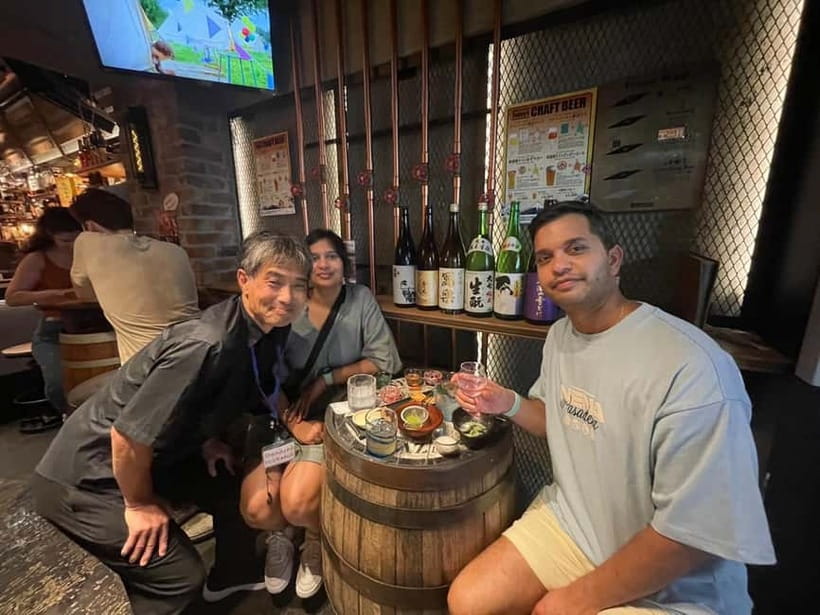
I like the easy introduction for beginners and the small six-person group. I also like the setting, a bar near Kabukicho Central Road, where the activity feels informal rather than like a formal lecture. The drawback is that some staff have limited English, so a translation machine may help, and the venue has no elevator.
Key points
- Eight drinks to compare: Taste a range of sake and related drinks, including cold, hot, cocktail-style, and sweet options.
- Good for first-time sake drinkers: The tasting starts with simple alcoholic drinks and explains the usual 15 to 16 percent alcohol range.
- Traditional snacks included: Small food pairings help show how sake changes with what you eat.
- Amazake finishes the tasting: End with a sweet fermented rice drink that works like a dessert.
- Small group near Shinjuku: The group is limited to six and meets about five minutes from JR Shinjuku Station.
- Friendly but informal guiding: English and Japanese are offered, though translation technology may be used.
Eight drinks make sake easier to understand
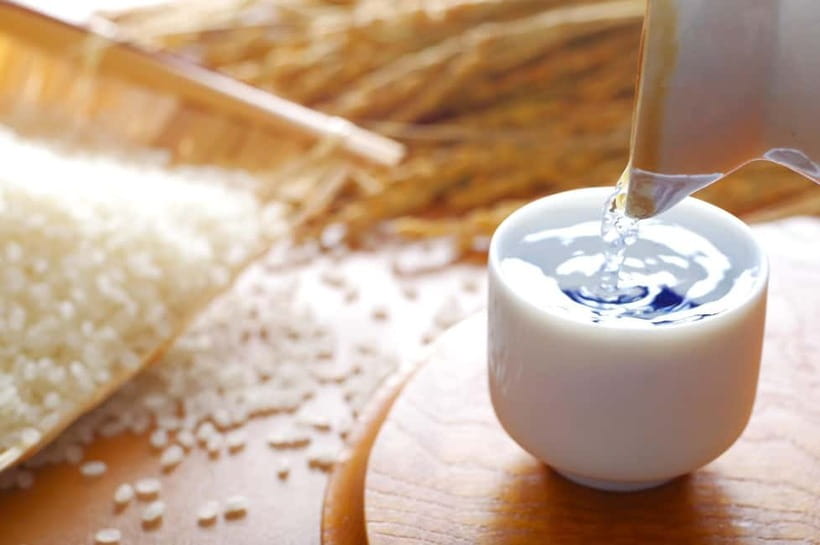
Sake can be confusing when you first meet it. Labels may use words you do not know, and one bottle can taste very different from another. This tasting solves part of that problem by putting eight drinks in front of you and encouraging direct comparison.
You start with simple alcoholic drinks and then try sake with a lower alcohol level. Standard sake often sits around 15 to 16 percent alcohol, though some varieties are lighter and others stronger. That small fact helps you understand why one pour may feel soft and easy while another has more weight.
I like this format because you do not need to memorize technical terms. You can simply ask yourself: Is this sweeter or drier? Is it light or full? Does it taste better cold or warm? Those basic questions are enough to begin forming your own opinion.
The selection also includes different serving styles. You may taste cold sake, warm sake, and a sake cocktail. These are not just small variations in temperature. Warm sake can feel softer and more rounded, while a chilled pour may seem sharper or cleaner. A cocktail offers another way to see how sake works outside the traditional glass.
The experience is called casual for good reason. It is not designed as a serious certification class, and you are not expected to arrive with any background in Japanese drinks. If you already know a lot about sake, the eight-pour comparison may still be enjoyable, but beginners are the clearest match.
More Drinking Tours in Tokyo
- Tokyo Bar Hopping Tour in Shinjuku (All-You-Can-Drink + Dinner)
★ 5.0 · 3,587 reviews - Best of Shinjuku: Izakaya Food Tour (4 Stops, 14+ Tastings)
★ 5.0 · 1,863 reviews - Tokyo: Shinjuku Local Bar and Izakaya Guided Walking Tour
★ 4.9 · 1,794 reviews
A relaxed bar setting in Kabukicho
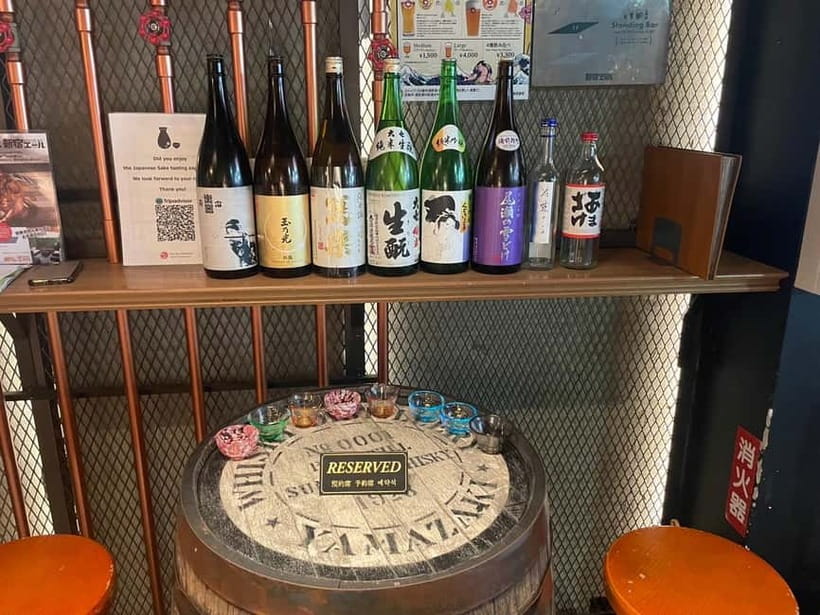
The meeting point is about five minutes from JR Shinjuku Station on the Yamanote Line. Walk along Kabukicho Central Road toward TOHO Cinemas. The venue is next to Karaoke 747, and the sign for Shinjuku Ale may be easier to spot once you are close.
The activity takes place on the second floor of a bar. That detail matters. You are not entering a large museum room or a polished tasting school. You are going upstairs into a casual drinking venue in one of Shinjuku’s best-known nightlife areas.
Kabukicho can feel intense, especially after dark. The route itself is central and easy to reach, but the surrounding streets can be visually loud and unfamiliar. One practical tip is to use the exact meeting directions and the Google Plus Code, MPV2+VR Shinjuku City, Tokyo, rather than relying only on a general map pin.
The sign may not be especially large, so give yourself a few extra minutes. Look for Shinjuku Ale beside Karaoke 747 and check that you are heading to the second floor. This is one of those small city-tour details that can save you from circling the block.
The venue is not wheelchair accessible because there is no elevator. If stairs are difficult for you, this is a reason to choose another activity. Hotel pickup is not included, and you are responsible for getting to the meeting point.
How the tasting unfolds
The tasting starts gently. Rather than opening with the strongest or most unusual pour, the host introduces basic alcoholic drinks and a lower-alcohol sake. This gives you a reference point before the flavors become more varied.
Next comes the comparison work. You taste different sake and consider how they differ in strength, sweetness, temperature, and overall feel. The point is not to identify every ingredient. It is to notice what changes from glass to glass.
Traditional Japanese snacks accompany the tasting. These small pairings are important because food can change your impression of a drink. A sake that seems sharp by itself may feel smoother with a salty bite, while a sweeter pour may work better with a different snack.
Do not expect a full meal. Additional meals and drinks are not included, so eat beforehand if you need substantial food. The snacks are there to support the tasting, not replace dinner.
The later drinks add variety. Warm sake shows another side of the same broad category, while a cocktail-style serving makes the session less formal. This variety is especially useful if you are still deciding what kind of Japanese drink you enjoy.
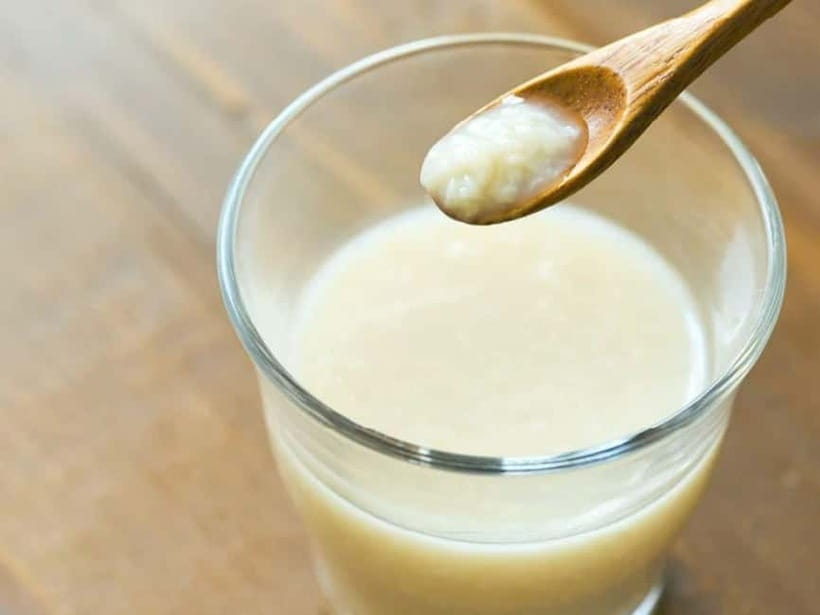
The tasting ends with amazake. Despite its name, amazake is generally known as a sweet fermented rice drink rather than a standard alcoholic sake. Here it works as a dessert, giving the session a softer finish after the alcoholic samples.
That ending is a smart touch. It leaves you with a drink that is connected to rice fermentation but tastes different from the sake served earlier. It also gives people who prefer sweet flavors a final pour to remember.
Friendly instruction, with language limits
The activity is offered in English and Japanese. The host explains the drinks in a simple, progressive way, which suits anyone who has never tasted sake before. Mai is one guide associated with the experience, and the guiding style is friendly and conversational.
You should also know that not every staff member is fully comfortable in English. A translation machine may be used during parts of the session. That is not a problem for basic comparisons, but it may limit long technical discussions about production methods or regional differences.
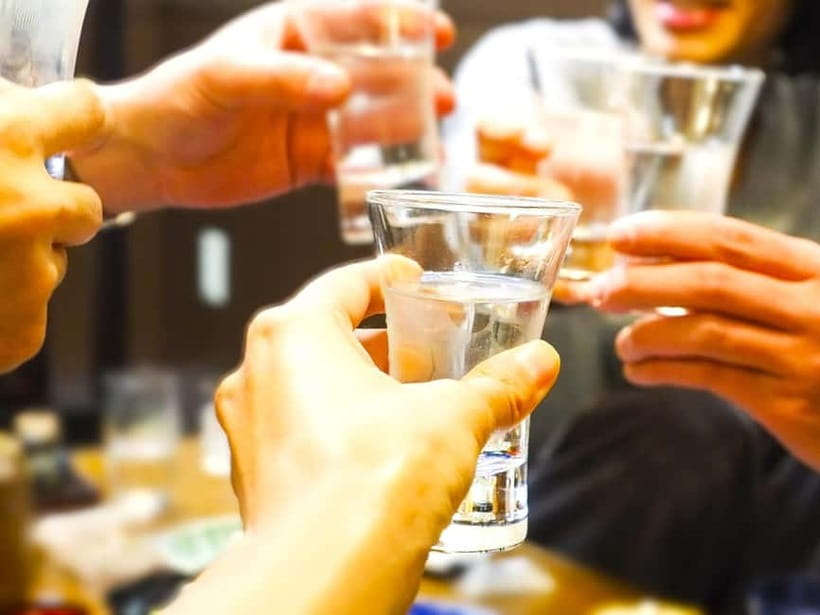
This tasting works best when you ask clear, direct questions. You can ask about alcohol content, serving temperature, sweetness, or which drink is most suitable with a snack. The small group, limited to six people, gives you a better chance to ask something than you would have in a large class.
The instruction appears to focus on enjoyment and basic understanding rather than specialist detail. That is a strength for casual drinkers. If you want an advanced lesson about rice polishing, yeast strains, or sake-making regions, you may find this session too light.
One unusual detail is that at least one participant with strong whisky knowledge found the presentation worthwhile. That suggests the tasting is not only for complete beginners, though the value will depend on how much sake you already know.
More Sake Tastings in Tokyo
- Ramen and Sushi Cooking Class with Sake Pairing Set in Tokyo
★ 5.0 · 291 reviews - Sake Tasting Masterclass in Shinjuku (8+ Varieties with a Pro)
★ 5.0 · 271 reviews - Sake Omakase in Tokyo: Guided Tasting by Certified Sommeliers
★ 5.0 · 239 reviews - Tasting All Types of Sake with Sommelier
★ 5.0 · 151 reviews
What the snacks add to the experience
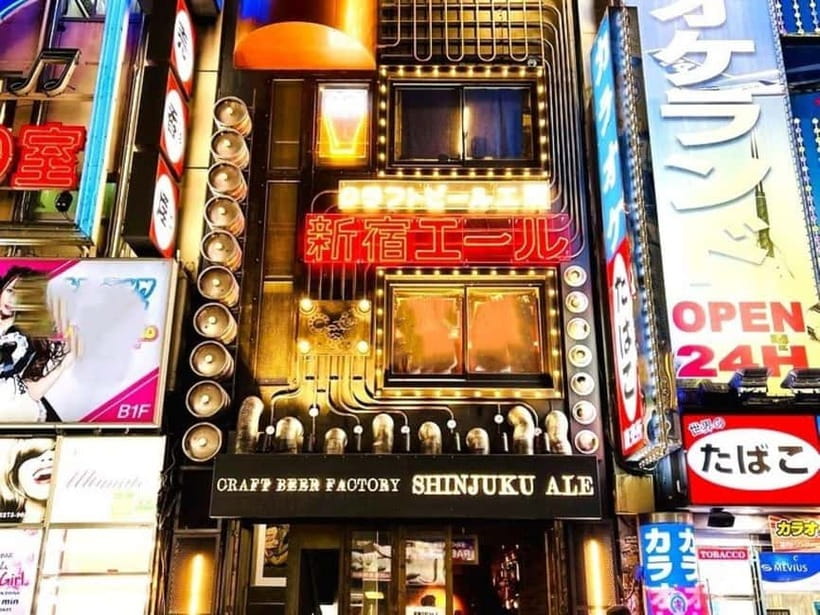
The food pairings are small, but they give the tasting a clear purpose. You are not merely sampling eight unrelated drinks. You are also seeing how traditional Japanese snacks affect the taste in your mouth.
I find this especially useful for people who struggle to describe sake on its own. Food gives you a second way to judge it. You might prefer one drink before eating, then change your mind after trying it with a snack.
The pairings also keep the experience connected to Japanese drinking culture. Sake is often enjoyed with food, not treated only as a beverage for formal tasting. The snacks help you picture how these drinks fit into an ordinary evening.
Still, manage your expectations. The included food is described as traditional snacks and amuse-bouches, not a complete meal. If you are hungry, have a meal before or after the tasting. You may also purchase additional drinks, but those cost extra.
Because the activity includes several alcoholic samples, eating beforehand is sensible even though the tasting is presented in a relaxed way. The total quantity is not specified, so pacing yourself is wise.
Is $38 a fair price?
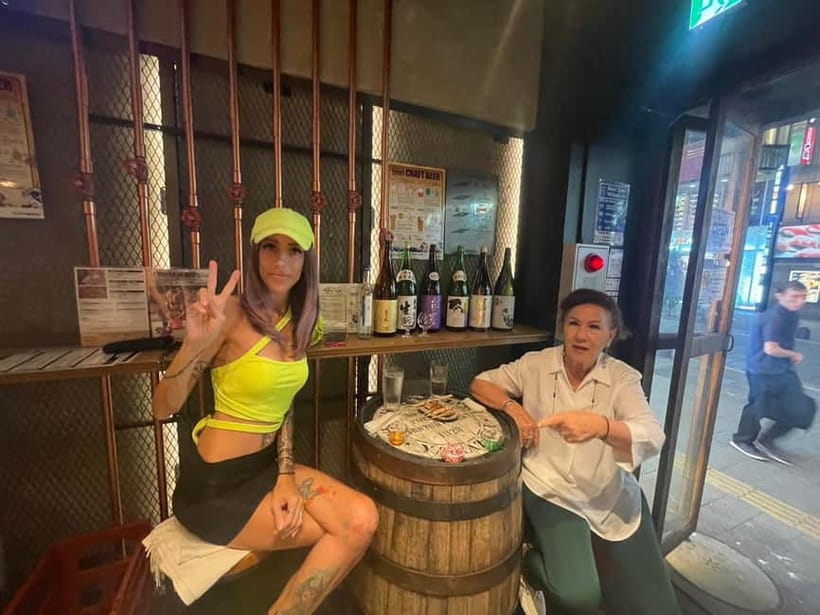
At $38 per person, the value depends on what you want from a sake activity. You are paying for eight selected drinks, traditional snacks, instruction, and a small group near Shinjuku. You are not paying for transportation, a full dinner, or hotel service.
For a first introduction, the price is reasonable. Buying eight different drinks on your own would require finding a suitable bar, ordering without much guidance, and paying for each pour separately. Here, the comparison is organized for you, and the host gives you a simple way to think about what you taste.
The value is also better if you enjoy trying several styles rather than drinking one large serving. Cold, warm, cocktail-style, and sweet drinks create more variety than a basic sake flight.
The price may feel less attractive if you already have strong sake knowledge or mainly want a large quantity of alcohol. This is a tasting, not a night out with unlimited drinks. The educational side and the chance to compare are the main reasons to book.
One participant bought a drinking glass as a souvenir and felt it was expensive but worth having as a memory. That purchase is optional and not part of the stated price. If you like practical souvenirs, you may find the glass appealing, but budget for it separately.
Who should book this tasting?
I would point first-time sake drinkers toward this experience. The progression is gentle, the explanations are simple, and you can discover your preferences without ordering an unfamiliar bottle in a restaurant.
It also suits couples, friends, and solo visitors who like small-group activities. With a maximum of six people, the setting should feel more personal than a large food tour. The central Shinjuku location makes it easy to fit around other sightseeing or evening plans.
This is a good choice if you want something social but not overly formal. You will taste with other people, yet the activity does not appear built around a long lecture or strict tasting rules.
You should think twice if you need a full dinner, an advanced sake course, or guaranteed fluent English throughout. The translation machine note is important. Basic communication should be possible, but technical conversation may take patience.
The activity is not suitable for anyone under 20 or for pregnant women. Japan’s legal drinking age is relevant here, and the experience is specifically built around tasting alcohol. It is also not a fit if you cannot manage stairs because there is no elevator.
Timing, cancellation, and practical planning
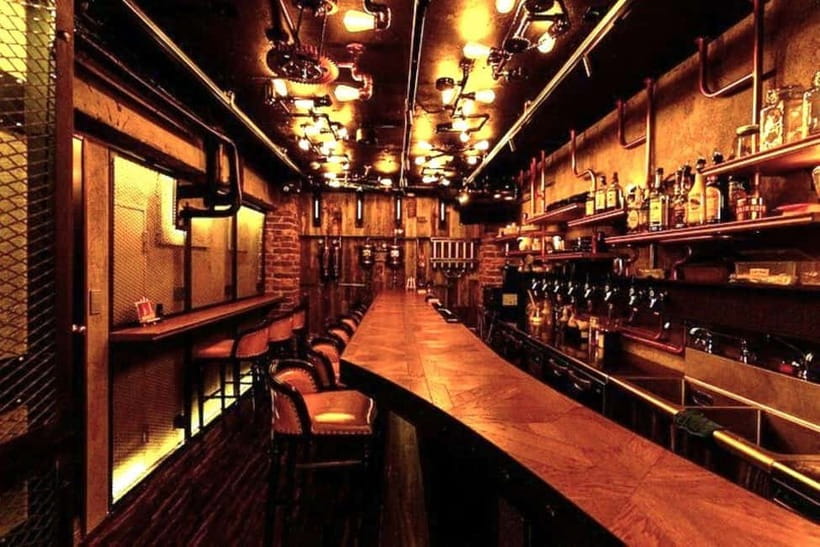
The activity is listed as lasting one day, but the exact starting time depends on availability. Check the available time before booking and allow enough time to find the entrance near TOHO Cinemas.
You can cancel up to 24 hours in advance for a full refund. The reserve-now, pay-later option can help if your Shinjuku plans are not fixed yet. Even so, confirm the meeting details close to the date, especially if you are arriving during a busy evening.
Transportation to the meeting point is not included. From JR Shinjuku Station, the walk is about five minutes, though crowded streets and the second-floor entrance may slow you down.
The provider is Bancre Inc. The activity has a 4.7 rating from 31 ratings, with particularly strong praise for the selection, snack pairings, friendly guidance, and the chance to try cold, hot, cocktail-style, and sweet drinks. One practical criticism is worth remembering: the venue sign could be more visible.
Should you book it?
Book this if you want a friendly first look at Japanese sake without committing to a formal class or a full evening tour. The eight-drink comparison, snack pairings, small group, and amazake finish give you plenty to sample for $38.
I would skip it if you need a full meal, a fully fluent English lesson, step-free access, or an advanced technical seminar. For everyone else, this is a useful way to turn sake from a mystery into a set of clear personal preferences. Arrive with a little time to find the second-floor venue, eat something beforehand, and let the tasting show you which styles deserve another glass.
FAQ
How much does the sake tasting cost?
The experience costs $38 per person. All fees and taxes are included.
How many drinks are included?
You compare eight carefully selected Japanese drinks. The selection can include cold sake, warm sake, a sake cocktail, and amazake.
Is food included?
Traditional Japanese snacks and small pairings are included. Additional meals and drinks are not included.
Is this suitable for someone who has never tried sake?
Yes. The tasting begins with simple alcoholic drinks and introduces sake gradually, making it suitable for first-time drinkers.
Where does the experience meet?
The meeting point is about five minutes from JR Shinjuku Station on the JR Yamanote Line. Walk along Kabukicho Central Road toward TOHO Cinemas and look for Shinjuku Ale next to Karaoke 747.
What languages are available?
The experience is offered in English and Japanese. Some staff may use a translation machine because not everyone is fully comfortable speaking English.
How large is the group?
The activity is limited to six participants.
Is the venue wheelchair accessible?
No. The venue is not wheelchair accessible because there is no elevator.
Who cannot join the tasting?
People under 20 and pregnant women should not join this alcohol tasting experience.
More Food & Drink in Tokyo
- Tokyo: Shinjuku Food Tour (13 Dishes at 4 Local Eateries)
★ 5.0 · 6,603 reviews - Tokyo Tsukiji Fish Market Food and Culture Walking Tour
★ 5.0 · 3,184 reviews - Tokyo: Shinjuku Food Tour (15 Dishes and 4 Eateries)
★ 4.9 · 2,033 reviews - Tokyo: Tsukiji Fish Market Food and Walking tour
★ 5.0 · 1,724 reviews
Just added around Tokyo
- Kawagoe Japanese Food Tour : Unagi Kaiseki and Sake near Tokyo★ 5.0 · 30 reviews
- Kawagoe 4hr Private Tour with Licensed Guide (Kawagoe Dep)★ 5.0 · 13 reviews
- Little EDO Sushi Making workshop in Kawagoe★ 5.0 · 18 reviews
- 【R34】Tokyo:Private Daikoku tour in Modified R34★ 4.9 · 92 reviews
- :Tokyo,Shibuya/ Pro Photography in Kimono / English-Friendly★ 5.0 · 26 reviews
- Tokyo:Celebrate Unique Japanese New Year Tradition Festivity★ 3.9 · 20 reviews
- Tokyo: Allstar Food Tour★ 4.7 · 29 reviews
- Tokyo: West-Side Cycling and Food Tour with Guide★ 5.0 · 37 reviews
Sake Tasting, compared.
Kyoto Night Foodie Tour in Gion (9+ dishes + 6 Sake tastings)
Our verdict →
1-Day Snow Monkeys, Zenko-ji Temple & Sake in Nagano
Our verdict →
Insider Sake Brewery Tour with Sake and Food Pairing
Our verdict →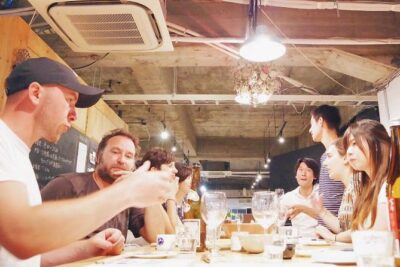
Sake Tasting Masterclass in Shinjuku (8+ Varieties with a Pro)
Our verdict →
Browse the lists this tour appears in