
Reviewed · TEA CEREMONY EXPERIENCES
Kyoto: Wazuma Magic Show & Tea Ceremony
Kyoto’s rarest performance may be the one you almost never see. In a quiet Gion tea room, a private group of no more than six watches Wazuma, a Japanese illusion art said to be 1,000 years old and practiced by fewer than ten masters. The tricks happen just centimeters away, yet the method stays out of reach.
I like two things right away: the private setting, which turns a short show into a personal encounter, and the calm matcha service that follows. You also get something more unusual than a standard sightseeing stop: a traditional art recognized by Japan as intangible cultural heritage.
The main consideration is the price. At $77 per person for one hour, this is not a budget activity, and half the time is devoted to tea rather than magic. It also takes place in a traditional room with only six seats, so it is not suitable for wheelchair users.
Key points to know before booking
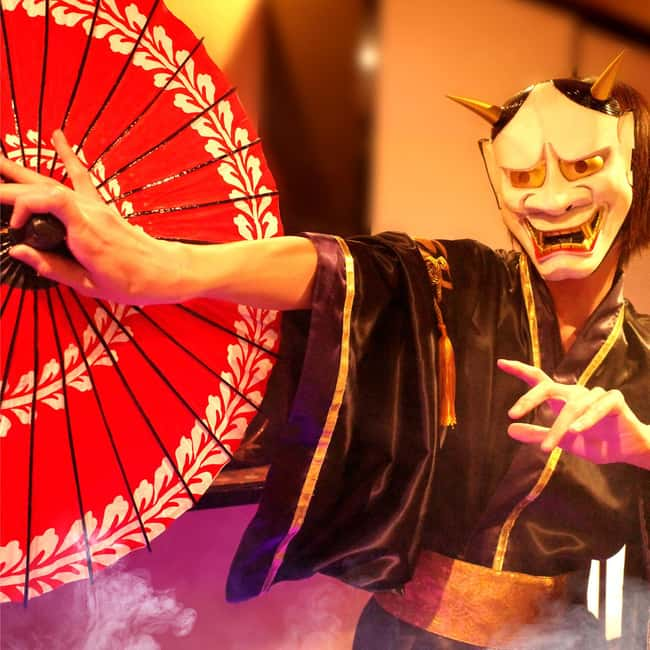
- Wazuma is the real draw: This rare Japanese illusion tradition is performed by fewer than ten remaining masters.
- Your group gets the room: The show is private, with a maximum of six seats and no general audience.
- The magic is close-up: Performers work only centimeters from you, making the experience feel personal and interactive.
- Matcha follows the performance: You receive a hand-whisked bowl of quality Uji matcha with English guidance.
- Plan around a one-hour appointment: Arrive five minutes early, since the show is by reservation only and does not have a ticket line.
Why this short Gion experience feels different
Many Kyoto activities ask you to watch from a distance. This one puts you close enough to notice every movement of the hands. That closeness matters with Wazuma, since the performance depends on small gestures, careful timing, and the old-fashioned pleasure of trying to work out how something happened.
Wazuma is presented as a 1,000-year-old Japanese illusion art. It is also described as an intangible cultural heritage tradition, with fewer than ten masters still performing it. Those details give the show weight beyond the usual magic act. You are not simply filling an hour with tricks. You are seeing a specialized performance style that has become increasingly rare.
I would not book this expecting a large theatrical production. The appeal is the opposite. You sit in a traditional tea room, close to the performer, with the whole space reserved for your own group. That makes this a particularly good choice if you prefer quiet cultural activities to crowded shows or fast-moving tours.
The small scale also means the mood may depend on your group. A couple or family that enjoys taking part will likely appreciate the intimacy. If you prefer to sit anonymously in a large audience, this format may feel more personal than you want.
More Tea Ceremony Experiences in Kyoto
- Kyoto: Tea Ceremony in a Traditional Tea House in Kiyomizu
★ 4.9 · 3,519 reviews - Kyoto: Tea Ceremony Ju-An at Jotokuji Temple
★ 4.9 · 3,207 reviews - Kyoto: 45-Minute Tea Ceremony Lesson Experience
★ 4.3 · 2,378 reviews
Entering the private tea room in Gion
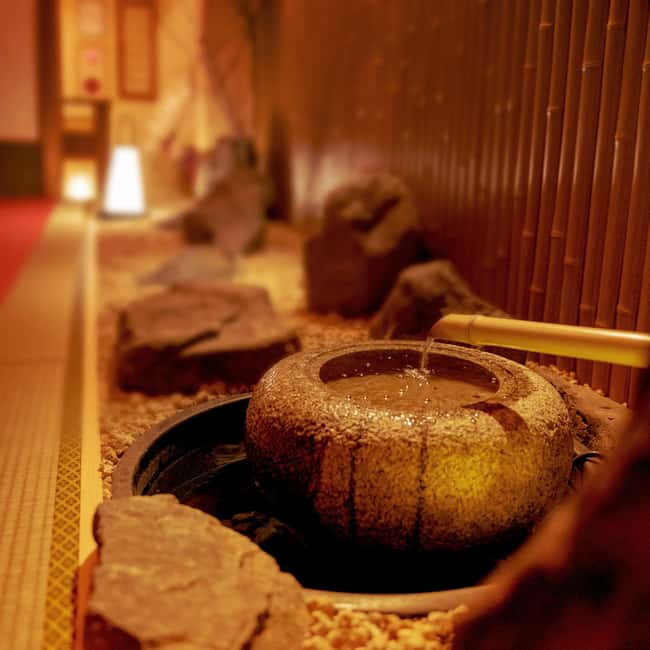
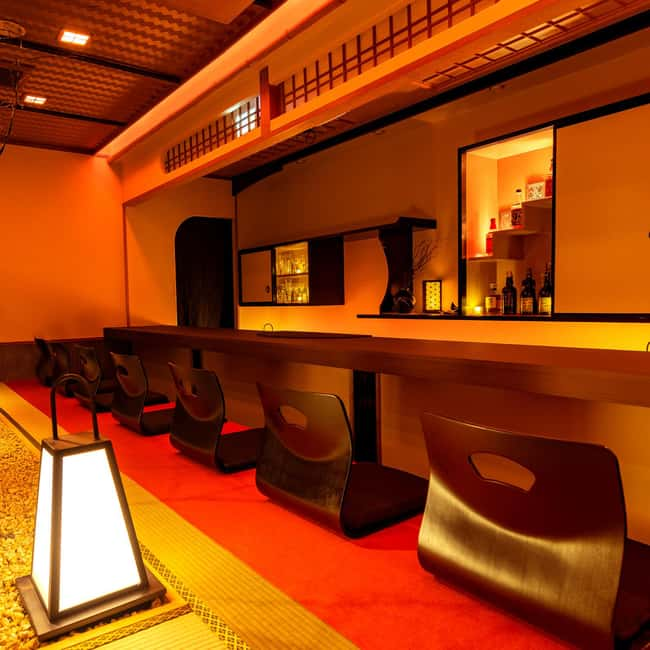
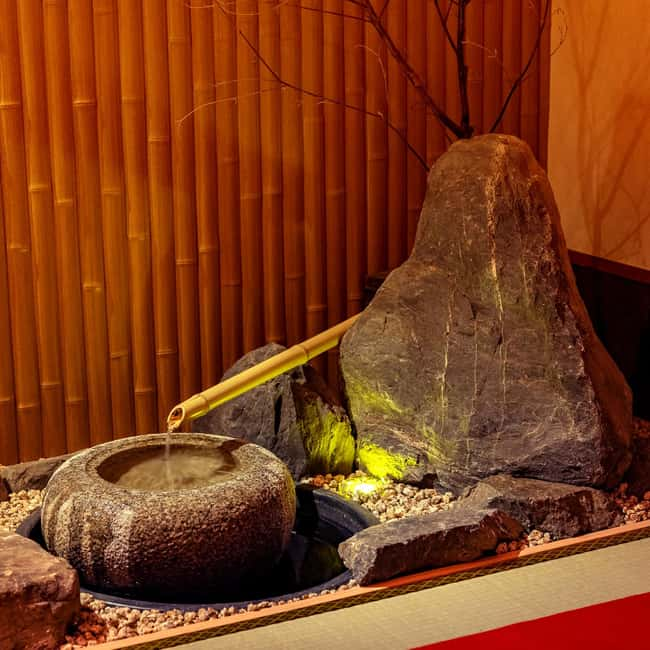
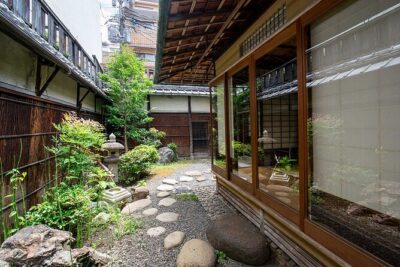
The setting is part of the experience. The venue is in Kyoto’s Gion area, in a traditional tea room with just six available seats. A staff member waits in front of the building five minutes before the meeting time, so you should arrive early and avoid treating this like a casual walk-in attraction.
No exact meeting address or transportation plan is provided here, so allow time to find the building using your booking details. The important point is simple: this is reservation only. You cannot rely on turning up and buying a seat at the door.
The tea room setting gives the performance a quiet, salon-like feel. It also keeps the focus on the performer. You are not dealing with a stage, a large crowd, or a long line. For a first visit to Kyoto, this can be a useful change of pace after busy temples and packed shopping streets.
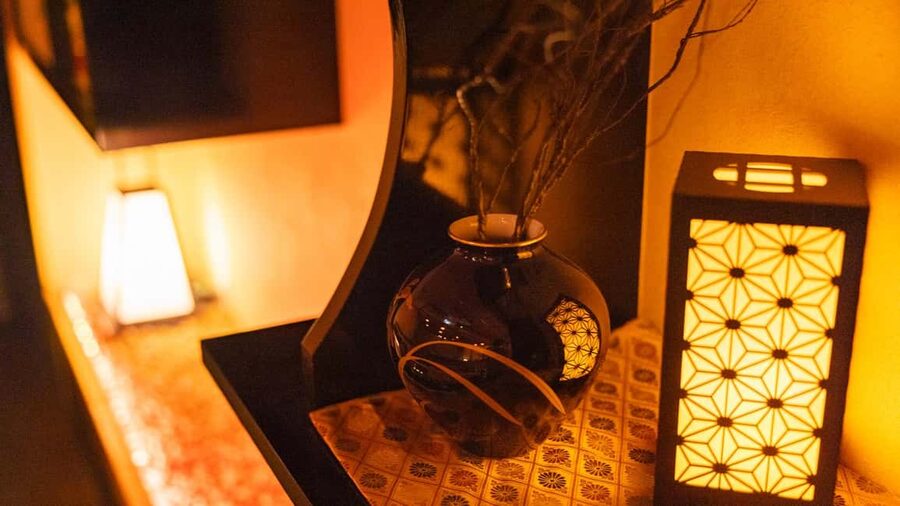
The room’s traditional design also helps connect the two halves of the appointment. The magic does not feel like a separate modern show followed by an unrelated drink. Both take place in a space shaped by Japanese hospitality and presentation.
The 30-minute Wazuma performance
The first half lasts about 30 minutes. During this time, Masaya and Tamaki are associated with the presentation, with Masaya specifically praised for his close-up performance. The supplied information does not assign each performer a precise role, so you should think of them as the team connected with this experience rather than expect a particular sequence from each person.
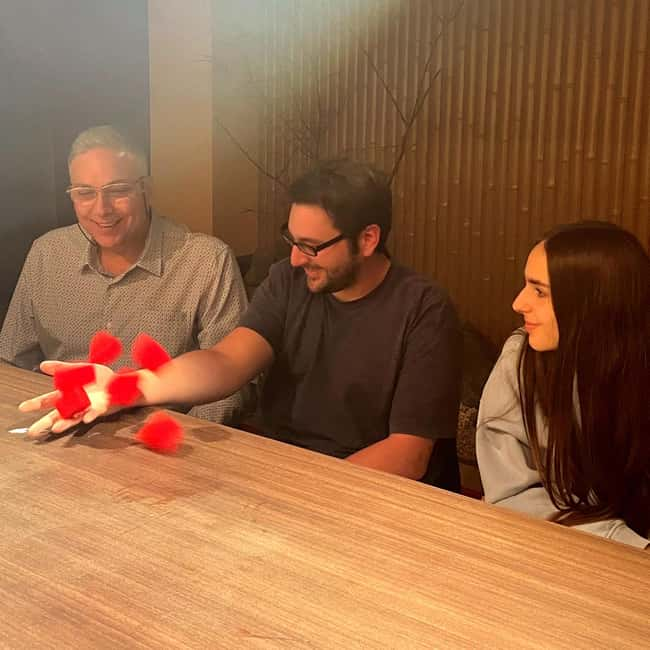
The show is performed at very close range. That is the detail most likely to shape your experience. When a trick happens on a distant stage, you can blame the lighting or the angle. Here, the action takes place directly in front of you, and the small audience makes it much harder to explain away what you see.
The performance is also interactive. Some descriptions of the experience indicate that audience members can become part of the sleight-of-hand acts. That does not mean you need magic skills or stage experience. It does mean you may not remain a completely passive spectator.
A souvenir is included at the end of the show. The exact item is not specified, but several people appreciated receiving a small memento. It is a minor detail, yet it gives the performance a tangible finish and makes the experience easier to remember after you leave.
Flash photography is not allowed during the performance. This protects the mood and keeps flashes from distracting the performer, but it also means you should not plan on documenting every trick. If you want a photo of the room or your group, ask the staff about what is permitted outside the performance itself.
The tone appears to be playful as well as traditional. The magic has personality, and the close-up format allows smiles and reactions to become part of the room. I would expect surprise and amusement rather than a solemn cultural demonstration.
What the heritage claim means for you
The phrase intangible cultural heritage can sound formal, but here it points to something practical. Wazuma is a performance tradition carried through skill, technique, and teaching rather than preserved as an object in a museum. Seeing it live gives you access to an art form that is difficult to encounter elsewhere.
The claim that fewer than ten masters remain also explains why this is a limited experience. You are not choosing from dozens of similar shows around Kyoto. The format is small because the tradition itself is uncommon, and the private arrangement lets the performer maintain close contact with the audience.
That rarity should not make you feel obliged to enjoy every minute. If your main interest is formal tea preparation, the magic takes up half the appointment. If your main interest is stage illusion, the performance is brief. The value comes from the combination: rare Japanese magic, an intimate room, and matcha in one compact visit.
Same trip, a completely different kind of day:
- PERFECT KYOTO 1-Day Bus Tour
★ 5.0 · 13,518 reviews - Kyoto: Fushimi Inari, Kinkakuji, Bamboo Grove 1 Day Bus Tour
★ 4.8 · 4,316 reviews - Kyoto Geisha Walking Tour: Gion District & Hidden Gems
★ 4.7 · 3,273 reviews - Kyoto: Gion Magical Night Walking Tour with Geisha Trivia
★ 4.9 · 2,393 reviews
The 30-minute Uji matcha service
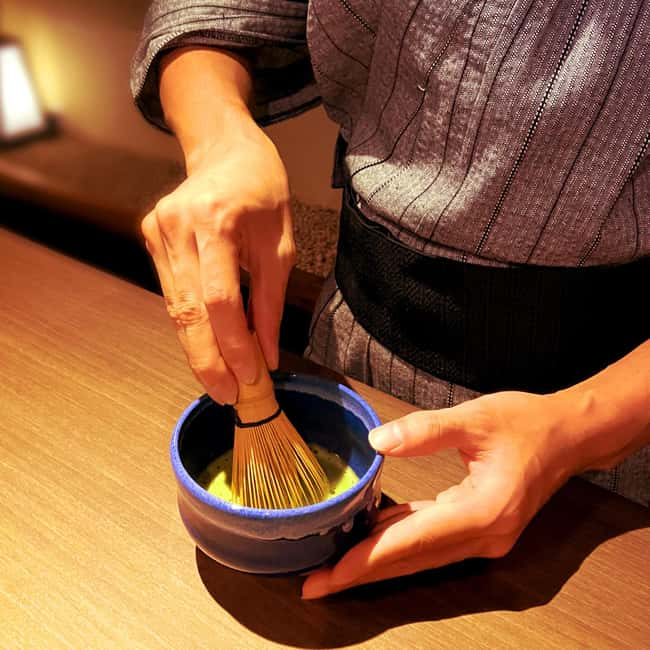
After the magic, the experience shifts to a quieter rhythm. You receive a hand-whisked bowl of Uji matcha, with guidance in English. Uji, near Kyoto, is known for matcha, and the use of this tea gives the final half-hour a clear local connection.
This is described as a tea ceremony, but the included service is specifically a 30-minute Uji matcha tea time. You should expect an introduction and a prepared bowl of tea rather than assume a long, formal ceremony with every traditional step.
The English guidance is useful, especially if you have not tried matcha in a traditional setting. You can focus on the taste, preparation, and etiquette without guessing what to do. The hand-whisking also gives you something to watch after the visual energy of the magic show.
The matcha has a different effect from the first half. The show asks you to pay attention and try to solve the impossible. Tea time slows you down. That contrast is one of the smartest parts of the format. You leave with both a story to tell and a quiet moment in which to absorb the setting.
Matcha can be grassy, bitter, or stronger than visitors expect. The information provided does not specify sweets or food served with the tea, so do not book this as a snack stop. The included item is the Uji matcha itself, and personal expenses are not covered.
Is $77 per person good value?
At $77 per person, the cost is high for a one-hour activity. You are paying roughly $38.50 for each half-hour segment, before considering the time needed to reach the Gion meeting point.
Still, the comparison should not be with a basic cup of tea or a free street performance. The price covers a private group, a traditional room, a rare art form, English assistance, a 30-minute show, and a hand-whisked bowl of Uji matcha. With up to six seats, the small audience is a central part of what you are buying.
I see the value most clearly for couples, families, or small groups looking for a special Kyoto memory rather than the cheapest possible activity. The private reservation removes the uncertainty of a crowded venue and gives you direct access to the performance.
The value is weaker if you want a longer event or a full meal. One hour passes quickly, and the show itself lasts only 30 minutes. You should book because the format is rare and personal, not because it offers a large amount of entertainment time.
Who will enjoy this most?
This is a strong match for you if you like traditional arts, unusual performances, and small-group activities. It also suits first-time visitors who want an experience that feels distinctly Japanese without committing half a day to a workshop.
Families with older children may enjoy the interactive magic. The information does not give a minimum age, so you should confirm suitability for very young children before booking. The quiet tea-room format may also be less comfortable for children who need space to move around.
Couples can treat it as a compact cultural date. The private room and souvenir give the hour a special feel, while the tea provides a calm finish. It is also a good rainy-day option in practical terms, since the entire activity takes place indoors, though the supplied details do not specifically advertise it as weather dependent.
I would be more cautious if you have mobility needs. Wheelchair users cannot take part, and no further accessibility details are supplied. If you need seating, step-free access, or other accommodations, ask before reserving.
Practical timing and arrival advice
The total duration is one hour, but you should budget extra time around it. You need to find the Gion building, meet the staff member outside five minutes before the start, and leave time afterward if you have another reservation.
Because the show is private and reservation only, arriving late can affect the group. One person who arrived late was accommodated, but you should not count on that. A late arrival can reduce your own tea time or disrupt a small room more than it would at a large theater.
Starting times vary, so check availability for the date you want. The activity has no ticket line, which keeps arrival simple once you reach the correct building. Transportation to and from the venue is not included, so you handle that separately.
The experience is offered in English. That makes the cultural explanation easier to follow, especially during the matcha portion. It does not mean every detail of the traditional art will be translated in the same depth, so ask questions when the host invites them.
Cancellation is flexible up to 24 hours before the activity for a full refund, and you can reserve now and pay later. Those terms help if your Kyoto schedule is still shifting, but you still need to choose a specific available time.
Small details that make the hour memorable
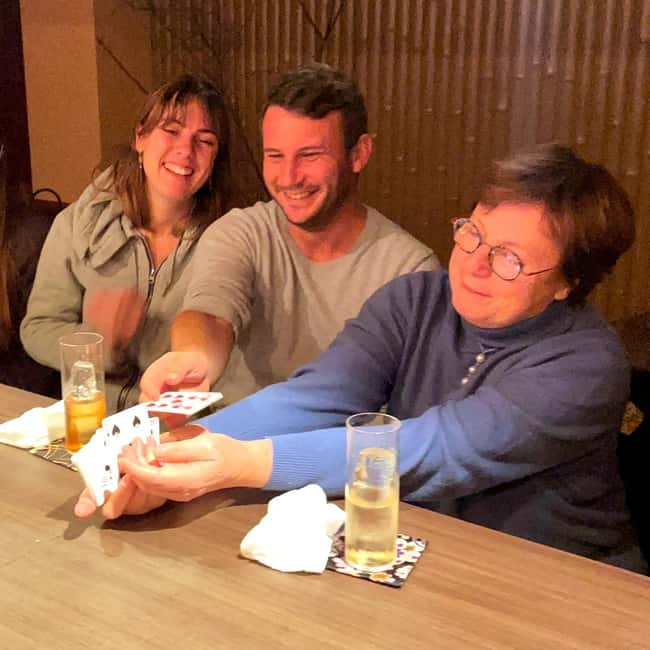
The strongest feature is the combination of intimacy and surprise. A private room with six seats gives you a clear view, while the tricks remain difficult to explain even when they happen close to your face.
The room itself is also worth noticing. Its beauty sets the right tone for both halves, and the traditional surroundings make the matcha feel connected to the place rather than tacked on at the end.
The souvenir is another useful touch. It is not the reason to pay $77, but it gives you a physical reminder of a tradition that most people will not encounter during an ordinary Kyoto visit.
I also like the pacing. Thirty minutes of magic keeps the show focused. Thirty minutes of tea gives you enough time to settle without turning the appointment into a lengthy formal ritual. For a busy Kyoto itinerary, that balance is practical.
Should you book the Wazuma show and tea?
Book this if you want a rare, private cultural experience and are comfortable paying for quality time rather than a long itinerary. It is especially appealing for couples, small families, and visitors who have already seen the major temples and want something less predictable.
Skip it if $77 feels too high for one hour, if you want a full traditional tea ceremony, or if you prefer large theatrical productions. The wheelchair restriction is also decisive for anyone who needs accessible facilities.
For the right audience, this is a smart Kyoto splurge. You get close-up Japanese magic, a beautiful Gion tea room, English guidance, Uji matcha, and a small memento, all without a crowd. The experience is short, but its unusual subject and private format give it more character than its running time suggests.
FAQ
How long does the Kyoto Wazuma experience last?
The activity lasts one hour. It includes a 30-minute traditional Japanese magic show and 30 minutes of Uji matcha tea time.
How many people can attend?
The show is a private group experience with only six seats available.
What is Wazuma?
Wazuma is described as a 1,000-year-old Japanese illusion art. Fewer than ten masters are said to continue performing this rare tradition.
Is the experience offered in English?
Yes. The host or greeter language is English, and the matcha service includes English guidance.
Where does the experience take place?
It takes place in a traditional tea room in Kyoto’s Gion area.
Is transportation included?
No. Transportation to and from the activity location is not included.
Can wheelchair users join?
No. The activity is not suitable for wheelchair users.
What are the cancellation terms?
You can cancel up to 24 hours before the activity for a full refund. You can also reserve now and pay later.
More Shows & Performances in Kyoto
- Kyoto Gion Cultural Walk & Geisha Show with Dining Options
★ 5.0 · 518 reviews - Kyoto Gion Cultural Walk & Geisha Show with Dining Options
★ 5.0 · 483 reviews - 1 Hour Geisha Show in Kyoto
★ 5.0 · 452 reviews - Kyoto: Samurai Kenbu Traditional Sword Dancing Show
★ 4.5 · 426 reviews
Just added around Kyoto
- Sekka Cotton Furoshiki Class★ 5.0 · 19 reviews
- Kyoto Sword Experience – includes Museum Ticket/Ninja Experience★ 4.5 · 149 reviews
- Scenic Green Tea Fields of Hidden Kyoto & Local Tea Exp (Private)★ 5.0 · 32 reviews
- Secret Eastern Kyoto Biking Adventure★ 5.0 · 44 reviews
- Private Sake Tasting in Central Kyoto with Sake Sommelier★ 5.0 · 32 reviews
- Samurai School in Kyoto: Samurai for a Day★ 5.0 · 202 reviews
- Samurai Performance and Casual Experience: Kyoto Ticket★ 4.5 · 115 reviews
- SHIRAKAWA Japanese Culture Experiences with private English staff★ 5.0 · 16 reviews
Tea Ceremony Experiences, compared.

Tea Ceremony in a Traditional Tea House in Kiyomizu
Our verdict →
World Heritage Kyoto & Nara Uji Authentic Matcha Experience
Our verdict →

Arashiyama Bamboo Forest, Monkeys, Matcha & Temple Tour
Our verdict →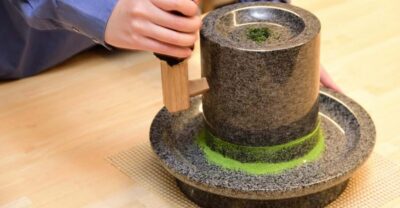
Browse the lists this tour appears in