
Reviewed · MUSEUMS
Kyoto Railway Museum Admission Ticket
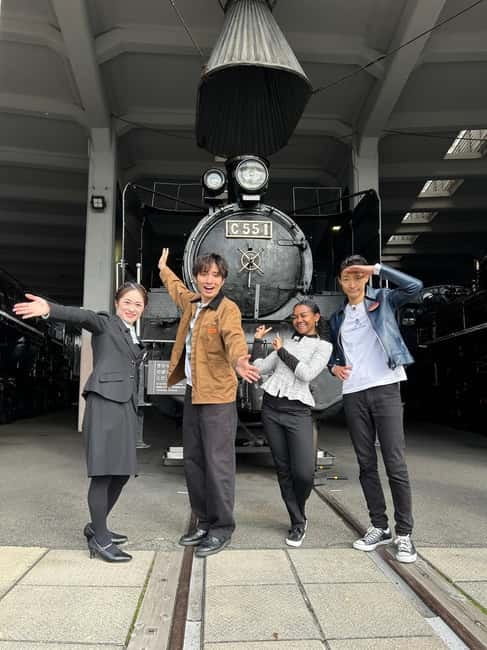
The Kyoto Railway Museum puts 53 real Japanese trains in front of you, from polished steam locomotives to the sleek Shinkansen. You can step inside several of them, study the machinery, and see how rail travel changed Japan. I like the mix of serious railway history and hands-on fun. You are not just looking at old engines behind glass.
I especially like the working steam locomotive ride and the chance to watch the historic roundhouse turntable rotate. Those moments give the museum movement and sound, not just exhibits. The realistic train simulators and railway dioramas add another layer, especially if you are visiting with children.
The main drawback is that this is a non-refundable ticket, and the museum closes every Wednesday. Opening hours can also change, so check the official website before setting out. The museum can easily fill a full day, which is excellent value for train fans but may feel like too much if your Kyoto schedule is already packed.
Key points to know before you go
- 53 actual trains on display: See Japanese railway equipment up close, including steam locomotives and Shinkansen.
- A working steam locomotive ride: Add a nostalgic trip to your museum visit and experience rail travel in motion.
- The roundhouse turntable rotates: Watch a historic railway display move as part of the museum experience.
- Hands-on activities: Try train-driving simulators, explore railway dioramas, and step inside iconic trains.
- A full day for about $9: The low admission price gives you time to explore at your own pace.
- Wednesday closure: Plan carefully, since the museum is closed every Wednesday and hours may change.
Why the Kyoto Railway Museum is more than a train collection

Japan is famous for fast, clean, highly punctual trains, but the modern railway system did not appear overnight. The Kyoto Railway Museum gives you a way to see that development through machines you can walk around and enter.
The collection covers a broad span of railway technology. Steam engines show the age of coal, pistons, and heavy metalwork. Shinkansen trains show the later push toward speed and advanced engineering. The value comes from seeing those periods in the same place, rather than learning about them as separate subjects.
I find real machinery easier to understand than a display panel alone. A locomotive has scale. You can see the size of its wheels, the shape of its body, and the space needed for the working parts. A Shinkansen offers a sharp contrast, with a smoother design built around speed and efficiency.
The museum also explains the wider railway system. You can look beyond the train itself to the track, signals, operation, and technology that make rail travel possible. That makes the visit useful for people who like engineering, not only for dedicated train fans.
More Museum Tours in Kyoto
- Kyoto: Tea Museum Tickets and Matcha Grinding Experience
★ 4.9 · 739 reviews - Skip the lines Basic Ticket at SAMURAI NINJA MUSEUM KYOTO
★ 4.5 · 632 reviews - Kyoto : Geiko Maiko Dance of Kyoto & Visits of Gion Museum
★ 4.6 · 415 reviews
Seeing 53 real trains up close
The collection of 53 real trains is the heart of the museum. You get a sense of variety that a small display of model engines cannot provide. The trains range from steam locomotives to Shinkansen, so each section offers a different look at how Japanese rail travel developed.
Allow yourself time to walk around the vehicles before rushing inside. The exterior tells you a great deal. Older trains have a sturdy, mechanical look, while newer high-speed trains appear shaped for movement. The contrast works well for children because each train feels distinct rather than like another version of the same object.
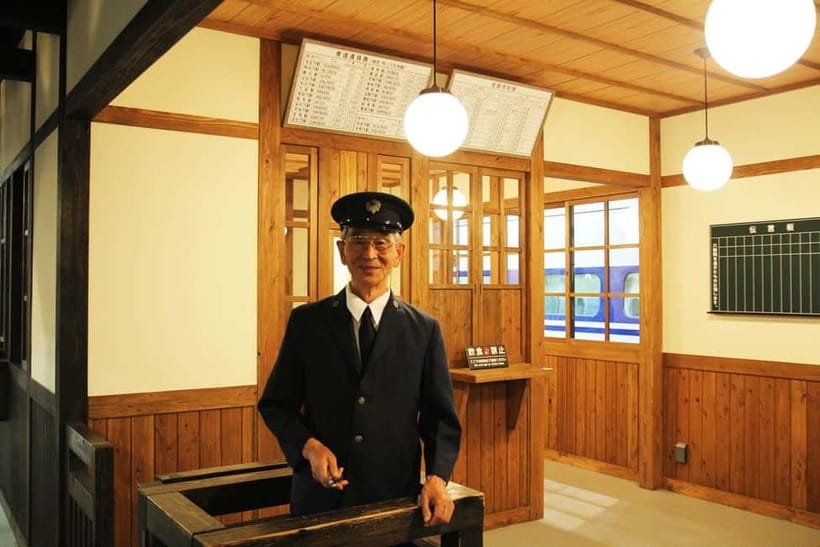
Stepping inside the trains makes the experience more personal. You can picture the difference between older rail travel and the modern bullet train era. It also helps you understand the scale of the carriages, the layout of the interiors, and the practical design choices that passengers often take for granted.
The Shinkansen is a major draw. For many people, seeing one in person is a highlight of a Japan trip, especially if their schedule does not include a long-distance bullet train journey. The museum lets you inspect the famous form at a slower pace and from several angles.
You should not expect every exhibit to offer the same level of interaction. Some displays are best for looking and reading, while others invite you to operate equipment or enter a carriage. That variety is useful, though it means you will want to choose your pace instead of trying to treat every object as a quick photo stop.
The steam locomotive ride and roundhouse
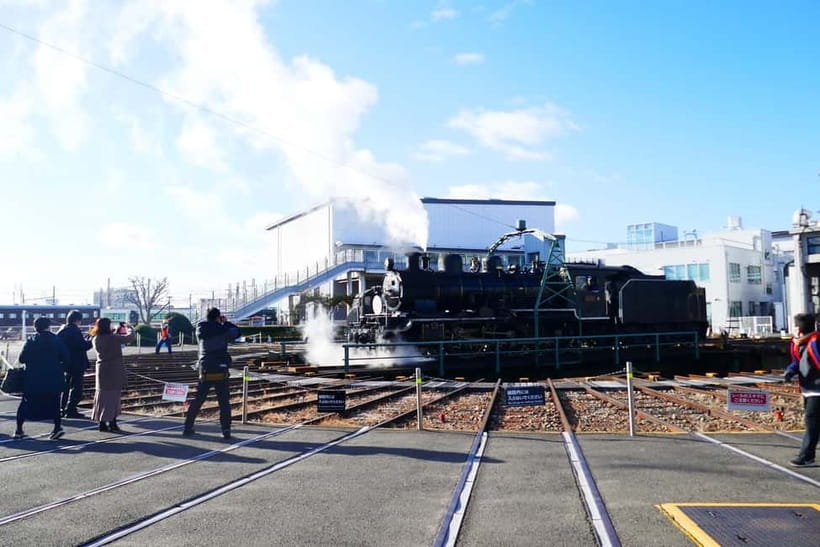
The working steam locomotive ride gives the museum its strongest nostalgic touch. This is not just a static engine with an old paint job. You get the chance to ride behind a working steam locomotive and feel the appeal of rail travel from an earlier age.
The ride adds sound and motion to the visit. Steam engines have a character that modern trains do not, and the experience can help you understand why they remain popular long after newer technology replaced them for regular service.
The historic roundhouse is another highlight. A roundhouse stores locomotives around a central turntable, allowing engines to be positioned in different directions. Watching the turntable rotate is a simple but memorable piece of railway theater. It shows the practical side of train operation in a way that a diagram cannot.
I would make time for the roundhouse even if you are not a serious rail enthusiast. It is one of the museum’s most distinctive sights, and it gives the collection a strong sense of place. The turntable also helps explain how railway workers once managed large engines in a compact facility.
Because the ride and turntable are specific activities, check the museum’s current information on the day you visit. The supplied details confirm that both are part of the experience, but they do not give exact operating times. Do not build your entire day around one exact departure without checking first.
Simulators, dioramas, and hands-on learning
The train-driving simulators are a useful change of pace after looking at full-size trains. You can try to operate a train in a realistic setting and get a small sense of the attention required in the driver’s cab.
This kind of activity works well for families because it gives children a task rather than another object to view. Adults may enjoy it too, especially if they are curious about the practical side of train operation. It is one of the museum’s more playful features, but it still connects directly to the technology on display.
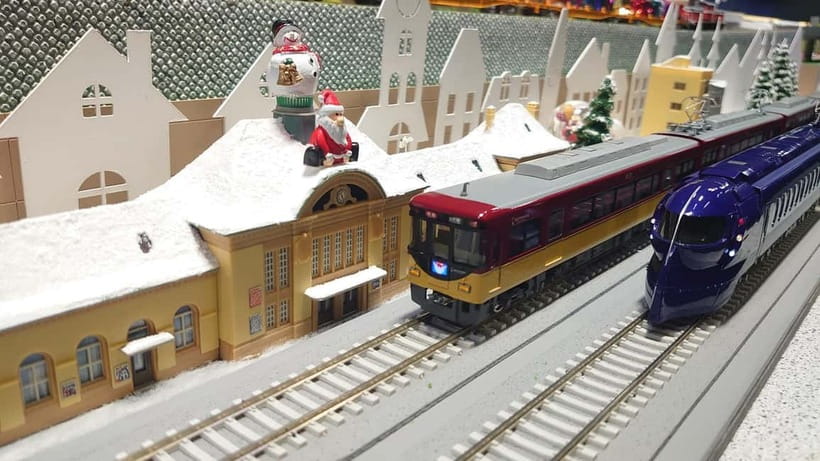
The railway dioramas offer a different kind of experience. Instead of focusing on one engine or carriage, they show rail travel as a complete system. You can see how trains, tracks, stations, and surrounding areas fit together in miniature.
I like dioramas because they let you understand movement and scale at once. A full-size locomotive shows engineering detail. A model railway shows how the whole network works together. The two formats complement each other well.
The museum is designed to explain how railways and related technology function, so you should expect educational material alongside the entertainment. That makes the visit more worthwhile for a mixed group. A committed train fan can study the machines, while someone with little railway knowledge can start with the simulators and models.
More Train Trips in Kyoto:
- From Osaka: Sagano Train Ride and Kyoto Guided Day Tour
★ 4.3 · 180 reviews - Kyoto: Arashiyama Tour with optional Sagano Romantic Train
★ 4.7 · 18 reviews - Mt Fuji and Hakone 1-Day Bus Tour Return by Bullet Train
★ 5.0 · 26,383 reviews - Mt Fuji & Hakone Cruise, Drum Show Bullet Train 1 Day from Tokyo
★ 4.0 · 7,413 reviews
The Sky Terrace and a change of pace
The Sky Terrace provides a break from the indoor displays and a chance to take in views from above. After several rooms of machinery, carriages, and technical exhibits, an open-air pause can help you reset.
The terrace is also useful for seeing trains in a broader setting rather than as isolated museum objects. The supplied details do not specify exactly what can be seen from the terrace, so treat it as a viewing point rather than expecting a particular landmark.
I would save the terrace for the middle or later part of the visit. It gives you a natural pause before returning to the collection. If you are visiting with children, this kind of change in pace can make it easier to keep going without forcing everyone through one long indoor session.
How much time should you allow?
Your ticket is valid for one day, and that matters here. The museum includes 53 trains, full-size interiors, simulators, dioramas, the steam locomotive ride, the roundhouse, and the Sky Terrace. You can rush through it, but the low ticket price makes a longer visit the better choice.
I would plan for several hours at minimum. A dedicated rail fan could comfortably spend much longer because the museum offers both broad displays and small mechanical details. A family may move faster in some galleries and spend extra time at the simulators, train interiors, or steam ride.
There is no need to force a strict route. Start with the large trains to get your bearings, then return to the exhibits that catch your attention. The museum works well as a flexible day activity because the ticket does not limit you to a short time window.
You may also re-enter the museum, but you must show your admission ticket to staff when you return. Keep it safe if you plan to leave during the day.
Is the $9 admission good value?
At about $9 per person, this is a strong-value attraction for a full day in Kyoto. The price includes standard museum admission, giving you access to the main collection and exhibits described here.
The value is especially clear if you enjoy trains, engineering, Japanese technology, or family activities that combine learning with play. You are paying for access to a large collection of full-size equipment, not just a small room of photographs and objects.
Children under 3 enter free. Children between 3 and 7 can buy tickets on-site for 200 yen, which can lower the total cost for families with young children. The standard ticket information does not state separate prices for other age groups, so check the current booking details before you pay.
One point to watch is that the ticket is non-refundable. That makes the Wednesday closure and changing opening hours important. Check the official website before booking, then choose a day when you can give the museum enough time.
Who will enjoy this museum most?
This is an easy choice for dedicated train fans. The combination of steam engines, Shinkansen, a working locomotive, the roundhouse turntable, and train-driving simulators gives you plenty to study and do.
Families are also well served. The full-size trains create an immediate sense of scale, while the hands-on exhibits keep the visit from becoming a long reading exercise. Children between 3 and 7 have a particularly low on-site ticket price.
You do not need to know much about Japanese railway history to enjoy the museum. The collection explains the development of rail travel through machines and interactive displays, so curiosity is enough. The museum also suits anyone who has admired Japan’s bullet trains and wants to see one at close range.
I would be less likely to recommend it to someone who has only a short time in Kyoto and no interest in trains or technology. The museum has plenty to see, but its appeal is focused. If your priority is temples, gardens, or traditional neighborhoods, you may prefer to reserve this for a day when you want a break from those sights.
Practical details for your visit
The museum is in Kyoto, on Honshu, at approximately 34.9870986, 135.7422732. Proceed directly to the Kyoto Railway Museum for ticket redemption.
This is an admission experience rather than a guided tour. No guide name or guided commentary is provided, so you should expect to explore at your own pace. The activity provider is GlobalTix JP.
The museum is wheelchair accessible. That makes the broad collection more usable for visitors with mobility needs, though the supplied information does not describe access details for each individual train or exhibit.
Opening hours may differ, so check the official website before you go. The museum closes every Wednesday. If the entrance queue is long, follow staff instructions and wait in the line marked for Early Bird Advance Ticket holders.
The ticket is valid for one day. If you leave and return, show your admission ticket to staff. Keep the day flexible enough for the steam locomotive, the roundhouse rotation, and the interactive exhibits.
Should you book the Kyoto Railway Museum?
I would book it if you want a hands-on look at Japan’s railway story, especially if a Shinkansen, steam engine, or train simulator sounds appealing. The collection is large, the activities vary, and about $9 is a fair price for a full day.
Book with care because the ticket is non-refundable. Confirm the opening hours, avoid Wednesday, and do not schedule it on a day when you can spare only a quick visit. For families and rail fans, this is one of Kyoto’s clearest value picks. For visitors focused only on traditional culture, it is a specialized stop, but a very good one if you want a change of pace.
FAQ
Where is the Kyoto Railway Museum?
The museum is in Kyoto, Honshu, Japan. The listed coordinates are 34.9870986, 135.7422732.
How much does admission cost?
The listed price is $9 per person for standard admission.
How long is the ticket valid?
The admission ticket is valid for one day.
Is the museum open every day?
No. The museum is closed every Wednesday. Opening hours may also change, so check the official website before visiting.
Are young children charged admission?
Infants under 3 years old enter free. Children between 3 and 7 years old can purchase tickets on-site for 200 yen.
What is included in the ticket?
The ticket includes standard admission to the Kyoto Railway Museum.
Can I ride a steam locomotive?
Yes. The experience includes the chance to ride a working steam locomotive.
Can I see a Shinkansen?
Yes. The collection includes real trains ranging from steam engines to Shinkansen, and you can step inside iconic trains.
Is the museum wheelchair accessible?
Yes. The activity is listed as wheelchair accessible.
Can I leave and re-enter the museum?
Yes, but you must present your admission ticket to staff when you re-enter.
Just added around Kyoto
- Sekka Cotton Furoshiki Class★ 5.0 · 19 reviews
- Kyoto Sword Experience – includes Museum Ticket/Ninja Experience★ 4.5 · 149 reviews
- Scenic Green Tea Fields of Hidden Kyoto & Local Tea Exp (Private)★ 5.0 · 32 reviews
- Secret Eastern Kyoto Biking Adventure★ 5.0 · 44 reviews
- Private Sake Tasting in Central Kyoto with Sake Sommelier★ 5.0 · 32 reviews
- Samurai School in Kyoto: Samurai for a Day★ 5.0 · 202 reviews
- SHIRAKAWA Japanese Culture Experiences with private English staff★ 5.0 · 16 reviews
- A Privately Guided Photoshoot in Beautiful Kyoto by a Pro★ 5.0 · 18 reviews
Museums, compared.

teamLab Planets TOKYO Digital Art Museum Entry Ticket
Our verdict →

Kamigata Ukiyoe Museum:Ukiyo-e Woodblock Printing Experience
Our verdict →
Mt. Fuji, Owakudani, Hakone Shrine, & Open-Air Museum
Our verdict →Browse the lists this tour appears in