
Reviewed · TEMPLES & SHRINES
Tokyo: Imperial Palace, Sensō-ji Temple, & Tokyo Tower Tour
Three very different sides of Tokyo come together here: imperial ceremony, old Buddhist tradition, and a tall modern lookout. In four hours, you see the Imperial Palace Outer Area, walk through Sensō-ji and Nakamise Street, then rise 150 meters above the city at Tokyo Tower.
I like the way the hybrid bus removes much of the transport fuss between widely separated sights. I also like the guides’ role in filling the road time with useful facts about Tokyo, Japanese language, and daily life. Guides including Junko, Kiki, Saiko, and Haruki have been praised for clear English and a warm sense of humor.
The main catch is simple: this is not a palace interior tour. You see the outer garden, stone walls, statue of Masashige Kusunoki, and Nijubashi Bridge area, but you do not enter the Imperial Palace or its East Gardens. Time is also tight at each stop.
Key Points at a Glance
- Three major Tokyo sights in one afternoon: You cover central Tokyo, Asakusa, and Tokyo Tower without arranging separate trains or admission tickets.
- The Imperial Palace stop is exterior only: Nijubashi Bridge and the surrounding grounds make a pleasant photo stop, but the palace itself remains off limits.
- Sensō-ji includes free time: Your guide explains the temple, then you can explore Nakamise Street, buy souvenirs, and eat at your own cost.
- Tokyo Tower supplies the big view: The main observatory sits 150 meters up, with Mount Fuji sometimes visible in clear weather.
- The guide can make or break the experience: Strong guides such as Junko and Kiki add commentary during the drives, not just at the monuments.
Meeting at Tokyo Station and Settling Into the Bus
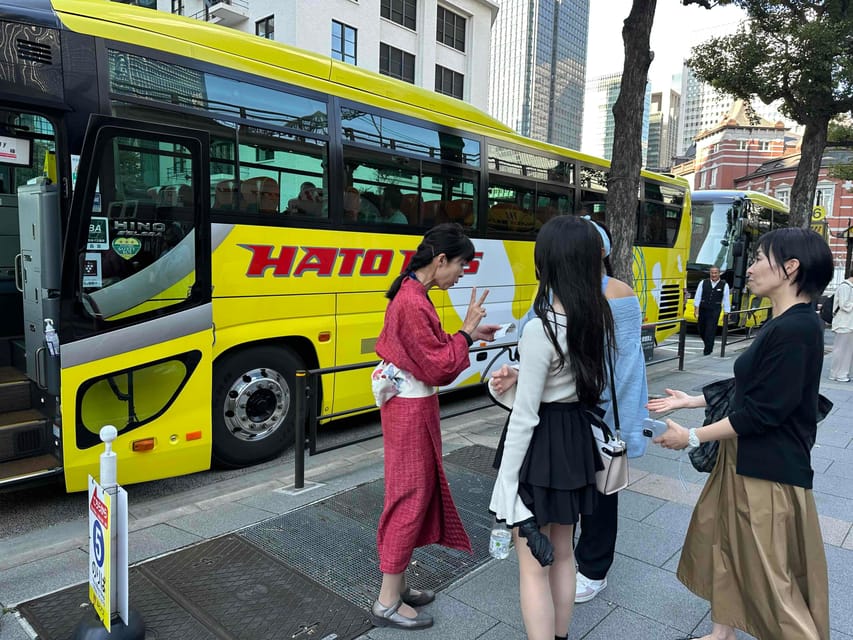
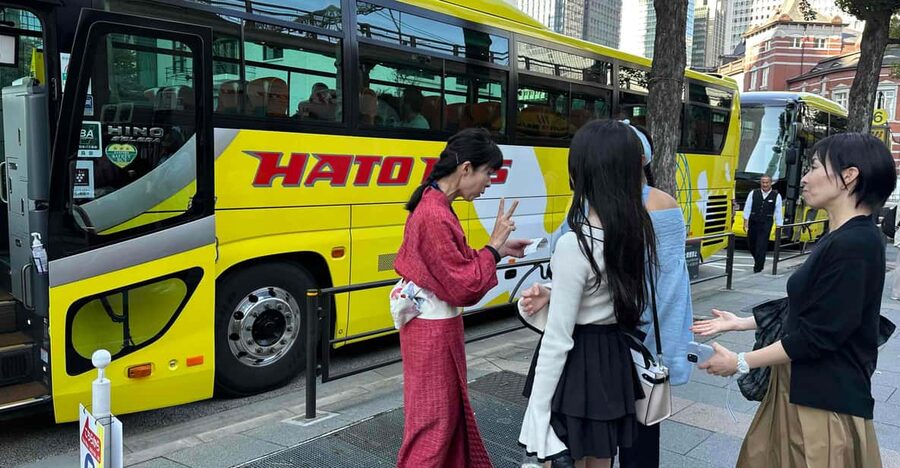
The tour begins at the Hato Bus Tokyo office, about a two-minute walk from the JR Tokyo Station Marunouchi South Exit. This is a useful starting point if you are staying near Tokyo Station or arriving by train. Give yourself enough time to find the correct south-side exit, since Tokyo Station is large and its underground passages can feel like a small city.
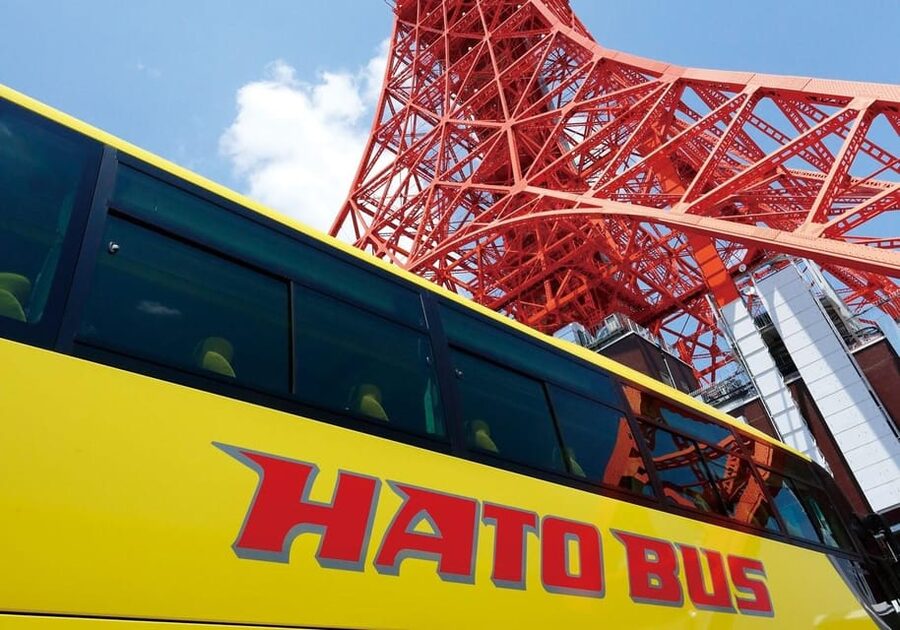
You board an eco-friendly hybrid bus and meet your English-speaking guide. The bus handles the transfers between sights, which matters in Tokyo. The three stops are not clustered together, so going independently means checking train routes, walking between stations and sights, and buying Tokyo Tower admission separately.
The bus also gives you a moving introduction to the city. Several guides, including Junko and Kiki, have used the journeys to explain Japanese words, customs, local life, and sights passed along the way. That commentary is one of the better reasons to choose a guided coach tour instead of simply taking public transport.
The experience is listed as wheelchair accessible, but you should know that getting on and off the bus involves a few steps. Children younger than six can ride free, but they do not receive their own seat. Food and drinks are not included, so plan to buy something at Sensō-ji or eat before or after the tour.
More Historical Tours in Tokyo
- Tokyo: Imperial Palace and Shogun Historical Walking Tour
★ 5.0 · 2,251 reviews - Tokyo: Imperial Palace Japanese History Walking Tour
★ 4.9 · 987 reviews - Tokyo: Imperial Palace and Shogun Walking Tour
★ 4.9 · 935 reviews
Nijubashi Bridge and the Imperial Palace Outer Area
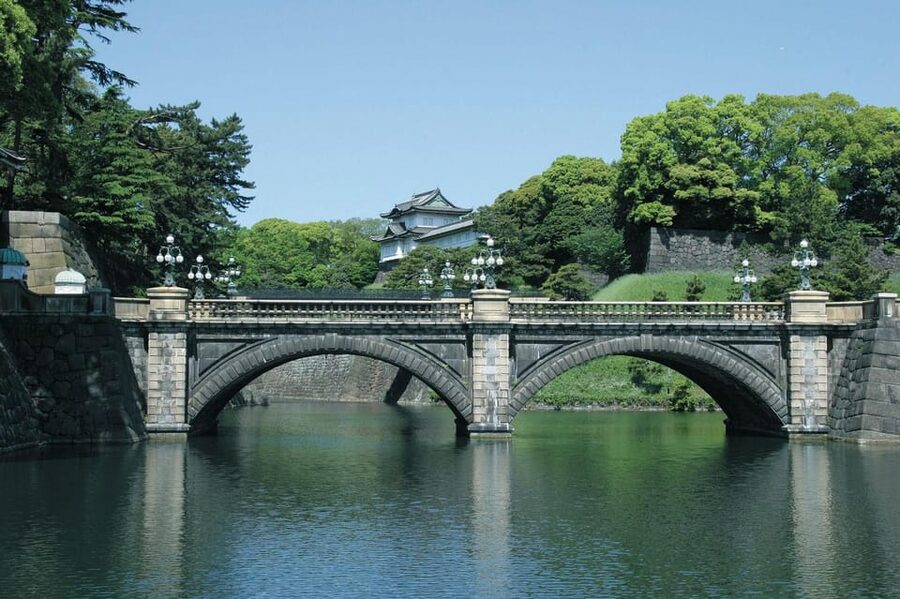
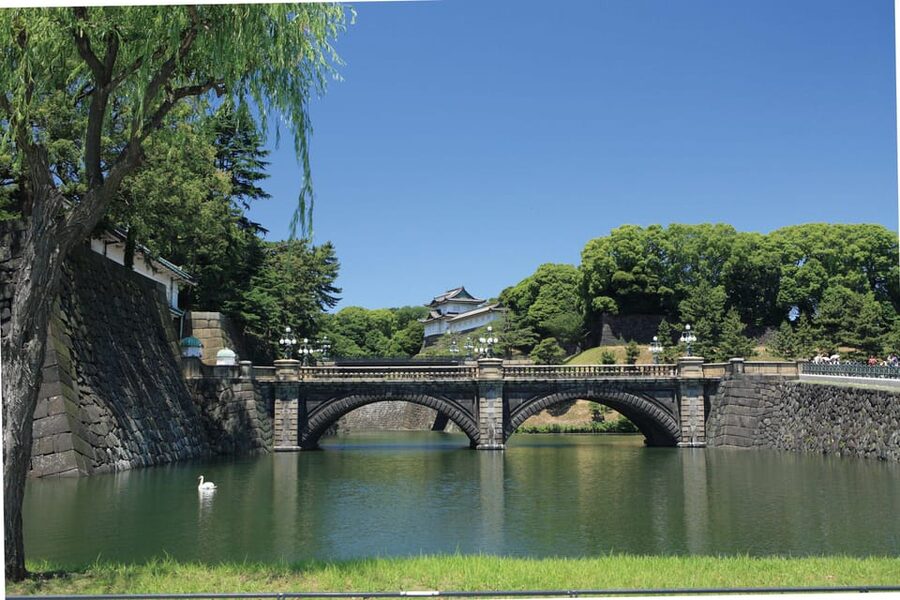
The first sightseeing stop lasts about 40 minutes. You get off near the Imperial Palace Outer Area and walk toward the Nijubashi Bridge area, with time to see the statue of Masashige Kusunoki and take photographs.
Nijubashi Bridge is one of Tokyo’s familiar postcard views. Its stone approach, bridge arches, and formal surroundings give you a sense of the Imperial Palace’s public face. The setting is open and spacious compared with the dense streets around Tokyo Station, making this a calm first stop.
Your guide supplies the historical context, but the visit is mainly visual. You do not enter the Imperial Palace, and the East Gardens are not part of this tour. You should not book this experience expecting palace rooms, extensive garden paths, or a close look at the imperial residence.
This distinction matters. Some people find the palace stop disappointing because the actual palace is not visible in the way they imagined. The appeal is the outer setting, the bridge, the palace walls, and the formal atmosphere. If you want to explore more of the palace grounds, you need a separate visit to the East Gardens. The gardens are closed on Mondays and Fridays, according to the practical advice supplied with the tour information.
I would treat this stop as a short orientation and photo opportunity rather than the main event. Forty minutes is enough for the bridge area and statue, but not enough for a long garden walk. The benefit is that you see an important central Tokyo landmark without using half a day on it.
Sensō-ji Temple and One Hour in Asakusa
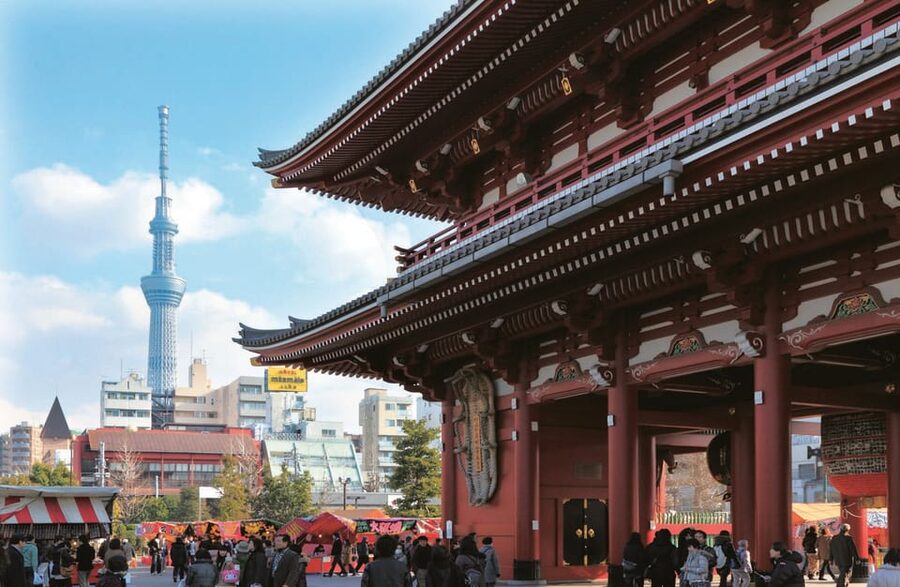
The second stop is Sensō-ji, also called Asakusa Kannon Temple. It is Tokyo’s oldest temple and gives the afternoon a very different mood from the Imperial Palace grounds.
Your guide introduces the temple’s craftsmanship and history before giving you free time to look around independently. That arrangement works well here. Sensō-ji is not a single viewpoint to check off a list. You will want time to pause, take photographs, look at the temple details, and browse the approach.
The 200-meter Nakamise shopping street leads toward the temple and is one of the stop’s most enjoyable features. Shops sell traditional souvenirs, small gifts, snacks, and meals. You pay for anything you buy, but this is also your best chance during the tour to sample something local or pick up a simple souvenir.
One hour goes quickly. You can see the main temple area and walk part of Nakamise, but you may need to choose between shopping, eating, and lingering over the architecture. One of the useful criticisms of the tour is that Sensō-ji deserves more time, while the palace stop has less to see.
Crowds can also affect the visit, especially on a Sunday. Stay aware of your guide’s meeting instructions and do not wander too far down the shopping street if you want time for the bus. The guide usually keeps the group together and helps everyone return on schedule, but you still need to watch the clock during your free time.
For a first afternoon in Tokyo, this is likely the most rewarding stop. You get an introduction to Buddhist temple culture, a traditional shopping street, and a chance to explore at your own pace. The tour does not force you to remain beside the guide for the entire hour.
Tokyo Tower at 150 Meters
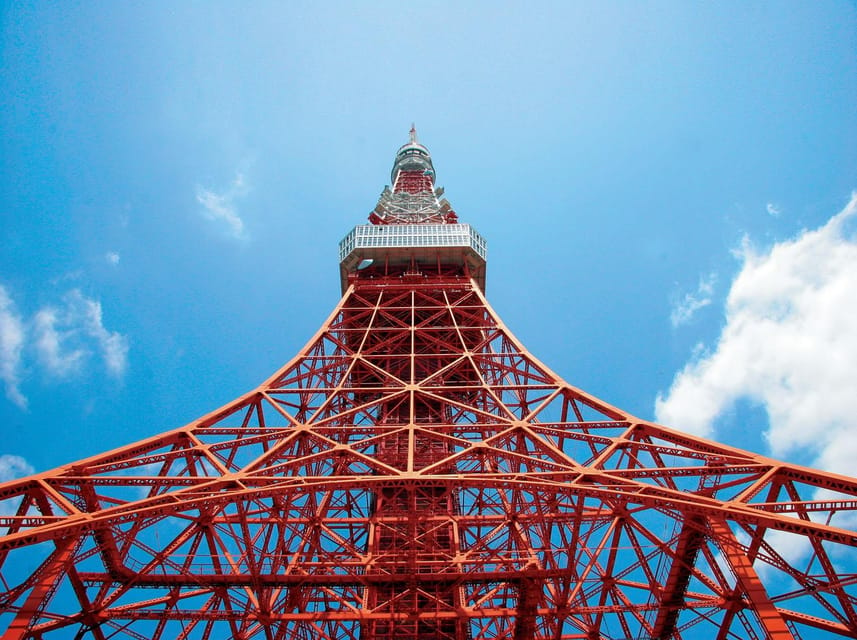
The final major stop is Tokyo Tower, one of the city’s best-known symbols. The included ticket takes you to the main observatory, 150 meters above ground level.
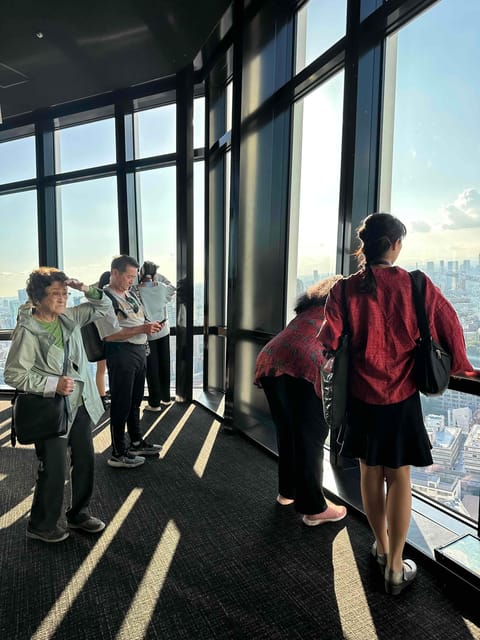
This is the part of the tour that feels most different from the first two stops. Instead of walking through historic grounds or a temple complex, you look out across Tokyo from above. On a clear day, you may even spot Mount Fuji. Weather makes a major difference here. Rain, haze, and low cloud can reduce the view, as some afternoon visitors have found.
If you can choose among available starting times, a late afternoon departure may give you a chance to reach the tower near sunset. One useful tip is to avoid arriving only after dark if daytime or sunset views matter to you. The tower is still impressive at night, but daylight gives you a better sense of the city’s size and layout.
The tower visit is scheduled for about 40 minutes. That is enough for the observatory and photographs, but it is not an open-ended visit. If Tokyo Tower is your top priority, you may prefer a separate ticket and a longer stay. On this tour, the value comes from adding the tower to two other major sights in a single outing.
Weather aside, this stop provides the strongest wide-angle view of the three. It also gives you a clear contrast between old Tokyo and the modern capital spreading far beyond the central districts.
More Temple & Shrine Tours in Tokyo
- Tokyo: Meiji Shrine, Asakusa, Skytree Bus Tour and Cruise
★ 4.7 · 1,986 reviews - Tokyo: Asakusa Walking Tour with Sensoji Temple Visit
★ 4.8 · 1,583 reviews - Tokyo Panoramic 1 Day: Meiji Shrine, Asakusa, Odaiba and SKYTREE®
★ 4.5 · 1,222 reviews - Tokyo: Zen Meditation at a Private Temple with a Monk
★ 5.0 · 510 reviews
How Much Time Do You Really Get?
The full activity lasts about four hours, including travel between stops. The listed sightseeing periods are about 40 minutes at Nijubashi Bridge, one hour at Sensō-ji, and 40 minutes at Tokyo Tower.
That leaves the bus journeys to connect the schedule. Traffic can affect how relaxed the afternoon feels, although the driver and guide manage the route for you. The pace is generally comfortable rather than frantic, but it is still a sampling tour. You see the highlights, not every corner.
The tradeoff is clear:
- You save the effort of planning three separate visits.
- You hear context during the drives.
- You get admission to Tokyo Tower.
- You have limited time for independent exploration.
- You cannot enter the Imperial Palace or visit the East Gardens.
I would choose this format if you have only one free afternoon, are visiting Tokyo for the first time, or want to get your bearings before exploring more on your own. If you prefer long museum visits, quiet temple time, or detailed palace gardens, the fixed schedule may feel restrictive.
The Guides Add Real Value

The strongest part of this experience is the guide service. The sightseeing itself is famous and easy to recognize, but the guide helps connect the sites.
Junko has been singled out for keeping the group informed and on time, including during the bus rides. Kiki has been praised for adding stories, language tips, and background between stops. Saiko has been described as both witty and well versed in the attractions, while Haruki brought an informative and humorous style.
The guide names are not fixed, so you may meet someone else. Still, the pattern is clear: the tour depends heavily on the person leading it. A good guide explains why the places matter, points out useful photo spots, handles timing, and makes the drive feel like part of the tour rather than dead time.
The tour is conducted in English. If you need another language, this is not the right choice. The English-speaking format is especially useful for first-time visitors who want explanations without having to read signs or research each place in advance.
Is $40 Good Value?
At $40 per person, the tour is a fair buy for a four-hour introduction to Tokyo. The strongest value comes from combining transport, a guide, and the Tokyo Tower entry ticket. You would still need to pay for local transport and the tower admission if you arranged the afternoon independently.
The price does not cover meals, drinks, or palace entry, though palace entry is not available as part of this experience anyway. You should also budget for snacks or souvenirs at Nakamise Street if those appeal to you.
I would not choose this tour solely for the Imperial Palace. The exterior visit is brief, and the East Gardens are excluded. I would choose it for the overall mix: a formal palace approach, Tokyo’s oldest temple district, and a high city view, all in one half-day outing.
The tour has a 4.5 out of 5 rating from 339 ratings, and transport receives especially strong marks. That matches the practical value: you can sit back between sights instead of trying to coordinate several train journeys in a busy city.
Weather, Walking, and Practical Comfort
You will walk at each stop, especially around Nijubashi Bridge and Sensō-ji. Comfortable shoes are sensible, and you should be prepared for heat and humidity in summer. One afternoon was described as very hot and humid, but the guide and driver still helped keep the group comfortable.
Rain can weaken the experience in two ways. It makes the temple and palace walks less pleasant, and it may limit visibility from Tokyo Tower. The guide can still explain the sights, but the views depend on weather you cannot control.
The hybrid bus provides a more comfortable base than a fully walking tour, though you still need to manage the steps when boarding and leaving. The tour returns to the original Hato Bus Tokyo office, which is convenient if you want to continue sightseeing near Tokyo Station afterward.
Who Should Book This Afternoon Tour?
I recommend it for first-time visitors, families who want a simple sightseeing plan, and anyone with limited time in Tokyo. It is also useful on your first day, when you may appreciate a guide, fixed transport, and a broad introduction before tackling the city alone.
It suits you especially well if you want:
- A guided introduction in English
- Three famous Tokyo sights in one outing
- Tokyo Tower admission included
- Free time for snacks and shopping at Nakamise
- Commentary during the bus rides
- A return to the same central meeting point
I would skip it if your main goal is to enter the Imperial Palace, spend hours in gardens, or explore Sensō-ji at a slow pace. I would also think twice if you dislike fixed departure times or if Tokyo Tower views are essential and the forecast looks poor.
The tour is flexible to book, with cancellation up to 24 hours before departure for a full refund and a reserve-now, pay-later option. Check the available starting times before booking, especially if you hope to reach Tokyo Tower around sunset.
Final Verdict: A Useful First Look at Tokyo
Book this tour if you want a practical, reasonably priced introduction to Tokyo without spending your afternoon planning train connections. The combination of Sensō-ji’s traditional atmosphere, the Tokyo Tower view, and an English-speaking guide gives you a good sense of the city in a short time.
Just set your expectations correctly. The Imperial Palace stop is an exterior look, not a palace visit, and both the temple and tower deserve longer if you want a thorough experience. For $40, though, this is a sensible way to see three major sights, learn the basics, and decide where to return on your own.
FAQ
How long does the Tokyo tour last?
The tour lasts approximately four hours, including transportation between the sights.
Where does the tour start and finish?
It starts and finishes at the Hato Bus Tokyo office near Tokyo Station. The meeting point is about a two-minute walk from the JR Tokyo Station Marunouchi South Exit.
Can I enter the Imperial Palace?
No. The tour visits the Imperial Palace Outer Area, including the Nijubashi Bridge area and nearby grounds. Entry to the Imperial Palace and the East Gardens is not included.
Is Tokyo Tower admission included?
Yes. The tour includes entry to Tokyo Tower’s main observatory at 150 meters.
Is food included in the price?
No. Food and drinks are not included. You can buy snacks, souvenirs, and meals at Nakamise Street at your own expense.
Is the tour conducted in English?
Yes. An English-speaking guide accompanies the tour, and English is the listed tour language.
Is the tour wheelchair accessible?
The activity is listed as wheelchair accessible, but you need to manage a few steps when getting on and off the bus. Children younger than six can travel free, but seats are not provided.
Just added around Tokyo
- Kawagoe Japanese Food Tour : Unagi Kaiseki and Sake near Tokyo★ 5.0 · 30 reviews
- Kawagoe 4hr Private Tour with Licensed Guide (Kawagoe Dep)★ 5.0 · 13 reviews
- Little EDO Sushi Making workshop in Kawagoe★ 5.0 · 18 reviews
- 【R34】Tokyo:Private Daikoku tour in Modified R34★ 4.9 · 92 reviews
- :Tokyo,Shibuya/ Pro Photography in Kimono / English-Friendly★ 5.0 · 26 reviews
- Tokyo:Celebrate Unique Japanese New Year Tradition Festivity★ 3.9 · 20 reviews
- Tokyo: Allstar Food Tour★ 4.7 · 29 reviews
- Tokyo: West-Side Cycling and Food Tour with Guide★ 5.0 · 37 reviews
Temples & Shrines, compared.

Tea Ceremony in a Traditional Tea House in Kiyomizu
Our verdict →
Meiji Shrine, Asakusa, Skytree Bus Tour and Cruise
Our verdict →
Fushimi Inari Hidden Hiking Tour (Private Option Available)
Our verdict →
Osaka/Kyoto:Kinkakuji,Arashiyama,FushimiInariShrine,NaraPark
Our verdict →
Nikko: Kegon Falls, Lake Chuzenji & Toshogu Temple
Our verdict →
Kamakura & Enoshima Day Trip including Temple Tickets
Our verdict →Browse the lists this tour appears in