
Reviewed · COOKING CLASSES
Kyoto: Hands-on Takoyaki and Okonomiyaki Cooking (1 Hour)
The best part of this Kyoto class is that you do the cooking yourself. In one hour, you make both takoyaki and okonomiyaki, two everyday Kansai foods that are fun to prepare and even more fun to eat. The format is casual and beginner-friendly, with an instructor nearby to answer questions rather than deliver a long lecture.
I like the efficient pairing of dishes, since both use related ingredients and cooking methods. I also like the small group size, capped at six, which gives you a better chance to ask about Japanese food and cooking. Dietary needs are taken seriously, too, but you must request gluten-free, vegan, halal-friendly, or allergy-aware ingredients when booking.
The main consideration is the short one-hour schedule. It is enough for a relaxed introduction, not a full culinary course. One earlier class also felt underprepared, though the December 2025 update says experienced instructors now lead or supervise each session and the class flow has been refined.
Key points before you book
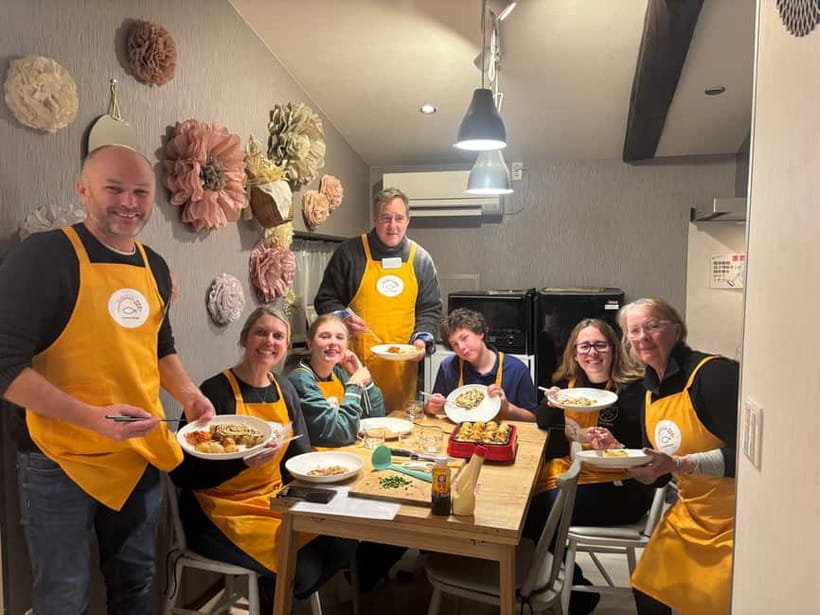
- Two Kansai classics in one hour: Prepare and cook both okonomiyaki and takoyaki, then sit down to eat them.
- A real hands-on format: You handle the preparation and cooking, with help available instead of watching a demonstration from the sidelines.
- Small groups capped at six: A useful setup for questions, personal guidance, and a more relaxed pace.
- Convenient central Kyoto location: Walk about 10 minutes from Shijo or Karasuma Station, or about 15 minutes from Nishiki Market.
- Dietary requests are possible: Gluten-free, vegan, halal-friendly, and allergy-aware ingredients can be arranged if you mention them at booking.
- A short, practical activity: The one-hour length fits neatly before or after sightseeing, lunch, or dinner plans.
Making two Kyoto comfort foods from scratch
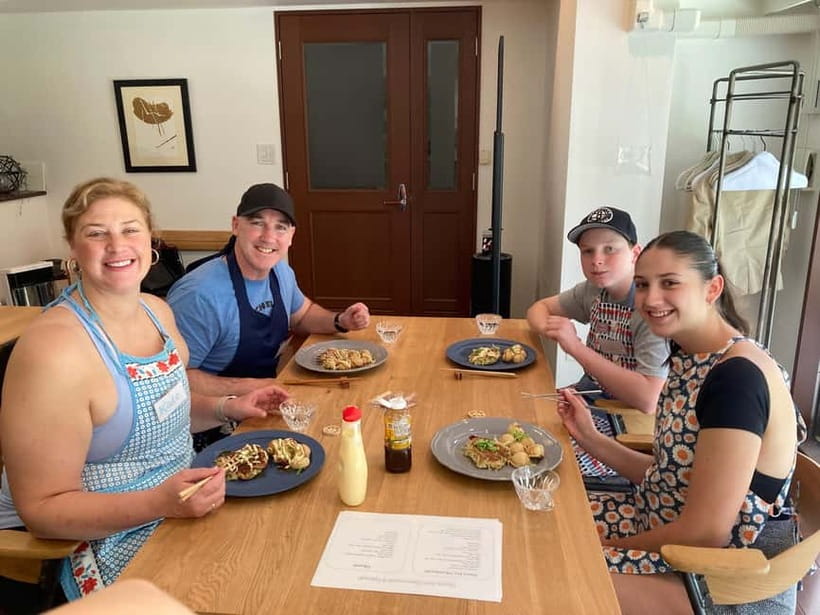
This is a cooking activity built around action. You prepare two well-known Japanese dishes, cook them yourself, and eat the finished food in the same room. That simple plan works well for a first visit to Japan because you get a taste of local food culture without giving up half a day.
Okonomiyaki is often described as a savory Japanese pancake, though that label only tells part of the story. The name points to making something according to your preference, and the dish has long been associated with informal, filling meals. Its history reaches back to the Taisho era, from 1912 to 1926.
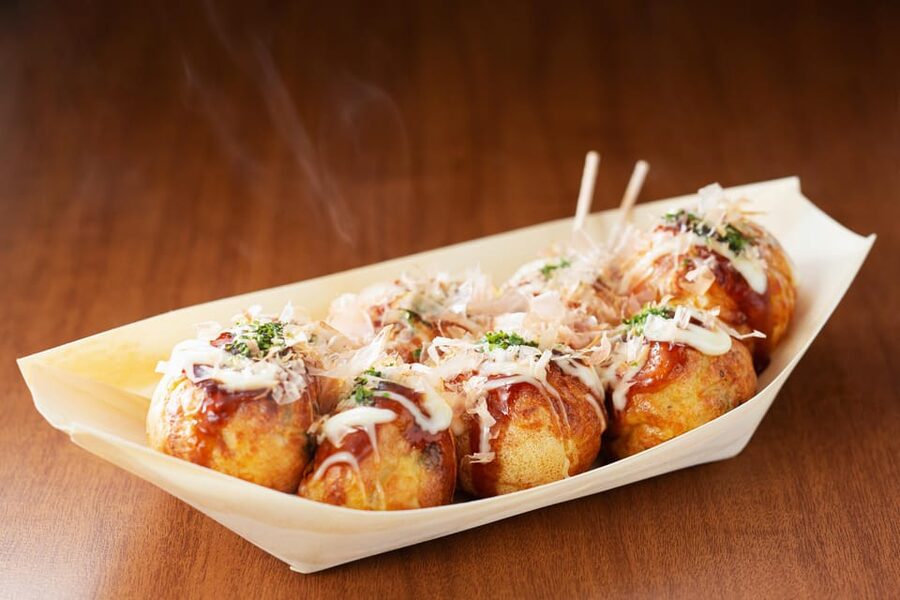
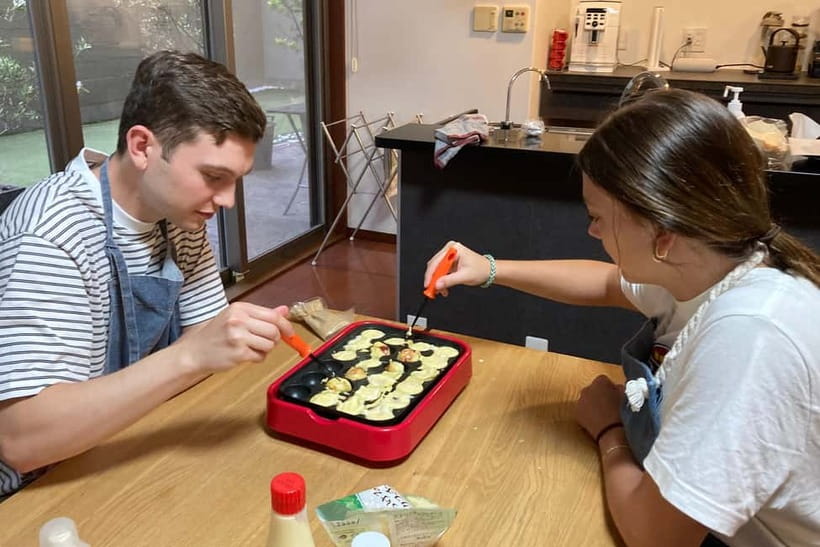
Takoyaki is a small, round batter dish traditionally made with octopus. It became popular in the Showa era, from 1926 to 1989, and is now closely linked with Osaka and the wider Kansai region. Preparing it is especially entertaining because the batter cooks in small round spaces, requiring attention and a little hand control.
You are not expected to arrive with cooking skills. The class is designed for beginners and first-time visitors to Japan. The instructor supports you as you work, answers questions, and offers tips when needed. You can cook at your own pace within the hour, though the schedule is tight enough that staying engaged matters.
More Cooking Classes in Kyoto
- Ramen Cooking Class at Ramen Factory in Kyoto
★ 5.0 · 1,937 reviews - Kyoto: Ramen Cooking Class at a Ramen Factory with Souvenir
★ 4.9 · 532 reviews - Kyoto: Ramen, Gyoza, and Onigiri Cooking Class
★ 5.0 · 445 reviews
What the one-hour class feels like
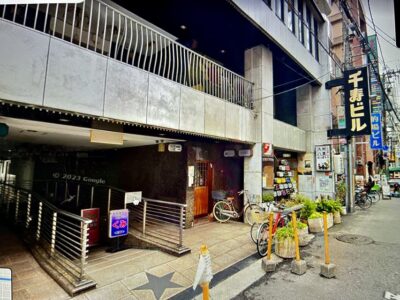
The class begins at a private or small teaching space in central Kyoto. Take the elevator to the third floor and press the doorbell for room 302. The meeting point is not a major tourist attraction, so allow a few extra minutes to find the building and enter without rushing.
Once inside, you receive an apron and use the provided cooking utensils. Ingredient costs, lunch or dinner food, and equipment rental are included in the $56 price. Your transportation to and from the location is not included, but the central address keeps that cost and effort modest.
The format is deliberately informal. You are not sitting through a long explanation before touching the food. Instead, the instructor guides the preparation and cooking as you go. This makes the activity a good fit if you learn best by doing, or if you have already spent the day looking at temples and need something more active.
The December 2025 update is worth noting. Classes are now led or supervised by experienced instructors, with the timing and guidance adjusted to work better within one hour. That change matters because a short class has little spare time for confusion, late starts, or lengthy demonstrations.
You may be cooking with as few as two people, based on one especially positive small-group experience, or with a larger group up to the six-person limit. A small class gives you more room to ask about ingredients, techniques, and food customs. It also makes the cooking feel less like a production line.
Okonomiyaki first, or takoyaki first?
The exact order can depend on the class flow, so do not expect a minute-by-minute cooking script. The important point is that both dishes are prepared during the same session, using overlapping ingredients and related methods.
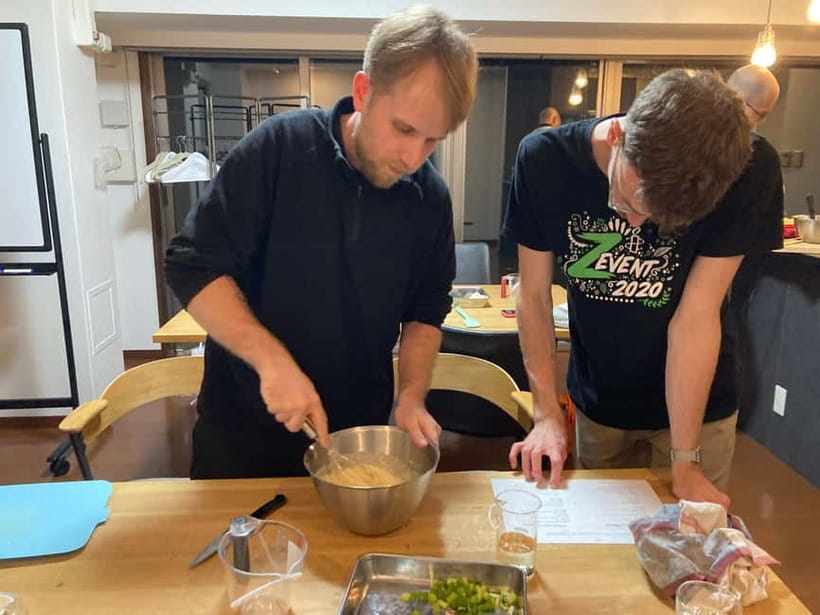
Okonomiyaki is the more forgiving of the two. You combine ingredients, prepare the mixture, and cook it on the hot surface. The process helps you understand why this food is so popular in Japan: it is filling, adaptable, and suited to a casual meal.
Takoyaki requires more attention. The small portions cook separately, and shaping them takes practice. That hands-on element is one reason the dish is such a good choice for a short activity. You are not merely learning a recipe. You are learning how the food behaves as it cooks.
The instructor can step in with advice as you work, but the aim is not to do everything for you. That distinction matters. If you want polished restaurant-style results with no effort, this may not be the right activity. If you want to make a few imperfect but satisfying pieces yourself, it is a better match.
One strong feature is the connection between the two dishes. They share some basic ideas, but they do not feel identical. Making both in one session lets you compare the cooking methods and see how familiar ingredients can produce very different foods.
A taste of everyday Kansai food
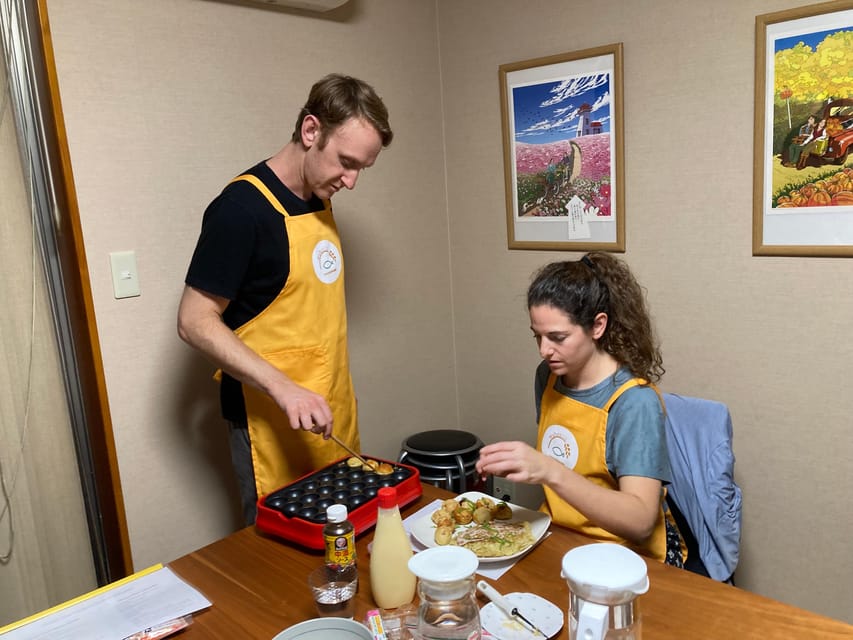
Kyoto is famous for temples, gardens, tea, and formal cuisine. Those are worth your time, but Japanese food culture is not limited to elegant dishes served in quiet restaurants. Okonomiyaki and takoyaki belong to a more casual side of eating, especially in Kansai.
That makes this class useful for anyone who wants a broader picture of Japan. You are working with food that is associated with ordinary social meals, street stalls, casual restaurants, and home cooking. The setting is not presented as a grand culinary ceremony, and that is part of its appeal.
The cooking also gives you a practical memory to take home. After making takoyaki, you may notice the equipment and technique when you see the dish elsewhere in Japan. Okonomiyaki can likewise become easier to understand once you have handled the ingredients yourself.
A past participant described the private class as a way to learn how locals cook classic dishes at home, while another appreciated the chance to ask about Japanese food culture with only two people present. Those details point to the strongest version of this experience: a friendly exchange built around cooking, not a formal lesson packed with technical theory.
The quality of that exchange depends on the instructor assigned to your class. One booking praised Marie as friendly and fun. Another class had a late start, ingredients that were not ready, and an instructor who checked notes while cooking and began cleaning before the group had finished. That was a clear weak point, and it is fair to keep it in mind.
The current supervision update is reassuring, but it does not erase the practical lesson: arrive ready to participate, and remember that this is a short, casual activity rather than a professional cooking school.
Same trip, a completely different kind of day:
- PERFECT KYOTO 1-Day Bus Tour
★ 5.0 · 13,518 reviews - Kyoto: Fushimi Inari, Kinkakuji, Bamboo Grove 1 Day Bus Tour
★ 4.8 · 4,316 reviews - Kyoto: Tea Ceremony in a Traditional Tea House in Kiyomizu
★ 4.9 · 3,519 reviews - Kyoto Geisha Walking Tour: Gion District & Hidden Gems
★ 4.7 · 3,273 reviews
Is $56 a fair price?
At $56 per person, this is not the cheapest way to eat okonomiyaki and takoyaki in Kyoto. You can spend far less at a casual restaurant. The value comes from the activity, not simply from the amount of food.
Your price covers the cooking experience, ingredients, the meal you prepare, and the use of aprons and utensils. You also receive direct instruction in English or Japanese, with a group limited to six. For a visitor who wants a food activity but has only one hour, that package is reasonably easy to justify.
I would compare it with other paid activities in Kyoto rather than with a restaurant meal. A meal gives you convenience and perhaps better consistency. This class gives you a story, a skill, and the satisfaction of making the food yourself. If you want both lunch and a cooking lesson, the included meal improves the value.
The price is less appealing if you are mainly hungry and have no interest in cooking. It is also less compelling for anyone seeking detailed culinary training, since the class must cover two dishes in a single hour. You are paying for an approachable introduction, not a long recipe workshop.
The small group limit helps the price make more sense. Personal attention is harder to provide in a large class, and the chance to ask questions can be as valuable as the recipes. A private or nearly private session will feel more worthwhile than a full group of six, though the basic format remains the same.
Getting there from Shijo, Karasuma, or Nishiki Market
The location is one of the practical strengths. You can reach it in about a 10-minute walk from either Shijo Station or Karasuma Station. From JR Kyoto Station, allow about 15 minutes by train or bus, followed by a short walk.
Nishiki Market is roughly a 15-minute walk away. That makes the class easy to pair with market browsing, though you should plan your timing rather than assume you can wander in at the last minute. Nishiki Market can take longer than expected, especially if you stop for snacks and small purchases.
The activity does not include round-trip transportation. That is not a serious drawback in this location, since the meeting point is central and public transport options are straightforward. Still, factor in your own fare and allow time to locate room 302.
The room number matters. Take the elevator to the third floor and press the doorbell for 302. Having that instruction saved on your phone will make arrival easier, especially if you are coming from a busy sightseeing stop.
Dietary needs and booking notes
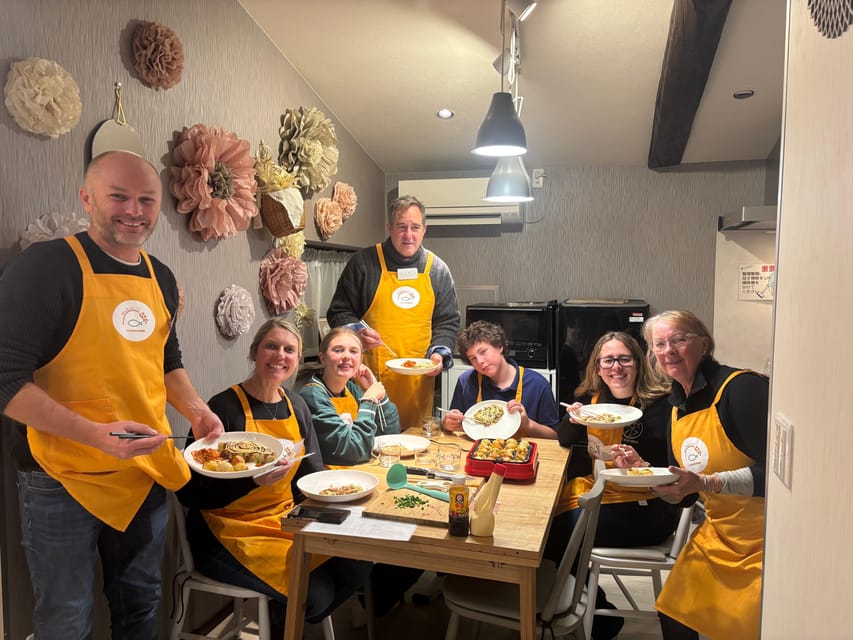
Gluten-free, vegan, halal-friendly, and allergy-aware ingredients can be arranged. You need to state your requirements when you book, not after arriving. The ingredients are adjusted in advance, so clear information is important.
This is particularly useful for a dish like okonomiyaki, where sauces, batter, and added ingredients can vary. Takoyaki also requires attention to the batter and fillings. Do not assume a standard serving will meet your needs simply because the class offers alternatives.
The available instruction languages are English and Japanese. That makes the activity accessible to many international visitors, though the experience is still hands-on rather than a fully scripted lesson.
You can cancel up to 24 hours in advance for a full refund. A reserve-now, pay-later option is also available, which helps if your Kyoto schedule is still shifting. Availability and start times vary, so check the specific date before building the rest of your day around the class.
Who will enjoy this most?
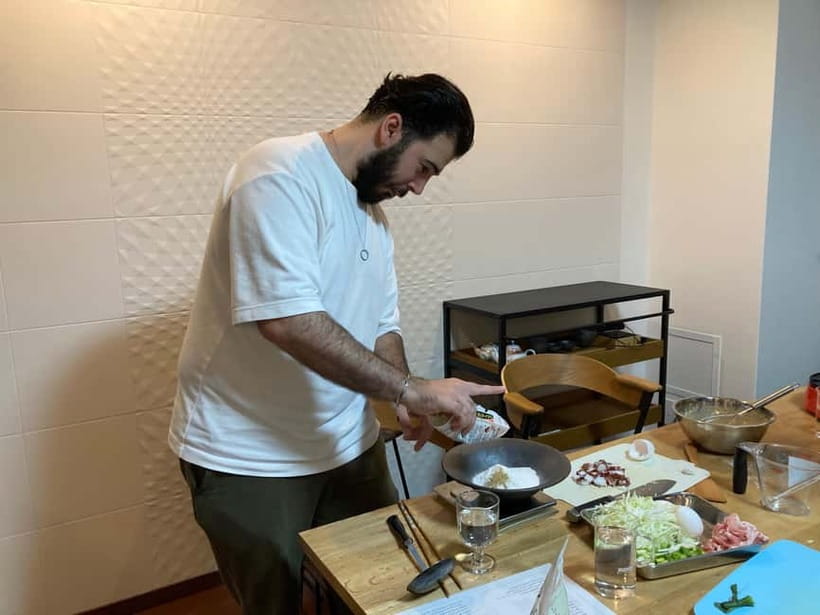
I would recommend this activity to first-time visitors who want a simple introduction to Japanese food. It is also a good fit for couples, families, and small groups who prefer doing something together rather than watching a demonstration.
The one-hour length works well for a busy Kyoto itinerary. You can fit it between major sights, use it as a lunch or dinner plan, or schedule it near Nishiki Market. It gives you a change of pace without requiring a full afternoon.
Food-curious visitors will get the most from it. You do not need prior cooking experience, but you should be willing to handle ingredients, follow guidance, and accept that the first takoyaki may not be perfectly round.
I would be more cautious if you want advanced instruction, polished presentation, or a long cultural lecture. The class is casual by design. Its success depends on friendly guidance and a smooth start, and the earlier underprepared session shows why the instructor and timing matter.
FAQ
How long does the cooking activity last?
The experience lasts one hour. Starting times vary, so check availability for your chosen date.
Which dishes will I make?
You will prepare and cook both okonomiyaki and takoyaki, then sit down and eat the food you made.
Where is the meeting point?
Take the elevator to the third floor and press the doorbell for room 302.
How far is the location from public transport?
It is about a 10-minute walk from Shijo Station or Karasuma Station. From JR Kyoto Station, the journey takes about 15 minutes by train or bus, followed by a short walk.
Can dietary requirements be accommodated?
Yes. Gluten-free, vegan, halal-friendly, and allergy-aware ingredients are available if you provide the details when booking.
How many people can join the class?
The group is limited to six participants. Instruction is available in English and Japanese.
Should you book this Kyoto cooking class?
Book it if you want an active, compact food experience and like the idea of making two Kansai favorites yourself. The small group, central location, included meal, and dietary flexibility give it practical value, especially for a first visit to Japan.
Skip it if you only want a quick meal, or if you expect a long and highly technical cooking course. The class is short and informal. With the December 2025 instructor update, the structure should be more reliable, but you are still choosing a friendly introduction rather than a formal culinary program.
For most visitors with one free hour near Shijo or Karasuma, this is a sensible way to add local food culture to a Kyoto itinerary. You leave with a full stomach, a better idea of how okonomiyaki and takoyaki are made, and perhaps enough confidence to try them again at home.
More 1-Hour Experiences in Kyoto
- Ninja 1-hour Hands-on Lesson by Japanese master in Kyoto -Entry
★ 5.0 · 489 reviews - 1 Hour Geisha Show in Kyoto
★ 5.0 · 452 reviews - One Hour Geisha Show in Kyoto
★ 5.0 · 64 reviews - One Hour Geisha Show in Gion Kyoto
★ 5.0 · 59 reviews
Just added around Kyoto
- Sekka Cotton Furoshiki Class★ 5.0 · 19 reviews
- Secret Eastern Kyoto Biking Adventure★ 5.0 · 44 reviews
- Kyoto Sword Experience – includes Museum Ticket/Ninja Experience★ 4.5 · 149 reviews
- Scenic Green Tea Fields of Hidden Kyoto & Local Tea Exp (Private)★ 5.0 · 32 reviews
- Private Sake Tasting in Central Kyoto with Sake Sommelier★ 5.0 · 32 reviews
- Samurai School in Kyoto: Samurai for a Day★ 5.0 · 202 reviews
- SHIRAKAWA Japanese Culture Experiences with private English staff★ 5.0 · 16 reviews
- A Privately Guided Photoshoot in Beautiful Kyoto by a Pro★ 5.0 · 18 reviews
Cooking Classes, compared.
Browse the lists this tour appears in