
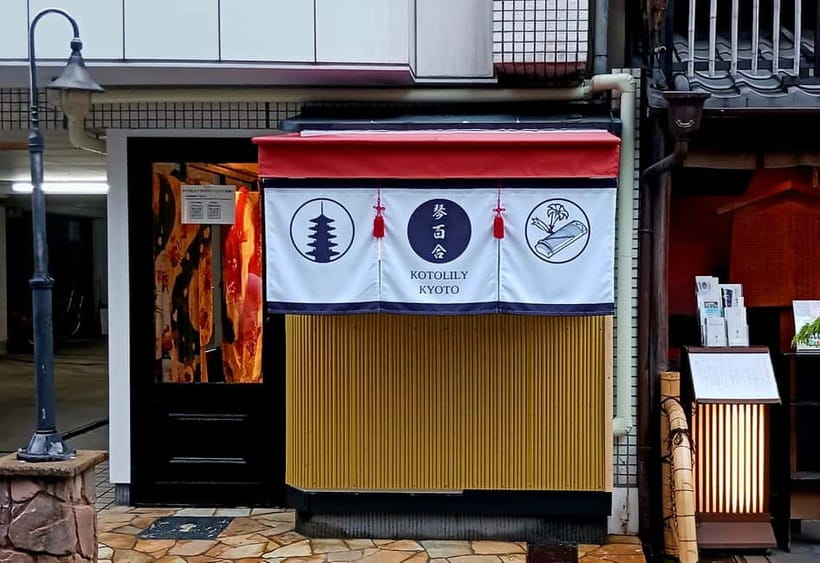
Reviewed · TEA CEREMONY EXPERIENCES
Kyoto: Nishiki Market Tea Ceremony with Koto Performance
The best part of this Kyoto experience is the pairing of hands-on matcha making with live koto music. At KOTOLILY KYOTO, Yurika guides you through the tea ritual, then fills the room with traditional music while you sip your tea and eat sweets.
I like the small group size, limited to eight people, and the central location beside Nishiki Market. I also like that you do not simply watch the tea being prepared. You whisk your own matcha and learn why each step matters.
The main drawback is that the session lasts only one hour, so it offers an introduction rather than a full formal tea ceremony. The kimono photographs and koto lesson are extra, and the activity is not suitable for children under eight, wheelchair users, or people with food allergies.
Key points to know before booking
- Yurika leads the session in English and Japanese, explaining tea etiquette, matcha preparation, and the meaning behind the ceremony.
- You make your own matcha, from adding water to whisking the tea until it becomes creamy and less bitter.
- Live koto music is woven through the hour, with performances before and after the tea preparation.
- The studio is next to Nishiki Market, making it easy to combine the activity with food stalls and shopping.
- Kimono photos and a short koto lesson cost extra, and both can be requested at the location.
- Shoes come off at the door, and the compact room is easier to manage with a small bag rather than a suitcase.
A quiet hour beside Nishiki Market
Kyoto can be noisy, crowded, and full of competing sights. This tea ceremony offers a useful change of pace without sending you across town. KOTOLILY KYOTO sits in central Kyoto, next to KINMATA Restaurant and opposite Hotel GOCO stay. The meeting point is inside the shop, not at the hotel.
That location matters. You can visit Nishiki Market before or after the session, then continue to nearby shopping streets. It also gives you a weather-friendly cultural stop, since the activity takes place indoors and does not depend on good conditions.
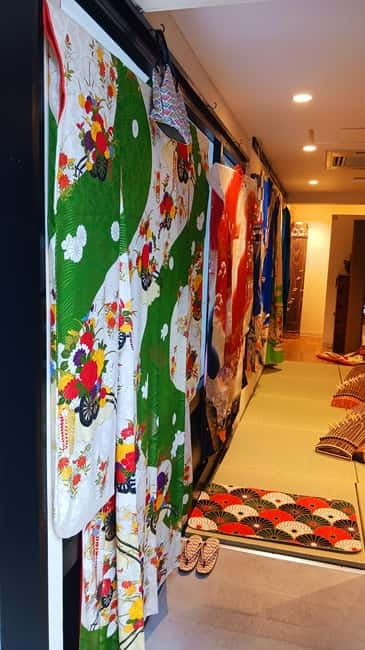
The studio itself is part of the appeal. The walls are lined with kimono, and the room has a warm, intimate feel. Do not expect a large performance hall or a formal temple setting. This is a compact shop and teaching space, which helps keep the hour personal but means large bags may be awkward.
You will remove your shoes at the door, so wear comfortable, clean socks if that is a concern. Comfortable clothing is recommended, especially if you plan to add the kimono option later.
More Market Tours in Kyoto
- Nishiki Market Brunch Walking Tour (7 Tastings + Brunch)
★ 5.0 · 1,355 reviews - Kyoto Nishiki Market Food and Culture Walking Tour
★ 5.0 · 412 reviews - Kyoto: Nishiki Market Brunch Walking Tour-7 Tastings+Brunch
★ 4.8 · 197 reviews
The tea ceremony, explained one step at a time
The session begins with an introduction to the Japanese tea ceremony and its etiquette. Yurika explains what you are doing and why, rather than asking you to copy a series of mysterious movements without context. That approach makes the activity approachable for first-time visitors.
You then prepare matcha yourself. The process includes adding water and whisking the powdered green tea until it becomes smooth and creamy. The instruction is aimed at producing a tea that tastes less bitter, which is helpful if you are unsure about matcha or have only tried sweetened versions in cafés.
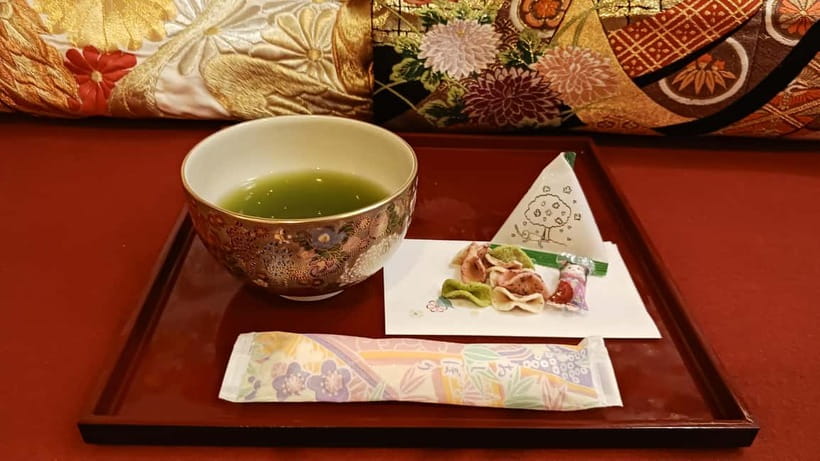
Tea sweets accompany the matcha. They provide a small sweet contrast to the tea’s grassy taste and are part of the ritual, not a substitute for a meal. You should eat beforehand if you need something substantial, since meals are not included.
The practical value here is participation. A quick demonstration can be pleasant, but making the tea gives you something to remember and repeat later. You leave with a clearer idea of how matcha is whisked and how tea, sweets, manners, and calm attention fit together.
The session may include two types of green tea, depending on how the instruction is arranged. The focus remains on preparation and appreciation, not on drinking a large quantity.
Koto music gives the tea a second voice
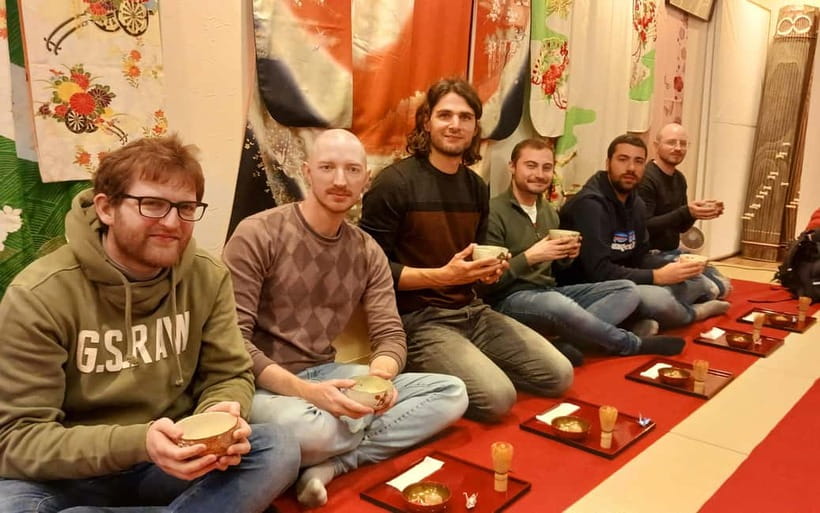
The live koto performance is what separates this activity from a basic matcha lesson. The koto is a traditional Japanese string instrument, often described for visitors as a Japanese harp. Yurika plays before and after the tea ceremony, and the music creates quiet pauses between the instructional parts.
The performance is not background music added by a speaker. You are watching a musician play in the same small room where you are preparing tea. Several sessions include multiple pieces, and Yurika also explains the instrument and its place in Japanese music.
That combination works well because the tea ceremony is built around focus and controlled movement. The koto adds another way to encounter Japanese culture, one that does not require you to understand every spoken explanation. If you enjoy music, the performance may be the strongest reason to choose this experience over a shorter tea tasting.
The music also makes the hour feel less like a class. You learn, make tea, listen, and pause. The result is gentle and unhurried, even though the schedule is compact.
What the one-hour schedule feels like
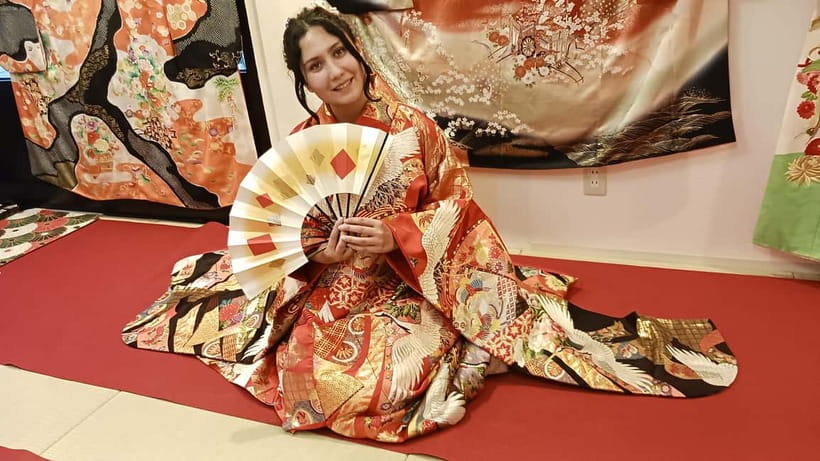
A one-hour activity needs to keep moving, and this one does. You should expect an introduction, tea instruction, your own matcha preparation, sweets, and several musical moments within the allotted time.
That makes it a good fit for a busy Kyoto day. You can place it between market visits, shopping, or another central Kyoto sight without giving up half a day. It also works well when rain disrupts outdoor plans.
The tradeoff is depth. You will learn the main ideas behind tea etiquette and matcha preparation, but you will not receive a long, highly formal ceremony with every element explained at great length. If your goal is a serious study of tea practice, look for a longer specialist session. If you want a clear, friendly introduction with music, this shorter format makes sense.
The limited group size helps. With no more than eight participants, the instructor can demonstrate closely and answer questions. Some sessions may be even smaller, which creates a more personal feel, but group size can vary within the stated limit.
More Tea Ceremony Experiences in Kyoto
- Kyoto: Tea Ceremony in a Traditional Tea House in Kiyomizu
★ 4.9 · 3,519 reviews - Kyoto: Tea Ceremony Ju-An at Jotokuji Temple
★ 4.9 · 3,207 reviews - Kyoto: 45-Minute Tea Ceremony Lesson Experience
★ 4.3 · 2,378 reviews - Kyoto: Table-Style Tea Ceremony at a Kyo-Machiya
★ 4.9 · 1,211 reviews
Kimono photos and the optional koto lesson
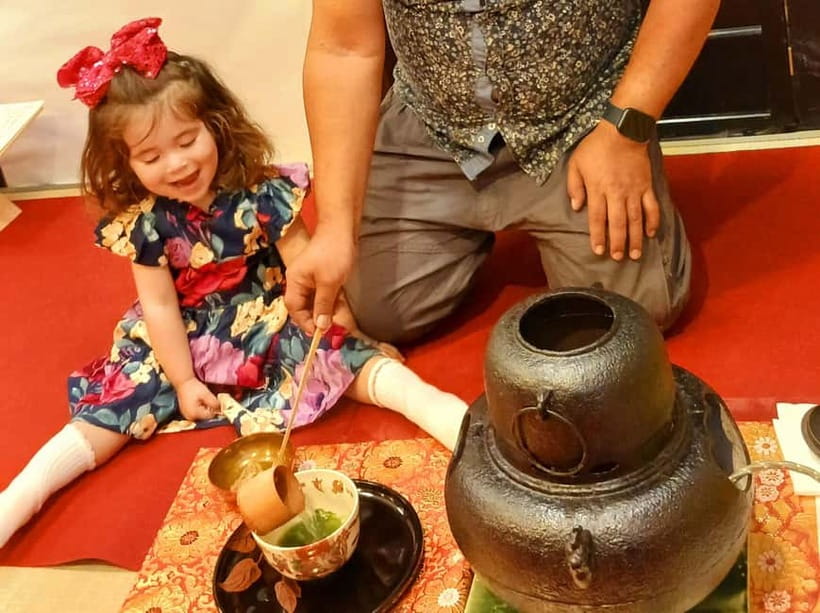
Kimono are available at the studio for an additional fee. You can request a photo and video session after the tea ceremony, and the shop has several garments and traditional hair accessories for the photographs.
This option is worth considering if you want a visual souvenir or are looking for a more dressed-up cultural activity. It is not included in the $56 price, so ask about the extra cost before agreeing. The available information makes clear that the kimono add-on is mainly arranged for photographs after the ceremony. You should not assume that the entire tea session will be conducted in kimono.
That distinction matters. One participant specifically wished the tea could have been enjoyed while wearing the kimono rather than saving the clothing for pictures. If taking part in the ritual while dressed traditionally is your main goal, confirm the arrangement at the shop.
A koto-playing experience is also available for an additional fee. This gives you a chance to try the instrument rather than only listen to Yurika play. Like the kimono option, it is not part of the standard booking and should be requested on-site.
The add-ons can turn a simple one-hour activity into a more customized cultural session. They can also push up the total cost, so treat them as optional extras rather than part of the core value.
Is $56 a fair price?
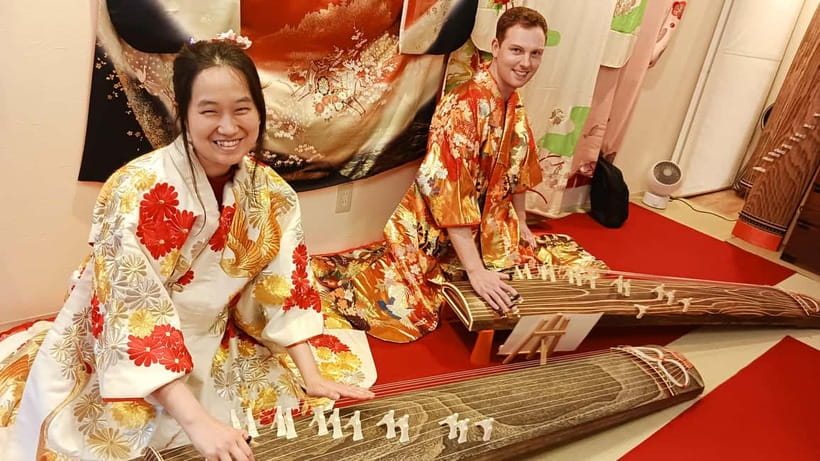
At $56 per person, the price is reasonable if you value several experiences in one: tea instruction, your own matcha, sweets, live music, and a small-group setting. A basic tea tasting may cost less, but it will not necessarily include a live koto performance or a host who explains the musical instrument as well as the tea.
The value is strongest for first-time visitors to Japan. You get a guided introduction without needing prior knowledge of tea etiquette, and the English instruction makes the ritual easier to follow. You also save time by combining two cultural activities in one central appointment.
The price is less attractive if you only want to taste matcha. You are paying for the teaching, the performance, and the atmosphere, not for a large serving of food or a full meal. Kimono photographs and koto instruction require another payment, so budget for those separately.
I would compare this activity with the cost of booking separate tea and music experiences. The two-part format gives you more variety in a single hour, and the location makes it easy to continue exploring afterward.
Who will enjoy this Kyoto experience?
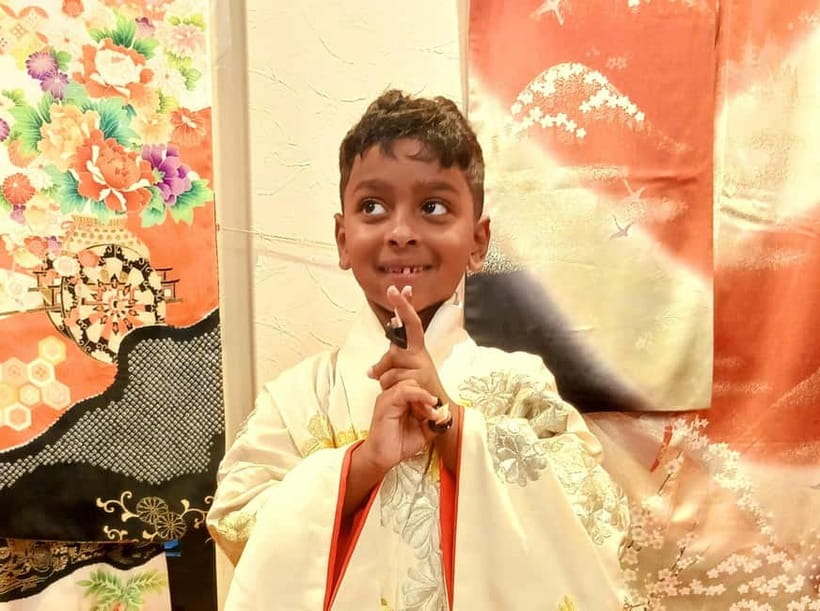
I would recommend it to couples, families with older children, solo visitors, and anyone who wants a calm cultural pause in central Kyoto. The age limit is eight and older, so it can work for families with teenagers, but the quiet format may appeal most to adults and mature children.
It is especially suitable if you have never attended a tea ceremony. Yurika’s teaching style, English ability, and friendly manner help take away the worry about making a mistake. You are there to learn, not to perform perfectly.
Music lovers have an extra reason to book. The koto is not a token five-minute addition. The performance appears at several points during the session, and the instrument’s background becomes part of the lesson.
I would also recommend it to visitors who want an indoor plan near Nishiki Market. You can enjoy the market’s food and shops around the appointment, with no long ride to a distant venue.
This may not suit you if you need step-free wheelchair access, have food allergies, or want a full meal. The activity is not suitable for wheelchair users or people with food allergies, and tea sweets are included as part of the experience.
Practical details that make the visit easier
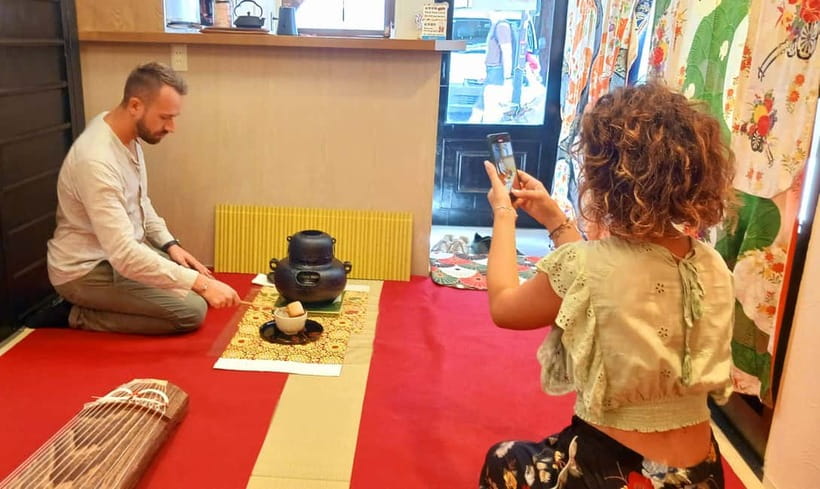
The meeting point can be confusing if you rely only on the hotel reference. Look for the shop named KOTOLILY KYOTO and go inside. It is next to KINMATA Restaurant and across the street from Hotel GOCO stay. Do not wait at the hotel.
Bring a camera if you want to record the setting, but flash photography is not allowed. Ask before filming the performance so you can follow the studio’s preferences.
Use a small bag if possible. The room is compact, and a large backpack may take up useful space. Suitcases are particularly unsuitable for this type of appointment.
The experience is offered in English and Japanese. You can reserve now and pay later, and cancellation is allowed up to 24 hours before the activity for a full refund. Check the available start times when booking, since the session is fixed at one hour.
The host’s name appears in some forms as Yurika, Yuika, or Yuriko. This may reflect different spellings of the same name, so you can simply refer to her as Yurika at the shop.
My recommendation
Book this if you want a compact, personal introduction to Kyoto culture rather than a long formal ceremony. The strongest combination is the chance to make matcha yourself and then listen to live koto music in the same small room.
The experience offers good value at $56 when you count the instruction, tea, sweets, performance, and central location. I would be clear about the extras before you begin, especially if you want kimono photographs or a koto lesson.
Skip it if you dislike powdered tea, need a wheelchair-accessible venue, have food allergies, or want a full meal. For everyone else, this is a thoughtful way to slow down near Nishiki Market and leave Kyoto with more than another photograph of a famous street.
FAQ
Where does the tea ceremony take place?
It takes place at KOTOLILY KYOTO in central Kyoto. The shop is next to KINMATA Restaurant and opposite Hotel GOCO stay. You should go inside the shop rather than wait at the hotel.
How long does the activity last?
The tea ceremony and koto experience last one hour.
Is the activity offered in English?
Yes. The instructor speaks English and Japanese.
How many people are in the group?
The group is limited to eight participants.
What is included in the price?
The standard experience includes the tea ceremony, matcha preparation, tea sweets, and a live koto performance.
Are kimono photographs included?
No. Kimono rental, photographs, and video are available on-site for an additional fee.
Can I try playing the koto?
Yes. A koto-playing lesson is available for an additional fee at the location.
What should I bring and what is not allowed?
Bring a camera and wear comfortable clothes. Flash photography is not allowed.
More Taiko & Music Experiences in Kyoto
- Kyoto: Japanese Koto & Shamisen Concert and Koto Class
★ 4.9 · 31 reviews - Shamisen Discovery in Kyoto 【Group】
★ 5.0 · 24 reviews - Private Koto Lesson in Kyoto with a Professional Koto Performer
★ 5.0 · 13 reviews - Mt Fuji & Hakone Cruise, Drum Show Bullet Train 1 Day from Tokyo
★ 4.0 · 7,413 reviews
Just added around Kyoto
- Sekka Cotton Furoshiki Class★ 5.0 · 19 reviews
- Secret Eastern Kyoto Biking Adventure★ 5.0 · 44 reviews
- Kyoto Sword Experience – includes Museum Ticket/Ninja Experience★ 4.5 · 149 reviews
- Scenic Green Tea Fields of Hidden Kyoto & Local Tea Exp (Private)★ 5.0 · 32 reviews
- Private Sake Tasting in Central Kyoto with Sake Sommelier★ 5.0 · 32 reviews
- Samurai School in Kyoto: Samurai for a Day★ 5.0 · 202 reviews
- SHIRAKAWA Japanese Culture Experiences with private English staff★ 5.0 · 16 reviews
- A Privately Guided Photoshoot in Beautiful Kyoto by a Pro★ 5.0 · 18 reviews
Tea Ceremony Experiences, compared.

Tea Ceremony in a Traditional Tea House in Kiyomizu
Our verdict →
World Heritage Kyoto & Nara Uji Authentic Matcha Experience
Our verdict →
Arashiyama Bamboo Forest, Monkeys, Matcha & Temple Tour
Our verdict →
Browse the lists this tour appears in