
Reviewed · TEMPLES & SHRINES
KYOTO-NARA: Giant Buddha Deer Pagoda “Geisya” (Italian, full day)
Nara’s deer and Kyoto’s old pilgrimage streets make a fine one-day pairing, but the real strength here is the Italian-speaking guidance that links temples, legends, and daily life. You start at Kyoto Station, ride to Nara, then return for Kiyomizu-dera and Gion-kobu.
I like the small-group limit of 15 people, and I like the practical care built into the day: train and bus fares, monument admission, help along the route, and schedule changes when reasonably possible. Guide Omae earns especially strong praise for fluent Italian, humor, and clear explanations. The drawback is the pace. You cover two cities in one day, with roughly 90 minutes at Todai-ji and one hour at Kiyomizu-dera, so this suits you better than a slow, linger-at-every-shrine visit.
Key points to know before booking
- Two historic cities in one day: Begin in Nara, the eighth-century imperial capital, then return to Kyoto for Kiyomizu-dera and Gion.
- Omae’s Italian guidance: The guide is Japanese, has lived in Italy for more than a decade, and is praised for polished Italian, humor, and detailed storytelling.
- Todai-ji and the giant Buddha: Your morning centers on one of Japan’s most famous Buddhist temples and its national treasure monuments.
- Deer in Nara Park: Tame deer roam freely around the temple grounds, with deer crackers available from special stalls.
- Small-group format: The group is limited to 15, making questions and personal assistance easier than on a large coach outing.
- Useful inclusions: Scheduled train and bus fares, temple admission, Italian explanatory material, and practical Japan travel advice are included.
Why this Nara and Kyoto pairing works
This is not simply a temple checklist. It gives you two different views of Japan’s old capitals in one day.
Nara offers broad parkland, deer, and a monumental Buddhist complex. Kyoto brings a hilltop temple, old pilgrimage lanes, shops, sweets, bars, and the traditional Gion-kobu district. The contrast helps you understand why these cities feel different even though they are close enough to connect by train.
I especially like the order. The morning starts with Nara’s major attraction, Todai-ji, when you are fresh. After lunch and the return journey, the afternoon shifts to Kyoto’s streets and cultural districts. It is a full day, but the schedule has a clear shape rather than a random string of stops.
The price is $176 per person. That is not a bargain-basement day trip, but it covers the scheduled trains and buses, entrance fees, and a full day of live Italian guidance. The value depends on what you need. If you can comfortably navigate Japanese train stations, read temple information on your own, and prefer free time, you may find the price high. If you want history explained in Italian, help with transport, and a guide who can adjust the day within reason, the cost is easier to justify.
More Temple & Shrine Tours in Nara
- Kyoto/Osaka: Nara, Fushimi Inari Taisha, Arashiyama Bus Tour
★ 4.7 · 1,275 reviews - Osaka/Kyoto: Arashiyama, Nara & Fushimi Inari Shrine w/Lunch
★ 4.4 · 754 reviews - Kyoto/Osaka: Kinkakuji, Bamboo Forest, and Nara Deer Park
★ 4.4 · 265 reviews
Meeting at Kyoto Station
The day begins at Kyoto Station, at the space between the four escalators in front of the cab terminal. This is the taxi terminal, not the bus terminal, and it is just outside the north central entrance on the east side.
Use Kyoto Tower as your visual check. From the meeting space, you should see the tower in front of the station, toward the upper left rather than the right. That detail matters because Kyoto Station is large and a wrong exit can waste precious morning minutes.
You receive confirmation and more detailed meeting-point information the day before. Still, arrive with enough time to locate the correct area without rushing. The tour depends on a morning train, so this is not the moment to test your navigation skills at the last second.
The 45-minute train ride to Nara
The first train ride takes about 45 minutes. This is useful travel time, not dead time. Your guide can set up the day, answer questions, and explain how Nara fits into Japan’s political and religious past.
Nara was the imperial capital in the eighth century. That context gives the morning more meaning than simply visiting a famous statue. You are going to a city that helped shape Japanese court life and Buddhist culture before the political center moved elsewhere.
Because train and bus fares are included, you do not need to work out each scheduled transfer yourself. The tour is still a walking and public-transport day, not a private-car excursion. You should be ready for station movement, a bus ride, and several walks.
Todai-ji and the giant Buddha
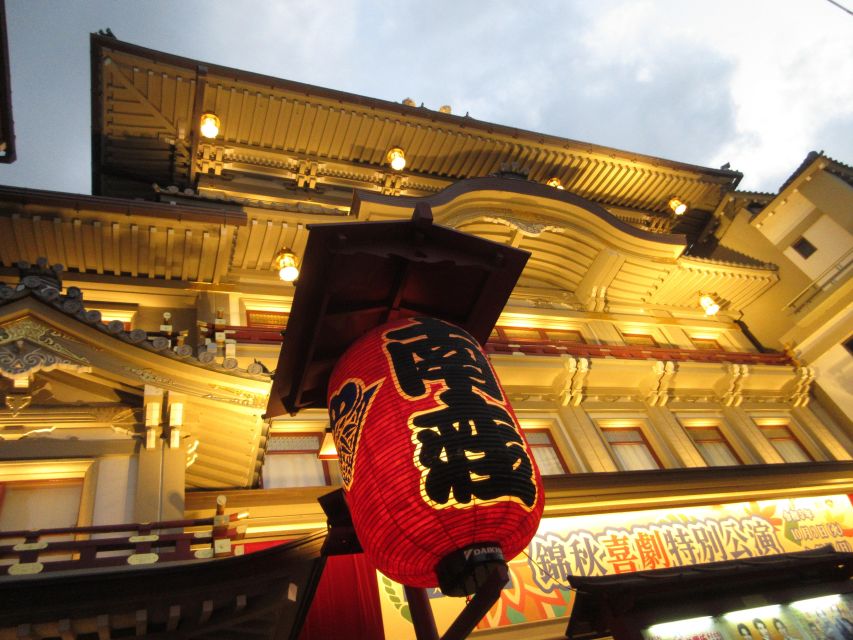
From Nara Station, the group takes a bus for about 15 minutes to the Buddha temple. The main visit at Todai-ji lasts about 90 minutes and includes guided sightseeing, monument explanations, and some time for shopping.
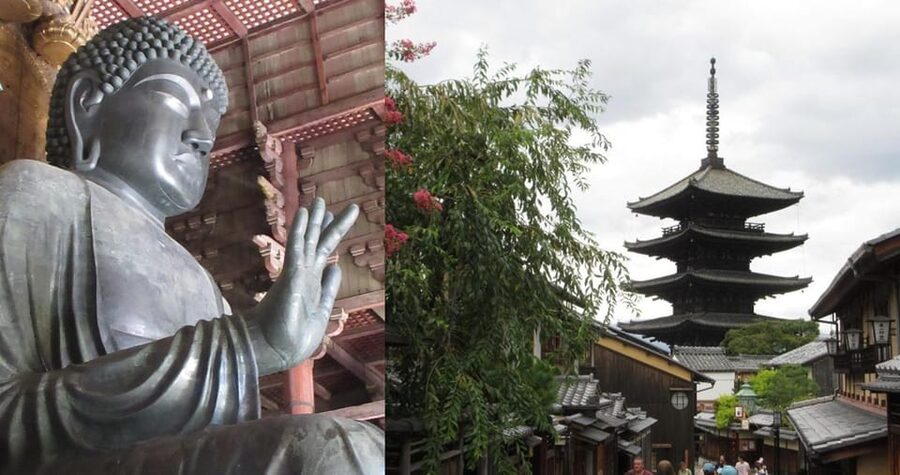
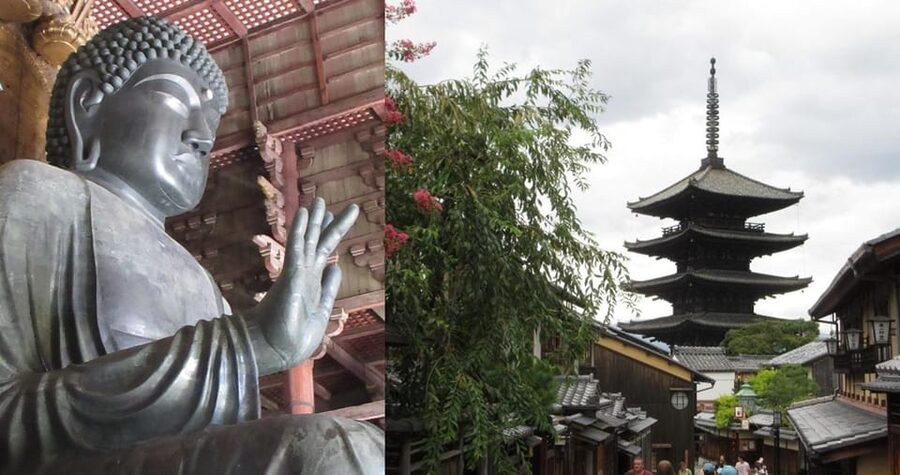
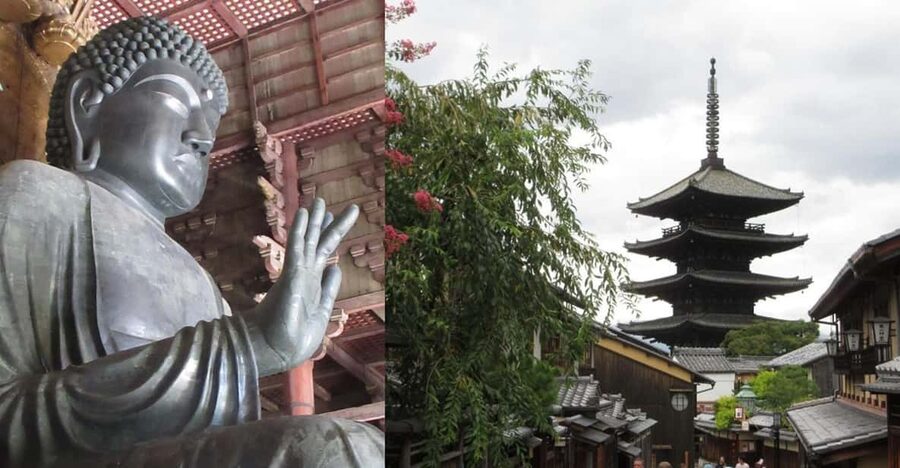
Todai-ji is famous for its giant Buddha statue, one of the largest in Japan. The temple is also important for its buildings and objects designated as national treasures. Your guide explains what you are seeing rather than leaving you to sort out the religious details from signs and pamphlets.
This is where the Italian guidance matters most. Buddhist temples can be hard to read at a glance. A large statue, gate, hall, or ritual object may look impressive without making its purpose clear. The guide’s role is to connect the physical monument with Buddhist devotion, local customs, legends, and the people who have used these places over time.
Omae is the guide name to remember. The strongest praise focuses on Omae’s fluent Italian, sense of humor, and ability to explain both the monuments and the legends attached to them. Omae is Japanese and lived in Italy for more than a decade, which helps explain why the Italian feels natural rather than merely functional.
You also get some breathing room. The tour is guided, but the guide does not keep you in a rigid lecture formation every second. The information provided describes time to explore and take photographs independently, with the guide available for questions and requests.
The 90-minute stop is enough for an introduction, but it is not enough for every corner of the temple grounds. If Todai-ji is one of your main reasons for coming to Nara, you may wish you had longer. That is the basic tradeoff of this full-day pairing: you see the major sight with context, then move on before the morning turns into a private Nara exploration.
Same trip, a completely different kind of day:
- World Heritage Kyoto & Nara Uji Authentic Matcha Experience
★ 5.0 · 1,573 reviews - Nara Half Day Trip Walking Tour (Private Option Available)
★ 5.0 · 937 reviews - Nara Early Morning Tour (Kyoto or Osaka Departure Available)
★ 5.0 · 676 reviews - Kyoto and Nara Day Trip from Kyoto
★ 4.5 · 445 reviews
Deer in Nara Park
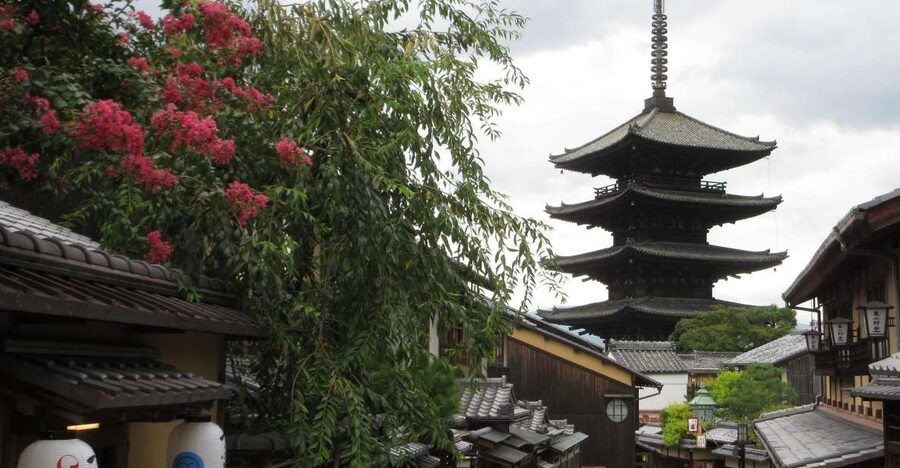
The large park around Todai-ji is home to tame deer that have lived alongside local people since ancient times. They roam freely around the public spaces, so the deer encounter is part of the setting rather than a staged animal attraction.
Special stalls sell crackers that you can offer to the deer. Follow the guide’s instructions and keep the food controlled. The animals are accustomed to people, but they are still animals, not props, and a crowded feeding moment can become lively.
For many people, this is the most playful part of the morning. It also gives the tour a welcome change of tone after the solemn temple visit. One minute you are listening to an explanation of Buddhist art, and the next you are trying to distribute crackers before a determined deer reaches you.
The deer are not the whole point of Nara. Treat them as an added part of the park experience, not a guarantee that every animal will behave gently or pose neatly for your photograph. The temple remains the central visit.
A short walk to Ukimido
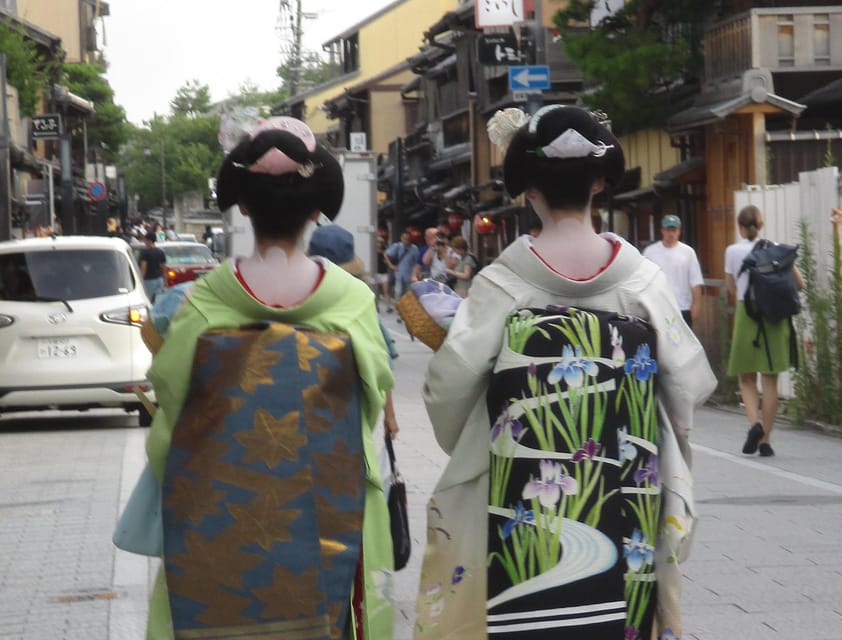
After Todai-ji, the schedule includes about five minutes on foot to Ukimido. You spend around 10 minutes visiting, walking, and passing by.
This is a brief stop, so keep your expectations in proportion. It gives the morning another scenic and quieter note before the group walks for about 10 minutes and returns by train. It is not a second major temple visit.
Short stops like this work well for a day built around two cities. They break up the transport and give you a little more of Nara without adding another long formal tour. If you prefer extended time at each monument, this is another reason the itinerary may feel brisk.
Returning to Kyoto for a one-hour break
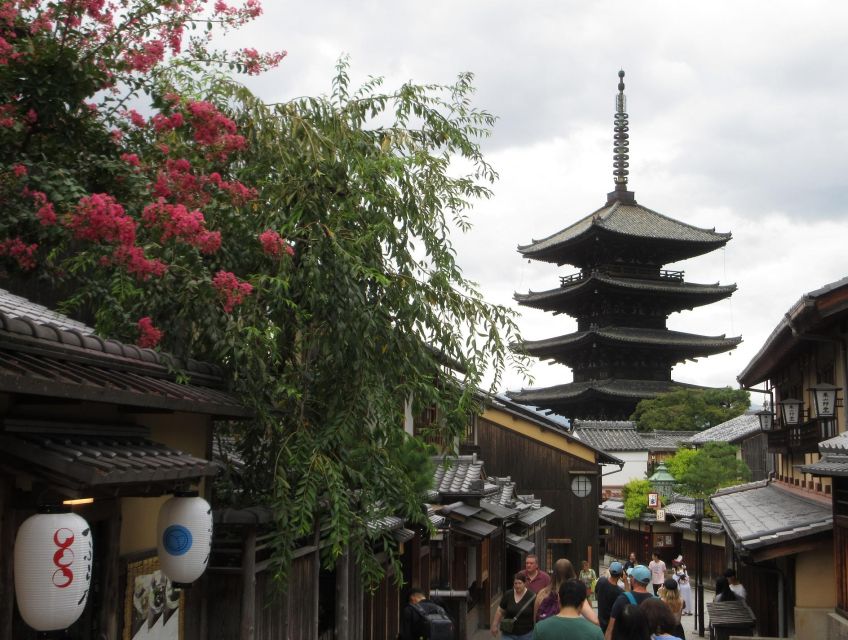
The return train takes about 45 minutes, followed by a one-hour break at Kyoto Station. That pause is valuable. You can eat, use station facilities, and reset before the afternoon walk.
The break also prevents the day from feeling like one continuous rush from Nara to Kiyomizu-dera. Still, lunch is not listed as included, so plan to handle your own food during this interval.
After the break, a bus ride of about 15 minutes takes you toward the Kiyomizu-dera area. You then walk for roughly 15 minutes before reaching the temple.
Walking the old route to Kiyomizu-dera
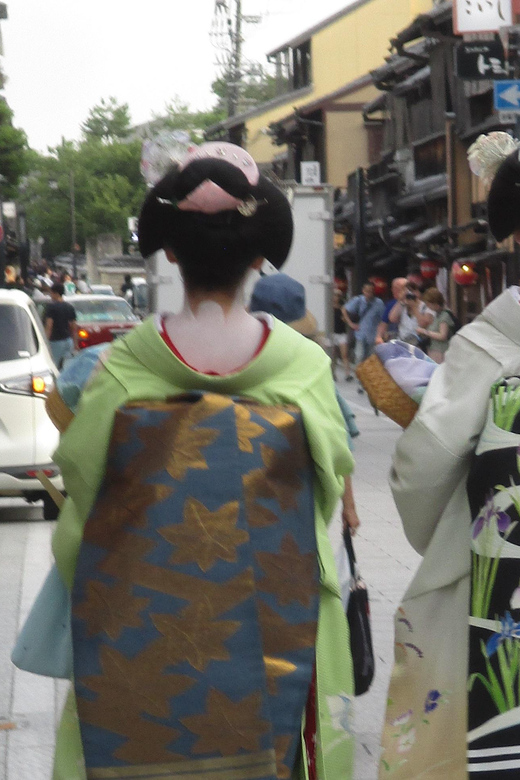
The approach to Kiyomizu-dera is part of the experience. The old pilgrimage routes have developed from the eighth century to the present day, and the streets are lined with souvenir shops, sweet shops, bars, and other businesses serving people heading to the temple.
This is not a quiet country lane. It is a popular approach with plenty of commercial activity. That can feel crowded and touristy, but it also shows how pilgrimage, shopping, food, and entertainment have long worked together around major religious sites.
The guide helps you read the route instead of treating it as a simple walk uphill. You get historical, cultural, and religious explanations along the way, plus help identifying sights that could otherwise blur together.
Kiyomizu-dera in one focused hour
The guided visit inside Kiyomizu-dera lasts about one hour. Entrance fees are included, so you can focus on the temple rather than another ticket queue.
Kiyomizu-dera is one of Kyoto’s best-known Buddhist temples, and its position above the old streets gives the stop a different feel from Todai-ji. Todai-ji is about scale and monumental space. Kiyomizu-dera is tied more closely to Kyoto’s hillside routes, neighborhood shops, and long tradition of pilgrimage.
One hour gives you a clear introduction and time for photographs, but it will not satisfy someone who wants to study every building or spend a long time wandering the surrounding lanes. The guide can explain the key religious and historical points, while you use the available free moments to look around.
A useful strength here is the chance to ask questions in Italian. The guide is not only delivering memorized facts. The day is designed to include assistance as needed, and direct questions can help you shape the explanations around your interests.
Gion-kobu and the world of Maiko and Geiko
From Kiyomizu-dera, you walk about 20 minutes to Gion, then receive a guided visit of roughly 20 minutes. The day ends at Pontocho after another walk of about 10 minutes.
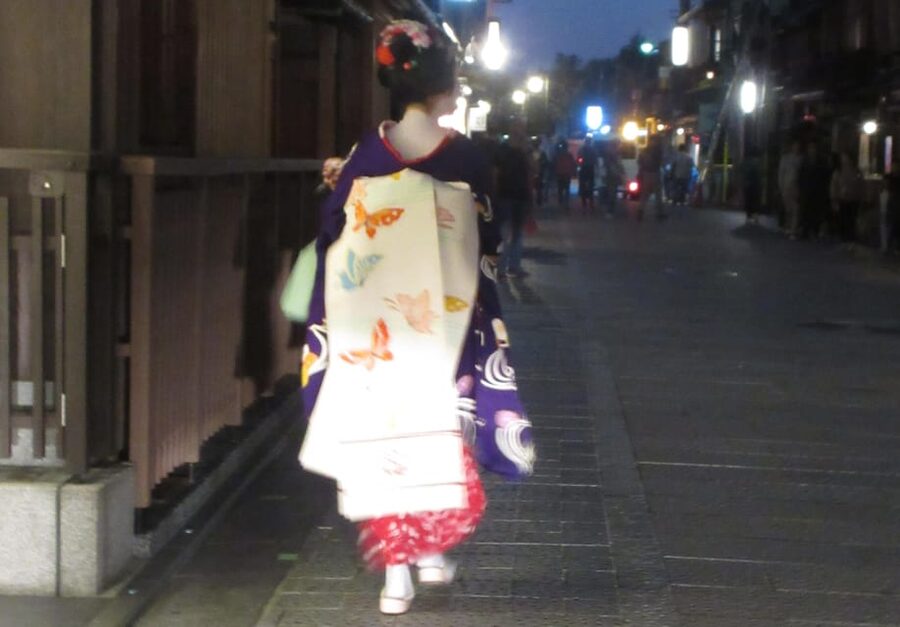
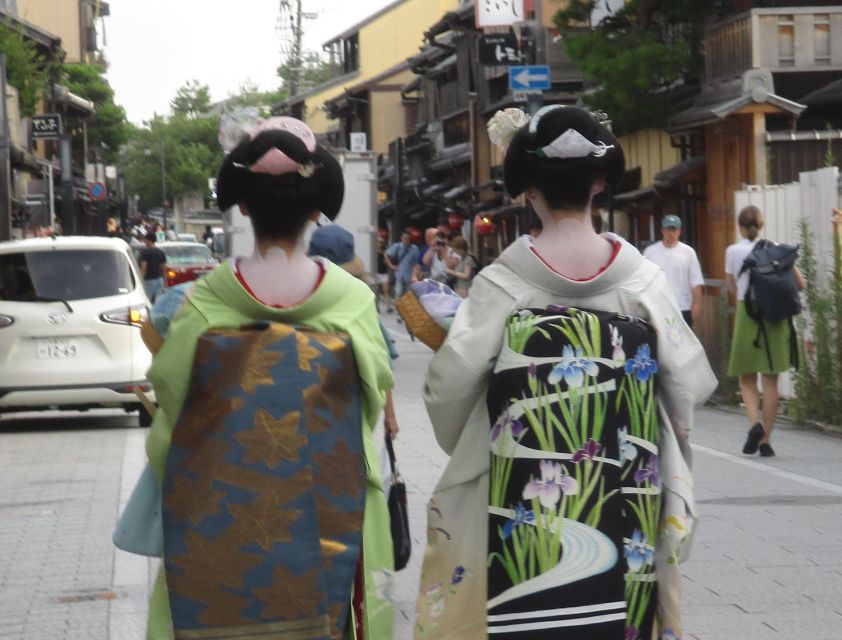
The Gion-kobu area is associated with professional Maiko and Geiko artists. They are often called Geisha in English, though the local terms matter. The tour introduces the district as a living cultural area where traditional performance and hospitality continue, rather than treating it as a costume-photo backdrop.
Twenty minutes is a short introduction. You will not receive a full evening of entertainment or an extended encounter with performers. What you get is orientation, context, and a chance to see how the district fits into Kyoto’s cultural life.
Please keep your expectations realistic. The schedule does not promise that you will see a Maiko or Geiko during the walk. It does promise a guided visit to the area and explanations of its cultural setting.
Ending at Pontocho is practical. It leaves you in a central Kyoto dining and evening area, rather than sending you back to Kyoto Station. You can continue your night independently from there.
The guide makes the biggest difference
The tour’s most praised feature is not a single monument. It is the quality of the Italian guidance.
Omae is described as precise, funny, well prepared, and able to answer questions in polished Italian. The guide also explains local legends and mythological stories connected with the places and objects you see. That kind of interpretation can make the temples feel less like beautiful rooms and more like places shaped by belief, memory, and ordinary people.
The guide also appears to respect personal space. You receive explanations, then time to explore and photograph on your own. That balance matters. A guide who talks constantly can make a temple visit tiring, while too little explanation leaves you staring at famous objects without understanding them.
There is one point to clarify before booking: the activity is advertised in Italian, while part of the general description also refers to answering questions in English. The stated language and included materials are Italian, and the strongest guide feedback concerns Italian fluency. If language is central to your decision, confirm the exact language arrangement before departure.
Who should book this full-day tour
I would recommend it most strongly for:
- Italian-speaking visitors who want more than basic translation
- First-time visitors combining Kyoto and Nara
- Families who value help with trains, buses, tickets, and directions
- People who want history, religion, and legends explained in plain language
- Anyone who prefers a small group to a large coach
- Visitors with only one open day for both destinations
You should think twice if you dislike public transport, need long unstructured stops, or already know both cities well. The day includes trains, buses, walking, and fixed visits. It is active, and the schedule leaves limited room for wandering far beyond the planned route.
The tour is wheelchair accessible, and assistance is available during the route. Still, the day contains station transfers and walks, so you should discuss your specific mobility needs with the provider before booking.
Cancellation is free up to 24 hours before the start, and you can reserve now and pay later. Those terms help if your Kyoto schedule is still shifting.
Final verdict: a strong choice for Italian-speaking first visits
Book this tour if you want Nara’s giant Buddha and deer, Kyoto’s Kiyomizu-dera, and a short look at Gion in one organized day. The included transport and admissions remove small hassles, while Omae’s Italian explanations add the cultural context that many independent visits lack.
Skip it if your ideal day means lingering for hours at one temple or exploring Nara and Kyoto at your own pace. For everyone else, the $176 price is reasonable when you place a high value on fluent Italian guidance, transport support, and a small group. The best reason to choose it is simple: you get two major destinations, but you are not left alone to make sense of them.
FAQ
Where does the tour begin?
It begins at Kyoto Station, in the space between the four escalators in front of the taxi terminal. The meeting area is east of the north central entrance. Kyoto Tower should appear toward the upper left from that position.
How long does the experience last?
It is a full-day experience. The listed schedule includes the morning trip to Nara, a return to Kyoto, a one-hour break at Kyoto Station, and afternoon visits to Kiyomizu-dera and Gion.
Is the guide Italian-speaking?
Yes. The listed tour language is Italian, and Italian explanatory material is included. The guide praised in the supplied information is Omae, a Japanese guide who lived in Italy for more than a decade.
Are transportation and entrance fees included?
Yes. Scheduled train and bus fares, along with entrance fees for the monuments included in the program, are covered.
How large is the group?
The group is limited to 15 participants.
Can I cancel or pay later?
You can cancel up to 24 hours before the tour for a full refund. A reserve-now, pay-later option is also available.
More Full-Day Tours in Nara
- Full Day Guided Tour to Kyoto and Nara from Osaka by Van
★ 5.0 · 420 reviews - Nara Park, Osaka & Kobe from Kyoto Full Day tour
★ 5.0 · 207 reviews - Kyoto Private Car Tour – Full Day with Local Guide & Nara Option
★ 5.0 · 169 reviews - Kyoto & Nara Full Day Customised Tour
★ 3.8 · 33 reviews
Just added around Nara
- Private Kyoto Tour by Car with Optional Nara or Osaka Add-Ons★ 5.0 · 36 reviews
- Kyoto, Osaka, Nara Private Tour by Car English Driver Guide★ 4.0 · 63 reviews
- Nara Todaiji Kasuga Taisha Private Full Day Tour From Kyoto★ 5.0 · 13 reviews
- From Kyoto: Nara History Guided Half Day Bus Tour with lunch★ 5.0 · 23 reviews
- Nara 8hr Private Tour – Kyoto DEP. with Licensed Guide★ 5.0 · 115 reviews
- Arashiyama & Nara Highlights: One-Day Private Tour Adventure★ 5.0 · 16 reviews
- Kyoto Private Car Tour – Full Day with Local Guide & Nara Option★ 5.0 · 169 reviews
- Kyoto & Nara Private Tour from Osaka Kyoto Hotel Pick-up★ 4.5 · 32 reviews
Temples & Shrines, compared.

Tea Ceremony in a Traditional Tea House in Kiyomizu
Our verdict →
Meiji Shrine, Asakusa, Skytree Bus Tour and Cruise
Our verdict →
Fushimi Inari Hidden Hiking Tour (Private Option Available)
Our verdict →
Osaka/Kyoto:Kinkakuji,Arashiyama,FushimiInariShrine,NaraPark
Our verdict →
Nikko: Kegon Falls, Lake Chuzenji & Toshogu Temple
Our verdict →
Kamakura & Enoshima Day Trip including Temple Tickets
Our verdict →Browse the lists this tour appears in