
Reviewed · FISH MARKET TOURS
Tsukiji Fish Market: Street Food & Culture Walking Tour
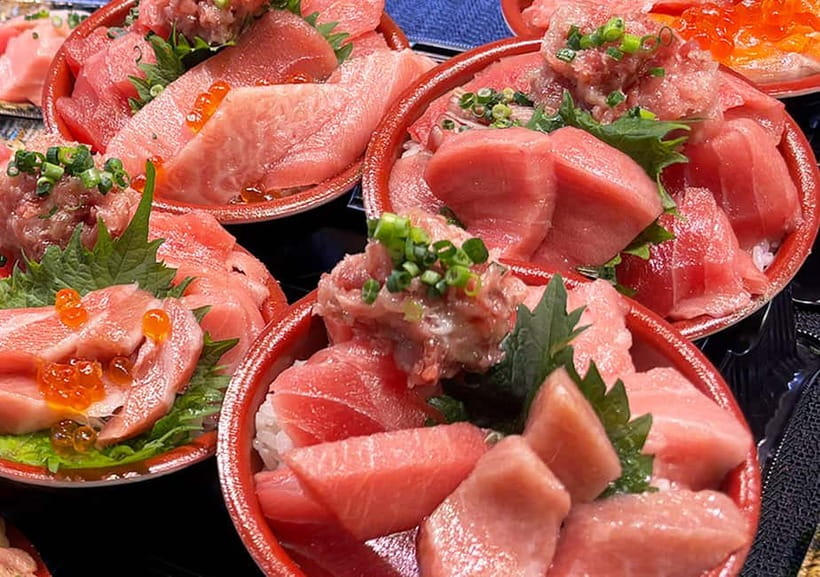
Tsukiji is best understood with something in your hand and a guide beside you. This two-hour walk begins at Tsukiji Hongwanji Temple, then moves into the outer market for tuna, wagyu, grilled seafood, traditional snacks, and a little help making sense of ingredients you might otherwise pass by. I especially like the fresh-grated wasabi and the way guides such as Kawa, George, Mao, and Chihiro explain what you are eating, not just where to buy it.
I also like the freedom to choose how much you taste and spend. The tour gives you a useful introduction without turning the market into a rigid restaurant crawl. The main drawback is the calendar: on Wednesdays, Sundays, and national holidays, about half of the shops may be closed, so the experience can be quieter and less varied.
The best parts of this Tsukiji walk
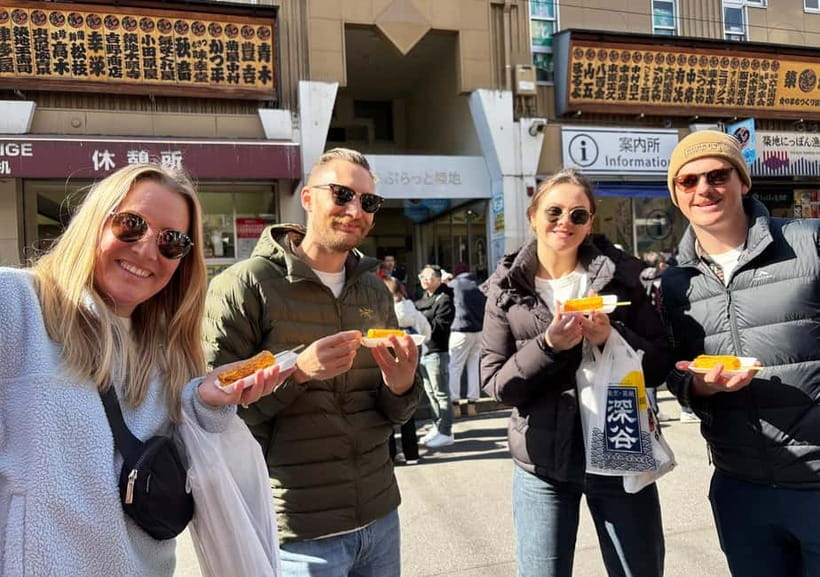
- Fresh-grated wasabi changes the tasting: The special wasabi set adds aroma and heat that packaged wasabi rarely matches.
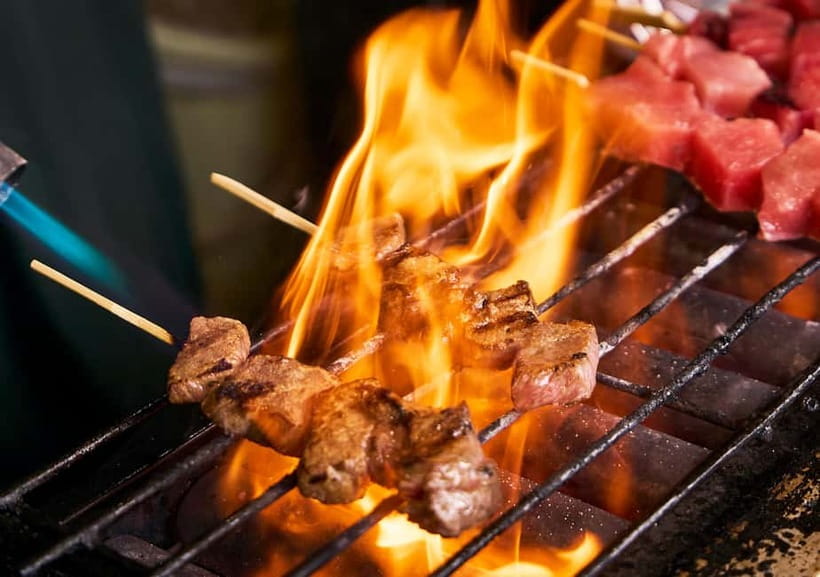
- Food choices go beyond sushi: Expect opportunities for tuna, wagyu, grilled scallops, eel, fish cake, tamagoyaki, dumplings, octopus, and other market foods.
- Hongwanji Temple gives the tour a cultural start: The 20-minute visit adds architecture, ritual, and local context before the food begins.
- Guides help you order with confidence: You can ask about ingredients, preparation, preservation, and which stalls fit your tastes and budget.
- Two hours is a useful first look: You get an introduction to the market, then can return on your own with a better sense of direction.
- Cash matters: Bring yen for food purchases and any extra tasting you choose to make.
Tsukiji today, and what this tour actually covers
Tsukiji remains one of Tokyo’s best food districts, but it helps to know what you are visiting. The famous wholesale market moved to Toyosu, while Tsukiji’s outer market continues to serve shoppers, cooks, restaurants, and curious eaters.
That distinction matters. You are not entering the old wholesale auction floor on this walk. You are exploring the outer market, where shops sell seafood, Japanese ingredients, cooking tools, prepared foods, sweets, and small bites. The atmosphere is lively, but the experience is more about eating and shopping than watching a wholesale operation at work.
Your guide gives the area a human scale. Instead of seeing a row of unfamiliar signs and guessing what is worth trying, you can ask what an ingredient is used for, how it is preserved, and how locals eat it. Guides have also helped with practical choices, pointing out good-value options rather than simply sending people to the most expensive-looking counter.
The tour costs $22 per person, which is a sensible price for two hours of guiding, temple interpretation, market orientation, and food advice. You should still carry cash for tastings and purchases. The listed price is not a promise that every bite you want is covered, so think of it as a low-cost way to get your bearings, with your food budget under your control.
More Food Tours in Tokyo
- Tokyo: Shinjuku Food Tour (13 Dishes at 4 Local Eateries)
★ 5.0 · 6,603 reviews - Tokyo Tsukiji Fish Market Food and Culture Walking Tour
★ 5.0 · 3,184 reviews - Tokyo: Shinjuku Food Tour (15 Dishes and 4 Eateries)
★ 4.9 · 2,033 reviews
Starting at Tsukiji Hongwanji Temple
The meeting point is at Tsukiji Hongwanji Temple, with the exact starting option shown when you book. The temple visit lasts about 20 minutes, and it is more than a quick photo stop.
The building has a distinctive exterior, detailed carvings, and a calm interior that feels very different from the crowded market streets nearby. Your guide can explain the temple’s place in the neighborhood and the basic purification procedure before entering. That small introduction helps you approach the market as part of a living area, not as a food-themed attraction cut off from local culture.
I like this opening because it slows the pace for a moment. You begin with architecture and custom, then move toward ingredients, vendors, and cooking. The contrast gives the rest of the walk more meaning.
You will not spend a long time here, and that is probably right for this particular tour. If temple architecture is your main interest, you may want a separate visit. For a food-focused morning or afternoon, the 20 minutes is enough to add context without taking over the schedule.
Eighty minutes among Tsukiji’s food stalls
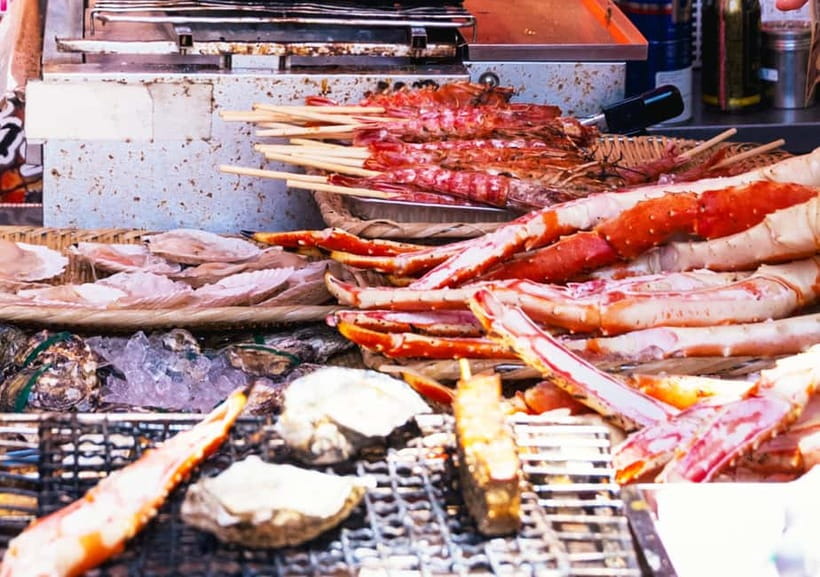
The central part of the experience lasts about 80 minutes. This is where the tour earns its keep.
Your guide leads you through the outer market and explains the foods in front of you. Depending on the day, the route and available shops can change. You might try fresh tuna, sushi, eel, grilled scallops, wagyu sirloin, fish cake, tamagoyaki, dumplings, skewered octopus, or other traditional items. The exact selection is not fixed, which is useful because Tsukiji’s appeal comes from its changing stock and individual shops.
Several guides have been especially good at helping people try foods outside their comfort zone. You can ask about ingredients and cooking methods before ordering. That is valuable if you are unfamiliar with Japanese seafood, preserved foods, or dishes that do not come with an obvious English explanation.
The fresh wasabi is one of the tour’s most distinctive touches. It is prepared as an accompaniment, not just handed over as a bright green condiment. Try it with a suitable bite and notice the difference between its fresh fragrance and the stronger, simpler heat of common tube wasabi.
The food is not presented as a formal sit-down meal. You will move from place to place, tasting small portions and deciding what else interests you. That format suits Tsukiji. It lets you sample a wider range of flavors, but you should wear comfortable shoes and expect to eat while standing or walking between stops.
Bring cash in small amounts if possible. Several people have found it useful to choose their own additional purchases, and cash keeps the process simple in a market where not every small vendor will handle cards.
What you learn about Japanese ingredients
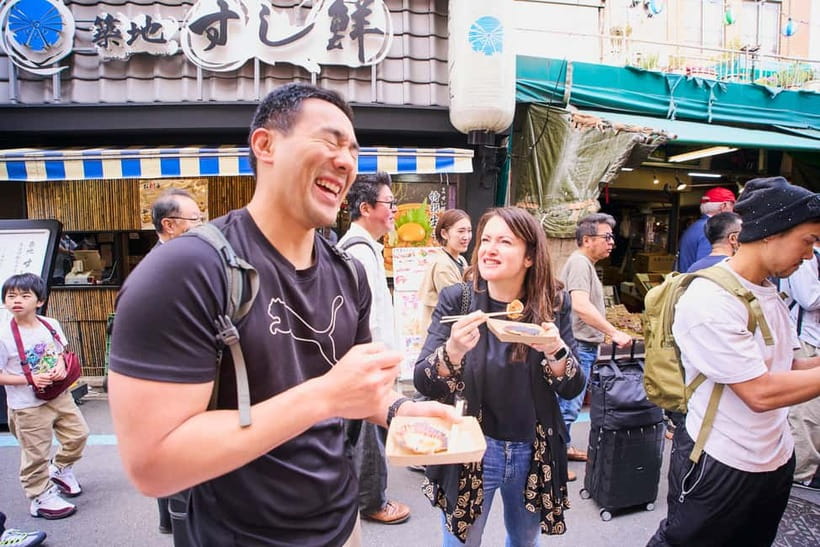
A good market tour should teach you how to look, not only what to eat. This one focuses on the connection between ingredients and Japanese cooking.
Your guide may explain how seafood is cut, why certain products are preserved, and how preservation can build umami. Drying, salting, fermenting, and other methods are part of Japan’s food traditions, and they help explain why a small ingredient can have such a strong effect in a dish.
The fish preparation element is another useful feature. Some tours include a cutting demonstration, and the guides explain how the preparation affects the final bite. This gives you a better appreciation for the work behind sushi and sashimi instead of treating them as anonymous pieces of fish.
You may also learn about ingredients used at home rather than only restaurant specialties. The market sells products that Japanese shoppers use in everyday cooking, and guides can explain what to buy, how it is used, and which items make practical souvenirs. Rice snacks, seasonings, preserved products, ceramics, and cooking ingredients may catch your eye as you walk.
This is where a local guide adds more than a map. You could wander through Tsukiji alone, and you would certainly find food. The guide helps you connect the food to technique, custom, and daily life.
More Market Tours in Tokyo
- Tokyo: Tsukiji Fish Market Food and Walking tour
★ 5.0 · 1,724 reviews - Tokyo: Tsukiji Fish Market Guided Walking Tour
★ 4.9 · 1,397 reviews - Tsukiji Fish Market Guided Tour and Sushi Making with Pro Chef
★ 5.0 · 775 reviews - Tokyo: Tsukiji Fish Market Food and Culture Walking Tour
★ 4.7 · 757 reviews
Fresh tuna, wagyu, and the pleasure of choice
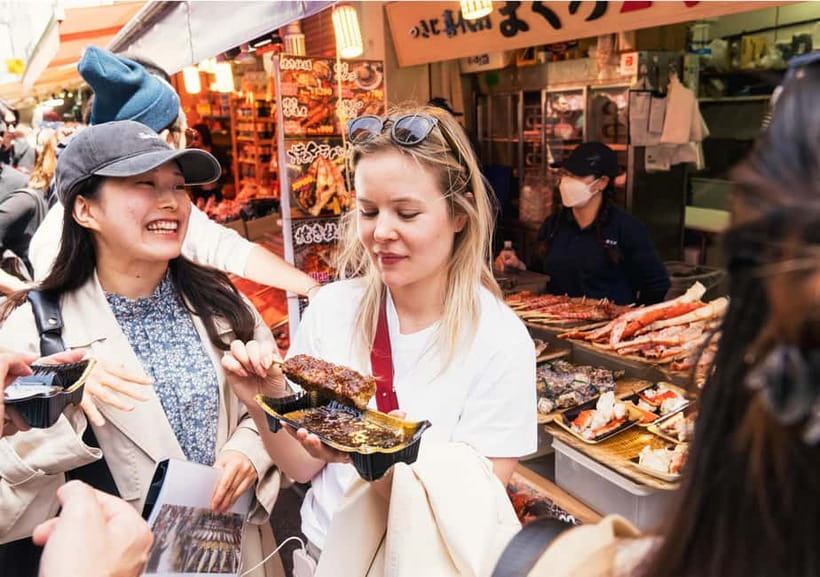
The food range is broad enough to suit different appetites. Seafood is central, but you are not limited to raw fish. Wagyu skewers, grilled scallops, eel, omelet, dumplings, fish cake, and octopus give the tasting a useful mix of textures and cooking styles.
If you are cautious about raw seafood, tell the guide early. The tour includes enough cooked options for you to build a satisfying route without forcing yourself toward unfamiliar dishes. If you love sushi and sashimi, you can focus more heavily on the seafood side.
I appreciate that the tour does not require every person to eat the same thing. Guides have adjusted suggestions around preferences, and you can spend more or less as you wish. That makes the $22 fee feel fair because you are not locked into an expensive food package.
Do not arrive expecting a full meal at no extra cost. The tour is best viewed as a guided tasting walk. You may leave full, especially if you add your own purchases, but your final bill depends on what you order.
The guide makes the difference
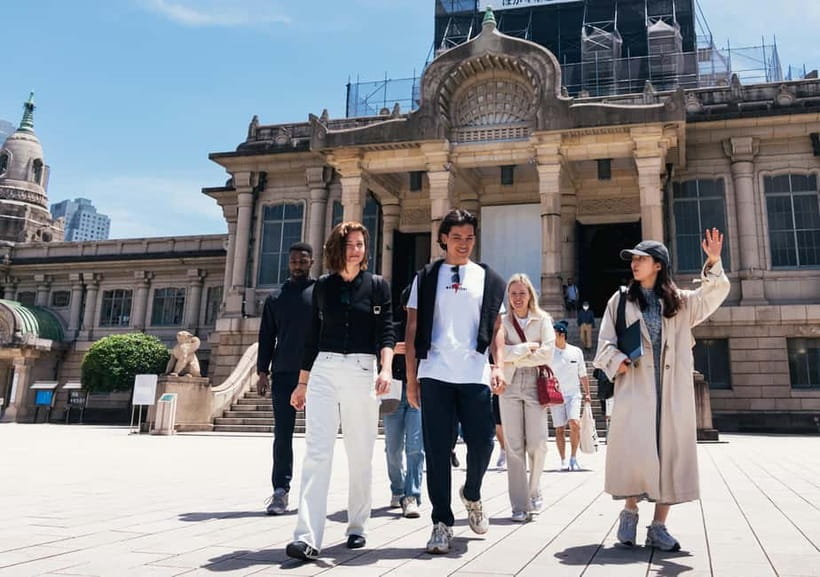
The experience relies heavily on the individual guide. Names that have appeared with this tour include Kawa, George, Mao, Chihiro, Tomo, Daichi, Naoto, Kenny, Ayaka, and Mal. The strongest guiding style is friendly, clear, and flexible rather than overly rehearsed.
Guides have helped people avoid confusing meeting-point mix-ups, find shade in hot weather, choose reasonable prices, and understand unfamiliar foods. Some have carried napkins and wipes, and some have taken photos during the walk. Those touches matter when you are eating small portions in a crowded market.
The English level can vary slightly from guide to guide, but the experience is designed for an English-speaking group. The tour is available as a small group, and the very small scale can make it feel almost private. That is good for questions and food preferences, though the exact group size depends on the date you select.
A guide can also give you ideas for returning later alone. You may learn which lanes to revisit, what kinds of shops interest you, and how to judge a purchase. That practical knowledge is one of the tour’s strongest benefits.
Picking the right day and time
The schedule is listed as two hours, with starting times available when you check the date. The market portion works best when the shops you want are open, so check the calendar carefully.
On Wednesdays, Sundays, and national holidays, about half of the outer-market shops may be closed. The tour still operates, but you may see fewer stalls, have fewer tasting choices, and miss certain demonstrations. One practical account of a Wednesday visit found the experience good but wished more shops had been open.
If your schedule allows, choose a day other than those closure days. If Wednesday, Sunday, or a holiday is your only option, the temple and the open market can still make a worthwhile short outing. Just set your expectations lower and contact the provider if you need details about that date.
Arrive ready to walk and keep your cash accessible. The tour is wheelchair accessible, but a market route can still involve crowded paths and close quarters. If mobility is important for your group, confirm the exact meeting and route details before booking.
Who should book this Tsukiji tour?
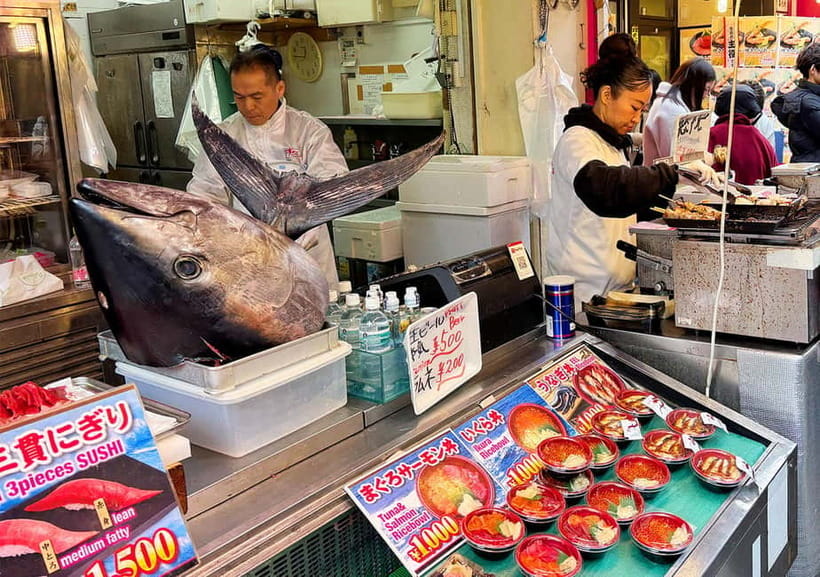
I would recommend it to first-time Tokyo visitors who want an easy introduction to Japanese food without planning every stop themselves. It also suits people who are curious but hesitant, since you can ask questions before ordering and choose cooked or raw items according to your comfort.
Food lovers will appreciate the variety and the explanations of cutting, preservation, and umami. Families and mixed groups may also find the flexible tasting format useful because not everyone has to choose the same food.
You may not need it if you have already spent time in Tsukiji, speak Japanese, and enjoy researching vendors on your own. One tour can only cover a small part of the market, and independent visitors have more freedom to linger or return to a favorite stall.
Still, even confident explorers can benefit from the first orientation. The market is easier to enjoy once you know what you are seeing and how to ask about it.
Should you book it?
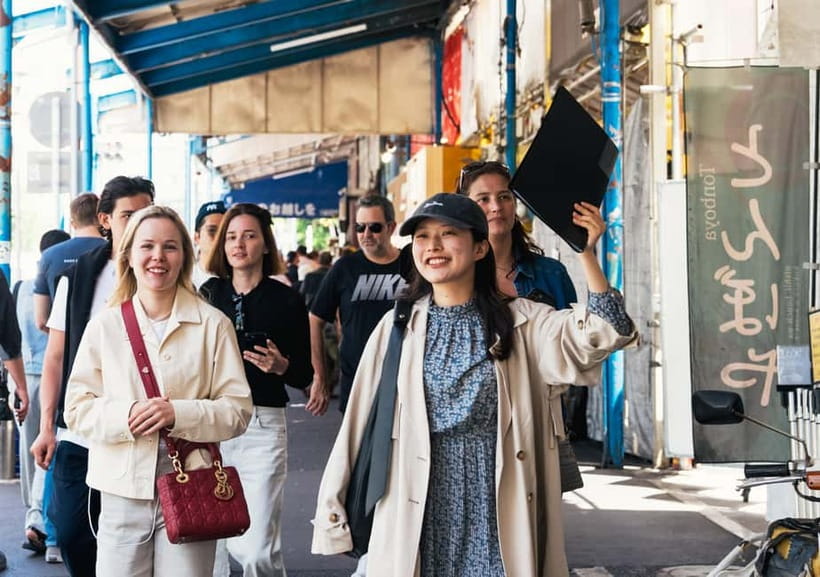
Book this tour if you want a guided first taste of Tsukiji, especially with fresh wasabi, seafood, wagyu, and explanations of Japanese ingredients. The $22 price is modest for a two-hour introduction, and your extra food spending remains flexible.
Choose a day when more shops are open, bring cash, and arrive hungry but not committed to one particular dish. If you want a long sit-down meal or a detailed wholesale-market visit, choose another experience. If you want food, culture, and a friendly guide in one compact walk, this is a practical choice.
FAQ
How long does the Tsukiji Fish Market tour last?
The tour lasts two hours. About 20 minutes are spent at Tsukiji Hongwanji Temple, about 80 minutes in the outer market, and about 20 minutes continuing the guided market visit.
What does the tour cost?
The listed price is $22 per person. Bring cash for food tastings and any additional purchases you choose to make at the market.
Is food included in the tour price?
The experience includes food tasting, but the provided details do not specify that every food purchase is covered by the $22 price. Bring cash so you can pay for extra items or tastings as needed.
What foods might I try?
Possible foods include fresh tuna, sushi, eel, grilled scallops, wagyu, fish cake, tamagoyaki, dumplings, skewered octopus, and other traditional market foods. The exact choices depend on the shops open that day.
Is fresh wasabi part of the experience?
The tour highlights a special wasabi set prepared by the guide. Fresh-grated wasabi may be offered with the tastings, and it is intended to add flavor to the food.
Are shops open every day?
About half of the Tsukiji Outer Market shops may be closed on Wednesdays, Sundays, and national holidays. Tours can still operate on those days, but the available food and market activity may differ.
Is the tour offered in English?
Yes. The tour has a live English-speaking guide. Guides associated with the experience include Kawa, George, Mao, Chihiro, Tomo, Daichi, Naoto, Kenny, Ayaka, and Mal.
Is the tour wheelchair accessible?
Yes, the activity is listed as wheelchair accessible. The meeting point may vary by booking option, so check the exact starting details before you go.
More Fish Market Walks in Tokyo
- Tokyo Sushi Making Class in Tsukiji with Professional Chef
★ 5.0 · 1,177 reviews - Tsukiji Fish Market: Street Food & Culture Walking Tour
★ 5.0 · 669 reviews - Tsukiji Fish Market Small-Group Food Walking Tour
★ 5.0 · 621 reviews - Tokyo: Tsukiji Fish Market Sushi Making Class with Pro Chef
★ 4.9 · 506 reviews
More Walking Tours in Tokyo
- Tokyo: Imperial Palace and Shogun Historical Walking Tour
★ 5.0 · 2,251 reviews - Tokyo: Shinjuku Local Bar and Izakaya Guided Walking Tour
★ 4.9 · 1,794 reviews - Tokyo: Asakusa Walking Tour with Sensoji Temple Visit
★ 4.8 · 1,583 reviews - Tokyo Castle & Imperial PalaceーShogun Walking Tour
★ 4.7 · 1,068 reviews
Just added around Tokyo
- Kawagoe Japanese Food Tour : Unagi Kaiseki and Sake near Tokyo★ 5.0 · 30 reviews
- Kawagoe 4hr Private Tour with Licensed Guide (Kawagoe Dep)★ 5.0 · 13 reviews
- Little EDO Sushi Making workshop in Kawagoe★ 5.0 · 18 reviews
- 【R34】Tokyo:Private Daikoku tour in Modified R34★ 4.9 · 92 reviews
- :Tokyo,Shibuya/ Pro Photography in Kimono / English-Friendly★ 5.0 · 26 reviews
- Tokyo:Celebrate Unique Japanese New Year Tradition Festivity★ 3.9 · 20 reviews
- Tokyo: Allstar Food Tour★ 4.7 · 29 reviews
- Tokyo: West-Side Cycling and Food Tour with Guide★ 5.0 · 37 reviews
Fish Market Tours, compared.
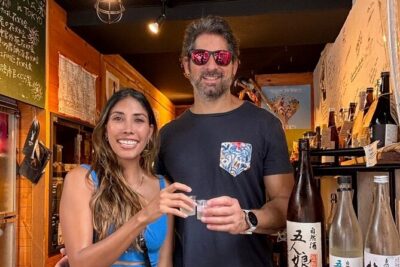
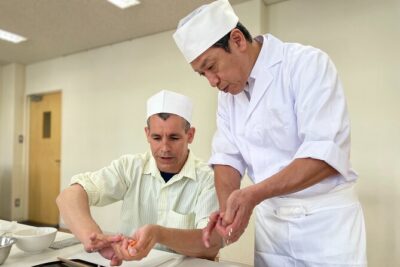
Tokyo Sushi Making Class in Tsukiji with Professional Chef
Our verdict →

Wakayama Cat Train, Seafood market, Hot Springs Tour
Our verdict →
Awesome Private Tour: Tsukiji, Asakusa, Shinjuku, Shibuya
Our verdict →Browse the lists this tour appears in