
Reviewed · WALKING TOURS
Tokyo: Shibuya Highlights Walking Tour & Secret View Spot
Shibuya is easy to admire and surprisingly easy to misunderstand. This 90-minute walking tour gives you a quick route through its famous crossing, youth streets, old drinking alleys, rooftop park, and underground shopping passages. Instead of spending your first hour guessing which staircase leads where, you follow an English-speaking local guide who explains what you are seeing.
I like the small-group format, with the experience limited to 10 people in the main tour description, though the additional information allows up to 20. I also like the mix of places: Shibuya Crossing is the obvious draw, but Nonbei Yokocho and Shibuya Mark City add more local texture. The main thing to watch is the promised panoramic view, since access and the exact observation deck appear to vary.
Key points before you book
- Shibuya Crossing is only the beginning: The route also includes Nonbei Yokocho, Miyashita Park, Center-gai, and Shibuya Mark City.
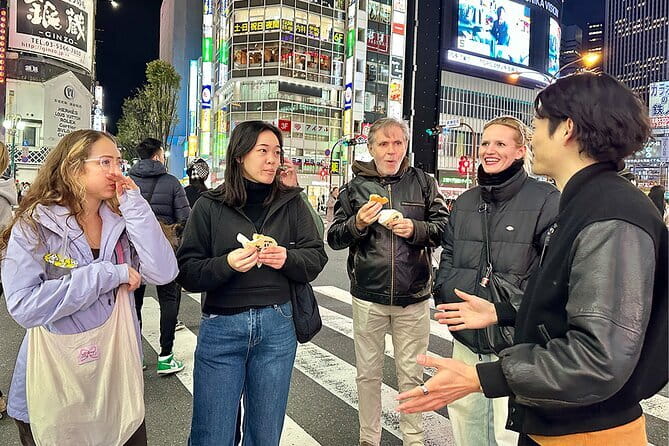
- Guides add the value: Hannah and Mao received especially warm praise for clear explanations, helpful recommendations, photos, and personal attention.
- The walk covers a lot quickly: Each stop lasts about 10 to 20 minutes, so expect an overview rather than a slow, detailed visit.
- The viewpoint needs clarification: The route refers to Shibuya Scramble Square and Shibuya Fukuras, but one participant did not receive the expected panoramic view.
- The price is modest: At $25.20 per person, the tour is priced as an orientation walk, not a full-day sightseeing experience.
- You return to the start: There is no private transport, and the activity ends back at the meeting point.
Why this short Shibuya walk works
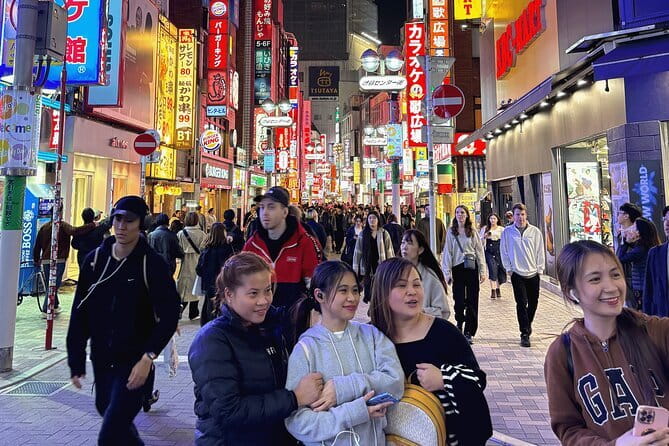
Shibuya can feel like several cities stacked together. One block has enormous video screens and department stores. The next has a narrow lane of tiny izakaya. Then you find a public park built above a shopping complex, followed by a maze of station passages.
That contrast is the real reason to take this tour. You are not just checking off Shibuya Crossing. You are getting a basic map of the district and a bit of context for how its public spaces, shopping streets, and older corners fit together.
The tour lasts about an hour and a half, which makes it easy to place on a busy Tokyo day. You could take it early in your stay to get your bearings, then return later to eat or shop in the areas that caught your interest. It also works well for a short visit when you want an introduction without committing to a half-day outing.
The cost is $25.20 per person, and entrance fees are included. Since each listed stop is free, you are mainly paying for the guide’s route, explanations, local suggestions, and photos. That is fair value if you are new to Shibuya and want someone to connect the dots. It is less compelling if you already know the area well or prefer to wander without a set route.
The group size deserves a quick note. The tour is presented as a small-group activity of up to 10 people, while the additional booking information says the maximum can be 20. Ask at the meeting point if group size matters to you. A group of 10 feels quite different from a group of 20 on crowded station streets.
More Walking Tours in Tokyo
- Tokyo Tsukiji Fish Market Food and Culture Walking Tour
★ 5.0 · 3,184 reviews - Tokyo: Imperial Palace and Shogun Historical Walking Tour
★ 5.0 · 2,251 reviews - Tokyo: Shinjuku Local Bar and Izakaya Guided Walking Tour
★ 4.9 · 1,794 reviews
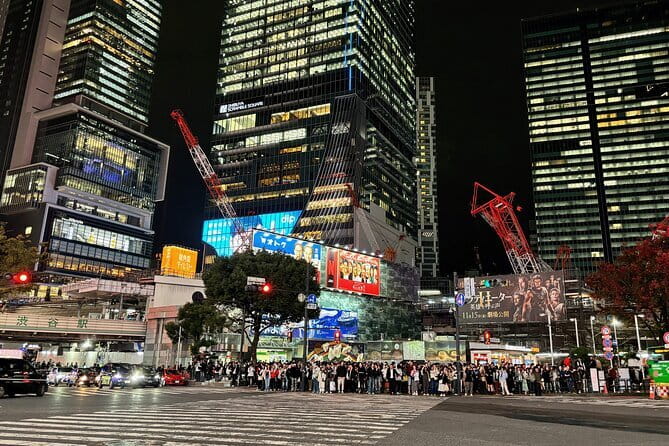
Starting at Shibuya Crossing
The walk begins at SHIBU HACHI BOX, at 2-chōme-1-1 Dōgenzaka in Shibuya. This puts you close to the district’s best-known landmark, so the opening minutes get straight to the point.
Shibuya Crossing is more than a place for a photograph. It is a useful first lesson in how Shibuya works. Several streams of people move through the intersection at once, then the road clears for a moment before the cycle begins again. A guide can help you understand where to stand, how to cross with the group, and which surrounding streets matter.
The crossing stop lasts about 10 minutes. That is enough time to experience it and take photos, but not enough for a long explanation of every nearby building. Guide Mao was especially praised for leading the group across and taking photos along the way. That is a practical benefit, since it lets you enjoy the crossing without asking a stranger to take a picture.
Do not expect the tour to linger here for half an hour. The point is to experience the crossing, get a few images, and move on before the route becomes repetitive.
The promised view from above
The next stop is listed as Shibuya Scramble Square, with a 10-minute chance to take in Shibuya from an observation deck. The broader tour information also refers to an observation deck at Shibuya Fukuras. These are not the same building, so the wording is worth checking before you set your expectations.
A high viewpoint can make the district easier to understand. From above, the roads, station, crossing, and dense blocks form a clear pattern that is hard to grasp from street level. It can also be one of the most memorable parts of a short Shibuya visit.
There is a catch. One participant found that the panoramic view did not happen and was told it was not included. That suggests the viewpoint may depend on the guide’s route, access on the day, or how the experience is being described. I would ask the guide at the start: Which observation deck are we visiting, and is entry included today?
This is the tour’s biggest uncertainty. The entrance and experience fee are included, but the supplied details do not clearly spell out whether a particular observation deck admission is guaranteed. If the view is your main reason for booking, confirm it rather than assuming the title settles the matter.
A quiet turn into Nonbei Yokocho
Nonbei Yokocho provides a sharp change of mood. After the broad crossing and modern towers, you reach a narrow, old-style lane associated with traditional izakaya.
The stop lasts about 10 minutes, so you will likely see the lane and hear some background rather than sit down for a drink or meal. That short pause still matters. It shows that Shibuya is not only giant screens, retail chains, and polished new construction.
This is one of the more useful parts of the route for first-time visitors. Without a guide, you could walk past the entrance or mistake it for an ordinary side street. With commentary, the lane becomes a small window into an older side of the district.
Keep your expectations sensible. This is a viewing stop, not an izakaya crawl. Food and drinks are not listed as included, and the tour has to keep moving.
Same trip, a completely different kind of day:
- 1-Day Tokyo Bus Tour
★ 5.0 · 14,250 reviews - Tokyo: TOKYO SKYTREE® Admission ticket
★ 4.5 · 11,192 reviews - Tokyo: teamLab Planets TOKYO Digital Art Museum Entry Ticket
★ 4.6 · 9,779 reviews - Tokyo: Sumo Show Experience with Chicken Hot Pot and a Photo
★ 4.8 · 6,678 reviews
Miyashita Park above the city streets

The walk then reaches Miyashita Park, with about 20 minutes to look around. The park is especially popular with younger people and is known for its evening illuminations. It is a good example of modern Shibuya’s approach to public space, where shopping, dining, recreation, and city views come together.
The longer stop gives you more time here than at the crossing or Nonbei Yokocho. You can look at the design, take photos, and listen to the guide explain why the area attracts so much attention. If the tour runs in the evening, the lighting should add to the atmosphere, though the exact effect will depend on the season and time of day.
Miyashita Park also helps break up the walk. Shibuya streets can be tiring because of the crowds and constant visual noise. A park stop gives you a chance to pause without leaving the center of the district.
The experience does not promise a long rest break or a meal. If you need either, plan around the tour rather than expecting Miyashita Park to provide it.
Center-gai and the everyday face of Shibuya
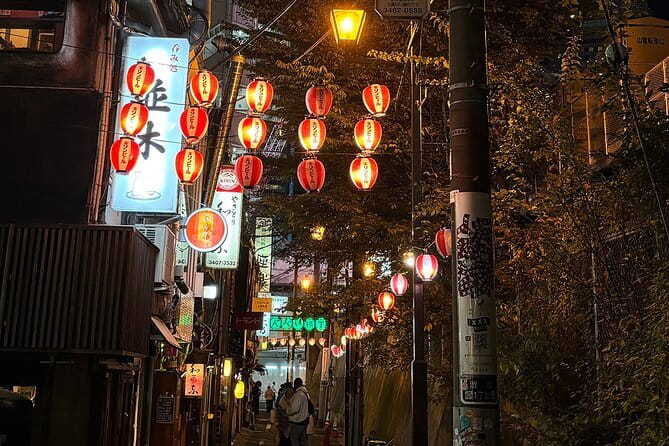
The route continues through Shibuya Center-gai for about 20 minutes. This is one of the district’s main pedestrian areas, filled with shops, signs, restaurants, and the steady movement that defines central Shibuya.
A guide is helpful here because Center-gai can blur into a general shopping street when you are seeing it for the first time. Commentary gives the route some shape. You can learn which streets form the main spine of the area and how the nearby blocks connect to the crossing and station.
This section is likely to feel crowded, especially at popular times. Stay close to the guide and pay attention when the group crosses side streets or changes direction. The benefit of a small group is that it is easier to keep together, but Shibuya still demands basic city awareness.
The 20-minute timing is enough for an introduction. It is not enough to browse every shop or stop at several cafes. Think of this as a guided orientation, then return on your own if you want to shop or eat.
Shibuya Mark City and the underground route
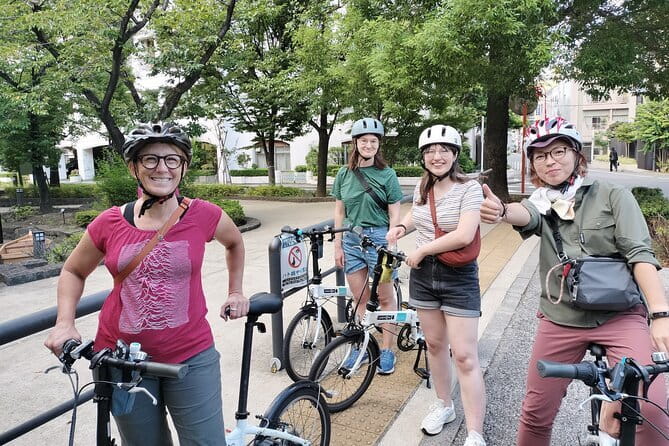
The final listed stop is Shibuya Mark City, where the group explores the basement floor for about 20 minutes. This is a useful choice because it shows a side of Shibuya that many sightseeing walks skip.
The underground level gives you a look at the practical, commercial side of the district. It also reminds you that Shibuya is built around movement through stations, passages, department stores, and connected shopping areas. You are not only seeing famous street scenes. You are learning how people get around when the weather is poor or the sidewalks are packed.
This stop may feel less photogenic than the crossing or Miyashita Park, but I consider it valuable for orientation. Tokyo’s major stations can be confusing, and a guide-led look at one of Shibuya’s connected indoor spaces helps you understand the district’s structure.
The tour ends back at the meeting point. That makes the route simple to use, since you do not need to arrange transport from an unfamiliar final location. It also means you can continue exploring Shibuya afterward from a known starting point.
The guides make the difference
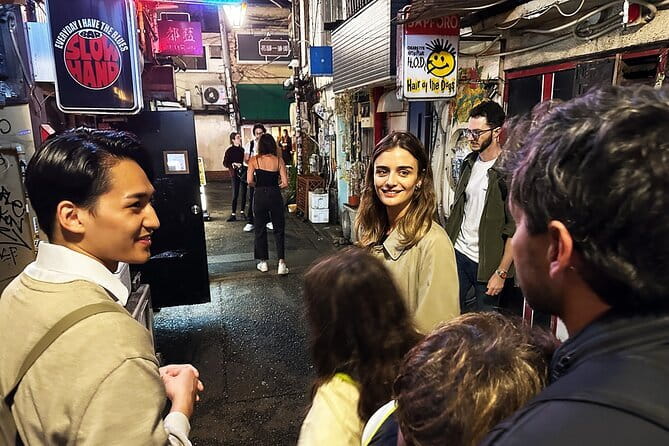
The strongest part of this experience is not any single landmark. It is the guide’s ability to keep a short walk useful.
Hannah received especially warm praise for her friendly manner, local insight, recommendations, and exclusive finds. Those details suggest the best version of the tour is not a memorized march from one photo stop to another. A good guide can point out streets you might otherwise miss and help you decide where to return later.
Mao was also praised for clear stories, strong local information, and taking photos while leading the group through Shibuya Crossing. That combination matters. You want enough explanation to understand the place, but you also want a guide who keeps the group moving and handles the practical details.
The guide names are useful, but they do not guarantee who will lead your departure. Staff assignments can change. The important point is that the experience depends heavily on the individual guide, so expect the quality to be strongest when the guide is active, attentive, and willing to answer questions.
Who should book this experience?
I would recommend this walk to first-time visitors who want a fast introduction to Shibuya. It suits solo visitors, couples, and families who prefer a clear route instead of figuring out the district alone.
It is also a good choice at the start of a Tokyo stay. You will see enough of Shibuya to decide where you want to return for food, shopping, photos, or evening lights. The short duration leaves the rest of your day free.
The tour may suit you if you enjoy local stories but do not want a long museum-style explanation. The stops are varied, and the walking keeps the experience active.
I would be more cautious if you are booking mainly for a guaranteed panoramic view. The description is not fully consistent about the location, and one participant did not receive the expected vista. Ask before the walk begins.
You should also consider your pace. Most people can participate, but this is a walking route through busy streets and station areas. If you dislike crowds or want long stops at each place, a private or slower tour may suit you better.
Timing, meeting point, and cancellation details
The tour uses a mobile ticket and begins at SHIBU HACHI BOX near Dōgenzaka. It ends at the same meeting point, and public transportation is nearby. Private transportation is not included, so you need to make your own way to the start.
The experience runs in most weather conditions, but it requires good weather. If poor weather forces a cancellation, you will be offered another date or a full refund.
You can cancel for a full refund up to 24 hours before the start time. Cancellations or changes made within 24 hours are not refunded or accepted. The time limit follows Tokyo local time, so check the local start time carefully if you are booking from another country.
Should you book the Shibuya Highlights Walk?
Book it if you want a well-priced orientation to Shibuya with a guide, photos, and a route that includes more than the famous crossing. At $25.20, the walk offers good value for a first visit, especially if Hannah, Mao, or another attentive local guide gives you practical suggestions along the way.
Do not book it solely for the secret view spot without confirming the details first. The route includes a listed observation stop, but the exact viewpoint and access are not perfectly clear.
For most first-time visitors, I think the tour is worth considering. It is short, focused, and varied. You get the big landmark, a narrow old drinking lane, a modern park, major shopping streets, and an underground passage in one tidy route. Just treat it as an introduction, not a complete Shibuya experience, and leave time afterward to explore the places that interest you most.
FAQ
How long does the Shibuya walking tour last?
The activity lasts approximately 1 hour and 30 minutes.
How much does the tour cost?
The listed price is $25.20 per person.
Where does the tour start?
The meeting point is SHIBU HACHI BOX, 2-chōme-1-1 Dōgenzaka, Shibuya, Tokyo 150-0043, Japan.
Where does the tour end?
The activity ends back at the meeting point.
What places does the walk visit?
The route includes Shibuya Crossing, Shibuya Scramble Square, Nonbei Yokocho, Miyashita Park, Shibuya Center-gai, and Shibuya Mark City.
Is an English-speaking guide included?
Yes. The tour includes an expert English-speaking local guide.
Are photos included?
Yes. Photos taken during the tour are included.
Can I cancel for a full refund?
Yes, if you cancel at least 24 hours before the experience start time. Cancellations made less than 24 hours before the start are not refunded.
Just added around Tokyo
- Kawagoe Japanese Food Tour : Unagi Kaiseki and Sake near Tokyo★ 5.0 · 30 reviews
- Kawagoe 4hr Private Tour with Licensed Guide (Kawagoe Dep)★ 5.0 · 13 reviews
- Little EDO Sushi Making workshop in Kawagoe★ 5.0 · 18 reviews
- 【R34】Tokyo:Private Daikoku tour in Modified R34★ 4.9 · 92 reviews
- :Tokyo,Shibuya/ Pro Photography in Kimono / English-Friendly★ 5.0 · 26 reviews
- Tokyo:Celebrate Unique Japanese New Year Tradition Festivity★ 3.9 · 20 reviews
- Tokyo: Allstar Food Tour★ 4.7 · 29 reviews
- Tokyo: West-Side Cycling and Food Tour with Guide★ 5.0 · 37 reviews
Walking Tours, compared.
Kyoto Geisha Walking Tour: Gion District & Hidden Gems
Our verdict →
Imperial Palace and Shogun Historical Walking Tour
Our verdict →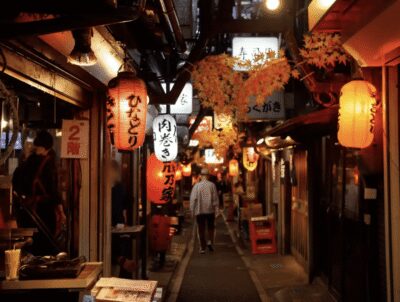
Shinjuku Local Bar and Izakaya Guided Walking Tour
Our verdict →

Nishiki Market Brunch Walking Tour (7 Tastings + Brunch)
Our verdict →
Kyoto Arashiyama Walking Tour: Bamboo, Monkeys, Gardens & Secrets
Our verdict →
Tokyo Castle & Imperial PalaceーShogun Walking Tour
Our verdict →Browse the lists this tour appears in