
Reviewed · RAMEN & NOODLE TOURS
Eat and Drink Like a Local: Tokyo Ueno Food Tour-Taverns&Ramen
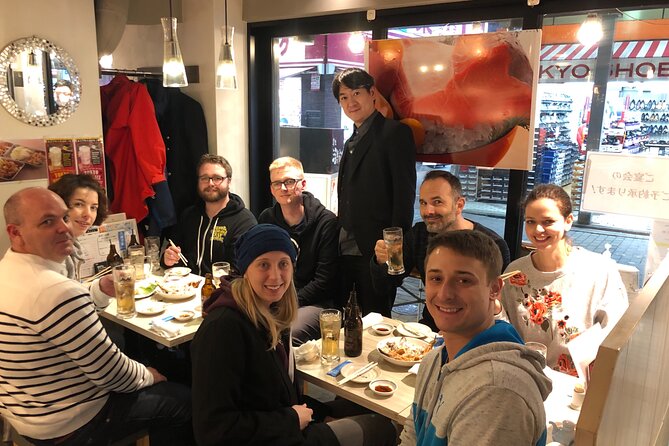
Ueno is at its best when you stop sightseeing and start eating. This three-hour walk takes you from the station area through Ameya Yokocho and Okachimachi, into standing bars and izakaya that can feel intimidating if you do not speak Japanese. A guide such as Aki handles the ordering, translation, and cultural explanations while you sample sashimi, skewers, grilled dishes, drinks, and ramen.
I like two things here. First, you get a useful introduction to Japan’s everyday drinking culture, not just a polished restaurant meal. Second, the small group, capped at 10 people, gives the evening a friendly, social feel. The main caution is that some dishes can be unusual, and one past participant found the guide’s English difficult to follow, so this is best for curious eaters who can handle a little uncertainty.
What makes this Ueno food tour worth considering
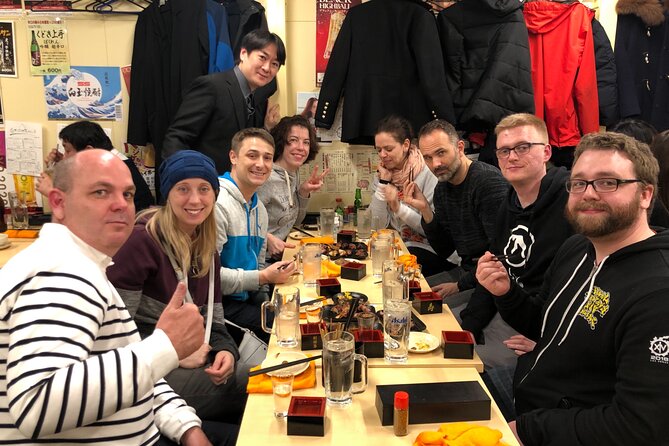
- Four food and drink stops: The route includes a first restaurant, an Okachimachi-area izakaya, another Ueno tavern stop, and a ramen shop.
- A guide who orders for you: Aki explains the food, translates, and shows you how to order and eat ramen.
- Local-style venues: You visit standing bars and small Japanese taverns that are easy to miss on your own.
- More than a meal: The walk includes Ueno Park, Ueno Zoo, Ameya Yokocho, Tokyo’s train system, and Japanese drinking customs.
- Food is included: Sashimi, skewered meat, grilled fish, stews, snacks, ramen, and drinks may appear during the evening.
- A social small-group setting: The group can include up to 10 people, with time for conversation and questions.
Starting beside Ueno Station
The meeting point is Starbucks Coffee inside atré Ueno, at Ueno Station. That makes the start fairly easy to reach by public transportation, but Ueno Station has plenty of exits and levels, so give yourself time to find the correct Starbucks. Your confirmation includes the meeting details.
The tour begins with a short introduction to Tokyo and Ueno. Aki commonly leads the experience, though other guides, including Shota, have hosted some sessions. The guide may explain Ueno Park and Ueno Zoo before leading the group toward the first food stop.
That opening matters because Ueno is not simply a restaurant district. It is a busy part of Tokyo where parks, museums, shopping streets, train lines, and inexpensive eating places sit close together. You get a bit of local orientation before the food begins, which helps the neighborhood make more sense as you walk.
A small-group limit of 10 people is a good fit for this kind of evening. You can ask questions without shouting across a large group, and the guide can keep an eye on dietary needs. Some past bookings included vegetarians and people with food restrictions, and the guide arranged alternatives when informed in advance.
More Food Tours in Tokyo
- Tokyo: Shinjuku Food Tour (13 Dishes at 4 Local Eateries)
★ 5.0 · 6,603 reviews - Tokyo Tsukiji Fish Market Food and Culture Walking Tour
★ 5.0 · 3,184 reviews - Tokyo: Shinjuku Food Tour (15 Dishes and 4 Eateries)
★ 4.9 · 2,033 reviews
First stop: four dishes in Ueno
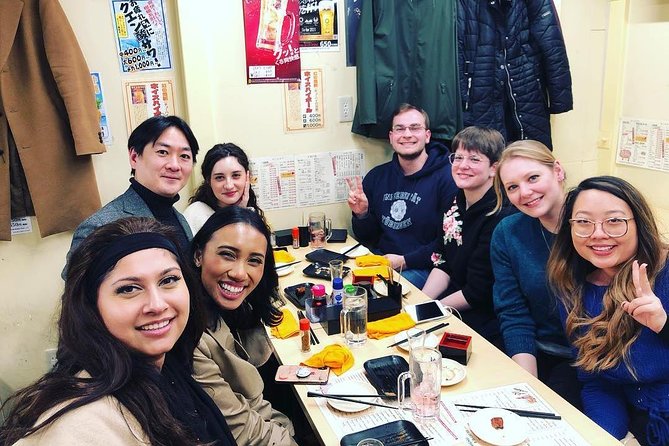
The first restaurant serves four dishes, with the guide explaining what you are eating and how the food fits into Japanese dining. Sashimi, grilled fish, skewered meat, miso soup, stews, and other izakaya-style items may be included, although the exact menu is not fixed in the information provided.
This is where the tour’s main strength becomes clear. You are not merely handed a plate and left to guess. The guide can explain ingredients, preparation, eating customs, and the Japanese names for the dishes. If you have wondered how to approach a dish at an izakaya, this is the time to ask.
The food is not designed as a luxury tasting menu. It is closer to the kind of meal you might have while out with friends or colleagues in Tokyo. That means the experience can include familiar foods such as sashimi and ramen alongside less familiar cuts or preparations. Some people will find that exciting. If you prefer predictable dishes, tell the guide early and be clear about what you do not want to eat.
Drinks are part of the experience. Past participants describe sake, infused sake, whiskey, and other Japanese alcoholic drinks, with food paired along the way. One session began with a small shot of pear-infused sake, but you should not assume every tour starts in exactly the same way.
Non-drinkers can still take part. The focus is food, conversation, and local customs, and one group included people who did not drink alcohol. Still, you should expect alcohol to be central to the evening, so this is not the right choice if you want a completely alcohol-free food tour.
Walking through Ameya Yokocho
After the first stop, the route passes through Ameya Yokocho, the packed shopping and food street beside the railway tracks. This is one of the most useful parts of the tour because you see the district between meals rather than moving from restaurant to restaurant by taxi.
The walk gives the guide room to explain Ueno’s character and Tokyo’s train system. You may also hear about nearby attractions and the way locals use the area. Since Ueno is a major transport hub, understanding the station and surrounding streets can help you get around independently for the rest of your stay.
Do not expect a quiet stroll. Ameya Yokocho is crowded, noisy, and full of visual distractions. That is part of the point, but people who have trouble walking through busy streets should take note. Wear comfortable shoes, and keep your group in sight when crossing or moving through narrow sections.
Okachimachi Ekimae Street and izakaya customs
The second food stop is around Okachimachi Ekimae Street. Here the guide explains the dishes and talks about drinking culture in the Okachimachi area. You may try more small plates, skewered meats, grilled items, or other foods served in a Japanese izakaya.
An izakaya is not quite a pub and not quite a standard restaurant. People usually order several dishes for the table, share them, and continue talking over drinks. The guide helps you understand that rhythm, including how dishes arrive, how to share them, and how to make choices when the menu is unfamiliar.
This stop can be especially useful if you are visiting Japan for the first time. Many small restaurants have menus that are difficult to read, limited English, or ordering systems that are not obvious to newcomers. Having someone place the order and explain the food lets you focus on the experience instead of worrying about making a mistake.
The food may test your comfort zone. Past menus have included unusual meats and dishes that some people found hard to eat, while others considered those items a highlight. You might be offered a mystery meat option, which is clearly aimed at adventurous eaters. Ask what you are receiving if you want to know in advance, and do not feel obliged to finish something you cannot manage.
More Ramen Tours in Tokyo
- Ramen & Gyoza Cooking Class in Tokyo with Local Supermarket Visit
★ 5.0 · 823 reviews - Tokyo: Ramen Tasting Tour with 6 Mini Bowls of Ramen
★ 4.9 · 432 reviews - Tokyo: Easy Ramen Cooking Experience in Kabukicho, Shinjuku
★ 4.6 · 321 reviews - Ramen and Sushi Cooking Class with Sake Pairing Set in Tokyo
★ 5.0 · 291 reviews
A third stop in the Ueno district
The third stop continues the lesson in Japanese tavern food and alcoholic drinks. The guide explains each order and welcomes questions, so this is a good point to ask about sake, local drinking habits, table manners, or the difference between common types of Japanese food.
The guide’s personality matters here. The strongest part of this tour is not simply the number of dishes. It is the host’s ability to keep the group talking, laughing, and trying things together. Aki is described as energetic, attentive, funny, and comfortable sharing practical details about Tokyo. Several people felt the evening was like going out with a friend who happened to know the neighborhood well.
That style will suit you if you enjoy conversation and a relaxed group atmosphere. It may be less suitable if you prefer a quiet, formal tasting with exact portions and technical food commentary. The tour is lively, social, and informal.
English ability appears to be strong in most sessions, and the experience is marketed as having no language barrier because the guide translates. Still, one participant had trouble understanding much of the explanation. That seems to be an exception, but it is a fair reminder that communication can vary by guide and group. Ask questions during the tour if you need something repeated.
Finishing with ramen near Panda Hiroba
The final stop is a ramen shop near Okachimachi Panda Hiroba. The guide shows you how to order and eat ramen, which is useful because ramen shops may have ticket machines, limited seating, and their own ordering routines.
Ramen is also a satisfying finish to a night of smaller dishes. Several people described the ramen as a highlight, with one calling it the best ramen they had eaten. The exact style is not specified, so you should not book expecting a particular broth or noodle type. What you can expect is a guided introduction to the ordering process and a proper bowl at the end of the route.
By this point, you should be comfortably full. The tour is repeatedly described as plentiful, so do not eat a large dinner beforehand. A light meal earlier in the day is the smarter plan, especially if you want to try the less familiar dishes instead of filling up before the final stop.
The tour ends at 5-chome-27 Ueno, a short distance from the general Ueno and Okachimachi area. It does not return to the Starbucks meeting point, so check the ending location before making evening plans.
The food is plentiful, but not always familiar
At $95.21 per person, this is not a cheap dinner by Tokyo standards, but the price includes several food stops, drinks, a guide, translation, and three hours of neighborhood walking. You are also paying for access to places you might not confidently enter by yourself.
The value is strongest if you are a first-time visitor who wants a ready-made evening and a practical introduction to izakaya dining. Ordering several dishes and drinks independently could cost less, especially if you choose inexpensive restaurants. But you would also be making the choices, handling the language questions, and accepting the chance of ending up somewhere ordinary.
This tour is not aimed at Michelin-level dining. It is about everyday Japanese food and the social experience around it. You may eat excellent sashimi and ramen, but you may also receive dishes chosen for their local character rather than universal appeal.
I would book it if you enjoy trying foods without knowing every detail in advance. I would hesitate if you want refined presentation, familiar Western-style portions, or full control over every dish.
Who will enjoy this evening most
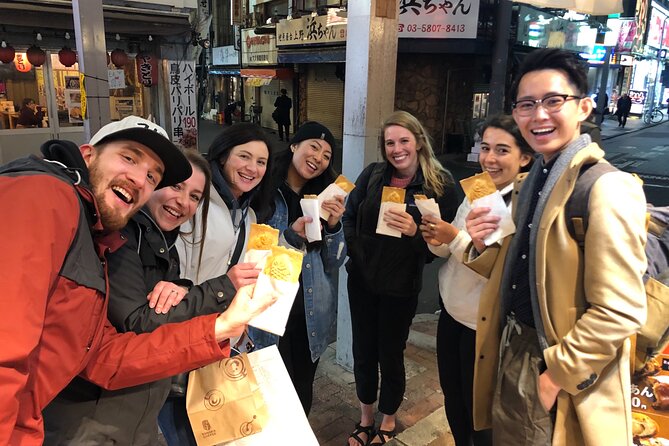
This is a strong choice for first-time visitors to Tokyo, especially if you are staying near Ueno, want to meet other people, or feel nervous about entering small Japanese bars alone. It is also useful early in a trip because the guide gives you ideas and confidence for later meals.
Adventurous eaters will get the most from it. You may encounter sashimi, grilled fish, pork skewers, stews, mystery meats, sake, and other drinks. If you are curious but cautious, tell the guide about your limits before ordering.
The tour can also work well for couples, friends, and mixed-age groups. Past groups ranged from people in their twenties to people in their sixties. The social format makes it easy to talk with others, but you should be comfortable spending an evening with strangers.
It is less suitable for very selective eaters, people who dislike alcohol-centered outings, or anyone looking for a calm, sit-down culinary lecture. The walking route and crowded streets also require reasonable comfort with city movement.
Practical details before you book
The experience lasts about three hours and accepts a maximum of 10 people. It is near public transportation, and most people can participate, but the route includes walking through Ueno and Ameya Yokocho.
Food allergies and dietary restrictions should be stated when booking and repeated to the guide at the start. The guide has accommodated vegetarian needs and other restrictions, but the tour moves through several ordinary Japanese restaurants, so you should not assume every request can be met without advance notice.
The tour has a mobile ticket and confirmation is provided at booking. Free cancellation is available if you cancel at least 24 hours before the start time. Cancellations or changes inside that window are not refunded or accepted.
The tour provider is Best Experience Japan. Bring a small appetite, comfortable shoes, and an open mind. You do not need to know Japanese, but you should be ready to ask questions and accept that the menu may include something outside your normal comfort zone.
Should you book the Ueno food tour?
Book this tour if you want a guided night of local-style food, drinks, and conversation rather than a formal restaurant tasting. The route covers several parts of Ueno and Okachimachi, and the guide removes much of the stress of ordering in places you might otherwise pass by.
The best reason to book is confidence. After three hours with a guide, you should better understand how izakaya meals work, how to approach a ramen shop, and how Tokyo’s neighborhood drinking culture feels.
Skip it if you want guaranteed familiar food, a quiet evening, or high-end dining. For everyone else, especially first-time Tokyo visitors with a healthy appetite, this is a practical and entertaining introduction to eating around Ueno.
FAQ
Where does the Tokyo Ueno food tour start?
It starts at Starbucks Coffee inside atré Ueno, located at 7-chome 1-1 Ueno, Taito City, on the first floor.
Where does the tour end?
The tour ends at 5-chome-27 Ueno, Taito City, near the Okachimachi area.
How long does the experience last?
The tour lasts approximately three hours.
How many people can join?
The maximum group size is 10 people.
What food and drinks are included?
The experience includes food tastings and drinks. Possible dishes include sashimi, skewered meat, grilled fish, stews, snacks, and ramen. Japanese alcoholic drinks may include sake and other beverages.
Is the tour suitable for people who do not speak Japanese?
Yes. The guide handles translation, explains the dishes, and shows you how to order and eat ramen.
Can people with dietary restrictions join?
Most people can participate, and dietary needs have been accommodated, including vegetarian requests. You should provide your restrictions when booking and discuss them with the guide before food is ordered.
More Food & Drink in Tokyo
- Best of Shinjuku: Izakaya Food Tour (4 Stops, 14+ Tastings)
★ 5.0 · 1,863 reviews - Tokyo: Tsukiji Fish Market Food and Walking tour
★ 5.0 · 1,724 reviews - Tokyo: Shibuya Food Tour (13 dishes and 4 Eateries)
★ 5.0 · 770 reviews - Tokyo: Tsukiji Fish Market Food and Culture Walking Tour
★ 4.7 · 757 reviews
Just added around Tokyo
- Kawagoe Japanese Food Tour : Unagi Kaiseki and Sake near Tokyo★ 5.0 · 30 reviews
- Kawagoe 4hr Private Tour with Licensed Guide (Kawagoe Dep)★ 5.0 · 13 reviews
- Little EDO Sushi Making workshop in Kawagoe★ 5.0 · 18 reviews
- 【R34】Tokyo:Private Daikoku tour in Modified R34★ 4.9 · 92 reviews
- :Tokyo,Shibuya/ Pro Photography in Kimono / English-Friendly★ 5.0 · 26 reviews
- Tokyo:Celebrate Unique Japanese New Year Tradition Festivity★ 3.9 · 20 reviews
- Tokyo: Allstar Food Tour★ 4.7 · 29 reviews
- Tokyo: West-Side Cycling and Food Tour with Guide★ 5.0 · 37 reviews
Ramen & Noodle Tours, compared.
Five Must-See Highlights Walking Tour & Ramen Lunch
Our verdict →
Professional Ramen & Gyoza with Ramen Chef in a restaurant!
Our verdict →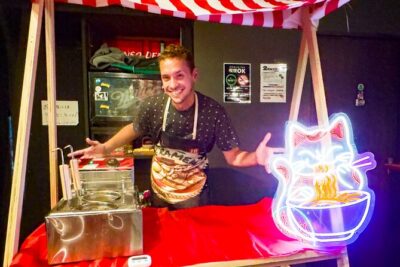
Ramen Dojo Tokyo | Make All 3 (Tonkotsu/Shoyu/Miso)
Our verdict →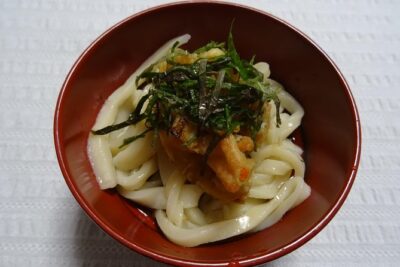
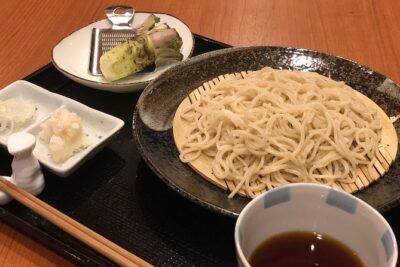
Popular in SapporoExperience authentic hand-made soba at a real soba shop!
Our verdict →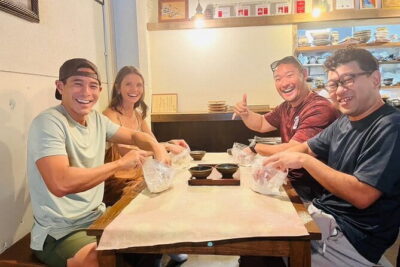
Browse the lists this tour appears in