
Reviewed · TEMPLES & SHRINES
Kamakura Temples Private Guided Tour from Tokyo
Kamakura gives you Japan in a compact, walkable day: a giant bronze Buddha, a hillside temple filled with flowers, and a major Shinto shrine at the heart of the old city. This private tour takes you there by train with an English-speaking guide, so you can focus on the sights instead of sorting out the route yourself.
I like the private format, which lets you ask questions and adjust the pace, and I like the mix of Buddhist and Shinto sites. The main caution is value: at $145 per person, you still pay for trains, entrance tickets, lunch, and drinks. That price makes the guide’s skill and historical explanations especially important.
Key points to know before booking
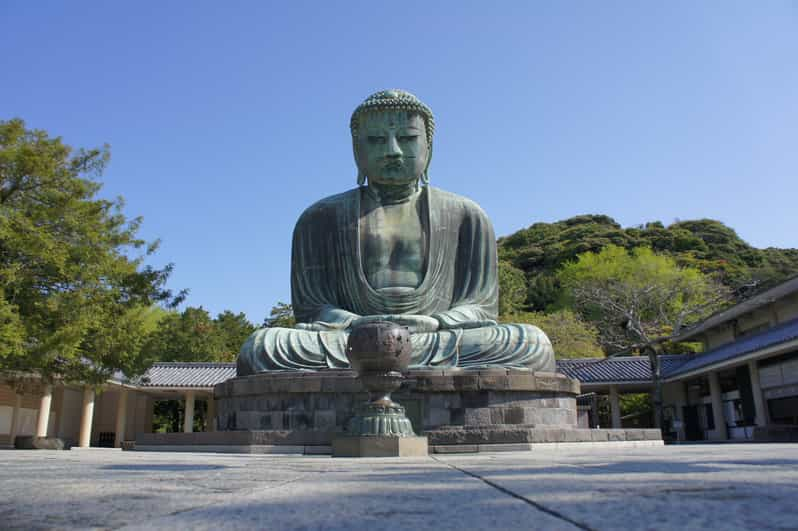
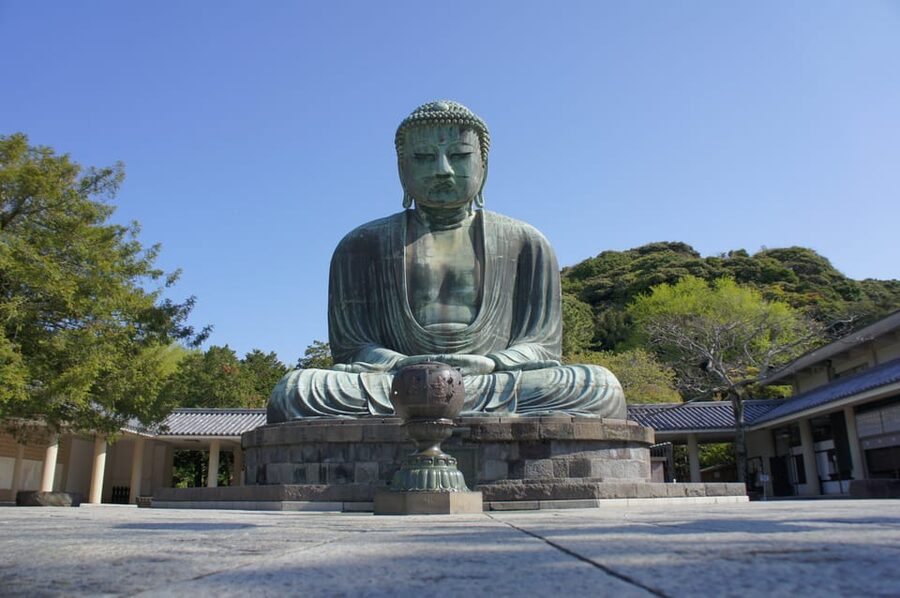
- The Great Buddha is 13 meters high: Kotokuin’s bronze statue is the visual centerpiece of the day and dates to 1292.
- Hase Temple adds more than a photo stop: You see the eleven-faced Kannon, gardens, and the small Jizo-do Hall.
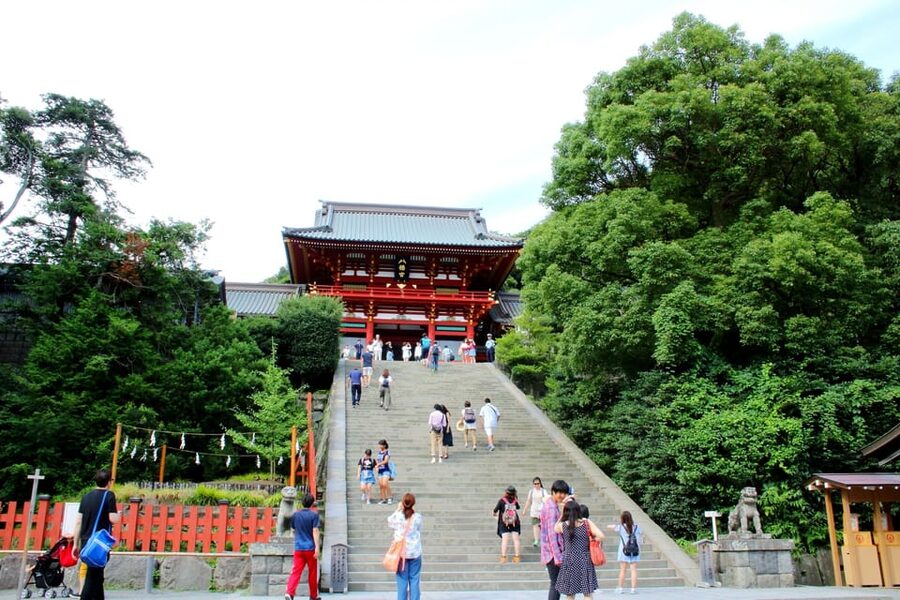
- Tsurugaoka Hachimangu explains Kamakura’s political past: This central shrine is dedicated to Emperor Ojin, also called the God of War.
- The tour uses public trains: The ride from Tokyo takes about 70 minutes each way, with another short train ride within Kamakura.
- Expect three to four kilometers of walking: Comfortable shoes matter, especially on a full day of temple and shrine visits.
- Extra costs are significant: Plan for about 2,000 yen per person in transportation, plus 400 yen for Hase Temple, 300 yen for the Great Buddha, and lunch.
Why Kamakura works so well as a day trip from Tokyo
Kamakura is close enough to visit in a day but different enough to feel like a proper change of scene. The ride from Tokyo takes roughly 70 minutes, and the day ends with a return to Tokyo around 4 or 5 pm.
I like this outing because it avoids the usual Tokyo-only schedule of department stores, towers, and crowded commercial streets. You get temples, a shrine, a famous statue, and time for lunch and shopping on Komachi Street. The combination gives you a useful first look at both Buddhist and Shinto traditions.
The tour is private, so you are not tied to the needs of a large group. That matters in Kamakura, where busy temple grounds and narrow routes can slow things down. One guide, Take, was praised for using maps and pictures to explain the city’s past, while another guide, Steve, was noted for keeping the day well organized. Guide assignments can change, so you should not book with the expectation of receiving a particular person.
More Temple & Shrine Tours in Kamakura:
- Tokyo: Kamakura & Enoshima Day Trip including Temple Tickets
★ 4.5 · 1,375 reviews - Kamakura Private Tour: Temples, Nature, and the Great Buddha
★ 5.0 · 121 reviews - Kyoto: Fushimi Inari, Kinkakuji, Bamboo Grove 1 Day Bus Tour
★ 4.8 · 4,316 reviews
Hotel pickup means walking to the station
Pickup and drop-off are on foot. You can select from Tokyo Station, Tokyo, Shinjuku City, or Shinjuku Station, and hotel pickup is possible if you provide the hotel details when booking.
That wording matters. This is not a private vehicle tour, and the guide will not drive you from your hotel to Kamakura. You and the guide walk to the relevant station, board public trains, and continue on foot after arrival. If you have heavy luggage, mobility concerns, or a hotel far from the listed areas, clarify the meeting arrangement before committing.
The train ride is part of the experience, but it also uses time. About 70 minutes each way means more than two hours of the eight-hour day is spent getting to and from Kamakura. That is reasonable for a historic town so close to Tokyo, though you should not expect eight hours of sightseeing.
Hase Temple and the eleven-faced Kannon
Hase Temple, also called Hase-dera, is the first major stop. The planned guided visit lasts about 30 minutes, though the temple grounds offer enough to justify moving at a sensible pace rather than rushing through.
The main focus is Hase Kannon, home to an eleven-faced statue of Kannon, the Buddhist Goddess of Mercy. The eleven faces represent different phases in the search for enlightenment. This detail gives your guide something useful to explain, since the statue is not simply a large religious figure to photograph. Its form carries a lesson about compassion, patience, and spiritual progress.
Outside the main building, the temple gardens add a calmer counterpoint to the interior. You can also see Jizo-do Hall, where hundreds of small Jizo Bodhisattva statues are gathered. Jizo is closely linked with protection, and the repeated small figures create one of the more memorable visual details of the visit.
A 30-minute stop is enough for an introduction, but it may feel short if you want to linger in the gardens or study the architecture. I would tell your guide early if Hase Temple is your priority. The tour is private, so there is at least some room to discuss the pace.
Admission is 400 yen per person and is not included in the tour price. That is a modest extra cost, but it is one of several expenses you need to add to the advertised price.
Walking to Kotokuin and the Great Buddha
From Hase Temple, you walk about 10 minutes to Kotokuin Temple. This short connection is easy to understand on paper, but it is one reason comfortable shoes are listed as essential. You will also walk between stations, temple grounds, and the shrine during the day.
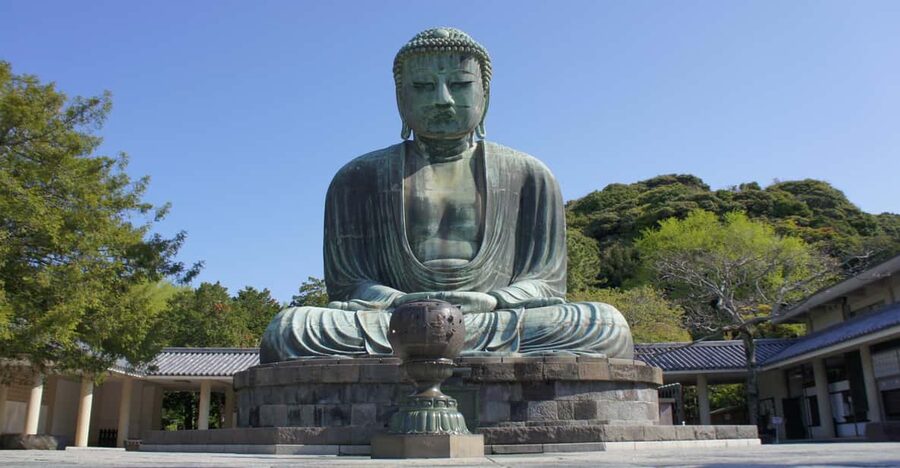
Kotokuin is home to Kamakura’s Great Buddha, a 13-meter bronze statue that dates to 1292. This is the day’s most instantly recognizable sight. The statue’s scale gives the visit real impact, but the open setting also makes it easier to appreciate the craftsmanship and expression from different angles.
The planned visit lasts about 30 minutes and includes time for photographs and an explanation of the statue’s place in Kamakura’s religious story. The tour information lists admission at 300 yen per person, paid separately.
I would not treat Kotokuin as a quick tick on a list. The Great Buddha is famous for good reason, but the value of a guide here depends on the explanation around it. A guide who provides dates, maps, and context can turn a familiar image into a clearer picture of Kamakura’s past. If the explanation is limited, you may feel that you could have reached the statue on your own for much less.
That concern appeared in one low-scoring booking, where the guide was described as kind and flexible but the historical explanations were considered too brief. It is a fair warning for a private tour: you are paying for interpretation, not only directions.
A few more Kamakura half-days worth comparing
- From Tokyo: Kamakura & Enoshima 1-Day Bus Tour
★ 4.5 · 189 reviews - Kamakura Historical Walking Tour with the Great Buddha
★ 5.0 · 129 reviews - Kamakura Walking Tour – The City of Shogun
★ 5.0 · 100 reviews - Kamakura 8 hr Private Walking Tour with Licensed Guide from Tokyo
★ 5.0 · 80 reviews
Tsurugaoka Hachimangu, Kamakura’s central shrine
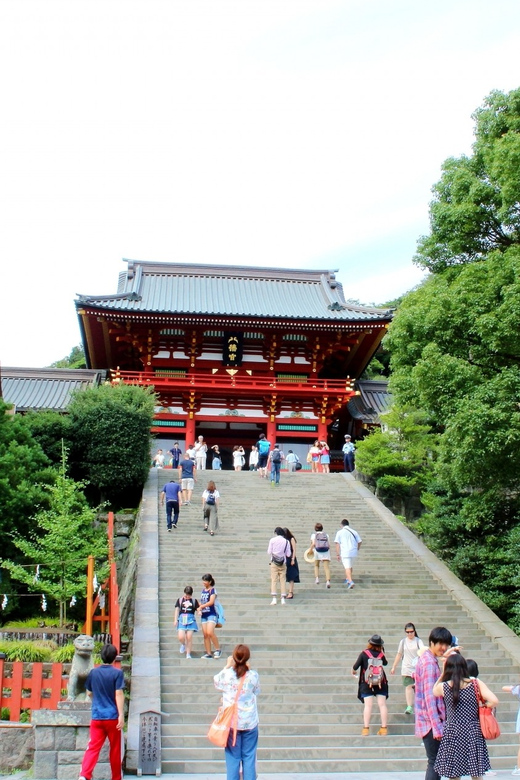
After Kotokuin, the route includes a roughly 10-minute train ride before reaching Tsurugaoka Hachimangu Shrine. This is the main Shinto site in Kamakura and sits at the city’s geographical center.
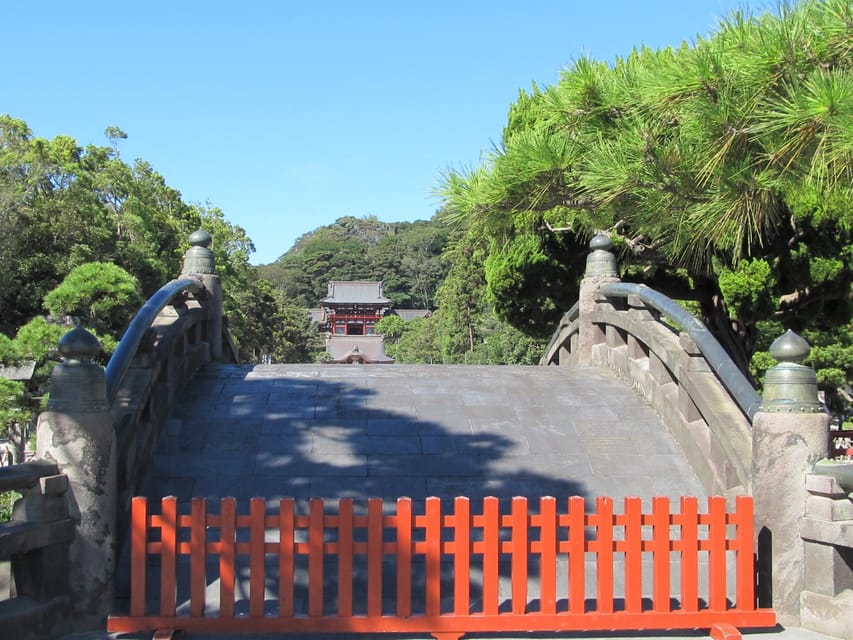
The shrine was built in 1063 and is dedicated to Emperor Ojin, also known as the God of War. That dedication helps explain why the site is important beyond its buildings and approach. Your guide can connect the shrine to Kamakura’s military and political identity, giving the day a useful shift from Buddhist worship at Hase Temple and Kotokuin to Shinto tradition.
The planned guided visit is about 30 minutes. You can expect time to look around the complex, take photographs, and hear about the shrine’s past. The setting is described as tranquil, though the city can become crowded, especially at popular times. One guide, Take, was singled out for handling heavy crowds well and steering the group toward the main points of interest.
The shrine is also where the tour’s two religious traditions come together most clearly. You are not studying them in isolation. You are seeing how Buddhist temples and Shinto shrines form part of the same historic town, each with its own rituals, symbols, and purpose.
Lunch and Komachi Street
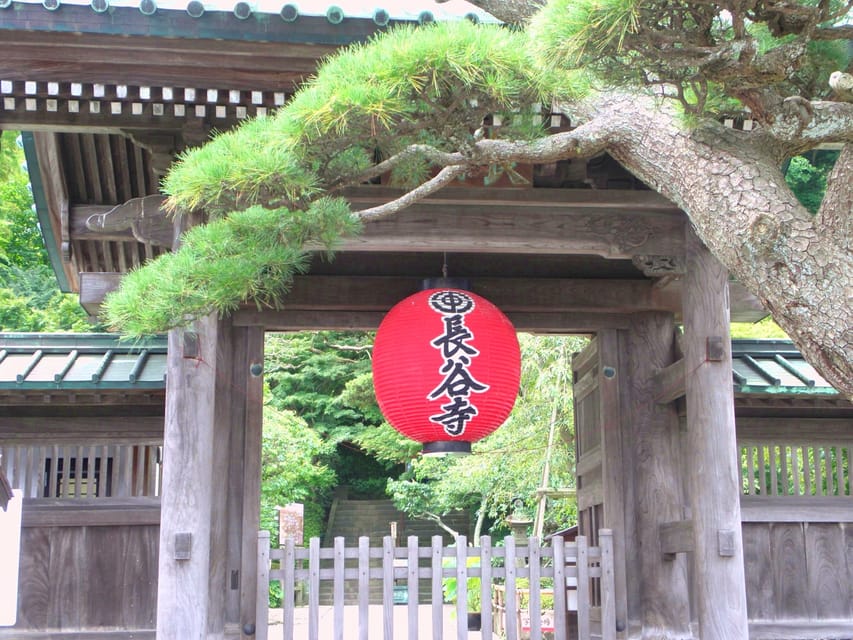
The schedule allows about 1.5 hours around Komachi Street for lunch, guided time, free time, and shopping. The tour description says lunch takes place at one of Kamakura’s Japanese restaurants, but it does not include the meal or drinks for you or the guide.
That setup gives you some choice, which I prefer to a fixed restaurant meal. You can ask the guide for help selecting a place, then decide how much time and money to spend. It also means the final bill is not fully predictable. If you are watching your budget, ask about lunch options before sitting down.
Komachi Street is a useful pause after the temples and shrine. You can eat, browse shops, and reset before the train back to Tokyo. Do not expect the entire 90 minutes to be guided sightseeing. Much of this block is intentionally free time.
One booking described the lunch as pleasant and included green tea, but that should not be treated as a guaranteed menu item. The exact restaurant, food, and drink selection are not specified.
What the $145 price really buys
At $145 per person, this is not a bargain transport service. The listed price covers the private guide and walking pickup and drop-off, but it does not cover:
- Public transportation for you and the guide
- Hase Temple admission, 400 yen
- Great Buddha admission, 300 yen
- Lunch and drinks for you and the guide
The transportation estimate is around 2,000 yen per person, while the one-way train fare is listed at about 1,200 yen. Since those figures are presented slightly differently, ask the operator how the expected train cost is calculated. You should also budget for the guide’s transport and meal, as stated in the tour terms.
The real value comes from the guide. If you want historical background, help with trains, crowd management, and a flexible private pace, the fee can make sense. If you mainly want to reach the Great Buddha and take photographs, independent travel by train will cost much less.
The tour received a rating of 4.8 from 21 bookings, with several strong comments about organization, historical explanation, and handling Kamakura’s crowds. The mixed experience is useful to keep in mind: guide quality can shape the day. Names connected with past bookings include Mizuma, Steve, Take, and Richie, but no particular guide is guaranteed.
Walking, crowds, and the pace of the day
The total walking distance is listed at three to four kilometers. That is not a major hike, but the day combines station walks, temple grounds, shrine paths, and time on your feet during sightseeing. Wear shoes that are comfortable for a full day.
The schedule uses several 30-minute sightseeing blocks. That makes the tour efficient, but you may want more time at one stop. The private format helps because you can tell the guide what interests you most. If you care about religious art, ask for more time at Hase Temple. If the Great Buddha is your main goal, make that clear before the day begins.
Kamakura can be crowded. A private guide cannot remove the crowds, but a good guide can help you move through them without losing the key sights. Your experience will also depend on the day and time of your visit, details that are not specified here.
Who should book this Kamakura tour?
I would recommend it to a first-time visitor who wants Kamakura explained rather than simply photographed. It also suits families or small private groups that value a flexible pace, an English-speaking guide, and help managing trains and crowded sites.
It is a reasonable choice if you are nervous about navigating Japanese rail travel or want one person to connect the temples, shrine, and city history. The private format is especially useful when different people in your group have different interests.
I would hesitate if you are a confident independent visitor focused mainly on saving money. The sights are accessible by public transport, and the additional ticket and meal costs reduce the tour’s value. I would also ask detailed questions before booking if you need wheelchair access, since the supplied information only says that the tour includes three to four kilometers of walking and does not describe accessibility.
Cancellation is flexible up to 24 hours before the start for a full refund, and you can reserve now and pay later. Those terms help if your Tokyo plans are still moving around, but they do not change the extra costs on the day.
Final call: a useful guide-led day, at a premium price
Book this tour if you want Kamakura’s temples and shrine placed in historical and religious context, and if you value a private guide enough to pay more than the train fare alone. Hase Temple, the Great Buddha, Tsurugaoka Hachimangu, and Komachi Street make a well-balanced day.
Skip it if your main goal is low-cost sightseeing or if you expect every meal, ticket, and train ride to be included. Before paying, confirm the pickup point, expected transport cost, lunch plan, and the level of explanation you want. With the right guide, the tour can turn a simple day trip into a clear introduction to Kamakura. Without that added context, the $145 price is harder to justify.
FAQ
How long does the Kamakura tour last?
The tour lasts eight hours. The return to Tokyo is expected around 4 or 5 pm.
How do I get from Tokyo to Kamakura?
You travel by public train with your guide. The journey from Tokyo takes about 70 minutes each way.
Is hotel pickup included?
Hotel pickup and drop-off are included on foot. You need to provide your hotel details when booking.
Which pickup locations are available?
The listed pickup options include Tokyo Station, Tokyo, Shinjuku City, and Shinjuku Station.
Is the tour private?
Yes. The activity is offered as a private group tour.
Is the guide English-speaking?
Yes. The live tour guide language is English, and the guide is described as a National Government Licensed Guide Interpreter.
Are train fares included?
No. Public transportation for you and the guide is not included. The expected transportation cost is around 2,000 yen per person, while one-way tickets are listed at about 1,200 yen.
Are temple admission fees included?
No. Hase Temple costs 400 yen per person, and the Great Buddha at Kotokuin costs 300 yen per person.
Is lunch included?
No. Lunch and drinks are not included for you or the guide. The schedule allows about 1.5 hours around Komachi Street for lunch, free time, and shopping.
How much walking is involved?
The tour includes about three to four kilometers of walking. Comfortable shoes are recommended.
Just added around Kamakura
- First time in Kamakura? Enjoy a Tour of All Must-sees!★ 5.0 · 15 reviews
- Kamakura Tours Half Day or Full Day Tours with a local guide.★ 5.0 · 12 reviews
- Buddha, Bamboo & Zen – Bespoke Kamakura Private Walking Tours★ 5.0 · 25 reviews
- Your Own HANKO Name Seal Activity in Kamakura.★ 5.0 · 24 reviews
- Exciting Kamakura – One Day Tour from Tokyo★ 5.0 · 40 reviews
- Kamakura Bamboo Forest and Great Buddha Private Tour★ 5.0 · 12 reviews
- Tokyo Yokohama Night View Tour With Kamakura And Enoshima★ 3.5 · 14 reviews
- Tokyo: Day Trip to Kamakura in Spanish – Spanish★ 4.9 · 22 reviews
Temples & Shrines, compared.

Tea Ceremony in a Traditional Tea House in Kiyomizu
Our verdict →
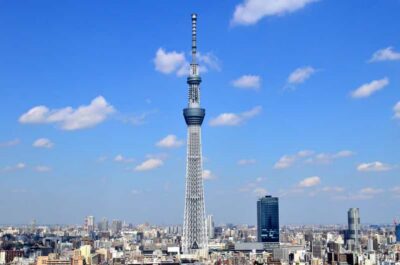
Meiji Shrine, Asakusa, Skytree Bus Tour and Cruise
Our verdict →
Fushimi Inari Hidden Hiking Tour (Private Option Available)
Our verdict →
Osaka/Kyoto:Kinkakuji,Arashiyama,FushimiInariShrine,NaraPark
Our verdict →
Nikko: Kegon Falls, Lake Chuzenji & Toshogu Temple
Our verdict →
Kamakura & Enoshima Day Trip including Temple Tickets
Our verdict →Browse the lists this tour appears in