
Reviewed · DESSERT TOURS
Japanese Traditional Sweets ”Nerikiri” making
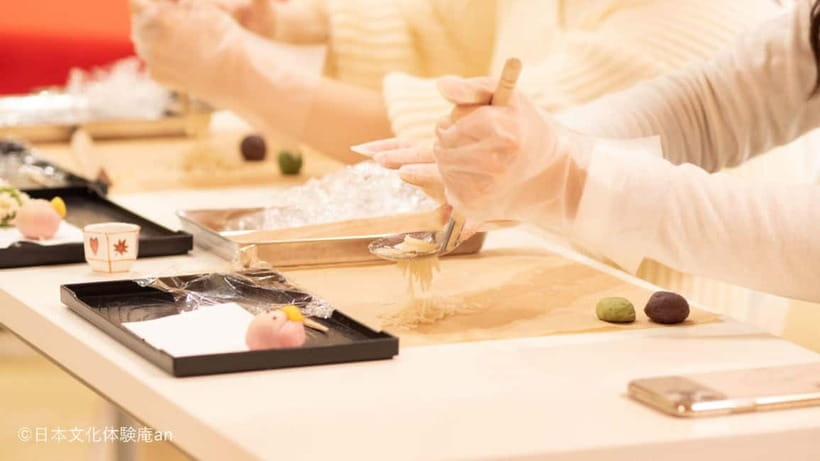
Making nerikiri is part cooking lesson, part edible art project. In this 65-minute Kyoto workshop, you shape two seasonal sweets from white and red bean paste supplied by long-established Kyoto shops. The ingredients are real and traditional, yet the work is gentle enough for beginners and children.
I like the low $11 price, the chance to eat your finished sweets right away, and the short walk from Gojo Station. You get a hands-on cultural activity without giving up half a day. The main caution is language: the instructor is Japanese-speaking, and English support is offered as much as possible, but detailed demonstrations may be harder to follow than in a fully English-led class.
Key points at a glance
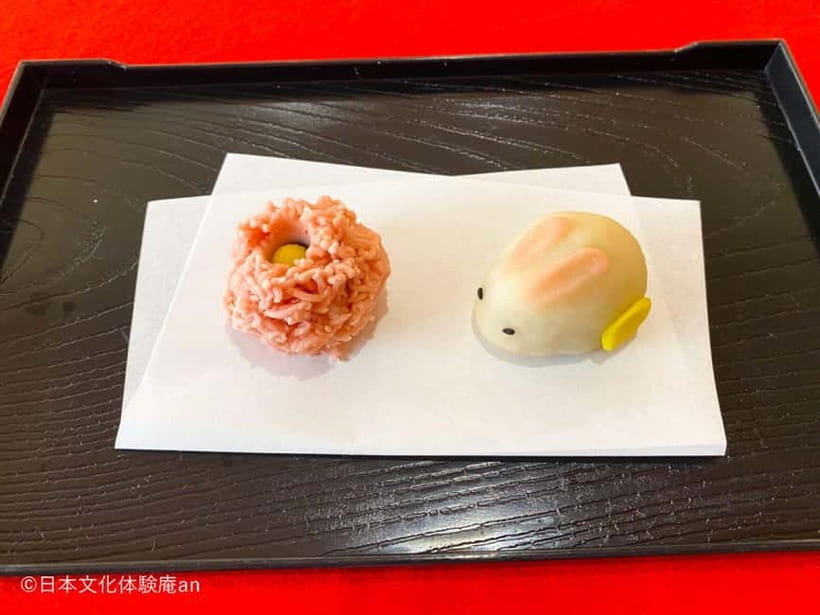
- Two seasonal sweets in 65 minutes: You make a flower-shaped nerikiri and a kinton nerikiri.
- Kyoto-made bean paste: The workshop uses white and red bean paste from long-established Kyoto shops.
- A very accessible price: The $11 fee covers the nerikiri-making session, with optional extras priced separately.
- Gojo Station location: The venue is one minute from Exit 1 of the Subway Karasuma Line.
- Eat your work immediately: The session ends with time to taste both sweets on the spot.
- Japanese-led instruction: English translation is available as much as possible, but you should not expect a fully English-speaking class.
Why nerikiri makes a good Kyoto activity
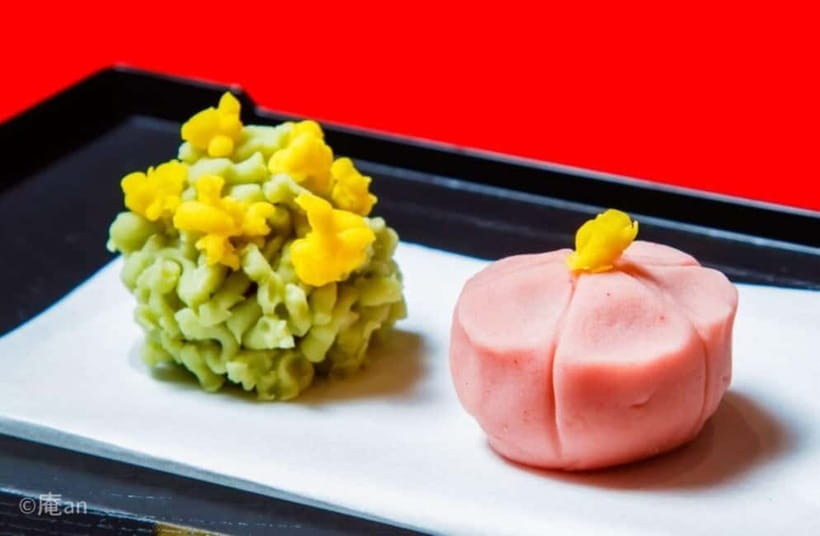
Nerikiri is a traditional Japanese sweet made from a smooth bean-paste mixture shaped into seasonal designs. It is often associated with tea culture, where its color and form are meant to reflect the season as much as its flavor.
That gives this workshop more meaning than a basic pastry class. You are not simply mixing ingredients and taking home a snack. You are learning how a small sweet can carry a visual idea, often through a flower, leaf, or other seasonal form.
I especially like the scale of the activity. Two pieces are enough to give you a proper introduction without turning the session into a long production line. You can focus on the shape, notice how the paste behaves, and still have time to photograph the finished plate.
The session also works well for people who are curious about Japanese food but do not want a complex cooking lesson. There is no promise of elaborate equipment or advanced technique. The appeal is in handling the paste, following the form, and seeing a plain ingredient become something decorative.
More Sweets & Dessert Tours in Kyoto
- Kyoto: Japanese Traditional Sweets Making and Tea Ceremony
★ 4.4 · 314 reviews - Kyoto Wagashi(Japanese sweets) Cooking Class near Fushimiinari
★ 5.0 · 60 reviews - Kyoto: Wagashi (Japanese sweets) Cooking near Fushimiinari
★ 5.0 · 40 reviews
A short walk from Gojo Station
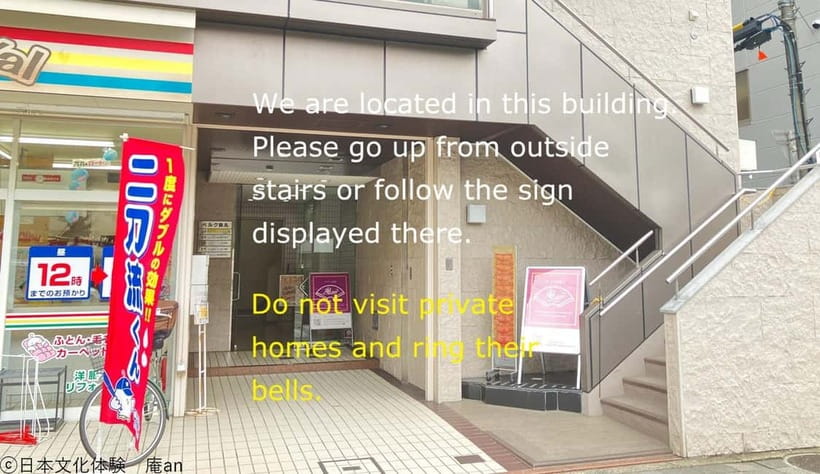
The meeting point is one minute from Exit 1 of Gojo Station on Kyoto’s Subway Karasuma Line. The entrance faces Gojo-dori, the main street, which makes the venue fairly simple to locate once you are above ground.
That central location matters. You can fit the class between sightseeing stops instead of building your day around it. A 65-minute session is long enough to feel worthwhile, but short enough to pair with time around central Kyoto.
You should arrive on time. The class cannot be held for late arrivals, and delays are not accommodated. This is especially important if you are coming from another part of Kyoto or changing trains before the workshop. Give yourself a little extra time to find Exit 1 and identify the street-level entrance.
The building has no elevator, and stairs are required to reach each venue. The activity is described as wheelchair accessible, but the stair information creates a practical question for anyone using a wheelchair or with limited mobility. Contact the provider before booking so the exact access arrangement is clear.
What happens during the 65-minute session
The schedule is neatly divided, with the making portion ending at about 55 minutes and eating time following before departure at 65 minutes.
The opening explanation
The class begins with an explanation of Japanese traditional sweets and the nerikiri process. This introduction gives you the basic context before you touch the paste.
I would pay close attention here, especially if you are new to wagashi, the broad Japanese category that includes traditional sweets. The visual details matter, and the opening explanation should help you understand what you are trying to create rather than simply copy a shape.
Instruction is in Japanese. English translation is provided as much as possible when requested, but this is not presented as a fully English-language class. One Italian participant found the instructor kind and helpful but felt that the lack of English and limited movement between tables made small details harder to see.
That is a useful warning. You can still enjoy the activity without fluent Japanese, but ask early if you need a closer demonstration. If you are attending with a child, an adult may need to help interpret the steps.
Same trip, a completely different kind of day:
- PERFECT KYOTO 1-Day Bus Tour
★ 5.0 · 13,518 reviews - Kyoto: Fushimi Inari, Kinkakuji, Bamboo Grove 1 Day Bus Tour
★ 4.8 · 4,316 reviews - Kyoto: Tea Ceremony in a Traditional Tea House in Kiyomizu
★ 4.9 · 3,519 reviews - Kyoto Geisha Walking Tour: Gion District & Hidden Gems
★ 4.7 · 3,273 reviews
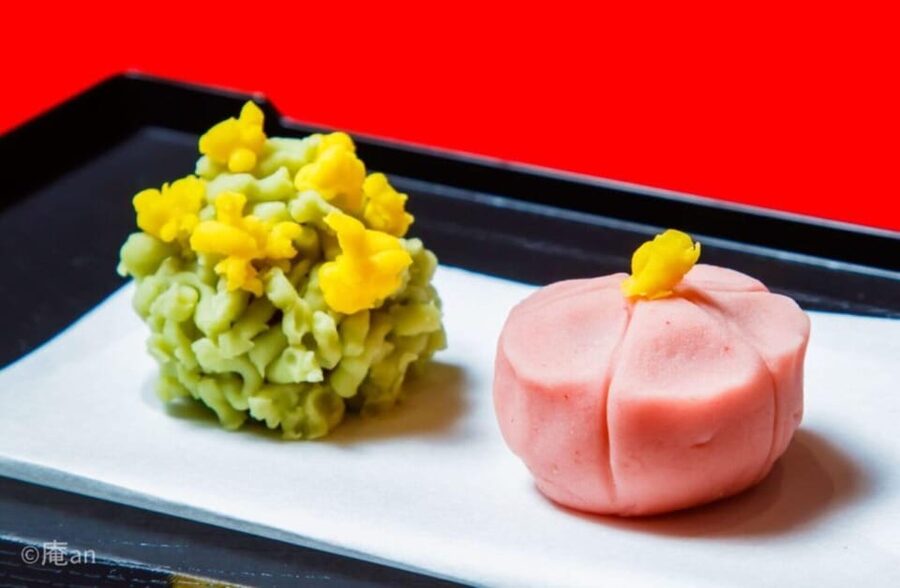
The flower-shaped nerikiri
The first project is a flower-shaped nerikiri. This is the more immediately recognizable piece, and it gives you a chance to learn the basic handling and shaping process.
The fun is in the finishing work. Nerikiri is soft and delicate, so small changes in pressure can affect the final look. Your sweet may not match the instructor’s exactly, and that is part of the charm. The activity is not built around professional pastry skills.
A photograph at this stage is worthwhile because the design is seasonal. The specific flower may vary according to the time of year, so the class has a changing visual character rather than one fixed design all year.
The kinton nerikiri
The second project is kinton nerikiri. Its texture and appearance differ from the flower-shaped sweet, giving you a second way to work with the same general ingredients.
Making two designs is a smart format. You get repetition without boredom. The first sweet helps you understand the basic material, while the second lets you try a different finish and arrangement.
The class is suitable for most ages and skill levels, according to the available information. I would still describe it as a guided craft activity rather than a lesson that teaches you to reproduce the entire recipe at home. The workshop focuses on shaping prepared components, not on giving you a full formula for making the paste from raw ingredients.
Picture time and tasting
After the two sweets are complete, there is time for photographs. This is when the work becomes a small still life on your plate, and it is worth taking a moment before eating.
The final part is tasting. You eat the sweets at the venue, which means you do not have to worry about carrying fragile pieces through Kyoto. I like this immediate finish because it completes the process: you shape the sweets, photograph them, then find out how they taste.
If you want to take them away, a sweets takeout box costs 100 JPY. The optional box is useful if you have a short walk afterward, though delicate handmade sweets may still need careful handling.
What the ingredients add to the experience
The workshop uses white and red bean paste produced by long-established shops in Kyoto. That detail gives the class a stronger connection to local food traditions than a generic craft session using anonymous prepared materials.
Bean paste can be unfamiliar to some first-time visitors. It is sweet, smooth, and central to many Japanese confections. The two colors also help the finished pieces take on their seasonal forms.
You should not expect to spend the session grinding beans or cooking a filling from scratch. The value is in learning how prepared nerikiri material is shaped and finished. That keeps the class within an hour, and it makes the activity approachable for beginners.
There is also a practical taste benefit. Because the sweets are made with food ingredients selected for this purpose, your final pieces are meant to be eaten, not just displayed. One of the strongest reasons to book this class is simple: you get to try what you make.
Price, extras, and overall value
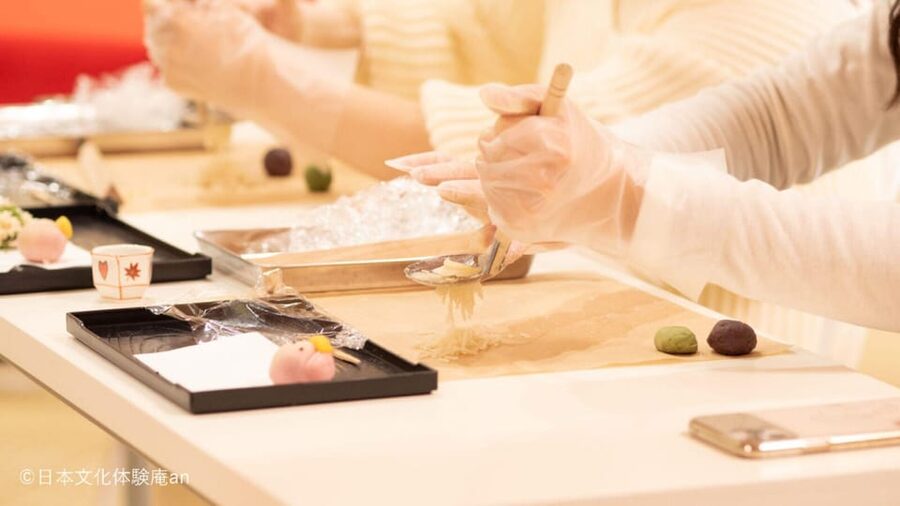
At $11 per person, this is one of the easier Kyoto activities to fit into a sightseeing budget. The price includes the nerikiri-making experience and the two sweets you create.
I think the value is strongest for anyone who wants a short cultural activity rather than a major tour. You receive instruction, ingredients, a creative task, picture time, and tasting time for less than the cost of many organized attractions.
The add-ons are modest:
- Takeout box: 100 JPY
- Experience completion certificate: 300 JPY
- Tatedashi matcha: 500 JPY
The matcha option could make the session feel more like a traditional sweet-and-tea pairing, though the available information does not describe how it is served or how much is included. I would treat it as an optional extra, not a required part of the class.
The certificate is also optional. It may appeal to children or anyone collecting small keepsakes, but it does not change the food experience itself.
The average rating is 4.3 from 17 ratings, which suggests a generally positive reception with some meaningful limits. The praise centers on the relaxing pace, attractive presentation, friendly instruction, and broad age range. The main weakness is communication for people who need detailed English guidance.
Who will enjoy this most
I would recommend this workshop to families with older children, couples, solo visitors, and anyone looking for a calm break from temple and shrine sightseeing. A child around 10 to 12 can take part, especially with an adult nearby to help follow instructions.
It also suits people who are not confident cooks. The activity is hands-on, but it does not appear to demand advanced skill. You are shaping prepared sweets rather than managing a hot stove or complicated equipment.
Solo participation should work well. The format is short, the task is self-contained, and the finished sweets give you something to focus on. It is also easy to book as a small group activity, though the information provided does not specify the maximum group size.
I would be more cautious if your main goal is to learn a recipe you can recreate at home. One participant specifically found that it was not clear how to reproduce the paste and materials afterward. This workshop teaches the form and experience of nerikiri more than a complete home recipe.
Language and teaching style
The instructor is Japanese-speaking, and English help is provided as much as possible if you request it. That arrangement may be enough for a simple, visual activity, especially if the instructor demonstrates each step clearly.
Still, the language point deserves attention. The activity depends on small shaping details, and one participant felt the instructor did not come close enough to the tables to show those details. I would contact the provider in advance if precise English instruction is important to you.
A good approach is to watch carefully, ask for a repeat demonstration, and use your phone translator if needed. That advice is not a criticism of the class so much as a way to match expectations with the setup.
The atmosphere appears relaxed rather than rushed. That matters because nerikiri is a delicate craft. You want enough time to shape the sweets without feeling pressured to produce a perfect copy.
Booking and practical details
The activity operates from 10:00 to 17:00. Reservations received after 17:00 are processed the next day, so do not expect a late-evening booking request to receive an immediate response.
You can reserve now and pay later, which is useful when your Kyoto schedule is still changing. Free cancellation is available up to 24 hours in advance for a full refund. After that point, cancellation charges apply, and changing the date or time after a fee has been incurred can create another specified charge.
The provider will not hold the class for delays. Travel costs are not compensated if you cancel, so allow time for the subway, station exit, and finding the entrance.
Only people taking part in the experience may enter. Children under two who sit on a parent’s lap are free, according to the provided terms.
Is this the right Kyoto experience for you?
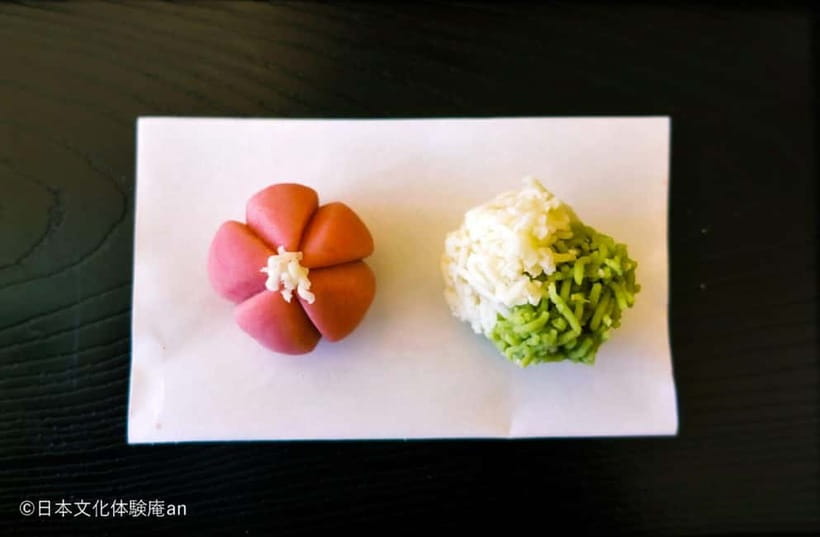
Book it if you want a low-cost, short, food-based activity with a clear result at the end. The use of Kyoto bean paste, the two seasonal designs, and the chance to eat your creations make this more personal than simply buying a sweet in a shop.
It is especially good for families and first-time visitors who want an easy introduction to Japanese confectionery. The class does not require you to be artistic, and the 65-minute schedule leaves plenty of room for other plans.
Think twice if you need fluent English instruction, a full recipe to take home, or step-free access without prior confirmation. For everyone else, this is a pleasant way to slow down, make something with your hands, and taste a small part of Kyoto’s traditional food culture.
FAQ
Where does the nerikiri-making experience take place?
It takes place in Honshu, Japan, at AN Japanese Culture Experience near Gojo Station in Kyoto. The entrance faces Gojo-dori.
How close is the venue to Gojo Station?
The venue is a one-minute walk from Exit 1 of the Subway Karasuma Line Gojo Station.
How long does the activity last?
The full experience lasts 65 minutes. The making and picture time finish at about 55 minutes, followed by eating time.
How many Japanese sweets will I make?
You will make two seasonal nerikiri sweets: one flower-shaped sweet and one kinton nerikiri.
Can I eat the sweets at the venue?
Yes. Eating time is included at the end of the session, so you can try your handmade sweets on the spot.
What ingredients are used?
The workshop uses white and red bean paste produced by long-established shops in Kyoto.
Is English instruction available?
The instructor teaches in Japanese. English translation is provided as much as possible if you request it, but the class is not described as fully English-led.
Is the experience suitable for children?
Yes. It is described as suitable for most ages and skill levels. Children under two who sit on a parent’s lap are free of charge.
Is a takeout box included?
No. A sweets takeout box is available for an additional 100 JPY.
Can I cancel for a full refund?
You can cancel up to 24 hours in advance for a full refund. Cancellation fees apply after that point.
Just added around Kyoto
- Sekka Cotton Furoshiki Class★ 5.0 · 19 reviews
- Kyoto Sword Experience – includes Museum Ticket/Ninja Experience★ 4.5 · 149 reviews
- Scenic Green Tea Fields of Hidden Kyoto & Local Tea Exp (Private)★ 5.0 · 32 reviews
- Secret Eastern Kyoto Biking Adventure★ 5.0 · 44 reviews
- Private Sake Tasting in Central Kyoto with Sake Sommelier★ 5.0 · 32 reviews
- Samurai School in Kyoto: Samurai for a Day★ 5.0 · 202 reviews
- Samurai Performance and Casual Experience: Kyoto Ticket★ 4.5 · 115 reviews
- SHIRAKAWA Japanese Culture Experiences with private English staff★ 5.0 · 16 reviews
Dessert Tours, compared.
Matcha Making Class in Tokyo with Authentic Japanese Sweets Set
Our verdict →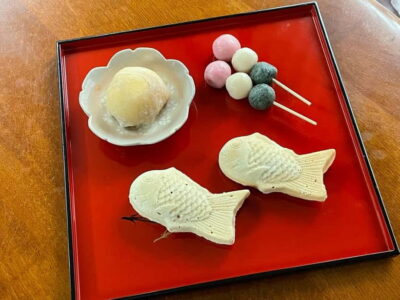
Browse the lists this tour appears in