
Reviewed · KIMONO & YUKATA EXPERIENCES
Let’s make kimono !(Kimono is a gift for you
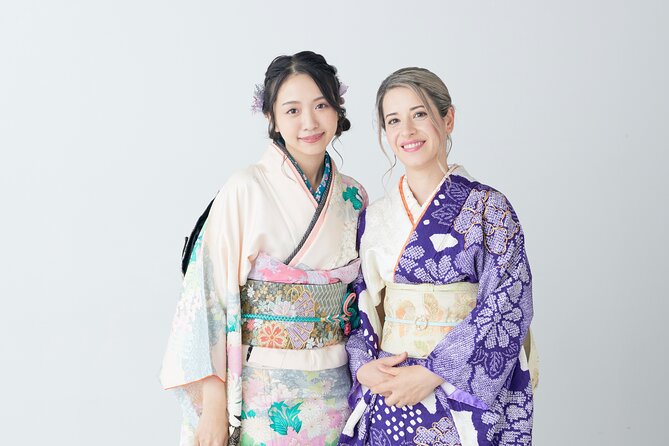
The unusual part here is that you do not simply rent a kimono for an hour. You choose a vintage garment, help adjust it to your body, and leave with a kimono or remade kimono piece as a gift. The workshop takes place in a private home in Tokyo’s older Kiba district, which can feel less polished and more personal than a standard rental shop.
I like the small group of no more than five people, since you get real help with fitting, folding, and styling. I also like the broad choice of vintage fabrics, including options for larger or taller visitors who may struggle to find a ready-made kimono. The main thing to watch is the extra cost: many of the more ornate kimonos, obis, and full sets require payment beyond the $43.11 starting price.
Key points at a glance
- You keep the kimono or remade garment, rather than returning a rental after a photo session.
- The class lasts about 90 minutes and includes fitting, basic construction, dressing help, and photos.
- Vintage kimono choices vary in price, with upgrades usually costing about JPY 2,000 to 6,000.
- Men can choose a kimono and haori set, plus have their name printed in Kanji on the garment.
- Children can participate, with separate arrangements for girls’ and boys’ kimonos.
- Japanese sandals and tabi socks are not included, so plan your outfit around the provided kimono pieces.
What you actually make in 90 minutes
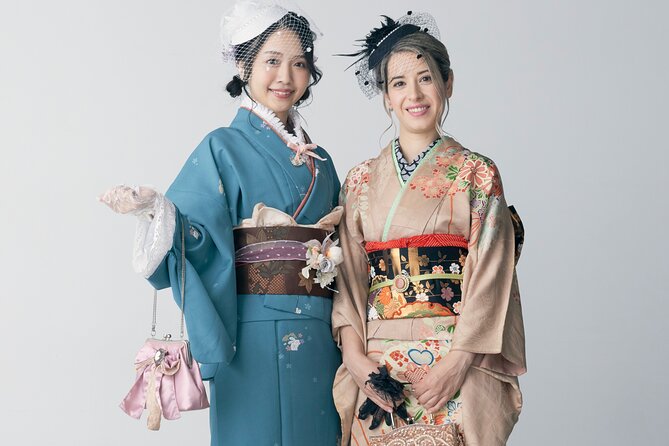
The name suggests a traditional kimono-making class, but the practical activity is a little different. You select a pre-owned kimono and learn how it can be altered or arranged for easier wear. Depending on the garment and your chosen style, you may end up with a wearable kimono, a yukata-style outfit, or a skirt and jacket made from a kimono that has been divided and adjusted.
That distinction matters. If you expect to sew a complete kimono from fresh fabric, this is not that kind of workshop. It is closer to kimono upcycling and guided dressing, with simple construction work that can include cutting, folding, hemming, taping, and ironing.
You do not need advanced sewing skills. The work is designed for ordinary visitors, and staff can help if cutting or fitting becomes tricky. The activity gives you a useful way to understand how a kimono can be adapted to modern wear, especially if a traditional garment feels too difficult to put on by yourself.
The final photo session is part of the fun. Once the garment is adjusted and the accessories are in place, the staff help you present the finished look and take photos. If your phone battery gives out, photos may be sent later, as happened for one participant, but you should not rely on that as a guaranteed service unless the staff confirms it.
More Kimono Experiences in Tokyo
- Tokyo: Matcha and Kimono Experience
★ 4.7 · 219 reviews - Tokyo: Asakusa Kimono Dressing and Matcha Experience
★ 4.9 · 173 reviews - Asakusa: Kimono Tea Ceremony with Matcha and Sweet
★ 4.9 · 153 reviews
Choosing a vintage kimono in Kiba
The meeting point is at 6-chōme-8-6 Kiba in Koto City, Tokyo. This is not presented as a large commercial studio with an obvious street-front entrance. The setting is a private home in an older residential area, so check the directions carefully and allow time to find the correct place.
That home setting is part of the experience. You get a look at a quieter Tokyo neighborhood rather than spending the entire day around the city’s major shopping streets and tourist sights. At first, the location may make you wonder if you have arrived at the right place. Clear directions and a working phone are useful.
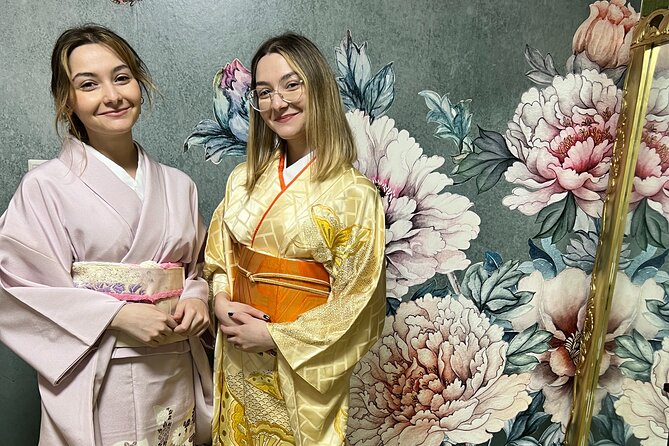
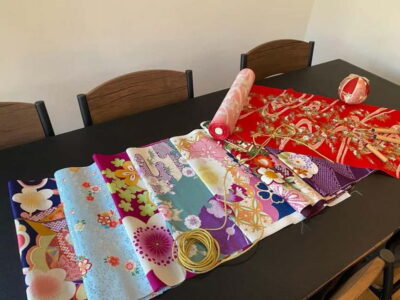
Inside, you choose from a collection of pre-owned and vintage kimonos. The fabrics can vary widely in color, pattern, texture, size, and condition. Some pieces are basic and included in the starting price. More ornate or elaborate options cost extra, often between JPY 2,000 and 6,000, though the exact amount depends on the garment.
You should inspect your choice closely. These are vintage pieces, and some may have stains or other signs of age. That is not necessarily a flaw. It is part of buying or wearing an older textile, but it means you should ask about any mark before you commit to a particular item.
The selection is one of the strongest reasons to book. You can browse prints and fabrics rather than being handed a standard costume. Several participants found pieces that suited larger bodies or taller frames, and staff helped adapt them. Still, no workshop can promise that every body shape will fit every garment, so communicate your measurements and preferences early.
Women’s fitting and the simple construction work
For women, the process begins with choosing a kimono and deciding whether to stay with a basic included piece or pay for an upgrade. Staff then adjust the garment to your size and explain how it is worn.
The construction work is intentionally manageable. You may hem the waist, fold material, use tape to secure a seam, or work with an iron. One useful point is that the method makes the garment easier to put on later. Traditional kimono dressing involves careful layering and a number of accessories, while this approach gives you a more practical route to wearing the garment yourself.
That makes the class useful beyond the photo session. You are not only being dressed by someone else. You are learning a method for handling and wearing a kimono with less fuss. If you are tall, broad-shouldered, or simply unfamiliar with Japanese clothing, the fitting advice can be especially helpful.
The finished outfit may not look exactly like a formal kimono worn for a ceremony. It is an adapted, accessible version using an older garment. I see that as a strength for casual use, but it is also the point to understand before booking. The activity is about making a beautiful traditional garment easier to wear, not training you as a professional kimono dresser.
Obi, collars, and the details that complete the outfit
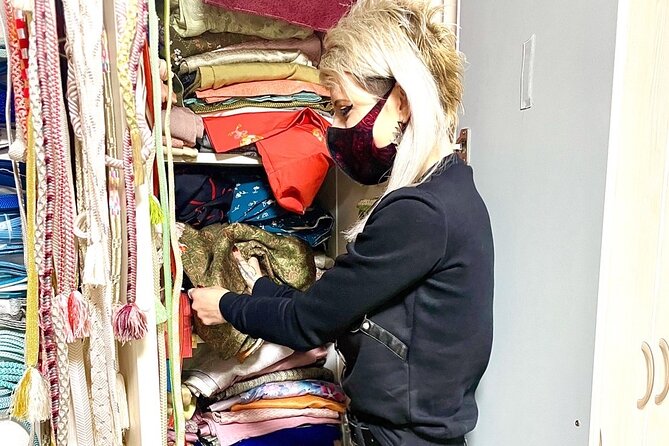
The basic experience includes the kimono and free rental of an obi. You can also use an obiage, obijime, and obi pillow without a separate rental fee. These small pieces matter because the outfit looks incomplete without them.
An obi is the broad sash worn around the waist. The obiage and obijime help finish and secure the arrangement, while the obi pillow provides shape at the back. Staff guide you through the dressing process, including the small adjustments that make the outfit look more finished.
You can purchase the rented accessories if you want a fuller set to take home. That is where the final bill can rise. The starting price is attractive, but it does not automatically mean every kimono, obi, collar, or accessory you admire is included.
Japanese sandals and tabi socks are not included. The provided clothing can still work for photos without them, but bring suitable footwear if you want the complete appearance. The information provided does not promise a particular type of shoe rental, so do not assume sandals will be waiting for you.
Same trip, a completely different kind of day:
- 1-Day Tokyo Bus Tour
★ 5.0 · 14,250 reviews - Tokyo: TOKYO SKYTREE® Admission ticket
★ 4.5 · 11,192 reviews - Tokyo: teamLab Planets TOKYO Digital Art Museum Entry Ticket
★ 4.6 · 9,779 reviews - Tokyo: Sumo Show Experience with Chicken Hot Pot and a Photo
★ 4.8 · 6,678 reviews
Men’s kimono, haori, and Kanji name printing
Men choose a kimono, with a haori and kimono combination available for an additional JPY 2,000. The haori is the short outer coat worn over the kimono and gives the outfit a more formal, layered appearance.
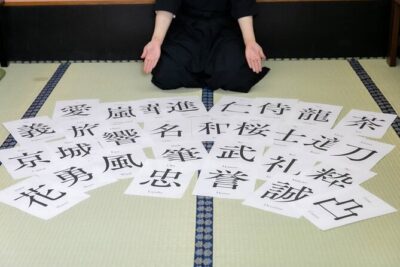
A special feature for men is name printing. Your name can be written in Kanji, with a choice of font color, and ironed onto the kimono. Boys can also have their name printed in Japanese on the collar.
This is a nice personal touch if you want a keepsake that clearly belongs to you. Ask how the name will be written before the printing takes place, especially if you want a particular reading or character choice. The provided information confirms the Kanji printing service, but it does not list the available characters or explain the translation process.
Men who want a simple experience can choose a kimono without the haori. If you want a more dressed-up photo, budget for the additional set. The small-group format should allow time for help with the layers and final arrangement, but the activity is still limited to about 90 minutes.
Children’s kimonos and family visits
Children can join, but the children’s itinerary is not exactly the same as the women’s kimono process. Girls’ kimonos may not require the same adjustment work, and some can be worn without cutting the material.
That is useful for families who want to avoid permanently changing a child-sized garment. Boys can choose a kimono and add Japanese name printing on the collar. The class gives children a creative role instead of treating them as passive subjects for a costume photo.
Staff are described as patient and helpful with children, including an 11-year-old participant. Families also used the workshop with daughters and older relatives. One visitor in her late 70s had no trouble taking part, despite concern about sitting on the floor.
The floor arrangement is worth considering. The experience takes place in a home rather than a fully formal classroom, so ask about seating needs before booking if someone in your group has difficulty getting down to or rising from the floor. The activity information says most people can participate, service animals are allowed, and the location is near public transportation.
Why the small group changes the experience
The maximum group size is five. That is a useful limit for an activity that depends on fabric choices, body measurements, dressing help, and individual questions.
In a larger class, you might spend most of the session waiting for someone to finish being fitted. Here, the staff can help with details such as adjusting a seam, selecting an obi, or explaining how to handle the garment. The workshop also works well for couples, parents and children, or a small group of friends who want photos together.
The instructors are described as friendly, patient, and able to assist in English. One participant specifically praised the English instructor, though no instructor names are provided in the activity details. Another visitor identified a helpful staff member as Oto Ha, but you should not assume that person will be present for every session.
The atmosphere is informal and social. You may be sharing the room with people from different countries, which adds energy without turning the experience into a large group production. If you want a quiet private fitting with no other participants, the maximum of five still means the session may be shared.
What the price really includes
The listed price is $43.11 per person. For that amount, you receive the kimono experience, the garment, free obi rental, use of the obiage, obijime, and obi pillow, fitting assistance, dressing guidance, and photo time.
The value depends heavily on your selection. Basic kimonos are included, but the most attractive or elaborate patterns may carry an additional charge. Upgrades are listed at roughly JPY 2,000 to 6,000, and individual costs can vary by item. One participant paid about JPY 11,000 for a full set including kimono, collar, obi, and related pieces. Another family spent about JPY 20,000 for several people after choosing extra items.
For a keepsake garment, that can still be fair value. You are receiving an activity and something to wear afterward, not just a short-term rental. But if you are working with a strict budget, decide in advance how much you are willing to spend on upgrades.
Ask which choices are included before you fall for a particular fabric. This is the most important money-saving tip. The basic selection may be smaller than you expect, and the more sophisticated patterns can cost more. The additional prices are generally manageable, but the final amount can be much higher than the advertised starting price if you add several pieces.
What the experience teaches, and what it does not
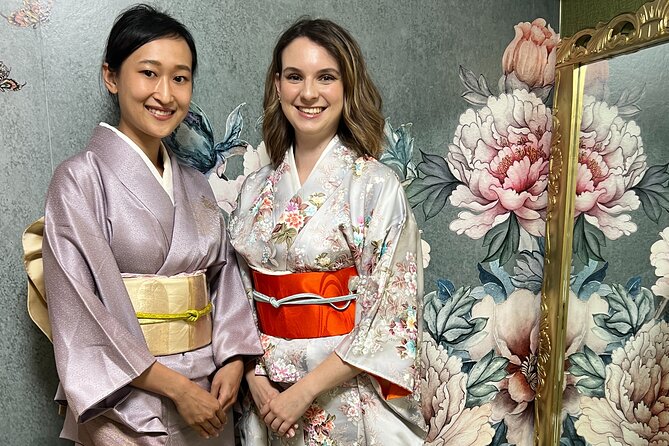
This activity gives you hands-on help with kimono construction, fitting, layering, and styling. You also learn a way to make a kimono easier to wear on your own. For visitors who have always found kimono dressing intimidating, that practical lesson is valuable.
It is not primarily a cultural lecture. The supplied details do not promise a formal talk about the history of kimono, and you should not book it expecting a museum-style presentation. You can ask questions during the fitting, and staff may explain the accessories and dressing process, but the emphasis is on making and wearing.
That balance suits me. The hands-on work is more memorable than a short speech, and you leave with something useful. Still, if your main goal is historical background or an in-depth explanation of regional textiles, pair this workshop with a museum visit or another cultural activity.
The experience has received an Omotenashi Selection Gold Award, a Japanese recognition chosen by a panel of foreigners living in Japan. That provides useful context about the service’s focus on welcoming international participants, but it does not remove the practical limits around extra charges, vintage condition, or the informal home setting.
Timing, transport, and cancellation details
Morning and afternoon sessions are available, so you can fit the workshop around sightseeing. The session lasts about one hour and 30 minutes and ends back at the meeting point.
The location is near public transportation, but the address is in a residential part of Kiba rather than a major tourist zone. Use the exact address and allow extra time to get your bearings. A mobile ticket is provided, and confirmation arrives when you book.
The experience requires good weather. If poor weather causes cancellation, you are offered another date or a full refund. Your own cancellation is different: the booking is non-refundable and cannot be changed for any reason. That makes travel insurance or a careful schedule worthwhile, especially during a short Tokyo stay.
Who will enjoy this most
I would choose this workshop if you want a souvenir with a story, enjoy creative activities, or prefer meeting local people in a residential setting. It is particularly good for couples, families, teenagers, and anyone who has struggled to find a kimono in a suitable size.
It also suits visitors who want photos but do not want a generic rental counter experience. You choose the fabric, help with the alteration, and keep the finished garment. That gives the photos more meaning.
I would hesitate if you want a formal ceremony, a pristine modern kimono, or a long cultural lecture. I would also be cautious if you dislike shopping-style extras, since the included selection may not contain the piece you like best.
Should you book this kimono workshop?
Book it if you understand that make a kimono means adapting and learning to wear a vintage garment, not sewing a complete kimono from scratch. The strongest reasons to go are the small group, helpful fitting assistance, unusual vintage selection, family-friendly format, and the fact that you take the garment home.
Before booking, decide your spending limit and ask which kimono and accessories are included. If you are happy with a basic piece, the $43.11 price offers good value. If you want an ornate kimono, full obi set, haori, or purchased accessories, prepare for a higher total.
For an authentic-feeling Tokyo activity with a practical souvenir, I would recommend it. Just arrive ready for a home workshop, vintage imperfections, simple construction work, and a little extra shopping temptation.
FAQ
How long does the kimono experience last?
The activity lasts approximately one hour and 30 minutes.
Where does the workshop take place?
It starts and ends at 6-chōme-8-6 Kiba, Koto City, Tokyo 135-0042, Japan.
Is the activity held in a large studio?
No. The workshop takes place in a private home in an older residential area of Tokyo, with a maximum of five participants.
What is included in the price?
The experience includes a kimono, free obi rental, and use of an obiage, obijime, and obi pillow. Fitting help, dressing guidance, and photo time are also part of the activity.
Are extra charges possible?
Yes. Upgraded kimonos generally cost an additional JPY 2,000 to 6,000. Men’s kimono and haori sets also require an additional JPY 2,000. Some accessories and obis may cost extra if you choose to purchase them.
Can I keep the kimono?
Yes. The experience is designed to provide a kimono or remade kimono garment as a gift for you.
Can men join the experience?
Yes. Men can choose a kimono, add a haori and kimono set for an additional fee, and have their name printed in Kanji with a choice of font color.
Can children participate?
Yes. Children can choose children’s kimonos. Girls and boys have slightly different arrangements, and boys can have their name printed in Japanese on the collar.
Are sandals and tabi socks included?
No. Japanese sandals and tabi socks are not included.
Is the workshop suitable for larger or taller participants?
The kimonos can be customized to your size, and staff have helped larger and taller participants find suitable garments. The vintage selection varies, so a particular size or style cannot be guaranteed.
What happens if bad weather cancels the activity?
If the provider cancels because of poor weather, you are offered a different date or a full refund. Personal cancellations and changes are non-refundable.
Just added around Tokyo
- Kawagoe Japanese Food Tour : Unagi Kaiseki and Sake near Tokyo★ 5.0 · 30 reviews
- Kawagoe 4hr Private Tour with Licensed Guide (Kawagoe Dep)★ 5.0 · 13 reviews
- Little EDO Sushi Making workshop in Kawagoe★ 5.0 · 18 reviews
- 【R34】Tokyo:Private Daikoku tour in Modified R34★ 4.9 · 92 reviews
- :Tokyo,Shibuya/ Pro Photography in Kimono / English-Friendly★ 5.0 · 26 reviews
- Tokyo:Celebrate Unique Japanese New Year Tradition Festivity★ 3.9 · 20 reviews
- Tokyo: Allstar Food Tour★ 4.7 · 29 reviews
- Tokyo: West-Side Cycling and Food Tour with Guide★ 5.0 · 37 reviews
Kimono & Yukata Experiences, compared.
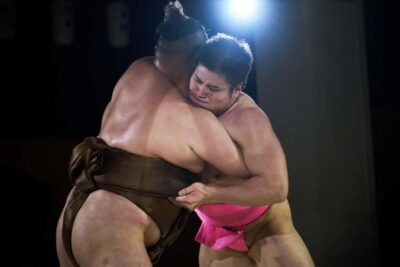
Sumo Show & Experience w/ Optional Kimono & Hot Pot
Our verdict →
Family-Friendly Kimono & Yukata Experience at WARGO
Our verdict →
Learning Zen of Japanese Calligraphy in kimono near Osaka Castle
Our verdict →Browse the lists this tour appears in