
Reviewed · TEMPLES & SHRINES
Get to know Minoo from Osaka. Katsuoji Temple, Ryuanji Waterfall and Ryuanji Temple
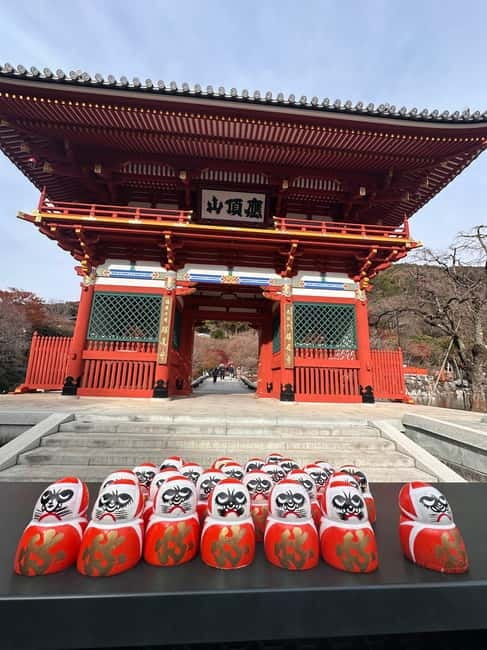
Katsuoji Temple is the star here, with thousands of red daruma dolls tucked into gardens, steps, railings, and corners of the mountain temple. Add Minoo Waterfall, a forest walk, and momiji tempura, and you get a calm break from Osaka’s concrete and crowds.
I like the small group of up to seven, which makes questions and cultural explanations easier. I also like the practical touch of guides such as Manuel helping with photos, clarifying Japanese customs, and even assisting visitors who are not fluent in Spanish. The main catch is that transportation and lunch cost extra, and punctuality matters because buses and trains are limited.
Key points worth knowing
- Thousands of darumas at Katsuoji: Learn how these round, red figures relate to wishes, effort, and success.
- A forest route to Minoo Waterfall: The walk offers a change of pace from Osaka’s urban streets.
- Momiji tempura: Try this unusual local snack along the route to the falls.
- Spanish-language guidance: Manuel has been praised for patient explanations, cultural context, and photography.
- Small groups: With no more than seven participants, the day feels personal rather than mass-produced.
- Extra transport costs: Bring an IC card such as ICOCA, SUICA, or PASMO, plus cash.
Why Katsuoji gives this outing its character
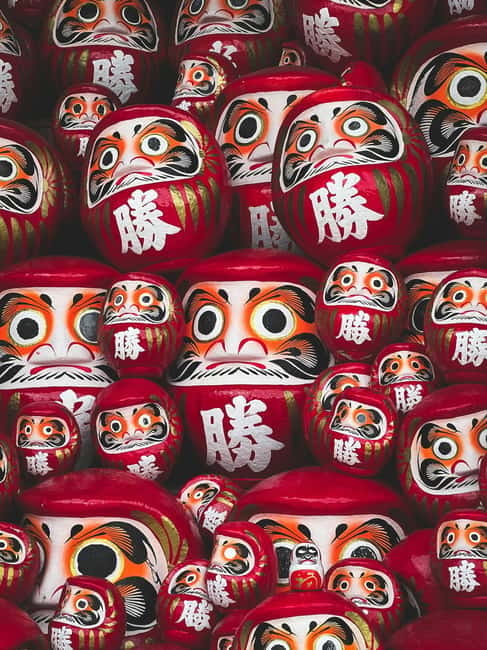
Many day trips from Osaka chase a famous city sight, then hurry back. This one takes you into the hills for a very different look at Japan. Katsuoji Temple, known as the Temple of Victory, is not simply a place to photograph a few statues. Its thousands of darumas give the visit a playful, slightly mysterious feel while still connecting you to Japanese religious customs.
A daruma is a round, red figure traditionally linked with determination and the fulfillment of a goal. At Katsuoji, you’ll see them placed throughout the temple grounds. Some sit in rows, others peer from garden corners, and many become part of the setting rather than a single display.
I like this because the temple gives you something to think about as well as something to see. A guide can explain why darumas matter, how people use them, and how the idea of victory relates to personal hopes and effort. Without that context, the dolls might look like colorful decorations. With it, the temple becomes much more meaningful.
The grounds are surrounded by mountains and gardens, so the atmosphere changes as soon as you arrive. You are still within reach of Osaka, but the city feels far away. Give yourself time to notice the quiet details instead of treating the temple as a quick photo stop.
More Temple & Shrine Tours in Osaka
- Osaka: Minoh, Katsuoji Temple, & Minoh Falls Full-day Tour
★ 4.9 · 172 reviews - Osaka: Mind & Spirit Balance Temple Reiki Healing
★ 5.0 · 41 reviews - Osaka: Minoh Waterfall & Katsuo-ji Temple Half-Day Tour
★ 4.7 · 27 reviews
Starting at HEP FIVE and getting into the hills
The meeting point is at the main gate of HEP FIVE shopping mall in Osaka. Your guide confirms the exact meeting details one day before the outing, so keep an eye on your messages and arrive early.
The first part uses the subway, followed by about 30 minutes on a bus. The total travel time to Katsuoji is roughly 50 minutes, depending on connections. This is not a private vehicle tour, and the price does not include transportation, so you need to budget for the fares separately.
That transport setup has two sides. Public transit keeps the price at $76 per person and lets you move through Osaka as residents do. It also means the group cannot simply wait for a late arrival. There are not many buses and trains serving the temple area, so being on time is a real part of the experience, not a polite suggestion.
Bring an ICOCA, SUICA, or PASMO card if you already have one. If not, the guide will help you obtain one. You should also carry some cash for food and small purchases.
Spending about two hours at Katsuoji Temple
The planned visit to Katsuoji lasts about two hours and 15 minutes. That is a useful amount of time for a temple with gardens, religious details, and plenty of darumas to notice.
Your guide can help you understand what you are seeing rather than leaving you to guess. This is especially useful if you are not familiar with Japanese temples or Buddhist customs. Manuel has been singled out for clear and entertaining explanations, patience with questions, and help with photographs. One person who was not fluent in Spanish still found it easy to follow because he checked for understanding and used English when needed.
Do not expect a lecture delivered from one fixed spot. The value of a small group is that you can ask about details as they appear. You might want to know why a daruma has a particular expression, how wishes connect to the temple, or what a ritual object means. A group capped at seven makes those questions realistic.
There is also a hands-on detail connected with the temple: a postcard can be stamped. One guide even made a postcard for a friend who could not attend. That small activity gives you something more personal to take home than another photograph.
The temple is also a strong stop for photography. The darumas provide color, while the gardens and mountain setting give you wider views. Your guide may help with photos, and several people praised Manuel for being especially good at this. Still, allow time to look away from the camera. The calm of the grounds is part of the appeal.
Walking from the temple toward Minoo Waterfall
After Katsuoji, the group uses public transportation for about 20 minutes before reaching the Minoo area. The waterfall portion takes about two hours, including the guided walk and time at the falls.
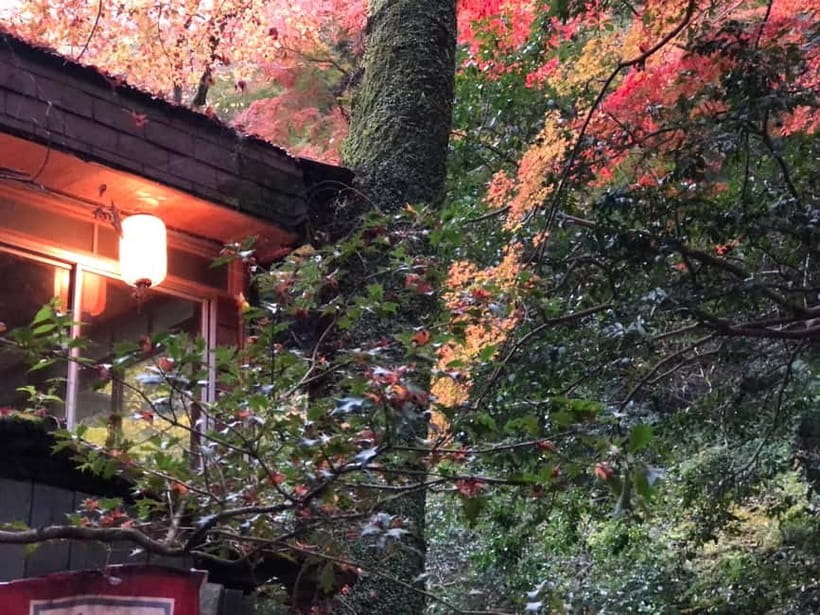
The route gives you a useful contrast with the temple. Katsuoji is built around religious symbols and carefully arranged grounds. The path to Minoo Waterfall brings you into the natural setting that surrounds Osaka. You will walk, so comfortable shoes are essential. Bring water and wear clothing that suits a six-hour outing.
The route is not presented as a demanding mountain hike, but it is still a walking tour through a forested area. If you dislike uneven paths or prefer to spend the day sitting, this may not be your best choice. The reward is a slower pace and a chance to see a quieter side of the region.
Along the way, you can try momiji tempura, a local specialty associated with Minoo. Despite the name, this is not a standard vegetable side dish. It is a distinctive snack made with a maple leaf and batter, and it is one of the more memorable local details of the day.
Food is not included, so plan to pay for it yourself. Lunch is also not included. The tour’s six hours are built around the temple, walk, waterfall, and transport, not a sit-down meal. I would bring a little extra cash rather than assume every purchase will be covered by an IC card.
Same trip, a completely different kind of day:
- Osaka Go Karting Tour with Funny Costume
★ 5.0 · 2,658 reviews - Osaka Castle: Museum and Tower Entry Ticket
★ 4.5 · 2,380 reviews - Osaka: Shinsekai Food Tour with 13-15 Dishes at 5 Eateries
★ 4.8 · 2,204 reviews - Osaka Food Tour: 13 Dishes at 5 Local Eateries
★ 5.0 · 2,149 reviews
Minoo Waterfall and the value of a slower stop
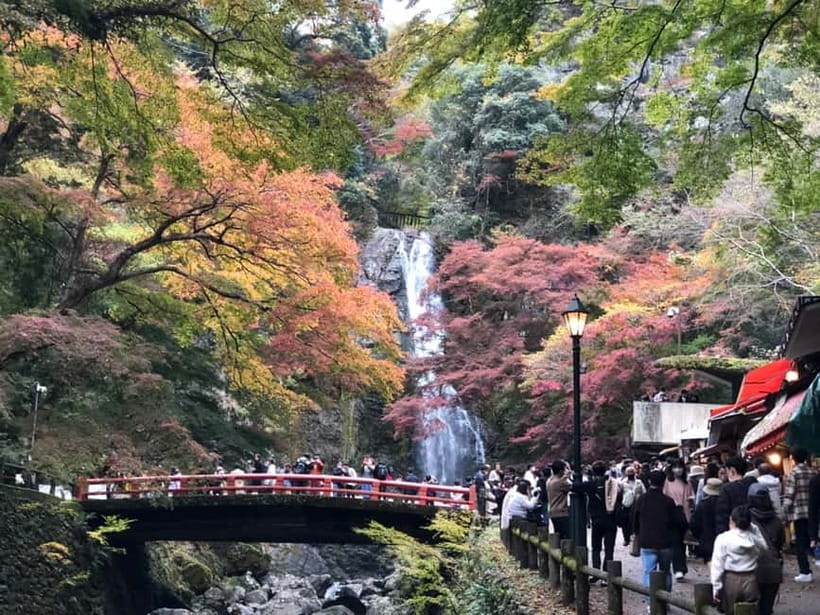
Minoo Waterfall is described as Osaka’s most famous waterfall, and its height and quiet setting make it a good final destination. The point is not only the falling water. It is the feeling of leaving the city behind for a while.
You will have time to take pictures, rest, and enjoy the sound of the falls. The guide can also connect the waterfall with the cultural story of the area. The supplied details link Ryuanji Temple historically with Minoo Waterfall, though the scheduled stops clearly focus on Katsuoji and Minoo Falls. If visiting Ryuanji itself is important to you, confirm the exact route before booking.
The waterfall stop works best for people who want a balance of explanation and free time. You are not spending the whole day moving from one landmark to another. After the guided portions, you can take in the setting at your own pace within the group schedule.
Rain does not necessarily ruin the day. One participant had a very rainy outing and still enjoyed the temple, walk, and company. That said, wet weather can make the route less comfortable, so shoes with a secure sole and suitable clothing are sensible. The tour does not promise sunshine, and the natural setting is at its best when you are prepared for changing conditions.
How the guide affects the day
The strongest praise is aimed at the guides, especially Manuel. His strengths are practical: explaining Japanese culture in an easy way, answering questions, checking that people understand, and helping with photographs. Those qualities matter here because the tour combines religious customs, public transportation, and a nature walk.
Language is worth considering carefully. The live tour is in Spanish. Some people who spoke limited Spanish still managed well because Manuel used patience and sometimes English, but that should be seen as helpful flexibility rather than a guaranteed bilingual tour.
Another guide name, Albert, appears in the feedback from one outing. The important point is that the guide assigned to your date may vary. If you have a specific language need or want to know who will lead your group, ask the provider before you go.
The small-group limit of seven is a real advantage. In a large group, a temple explanation can become a race to stay near the guide. Here, you have a better chance to ask questions, hear the answers, and get help with photos without slowing down a crowd.
Is $76 good value?
At $76 per person, the tour is reasonably priced if you value a guide and want the day organized for you. The entrance fee to Katsuoji is included, but transportation, lunch, snacks, and other personal spending are not.
The price is paying for more than admission. You are also paying for a Spanish-language guide, a small group, help with public transport, cultural explanations, and a planned route connecting two very different settings. If you would otherwise be unsure how to reach Katsuoji by bus or how to combine it with Minoo, that guidance has practical value.
If you are comfortable navigating Osaka alone and already plan to visit the temple and waterfall, you may spend less by arranging everything yourself. The tradeoff is that you will need to manage the connections, understand the religious details on your own, and keep track of timing.
The tour is also flexible from a booking point of view. You can cancel up to 24 hours ahead for a full refund, and you can reserve without paying immediately. Those policies help if your Osaka schedule is still shifting.
What to bring and what to expect
Pack lightly, but do not arrive empty-handed. You should bring:
- Comfortable walking shoes
- Water
- Comfortable clothes
- Cash
- An ICOCA, SUICA, or PASMO card if you have one
Pets are not allowed, except assistance dogs. Baby carriages are also not allowed, which is important for families deciding if the route fits their needs.
The total duration is about six hours. You begin and end at HEP FIVE, with subway, bus, and other public transportation in between. The return journey uses the subway for about 20 minutes before you arrive back at the starting area.
You should also allow a little mental space for the day. This is not a checklist tour built around rapid stops. The temple needs time for the darumas and gardens, while the waterfall needs time for walking and sitting still. The schedule is organized, but the mood is calmer than a standard city excursion.
Who should book this Minoo outing?
I would recommend it to you if you want to see a quieter side of Osaka and prefer cultural explanation over simply taking photos. It is especially suitable for Spanish speakers, couples, solo visitors, and small groups who appreciate a guide that can answer questions directly.
It also suits people who want a gentle outdoor element without giving up the comfort of a planned route. You get a temple, a forest path, a waterfall, and a local snack in one half-day outing.
I would think twice if you want a private car, dislike public transport, need a stroller, or plan to spend the day eating a full lunch at leisure. The extra fares and strict meeting times also require a bit more planning than a tour that stays in central Osaka.
Should you book it?
Book this tour if Katsuoji’s darumas, Japanese religious culture, and a forest walk sound more appealing than another busy city attraction. The guide’s patience, photography help, and ability to explain customs are major reasons to choose it, while the small group keeps the experience personal.
Skip it if you want a self-guided bargain or a completely flexible day. For everyone else, this is a well-balanced way to connect Osaka with its quieter surroundings. Bring your transport card, arrive early, wear good shoes, and leave room in your bag for a postcard and perhaps a packet of momiji tempura.
FAQ
Where does the tour begin?
The meeting point is at the main gate of HEP FIVE shopping mall in Osaka. The guide will contact the group one day before the tour to confirm the meeting point.
How long does the experience last?
The tour lasts about six hours, including public transportation, the visit to Katsuoji Temple, the walk to Minoo Waterfall, and the return to HEP FIVE.
What language is the tour in?
The live tour guide speaks Spanish. Some people with limited Spanish were able to follow explanations with extra help, including occasional English, but the stated tour language is Spanish.
How large is the group?
The group is limited to seven participants.
Is transportation included in the price?
No. Transportation during the tour is not included. You should bring an ICOCA, SUICA, or PASMO card, or ask the guide for help obtaining one.
Is the entrance fee to Katsuoji Temple included?
Yes. The entrance fee to Katsuoji Temple is included.
Is lunch included?
No. Lunch is not included. You should bring cash for food, snacks, and other personal purchases.
What should I bring?
Bring comfortable shoes, water, comfortable clothing, and cash. An IC transport card is also useful.
Are pets or baby carriages allowed?
Pets are not allowed, except assistance dogs. Baby carriages are not allowed.
Can I cancel the booking?
You can cancel up to 24 hours in advance for a full refund. You can also reserve now and pay later.
Just added around Osaka
- Exclusive Sushi Making Experience with a Master Chef – Osaka Area★ 5.0 · 25 reviews
- Private Home-Style Cooking Class in Osaka with Local Mom Yoshiko★ 5.0 · 46 reviews
- Hidden Osaka – Yukaku Red Light Tour & Culinary Adventure★ 4.8 · 96 reviews
- Osaka: Walking Tour and Top Highlights★ 4.8 · 104 reviews
- Osaka: Private Ceramic Painting Workshop★ 5.0 · 13 reviews
- Pickleball in Osaka, Kobe & Kyoto with Locals!★ 4.7 · 80 reviews
- Eat Like a Local in Osaka – Private Custom Street Food Tour★ 4.3 · 33 reviews
- Osaka:SUMO BEATS SHOWCASE: Taiko Drum and Wagyu burger!★ 4.2 · 37 reviews
Temples & Shrines, compared.

Tea Ceremony in a Traditional Tea House in Kiyomizu
Our verdict →
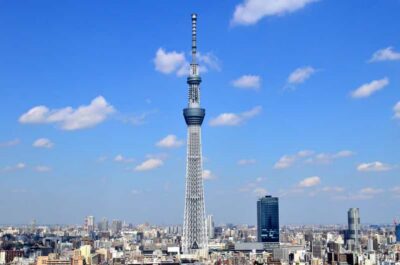
Meiji Shrine, Asakusa, Skytree Bus Tour and Cruise
Our verdict →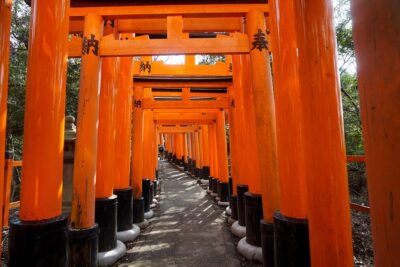
Fushimi Inari Hidden Hiking Tour (Private Option Available)
Our verdict →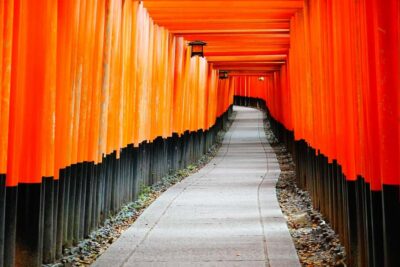
Osaka/Kyoto:Kinkakuji,Arashiyama,FushimiInariShrine,NaraPark
Our verdict →
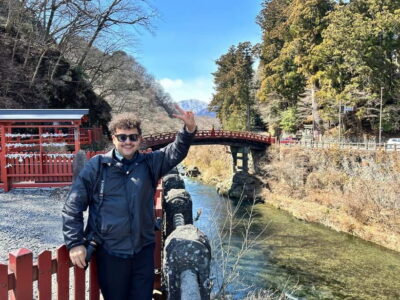
Nikko: Kegon Falls, Lake Chuzenji & Toshogu Temple
Our verdict →
Kamakura & Enoshima Day Trip including Temple Tickets
Our verdict →Browse the lists this tour appears in