
Reviewed · TEMPLES & SHRINES
Osaka: Mind & Spirit Balance Temple Reiki Healing
Osaka’s temple Reiki session is more than a massage appointment. In two hours, you move from incense and meditation to a foot scrub, full-body oil massage, non-contact Reiki, and matcha with Japanese sweets. I like the calm setting and the way the program gives you a gentle introduction to worship customs without turning the visit into a formal religious lesson.
I also like the small group size, limited to three people, and the chance to wear a yukata for a temple photo. The main consideration is that Reiki does not involve physical contact, and the tea ceremony may be shared with other participants even though your treatments are individual.
Key points at a glance
- A small temple in central Osaka: The setting gives your spa treatment a clear Japanese cultural context.
- Arisa and Naomi may lead your care: Both are named in guest feedback as warm, professional practitioners.
- The 120-minute flow is varied: You change into a yukata, offer incense, meditate, bathe your feet, receive massage and Reiki, then take part in tea.
- Reiki is non-contact: Expect a quiet energy-healing practice aimed at relaxation and emotional balance, not another massage technique.
- The tea ceremony may be shared: Your treatment is individual, but the matcha portion is not guaranteed to be private.
- The meeting point needs care: Search Google Maps for Japanese Massage -the one&only-, or look for the restaurant Tossa de coracao next door.
A temple setting for a modern wellness break
This experience works because it combines several short activities instead of asking you to sit through a single long treatment. The temple visit gives the session a sense of place, while the massage and foot bath make it easy to settle into the slower pace.
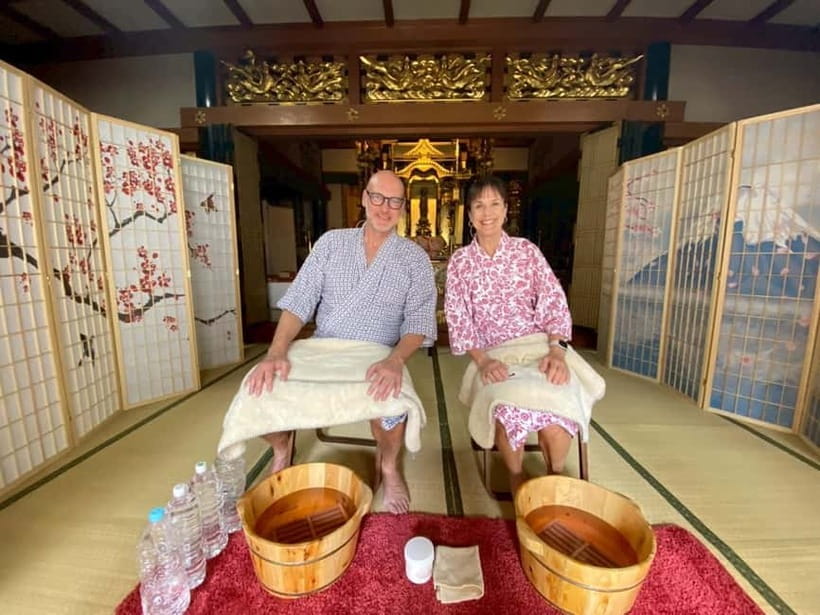
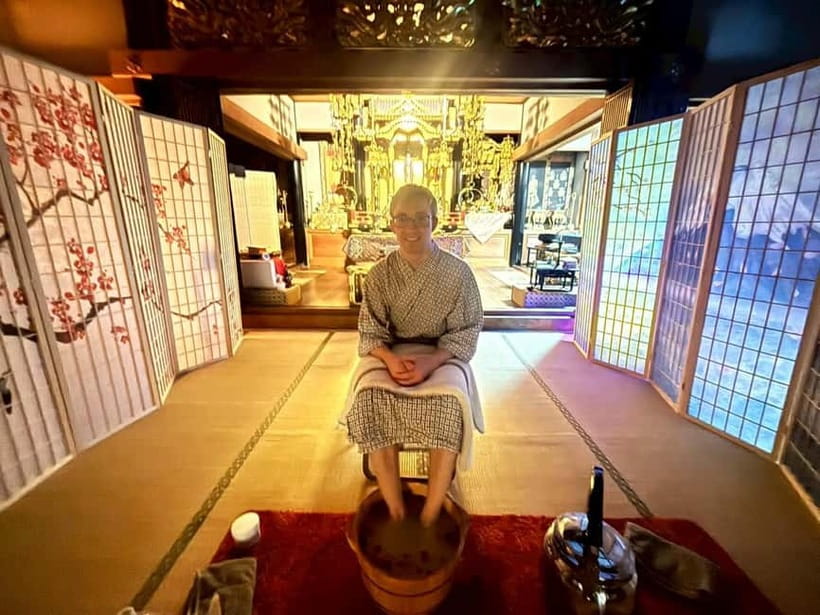
You begin with a welcome drink and change into a yukata. That change of clothing is not just a photo opportunity. It signals that you are leaving ordinary sightseeing behind for a while, and it gives the session a distinctly Japanese feel without requiring you to know any formal customs in advance.
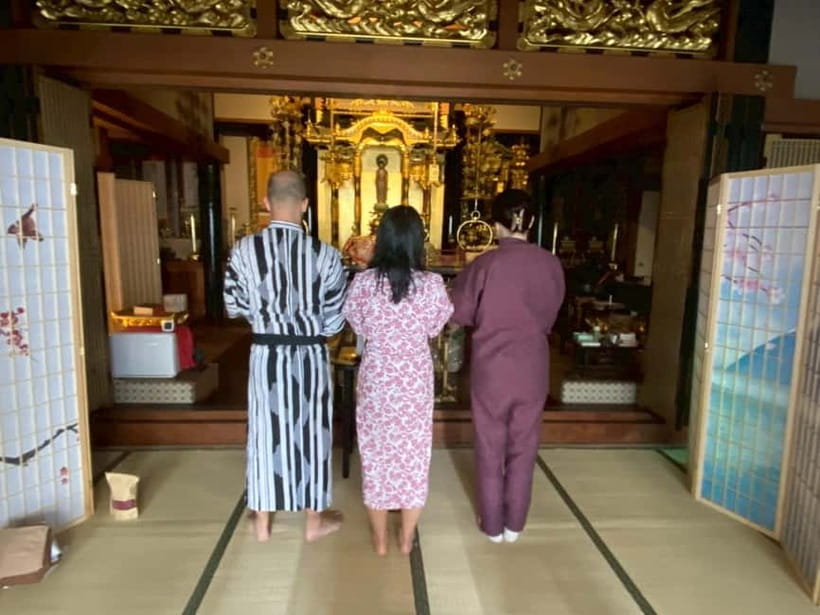
The temple staff introduce the building’s history and explain aspects of Japanese worship culture. You then offer incense, which gives you a simple, hands-on way to take part. I appreciate this kind of explanation because it helps you understand what you are doing rather than treating the temple as a decorative backdrop.
The setting is a small temple in the middle of Osaka. That contrast matters. You are still in a major city, but the program is built around quiet rituals, slow movement, and careful attention. It is a useful choice if your Osaka schedule has been heavy on shopping, food streets, and crowded sights.
More Temple & Shrine Tours in Osaka
- Osaka: Minoh, Katsuoji Temple, & Minoh Falls Full-day Tour
★ 4.9 · 172 reviews - Osaka: Minoh Waterfall & Katsuo-ji Temple Half-Day Tour
★ 4.7 · 27 reviews - Osaka Half-day E-bike Adventure: Minoh Falls & Katsuoji Temple
★ 5.0 · 25 reviews
Incense, bells, and kneaded fragrance
After the temple introduction, the session moves into meditation with a bell and kneaded incense. The bell creates a clean break between the busy outside world and the treatment itself. Kneaded incense adds another sense to the ritual, giving you a chance to notice fragrance in a more deliberate way.
This part is brief, but it gives the experience structure. You are not simply rushed from changing clothes to massage table. Instead, the visit begins with a few quiet steps that connect the treatment to the temple.
You do not need prior experience with meditation or Japanese worship. The program includes an explanation, and the activities are designed for first-time participants. Still, the tone is respectful. This is not a theatrical performance of a ceremony, so you should approach it with patience and follow the staff’s guidance.
I would especially recommend this portion to anyone who wants cultural context with a wellness activity. If you only want the strongest possible massage, the incense and meditation will take time away from hands-on treatment. If you want a slower and more varied visit, they add real value.
The foot bath is the first physical reset
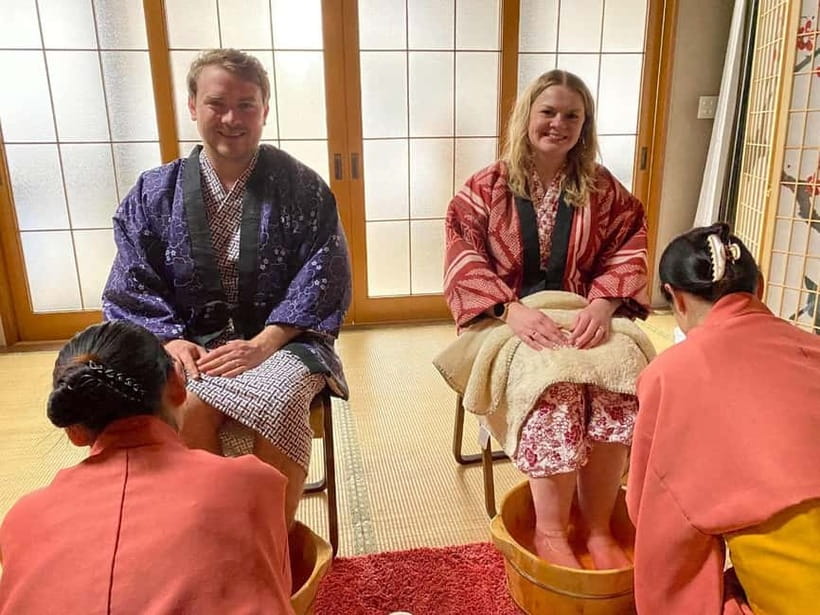
The foot bath and scrub massage come before the full-body treatment. That order makes practical sense. Your feet get attention first, and the warm water helps you shift from walking around Osaka to lying still and receiving care.
The foot scrub is also a small pleasure after a day on city streets. It gives the treatment a clear beginning and keeps the experience from feeling like one long, uninterrupted massage.
The description calls the foot treatment a scrub massage and includes a full-body oil massage with essential oils. Exact pressure and oil choices are not specified, so you should explain your preferences to the practitioner if you have them. The named practitioners, Arisa and Naomi, are repeatedly associated with kindness and professional care, which is useful when deciding if you feel comfortable booking a personal treatment.
The foot bath is not a separate half-day spa visit. It is one stage in a tightly timed two-hour program. You should enjoy it as a transition, not expect an extended soak.
Full-body oil massage with Arisa or Naomi
The full-body oil massage is the physical center of the experience. It follows the foot treatment and comes before Reiki, so you receive hands-on care while you are already relaxed.
This is where expectations matter. The program includes a full-body oil massage, but it does not specify a particular massage tradition, pressure level, or focus on problem areas. I would choose it for general relaxation rather than a clinical treatment for an injury or chronic pain.
The feedback attached to the experience is especially strong on this point. One person described it as the best massage they had received, while another praised the care given to a mother and son. Another visitor called the massage professional and recommended it as part of the temple visit. Those comments point to attentive treatment, but they do not promise that every person will want the same pressure or style.
The individual format helps. Your treatment is not conducted as a group activity, and the group itself is capped at three participants. That gives the visit a more personal feel than a large spa class.
Still, the small-group limit does not mean every minute is private. The tea ceremony can include other people, and that distinction is important if you are booking this for a couple, a parent and child, or a special occasion.
Same trip, a completely different kind of day:
- Osaka Go Karting Tour with Funny Costume
★ 5.0 · 2,658 reviews - Osaka Castle: Museum and Tower Entry Ticket
★ 4.5 · 2,380 reviews - Osaka: Shinsekai Food Tour with 13-15 Dishes at 5 Eateries
★ 4.8 · 2,204 reviews - Osaka Food Tour: 13 Dishes at 5 Local Eateries
★ 5.0 · 2,149 reviews
What Reiki means here
Reiki is described as a non-contact Japanese energy-healing method intended to support relaxation and emotional balance. In practical terms, you should not expect another round of massage. The practitioner works without physical contact, creating a quiet pause after the oil treatment.
I would treat Reiki as a contemplative wellness practice, not a replacement for medical care or massage therapy. Its value here is the change of pace. After hands-on treatment, you have time to remain still and focus on breathing, calm, and the atmosphere around you.
This distinction is worth knowing before you pay $161. If you want two hours of continuous physical treatment, this experience may not fit. Part of the time is cultural and meditative. If you like the idea of combining bodywork with a quiet spiritual practice, the balance is more appealing.
The strongest praise attached to the experience focuses on feeling recharged and spiritually uplifted. That language reflects the intended mood, but your response to Reiki will be personal. Go in expecting relaxation and a guided ritual, not a measurable medical result.
Matcha and wagashi close the visit
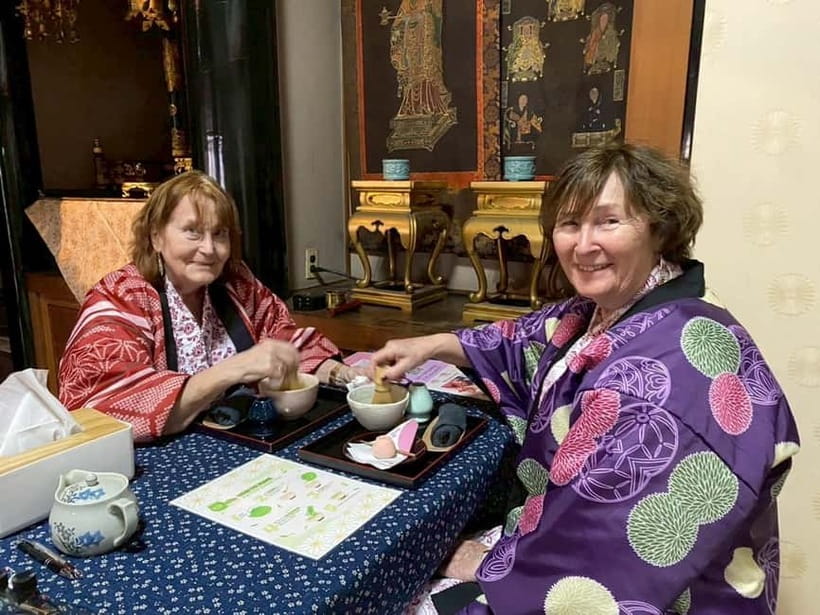
The final major part is a traditional Japanese tea ceremony with matcha and wagashi, or Japanese sweets. The staff explain the ceremony’s cultural and historical background, so you get more than a drink and a snack.
This is a good ending because it brings you back to alertness in a calm way. The tea ceremony is slower than a normal café stop, and the sweets add a small seasonal and visual element to the presentation. You can ask questions and pay attention to the gestures, tools, and order of the ceremony.
There is one clear limitation: the tea ceremony may be shared with other people. The massage and Reiki are individual treatments, but the tea portion is not promised as private. If you want a fully private event, contact the provider before booking and ask what can be arranged.
I see the tea as one of the better-value parts of the program. A massage alone could be easier to find in Osaka, but the combination of tea explanation, temple customs, yukata, and treatment gives you a more complete Japanese cultural outing.
The yukata photo is a small but useful souvenir
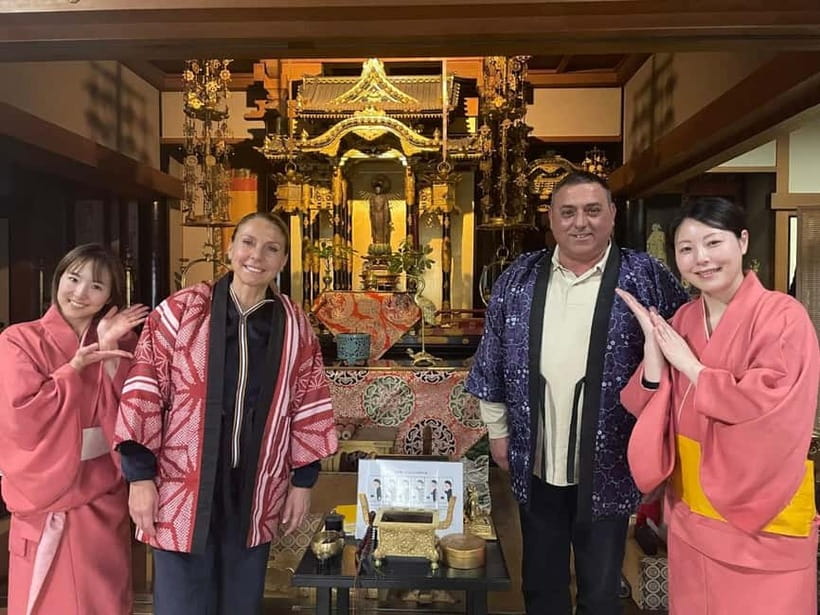
Your yukata is provided as part of the visit, and smartphone photos in the temple are included. This is a modest detail, but it matters if you want a keepsake without arranging a separate photo session.
The photo also records the setting, not just the clothing. You leave with an image connected to the temple visit, incense offering, and tea experience. Do not expect a professional studio shoot or a large edited gallery. The information promises complimentary smartphone photos, so think of them as simple personal snapshots.
I like this approach because it keeps the activity practical. You do not have to carry a camera or ask another visitor to take a picture. It also makes the experience appealing for a first visit to Japan, when a yukata image can be a pleasant reminder of something beyond the usual shrine photo.
Is $161 a fair price?
At $161 per person, this is not a bargain massage. The price makes more sense when you count the full two-hour sequence: welcome drink, yukata, temple introduction, incense, meditation, foot bath, scrub massage, Reiki, full-body oil massage, tea ceremony, wagashi, and photos.
You are paying for a combined cultural and wellness appointment rather than one service. In Osaka, that can be useful if you want to spend an afternoon or evening doing something more reflective than sightseeing. The small group limit also adds value, though the tea portion may be shared.
The price is less convincing if your only goal is massage pressure or a long oil treatment. Some of your time goes to explanations, rituals, changing clothes, meditation, and tea. That is not wasted time, but it is part of a different type of outing.
I would consider it good value for a first-time visitor who wants Japanese customs presented in a gentle, accessible format. It is also a sensible splurge near the end of a busy trip, when your feet and body may welcome the slower rhythm.
Allow time to find the correct entrance
The meeting instructions deserve attention. Enter Japanese Massage -the one&only- into Google Maps. Do not search only for the temple name, because that may take you to the back entrance and leave you trying to find your way around.
If the location does not appear clearly, search for the restaurant Tossa de coracao. The activity is right next to it. I would save both names before leaving your hotel and arrive with enough time to change into the yukata without feeling rushed.
The activity lasts 120 minutes, and starting times depend on availability. A live guide leads the visit, while the group is limited to three participants. Free cancellation is available up to 24 hours before the start, and you can reserve now and pay later, which helps if your Osaka plans are still shifting.
Who should book this temple treatment?
I would recommend it to you if you want:
- A calm break from Osaka’s busy streets
- A first introduction to incense, meditation, worship customs, and tea
- A massage combined with non-contact Reiki
- A small-group activity rather than a large tour
- A memorable yukata photo
- A thoughtful final activity after a long Japan itinerary
I would be more cautious if you want a private tea ceremony, a medical massage, or two full hours of hands-on treatment. The tea may be shared, Reiki is non-contact, and the program gives equal weight to culture and relaxation.
Families and pairs can also find it appealing. One booking included a mother and daughter, and another included a mother and son. Just remember that the small group size is three, not necessarily a private booking for only your party.
Should you book Osaka’s temple Reiki experience?
Book it if you want a compact, well-rounded introduction to Japanese wellness and temple customs. The strongest features are the peaceful temple setting, the caring treatment associated with Arisa and Naomi, the foot bath and oil massage, and the thoughtful tea ceremony finish.
Skip it if your definition of a spa visit means continuous physical treatment or complete privacy. For everyone else, $161 buys more than a massage. It buys a carefully arranged two-hour pause, with enough cultural detail to make the experience feel connected to Osaka rather than transferable to any city.
FAQ
How long does the experience last?
The activity lasts 120 minutes, or two hours.
What does the Reiki session involve?
Reiki is described as a non-contact Japanese energy-healing method intended to promote relaxation and emotional balance.
Is the massage private?
The treatments are individual. However, the tea ceremony may be shared with other participants.
Can I request a completely private experience?
Yes. You should contact the provider if you prefer the entire experience, including the tea ceremony, to be private.
Is a yukata provided?
Yes. The experience includes changing into a yukata and a complimentary smartphone photo in the temple.
What is included with the tea ceremony?
The traditional tea ceremony includes matcha, wagashi Japanese sweets, and an explanation of cultural and historical context.
Where should I set the meeting point on Google Maps?
Search for Japanese Massage -the one&only-. Searching only for the temple name may take you to the back entrance. You can also search for the restaurant Tossa de coracao, which is next door.
What is the cancellation policy?
You can cancel up to 24 hours in advance for a full refund. You can also reserve now and pay later.
Just added around Osaka
- Exclusive Sushi Making Experience with a Master Chef – Osaka Area★ 5.0 · 25 reviews
- Private Home-Style Cooking Class in Osaka with Local Mom Yoshiko★ 5.0 · 46 reviews
- Hidden Osaka – Yukaku Red Light Tour & Culinary Adventure★ 4.8 · 96 reviews
- Osaka: Walking Tour and Top Highlights★ 4.8 · 104 reviews
- Osaka: Private Ceramic Painting Workshop★ 5.0 · 13 reviews
- Pickleball in Osaka, Kobe & Kyoto with Locals!★ 4.7 · 80 reviews
- Eat Like a Local in Osaka – Private Custom Street Food Tour★ 4.3 · 33 reviews
- Osaka:SUMO BEATS SHOWCASE: Taiko Drum and Wagyu burger!★ 4.2 · 37 reviews
Temples & Shrines, compared.

Tea Ceremony in a Traditional Tea House in Kiyomizu
Our verdict →
Meiji Shrine, Asakusa, Skytree Bus Tour and Cruise
Our verdict →
Fushimi Inari Hidden Hiking Tour (Private Option Available)
Our verdict →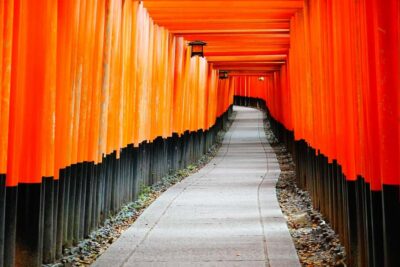
Osaka/Kyoto:Kinkakuji,Arashiyama,FushimiInariShrine,NaraPark
Our verdict →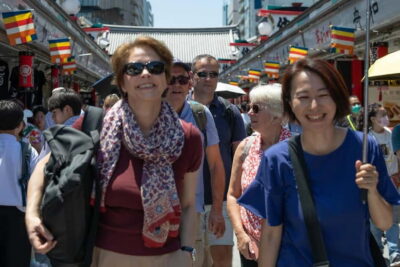
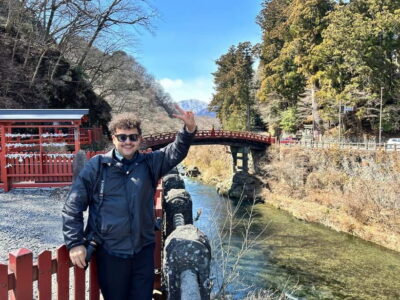
Nikko: Kegon Falls, Lake Chuzenji & Toshogu Temple
Our verdict →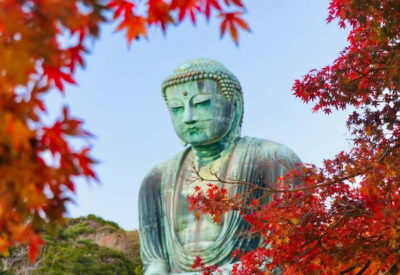
Kamakura & Enoshima Day Trip including Temple Tickets
Our verdict →Browse the lists this tour appears in