
Reviewed · MARKETS
Kyoto Nishiki Market Tour
Kyoto’s Nishiki Market is easiest to enjoy with someone who knows where to stop. This three-hour food walk takes you through the city’s 400-year-old Kitchen of Kyoto, with tastings at family-run shops that can be hard to understand on your own. You may try tofu, sashimi, pickled vegetables, tamagoyaki, dashi, tea, seafood, and sake.
I like the generous range of samples and the way the guides explain each food from harvest to sale. I also like the small-group format, especially for visitors who want to ask questions. The main drawback is the market itself: its narrow, noisy passage can make it hard to hear the guide or gather around a stall.
Key Points Before You Book
- About 10 to 12 food stops: The tour visits family-owned shops, some with roots reaching back hundreds of years.
- A full seasonal meal is included: This is more than a tasting walk, so arrive hungry.
- Guides Chie and Rosali receive special praise: Both are noted for clear English, friendly service, and thoughtful pacing.
- Nishiki can be crowded and loud: Comfortable shoes help, and you may need to stay close to the guide.
- Small groups matter here: The maximum is 10 people, though some departures may be much smaller.
- Vegetarian and pescatarian options are available: Contact the operator in advance if this affects your booking.
Why Nishiki Market Makes a Good Food Tour
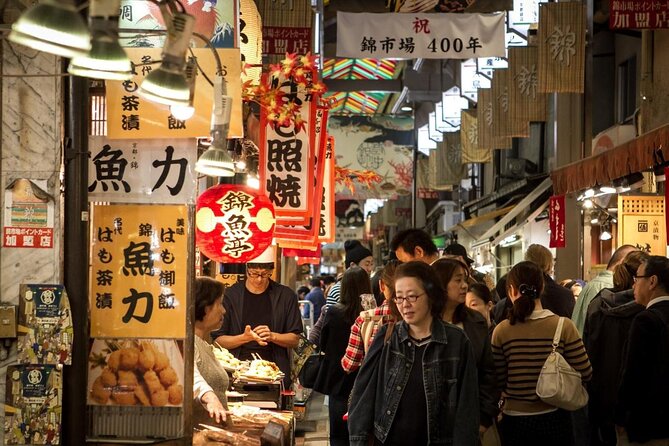
Nishiki Market is not a single indoor hall with neat rows and wide aisles. It is a long shopping district packed with food vendors, prepared snacks, fresh ingredients, old family businesses, and shops selling items used in Kyoto cooking. Without a plan, you can easily walk past something important without knowing what it is.
That is where this tour earns its keep. Instead of simply pointing out attractive foods, your guide explains how they are made and used. You learn about the path from farm or harvest to stall, then taste the finished product. That connection gives the food more meaning than a quick snack bought at random.
The market is known locally as the Kitchen of Kyoto, and the name fits. Kyoto cooking often depends on careful preparation, seasonal ingredients, preservation, and subtle flavors. The tastings give you a useful introduction to those ideas in a compact three-hour walk.
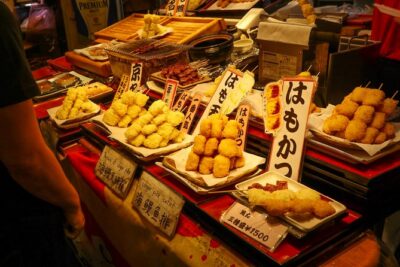
I especially like that the tour includes both familiar and less obvious foods. You might recognize tamagoyaki, Japanese rolled omelet, but tsukemono, yuuba, dashi, or fresh seafood may be less familiar. The guide helps you understand what you are eating instead of leaving you to guess.
More Market Tours in Kyoto
- Nishiki Market Brunch Walking Tour (7 Tastings + Brunch)
★ 5.0 · 1,355 reviews - Kyoto Nishiki Market Food and Culture Walking Tour
★ 5.0 · 412 reviews - Kyoto: Nishiki Market Tea Ceremony with Koto Performance
★ 4.8 · 294 reviews
Starting at 10:00 a.m. Near Central Kyoto
The meeting point is at 376 Naramonochō in Shimogyo Ward, near central Kyoto. The tour begins at 10:00 a.m., with the Lacoste Kyoto Store listed as the first meeting point. The walk lasts about three hours and five minutes, ending in the Karasuma area near Karasuma Station.
You do not get hotel pickup, so plan your route to the meeting point before breakfast. Public transportation is nearby, but transportation costs are not included. A mobile ticket makes entry simple, though you still need to arrive at the correct street location on time.
Wear good walking shoes. The distance is not described as strenuous, but you will be on your feet in a crowded market for several hours. The tour requires a moderate level of physical fitness, and the narrow shopping street can make moving as a group slow at times.
The small-group limit of 10 people is useful here. Nishiki’s passageways are not designed for large groups, and a smaller party gives you a better chance to hear explanations and stay together. Some departures may be much smaller. One couple ended up with a private-feeling walk, while another group had only four people.
The First Food Stops: Kyoto Flavors, One Bite at a Time
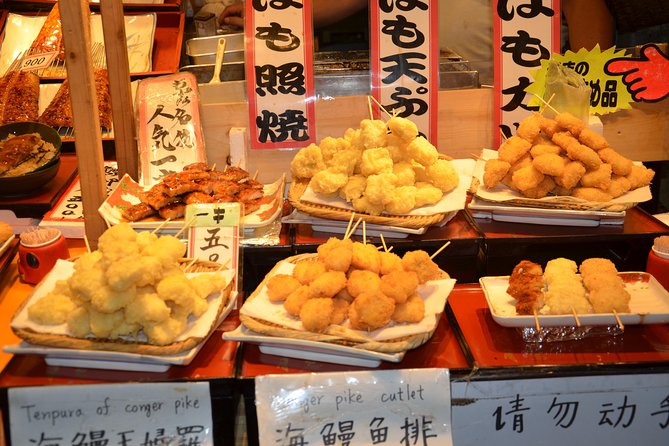
The food selection is the heart of the experience. The tour includes visits to roughly 10 market vendors, while the description also refers to 12 family-owned shops. The exact count can change because restaurants, holidays, weather, and shop schedules may affect the route.
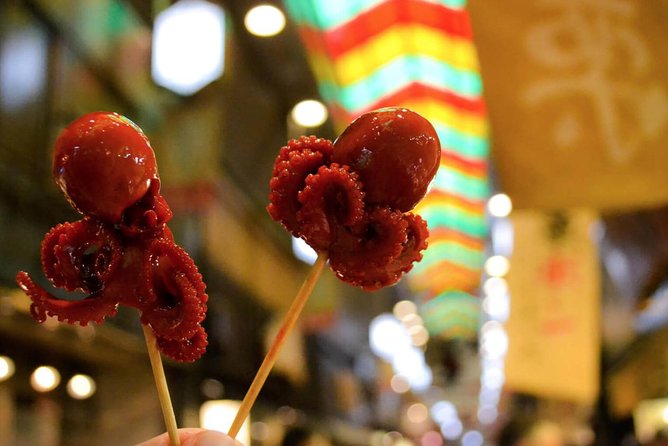
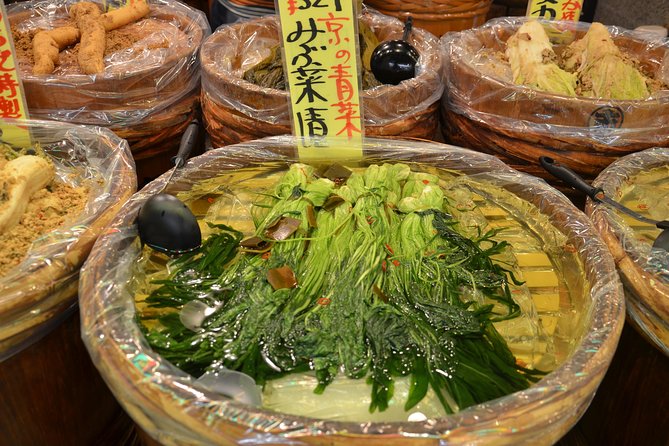
You may taste tsukemono, Kyoto-style pickled vegetables made with produce from the surrounding mountains. Pickling is not just a way to preserve food. It also adds sharp, salty, sour, or sweet notes to a meal, and your guide can explain how these foods fit into Japanese dining.
Yuuba is another notable sample. It is made from the thin skin that forms on heated soy milk, using mountain water in the local tradition. The texture is delicate, and it gives you a different view of tofu than the firm blocks used in many familiar dishes.
Tofu is one of the tour’s featured foods, along with sashimi, fresh seafood, dashi, matcha, and tamagoyaki. Some descriptions refer to yuuba as sashimi tofu, so your guide may use local terms that are new to you. Ask questions. The format is designed for that, and the guides have been praised for patiently handling a long list of questions.
One guide, Chie, is particularly good at introducing visitors to stall owners and describing the foods as the group samples them. Rosali is also noted for a warm manner and clear explanations. The guides can make a big difference here because a market tasting is more useful when you understand what makes each sample distinct.
Family-Owned Shops and the Value of Local Context
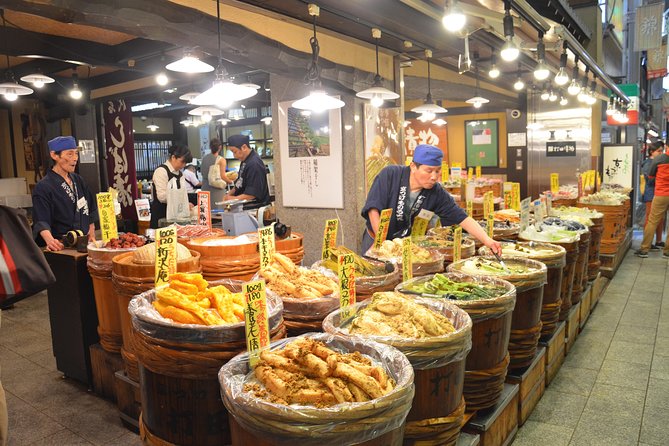
The tour’s best feature is not simply the number of bites. It is the chance to see food through the people who sell it. Several stops are at family-owned businesses, some operating for hundreds of years. That gives you a direct look at the continuity of Kyoto’s food traditions.
You may meet shop owners or receive products from stalls that have served local customers for generations. The experience is not a cooking class, and you are not promised a private conversation at every stop. Still, the route is designed to show how traditional ingredients remain part of daily life.
This is also why a guide adds real value. Nishiki can tempt you with colorful displays, but color alone does not tell you what to buy, how to eat it, or why it matters. A guide can point out ingredients used in Kyoto cuisine and explain the work behind preservation, preparation, and sale.
The market can also be difficult for a guide to manage. The passage is narrow, shoppers move in both directions, and stopping for a long explanation can block traffic. One clear downside is that you may miss parts of the commentary when the crowd noise rises. Staying near the guide is important, especially if your hearing is limited or you are traveling with children.
Same trip, a completely different kind of day:
- PERFECT KYOTO 1-Day Bus Tour
★ 5.0 · 13,518 reviews - Kyoto: Fushimi Inari, Kinkakuji, Bamboo Grove 1 Day Bus Tour
★ 4.8 · 4,316 reviews - Kyoto: Tea Ceremony in a Traditional Tea House in Kiyomizu
★ 4.9 · 3,519 reviews - Kyoto Geisha Walking Tour: Gion District & Hidden Gems
★ 4.7 · 3,273 reviews
Tea, Sake, Dashi, and a Seasonal Lunch
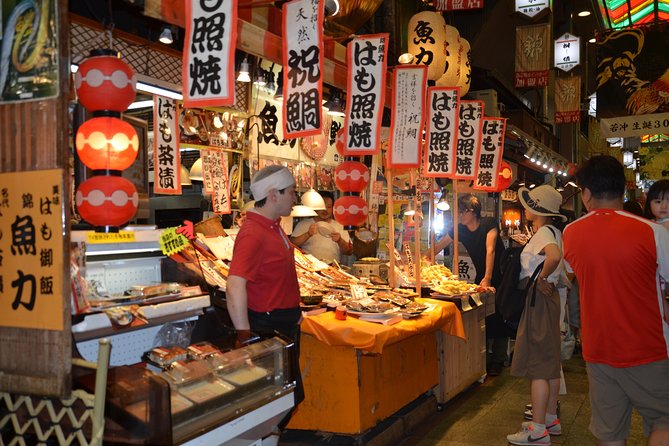
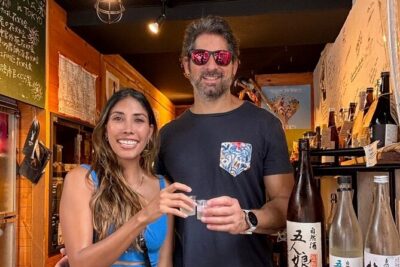
Japanese tea is included, with matcha listed among the possible tastes. Tea gives the tour a quieter pause between market samples and helps show how drinks fit into Kyoto food culture. The experience also includes sparkling sake straight from the tap, though the minimum drinking age is 21.
The tour is not limited to sweets or easy snacks. Dashi, the stock used in many Japanese dishes, is among the featured tastes. Dashi can seem plain if you do not know what you are tasting, but it is central to the savory base of many Japanese meals. A good explanation turns a small sample into a useful lesson.
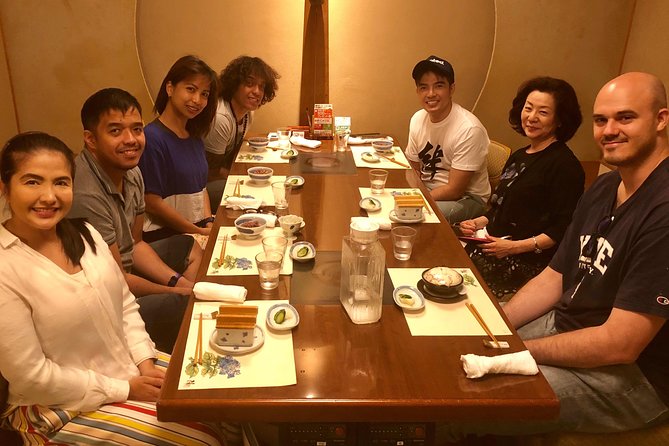
A seasonal and regional lunch is included as well. One reported meal included good beef, though the exact dishes can change. The food plan may use an equal-quality substitute if a regular restaurant is unavailable, and restaurant schedules, public holidays, or other conditions can alter the stops.
This is why you should not treat the tour as a fixed menu. You will receive the included tastings and lunch, but the particular dishes may reflect the season and the market’s supply. That is a plus if you want food connected to the time of year, but it may disappoint you if you expect one exact list of items.
Arrive with an empty stomach. The combination of small samples, tea, sake, and lunch can add up quickly. You should also tell the operator about vegetarian or pescatarian needs. The tour is described as friendly to both, but substitutions may be needed.
Nearby Sights and the End Near Karasuma
The route begins at the market and ends around Karasuma Station, a practical location for continuing your Kyoto day. Nishiki Tenmangu Shrine and Rokkakudo Temple are among the places associated with the route, giving you a little more than food to look at along the way.
These stops help place the market within central Kyoto rather than treating it as an isolated food court. You may also see references to Nishiki Market Kyoto and Fushimi Inari Taisha in the route information. The exact handling of these places is not fully clear, so do not book this experience expecting a dedicated visit to Fushimi Inari. The advertised focus is Nishiki Market and its food vendors.
Ending near Karasuma is convenient for lunch plans, shopping, or a return to your hotel by train. Since there is no hotel drop-off, you are responsible for getting onward transportation. The end point is in the Karasuma area, near Karasuma Station at Naginatabokocho.
What the $221 Price Means
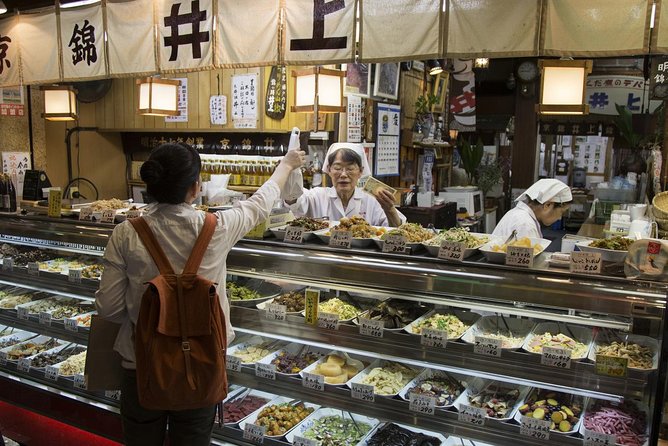
At $221 per person, this is an expensive three-hour walking tour. You are paying for more than a guide leading you through a public market. The price includes multiple tastings, Japanese tea, a seasonal regional lunch, and the guide’s help at about 10 to 12 food businesses.
The value depends on how you like to travel. If you enjoy food but feel unsure about ordering in unfamiliar shops, the guide can save you time and prevent missed opportunities. You also get cultural context that would be difficult to gather from a quick self-guided walk.
The cost is harder to justify if you mainly want to browse Nishiki Market or eat one or two snacks. The market is open to the public, and you can explore it without paying for a tour. You should book this experience when you want a structured tasting meal, explanations, and a smoother introduction to Kyoto food traditions.
The small group improves the value. A group capped at 10 people is far more practical than a large procession in a narrow market. If your departure is especially small, you may receive more attention and have an easier time asking questions.
Who Will Enjoy This Kyoto Food Walk
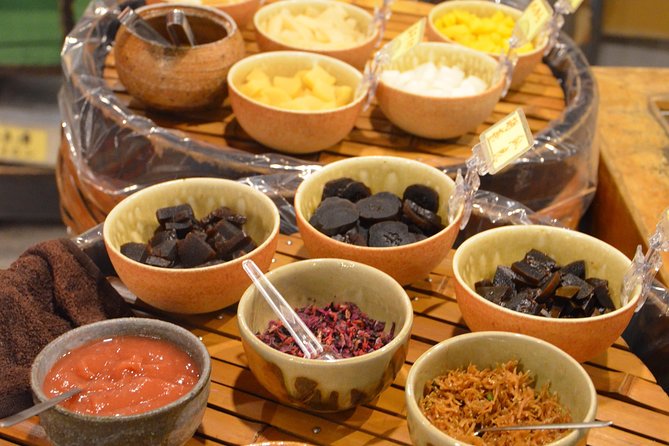
I would recommend this tour to first-time visitors who want a clear introduction to Kyoto cuisine. It also suits food-focused visitors who like learning how ingredients are produced, preserved, and sold rather than simply collecting photographs of dishes.
Families can book it, provided children are accompanied by an adult. Children aged 10 and above require a copy of passport information, according to the additional booking details. The route is family-friendly, but the crowded market and several hours of walking may test very young children.
It is a good match for older adults if the group keeps a steady pace. Chie was able to adjust the pace for a couple traveling with 66-year-old parents, which is encouraging, though you should still expect to stand and walk through a crowded area.
Solo visitors should email the operator before booking. The tour is open to solo participants, but advance contact is requested. Vegetarian and pescatarian visitors can also take part, but it is wise to confirm needs before the tour.
I would hesitate to recommend it to anyone who dislikes crowds, loud spaces, or standing meals. Nishiki Market can be hard to hear and hard to navigate at busy times. You may enjoy the food and still find the setting tiring.
Booking Details and Cancellations
Confirmation is provided when you book, and same-day booking is available. The tour is often reserved about 28 days ahead, so booking early makes sense if your Kyoto dates are fixed, especially during a busy travel period.
You can cancel for a full refund up to 24 hours before the local start time. Changes made within 24 hours are not accepted, and late cancellations are not refunded. The tour requires good weather and a minimum number of participants. If poor weather or low enrollment cancels the experience, you are offered another date, another experience, or a full refund.
The route and food stops can change because of shop schedules, holidays, weather, and other unexpected issues. That flexibility is normal for a market tour, and it protects the experience from depending on one restaurant or one vendor.
Should You Book the Nishiki Market Tour?
Book it if you want a guided, meal-sized introduction to Kyoto food and prefer tasting many regional specialties over choosing restaurants alone. The included lunch, tea, market samples, and small-group format make the high price easier to understand, especially for a first visit.
Skip it if you are happy to browse Nishiki independently, have a tight budget, or dislike crowded shopping streets. The noise and narrow walkway are real drawbacks, and the route may change.
For most food-focused visitors, I would book this early, wear comfortable shoes, arrive hungry, and stay close to the guide. Chie and Rosali are names worth requesting if the operator allows it, though guide assignments are not guaranteed. The best reason to go is simple: you get more than a snack crawl. You get a guided look at how Kyoto eats.
FAQ
Where does the Nishiki Market tour start?
The meeting point is 376 Naramonochō, Shimogyo Ward, Kyoto, 600-8004, Japan. The first listed meeting location is the Lacoste Kyoto Store.
What time does the tour begin?
The tour starts at 10:00 a.m.
How long does the experience last?
The food walk lasts approximately three hours and five minutes.
Where does the tour end?
The tour ends in the Karasuma area near Karasuma Station, at Naginatabokocho in Shimogyo Ward.
How many food vendors does the tour visit?
The included details state that you visit 10 market vendors. The tour description also refers to 12 family-owned shops, so the exact number may vary with shop schedules and route changes.
Is lunch included?
Yes. A seasonal and regional lunch is included, along with Japanese tea and the listed market tastings.
Is sake included?
Sparkling sake straight from the tap is listed among the possible tastings. The minimum drinking age is 21.
Is the tour suitable for vegetarians?
The tour is described as vegetarian-friendly and pescatarian-friendly. Contact the operator in advance to discuss suitable substitutions.
Is hotel pickup included?
No. Hotel pickup and drop-off are not included, and transportation costs are separate.
What happens if the tour is canceled?
If poor weather or an insufficient number of participants causes cancellation, you are offered a different date or experience, or a full refund.
Just added around Kyoto
- Sekka Cotton Furoshiki Class★ 5.0 · 19 reviews
- Secret Eastern Kyoto Biking Adventure★ 5.0 · 44 reviews
- Kyoto Sword Experience – includes Museum Ticket/Ninja Experience★ 4.5 · 149 reviews
- Scenic Green Tea Fields of Hidden Kyoto & Local Tea Exp (Private)★ 5.0 · 32 reviews
- Private Sake Tasting in Central Kyoto with Sake Sommelier★ 5.0 · 32 reviews
- Samurai School in Kyoto: Samurai for a Day★ 5.0 · 202 reviews
- SHIRAKAWA Japanese Culture Experiences with private English staff★ 5.0 · 16 reviews
- A Privately Guided Photoshoot in Beautiful Kyoto by a Pro★ 5.0 · 18 reviews
Markets, compared.
Nishiki Market Brunch Walking Tour (7 Tastings + Brunch)
Our verdict →
Tokyo Washoku 4-hour Cooking Class: From Market to Table
Our verdict →
Kuromon Market Tour: All inclusive 6~8 Dishes & 3~4 samplings
Our verdict →
Browse the lists this tour appears in