
Reviewed · COOKING CLASSES
Tokyo Washoku 4-hour Cooking Class: From Market to Table
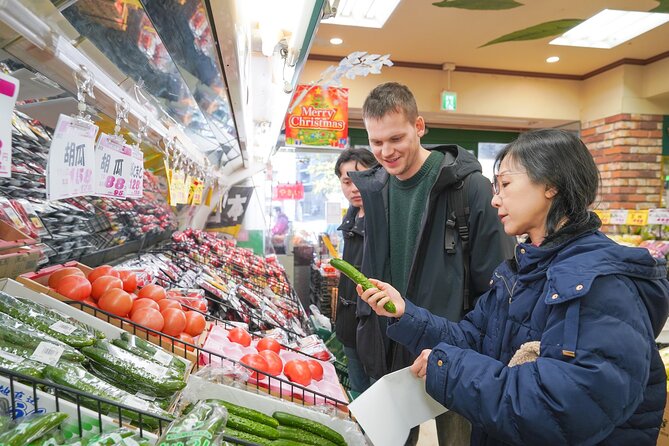
Tokyo’s best cooking lessons do more than hand you a recipe. This one starts in a local supermarket near Iriya Station, where your guide shows you how to choose Japanese ingredients before you ever pick up a knife. You then walk to a dedicated studio and turn those ingredients into makisushi, miso soup, rolled omelet, and grilled eggplant.
I like the useful supermarket lesson, which gives you a glimpse of everyday Tokyo life, and the amount of hands-on work. You are not simply watching April, Yuri, Alice, or Mihori cook. You practice cutting, rolling, seasoning, and cooking, then take the recipes home. The main drawback is the firm start time: arriving more than five minutes late without contacting the provider can mean missing the class with no refund.
Key points at a glance
- Supermarket first: Learn how to select Japanese ingredients with your guide near Iriya Station.
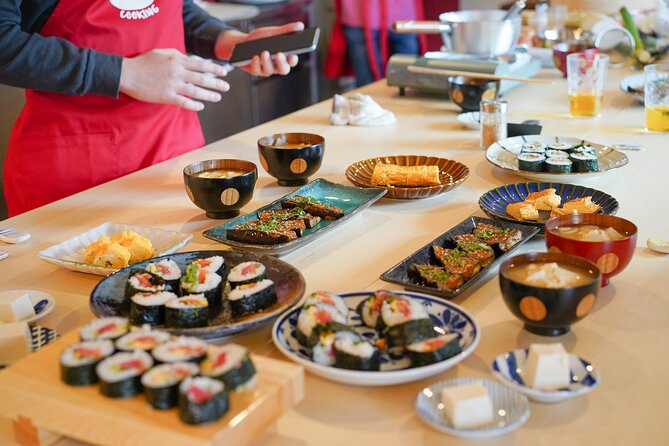
- Four classic dishes: Prepare makisushi, miso soup, dashimaki tamago, and nasu dengaku from scratch.
- Small group format: The class has a maximum of seven people, allowing room for questions and hands-on practice.
- Drinks with lunch: Depending on the session, you can try sake, beer, or other pairings with the meal.
- Recipes to take home: You can recreate the dishes after returning from Japan.
- Good for dietary requests: Vegetarian and vegan arrangements are possible if requested at least one day ahead.
Starting at FamilyMart near Iriya Station
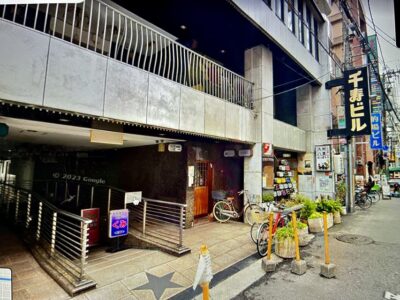
Your meeting point is FamilyMart at 2-chōme-1-10 Shitaya, Taito City, at 10:00 am. The location is near public transportation, but I would still allow extra time to find the exact convenience store and gather your bearings in the neighborhood.
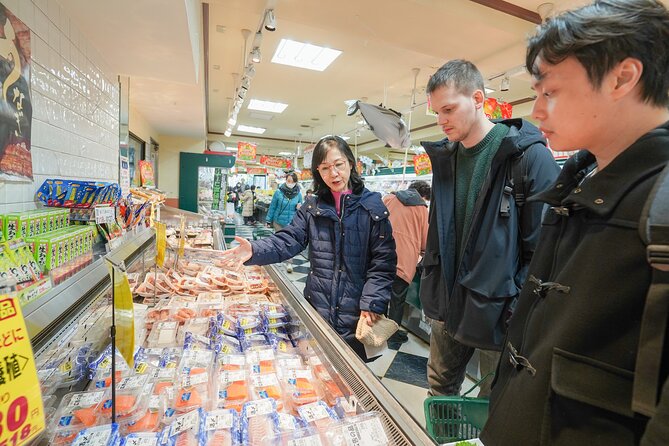
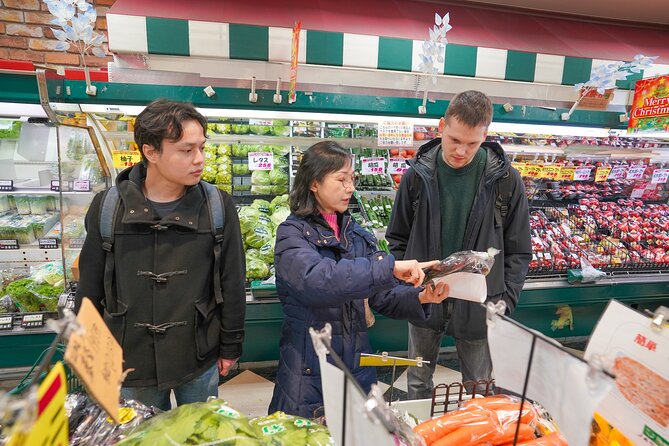
This is not a class where you rush straight into a kitchen. The opening supermarket visit gives the morning a practical Tokyo flavor. Your guide points out ingredients and explains how to choose them, including Japanese vegetables, meat, and other items needed for the meal.
I find this part especially useful for first-time visitors. Japanese supermarkets can feel confusing at first because of unfamiliar labels, different cuts of meat, and produce you may not recognize. A local guide can explain what you are seeing in a way that makes future shopping easier.
The supermarket also gives you a look at ordinary food shopping in Tokyo. It is less polished than a famous food hall and more connected to daily life. Keep in mind that the shopping stop is part of the four-hour experience, so the pace needs to stay on schedule. Your group cannot linger indefinitely over every shelf.
More Cooking Classes in Tokyo
- Ramen & Gyoza Cooking Class in Tokyo with Local Supermarket Visit
★ 5.0 · 823 reviews - Tokyo: Easy Ramen Cooking Experience in Kabukicho, Shinjuku
★ 4.6 · 321 reviews - Ramen and Sushi Cooking Class with Sake Pairing Set in Tokyo
★ 5.0 · 291 reviews
Walking from the market to the cooking studio
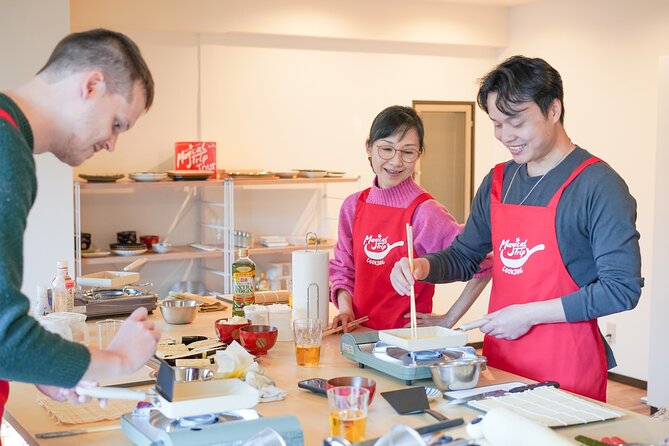
After shopping, you continue to the cooking studio, where the meal comes together. The studio is described as spacious and well set up, a useful detail when several people are chopping, rolling, stirring, and moving around at the same time.
The group size is limited to seven people. That is small enough for a friendly class without making the lesson feel like a private appointment. You can ask questions as you work, and the guide can adjust explanations to match your needs and experience.
The guides bring different personalities to the class. April is described as encouraging and patient, while Yuri is noted for explaining each dish in detail and sharing recipes for home use. Alice adds cheerful conversation and stories during cooking and eating, and Mihori is praised for clear instruction during both the supermarket visit and the kitchen session.
Guide assignments can vary, so you should not book expecting one particular instructor unless the provider confirms it. Still, the repeated pattern is clear: the class depends heavily on the guide’s ability to explain Japanese food in English and keep the group involved.
Making four Japanese dishes from scratch
The cooking portion covers a full meal rather than one showcase dish. You work on makisushi, miso soup, dashimaki tamago, and nasu dengaku, with the guide covering both knife work and cooking methods.
Makisushi
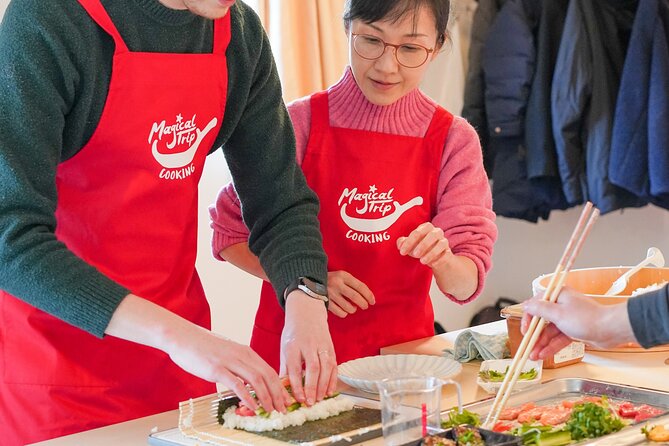
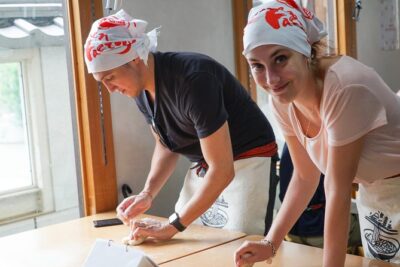
Rolling sushi is often the most instantly appealing part of a Japanese cooking class, but it requires a bit of technique. You learn how to prepare and handle the ingredients, arrange them, and roll the sushi neatly enough to slice and serve.
The value here is practical. Once you understand the basic process, makisushi becomes a dish you can make at home without specialized restaurant equipment. The guide can also answer questions as you go, which matters more than a quick demonstration from across the room.
More Market Tours in Tokyo
- Tokyo Tsukiji Fish Market Food and Culture Walking Tour
★ 5.0 · 3,184 reviews - Tokyo: Tsukiji Fish Market Food and Walking tour
★ 5.0 · 1,724 reviews - Tokyo: Tsukiji Fish Market Guided Walking Tour
★ 4.9 · 1,397 reviews - Tsukiji Fish Market Guided Tour and Sushi Making with Pro Chef
★ 5.0 · 775 reviews
Miso soup
Miso soup may look simple, but the flavor depends on how the ingredients are handled and when the miso is added. The class lets you practice the process rather than simply tasting a finished bowl.
One particularly useful part of the meal is the chance to compare the result with your expectations. A cooking lesson helps you understand why homemade soup can taste different from the instant versions many people know outside Japan.
Dashimaki tamago
Dashimaki tamago is a Japanese rolled omelet with a soft, layered texture. It takes control of heat, timing, and folding, so it gives you a clear lesson in technique.
If you cannot eat eggs, your food selection is reduced from four types to three. That is important to know before booking, since the omelet is one of the core dishes. The provider asks you to report allergies and dietary needs at least one day ahead, but it does not guarantee an allergy-free kitchen.
Nasu dengaku
Nasu dengaku is grilled eggplant prepared with a savory miso topping. It adds a vegetable dish to the meal and shows how Japanese cooking can make a few basic ingredients taste substantial.
Together, these four dishes create a balanced class. You are not spending four hours on sushi alone. You practice rice, soup, eggs, vegetables, knife work, rolling, grilling, and seasoning.
Learning knife skills and Japanese home cooking
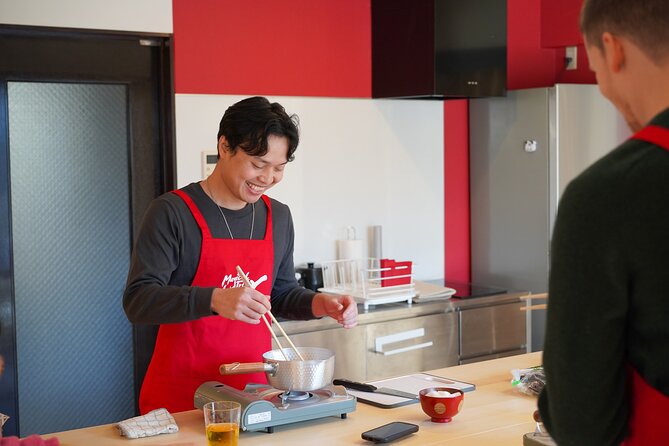
The class focuses on more than following a recipe. Your guide teaches traditional Japanese knife and cooking techniques, then gives you time to perform the steps yourself.
That hands-on approach is one of the strongest reasons to choose this activity. A demonstration can be entertaining, but doing the cutting and cooking helps the method stay with you. You can ask why an ingredient is cut a certain way, how a texture is achieved, or what might work as a substitute at home.
The class is also suited to different cooking backgrounds. Beginners can follow the guide step by step, while confident home cooks can ask more specific questions about ingredients and methods. The information provided does not promise a private lesson, so you should expect to share the instructor’s attention with the group.
The recipes are provided for you to take home. That makes the $79.59 price more useful than a meal alone. You are paying for instruction, a market visit, ingredients, a prepared meal, and ideas you can use after the holiday.
Eating together with sake or beer
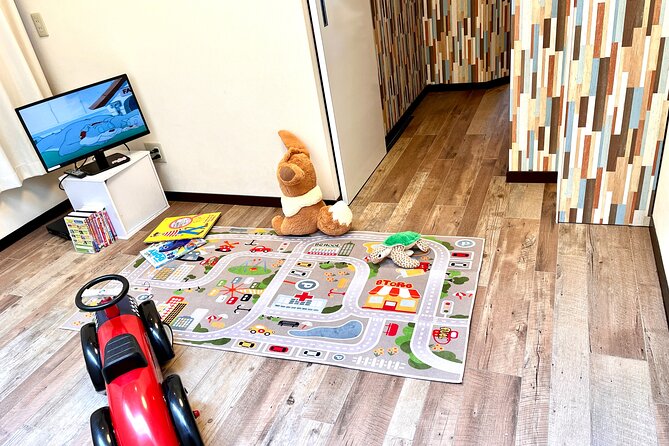
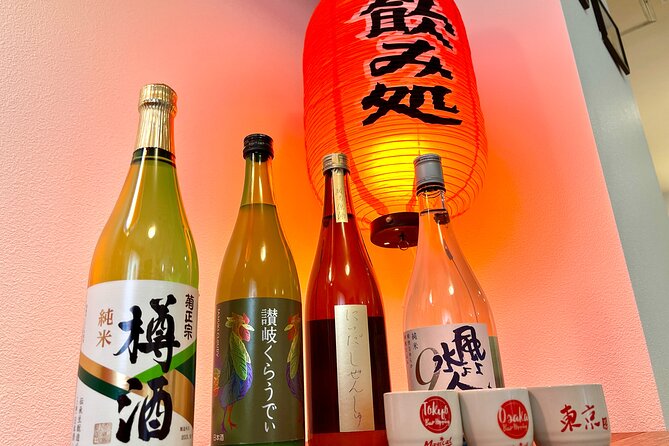
Once the cooking is finished, you sit down and eat the meal together. The class can include sake, beer, or other drink pairings, giving you a chance to compare Japanese drinks with the food you prepared.
The drink tasting is a pleasant extra, but I would not book this solely as a tasting tour. The central activity is cooking, and the drinks support the meal rather than replace it. If you do not drink alcohol, the key value remains the food, instruction, and shared meal.
The dining period also gives you time to ask about Japanese food and daily life. One class included questions about Tokyo life, while another featured conversation and stories from the guide. Since the group may include people from different countries, the meal can become a social part of the morning without requiring a separate social tour.
Is $79.59 a fair price?
At $79.59 per person, this class sits in a reasonable range for a four-hour Tokyo activity that combines shopping, instruction, ingredients, and a meal. You are not only paying for lunch. You get a guided supermarket visit, several dishes, cooking practice, a dedicated studio, recipes, and the chance to ask questions.
The value is strongest if you want to cook after returning home. Someone who only wants to eat Japanese food can find cheaper meals in Tokyo. Someone who wants a private chef, a high-end market tour, or a very specialized culinary lesson may also need a different experience.
For a first introduction to Japanese home cooking, the price makes sense. The supermarket stop gives you context, the kitchen work gives you a skill, and the recipes give the morning a life beyond your holiday.
Who will enjoy this class most?
I would recommend it to first-time visitors who want a more practical food experience than a restaurant meal. It suits couples, families, solo participants, and small groups, with a maximum of seven people.
Teenagers can enjoy it too. The class includes chopping, rolling, stirring, and eating, so it offers more variety than a long demonstration. Parents should still consider the firm start time and the need to follow kitchen instructions.
It is also a good choice for people who enjoy asking questions. The format allows you to ask about ingredients, Japanese cooking habits, and Tokyo life while you work.
Vegetarians and vegans are welcome if you provide notice at least one day before the class. The provider says it will arrange ingredients and the cooking process, but it cannot guarantee an allergy-free setting or promise that every substitution will be possible. If you have a serious allergy, give full details well ahead of time and decide if a shared kitchen is suitable for you.
Timing, weather, and practical cautions
The class begins at 10:00 am and lasts about four hours. You return to the cooking studio, which is also the stated end point. You may visit Kappabashi Dougu Street afterward on your own, a handy option if you want to browse Tokyo’s famous kitchenware district after learning to cook.
Arrive early. The provider says the group starts on time, and arriving more than five minutes late without contact can count as a cancellation. You cannot join later, reschedule, or receive a refund if you miss the group.
Tokyo’s weather can also affect comfort. Summer temperatures may reach 40°C, while winter lows can fall to -5°C. Dress for the season, especially since the experience includes walking between the meeting point, supermarket, and studio.
Free date or time changes are available up to 24 hours before the start. You can cancel for a full refund if you do so at least 24 hours ahead. If poor weather forces cancellation, you are offered another date or a full refund.
My verdict on the Tokyo cooking experience
Book this class if you want to understand Japanese food through your hands, not just your appetite. The supermarket visit, small group, four dishes, recipe handouts, and patient guides such as April, Yuri, Alice, and Mihori give the experience useful depth without making it feel like a formal culinary school.
The biggest strengths are the practical shopping lesson and the amount of cooking you do yourself. The main cautions are the strict arrival rule, the possible limits for allergies, and the fact that the guide and exact group mix can vary.
For $79.59, I think it is a good buy for curious cooks, families with older children, and anyone who wants a lasting souvenir beyond photographs. If your priority is a quick meal or a private lesson, choose something else. If you want to shop, cook, eat, and leave with recipes you can use at home, this is an easy Tokyo activity to recommend.
FAQ
Where does the Tokyo cooking class meet?
The meeting point is FamilyMart at 2-chōme-1-10 Shitaya, Taito City, Tokyo 110-0004, near Iriya Station.
What time does the class start?
The class starts at 10:00 am and lasts approximately four hours.
What dishes will I prepare?
You will prepare makisushi, miso soup, dashimaki tamago, and nasu dengaku, subject to dietary adjustments.
Can vegetarians and vegans join?
Yes. Vegetarian and vegan arrangements are available if you notify the provider at least one day before the class.
What happens if I have an allergy?
You must report allergies and dietary requests at least one day ahead. The provider cannot guarantee an allergy-free kitchen, and substitutions may not always be possible.
Can I cancel for a refund?
You can receive a full refund if you cancel at least 24 hours before the local start time. Cancellations or changes made less than 24 hours ahead are not accepted, and no-shows are not refunded.
Just added around Tokyo
- Kawagoe Japanese Food Tour : Unagi Kaiseki and Sake near Tokyo★ 5.0 · 30 reviews
- Kawagoe 4hr Private Tour with Licensed Guide (Kawagoe Dep)★ 5.0 · 13 reviews
- Little EDO Sushi Making workshop in Kawagoe★ 5.0 · 18 reviews
- 【R34】Tokyo:Private Daikoku tour in Modified R34★ 4.9 · 92 reviews
- :Tokyo,Shibuya/ Pro Photography in Kimono / English-Friendly★ 5.0 · 26 reviews
- Tokyo:Celebrate Unique Japanese New Year Tradition Festivity★ 3.9 · 20 reviews
- Tokyo: Allstar Food Tour★ 4.7 · 29 reviews
- Tokyo: West-Side Cycling and Food Tour with Guide★ 5.0 · 37 reviews
Cooking Classes, compared.
Browse the lists this tour appears in