
Reviewed · WALKING TOURS
One-Day Walking Tour of Amazing 8th Century Capital Nara
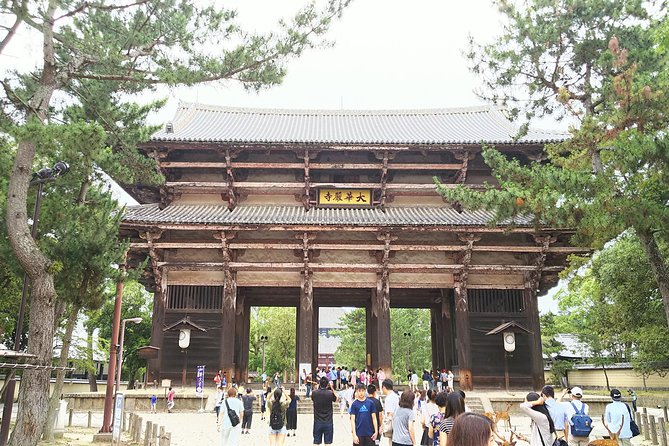
Nara’s biggest surprise is how much history sits within an easy day on foot. This was Japan’s capital in the eighth century, and the route links old merchant houses, sacred paths, free-roaming deer, and Todai-ji’s enormous wooden temple hall. Todai-ji and its giant Buddha give the day its grand finale.
I like having a private guide handle the route and explain the meaning behind what you see. I also like the mix of places: Naramachi feels local and human, while Kasuga Grand Shrine and Todai-ji show the power of early Japanese religion and government. The main consideration is cost, since the $137.17 price does not include public transport or entrance fees, and the day involves substantial walking.
Key points to know before booking
- Naramachi opens the day with old merchant houses: Spend about 90 minutes among traditional latticed homes, some more than a century old.
- Kasuga Grand Shrine adds a quieter religious side: Allow about an hour, with the shrine admission paid separately.
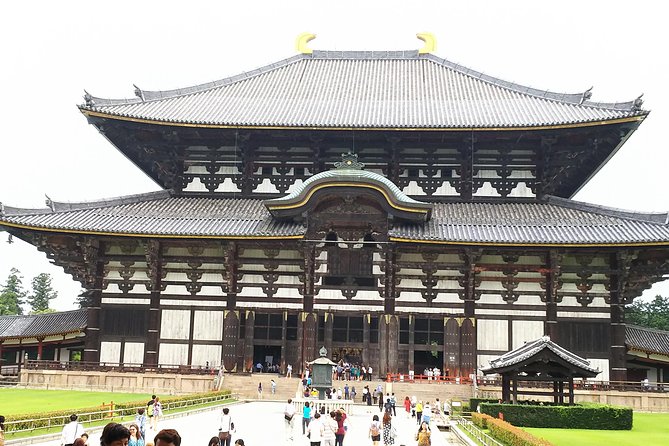
- Todai-ji delivers the big visual moment: The UNESCO World Heritage temple includes one of Japan’s best-known giant Buddha images.
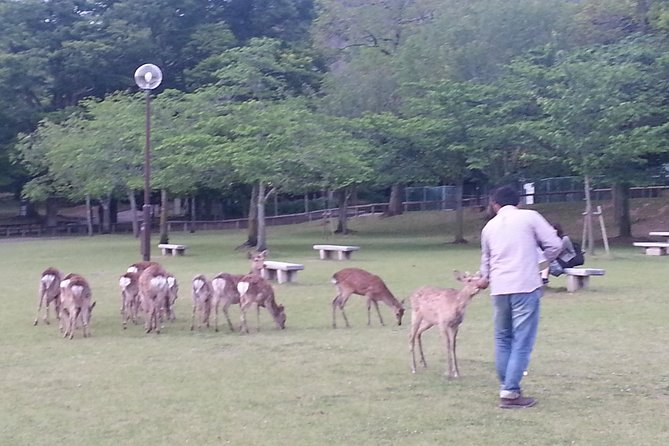
- Nara’s deer are part of the setting: You have a chance to see them roaming freely in Nara Park.
- Your group gets a private guide: The experience is for your party alone, rather than a large shared group.
- The guides can respond to your interests: Satomi handled an unplanned museum visit, while Tomoko adjusted the pace for a husband with a bad knee.
Why this Nara day works so well
Nara can look simple on a map. The main sights are near one another, but the meaning of each place is easier to grasp when someone connects the pieces. This tour gives you that connection in one day, with a professional guide leading the way from an 8:30 am start.
You are not just checking off a shrine and a temple. You are following the story of a capital that helped shape Japanese Buddhism, court culture, architecture, and political life. The guide also takes care of navigation, which matters when you want to focus on the buildings and not on your phone.
The private format is the biggest practical advantage. Only your group participates, so you do not have to wait for a large party at every gate or listen to a fixed speech that has nothing to do with your interests. The format is private, but it is not necessarily a fully customized tour. The advertised route remains the backbone of the day.
Still, the guides have shown room for sensible changes. Satomi was able to help when one group decided to visit the Nara National Museum, even though that stop was not prepared in advance. Fuji also shaped the day around a guest’s interests and helped arrange a good lunch. That suggests useful flexibility, but you should not assume every extra stop is included or guaranteed.
More Walking Tours in Nara:
- Nara Half Day Trip Walking Tour (Private Option Available)
★ 5.0 · 937 reviews - Nara: Private Walking Tour with a Local
★ 4.3 · 36 reviews - Kobe: Private Walking Shore Excursion- Kyoto/Osaka/Nara/Kobe
★ 4.8 · 23 reviews
Naramachi: merchant homes and a slower start
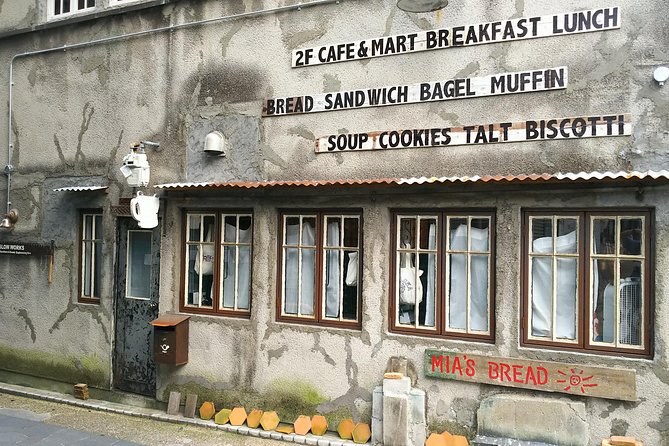
The tour begins in Naramachi, an area first established as a temple town in the eighth century and later transformed into a merchant district. You spend about 90 minutes here, and admission is free.
This is a smart opening stop because it gives you a close look at everyday historic Nara. Traditional latticed houses line the streets, with some more than 100 years old. The appeal is not one giant monument. It is the pattern of the neighborhood, the old facades, and the sense that commerce once worked at a much more human scale.
Your guide can help explain how Naramachi changed from a religious settlement into a merchant quarter. That context makes the architecture easier to read. A lattice is not just decoration, and an old shopfront is not simply a photogenic backdrop. These details show how people lived and worked in the old capital.
Naramachi also gives the day a gentler start. Todai-ji can feel overwhelming because of its size and fame. Here, you get time to look closely and ask questions before moving toward Nara’s major religious sites.
The drawback is that the itinerary description gives only broad details about the houses and streets, not a list of specific interiors or shops. Do not book this expecting an extensive series of paid house visits. Think of it as a guided walk through a historic district, with the value coming from the explanation and the street-level details.
Kasuga Grand Shrine and the Fujiwara connection
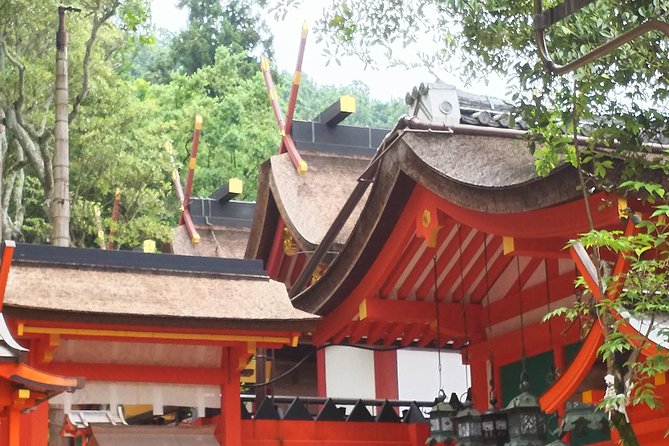
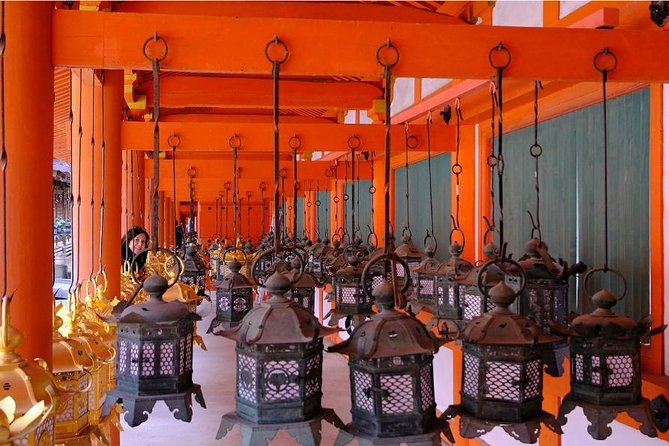
The next major stop is Kasuga Grand Shrine, founded in the eighth century by the Fujiwara clan. The Fujiwara were the most powerful aristocratic family in Japanese history, and the shrine remains tied to that old political and religious world.
You spend about an hour here. The entrance fee is not included, so plan on the stated combined admission cost of ¥1,500 per person for Todai-ji and Kasuga Taisha Shrine. That extra amount is modest beside the tour price, but it is worth knowing before you set out.
Kasuga adds a different mood from Naramachi. The merchant district shows the ordinary structure of old Nara. Kasuga points you toward aristocratic power, ritual, and the close relationship between Japan’s court and its religious institutions. The guide can give the buildings a place in that larger story instead of treating the shrine as a quick photo stop.
One detail makes this visit especially interesting: the head priest of Kasuga Grand Shrine is still a descendant of the Fujiwara family. That link gives the shrine a living connection to the clan that founded it, rather than leaving the Fujiwara as a name from a textbook.
You should allow time for walking between the main areas and for standing still at the shrine. This is not the kind of stop that rewards a rushed visit. The tour allocates about an hour, which should give you a useful introduction, though people who prefer a long, unhurried shrine visit may want more time.
Nara Park and the famous deer
Nara’s freely roaming deer are one of the day’s most memorable features. They move through Nara Park and around the historic sites, making the city feel different from Kyoto’s more formal temple areas.
You have a chance to see the deer during the tour, and feeding them can be a unique part of the experience. One important point is that the deer are not a separate wildlife excursion. They are part of the public park setting, woven into the route between the cultural sights.
The guide can also explain why the deer matter to Nara. One of the strongest parts of the experience is learning that the animals are connected to the significance of this place, rather than treating them as simple entertainment. That extra context changes the way you see them wandering near the shrines and temple grounds.
The deer can also add a bit of unpredictability. They are freely roaming animals, so you should expect an active public setting rather than a controlled encounter. Keep your attention on your belongings and on the guide’s instructions. The tour promises the chance to see them, not a guaranteed close-up feeding session at a particular time.
For many people, this is the part children will remember most. Adults may find that the animals make the historic setting feel less solemn and more alive. Either way, the deer give the walking day a memorable thread that links the park to the city’s religious identity.
A few more Nara half-days worth comparing
- World Heritage Kyoto & Nara Uji Authentic Matcha Experience
★ 5.0 · 1,573 reviews - Kyoto/Osaka: Nara, Fushimi Inari Taisha, Arashiyama Bus Tour
★ 4.7 · 1,275 reviews - Osaka/Kyoto: Arashiyama, Nara & Fushimi Inari Shrine w/Lunch
★ 4.4 · 754 reviews - Nara Early Morning Tour (Kyoto or Osaka Departure Available)
★ 5.0 · 676 reviews
Todai-ji: Nara’s grand finale
Todai-ji is the tour’s major landmark and the stop most likely to define your memory of Nara. Emperor Shomu founded the temple more than 1,300 years ago, and the complex is now designated a UNESCO World Heritage Site.
The temple sits beneath Mt. Wakakusa and includes a number of historic buildings across its large grounds. You spend about an hour here, with admission paid separately. The scale changes the rhythm of the tour. After the smaller streets of Naramachi and the more contained visit to Kasuga, Todai-ji gives you a sense of the ambition behind ancient Nara.
The largest wooden structure and enormous Buddha image are the visual high points. You will want time to look up, step back, and take in the proportions. This is not a place where a quick glance tells you everything. The size of the hall and the image inside are central to understanding why Todai-ji remains such a powerful symbol.
Your guide’s role matters most here. The buildings are famous, but fame alone does not explain why Emperor Shomu supported such a huge temple or how Todai-ji fits into the growth of Buddhism in Japan. A good explanation turns the visit from a large building into a lesson in religion, government, craftsmanship, and national identity.
An hour is enough for a solid introduction, but not for every corner of the wider grounds. If Todai-ji is your main reason for visiting Nara, tell the guide early. The private format gives you a better chance to focus on it, although the published route still includes all three main areas.
What the private guide changes
The guides are the heart of this experience. The names associated with the tour include Satomi, Emi, Tomoko, Fumiko, Noriko, Norika, and Fuji. The strongest pattern is clear: explanations of Japanese culture and history, practical help, and a willingness to adjust when reasonable.
Fumiko helped make the day more enjoyable by answering questions and adding context about Japanese culture and the sites. Tomoko was especially attentive to a guest whose husband had a bad knee. That does not make the tour step-free or effortless, but it does show why a private guide can be useful when someone in your group needs a slower pace.
Noriko and Norika were praised for making the day fun and personal, while Fuji helped match the route to a guest’s interests and found a good lunch. Satomi even handled an unplanned visit to the Nara National Museum and helped with dinner afterward.
You should read these examples as signs of good guide service, not as promises that every booking includes museum time, lunch planning, or dinner advice. The confirmed tour covers the stated Naramachi, Kasuga, and Todai-ji route. Extra help depends on timing, your guide, and what you ask for.
Price, walking, and what you actually pay
The listed price is $137.17 per person. For a private eight-hour experience with a professional guide, that can be fair value if you care about explanation and ease of movement more than the lowest possible price.
The price does not cover public transportation, listed at ¥2,000 per person, or the ¥1,500 per person entrance cost for Todai-ji and Kasuga Taisha. Those additions matter, especially for a family or larger group. Group discounts are available, so check the final price for your party rather than judging the per-person figure alone.
The day lasts about eight hours and begins at 8:30 am. The end point is different from the start point, so confirm the exact meeting and finishing details before booking. The tour is near public transportation, but the transportation fare itself is not included.
You should also plan for a full day of walking. The route covers a historic district, shrine grounds, park paths, and a large temple complex. Most people can participate, and service animals are allowed, but anyone with mobility concerns should contact the provider in advance and discuss the pace. The private format may help, as Tomoko did for one guest with a bad knee, but it does not remove the physical demands of Nara’s broad grounds.
Who should book this Nara tour
I would choose this tour if you have one day for Nara and want the main sights explained in a connected way. It suits first-time visitors who do not want to research the route, families who appreciate a private guide, and people who want to ask questions as they go.
It also works well if your group has mixed interests. One person can focus on architecture, another on Japanese history, and another on the deer. A private guide has more room to respond than a large group tour.
I would hesitate if you want a completely self-directed day or a carefully designed food and museum tour. Lunch, the Nara National Museum, and other extra stops are not part of the stated route. I would also think twice if eight hours of walking sounds tiring, since the tour is built around moving through several large historic areas.
Free cancellation is available up to 24 hours before the start time. Changes made within 24 hours are not accepted, and late cancellations are not refunded. The experience requires good weather, with a different date or full refund offered if poor weather causes cancellation.
Should you book it?
Book this tour if you want Nara’s major sights in one well-explained day, with your own guide and no large group to slow you down. The combination of Naramachi’s old homes, Kasuga’s Fujiwara connection, Nara’s deer, and Todai-ji’s giant Buddha gives you a strong picture of the old capital.
The best reason to pay for it is not transportation help alone. It is the human explanation and the chance to ask for sensible adjustments. Just budget for the extra fares and admissions, wear comfortable shoes, and tell the guide what matters most to you at the start.
FAQ
Where does the tour take place?
The tour takes place in Nara, with the booking location listed as Kyoto, Japan. The route includes Naramachi, Kasuga Grand Shrine, Nara Park, and Todai-ji Temple.
How long does the tour last?
The experience lasts approximately eight hours and starts at 8:30 am.
Is this a private tour?
Yes. Only your group participates in the activity.
What is included in the price?
A professional guide is included. Public transportation and entrance fees are not included.
How much are the extra transportation and entrance costs?
Public transportation is listed at ¥2,000 per person. Entrance fees for Todai-ji Temple and Kasuga Taisha Shrine are listed at ¥1,500 per person.
Can I see Nara’s deer?
The tour includes a chance to see Nara’s freely roaming deer in Nara Park. Feeding the deer may be part of your experience, but a specific encounter is not guaranteed.
Are the main temple and shrine admissions included?
No. Entrance fees to Todai-ji Temple and Kasuga Taisha Shrine are paid separately.
Can I cancel for a full refund?
You can cancel up to 24 hours before the start time for a full refund. If poor weather causes the tour to be canceled, you will be offered another date or a full refund.
Just added around Nara
- Private Kyoto Tour by Car with Optional Nara or Osaka Add-Ons★ 5.0 · 36 reviews
- Kyoto, Osaka, Nara Private Tour by Car English Driver Guide★ 4.0 · 63 reviews
- From Kyoto: Nara History Guided Half Day Bus Tour with lunch★ 5.0 · 23 reviews
- Nara Todaiji Kasuga Taisha Private Full Day Tour From Kyoto★ 5.0 · 13 reviews
- Nara 8hr Private Tour – Kyoto DEP. with Licensed Guide★ 5.0 · 115 reviews
- Arashiyama & Nara Highlights: One-Day Private Tour Adventure★ 5.0 · 16 reviews
- Kyoto Private Car Tour – Full Day with Local Guide & Nara Option★ 5.0 · 169 reviews
- Kyoto & Nara Private Tour from Osaka Kyoto Hotel Pick-up★ 4.5 · 32 reviews
Walking Tours, compared.

Kyoto Geisha Walking Tour: Gion District & Hidden Gems
Our verdict →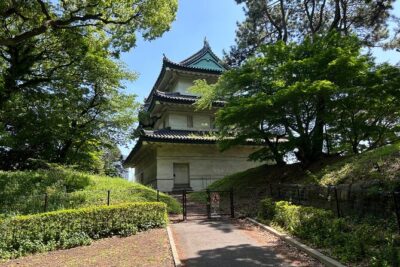
Imperial Palace and Shogun Historical Walking Tour
Our verdict →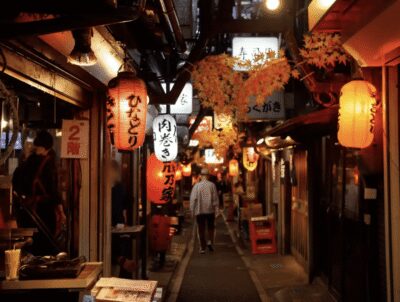
Shinjuku Local Bar and Izakaya Guided Walking Tour
Our verdict →


Nishiki Market Brunch Walking Tour (7 Tastings + Brunch)
Our verdict →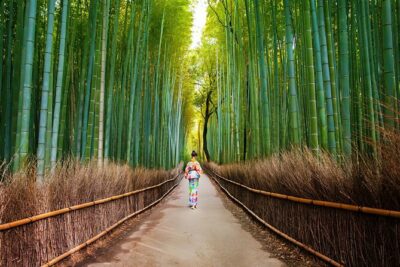
Kyoto Arashiyama Walking Tour: Bamboo, Monkeys, Gardens & Secrets
Our verdict →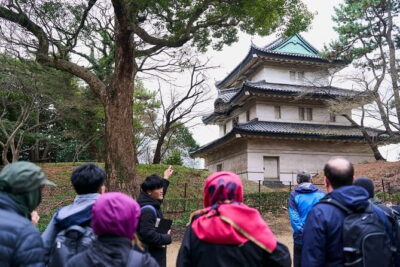
Tokyo Castle & Imperial PalaceーShogun Walking Tour
Our verdict →Browse the lists this tour appears in