Reviewed · FULL-DAY
Full-Day Sightseeing to Kyoto Highlights
Kyoto’s biggest sights are spread across the city, but this 7.5-hour small-group tour links them by train, bus, and foot. You begin with the bamboo groves of Arashiyama, continue to the Golden Pavilion, then cross central Kyoto for Gion and Fushimi Inari. It is an ambitious one-day sampler rather than a slow temple walk.
I like two things right away: the group is capped at seven people, and the guide does more than recite dates. Indra, Maureen, Toshi, Naomi, and Adella have been praised for clear English, humor, cultural explanations, photo help, and calm handling of public transport. The tradeoff is real: you cover a lot of ground, walk for hours, and pay extra for transit and Kinkakuji.
Key points to know
- Seven-person maximum: A small group allows more questions, easier movement, and occasional private-tour conditions when few people book.
- All the headline sights: Arashiyama Bamboo Forest, Kinkakuji, Gion Shirakawa, Shijo Kawaramachi, and Fushimi Inari fit into one demanding day.
- Public transport is part of the tour: Expect trains and buses, with ¥1,510 per person paid separately.
- Culture alongside scenery: Guides explain Buddhism, Shinto, geiko and maiko traditions, Japanese customs, and everyday life.
- Lunch is in central Kyoto: You have time around Shijo Kawaramachi to eat and browse the shopping arcade.
- Good value for a first Kyoto day: The US$165.17 price buys planning, guiding, and a wide city overview, but entrance and transport costs remain extra.
One active day across Kyoto
This is the kind of outing I would choose if I had one day in Kyoto and wanted to see the famous places without spending the evening planning routes. Kyoto’s sights sit in different corners of the city. Arashiyama is west, Kinkakuji is northwest, Gion is central, and Fushimi Inari is south.
The guide turns that geography into the day’s main feature. You are not simply walking from one nearby temple to another. You are learning how Kyoto works by using its trains and buses, following local streets, crossing a major bridge, and seeing how wooded shrines, shopping streets, entertainment districts, and commuter routes fit together.
The pace is brisk. Some parts of the published schedule overlap travel and sightseeing, so the day should be understood as a carefully packed overview, not seven hours of leisurely time at each stop. Wear comfortable shoes, carry water, and expect a moderate physical workout.
More Full-Day Tours in Kyoto:
- 5 Top Highlights of Kyoto Full Day Bike Tour (E-bike option)
★ 5.0 · 511 reviews - Full Day Biking Tour Exploring the Best of Kyoto
★ 5.0 · 498 reviews - Kyoto: Private Full-Day Tour by Car
★ 4.9 · 109 reviews
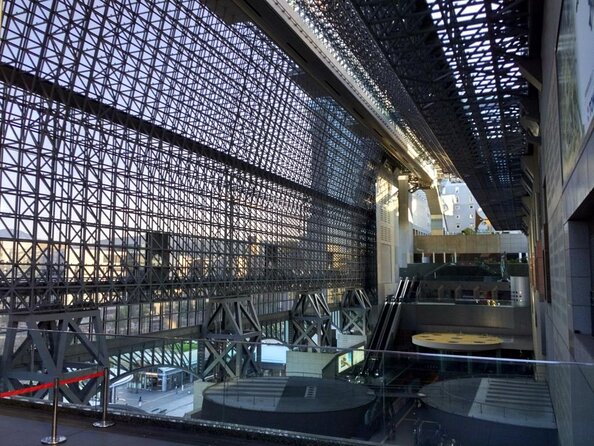
Meeting at Kyoto Station at 8:30 am
The group meets at Starbucks Coffee in Kyoto Tower Sando, on the left side of the main entrance of Kyoto Station, at 8:30 am. Kyoto Station is large, so arrive early enough to find the meeting point without a last-minute sprint.
The opening ride heads to Saga Arashiyama. This is useful from the start because your guide helps you get comfortable with Japanese public transportation. Several people have particularly valued learning how to use different trains and buses during the day, especially on a first visit to Japan.
Transportation costs ¥1,510 per person and are not included. That is an important price detail. The guide saves you route-planning time, but you still need to budget this amount in addition to the tour price.
Arashiyama Bamboo Forest: beautiful, busy, and worth an early look
You spend about an hour in the Arashiyama Bamboo Forest. Tall bamboo creates a striking natural setting, and the guide uses the walk to discuss Japan, Japanese customs, and the ideas behind everyday behavior.
The cultural side is one of the better reasons to take this tour instead of simply visiting the grove alone. Guides have explained small but useful points, such as why public trash cans can be hard to find in Japan. These details help you read the city more accurately instead of treating every custom as a puzzle.
Arashiyama can be crowded, and one hour will not turn it into a quiet woodland retreat. Still, a guided visit helps you focus on the setting and understand what you are seeing. The walking surface is manageable for many people, but this is only the first active section of a long day.
Afterward, you take a bus or train toward Kinkakuji. This transfer is part of the practical value, but it also eats into the schedule. Keep your group together and listen closely for instructions at stations and stops.
Kinkakuji: Kyoto’s famous Golden Pavilion
Kinkakuji, also called the Golden Pavilion, receives about 40 minutes of sightseeing time. The pavilion’s gold exterior and reflected view across the pond make it one of Kyoto’s most recognizable scenes.
Your guide explains the temple’s history and Buddhism in Japan, then helps you find good places for photographs. That photo assistance comes up repeatedly in the guide feedback. Solo visitors, in particular, may appreciate having someone take pictures instead of relying on a stranger or a timer.
Admission costs ¥500 per person and is not included. It is a modest extra fee, but the total matters when added to the US$165.17 tour price and ¥1,510 transport cost.
Kinkakuji is a visual stop more than a place for long contemplation on this itinerary. You get the essential view and background, but the schedule does not invite an extended exploration of the grounds. If this temple is your main Kyoto priority, a slower visit on another day would give you more breathing room.
A few more Kyoto half-days worth comparing
- PERFECT KYOTO 1-Day Bus Tour
★ 5.0 · 13,518 reviews - Kyoto: Fushimi Inari, Kinkakuji, Bamboo Grove 1 Day Bus Tour
★ 4.8 · 4,316 reviews - Kyoto: Tea Ceremony in a Traditional Tea House in Kiyomizu
★ 4.9 · 3,519 reviews - Kyoto Geisha Walking Tour: Gion District & Hidden Gems
★ 4.7 · 3,273 reviews
Shijo Kawaramachi: lunch and a look at modern Kyoto
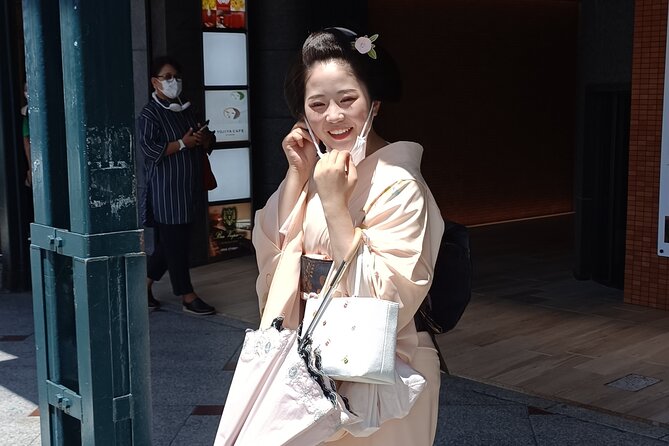
The route then moves into Shijo Kawaramachi for about 75 minutes. This is where the day shifts from temples and forests to shopping streets, food, and ordinary city life.
You have lunch here, though the supplied details do not specify a restaurant or include the meal. Plan to pay for your own food. The shopping arcade gives you a useful contrast with the earlier religious sites, and the guide can point out local recommendations and practical tips for the rest of your stay.
This stop is also a good reset. After the bamboo forest and Kinkakuji, you can eat, browse, and see how Kyoto functions as a living city rather than only a collection of famous monuments. The time is enough for a straightforward meal and some browsing, but not for a serious shopping session.
From here, the group walks across Shijo Bridge. The walk offers city views and connects the shopping district with Gion. It is an easy transition on the map, but your legs may already be feeling the morning.
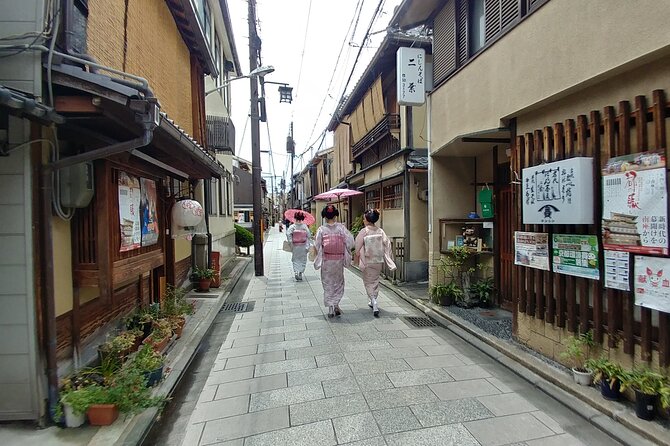
Gion Shirakawa: a quieter side of the geiko district
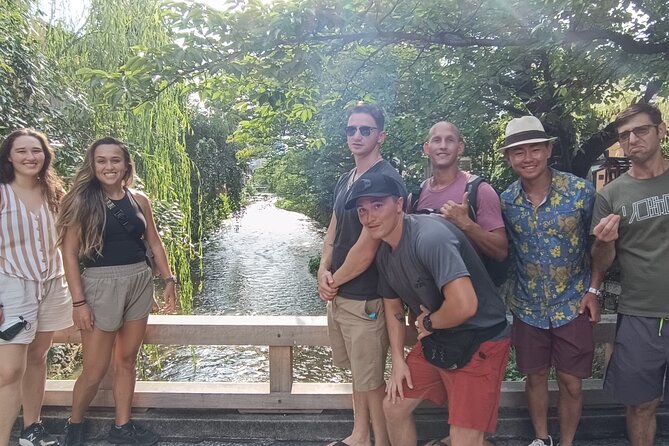
Gion Shirakawa receives about an hour. This is presented as the quieter side of Gion, away from some of the district’s busiest streets.
The guide explains geiko and maiko, the women who work in Kyoto’s traditional entertainment world, and the customs surrounding that setting. This cultural context matters. Gion is not simply a backdrop for photographs. It is a working neighborhood with traditions, rules, and residents.
The walk along Shirakawa is especially useful for anyone who wants more than a quick glimpse of Gion’s most photographed lanes. You may find calmer scenery here, though the tour cannot promise encounters with geiko or maiko. Treat any sighting as luck, not as part of the schedule, and be respectful around people going about their work.
This is one of the stronger stops for understanding Kyoto’s mix of old customs and present-day life. The guide’s explanations help prevent the district from becoming a shallow photo stop.
Fushimi Inari: thousands of vermilion gates
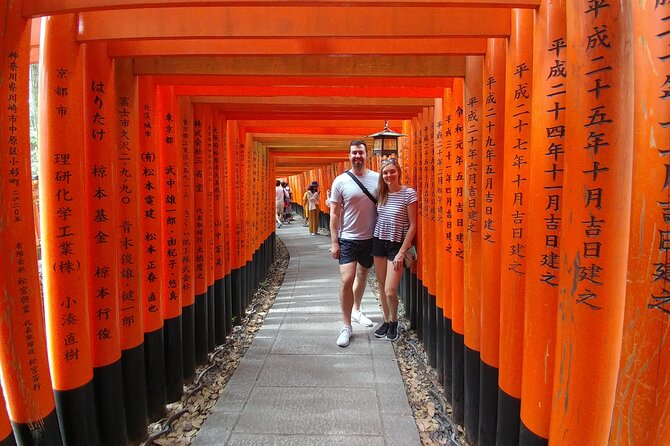
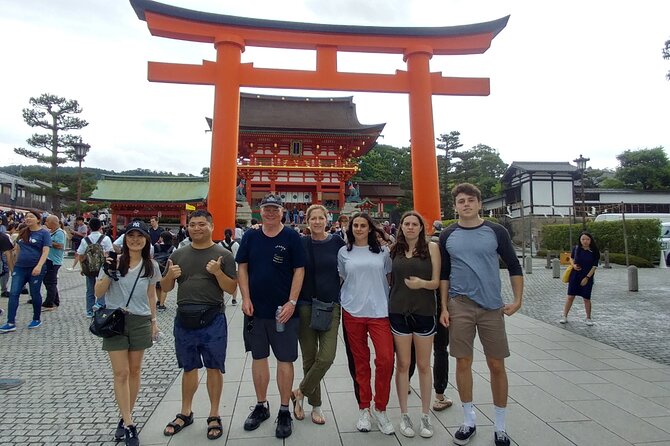
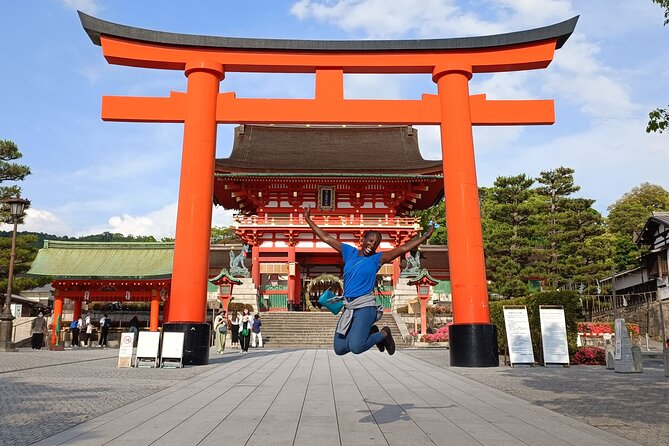
The final major sight is Fushimi Inari-taisha, with about 50 minutes to explore. The shrine is known for its long rows of vermilion torii gates, which climb into the wooded hills behind the main buildings.
The guide introduces Shinto, the shrine’s history, and the meaning of the site as you pass through the gates. Even with limited time, Fushimi Inari feels different from Kinkakuji. It is a path-based experience, with repeated gates drawing you forward rather than one single building providing the main view.
Fifty minutes gives you a taste of the shrine, not a full mountain hike. You will not have time to explore every section of the route. That is fine for a highlights tour, but anyone hoping to walk deep into the hills should return independently with more time.
Fushimi Inari is also a fitting final stop because it combines movement, scenery, and religious tradition. By this point, you have seen Buddhist and Shinto sites, shopping streets, a traditional entertainment district, and a major forest attraction.
The guide makes the difference
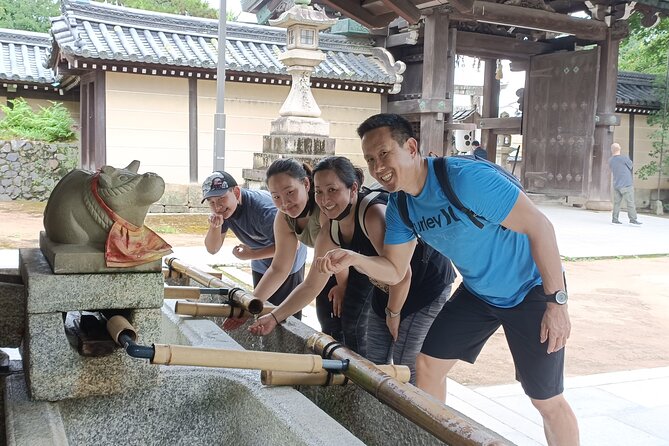
The strongest part of this experience is the human element. Indra is repeatedly described as friendly, funny, attentive, and able to explain Japanese society rather than just list historical facts. He has helped solo participants with photos, adjusted to personal requests, and shared his perspective from living in Japan.
Maureen has been praised for guiding trains and buses with ease, keeping the day cheerful, and explaining cultural background in a clear way. Toshi is noted for being accommodating when plans needed last-minute changes. Naomi has led a larger-feeling group through several transport modes, while Adella has been praised for her bright manner and detailed explanations of local customs.
Your actual guide will depend on the date, so you should not book solely expecting one particular person. Still, the repeated pattern is useful: this tour depends heavily on a guide who can keep the schedule moving while making room for questions.
The best guides here appear to do three jobs at once. They explain the places, handle the route, and help you feel more comfortable in an unfamiliar city. That combination is worth more than a simple list of entrance stops.
How much value do you get for US$165.17?
At US$165.17 per person, this is not the cheapest way to see Kyoto. Add ¥1,510 for public transport and ¥500 for Kinkakuji, plus lunch, and the final cost rises.
The value comes from the amount of planning packed into one day. You see five major areas, use several forms of transport, receive historical and cultural explanations, and get local suggestions without having to build the route yourself. If you have only one Kyoto day, that can justify the price.
The value is weaker if you already know the city, prefer slow temple visits, or are comfortable planning Japanese transit. You could spend less by visiting fewer places independently. You would also have more control over how long you stay at each sight.
For a first visit, I see this as a time-saving orientation day. It gives you a broad sense of Kyoto and may help you decide where to return for a slower visit.
Walking, weather, and practical limits
The tour requires moderate physical fitness and is not recommended for people with serious leg problems. It is also not recommended after the first trimester of pregnancy. Expect repeated walking, stairs or uneven surfaces at some sites, and frequent transitions between public transport and sightseeing.
Good walking shoes matter more than stylish footwear. Bring water and allow space in your day for a full meal. The tour starts at 8:30 am and ends back at Kyoto Station, where the group rides the train again and says goodbye.
The experience requires good weather and a minimum number of participants. If poor weather or low enrollment cancels the tour, you are offered another date, another experience, or a full refund. You can cancel for a full refund up to 24 hours before the start time, but late cancellations and changes are not accepted.
The activity has mobile ticketing, accepts service animals, and meets near public transportation. Those details are useful, but the main practical question is stamina. This is a full day on your feet.
Who should book this Kyoto day?
I would choose it for a first-time visitor with limited time, a solo visitor who wants company and photo help, or a couple who would rather follow a smart route than manage trains and buses alone.
It also suits anyone who wants cultural explanation alongside the famous views. The discussion of Japanese customs, Buddhism, Shinto, geiko and maiko, and modern city life gives the day more substance than a checklist tour.
I would hesitate if you dislike fixed schedules, need long breaks, have limited mobility, or want to study one temple in detail. The route is ambitious, and the major stops are short enough that you must accept some compromise.
Should you book it?
Book this tour if your Kyoto time is tight and you want the major sights tied together by an experienced local guide. The small group, photo help, cultural explanations, and public-transport support make the price easier to justify.
Skip it if your ideal Kyoto day is slow, quiet, and centered on one or two places. For everyone else, this is a practical first look at the city, provided you arrive ready to walk, pay the extra site and transit costs, and keep moving.
FAQ
Where does the Kyoto sightseeing tour start?
It starts at 8:30 am at Starbucks Coffee in Kyoto Tower Sando, on the left side of the main entrance of Kyoto Station.
Where does the tour finish?
The activity ends back at Kyoto Station after the group rides the train from Fushimi Inari.
How long does the experience last?
The tour lasts approximately 7 hours and 30 minutes.
How many people can join the tour?
The maximum group size is seven people.
Which Kyoto sights are included?
The route includes Arashiyama Bamboo Forest, Kinkakuji Temple, Shijo Kawaramachi, Gion Shirakawa, and Fushimi Inari-taisha Shrine, with the day beginning and ending at Kyoto Station.
Are transportation and entrance fees included?
No. Public transportation costs ¥1,510 per person, and Kinkakuji admission costs ¥500 per person. Lunch is also not listed as included.
Can I cancel for a refund?
You can cancel up to 24 hours before the experience starts for a full refund. Changes or cancellations made less than 24 hours before the start time are not accepted.
Just added around Kyoto
- Sekka Cotton Furoshiki Class★ 5.0 · 19 reviews
- Kyoto Sword Experience – includes Museum Ticket/Ninja Experience★ 4.5 · 149 reviews
- Scenic Green Tea Fields of Hidden Kyoto & Local Tea Exp (Private)★ 5.0 · 32 reviews
- Secret Eastern Kyoto Biking Adventure★ 5.0 · 44 reviews
- Private Sake Tasting in Central Kyoto with Sake Sommelier★ 5.0 · 32 reviews
- Samurai School in Kyoto: Samurai for a Day★ 5.0 · 202 reviews
- SHIRAKAWA Japanese Culture Experiences with private English staff★ 5.0 · 16 reviews
- A Privately Guided Photoshoot in Beautiful Kyoto by a Pro★ 5.0 · 18 reviews
Full-Day, compared.
Hiroshima / Miyajima Full-day Private Tour with Government Licensed Guide
Our verdict →

5 Top Highlights of Kyoto Full Day Bike Tour (E-bike option)
Our verdict →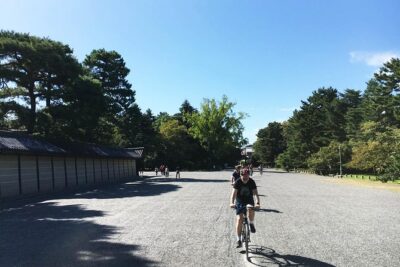
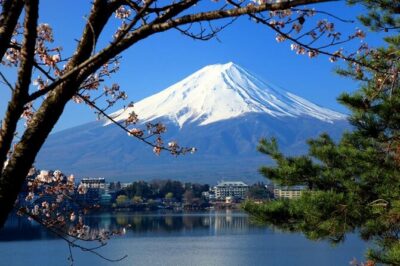
Mt. Fuji, Hakone Full-Day Private Tour with English Driver Guide
Our verdict →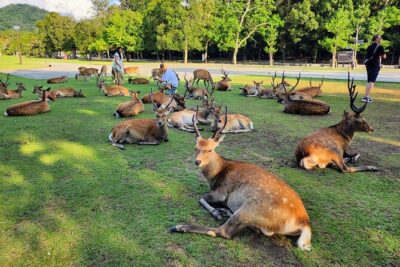
Full Day Guided Tour to Kyoto and Nara from Osaka by Van
Our verdict →