Reviewed · FULL-DAY
Kyoto: Private Full-Day Tour by Car
Kyoto’s great advantage is its scale: the famous sights are spread across the city, and a private car lets you connect them without wrestling with crowded buses and confusing transfers. Guides such as Shohei and Kyohei can shape the day around your priorities, from major temples to a quiet lunch stop or a short shopping detour.
I like the hotel pickup and drop-off, along with the freedom to set your own pace. I also like the cool, clean car between stops, especially in Kyoto’s humid summer or during a rainy day. The tradeoff is that ten hours can become a fast-moving sightseeing marathon, and admission tickets, meals, and drinks cost extra.
Key points to know before booking
- Private car for up to five people: The $371 group price works out to about $74 per person for five, before admission fees and meals.
- Eight or more stops may be possible: The route can include Fushimi Inari, Kiyomizu Temple, Kinkakuji, the Bamboo Forest, Gion, markets, and other temples, depending on traffic and walking pace.
- English-speaking guides: Shohei is frequently identified as the driver-guide, while Kyohei has also led the tour.
- Useful local help: Guides can suggest traditional restaurants, assist with photos, and help adjust the route when you finish a stop early.
- Comfort matters: Air conditioning, hotel pickup, and a private vehicle give you a break from Kyoto’s heat, rain, hills, and crowded public transport.
- Plan for walking: Comfortable shoes are essential, and large bags or luggage are not allowed in the vehicle.
Why a private car makes Kyoto easier in one day
Kyoto is not hard to visit, but it is easy to lose time getting between its best sights. Fushimi Inari lies in the south, Kinkakuji is in the northwest, and the Bamboo Forest is far west in Arashiyama. Kiyomizu Temple and Gion sit in the eastern part of the city.
Public transport can connect these areas, but buses fill up and roads clog during busy periods. A private vehicle does not make traffic disappear, yet it cuts down on transfers, station walks, and the need to work out each connection while carrying shopping bags or keeping children moving.
That is the main value here. You are not simply paying for a driver. You are paying for a person who knows where to park, which order makes sense, and how to adjust the schedule when a temple visit takes longer than planned.
The tour lasts up to 10 hours and begins at the entrance of your hotel. The group is private, so you do not need to wait for strangers or follow a fixed pace. A guide can also drop you in the city afterward, depending on the day’s arrangements.
Still, keep your expectations sensible. Kyoto’s most famous sights are not all close together, and traffic can eat into the schedule. The more stops you request, the less time you will have at each one. I would choose four or five priorities before the morning begins, then let the guide suggest sensible extras.
More Full-Day Tours in Kyoto:
- 5 Top Highlights of Kyoto Full Day Bike Tour (E-bike option)
★ 5.0 · 511 reviews - Full Day Biking Tour Exploring the Best of Kyoto
★ 5.0 · 498 reviews - Full-Day Sightseeing to Kyoto Highlights
★ 5.0 · 77 reviews
Fushimi Inari: red gates and a serious uphill walk
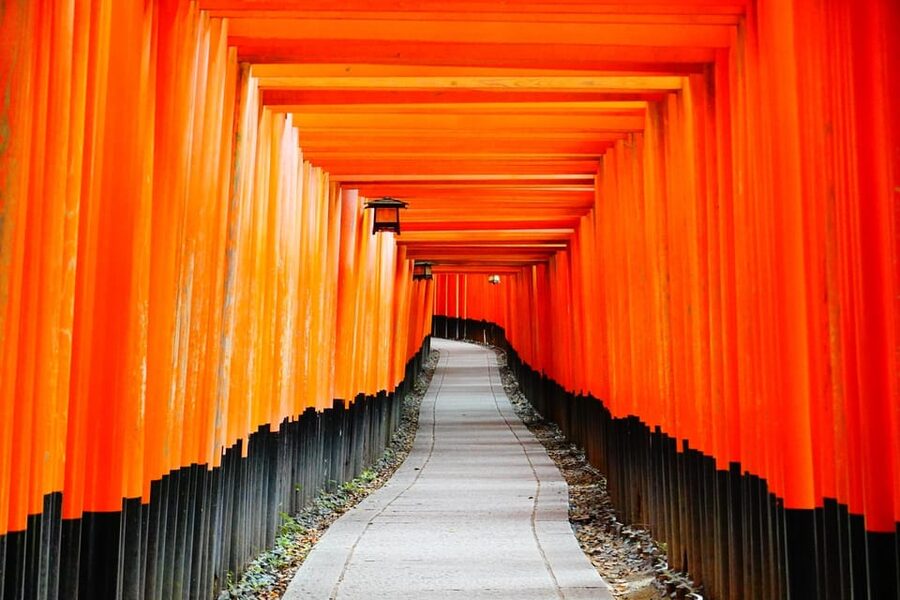
Fushimi Inari Shrine is often the first major stop because it opens early and makes a strong start to the day. Its long rows of orange-red torii gates rise behind the main shrine buildings, creating one of Kyoto’s most recognizable views.
The lower section is the easiest part to visit. You can see the main buildings, walk beneath the first gates, and take photographs without committing to the full mountain route. If you want to climb farther, understand that the path becomes a substantial uphill walk, and a complete visit can take much longer than a quick photo stop.
A private guide helps here by matching the walk to your energy and schedule. You might spend a short time near the entrance, or go farther up if Fushimi Inari is one of your main goals. If your day includes several temples, I would not insist on reaching the summit unless you are prepared to sacrifice another stop.
Kiyomizu Temple and Kyoto’s old eastern streets
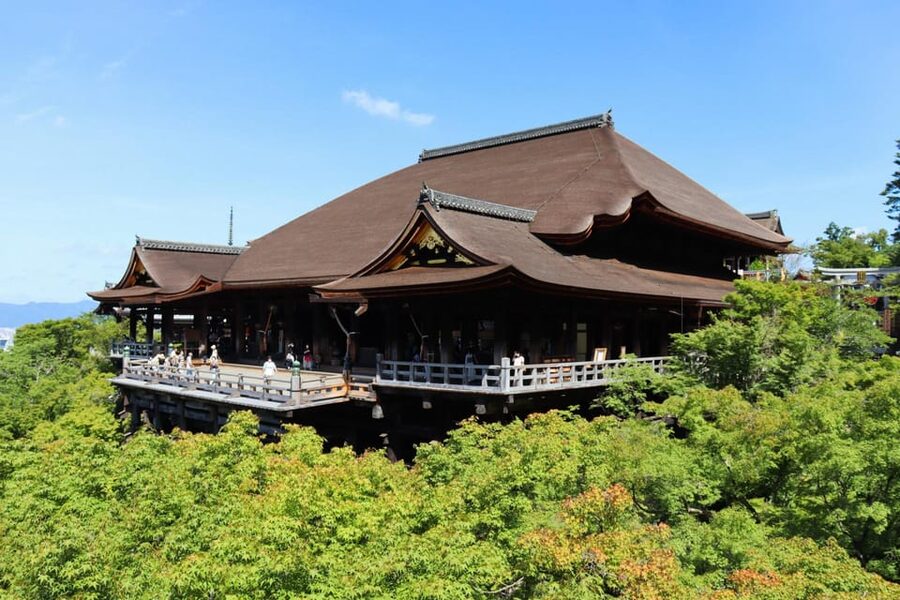
Kiyomizu Temple gives you a different view of Kyoto. The temple sits on a wooded hillside and is known for its broad wooden stage, temple buildings, and views toward the city. The approach leads through busy lanes lined with shops and food stalls, making the visit feel like a neighborhood outing as well as a temple stop.
There is plenty of walking here, including sloped streets and uneven surfaces. A guide can help you avoid wasting time and can slow the pace if needed. One visitor with mobility concerns described the day being adjusted around her needs, which is useful to keep in mind if someone in your group cannot walk quickly.
The lanes around Kiyomizu can be crowded. The private car will not carry you through the pedestrian streets, but it saves you the longer transfer from another part of town and gives you a place to rest afterward.
Kinkakuji, Kyoto’s Golden Pavilion
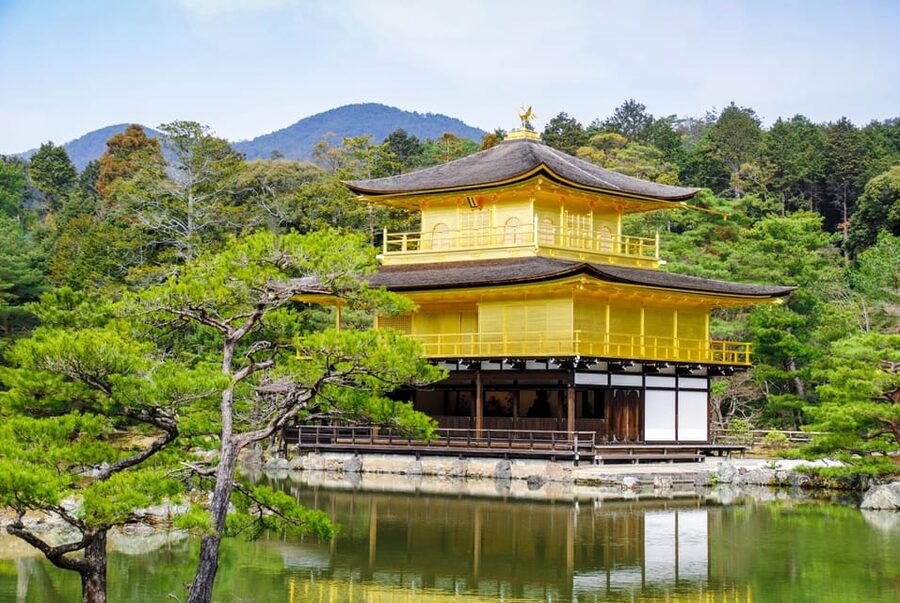
Kinkakuji, often called the Golden Pavilion, is a compact but essential Kyoto stop. The gold-covered upper stories reflect in the pond, with gardens and a walking path arranged around the view.
This is one of the places where a private tour can feel efficient. You follow the marked route, stop at the best viewing points, and continue without spending half the afternoon trying to reach it by bus. The grounds are not enormous, so the visit works well as part of a broader day.
The drawback is that Kinkakuji is a view-focused visit. You do not enter the pavilion, and the main photograph can be crowded. It is worth seeing, but I would not give it more time than it deserves if you also want Arashiyama, Gion, and Fushimi Inari.
Admission is not included, so carry some Japanese yen or another accepted payment method for the attractions you choose. The exact total depends on the route.
A few more Kyoto half-days worth comparing
- PERFECT KYOTO 1-Day Bus Tour
★ 5.0 · 13,518 reviews - Kyoto: Fushimi Inari, Kinkakuji, Bamboo Grove 1 Day Bus Tour
★ 4.8 · 4,316 reviews - Kyoto: Tea Ceremony in a Traditional Tea House in Kiyomizu
★ 4.9 · 3,519 reviews - Kyoto Geisha Walking Tour: Gion District & Hidden Gems
★ 4.7 · 3,273 reviews
Arashiyama and the Bamboo Forest
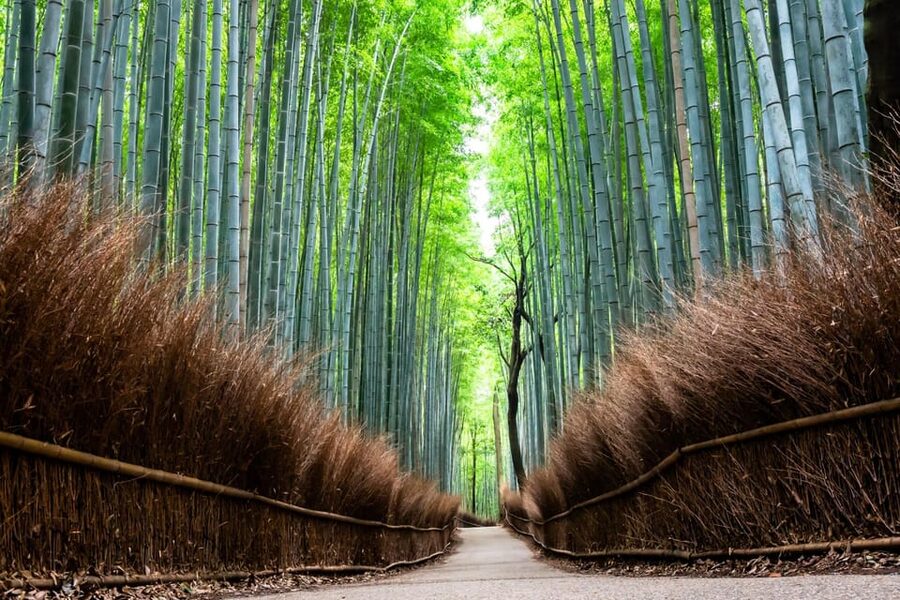
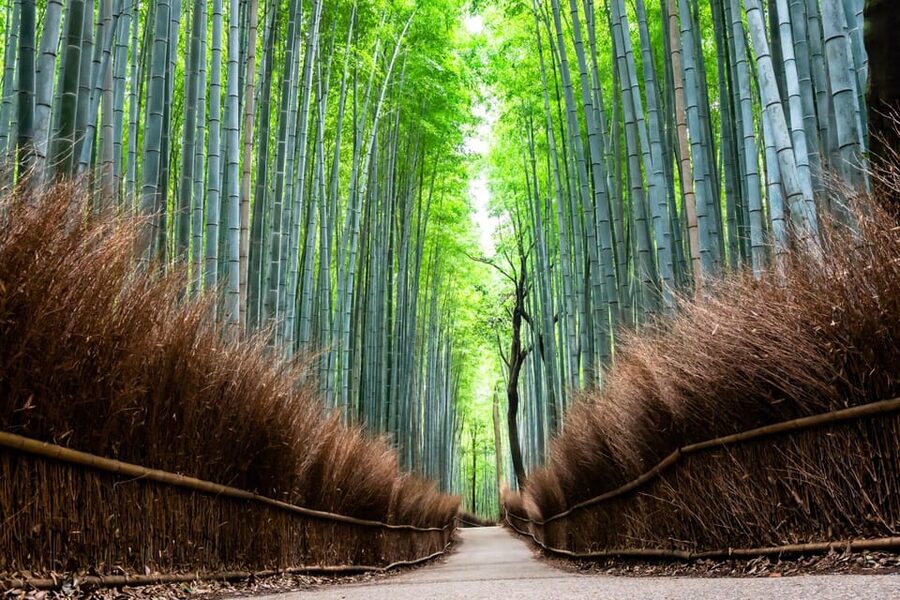
The Bamboo Forest is one of Kyoto’s most famous sights, but it is often misunderstood as a vast wilderness. The well-known section is a relatively short walk, and you may feel satisfied after about 20 minutes, especially if the path is crowded.
That is good news on a tightly planned day. A guide who knows the area can bring you close to a useful entrance, let you walk through the grove, and have the car ready when you finish. This avoids turning a short attraction into a long transport problem.
Arashiyama offers more than bamboo, and the route can include other temples or the nearby Otagi Nenbutsuji Temple when time permits. Do not assume all of these stops will fit alongside every major Kyoto highlight. Tell your guide which matters most to you before setting off.
The grove is popular for photographs, but it is not a quiet private forest. Go for the atmosphere and the visual effect, then move on. The car is especially helpful here because Arashiyama is a long way from Kyoto’s eastern temples.
Gion, markets, riverside views, and extra stops
The tour is not limited to a fixed list of four temples. Depending on your interests and the time available, your guide may add Gion, the Kyoto market, the Kamo River, extra shrines, or a ceramics stop.
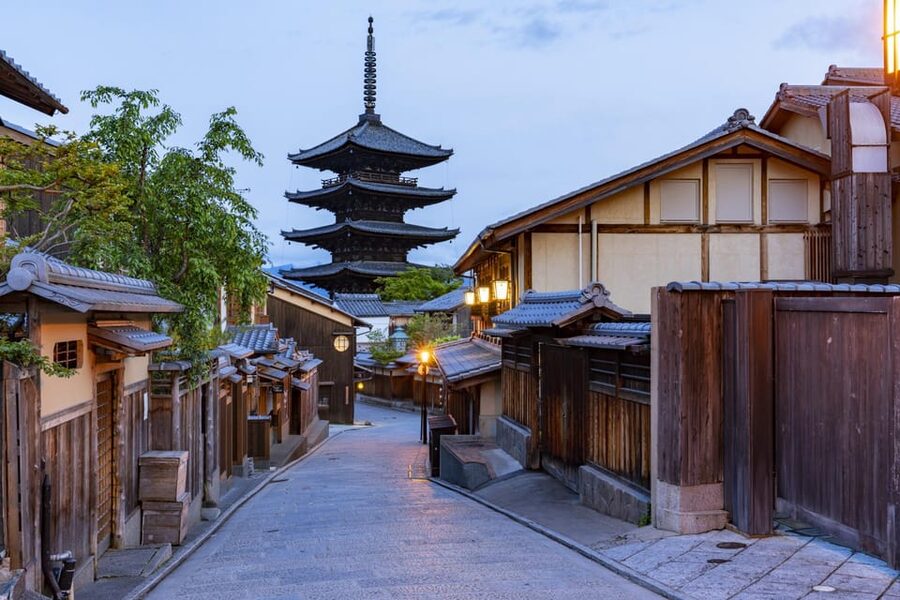
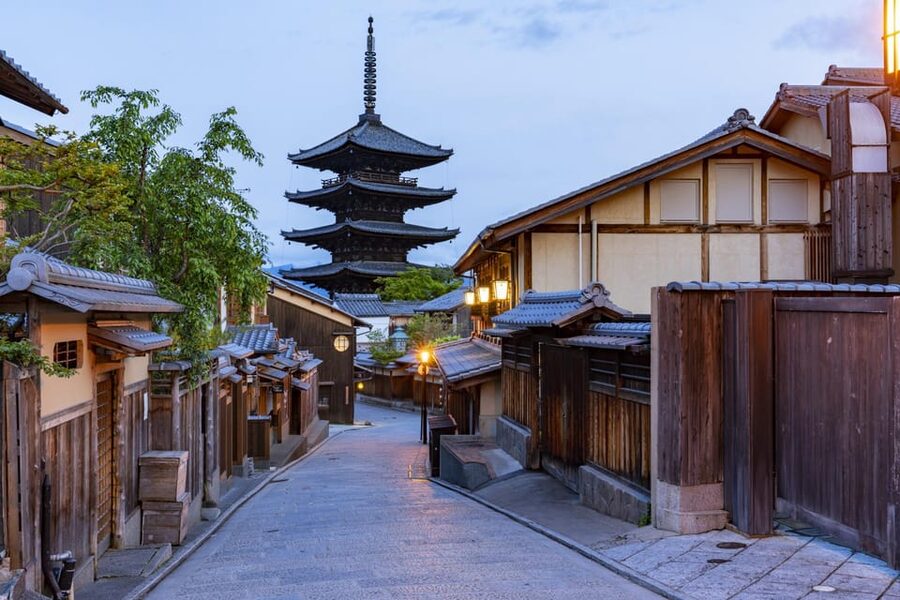
Gion is useful if you want old wooden streets and a sense of Kyoto’s traditional entertainment district. It is best treated as a walking area rather than a quick drive-by. Your guide can bring you near the district, then give you time to explore on foot.
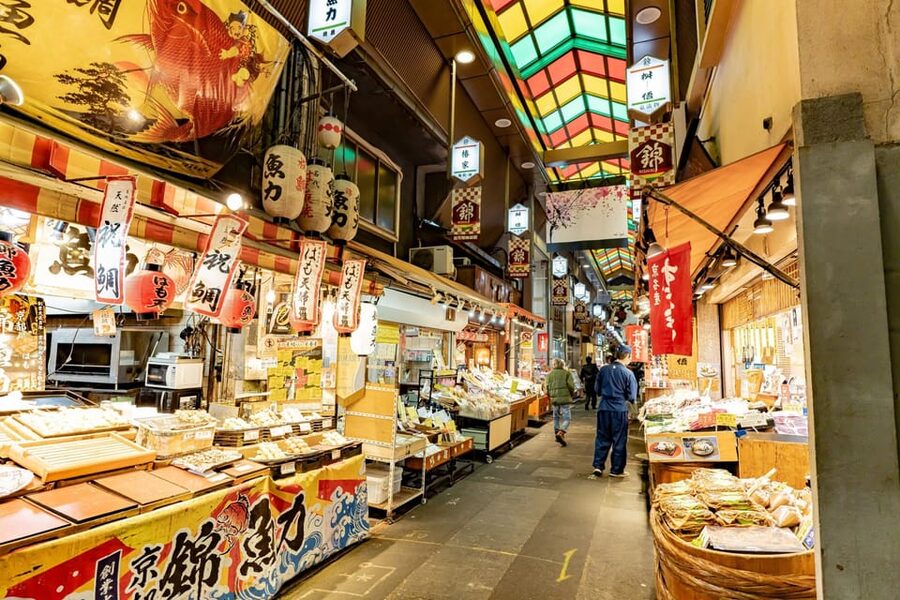
A market stop changes the mood again. It gives you a chance to see everyday food, sweets, and small local products, though it can be crowded and tempting for your wallet. If ceramics interest you, mention it early. One group used spare time for several pottery-shop visits, a good example of how a private day can bend around your interests.
Some groups visit as many as seven or eight sites. That sounds impressive, but it also means short visits. I would rather see six places at a comfortable pace than race through eight. The best order also depends on temple closing times, traffic, weather, and how long you spend at lunch.
Lunch is part of the day’s value
Food is not included, but the guide can recommend a restaurant and help you choose a place that fits the route. Several reported having traditional Japanese meals, including sukiyaki, ramen, and other local dishes away from the busiest tourist streets.
This is one of the more useful personal touches. A good lunch gives you a proper break from temples and lets you ask questions about Japanese customs, food, and daily life. It also saves you from spending precious sightseeing time searching for a restaurant.
Be clear about your preferences and budget. The tour price does not cover food or drinks, and a traditional restaurant may cost more than a quick convenience-store meal. If you have children, dietary limits, or a strong wish to try one dish, say so at the start.
What the car and guide add
The car is the practical heart of this experience. It gives you air conditioning in hot weather, shelter from rain, and a clean private space between stops. Families have also used the extra room for a baby seat and stroller support, although you should request any child equipment in advance rather than assume it will be provided.
Shohei is praised for careful driving, clean vehicles, tight parking, and photography help. He has taken family pictures, suggested good angles, held umbrellas during photographs, and helped with small translation needs while shopping. Kyohei is also described as fluent in English and strong on Japanese history.
The guide usually gives you background at each place, then lets you explore on your own. That balance matters. You get more context than you would from a driver who only drops you at the gate, but you are not required to follow a long lecture at every temple.
One important distinction: this is best understood as a driver-guide tour, not a specialist academic tour. If your main goal is detailed temple architecture or Buddhist history, ask how much explanation you want. If your priority is seeing many places comfortably and efficiently, the format makes good sense.
Timing, walking, and seasonal comfort
Ten hours sounds generous, but Kyoto can absorb the whole day. Each stop involves parking, walking to the entrance, visiting the grounds, and returning to the car. Add lunch, traffic, photographs, and shopping, and the schedule can tighten quickly.
Summer is especially demanding. The air-conditioned car gives you regular recovery time, but you still need comfortable shoes, water, and a realistic walking plan. Rain does not have to ruin the day, though temple paths and old streets can become slippery.
Autumn and spring are likely to bring heavier crowds at the most famous sites. A private vehicle helps with connections, but it cannot guarantee quiet grounds or empty roads. Your guide can change the order, yet some popular locations will remain busy.
Large bags and luggage are not allowed. Arrange separate luggage storage or leave large items at your hotel. The tour is designed for sightseeing, not as a transfer service with suitcases.
Price and who gets the best value
The listed price is $371 for a private group of up to five people. For five people, that is about $74 each before admission tickets, food, drinks, and optional tip. For two people, the per-person cost is much higher, but you still receive the same private vehicle and tailored schedule.
I see the strongest value for families, small groups, older couples, and anyone with only one full day in Kyoto. It is also useful if you are staying outside the central sightseeing area or need to finish near a train departure, since the route can be shaped around your timing.
Solo visitors and couples on a strict budget may prefer buses and trains. Kyoto’s public transport is cheaper, and independent sightseeing gives you more time at fewer places. You are paying for comfort, saved effort, local driving skill, and flexibility, not for cheaper admission.
The high transport rating and 4.9 overall score indicate a well-liked service, but I would still make your priorities clear. A private tour only feels personal when the guide knows what you want to see.
How to plan your day
Before pickup, prepare a short list:
- Two or three must-see sites
- One optional neighborhood or shopping stop
- Your preferred lunch style
- Any mobility, child-seat, or photography needs
- Your desired finish point
For a first visit, a sensible plan could combine Fushimi Inari, Kiyomizu Temple, Kinkakuji, and the Bamboo Forest, with Gion or a market stop if traffic allows. That is already a full day.
If you want Nara, extensive shopping, or a long mountain walk, say so before booking. One group added Nara, but that does not mean every Kyoto route can include it without dropping other sights. The farther you spread the itinerary, the more important the guide’s timing becomes.
Free cancellation is available up to 24 hours before the tour for a full refund, and you can reserve now and pay later. Check the available starting times before committing, since the ten-hour duration requires a full day.
Should you book this Kyoto car tour?
Book it if you want to see Kyoto’s major sights in one day without learning the bus system, if your group values air conditioning and privacy, or if someone in your party needs a flexible walking pace. It is particularly sensible for up to five people, where the group price becomes easier to justify.
Skip it if you prefer lingering at one or two temples, want the lowest possible cost, or enjoy figuring out Kyoto by train and foot. Also skip it if you expect a slow, specialist-led history tour at every stop.
For most first-time visitors with a packed Kyoto day, I would book it with a focused wish list. Ask for Shohei or Kyohei if available, agree on your top sights, and leave room for lunch and one pleasant surprise. That approach gives you the comfort of a private car without turning Kyoto into a checklist.
FAQ
How long does the Kyoto private car tour last?
The tour lasts 10 hours. Starting times depend on availability.
How many people can join the private tour?
The price covers a private group of up to five people.
Is hotel pickup included?
Yes. The guide meets you at the entrance of your hotel and drop-off is included.
Which Kyoto sights can be visited?
Possible stops include Fushimi Inari Shrine, Kiyomizu Temple, Kinkakuji, the Bamboo Forest, Gion, Kyoto markets, and additional temples or neighborhoods selected with your guide.
Is an English-speaking guide provided?
Yes. The tour includes a live English-speaking guide. Shohei and Kyohei are among the guides associated with the experience.
Are attraction tickets and meals included?
No. Entry tickets, food, and drinks are separate from the tour price. Tipping is optional.
What should I bring, and are large bags allowed?
Bring comfortable shoes because the tour includes walking at temples, shrines, neighborhoods, and the Bamboo Forest. Luggage and large bags are not allowed.
Just added around Kyoto
- Sekka Cotton Furoshiki Class★ 5.0 · 19 reviews
- Kyoto Sword Experience – includes Museum Ticket/Ninja Experience★ 4.5 · 149 reviews
- Scenic Green Tea Fields of Hidden Kyoto & Local Tea Exp (Private)★ 5.0 · 32 reviews
- Secret Eastern Kyoto Biking Adventure★ 5.0 · 44 reviews
- Private Sake Tasting in Central Kyoto with Sake Sommelier★ 5.0 · 32 reviews
- Samurai School in Kyoto: Samurai for a Day★ 5.0 · 202 reviews
- SHIRAKAWA Japanese Culture Experiences with private English staff★ 5.0 · 16 reviews
- A Privately Guided Photoshoot in Beautiful Kyoto by a Pro★ 5.0 · 18 reviews
Full-Day, compared.
Hiroshima / Miyajima Full-day Private Tour with Government Licensed Guide
Our verdict →

5 Top Highlights of Kyoto Full Day Bike Tour (E-bike option)
Our verdict →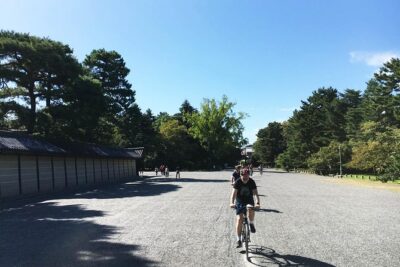
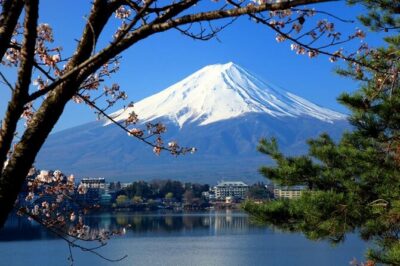
Mt. Fuji, Hakone Full-Day Private Tour with English Driver Guide
Our verdict →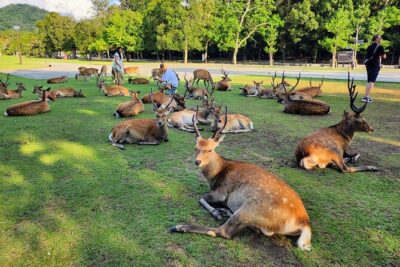
Full Day Guided Tour to Kyoto and Nara from Osaka by Van
Our verdict →