
Reviewed · HIKING & TREKKING
Kyoto Hiking Tour: The Nature and Legends of Kurama and Kibune
Mount Kurama gives you a very different Kyoto: cedar woods, mountain shrines, old legends, and cool air instead of packed city lanes. The day links Yuki Shrine, Kurama-dera, and Kifune Shrine, with a private guide to explain the religious traditions and stories behind the trail.
I like the hotel pickup and private format, since you can set a walking pace that suits your group. I also like the guide-led access to places such as Okunoin Maoden and the Reiki-linked Mount Kurama, details that are easy to miss on your own. The catch is simple: this is a real mountain walk, with plenty of stairs, uneven surfaces, and a moderate fitness requirement.
Key points to know before booking
- A full mountain day: Plan on about eight hours, beginning at 9:00 a.m., with walking, sightseeing, transfers, and time for lunch.
- Private guiding: Only your group participates, and guides such as Mariko, Ryoma, Yuki, Miyo, Akari, Yoji, and Michiko have been praised for adapting pace and explaining local culture.
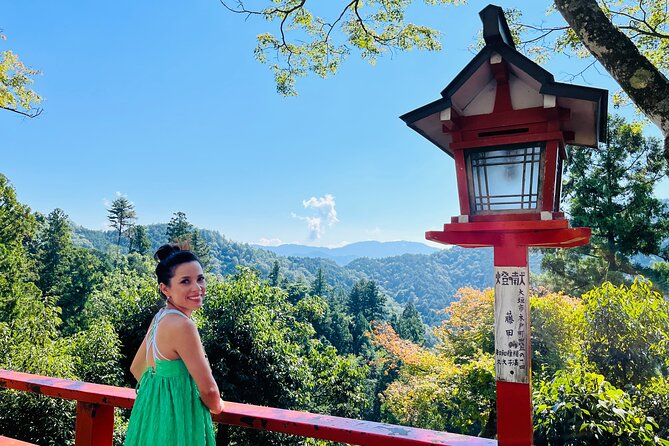
- More than a stroll: The route includes frequent stairs, uphill and downhill sections, and uneven forest paths.
- Strong cultural focus: Yuki Shrine, Kurama-dera, Okunoin Maoden, and Kifune Shrine each bring a different layer of legend and worship.
- Pickup adds real value: Hotel pickup and drop-off are offered in Kyoto’s urban area and the Kurama area.
- Lunch is extra: Bring money for a meal, often in the mountain area, and remember that private transportation by taxi, car, or bus costs extra if needed.
Why Mount Kurama makes a fine escape from central Kyoto
Kyoto is famous for temples, but much of the city experience takes place among streets, buses, and crowds. Mount Kurama changes the rhythm. You walk beneath trees, pause at shrines, listen to stories about spirits and deities, and gradually trade the city for mountain air.
The tour begins at 9:00 a.m. with hotel pickup. That is useful in Kyoto, where reaching a distant trailhead can require several connections and careful timing. The exact transport arrangements can vary, since private taxi, car, or bus service is listed as an extra, but the experience includes pickup and drop-off within the stated Kyoto and Kurama areas.
This is a private activity, so you are not tied to the speed of a large group. That matters on a trail with steps. Guides have adjusted plans for an injured participant, slowed down for older walkers, and made frequent stops for people who needed them. At 66, one visitor found the pace manageable because the guide matched it carefully. That does not make the route easy, but it makes the challenge more practical.
More Hiking Tours in Kyoto:
- Fushimi Inari Hidden Hiking Tour (Private Option Available)
★ 5.0 · 1,750 reviews - Kyoto: 3-Hour Fushimi Inari Shrine Hidden Hiking Tour
★ 4.9 · 270 reviews - Kyoto: Hike and Hot Springs in Kurama
★ 5.0 · 49 reviews
Yuki Shrine and the ancient cedar
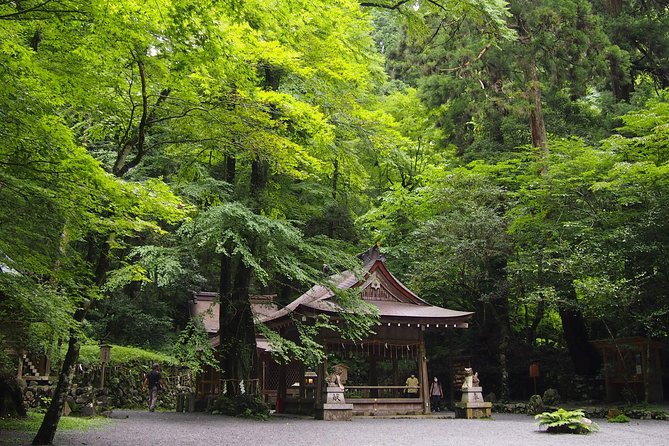
Yuki Shrine is a strong opening stop because its story reaches back to central Kyoto. It was built there before being moved to Kurama in 940 AD, reportedly to protect the area from mysterious evil. The shrine’s setting gives that old tale some atmosphere: this is not a city compound surrounded by modern buildings, but a mountain sanctuary approached through woodland.
You spend about 20 minutes here, with admission included. Look for the approximately 800-year-old cedar tree, one of the most memorable natural features on the route. Your guide can give the shrine’s legends a human shape, explaining how local worship, protection, and the surrounding forest fit together.
Twenty minutes is enough for an introduction, photographs, and a short explanation, but not a long, quiet visit. If you prefer to linger at every shrine, the fixed eight-hour schedule may feel brisk. The advantage is that the day covers several distinct sites rather than spending all morning at one place.
The forest climb toward Kurama-dera
From Yuki Shrine, the route continues through the forest on a walk of roughly 25 minutes toward Kurama-dera. This section is one of the main reasons to book a guide rather than simply ride out to Kurama and wander.
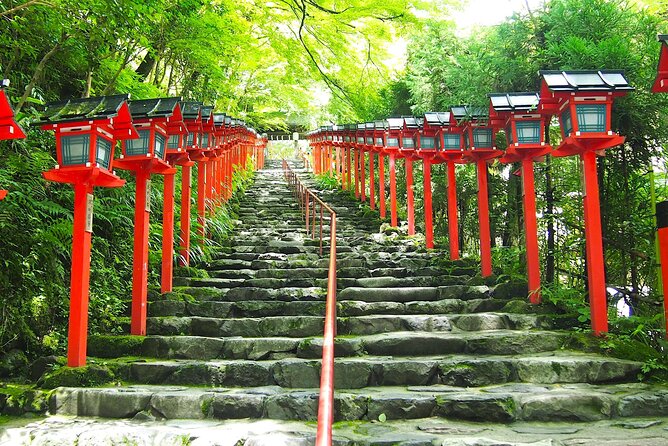
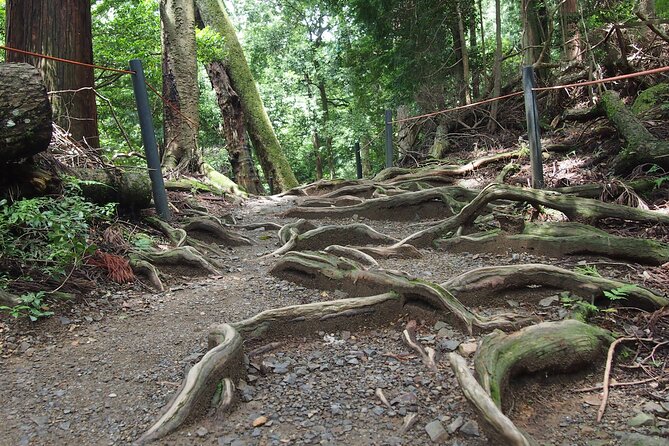
The path is scenic, but you should not confuse scenic with effortless. Expect steps, slopes, and uneven surfaces. One visitor described the route as short but demanding because of the many stairs up and down. Another compared it to a stair workout, though frequent stops and the guide’s explanations made the effort manageable.
The trail’s beauty comes from the combination of trees and sacred sites. You are not simply walking from one attraction to another. The forest is part of the experience, and the pauses let you notice stone features, changing views, and the way the shrines sit within the mountain.
Wear shoes with a firm grip. A walking stick could help if you are unsure on uneven ground, though no equipment is specifically listed as included. If you have a knee problem, recent injury, or trouble with stairs, discuss your needs when booking. The private format gives the guide room to adapt, but it cannot remove the physical demands of the route.
Kurama-dera and the mountain’s spiritual stories
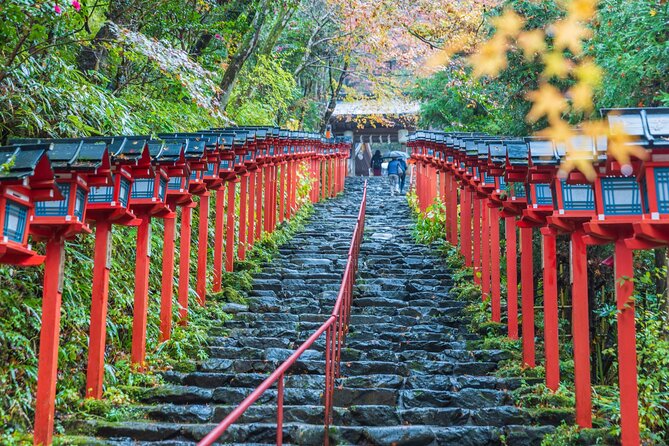
Kurama-dera, founded in the eighth century, is the major temple stop and receives about 45 minutes. Entrance is included, which keeps the day straightforward and avoids separate ticket queues or surprise admission costs.
The temple is associated with Mount Kurama’s spiritual importance, and the guide’s role is especially useful here. The day is not presented as a simple nature walk. You hear about Japanese religion, local customs, mountain worship, and the traditions connected with the sites you pass.
Mount Kurama is also known as the birthplace of Reiki, the holistic healing practice. The tour explains the story of Mikao Usui, Reiki’s founder, who is said to have meditated on the mountain for 21 days in the early twentieth century before receiving Reiki healing energy.
You do not need to share those beliefs to appreciate the setting. The value is in understanding how a mountain can function as a place of pilgrimage, meditation, folklore, and local identity. If you enjoy connecting scenery with cultural meaning, this part of the tour should be a highlight.
A few more Kyoto half-days worth comparing
- PERFECT KYOTO 1-Day Bus Tour
★ 5.0 · 13,518 reviews - Kyoto: Fushimi Inari, Kinkakuji, Bamboo Grove 1 Day Bus Tour
★ 4.8 · 4,316 reviews - Kyoto: Tea Ceremony in a Traditional Tea House in Kiyomizu
★ 4.9 · 3,519 reviews - Kyoto Geisha Walking Tour: Gion District & Hidden Gems
★ 4.7 · 3,273 reviews
Okunoin Maoden, the darker corner of the trail
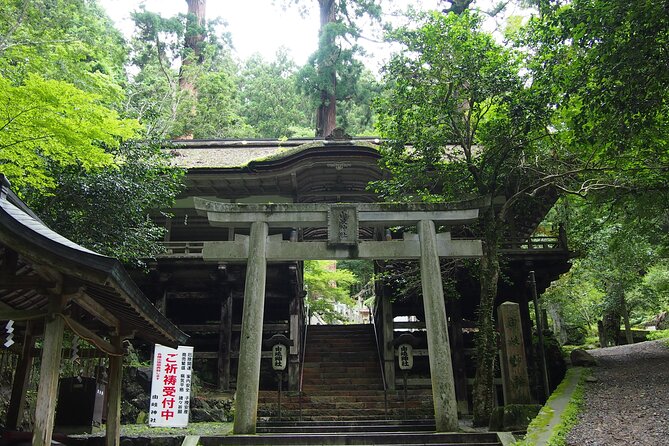
The stop at Okunoin Maoden is brief, about 10 minutes, but it changes the mood. Deep in the mountain, the temple is said to be a place where demons reign. That gives the site a mysterious character quite different from the more formal feel of Kurama-dera.
Ten minutes is not long, yet it works as a focused pause. Your guide can explain the legend, point out what makes the location distinctive, and help you understand why certain mountain places gather unusual stories.
Do not expect a large complex or a long independent visit. This is a compact stop within a walking route, not a stand-alone attraction. Its appeal comes from the setting and the tale attached to it.
Reaching Kifune Shrine and the water deity
The route then shifts from Kurama’s mountain spirituality to Kifune’s connection with water. Kifune Shrine is dedicated to the god of water and rain and has traditionally been a place for sailors to pray for safe and fortunate voyages.
You spend about 30 minutes at the shrine. There are places where you can drink fresh mountain water, adding a simple physical pleasure to the visit. After hours of walking, that moment should feel welcome.
Kifune is also a useful reminder that Japanese shrines often carry several meanings at once. This is a place tied to water, rain, travel, agriculture, and protection. Your guide can explain those connections while you take in the mountain setting.
The shrine may be one of the most accessible parts of the day, but it does not cancel out the earlier hike. You still need enough stamina for the full route, and the weather can affect the trail and the order of sightseeing.
The inner shrine and the boat legend
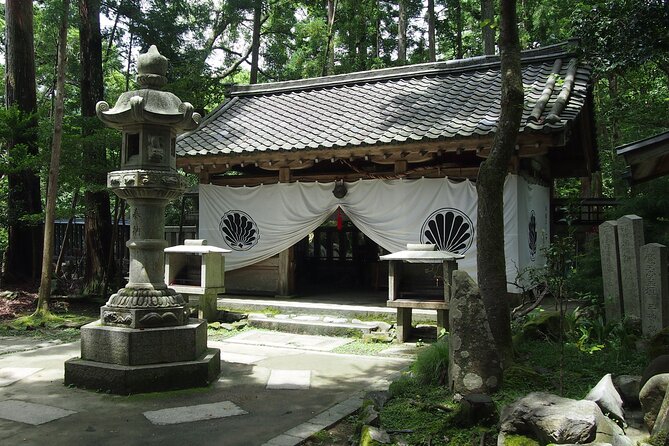
The final listed stop is the inner shrine of Kifune, visited for about 25 minutes. According to local legend, a goddess traveled from Osaka by boat up the river into these mountains. This inner shrine is said to house the boat she used.
That story gives the closing stop a fitting sense of place. Water, river travel, the goddess, and the surrounding mountain all connect in one legend. It is the sort of detail that can make a short visit memorable, especially when a guide explains the story rather than leaving you to read a sign and move on.
The six listed stops total a little over three hours of sightseeing time. The rest of the approximately eight-hour day allows for walking between sites, transfers, pauses, and lunch. Do not expect eight hours of continuous hiking. At the same time, do not expect a bus tour with only short walks. The walking is central to the experience.
What the private guide adds
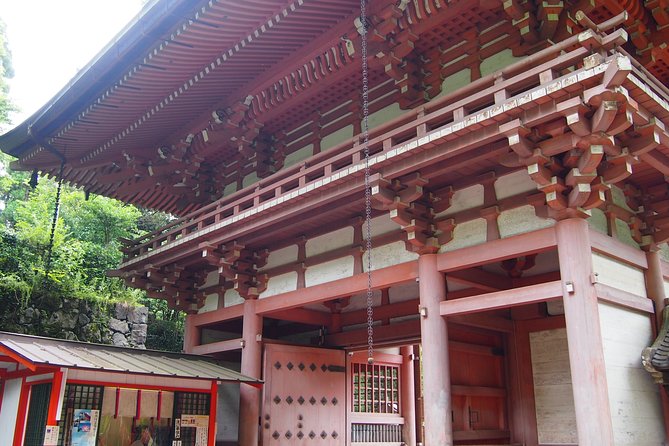
The guide is the strongest feature of this tour. Names associated with the experience include Mariko, Ryoma, Yuki, Etsuko, Miyo, Akira, Miki, Akari, Mizuho, Michiko, and Yoji. The important point is not which individual you receive, since assignments can vary, but the kind of help the private format allows.
Guides have explained history, religion, food, daily life, and local customs in English. Some have helped guests with injuries or adjusted the route after heavy rain. One guide suggested alternate cultural sightseeing when forest walking became unsafe. Another found a cherry tree in bloom for a guest who hoped to see one.
That flexibility is valuable, but weather still rules the mountain. The experience requires good weather, and poor conditions may lead to a different date or a full refund. In rain, you may still visit easier-access shrines, but the forest section can be canceled for safety.
A private guide also lets you ask better questions. You can focus on Reiki, Japanese religious movements, shrine etiquette, local food, or the legends of the mountain. If you want only photographs and quiet walking, say so. If you want conversation all day, guides such as Yoji have been praised for keeping an engaging discussion going.
Price, lunch, and what you receive
At $191.60 per person, this is not a budget walk. The price makes more sense for a small private group that values hotel transfers, an English-speaking guide, included temple admission, and a full day outside central Kyoto.
The cost includes all fees and taxes, hotel pickup and drop-off in the stated service areas, Kurama-dera admission, photographs of participants, and the English-speaking guide. Lunch is not included. Private transportation by taxi, car, or bus is also listed as an extra, so confirm the transport plan before you book if you want a fully private vehicle.
For a couple or family, the value is strongest when you would otherwise spend time working out the route, transfers, temple tickets, and trail connections. Group discounts may improve the price for a larger party. If you are comfortable navigating rural Kyoto and walking independently, the premium may feel less appealing.
Who should book this mountain day
I would recommend it to you if you want nature and culture in the same outing, especially if you have already seen Kyoto’s central temples. It is also a good choice if you prefer a private pace, want explanations in English, or feel uneasy navigating a mountain route alone.
Older walkers can manage it if they have moderate fitness and can handle stairs. The reports of successful slower-paced walks are encouraging, but you should be honest about your ability. This is not a flat park stroll.
Families and friends may enjoy the private setup because you can discuss your interests and take breaks without worrying about a busload of strangers. Solo visitors may also value the company and navigation help, though the price per person is harder to justify.
You should think twice if you dislike stairs, have limited mobility, or want a relaxed sightseeing day with minimal walking. Wet weather can also change the experience, even when the guide works hard to keep the day worthwhile.
Should you book the Kurama and Kifune hike?
Book it if the idea of cedar forests, mountain legends, shrines, Reiki lore, and a private English-speaking guide sounds better than another day in central Kyoto. The tour’s strongest points are its personal pacing, cultural explanation, and access to a side of Kyoto that is difficult to arrange without planning.
Skip it if you want a gentle stroll or a low-cost independent outing. At $191.60, the value depends on using the guide, the pickup service, and the carefully linked route. For the right walker, it is a rewarding mountain day. For anyone unprepared for stairs, it can feel like too much work.
Free cancellation is available up to 24 hours before the 9:00 a.m. start time. Cancellations or changes inside that window are not refunded, so check the weather and your group’s fitness before the deadline.
FAQ
How long does the Kurama and Kifune tour last?
The experience lasts approximately eight hours and starts at 9:00 a.m.
Is hotel pickup included?
Yes. Hotel pickup and drop-off are included for the Kyoto urban area and the Kurama area.
Is this a private tour?
Yes. Only your group participates in the activity.
Are temple admission fees included?
Yes. Admission to Kurama-dera and the listed shrine and temple visits is included.
Is lunch included in the price?
No. Lunch is not included, so you should budget separately for a meal.
What level of fitness is required?
A moderate level of fitness is recommended. The route includes many stairs, uphill and downhill walking, and uneven surfaces.
Just added around Kyoto
- Sekka Cotton Furoshiki Class★ 5.0 · 19 reviews
- Secret Eastern Kyoto Biking Adventure★ 5.0 · 44 reviews
- Kyoto Sword Experience – includes Museum Ticket/Ninja Experience★ 4.5 · 149 reviews
- Scenic Green Tea Fields of Hidden Kyoto & Local Tea Exp (Private)★ 5.0 · 32 reviews
- Private Sake Tasting in Central Kyoto with Sake Sommelier★ 5.0 · 32 reviews
- Samurai School in Kyoto: Samurai for a Day★ 5.0 · 202 reviews
- SHIRAKAWA Japanese Culture Experiences with private English staff★ 5.0 · 16 reviews
- A Privately Guided Photoshoot in Beautiful Kyoto by a Pro★ 5.0 · 18 reviews
Hiking & Trekking, compared.
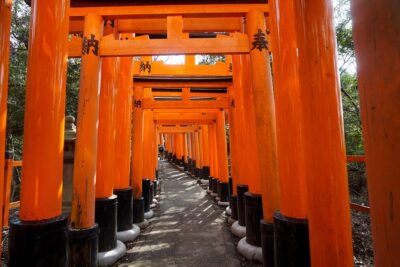
Fushimi Inari Hidden Hiking Tour (Private Option Available)
Our verdict →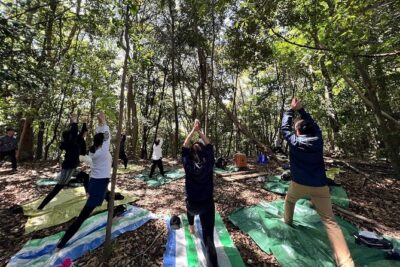
Hiroshima Local guided Hiking Tour&Open-air Tea Ceremony
Our verdict →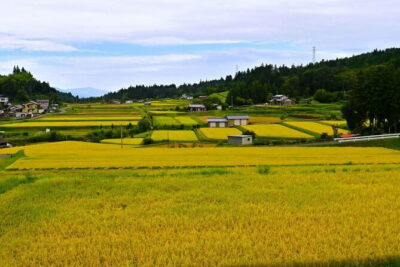
Hiking the Historic Nakasendo Trail [1 Day Tour from Nagoya]
Our verdict →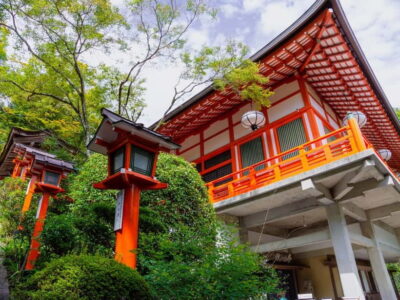
Traverse Outer Rim of Hakone Caldera and Enjoy Onsen Hiking Tour
Our verdict →

3hours Primeval Forest and Stunning Views of Cliff Trekking Tour
Our verdict →Browse the lists this tour appears in