
Reviewed · WALKING TOURS
Buddha, Bamboo & Zen – Bespoke Kamakura Private Walking Tours
Kamakura gives you a welcome change from Tokyo’s bright signs and packed streets. This private walk links the Great Buddha, quiet temples, a bamboo grove, and Japan’s most important Shinto shrine in one day. Guide Brad makes the day personal, adjusting the route when your group needs a rest, a meal, or simply fewer temples.
I especially like the flexible pace and the mix of Buddhist and Shinto sights. You can also ask about samurai history, Zen, man-made yagura caves, or a short historic hike. The main drawback is cost: $355.80 is reasonable for a group of six, but much less attractive for one or two people once admission fees, transport, and food are added.
Key points to know before booking
- Private for up to six people: You spend the day with only your own family or friends.
- Brad shapes the route: He can follow your plan or guide you to his favorite Kamakura spots.
- Five major stops: The day includes Kotoku-in, Hasedera, Hokoku-ji, Komachi Street, and Tsurugaoka Hachimangu.
- Expect about two hours of movement: Walking, train and bus rides, rest stops, and food breaks are built into the day.
- Bring cash: Allow about ¥2,000 for temple tickets and public transportation, plus money for lunch, drinks, and matcha.
- Good for temple fatigue: The day can end when you feel satisfied, rather than forcing every possible sight.
Why Kamakura works so well as a day away from Tokyo
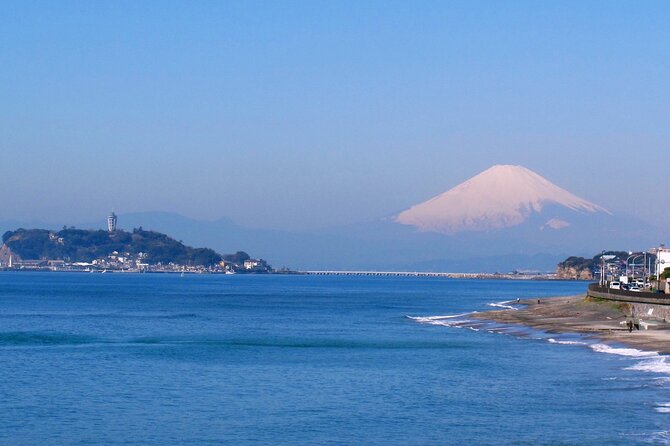
Kamakura is close enough to visit from Tokyo but feels like a different Japan. Its appeal comes from contrast: a coastal town with old religious sites, narrow streets, wooded hills, and reminders of the samurai era. You get grand monuments, small temple details, shopping, and food without having to build the day yourself.
This is not a rushed checklist tour. The advertised duration is about six hours, though the day can run longer depending on your pace and breaks. The guide has allowed about two hours for getting between sights by foot, train, and bus. That matters because Kamakura’s attractions are spread across town rather than gathered around one station.
The private format is the strongest part of the experience. If your group wants to linger at the Great Buddha, stop for lunch, or skip another temple, you can say so. If you have already seen several temples in Japan, Brad can reduce the religious sightseeing and add more local history, shopping, or a short walk through an old pass when suitable.
You meet at Kamakura Station’s East Exit and finish back at the same meeting point. That makes the day easy to fit around a train journey, though you should leave enough time before any evening plans. The experience is listed for Wednesdays from 8:00 a.m. to 5:00 p.m., so check the available date and start time before booking.
More Walking Tours in Kamakura
- Kamakura Historical Walking Tour with the Great Buddha
★ 5.0 · 129 reviews - Kamakura Walking Tour – The City of Shogun
★ 5.0 · 100 reviews - Kamakura 8 hr Private Walking Tour with Licensed Guide from Tokyo
★ 5.0 · 80 reviews
The Great Buddha at Kotoku-in
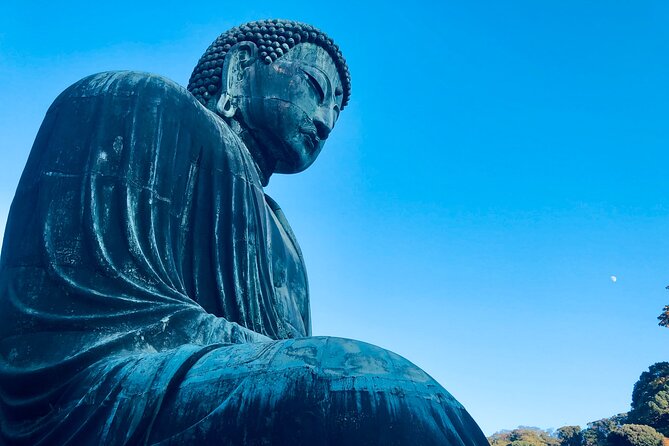
Kotoku-in is the natural opening because its bronze Buddha is Kamakura’s most famous sight. The statue rises 13.35 meters and has the calm, spare presence that makes it worth seeing even if you have visited many Buddhist temples.
You will learn that the figure was first carved in wood before being cast in bronze. That detail helps you see the statue not just as a large religious object, but as a major piece of craftsmanship and religious history.
Plan about an hour here. The entrance ticket is not included, and admission is ¥300 per person. The stop is fairly focused, so it gives you a strong first impression without consuming the whole morning.
The guide’s role matters here. A large statue can become a quick photo stop unless someone explains what you are seeing and places Kamakura within Japan’s samurai-era story. Brad’s approach, based on the way he structures the day, is to add context without burying you in facts.
Hasedera’s gardens and Eleven-headed Kannon
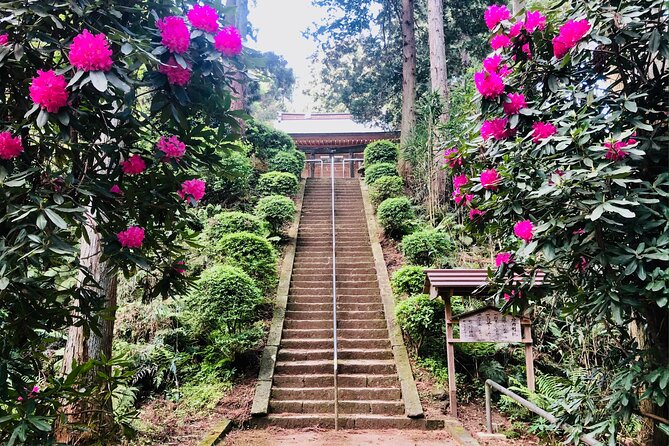
Hasedera changes the mood. Instead of one dominant monument, you get a temple compound with gardens, flowers, and a major wooden Buddhist image. The central religious object is the 9.18-meter Eleven-headed Kannon, said to have been carved in 721.
The gardens are a good reason to keep this stop even if you are beginning to tire of temple architecture. Flowers bloom at different times of year, and the grounds offer a slower, more scenic break after Kotoku-in. A hydrangea path is one of the temple’s noted features, though the display naturally depends on the season.
Allow around 45 minutes. Admission is ¥400 per person. That short visit suits a group that wants variety rather than an hour at every religious site, but it may feel brief if you want to examine the gardens closely or spend time with the Kannon image.
This is one place where a private guide can help you choose. You can ask Brad to focus on the gardens, the statue, religious customs, or the connection between Buddhist practice and Kamakura’s warrior past. The tour is designed for that kind of adjustment.
Hokoku-ji, Kamakura’s bamboo temple
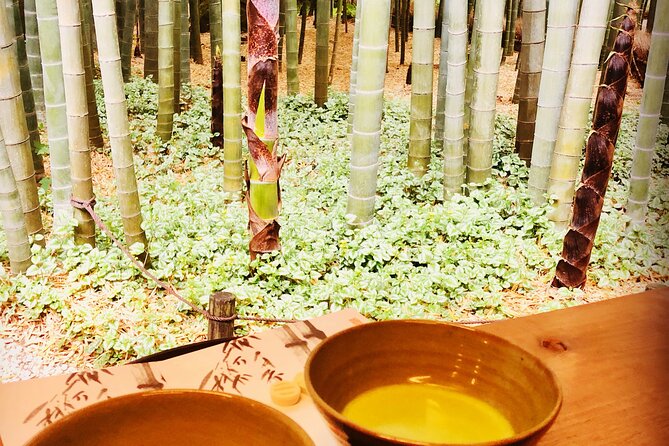
Hokoku-ji is the quiet visual change many people want after large monuments. The temple is associated with Rinzai Zen Buddhism and was founded in 1334. Its bamboo grove contains about 2,000 moso bamboo plants, creating a narrow green corridor that feels far removed from Tokyo.
The grove is compact, so do not expect a full-day forest walk. Its value is in the atmosphere and the contrast with the Great Buddha and Hasedera. You can also enjoy matcha green tea here, adding a simple pause to the visit.
The bamboo garden costs ¥600 per person. Matcha and other food or drinks are extra. That means you should carry cash and decide whether the tea break is part of your budget.
You will have about an hour at Hokoku-ji, including the bamboo grove and time for tea. It is a popular stop, so the private format does not mean you have the place to yourself. What it does give you is control over how long you stay and whether tea fits your group’s mood.
Same trip, a completely different kind of day:
- Tokyo: Kamakura & Enoshima Day Trip including Temple Tickets
★ 4.5 · 1,375 reviews - From Tokyo: Kamakura & Enoshima 1-Day Bus Tour
★ 4.5 · 189 reviews - Kamakura Private Tour: Temples, Nature, and the Great Buddha
★ 5.0 · 121 reviews - Tokyo: Kamakura & Enoshima Day Tour with Pickup & Train Ride
★ 4.1 · 61 reviews
Komachi Street for food, shopping, and a reset
Komachi Street is Kamakura’s main pedestrian shopping street. This is the least formal stop and a useful break from temple grounds. You can explore side lanes, browse shops, and choose from a range of dining options.
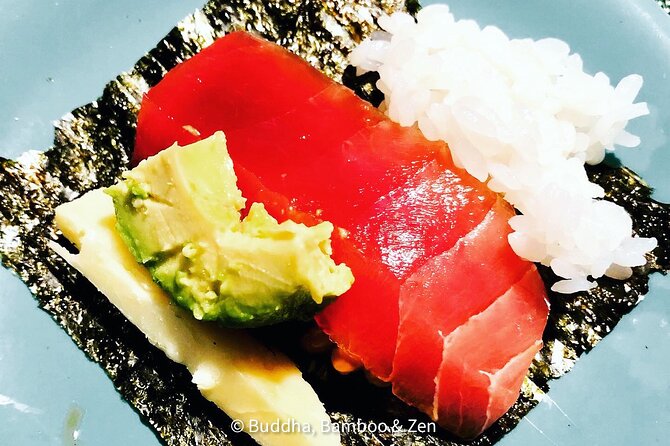
Lunch is not included, which is both a cost and an advantage. You pay for your own meal, but you also avoid being locked into a restaurant chosen for a large group. Tell Brad what kind of food or pace suits you, and the day can bend around that break.
I like the way Komachi fits into the schedule because it gives you room to breathe. Six hours of religious sites can become tiring, especially for children or anyone dealing with jet lag. A meal, snack, or bit of shopping can restore your energy before the final shrine.
Do not think of this as a formal food tour. The information provided promises dining choices, not a set tasting menu or a particular restaurant. Bring extra yen for lunch, drinks, snacks, and any matcha you want along the way.
Tsurugaoka Hachimangu and Kamakura’s warrior past
Tsurugaoka Hachimangu is Kamakura’s most important Shinto shrine. It was established in 1063 and is dedicated to Hachiman, the tutelary deity of warriors. Its presence adds a needed Shinto counterpart to the Buddhist temples earlier in the day.
The approach to the shrine is part of the experience. You move from the town toward a major religious center tied to the rise of the samurai government in Kamakura. This is where the guide’s history storytelling can make the itinerary feel connected rather than like five unrelated stops.
Admission to the shrine is free. You should still allow about an hour, since the approach and grounds deserve more than a quick photograph. The scale is different from the intimate bamboo garden, and the shrine gives the day a strong final chapter.
Because this is a Shinto site, it also helps you notice the difference between Buddhist temples and Shinto shrines. Brad can explain those distinctions in plain language, which is useful if you are seeing both traditions for the first time.
The personal route is the real feature
The named stops provide a solid framework, but the tour’s best quality is the ability to change course. You can share your preferred itinerary in advance, or let Brad select places he considers worthwhile. The overview also includes yagura, man-made caves used as burial and memorial spaces, as well as samurai history and Zen.
These additions are not presented as guaranteed stops on every departure, so ask about them when you book. The same is true of any short hike through a historic pass. One group may want more walking and old pathways, while another may prefer gardens, food, and shopping.
Brad is described as a charismatic Australian native English-speaking local guide. That combination can be useful in Japan, especially when you want cultural explanations in natural English and practical help with transport. One particularly useful service mentioned in the feedback is help with Suica cards and finding additional cash, which can remove small but annoying problems at the start of your trip.
The tone of the day is friendly rather than rigid. Past guests received help with logistics before the tour, and the guide has adjusted time for lunch, shopping, rest, and personal interests. That is a better fit for families and mixed-age groups than a fixed schedule with no room to pause.
Walking, trains, buses, and the cost of the day
The advertised price is $355.80 per group of up to six. For six people, that is about $59 per person before entrance tickets, transportation, and food. For two people, the same private price is about $178 per person, so the value depends heavily on group size.
Additional costs include:
- Kotoku-in: ¥300 per person
- Hasedera: ¥400 per person
- Hokoku-ji: ¥600 per person
- Public transportation: ¥840 per person
- Lunch, snacks, drinks, and matcha
The three listed temple fees total ¥1,300 per person. Adding the stated transport cost brings the basic extra cost to ¥2,140 per person, before food. The practical advice is to bring at least ¥2,000 for temple tickets and transport, then add more for meals and drinks.
The tour includes guiding services only. That is normal for a private walking tour, but it is important to understand before booking. You are paying for Brad’s time, local judgment, historical explanation, and flexibility, not for an all-inclusive package.
The two hours allocated to movement also tell you what kind of day this is. You will not simply walk from one neighboring temple to the next. You may use trains and buses, and you will spend time moving between districts. Wear comfortable shoes and expect a full day with regular stops.
Who will get the most from this Kamakura tour
I would choose this experience if you want Kamakura explained rather than simply photographed. It suits families, couples, and friend groups who prefer a private guide and want the freedom to change the rhythm during the day.
It is especially useful for:
- First-time visitors to Kamakura
- Groups with different levels of interest in temples
- Families who need meal and rest breaks
- People who want Buddhist and Shinto sites in one outing
- Visitors curious about samurai history and Zen
- Anyone who wants help with trains, buses, Suica cards, and local cash
You may want a different option if you prefer a low-cost self-guided day, dislike walking and public transport, or want an organized lunch and all entrance fees included. The price is also harder to justify for solo visitors or a couple unless the private format is a top priority.
The tour is private, and most people can participate. Service animals are allowed, and the meeting point is near public transportation. The provided details do not promise wheelchair access or a fully step-free route, so ask before booking if mobility is a concern.
Weather, cancellation, and timing
This experience requires good weather. If poor weather forces cancellation, you are offered another date or a full refund. You can cancel for a full refund up to 24 hours before the start time, but changes or cancellations inside that window are not accepted.
That policy makes it sensible to keep the day flexible when planning your Kamakura visit. Since the tour includes walking and outdoor temple grounds, a wet day could affect the comfort of the experience even if the tour still operates.
Should you book Buddha, Bamboo & Zen?
Book it if you want a private, flexible Kamakura day with a guide who can connect temples, shrines, samurai history, food breaks, and local transport. The strongest value comes when you have four to six people sharing the cost and when you care about pacing more than saving every yen.
Think twice if you want a bargain tour, a fixed all-inclusive price, or a short sightseeing loop with no transfers. You will pay admission and food separately, and the day involves real movement.
For most groups, the appeal is simple: Brad can help you see Kamakura without turning it into a race. You get the Great Buddha and bamboo grove, but also time to stop, ask questions, eat, shop, and call it a day when you have had enough temples. That balance is what makes this a sensible choice for a full day away from Tokyo.
FAQ
How long does the Buddha, Bamboo & Zen tour last?
The tour lasts approximately six hours. About two hours are allocated for walking, train and bus travel, rest periods, and food or drink breaks.
Where does the tour start and end?
The tour starts at Kamakura Station’s East Exit, at 1 Chome-1 Komachi. It ends back at the meeting point.
Is this a private tour?
Yes. Only your own group participates, with up to six people included in the group price.
Who is the guide?
The guide is Brad, an Australian native English-speaking local guide.
What sights are included?
The planned stops are Kotoku-in and the Great Buddha, Hasedera Temple, Hokoku-ji Bamboo Grove, Komachi Street, and Tsurugaoka Hachimangu Shrine.
Are entrance fees included?
No. The temple admission fees are paid separately. The listed prices are ¥300 for Kotoku-in, ¥400 for Hasedera, and ¥600 for Hokoku-ji.
Is lunch included?
No. Lunch, snacks, drinks, and matcha green tea are not included and must be paid for separately.
What is the cancellation policy?
You can cancel up to 24 hours before the start time for a full refund. If poor weather causes the provider to cancel, you are offered a different date or a full refund.
Just added around Kamakura
- First time in Kamakura? Enjoy a Tour of All Must-sees!★ 5.0 · 15 reviews
- Kamakura Tours Half Day or Full Day Tours with a local guide.★ 5.0 · 12 reviews
- Your Own HANKO Name Seal Activity in Kamakura.★ 5.0 · 24 reviews
- Exciting Kamakura – One Day Tour from Tokyo★ 5.0 · 40 reviews
- Kamakura Bamboo Forest and Great Buddha Private Tour★ 5.0 · 12 reviews
- Tokyo Yokohama Night View Tour With Kamakura And Enoshima★ 3.5 · 14 reviews
- Tokyo: Day Trip to Kamakura in Spanish – Spanish★ 4.9 · 22 reviews
- Kamakura Temples Private Guided Tour from Tokyo★ 4.8 · 21 reviews
Walking Tours, compared.
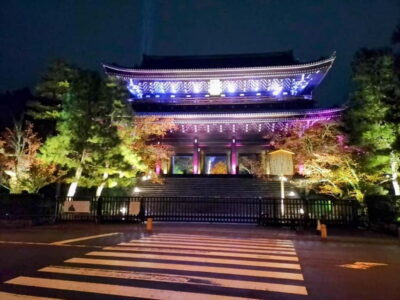
Kyoto Geisha Walking Tour: Gion District & Hidden Gems
Our verdict →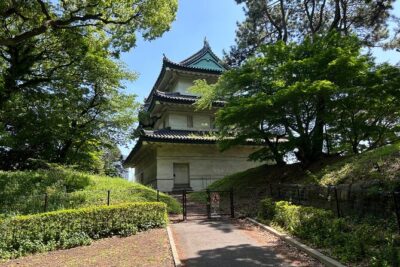
Imperial Palace and Shogun Historical Walking Tour
Our verdict →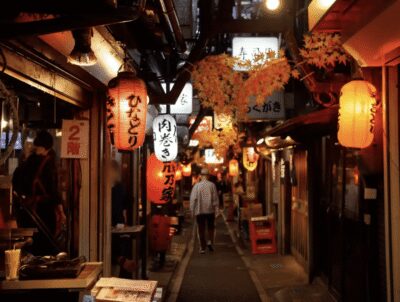
Shinjuku Local Bar and Izakaya Guided Walking Tour
Our verdict →
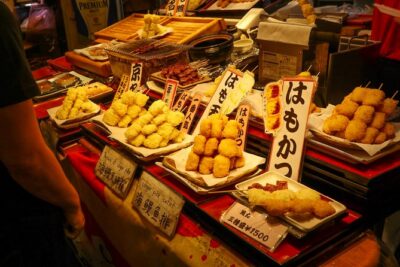
Nishiki Market Brunch Walking Tour (7 Tastings + Brunch)
Our verdict →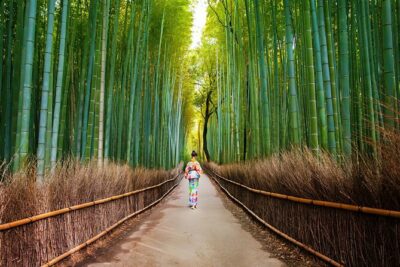
Kyoto Arashiyama Walking Tour: Bamboo, Monkeys, Gardens & Secrets
Our verdict →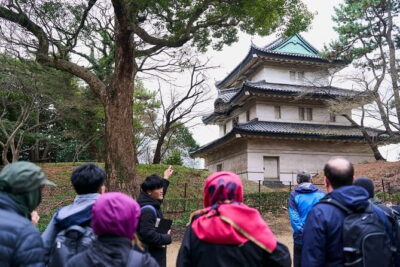
Tokyo Castle & Imperial PalaceーShogun Walking Tour
Our verdict →Browse the lists this tour appears in