
Reviewed · TRADITIONAL CRAFTS
Hiroshima:Private lacquer workshop experience tour(gift included)
Hiroshima’s lacquer tradition comes alive in a working studio, where artist Naoya Takayama connects Buddhist altar craftsmanship with tableware for daily use. You’ll hear how the craft developed, see the fine surface created by natural lacquer, and try part of the painting process yourself.
I like the small group, capped at six, and the chance to learn directly in an artist’s studio rather than simply admire finished pieces. I also like the included handmade gift, which gives you a lasting reminder of the lesson. The possible drawback is the price: at $287.41 per person for about two hours, this is a specialist workshop, not a low-cost sightseeing stop.
Key points at a glance
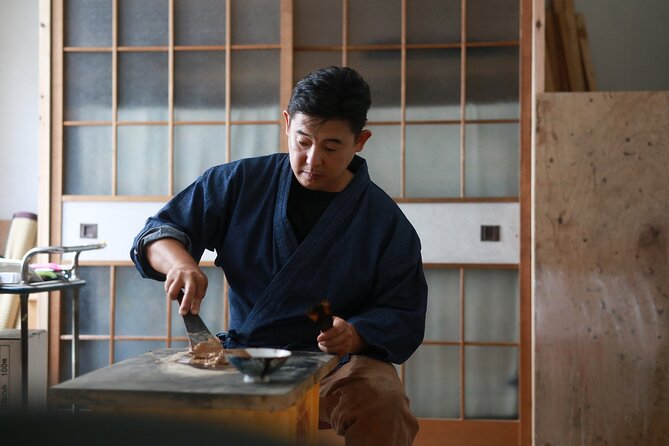
- Learn from a Hiroshima lacquer artist: Naoya Takayama teaches the craft and presents work shaped by Kyoto lacquer techniques and Hiroshima Buddhist altar traditions.
- See traditional work in a modern setting: The workshop explains how lacquer skills are being adapted for tableware used in everyday life.
- Try lacquer painting yourself: This is not just a demonstration. You get hands-on time with the craft.
- Small group size: The maximum is six people, allowing a more personal studio visit.
- Take home an instructor-made gift: The experience includes a work made by the instructor.
- Convenient Hiroshima location: The meeting point is at 2-17 Horikawachō, Naka Ward, near public transportation.
Meeting Naoya Takayama in Hiroshima
The heart of this experience is the artist himself. Naoya Takayama trained in the traditional techniques of Kyoto lacquer painting, then developed his own approach by adding the roiro, or wax color, technique. His work keeps the discipline of old craft while looking for useful forms that fit modern life.
That balance matters. Japanese lacquerware can seem distant when you see it behind glass or in a formal museum display. Here, the subject is tied to objects people actually use. The workshop shows how a skill once closely linked to Hiroshima Buddhist altars can be carried into bowls, dishes, and other tableware.
You’ll also hear about Kiyoshi Takayama, whose traditional techniques helped shape the workshop’s craft background. The experience gives you a clear sense that this is not a hobby class built around a fashionable material. It is connected to a family and studio tradition, while also facing the practical problem of keeping old skills alive.
The setting is at the meeting point on Horikawachō in Hiroshima’s Naka Ward. Since the location is near public transportation, it can fit neatly into a day of sightseeing in central Hiroshima. The activity ends where it begins, so you do not need to plan a separate return transfer.
More Craft Workshops in Hiroshima:
- Calligraphy Workshop at Traditional Folk Craft Shop in Hiroshima
★ 5.0 · 26 reviews - Tokyo Sumo Experience: Chanko & Mochi with a Former Pro
★ 4.8 · 567 reviews - Kintsugi Experience: Art of Golden Joinery in Tokyo
★ 5.0 · 467 reviews
What the two-hour workshop covers
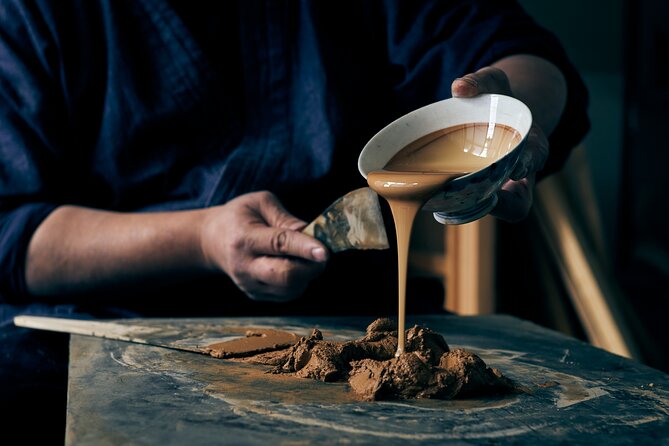
The session begins with the story behind Hiroshima Buddhist altar craftsmanship. This introduction gives the techniques a purpose. You learn why certain surfaces, layers, and finishing methods matter before attempting any work yourself.
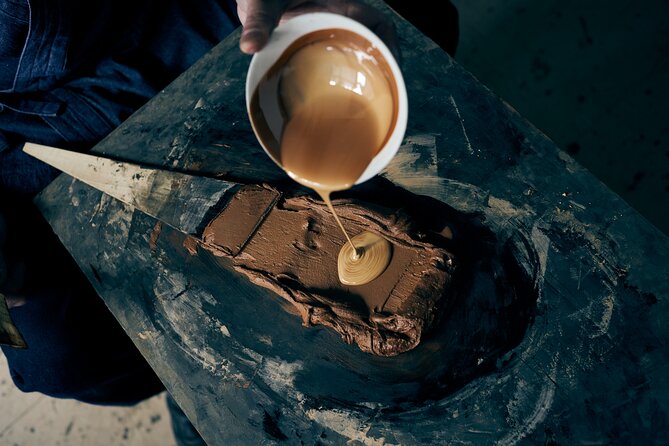
Expect an explanation of the materials and process rather than a quick craft demonstration. Natural materials are used in the lacquerware made for everyday use, and the finish has a refined texture that changes with careful application. The point is not simply to put color on an object. It is to understand the patience and control needed to make lacquer look smooth, deep, and durable.
The next part deals with the present condition of traditional crafts. Many old techniques are in decline because they take time, require training, and compete with inexpensive factory-made goods. That discussion adds useful context to the hands-on portion. You see why workshops like this matter, not as replacements for formal craft training, but as one way to introduce the work to people who may otherwise never encounter it.
You’ll then be shown examples of Naoya Takayama’s award-winning lacquer work. His pieces were selected as gifts at the G7 Summit, a detail that helps explain the level of finish expected from the studio. It also gives you a chance to compare polished professional work with the simpler piece you create during the class.
The final major section is the lacquer painting activity. You will get to try some of the techniques under instruction. The available details do not specify the exact object, design, or number of painting steps, so do not book this expecting a full apprenticeship in two hours. Think of it as a focused introduction, with enough practical work to make the craft more understandable.
Why the hands-on part matters
Watching an artisan work can be fascinating, but the lesson becomes more memorable when your own hand has to manage the material. Even a small attempt shows why lacquer work demands control. A surface that looks simple may depend on careful preparation, steady application, and repeated finishing.
You are not left with only a lecture. The studio staff welcomes you into the process, and the instruction allows you to try techniques yourself. That is especially useful if you have little background in Japanese craft. You can ask questions as the work is explained, then see how the idea changes when you attempt it.
Guide support is another practical strength. One participant specifically praised Michi for being kind and professional. Her role appears to help bridge the explanation, the artist’s instruction, and the needs of international visitors. That can make a difference in a craft setting, where technical terms and subtle distinctions may otherwise be difficult to follow.
Still, you should keep your expectations realistic. The session lasts about two hours, and the aim is exposure plus guided practice. You are learning the character of lacquer painting, not producing a museum-quality piece under master-level conditions.
Hiroshima Buddhist altar craft in a new form
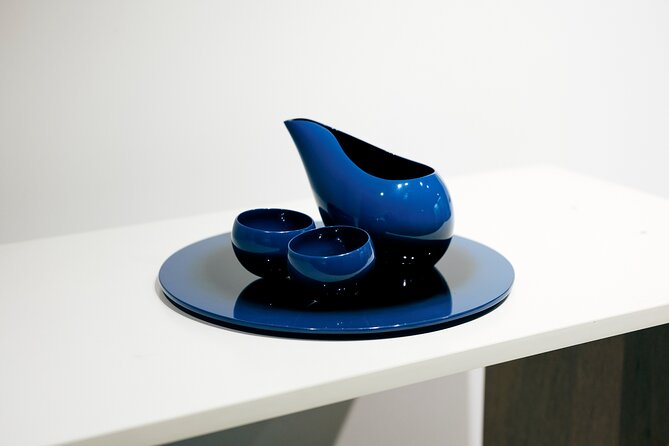
This workshop is useful because it treats tradition as something still in motion. The craft began in a religious setting, with highly skilled work made for Buddhist altars. Naoya Takayama’s approach carries those techniques into objects that can be part of ordinary home life.
That shift raises an important question: how can a traditional craft survive if it is used only for special commissions? The studio’s answer is to keep the technique while changing the setting. Tableware gives lacquer work a place in daily routines, where the texture and care can be appreciated regularly.
You’ll also learn about the tension between preservation and change. If a craft never adapts, it may lose its audience. If it changes too much, its original character may disappear. The workshop presents this issue through the artist’s own work, rather than through a broad lecture about Japanese culture.
I find that approach more useful than a simple explanation of dates and labels. You leave with a better idea of why traditional craft can be both old and contemporary at the same time.
A few more Hiroshima half-days worth comparing
- Peaceful Hiroshima & Miyajima UNESCO 1 Day Bus Tour
★ 5.0 · 5,309 reviews - Hiroshima: Hiroshima and Miyajima UNESCO Sites 1-Day Tour
★ 4.9 · 2,330 reviews - Hiroshima / Miyajima Full-day Private Tour with Government Licensed Guide
★ 5.0 · 1,298 reviews - Osaka/Kyoto: Hiroshima Miyajima Bus Tour & Shinkansen Ticket
★ 4.7 · 919 reviews
The G7 connection and the quality of the work
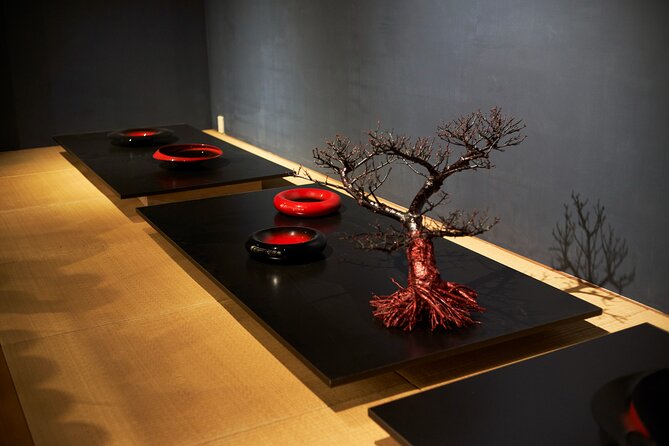
Naoya Takayama’s work was selected as a gift at the G7 Summit. That detail gives the workshop a notable connection to international diplomacy, but the more important point is what it suggests about the standard of the pieces.
You will see the difference between a beginner’s painted work and the finish produced by a trained artisan. Look closely at the surface, color, and precision as the instructor explains the process. The demonstration helps you understand why lacquerware can command a high price and why the craft cannot be rushed.
The G7 connection should not be treated as the entire reason to book. It is a useful marker of recognition, but this experience is primarily about seeing the technique up close and trying it. If you care about art, design, or Japanese material culture, the professional work adds depth to the lesson. If you simply want a quick souvenir, the workshop may feel more involved than necessary.
The included handmade gift
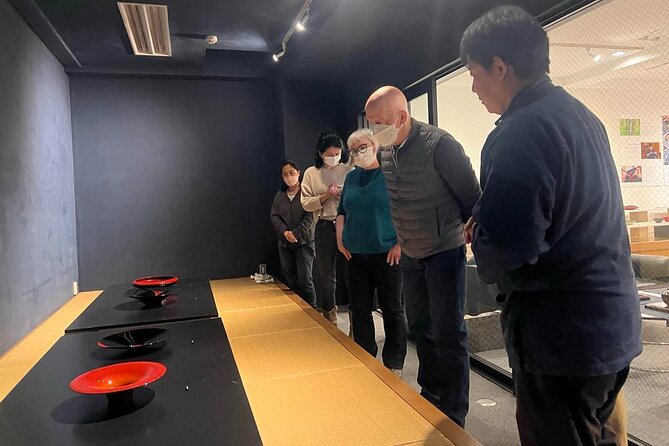
You receive a gift made by the instructor. This is a meaningful feature because it lets you take home a finished example created by someone with years of training, rather than only the piece you work on during the class.
The gift also helps you remember the difference between an introduction and professional lacquer work. You can compare its surface and detail with your own result. That comparison is part of the value: it makes the skill visible.
The details do not identify the exact gift or its size, so I would not book based on a particular object. Instead, regard it as an added benefit that gives the workshop a physical conclusion. You leave with something made in the studio, along with the piece or experience produced during your practice.
Is $287.41 worth it for two hours?
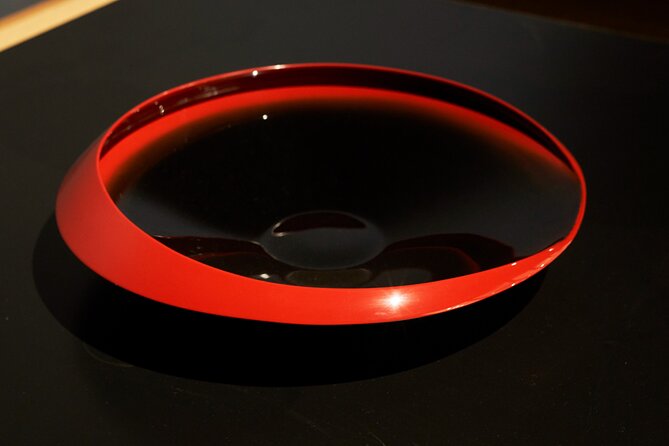
At $287.41 per person, this is expensive for a two-hour activity. It costs more than a standard museum visit, casual craft class, or ordinary guided walk. The price only makes sense if you place real value on direct access to a working artist, small-group instruction, professional examples, and the included handmade gift.
The maximum group size is six. That matters at this price because a crowded demonstration would reduce your chance to ask questions or receive help during the painting session. A small group also keeps the studio visit more personal, though the information provided does not promise private one-to-one instruction.
I would compare it with the cost of buying a high-quality lacquer object. You are paying not only for an item, but for the explanation of how it is made and the opportunity to handle the process yourself. For someone who collects Japanese craft, studies design, or wants a focused cultural activity in Hiroshima, that can be fair value.
For a family watching every yen, or for someone who wants broad sightseeing coverage, the price is harder to justify. This is a specialist experience. Its value rises sharply if you already care about art, traditional techniques, or handmade tableware.
Who should book this experience?
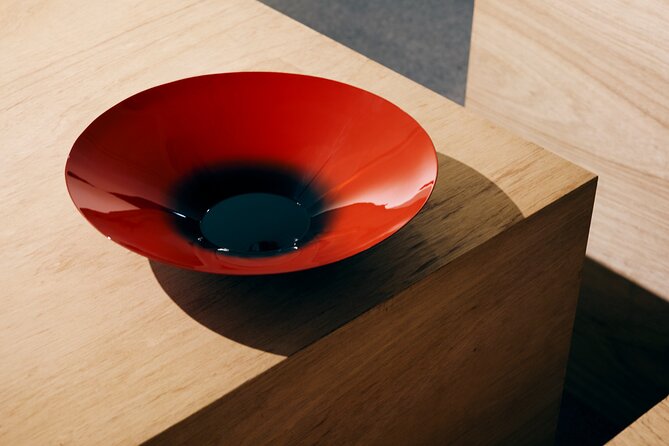
I would recommend it most strongly to people who prefer making and learning over simply taking photographs. Art students, design-minded visitors, craft collectors, and anyone curious about Japanese woodworking, finishing, or tableware should find plenty to consider.
It also suits a repeat visitor to Japan who has already seen major temples and memorial sites and wants a more focused look at local culture. Hiroshima is often visited through its most famous historical landmarks. This workshop adds a different side of the city, one built around skill, materials, and the survival of traditional work.
Couples and small groups of friends can also make good use of the format, especially if everyone is willing to listen carefully and try the technique. The six-person limit keeps the session from feeling like a large class.
I would hesitate to recommend it to very young children unless they have a strong interest in careful art activities. The supplied information says most people can participate, but it does not describe child-specific instruction or a particular age range. The workshop also may not suit anyone looking for a fast, casual stop with no explanation.
Practical details for planning your visit
The meeting point is 2-17 Horikawachō, Naka Ward, Hiroshima, 730-0033, Japan. The activity ends back at the same location. It is near public transportation, so you can plan it alongside other central Hiroshima stops without arranging a separate vehicle.
The duration is about two hours. Allow enough time to arrive before the start, since a late arrival could reduce your instruction time even though no specific late-arrival policy is provided. A mobile ticket is accepted, and confirmation is received when you book.
The group limit is six people, which is one of the most important practical details. If you want a quieter session with a better chance to interact with the artist and staff, choose a date that fits your plans rather than assuming you can drop in.
Free cancellation is available if you cancel at least 24 hours before the start time. Cancellations made less than 24 hours in advance are not refunded, and changes within that period are not accepted. The cut-off uses Hiroshima local time.
Should you book the Hiroshima lacquer workshop?
Book it if you want a serious, hands-on look at a Japanese craft and are comfortable paying a premium for a short, specialist session. The combination of Naoya Takayama’s instruction, a maximum group of six, hands-on lacquer painting, and an instructor-made gift gives the activity more substance than a simple studio visit.
Skip it if you want a budget activity, a long class, or a broad introduction to Hiroshima. Two hours will not teach you every stage of urushi lacquer work, and the exact project is not specified.
For the right person, this is a memorable way to connect Hiroshima’s Buddhist altar craftsmanship with modern tableware and the people working to keep the skill alive. The best reason to book is not the famous summit connection or the souvenir. It is the chance to see how much care is hidden inside an object that may look simple at first glance.
FAQ
Where does the lacquer workshop take place?
The meeting point is 2-17 Horikawachō, Naka Ward, Hiroshima, 730-0033, Japan.
How long does the activity last?
The workshop lasts approximately two hours.
Does the activity end at the same location?
Yes. The activity ends back at the meeting point.
Who leads the lacquer experience?
The experience is connected with Hiroshima artist Naoya Takayama. The instruction covers the work and techniques associated with the Takayama studio, including the traditional background linked to Kiyoshi Takayama. Guide Michi has also been praised for kind and professional assistance.
How many people can join?
The maximum group size is six people.
Is a gift included?
Yes. You receive a gift made by the instructor.
Is the workshop suitable for most people?
The activity information states that most people can participate.
Can I cancel for a full refund?
Yes, if you cancel at least 24 hours before the experience start time. Cancellations made less than 24 hours before the start time are not refunded, and changes during that period are not accepted.
Just added around Hiroshima
- Full Day Hiroshima and Miyajima Tour by Bullet Train from Kyoto★ 4.5 · 120 reviews
- Hiroshima Saijo Sake Tasting Tour with visit to 7 Breweries★ 5.0 · 104 reviews
- The Peace Memorial to Miyajima : Icons of Peace and Beauty★ 4.5 · 31 reviews
- Shore Excursion from Hiroshima Port : Private Tour in Hiroshima★ 5.0 · 17 reviews
- Okunoshima Rabbit Island Cycling Tour with Local Guide★ 4.5 · 17 reviews
- Hiroshima & Miyajima All-Inclusive Tour w/Licensed guide Pancho★ 5.0 · 54 reviews
- Private Full Day Hiroshima Tour★ 4.5 · 29 reviews
- Hiroshima Country Cycling: Explore Rural Life 1 HR from City★ 5.0 · 22 reviews
Traditional Crafts, compared.
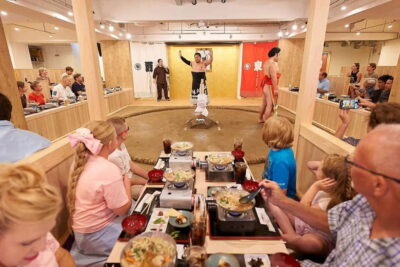
Tokyo Sumo Experience: Chanko & Mochi with a Former Pro
Our verdict →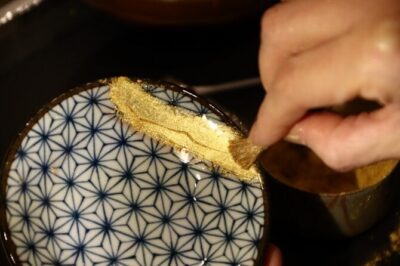
Kintsugi Experience: Art of Golden Joinery in Tokyo
Our verdict →

Matcha Making Experience with Mochi Sweets in Asakusa
Our verdict →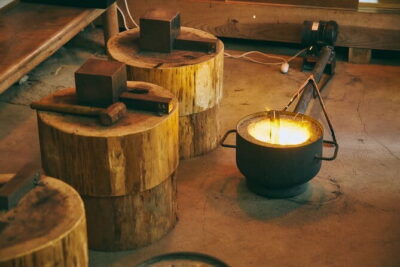
Authentic knife making experience at a blacksmith in Kyoto
Our verdict →
Roketsu dyeing experience: M course Roketsu Dyeing Experience
Our verdict →Browse the lists this tour appears in