
Reviewed · TEMPLES & SHRINES
Tokyo: Zen Meditation at a Private Temple with a Monk
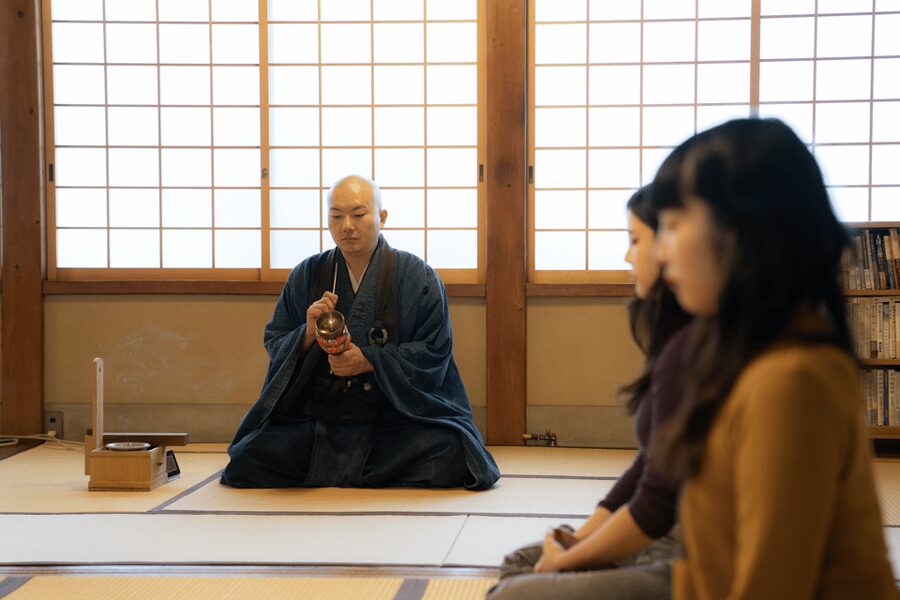
A small temple in Asakusa opens its doors for a 90-minute introduction to Zazen meditation, led by a resident monk. This is not a quick photo stop at Senso-ji. You sit on tatami, learn how Zen meditation works, and have a real conversation with the monk afterward. The temple has served as a home for three generations of monks and dates back more than 400 years.
I like two things right away: the intimate setting and the mix of activities. Meditation gives the visit its calm center, while calligraphy, matcha, sweets, and questions with the monk keep it from feeling like a formal lecture. The main consideration is that meditation time is fairly short, so this suits curious beginners more than anyone seeking a long retreat.
Key points to know before booking
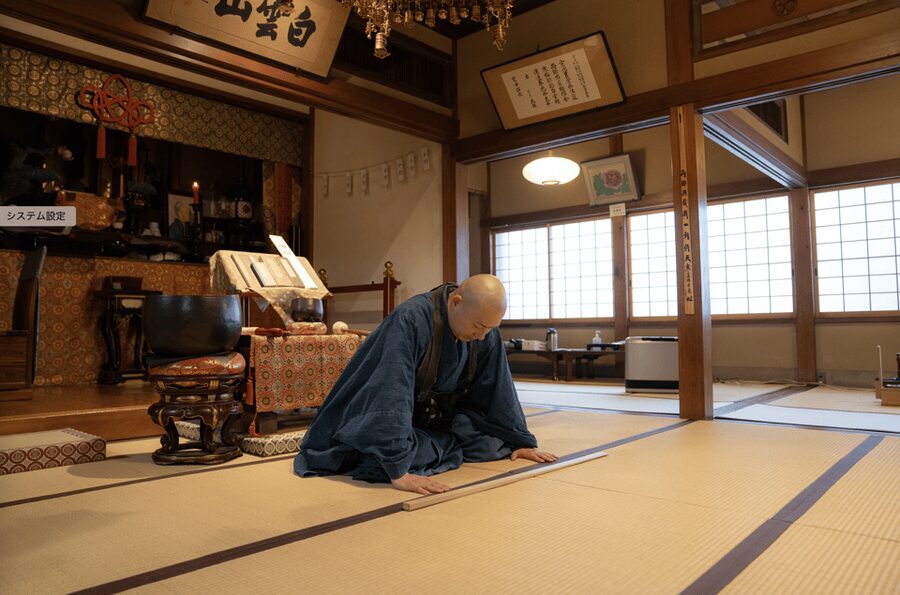
- A private Asakusa temple: You enter a temple that is not open to the general public, rather than simply viewing one from outside.
- A resident monk leads the core session: Namiki-san explains Zazen, guides the sitting practice, and answers questions about Zen and daily life.
- English support matters: Guides such as Tamami Shigenobu, Kazu, and Shota translate and explain the monk’s comments.
- More than meditation: Calligraphy, chanting, matcha, and traditional sweets are part of the experience.
- A useful length for a busy day: The advertised duration is 90 minutes, long enough to slow down without taking over your Tokyo itinerary.
- Meet carefully: The meeting point is the correct Family Mart near Tawaramachi Station, and there are two branches in the area.
Entering a 400-year-old temple in Asakusa
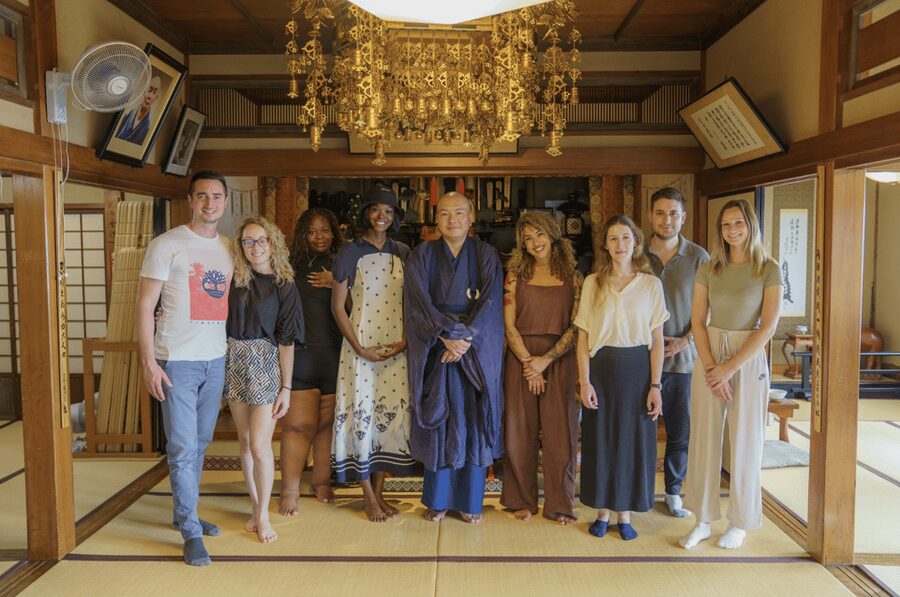
The meeting point is in front of a Family Mart in Asakusa, about two minutes from Tawaramachi Station on the Ginza Line. Take care here: there are two Family Mart branches in the area. The guide contacts you through WhatsApp, so download it before the activity and watch for the guide’s message.
From there, you enter a small private temple. Its long history is less about grand architecture and more about the feeling of entering a working religious space. This is a place connected to a family of monks, not a large sightseeing complex built for crowds. The quiet, the scent inside, and the tatami floor help mark a clear break from Tokyo’s traffic and shop signs.
Your English-speaking guide gives a short introduction to Japanese culture, Zen, and the temple. Tamami Shigenobu has received particular praise for clear translation and warm support, while Kazu and Shota have also guided sessions. The guide is important because the monk’s explanations are not simply translated word for word. They are placed in context so you can follow the ideas and ask useful questions.
The setting is intimate. Group size is not specified, so you should not assume a completely private one-to-one session, but the format is small enough for direct conversation with the monk. Photos and videos are allowed, including photographs inside the temple and with the monk, as long as you follow the guide’s instructions.
More Temple & Shrine Tours in Tokyo
- Tokyo: Meiji Shrine, Asakusa, Skytree Bus Tour and Cruise
★ 4.7 · 1,986 reviews - Tokyo: Asakusa Walking Tour with Sensoji Temple Visit
★ 4.8 · 1,583 reviews - Tokyo Panoramic 1 Day: Meiji Shrine, Asakusa, Odaiba and SKYTREE®
★ 4.5 · 1,222 reviews
Learning how Zazen actually works
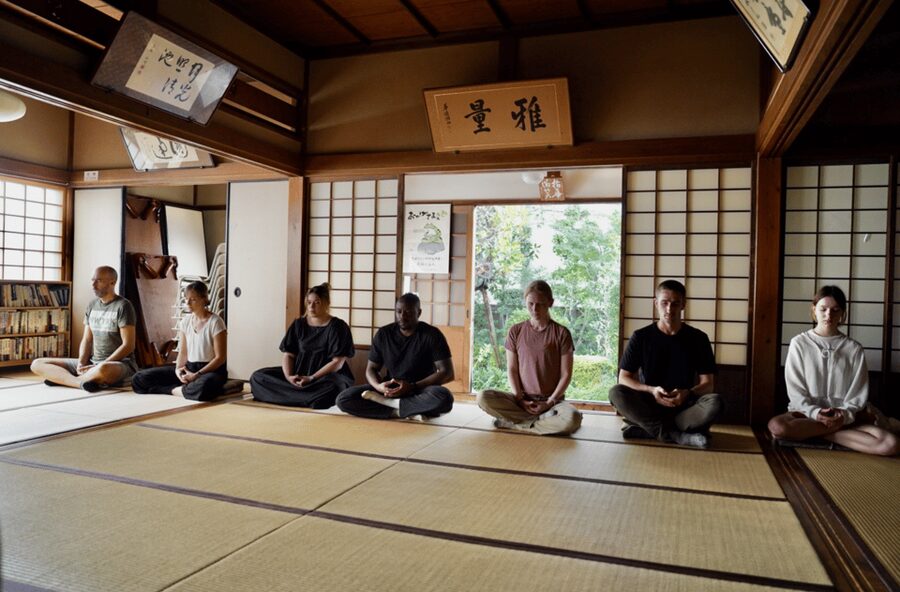
The monk, Namiki-san, introduces Zazen, the seated meditation practice at the center of the session. You learn how to sit, how to hold your attention, and how rhythmic breathing can help settle the mind. The point is not to force every thought away. It is to notice what is happening and return your attention to the practice.
That distinction makes this a useful first lesson. Many people arrive expecting meditation to mean an empty mind. Here, the emphasis is closer to watching your thoughts without letting each one pull you away. You are given a practical taste of the method rather than a heavy religious lesson.
The meditation is conducted on tatami in the temple. Several sessions have included two periods of about 10 minutes each. Another account describes roughly 25 minutes of silent sitting, so the exact balance may vary by group and guide. In either case, this is an introduction, not an extended retreat.
The short sessions are a strength for beginners. Ten or twenty-five minutes can feel long when you are first sitting still, but it is manageable during a sightseeing day. You get enough time to notice your breathing and posture without committing to an uncomfortable half-day program.
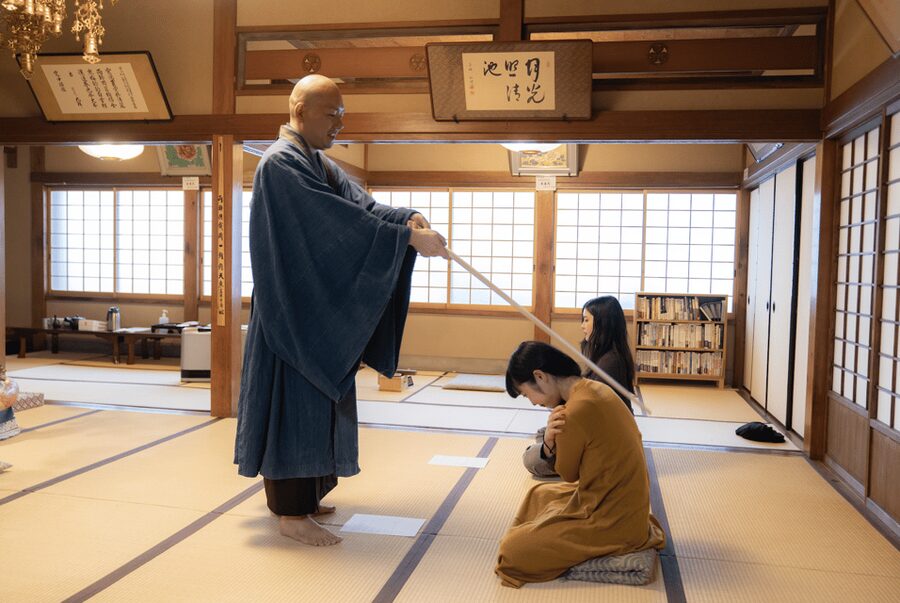
It is also the main limitation. If you already meditate often, you may want more sustained silence or more detailed instruction on posture and mental practice. One practical tip from the session itself is to ask the monk about using the meditation stick. This can be part of the Zen experience, but you should ask rather than assume it will happen.
Namiki-san’s style appears to be calm and open, with room for humor. That helps if you feel awkward or self-conscious. You are not expected to arrive as a Buddhist or experienced meditator. The activity works best when you treat it as a short period of attention and cultural learning, not as a promise of instant inner peace.
Calligraphy turns concentration into a physical act
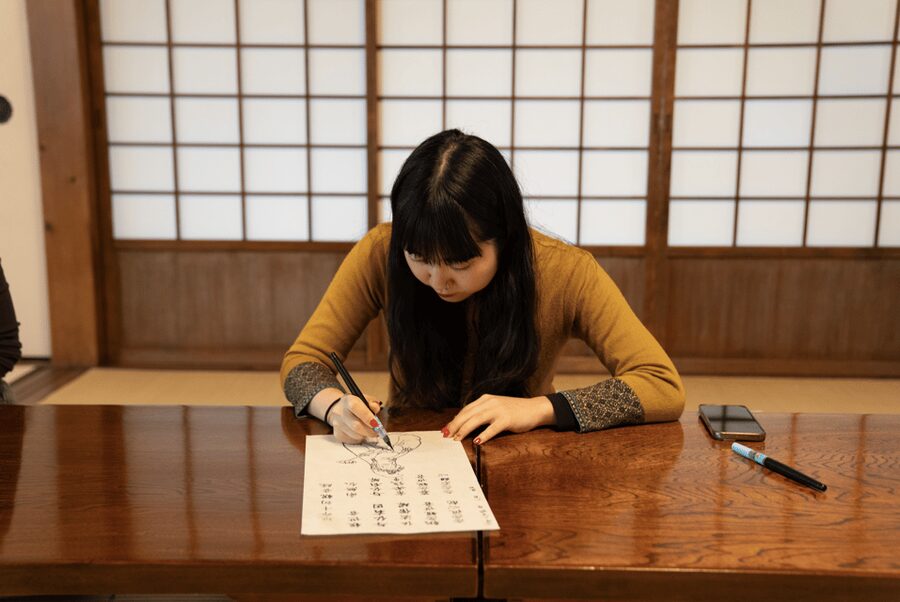
Calligraphy follows the meditation in many sessions. You handle the brush, concentrate on the movement, and create a piece you can keep. The exercise gives you something physical to do after sitting quietly, while still asking for the same care and focus.
The calligraphy may be accompanied by chanting from the monk. That combination adds a ritual quality without requiring you to understand every religious detail. The brush moves slowly, the sound fills the room, and your attention shifts from private thoughts to the task in front of you.
This is one of the strongest parts for people who find silent meditation difficult. You are still practicing patience, but the ink and brush give your mind an anchor. It also provides a tangible memory of the temple visit. Bring care when handling the materials, and ask the guide if you are unsure what to do.
Calligraphy is not listed in the basic highlights, but it appears often in the actual session descriptions. That means it should be treated as a likely extra rather than an absolute guarantee for every departure. The core promise is Zen meditation, the monk’s explanation, temple entry, a guide, and matcha.
Matcha, sweets, and an honest conversation
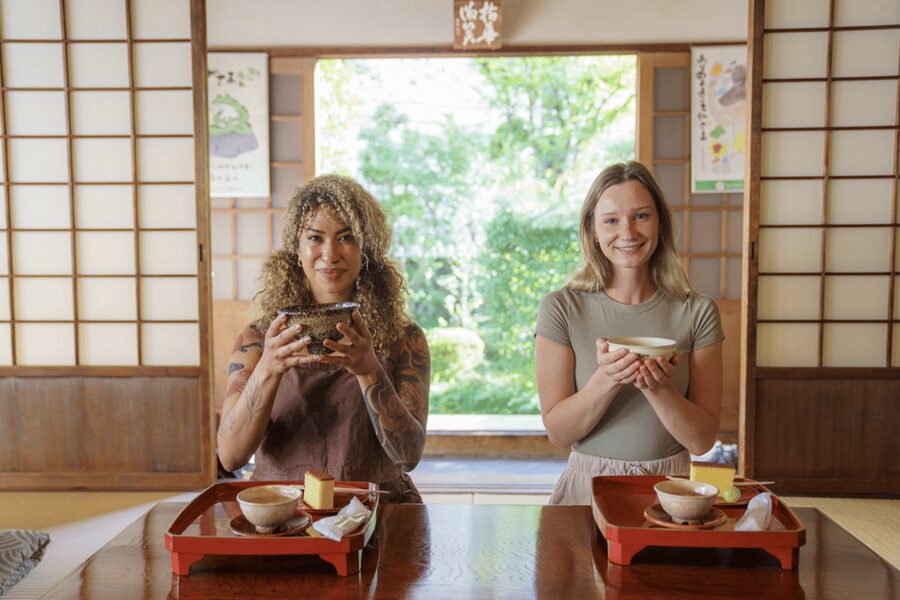
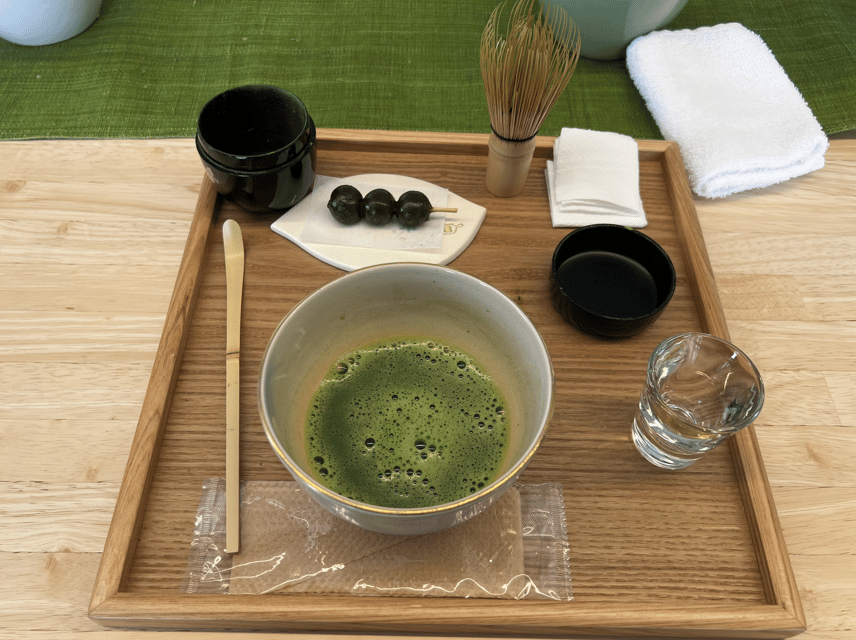
The final part moves to tea. You receive matcha and traditional sweets, then sit with the monk for a question session. This is not presented as a long formal tea ceremony with a full sequence of utensils and movements. Think of it as a simple tea experience connected to a broader conversation.
The tea matters because it gives the session a gentle finish. You have been asked to sit quietly and concentrate, then to work with a brush. Sharing tea creates an easy transition back to ordinary conversation. The sweets also balance matcha’s bitter edge.
The question period is often the most personal part of the activity. You can ask about Zen, meditation, the temple, Japanese customs, or the monk’s daily life. Namiki-san is described as a third-generation monk, and the conversation gives you a chance to understand the human side of temple life rather than only hearing abstract ideas.
Useful advice may come through simple daily examples. The monk has discussed giving full attention to small tasks, keeping your surroundings tidy, avoiding comparisons with others, and looking at the roots of anger. These points are practical because you can test them after leaving the temple. The value is not in collecting spiritual slogans. It is in taking one or two habits into the rest of your trip.
Translation quality makes a real difference here. Tamami has been singled out for smooth English and Japanese interpretation, and other guides have supported the same exchange. If you have a detailed question, speak clearly and allow time for it to be translated in both directions.
Same trip, a completely different kind of day:
- 1-Day Tokyo Bus Tour
★ 5.0 · 14,250 reviews - Tokyo: TOKYO SKYTREE® Admission ticket
★ 4.5 · 11,192 reviews - Tokyo: teamLab Planets TOKYO Digital Art Museum Entry Ticket
★ 4.6 · 9,779 reviews - Tokyo: Sumo Show Experience with Chicken Hot Pot and a Photo
★ 4.8 · 6,678 reviews
Why the $55 price can make sense
At $55 per person, this costs more than simply visiting a public temple, where entry may be free or inexpensive. The comparison is not quite fair, though. You are paying for access to a private temple, a live guide, interpretation, direct teaching from a monk, meditation instruction, tea, and a structured cultural activity.
I see the strongest value in the access and conversation. You could read about Zazen or watch a tea demonstration online, but you would not be sitting in a working temple asking a monk about his life. The guide also removes a major language barrier, which is especially useful during the question session.
The value is weaker if you only want a long meditation period. The advertised 90 minutes must cover arrival, explanation, meditation, calligraphy, tea, and questions. The experience gives you several short encounters rather than one sustained retreat.
For a first visit to Japan, the price is reasonable if you want a cultural activity that is quiet and personal. It is less compelling for someone who has already visited several temples, practices Zen regularly, and wants advanced instruction. I would choose it for a morning or early-day reset, especially before a busy afternoon in Asakusa.
How it fits into a Tokyo day
The activity begins near Tawaramachi Station, so it is easy to place alongside Asakusa sightseeing. You are close to the area’s famous temples, shopping streets, and food stops, but the experience itself offers something quite different from a standard Tokyo route.
Starting the day here has a practical advantage. The quiet setting can help you slow down before the crowds and noise build. Several people have described leaving with a calmer frame of mind, which is useful before a long day of walking.
You can also schedule it between other Asakusa plans. Allow more than the advertised 90 minutes around the activity if you do not want to rush to your next stop. Transportation is not included, so you make your own way to the meeting point. The nearby Tawaramachi station makes the start straightforward, but check the Family Mart branch carefully.
The experience is conducted in English with a live guide. If you are traveling with someone who has never meditated, the format is approachable. If you are traveling with children, consider their ability to sit quietly and respect a religious space, since the central activity depends on calm attention.
Dress and behavior should suit a temple setting. The supplied information does not specify a formal dress code, but modest, respectful clothing and quiet conduct are sensible. Follow instructions about sitting, photography, and movement inside the temple.
What the experience does especially well
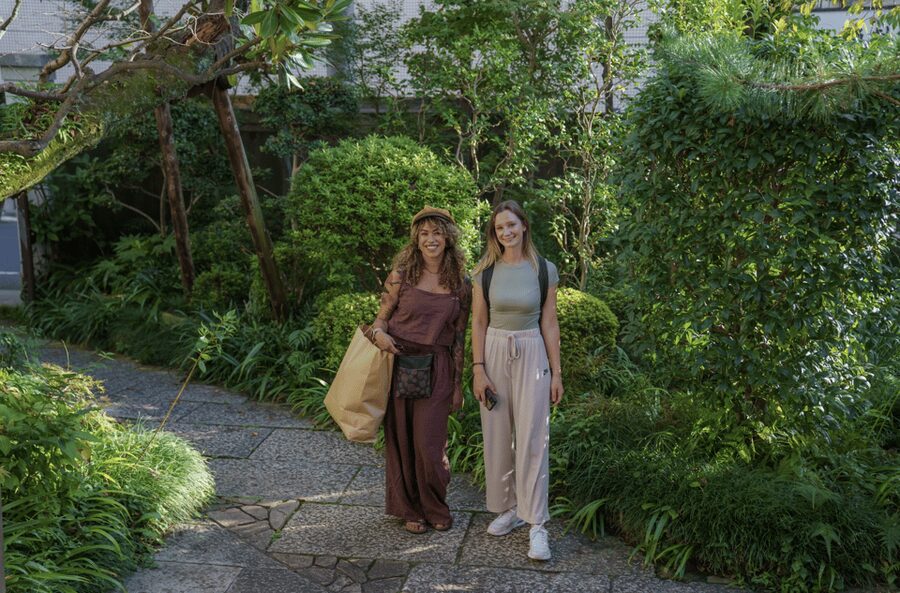
The strongest feature is the human connection. The monk is not only there to demonstrate a ritual. He explains, listens, and answers questions. Guides such as Tamami help keep the exchange natural for English speakers, and they may also take photographs during the visit.
The second strength is variety. Meditation alone can feel intimidating, especially for a first attempt. Adding calligraphy, chanting, tea, and sweets gives you several ways to connect with the ideas of Zen. Even if your mind wanders during meditation, the brush and tea still give the visit meaning.
The third strength is scale. A small temple allows you to notice details that can disappear in a major tourist complex: the scent of the room, the quiet of the tatami, the monk’s personal explanation, and the pause between activities. You are not being pushed through a large attraction.
The main weakness remains time. You will not master meditation in 90 minutes, and the amount of sitting may feel brief to experienced practitioners. The schedule also has several components, so a busy group or a long question period could change how much time goes to each activity.
Who should book this Zen session?
I would recommend it to first-time meditators, culturally curious visitors, couples, solo travelers, and anyone who wants a quieter Tokyo activity. You do not need to be Buddhist or already familiar with Zen. The guide explains the basic ideas, and the monk’s practical advice keeps the session open to people from different backgrounds.
It also suits people who want a direct local encounter rather than another large attraction. The temple is private, the exchange is personal, and the activities let you participate instead of simply looking around.
You may want to skip it if your priority is advanced meditation training, a long silent retreat, or a highly formal tea ceremony. The program is an introduction with several parts. Its strength is the combination, not depth in one specialist area.
Practical details before you reserve
The price is $55 per person, and the advertised duration is 90 minutes. The activity includes temple entry, the Zen experience, a guide, the monk’s explanation, and matcha. Transportation is not included.
English is the listed language. WhatsApp is used for contact before the tour, so install it in advance and keep your phone available on the day. The meeting point is in front of the correct Family Mart near Tawaramachi Station, about a two-minute walk from the station.
You can cancel up to 24 hours before the activity for a full refund. A reserve-now, pay-later option is also available, which helps if your Tokyo schedule is still changing. Starting times depend on availability.
Should you book it?
Book this if you want a calm, personal introduction to Zen in a real temple, with enough cultural extras to keep the 90 minutes lively. The private setting, resident monk, clear English support, calligraphy, and tea offer more substance than a simple meditation demonstration.
Do not book it expecting a long retreat or advanced Buddhist study. You will get a thoughtful first look, a short practice, and a chance to ask direct questions. For most people, that is the right size for a Tokyo itinerary: meaningful, unusual, and finished before the day gets away from you.
FAQ
Where does the activity meet?
Meet in front of the Family Mart in the Asakusa area, about two minutes from Tawaramachi Station on the Ginza Line. There are two Family Mart branches nearby, so confirm that you are at the correct one.
How long does the experience last?
The advertised duration is 90 minutes. The exact amount of time spent on meditation, calligraphy, tea, and questions can vary.
Is the temple open to the general public?
The experience takes you into a private temple that is not open to the general public.
Who leads the meditation?
A resident monk, Namiki-san, explains and leads the Zazen meditation. An English-speaking guide supports the session and translates.
Is the activity available in English?
Yes. English is the listed language, and a live guide provides explanations and translation.
Is calligraphy included?
Calligraphy has been part of many sessions, along with chanting, matcha, sweets, and questions with the monk. The included activity details specifically guarantee the Zen experience, guide, temple entry, monk explanation, and matcha, so calligraphy may vary.
Is transportation included?
No. You must make your own way to the meeting point near Tawaramachi Station.
Can I cancel the booking?
Yes. You can cancel up to 24 hours in advance for a full refund. A reserve-now, pay-later option is also available.
Just added around Tokyo
- Kawagoe Japanese Food Tour : Unagi Kaiseki and Sake near Tokyo★ 5.0 · 30 reviews
- Kawagoe 4hr Private Tour with Licensed Guide (Kawagoe Dep)★ 5.0 · 13 reviews
- Little EDO Sushi Making workshop in Kawagoe★ 5.0 · 18 reviews
- 【R34】Tokyo:Private Daikoku tour in Modified R34★ 4.9 · 92 reviews
- :Tokyo,Shibuya/ Pro Photography in Kimono / English-Friendly★ 5.0 · 26 reviews
- Tokyo:Celebrate Unique Japanese New Year Tradition Festivity★ 3.9 · 20 reviews
- Tokyo: Allstar Food Tour★ 4.7 · 29 reviews
- Tokyo: West-Side Cycling and Food Tour with Guide★ 5.0 · 37 reviews
Temples & Shrines, compared.

Tea Ceremony in a Traditional Tea House in Kiyomizu
Our verdict →

Meiji Shrine, Asakusa, Skytree Bus Tour and Cruise
Our verdict →
Fushimi Inari Hidden Hiking Tour (Private Option Available)
Our verdict →
Osaka/Kyoto:Kinkakuji,Arashiyama,FushimiInariShrine,NaraPark
Our verdict →
Nikko: Kegon Falls, Lake Chuzenji & Toshogu Temple
Our verdict →
Kamakura & Enoshima Day Trip including Temple Tickets
Our verdict →Browse the lists this tour appears in