
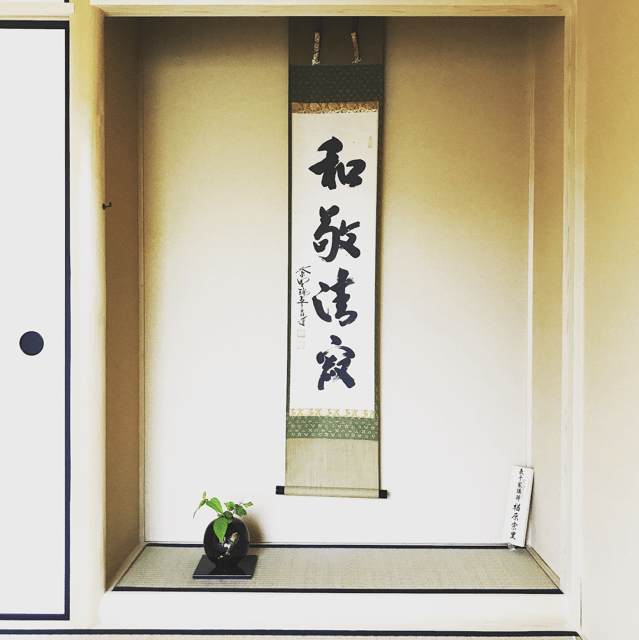
Reviewed · TEA CEREMONY EXPERIENCES
Tokyo: Tea Ceremony Experience in a small tea room
A one-hour tea ceremony with Mari offers a rare pause in Tokyo, with hands-on matcha preparation in a small room near Nishi-Nippori. You learn not just how to whisk tea, but why each movement matters.
I like the small group of six, which gives you room to ask questions and practice. I also like the setting near Yanaka and Nezu Shrine, where a quiet walk can turn this short activity into a fuller afternoon. The main drawback is practical: the room is in a residential area and up two narrow flights of stairs, so ask about access before booking if stairs are difficult for you.
Key points at a glance
- Learn with Mari, an English-speaking tea teacher who has more than 20 years of experience.
- Prepare your own matcha with patient, step-by-step guidance.
- Enjoy matcha and traditional dried sweets during a one-hour ceremony.
- Keep the group small, with no more than six participants.
- Pair the ceremony with Yanaka and Nezu Shrine, both close to the tea room.
- Meet at Senraku-an 10 minutes early, about a seven-minute walk from Nishi-Nippori Station.
A quiet hour in a very busy city
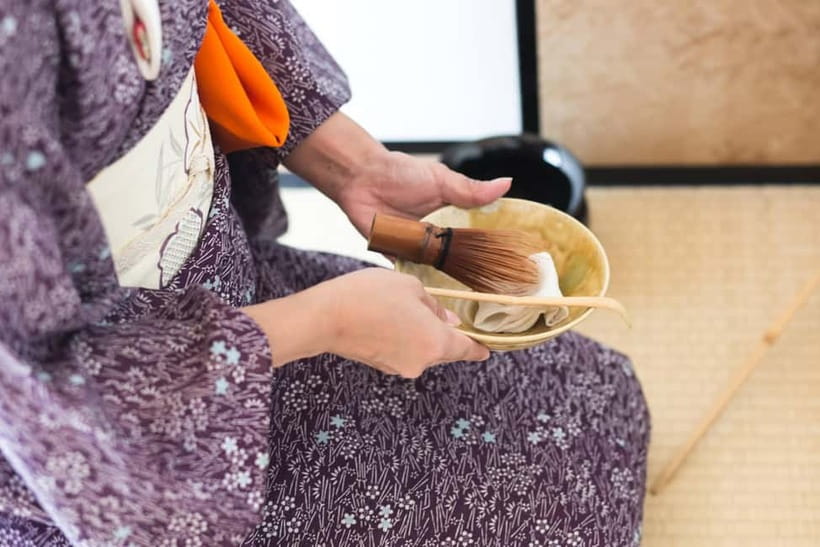
Tokyo can fill every spare minute with trains, neon, shops, and noise. This tea ceremony gives you a useful reset. For one hour, your attention narrows to a tea bowl, a bamboo whisk, a folded cloth, and the careful rhythm of preparing matcha.
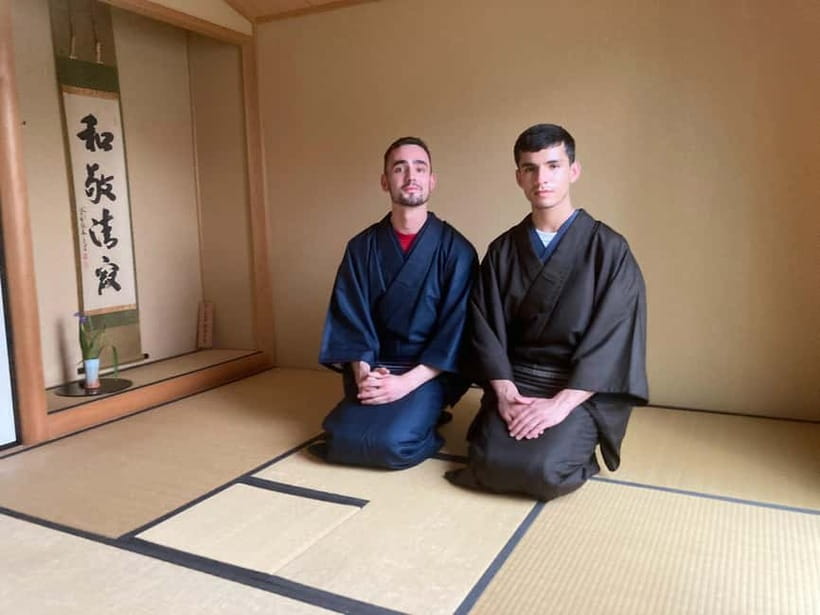
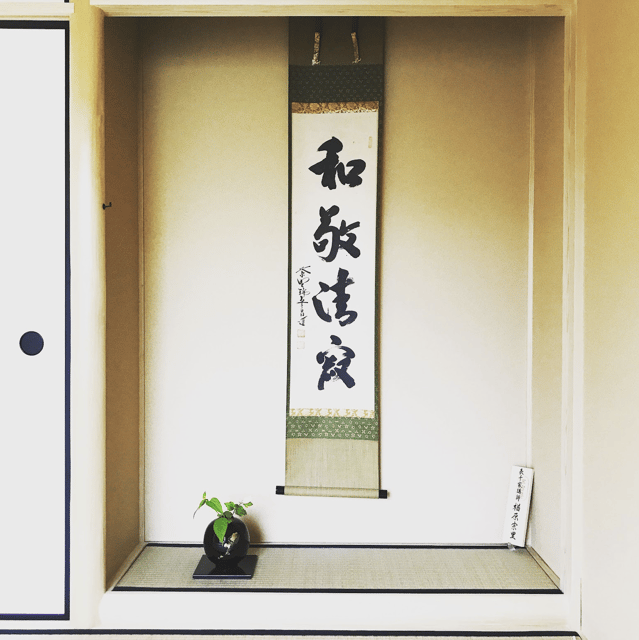
That calm is not an accident. Japanese tea ceremony centers on ideas such as purity, harmony, respect, and hospitality. Mari explains these ideas in plain English and connects them to the actions you see in the room. This makes the activity more than a demonstration. You begin to understand why the host cleans, folds, turns, presents, and receives items in a set way.
I especially like that the experience is designed for beginners. You do not need to know Japanese etiquette or have attended a tea ceremony before. The lesson lowers the usual barriers without stripping away the ceremony’s formal character.
More Tea Ceremony Experiences in Tokyo
- Matcha Making Class in Tokyo with Authentic Japanese Sweets Set
★ 5.0 · 744 reviews - Tokyo: Traditional Tea Ceremony with a Tea Master
★ 5.0 · 528 reviews - Tokyo: Matcha Making Experience with Mochi Sweets in Asakusa
★ 4.9 · 388 reviews
Meeting Mari at Senraku-an
You meet at Senraku-an 10 minutes before the scheduled start. The tea room is about a seven-minute walk from Nishi-Nippori Station, in a residential part of Tokyo. That location has a benefit and a cost.
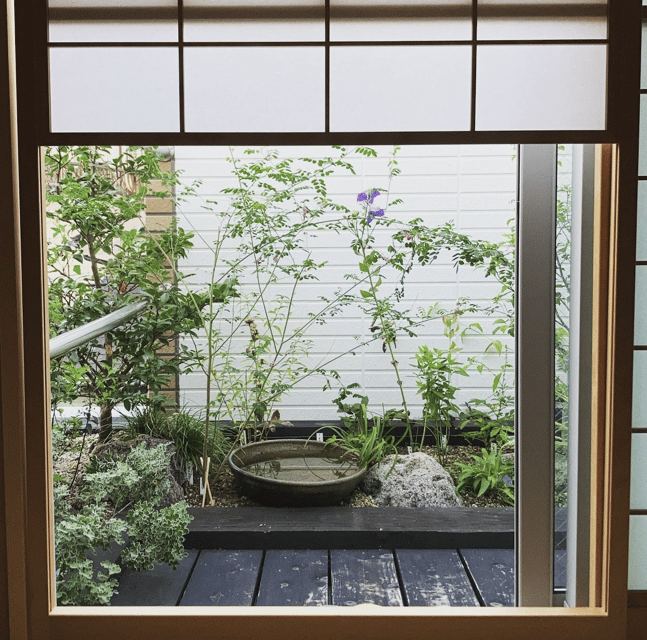
The benefit is the change of pace. You are not entering a large tourist venue with crowds moving from one photo stop to the next. The quieter neighborhood helps the ceremony feel connected to ordinary local life. The area is also close to Yanaka and Nezu Shrine, making it easy to combine this activity with a walk through one of Tokyo’s more traditional districts.
The cost is finding the room. One booking noted that a taxi had trouble locating the address, even though the residential setting had been explained in advance. I would use the walking directions carefully rather than rely only on a taxi driver.
The room is up two narrow flights of stairs. That may be no issue for many people, but it can be awkward for anyone with limited mobility or difficulty climbing stairs. Contact the provider before booking if this matters to you. The activity information does not describe an alternative step-free room.
Watching the formal tea ceremony
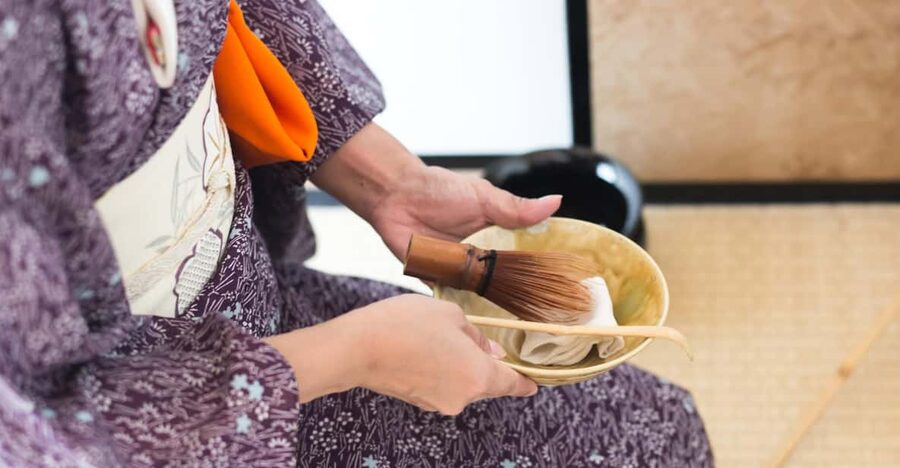
The session begins with an explanation and demonstration of the tea ceremony. Mari takes you through the order of events and explains the purpose behind the movements. You will see how the tea tools are handled, how the matcha is prepared, and how the host presents the tea.
This is where the teacher’s long experience matters. A formal ceremony can look mysterious if nobody explains it. Here, the actions become readable. A folded cloth is not just decoration. The way a bowl is presented is not random. The ceremony creates a shared sense of order between host and guest.
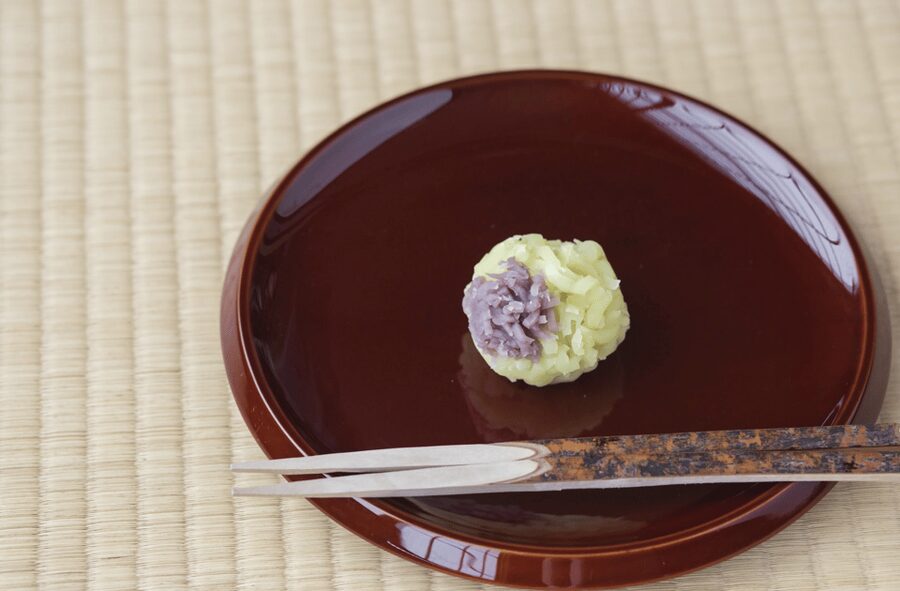
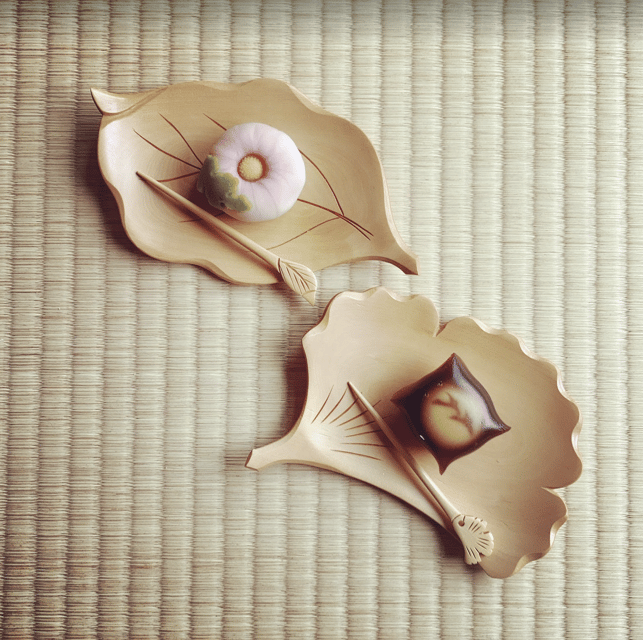
You receive matcha and traditional dried sweets as part of the activity. The sweets provide a small contrast to the tea’s bitter flavor and are part of the traditional presentation. The ceremony is not simply about drinking a fashionable green tea. It is about the relationship between the host, the guest, the objects, the season, and the setting.
The available information does not promise a full-length formal tea performance with every possible school-specific detail. Think of this as a focused one-hour introduction, suited to visitors who want real cultural context without committing half a day.
Making matcha with your own hands
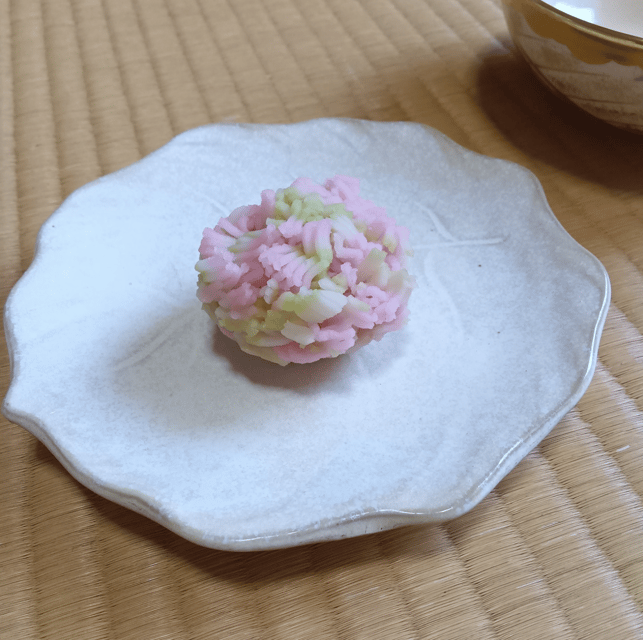
The most useful part for many people will be the chance to make tea yourself. If you choose to participate, Mari guides you through whisking powdered matcha and the precise movements used during preparation.
That hands-on section changes the experience. Watching someone whisk tea is pleasant, but trying it yourself makes you notice the angle of the whisk, the movement of your wrist, and the care needed to follow each step. You also see how much concentration goes into something that appears simple.
Mari’s teaching style seems particularly patient. One parent said she dressed two daughters in kimono for an additional fee, while another participant appreciated having the tea-towel folding demonstrated several times for practice. Those details matter if you are bringing children or if you like learning by repetition rather than watching once and moving on.
You are not required to perform every step. The activity is welcoming to complete beginners, so you can watch, ask questions, or take part at the level that feels comfortable. That flexibility makes it a good choice for couples, families, and people who want cultural insight without being put on the spot.
Same trip, a completely different kind of day:
- 1-Day Tokyo Bus Tour
★ 5.0 · 14,250 reviews - Tokyo: TOKYO SKYTREE® Admission ticket
★ 4.5 · 11,192 reviews - Tokyo: teamLab Planets TOKYO Digital Art Museum Entry Ticket
★ 4.6 · 9,779 reviews - Tokyo: Sumo Show Experience with Chicken Hot Pot and a Photo
★ 4.8 · 6,678 reviews
Why the small group matters
The group is limited to six participants. That is a strong feature for this kind of lesson. A tea ceremony depends on small gestures, and a large audience would make it harder to see the tools or receive personal instruction.
With six people or fewer, you have a better chance to ask about etiquette, matcha, the meaning of the movements, or the tea room itself. You can also get individual help when preparing your own tea.
The intimate format has another effect. A small room feels quieter when it is not filled with a busload of people. The activity is held at a private home, according to one participant, which adds a personal quality. That may appeal to you if you want an encounter that feels closer to a local introduction than a stage performance.
At the same time, a private-home setting is less polished and predictable than a purpose-built cultural center. The room is small, the location is residential, and the stairs may not suit everyone. I see that as a tradeoff rather than a flaw, but you should know what type of setting you are choosing.
Adding Yanaka and Nezu Shrine afterward
The ceremony itself lasts one hour, so I would not make a special trip across Tokyo for it alone unless tea culture is a high priority for you. Its location becomes more valuable when you combine it with nearby sights.
The tea room is close to Yanaka and the Nezu Shrine area. That lets you build a calm half-day around the appointment instead of rushing back to the major commercial districts. You might plan a neighborhood walk before or after the ceremony, leaving enough time to arrive at Senraku-an 10 minutes early.
The experience information also points to nearby historical sites and quiet settings, but it does not specify a guided walk or guaranteed stops. Do not expect Mari to lead a separate sightseeing tour. Think of the surrounding area as a useful setting for your own plans.
This pairing works especially well for visitors who want more than Tokyo’s headline attractions. A shrine visit, an old neighborhood walk, and a tea lesson give you different ways to understand the city. The tea room provides the focused instruction, while Yanaka and Nezu offer room to wander at your own pace.
English instruction that works for beginners
The activity is conducted in English. That matters because tea ceremony has many small rules, and a language barrier could leave you copying movements without understanding them.
Mari explains the process and answers questions. Her teaching has been praised for being clear, kind, and patient. One participant said she helped repeat the tea-towel folding until the technique made sense. Another noted that she answered questions throughout the session.
I would still keep expectations realistic. You are not becoming a tea master in one hour. You are getting a thoughtful introduction and enough practical instruction to understand the basic sequence and try preparing matcha yourself.
That is the right scale for a first visit. You leave with a better sense of the culture and a memory tied to your own actions, rather than only photographs of someone else performing the ceremony.
Is $51 a fair price?
The price is $51 per person. For one hour, that is not a budget activity, especially when transportation and any optional kimono rental are not included. The value depends on what you want from a cultural activity.
You are paying for a small group, an English lesson, matcha, traditional dried sweets, and instruction from a teacher with more than 20 years of experience. You also get the chance to prepare tea yourself. A larger demonstration may cost less per person, but it is unlikely to offer the same amount of personal practice.
The small-group format makes the price easier to justify. If you only want to taste matcha, you can do that more cheaply in Tokyo. If you want to understand the ritual and receive help with the movements, this is a more useful purchase.
Kimono dressing is available by request for an additional charge. One family found the extra cost reasonable, while another participant thought the kimono price was high. Ask for the current price before adding it, and treat it as an optional photo and cultural experience rather than part of the $51 package.
Who should book this tea ceremony?
I would recommend it to first-time visitors who want a clear introduction to Japanese customs. It also suits couples looking for a quiet activity, families whose children can manage the stairs, and anyone interested in learning by doing.
It is a good fit if you enjoy small classes, personal instruction, and cultural details. The format is also helpful for people who feel nervous about traditional etiquette because Mari explains that you do not need prior experience.
I would hesitate if you need step-free access, dislike residential meeting points, or want a long ceremony with elaborate costumes included. You should also choose another activity if your schedule is so tight that a slightly difficult meeting point would cause stress.
The location works best as part of a Yanaka and Nezu Shrine day. The ceremony is short enough to fit into a larger plan, but you still need to allow time to find Senraku-an and arrive early.
Booking and cancellation details
You can reserve the activity and pay later, which helps if your Tokyo plans are still changing. Free cancellation is available up to 24 hours before the experience for a full refund.
The session lasts one hour, but your real time commitment includes the walk from Nishi-Nippori Station, finding the residential meeting point, and arriving 10 minutes early. Transportation is not included.
Starting times depend on availability. The instructor speaks English, and the group is limited to six participants.
Should you book it?
Book this tea ceremony if you want a personal, hands-on introduction to Japanese tea rather than a quick cup of matcha. Mari’s patient instruction, the small group, and the chance to prepare your own tea give the hour real substance.
The main cautions are the stairs, the slightly tricky residential location, and the extra cost for kimono dressing. If those points work for you, $51 is a fair price for a focused cultural lesson near Yanaka and Nezu Shrine. I would schedule it early in your Tokyo visit, then use what you learn as a lens for noticing hospitality, order, and quiet attention elsewhere in Japan.
FAQ
How long does the tea ceremony last?
The experience lasts one hour.
Where does the tea ceremony take place?
You meet at Senraku-an, near Nishi-Nippori Station in Tokyo. The tea room is about a seven-minute walk from the station.
How early should I arrive?
You should arrive at the meeting point 10 minutes before the experience begins.
Is the activity taught in English?
Yes. English instruction is provided.
How many people can join the group?
The group is limited to six participants.
Do I need prior tea ceremony experience?
No. The activity is designed for both complete beginners and people who already know something about tea ceremony.
Can I make my own matcha?
Yes. You can prepare your own tea under the teacher’s guidance if you wish.
What is included in the price?
Matcha, traditional dried sweets, and the lesson with the tea ceremony teacher are included.
Is kimono rental included?
No. Kimono dressing is not included in the listed price, but you can request it for an additional charge.
Can I cancel for a full refund?
Yes. You can cancel up to 24 hours in advance for a full refund.
Just added around Tokyo
- Kawagoe Japanese Food Tour : Unagi Kaiseki and Sake near Tokyo★ 5.0 · 30 reviews
- Kawagoe 4hr Private Tour with Licensed Guide (Kawagoe Dep)★ 5.0 · 13 reviews
- Little EDO Sushi Making workshop in Kawagoe★ 5.0 · 18 reviews
- 【R34】Tokyo:Private Daikoku tour in Modified R34★ 4.9 · 92 reviews
- :Tokyo,Shibuya/ Pro Photography in Kimono / English-Friendly★ 5.0 · 26 reviews
- Tokyo:Celebrate Unique Japanese New Year Tradition Festivity★ 3.9 · 20 reviews
- Tokyo: Allstar Food Tour★ 4.7 · 29 reviews
- Tokyo: West-Side Cycling and Food Tour with Guide★ 5.0 · 37 reviews
Tea Ceremony Experiences, compared.

Tea Ceremony in a Traditional Tea House in Kiyomizu
Our verdict →


World Heritage Kyoto & Nara Uji Authentic Matcha Experience
Our verdict →

Arashiyama Bamboo Forest, Monkeys, Matcha & Temple Tour
Our verdict →
Browse the lists this tour appears in