
Reviewed · WALKING TOURS
Tokyo: Dark Side of Tokyo Shinjuku Red Light Walking Tour
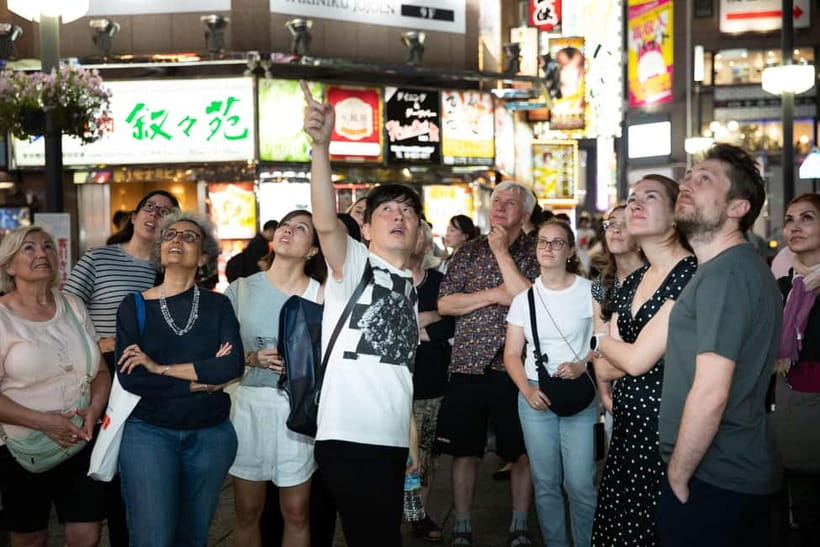
Tokyo’s nightlife story is much bigger than bright signs and crowded streets. This Shinjuku night walk takes you through old food alleys, Kabukicho’s entertainment quarter, tiny Golden Gai, Hanazono Shrine, and the LGBTQ district of 2 Chome, showing how several very different parts of the city sit side by side.
I like the way the tour combines place and context. You do not just pass a row of bars: you learn how the district changed from a red-light area into a broad entertainment center, then get useful suggestions for ramen, okonomiyaki, izakayas, and drinks. The $29 price is fair for two hours with a live guide. The main drawback is the meeting point, which can be confusing inside one of the world’s largest stations, and late arrivals are not held for.
Key points before you book
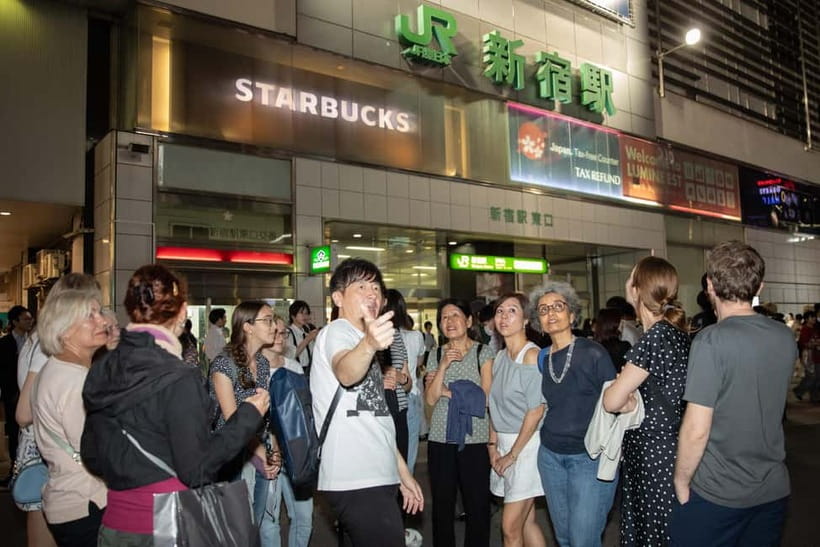
- A sharp look at Shinjuku after sunset: Neon Kabukicho gives you Tokyo’s loudest face, while nearby alleys offer a far smaller, older feel.
- Five distinct stops in two hours: Omoide Yokocho, Kabukicho, Golden Gai, Hanazono Shrine, and 2 Chome each add a different piece of the district.
- Useful food advice: Guides including Dani, Loc, Gray, Danny, and Polina are praised for restaurant and bar suggestions you can use after the walk.
- Adults only: This is not a family outing. You must be 18 or older, and alcohol and drugs are not allowed during the activity.
- A practical first-night tour: The route helps you understand Shinjuku’s layout before returning on your own.
- Some meeting-point homework required: Check your booking carefully and allow extra time to find the guide near Shinjuku Station.
Why Shinjuku at night needs a guide
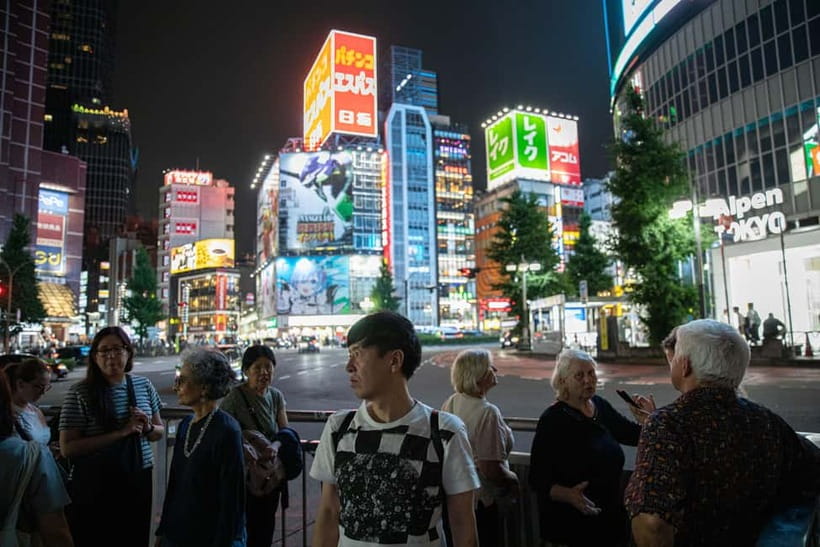
Shinjuku can feel like several cities stacked together. One block has huge station exits and glowing advertising screens. The next has a narrow lane filled with tiny bars. Then a shrine appears behind the nightlife, followed by 2 Chome, an important center of Tokyo’s LGBTQ nightlife.
You can walk these streets alone, of course. The problem is knowing what you are looking at. A doorway may lead to a small bar, a club, an izakaya, or a business aimed at a particular kind of customer. Signs are often in Japanese, and the best story is not always visible from the pavement.
That is where the guide earns the fee. The walk explains the customs, the changing role of nightlife, and the difference between places designed for eating, drinking, socializing, and adult entertainment. Guides such as Dani, Loc, Gray, Huy, Danny, Daichi, and Polina have been singled out for clear explanations, humor, and patience with questions.
The tone appears to be conversational rather than stiff. You can ask about Japanese culture, nightlife, food, and local habits as you go. That matters in a subject that can easily become either sensational or too vague. The better approach is to treat Kabukicho as a working neighborhood with many types of businesses, not just as a forbidden corner of Tokyo.
More Walking Tours in Tokyo
- Tokyo Tsukiji Fish Market Food and Culture Walking Tour
★ 5.0 · 3,184 reviews - Tokyo: Imperial Palace and Shogun Historical Walking Tour
★ 5.0 · 2,251 reviews - Tokyo: Shinjuku Local Bar and Izakaya Guided Walking Tour
★ 4.9 · 1,794 reviews
Starting at Shinjuku Station
There are two possible starting arrangements: the Shinjuku Tourist Information Center or the East Exit Police Box near Shinjuku Station. Your exact meeting point depends on the option you book.
Give yourself extra time. Shinjuku Station is huge, busy, and full of tour groups meeting near similar landmarks. One useful warning is not to arrive at the last second. The guide does not wait for late customers, so a missed start can spoil the evening before it begins.
Once everyone is together, the initial orientation near the station takes about 10 minutes. This is a useful opening because the East Exit places you right beside the main entertainment streets. You begin with a sense of direction rather than being dropped into a maze of signs and crowds.
The station area also sets up the tour’s central contrast. Shinjuku is highly modern, yet its nightlife is built around small rooms, local food traditions, shrines, and social customs that are not obvious from the giant buildings above you.
Omoide Yokocho: small lanes beside the railway
The first major stop is Omoide Yokocho, where the tour spends about 20 minutes. This narrow group of food lanes has a much more intimate scale than the station plazas. Small eateries and izakayas sit close together, creating the kind of compressed urban scene many people hope to find in Tokyo.
The guide helps you read the setting. You may learn how these small drinking and dining places fit into Japanese nightlife, what kind of food they serve, and how to decide where to return later. Omoide Yokocho is also a good place to ask practical questions about ordering and restaurant etiquette.
Do not expect a long meal here. This is a walking tour, not a food tour with included tastings. The value is in getting your bearings and receiving recommendations. Several guides have suggested ramen, okonomiyaki, or other local spots for after the walk, which makes this early stop more useful than a quick photo pause.
The alley can be crowded, so keep your group close and watch your footing. If you want a quiet dinner, this may not be the right moment. If you want a quick look at compact Tokyo nightlife, it is an excellent start.
Kabukicho: Tokyo’s entertainment center under neon
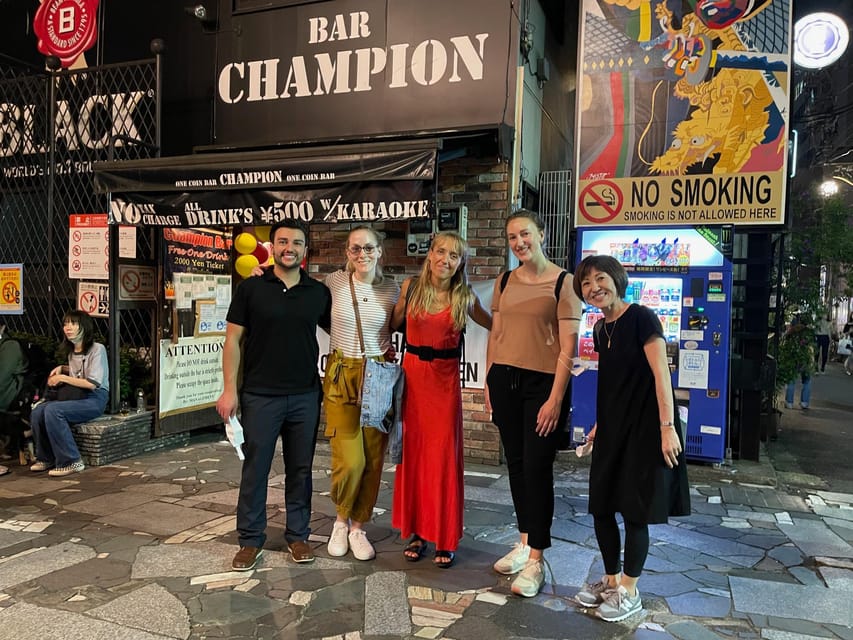
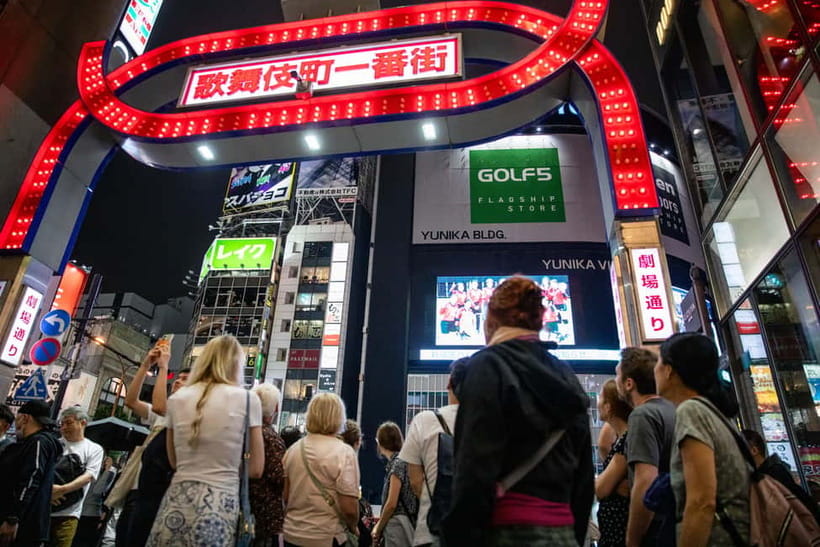
The tour then spends around 40 minutes in Kabukicho, the longest single stop. This is the core of the experience, with signs, bars, izakayas, clubs, entertainment venues, and large commercial buildings competing for your attention.
The point is not simply to count neon signs. Your guide explains how Kabukicho developed from a red-light district into a wider entertainment area. That change gives the streets more meaning. You see a neighborhood shaped by nightlife, business, tourism, and changing social habits rather than a single label.
The scale can feel overwhelming. Kabukicho is loud, bright, and crowded, especially after dark. A guide gives you a route through the confusion and explains the broad types of places you are seeing. You can also ask direct questions about what is appropriate for visitors and what deserves caution.
The tour does not include drinks or entry to venues. That is worth noting before you book. You are observing the district and learning how it works, not joining a bar crawl. Alcohol and drugs are not allowed as part of the activity.
The modern buildings are part of the visual appeal. Shinjuku’s towers and entertainment complexes rise above narrow streets, creating a striking mix of old-scale dining lanes and new urban construction. I like this contrast because it shows Tokyo as a city that replaces, adapts, and reuses its neighborhoods without erasing every older layer.
Same trip, a completely different kind of day:
- 1-Day Tokyo Bus Tour
★ 5.0 · 14,250 reviews - Tokyo: TOKYO SKYTREE® Admission ticket
★ 4.5 · 11,192 reviews - Tokyo: teamLab Planets TOKYO Digital Art Museum Entry Ticket
★ 4.6 · 9,779 reviews - Tokyo: Sumo Show Experience with Chicken Hot Pot and a Photo
★ 4.8 · 6,678 reviews
Golden Gai: tiny bars and a very different scale
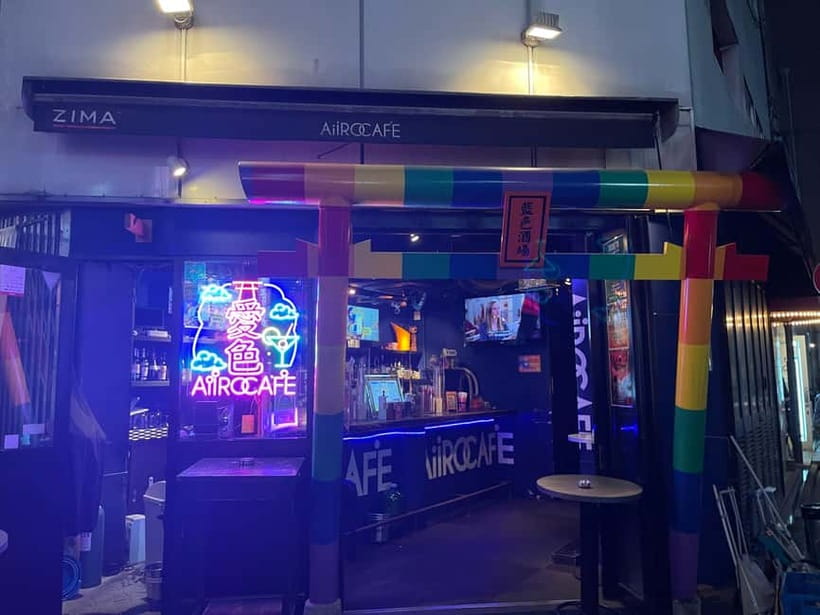
Golden Gai gets about 20 minutes. It is famous for its dense collection of very small bars, many with only a handful of seats. The area feels entirely different from the broad streets and large signs of Kabukicho.
This is a stop where explanation matters. A tiny bar can have its own rules, regular customers, or language barriers. The guide can help you understand the atmosphere and suggest how to approach the area respectfully. You will not have much time to sample it, but you get a useful preview of a place that can be intimidating on a first visit.
Golden Gai is also a good test of your expectations. If you want a full evening of drinks, two hours is not enough. If you want to see the lanes, hear their story, and decide if you want to return later, the timing works.
The narrow paths may feel tight when busy. Keep your belongings close and avoid blocking doorways while taking photographs. The most rewarding approach is to observe quietly and let the setting speak for itself.
Hanazono Shrine: quiet near the nightlife
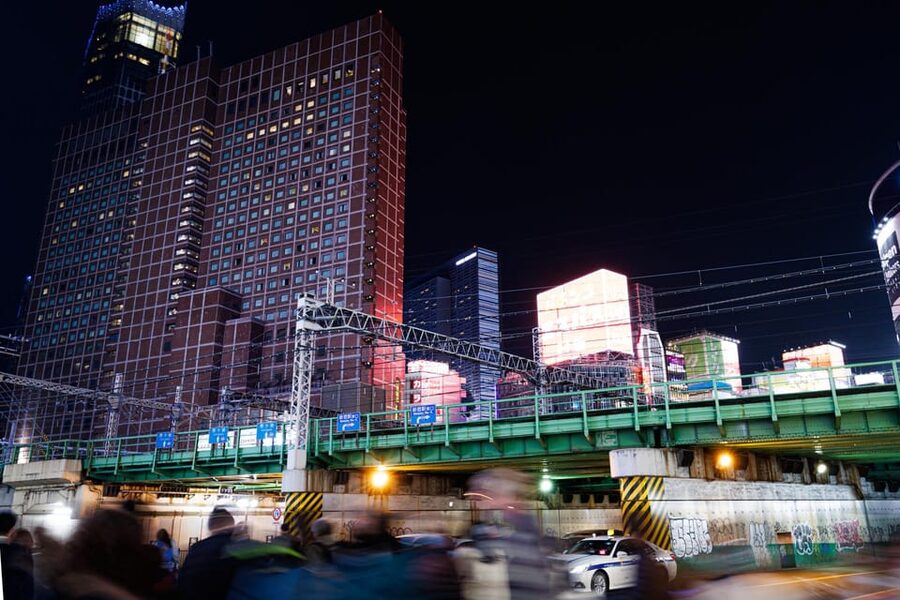
Hanazono Shrine provides a pause from the signs and noise. The tour allows about 20 minutes here, giving you a chance to see a traditional religious site close to one of Tokyo’s busiest nightlife districts.
This stop gives the route balance. Shinjuku is not only about bars and adult entertainment. A shrine can sit within walking distance of skyscrapers, restaurants, and clubs, and that physical closeness says a lot about Tokyo’s urban character.
Your guide explains the shrine’s place in the neighborhood and the customs connected with visiting. The stop may feel calmer than the surrounding streets, though the tour remains short and focused. You should not expect a long formal shrine visit or a separate cultural ceremony.
I especially like this part of the route for first-time visitors. It gives you a reminder that the city’s older traditions are not locked away in a distant historic quarter. They remain part of daily urban life, even beside one of Japan’s most famous nightlife centers.
2 Chome and Tokyo’s LGBTQ nightlife
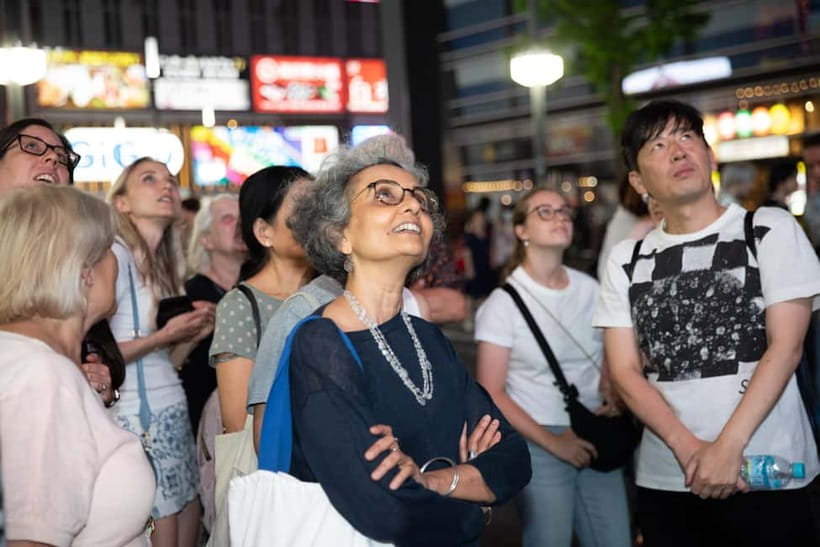
The final major stop is 2 Chome, known for its LGBTQ bars and nightlife. The tour spends around 20 minutes here, with the guide explaining the district’s identity and place within Shinjuku.
This is one of the more distinctive parts of the route. Many general Shinjuku walks focus on neon, food, and Kabukicho, then skip the social history of 2 Chome. Here you get a broader picture of Tokyo nightlife and the different communities that use the district.
The area has many small venues, and the guide can help you understand the difference between simply walking through and choosing a place to return to later. Do not assume that every bar is aimed at every customer. Listening carefully to the guide and respecting each venue’s character is the right approach.
The stop also adds depth to the word nightlife. Tokyo’s after-dark culture is not one single scene. It includes food, drinking, music, adult entertainment, neighborhood relationships, and spaces built around identity and community.
The route finishes at one of two possible drop-off points, Shinjuku Golden Gai or 3 Chome. That puts you in a useful part of central Shinjuku for continuing your evening, using the recommendations you picked up along the way.
What the guide adds
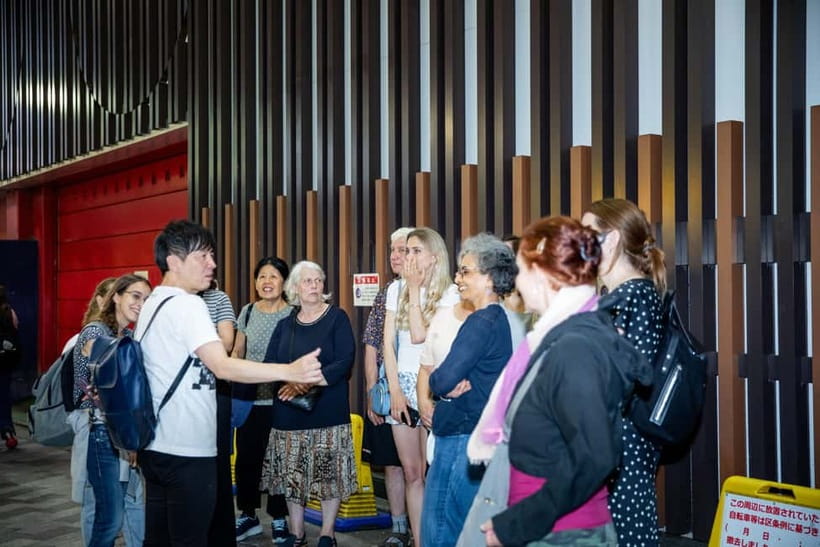
The strongest part of this experience is the guide-to-group exchange. The guide roster includes Dani, Danny, Loc, Gray, Huy, Polina, Paulina, Shota, and Daichi. Reports about the guides repeatedly focus on humor, strong English, clear explanations, and practical advice.
That variety matters because the subject needs both facts and judgment. A guide can explain what you are seeing, but also tell you how to move through the area politely and where to look for dinner afterward. Some guides are described as especially good storytellers, while others are praised for answering a long list of questions.
You may receive suggestions for ramen, okonomiyaki, izakayas, or bars. These recommendations are not part of the $29 ticket, and the tour does not promise a meal. Still, they can save you time later, especially if you are unsure how to choose a restaurant in Shinjuku.
The group size is not fixed in the information provided. One booking had seven people, and the experience was described as easy to manage at that size. A small group makes it easier to hear the guide and ask questions, but you should not assume every departure will be that small.
Is two hours enough?
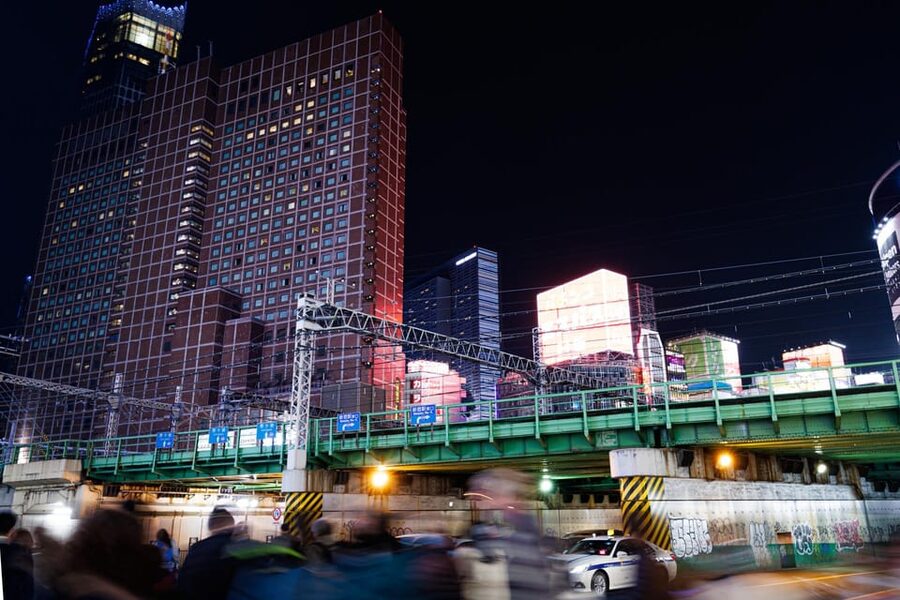
Two hours gives you a strong introduction, not a full study of Shinjuku. The listed timing adds up to about two hours, with the largest share given to Kabukicho and shorter visits at the other four stops.
That pacing works if your goal is to see the major areas and decide where to return. It is less suitable if you want long photo sessions, a meal, drinks, or time inside several venues. The walk covers ground, so wear comfortable shoes and expect to remain outdoors for the duration.
The tour is particularly useful near the start of a Tokyo stay. You learn the shape of the district, hear the basic rules, and gather ideas for later evenings. Several people have used it as an opening activity because it helps them get oriented before exploring alone.
You should also plan around sunset and nighttime conditions. The exact starting time varies, so check availability when booking. The attraction is the after-dark atmosphere, not a daytime history walk.
Price, age limit, and practical value
At $29 per person, this is a sensible purchase if you value explanation and local orientation. You are paying for two hours with a live English- or Spanish-speaking guide, not for food, drinks, transport, or admission to venues.
The price compares well with the cost of wandering without a plan, especially in a district where it is easy to spend time staring at signs without understanding the area. A good guide can also point you toward a meal that fits your budget and interests.
The experience is for adults aged 18 and over. It is not suitable for children, and alcohol and drugs are not allowed. The subject matter includes red-light districts, adult entertainment, and LGBTQ nightlife, so book it only if you are comfortable discussing those parts of city life in a respectful way.
You can cancel for a full refund up to 24 hours before the activity. A reserve-now, pay-later option is also available, which helps if your Tokyo schedule is still shifting.
Who should book this Shinjuku walk?
I would choose this tour if you are visiting Tokyo for the first time and want more than the usual bright-sign photo. It suits adults who enjoy city history, social customs, food advice, and honest discussion of nightlife.
It is also a good choice for solo visitors. A guided walk gives you company in a complicated district, and the social setup can lead to conversations with people from different countries. It works for couples and friends too, especially if you want ideas for the rest of the evening.
You may want another activity if you prefer a quiet cultural tour, a formal food tasting, or a long stop at each attraction. This is a moving overview of Shinjuku, with some sensitive subject matter and plenty of city noise.
Should you book it?
Book it if you want a clear introduction to Shinjuku after dark, practical food recommendations, and a look at parts of the district you might skip alone. The mix of Omoide Yokocho, Kabukicho, Golden Gai, Hanazono Shrine, and 2 Chome gives you more range than a simple neon walk.
Skip it if you need a meal included, dislike crowded streets, or want to explore at your own slow pace. If you do book, arrive early at the confirmed meeting point, ask questions, and treat the nightlife venues and communities with respect. At $29, it is a useful first-night orientation with enough local detail to shape the rest of your Tokyo stay.
FAQ
How long does the Tokyo Shinjuku night walking tour last?
The tour lasts two hours. Starting times vary, so check availability for your chosen date.
Where does the tour start?
There are two possible starting locations: the Shinjuku Tourist Information Center or the Shinjuku Station East Exit Police Box. The meeting point depends on the option booked.
Which areas does the walking tour visit?
The route includes Omoide Yokocho, Kabukicho, Golden Gai, Hanazono Shrine, and 2 Chome.
What languages are available?
The tour is offered with a live guide in English or Spanish.
Is the tour suitable for children?
No. The activity is not suitable for children under 18.
What is included in the price?
A guide is included. Food, drinks, and venue entry are not listed as included.
Can I cancel the booking?
Yes. You can cancel up to 24 hours in advance for a full refund. A reserve-now, pay-later option is also available.
Just added around Tokyo
- Kawagoe Japanese Food Tour : Unagi Kaiseki and Sake near Tokyo★ 5.0 · 30 reviews
- Kawagoe 4hr Private Tour with Licensed Guide (Kawagoe Dep)★ 5.0 · 13 reviews
- Little EDO Sushi Making workshop in Kawagoe★ 5.0 · 18 reviews
- 【R34】Tokyo:Private Daikoku tour in Modified R34★ 4.9 · 92 reviews
- :Tokyo,Shibuya/ Pro Photography in Kimono / English-Friendly★ 5.0 · 26 reviews
- Tokyo:Celebrate Unique Japanese New Year Tradition Festivity★ 3.9 · 20 reviews
- Tokyo: Allstar Food Tour★ 4.7 · 29 reviews
- Tokyo: West-Side Cycling and Food Tour with Guide★ 5.0 · 37 reviews
Walking Tours, compared.

Kyoto Geisha Walking Tour: Gion District & Hidden Gems
Our verdict →
Imperial Palace and Shogun Historical Walking Tour
Our verdict →
Shinjuku Local Bar and Izakaya Guided Walking Tour
Our verdict →

Nishiki Market Brunch Walking Tour (7 Tastings + Brunch)
Our verdict →
Kyoto Arashiyama Walking Tour: Bamboo, Monkeys, Gardens & Secrets
Our verdict →
Tokyo Castle & Imperial PalaceーShogun Walking Tour
Our verdict →Browse the lists this tour appears in