
Reviewed · FISH MARKET TOURS
Tokyo’s Kitchen: Tsukiji Market Food & Culture Walk
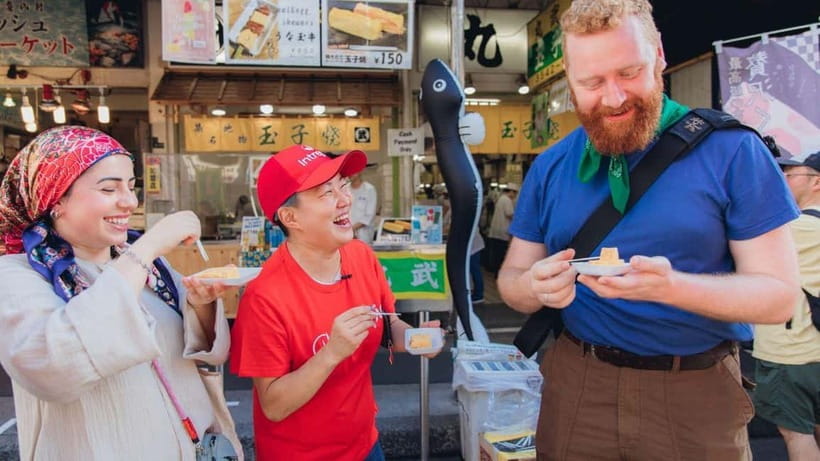
Tsukiji is best understood with your appetite switched on and a local guide at your side. This three-hour walk threads through sushi stalls, tamagoyaki counters, snack shops, and small shrines, with tastings built into the route. The tuna auction moved to Toyosu, but Tsukiji Outer Market still feels like Tokyo’s kitchen.
I like the tiny groups, limited to six, and the way guides such as Oku, Mihori, Shino, and Yumi turn a crowded market into an easy place to explore. I also like the cultural layer: you learn why sushi developed as it did, how Buddhist and Shinto customs shape food traditions, and how to behave at a shrine. The main drawback is that the market can be wet, crowded, and weather-exposed, and anyone hoping to see wholesale fish operations may find the focus too much on food tasting and not enough on behind-the-scenes work.
Key points to know before you book
- Small groups change the morning: With no more than six participants, your guide can answer questions, keep the group together, and adjust tastings to food preferences.
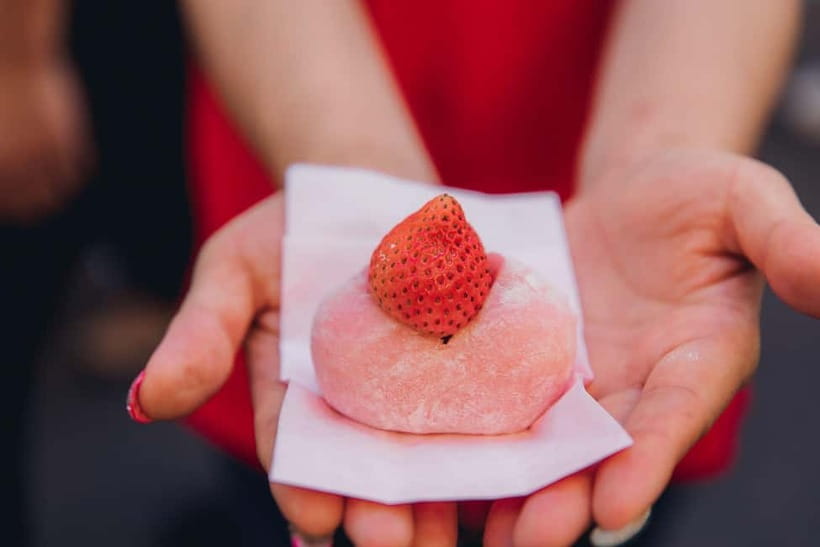
- Come hungry, but not starving: Samples can include sushi, sashimi, tamagoyaki, Kobe beef, matcha, dashi, mochi, wagashi, and sake.
- This is the Outer Market, not the tuna auction: You explore the public food district after the famous wholesale auction moved to Toyosu.
- Shrines give the food walk more meaning: Kabuki Inari Shrine and Namiyoke Inari Jinja add simple Japanese rituals and local history.
- Wear closed-toe shoes: Market floors may be wet, and sneakers are a sensible choice.
- The guide makes the difference: Past guides including Oku, Mihori, Shino, Yumi, Kyou, and Shinto have been praised for warmth, humor, and strong connections with vendors.
Why Tsukiji works best as a guided food walk
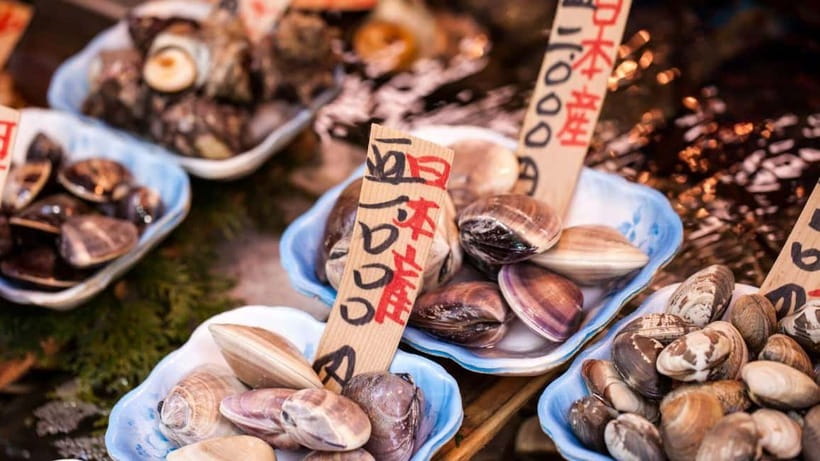
Tsukiji can be confusing on your own. The lanes are tight, signs may be hard to read, and many stalls sell foods you may not recognize at a glance. A guide helps you understand what is worth trying, how to approach a counter, and how each bite fits into Japanese daily life.
This is not simply a march from one tasting to the next. The food gives the route its shape, but the guide supplies the explanation. You learn about sushi’s development, the market’s changes since the tuna auction moved from Tsukiji to Toyosu, and the connection between food, Buddhist ideas, and Shinto respect for place.
The group limit matters here. Six people is small enough for everyone to hear and ask questions, yet large enough to give the morning a social feel. Some departures may be smaller. One couple found themselves with only their guide, while another group included six people with different food interests. That flexibility is part of the value.
More Food Tours in Tokyo
- Tokyo: Shinjuku Food Tour (13 Dishes at 4 Local Eateries)
★ 5.0 · 6,603 reviews - Tokyo Tsukiji Fish Market Food and Culture Walking Tour
★ 5.0 · 3,184 reviews - Tokyo: Shinjuku Food Tour (15 Dishes and 4 Eateries)
★ 4.9 · 2,033 reviews
Meeting at Kabuki Inari Shrine
The walk begins at Higashi-ginza Station, Exit 3, on the street level near the top of the escalator. Look for the side of Harumi Street, in front of the Kabukiza Theatre, beside the small shrine and torii gate.
That meeting point is practical, but give yourself time to find it. Higashi-ginza connects the Tokyo Metro Hibiya Line and the Toei Asakusa Line, and the Kabukiza Theatre is a useful landmark. You start at Kabuki Inari Shrine, where the guide introduces the basic customs that will appear again later in the walk.
This first stop helps set the tone. You are not expected to perform an elaborate ceremony. Instead, you learn simple gestures of respect and get a little context before entering the food market. It is a quiet beginning before the narrow lanes and food stalls take over.
Tasting your way through Tsukiji Outer Market
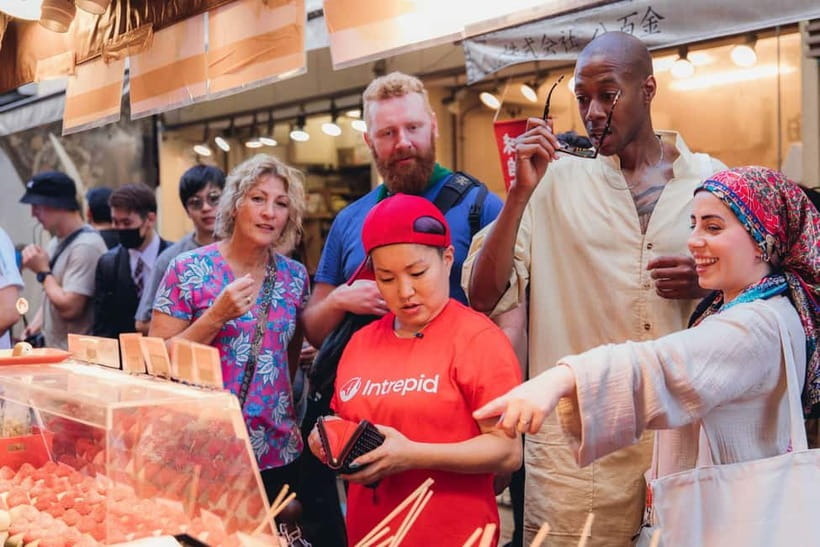
The main part of the morning takes place in Tsukiji Outer Market. This is the public food district packed with seafood sellers, prepared-food counters, snack stalls, sweets, seasonings, and small craft shops.
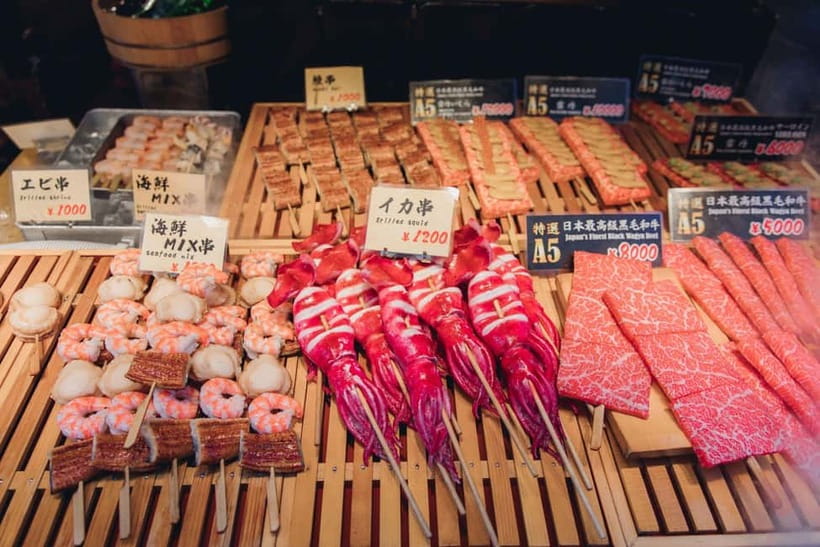
You might sample fresh sushi or sashimi, depending on the day’s route and the vendors available. The tastings are usually spread across the walk rather than served as one large meal at the start. Tamagoyaki, the slightly sweet Japanese rolled omelet, is one of the memorable stops described by participants, especially when the guide can explain how it is made.
Other reported tastings have included strawberries, soybeans, matcha, dashi, Kobe beef, tuna, mochi, wagashi, green tea, sake, and less familiar drinks such as pepper cola tea. The exact selection is not fixed, and that is normal for a market tour. Seasonal stock, vendor hours, and group preferences all affect what appears.
You should plan to taste rather than eat full portions at every stop. Several people found there was a great deal of food, including a generous sushi serving toward the end. Start with a light breakfast or skip it if you are comfortable doing so, but do not arrive dehydrated or unprepared for a three-hour morning on your feet.
The tastings are valuable because they remove the guesswork. You can try a small portion of something unfamiliar without buying a full serving. The guide can also explain the difference between foods that may look similar, point out ingredients, and help you notice texture and preparation.
Meeting vendors instead of simply passing stalls
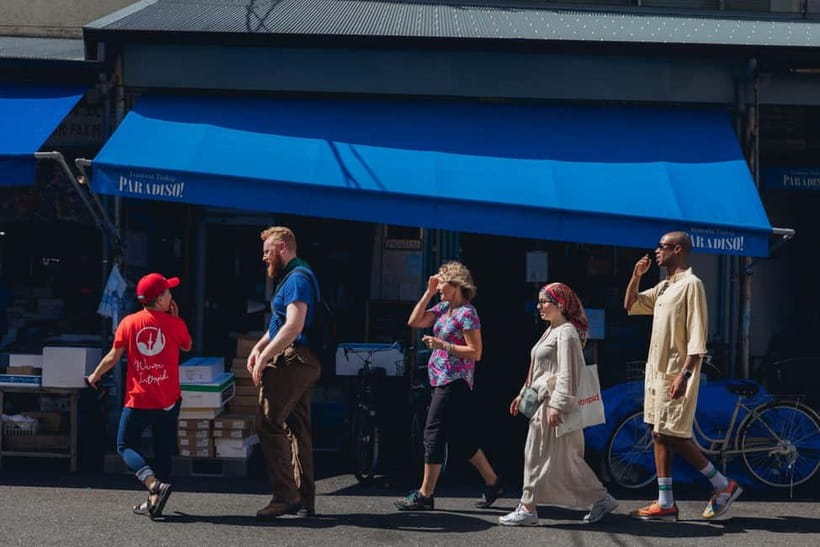
One of the strongest parts of this experience is the guide’s relationship with market sellers. Guides have been described as greeting vendors by name and taking the group to places where they can see food being prepared, such as tamagoyaki.
That does not mean you get access to every working area. One participant wanted more behind-the-scenes market activity and felt the tour remained mainly a public food walk. It is best to book this for introductions, tastings, and cultural explanation, not as a full tour of wholesale operations.
The difference between wandering and guided walking is clear here. On your own, you might see a tray of rolled omelet, a pile of tuna, or a shop selling dashi. With a guide, you learn what you are looking at and why the stall matters. A respectful guide also helps you avoid blocking a busy counter or treating the market like a stage set.
The market is still a working place. Stay close to the group, watch your footing, and be aware of staff moving goods. The pace can slow at popular counters, and queues may form for favored foods. That is part of the setting, but it means you should not expect a perfectly timed route.
More Market Tours in Tokyo
- Tokyo: Tsukiji Fish Market Food and Walking tour
★ 5.0 · 1,724 reviews - Tokyo: Tsukiji Fish Market Guided Walking Tour
★ 4.9 · 1,397 reviews - Tsukiji Fish Market Guided Tour and Sushi Making with Pro Chef
★ 5.0 · 775 reviews - Tokyo: Tsukiji Fish Market Food and Culture Walking Tour
★ 4.7 · 757 reviews
Sushi, history, and the meaning behind the food
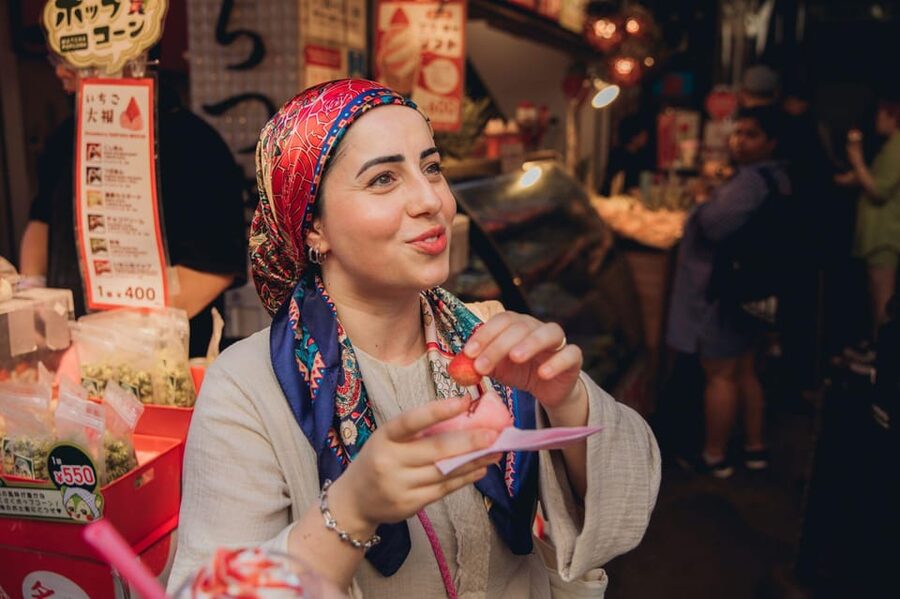
The guide explains sushi history as part of the tastings. This adds useful context to what might otherwise be a string of small snacks. You begin to see sushi as both a carefully made food and a product of changing urban life.
The tour also connects Tsukiji’s food traditions with Buddhist beliefs and Shinto customs. That connection becomes clearer when the guide explains the difference between the market’s practical work and the rituals used to show respect at a shrine.
I find this cultural framing especially useful for a first morning in Tokyo. It gives you more than a list of dishes to order. You learn why cleanliness, presentation, seasonal ingredients, and respectful conduct matter so much in Japanese food culture.
Several guides have used photos, maps, and models to make explanations easier to follow. That can help when the market’s history gets complicated, especially since many people still associate Tsukiji with the famous tuna auction. The auction moved to Toyosu, but Tsukiji’s outer district continues to serve locals and visitors with food shops and prepared dishes.
Namiyoke Inari Jinja and a quieter finish
Later in the walk, the group visits Namiyoke Inari Jinja, a small shrine near the market. This stop offers a break from the food counters and a chance to connect the market with its spiritual setting.
Your guide shows you the basic gestures used to show respect. The lesson is simple and practical, not a formal religious class. You learn enough to feel more comfortable at this and other shrines during your time in Japan.
Namiyoke Inari Jinja also helps explain why a food market would be linked with a shrine. The market is not just a collection of shops. It is a place where people work with the sea, fresh ingredients, seasonal change, and traditions that reach beyond the meal itself.
The walk finishes at Tsukiji Fish Market. By then, you have tasted several foods, learned how the district changed, and gained a better idea of how to continue exploring the area on your own. The route does not end with a grand attraction. It ends with a stronger sense of place, which suits Tsukiji well.
How much food do you receive?
The included tastings are one of the main reasons to consider the $80 price. The food can range from sushi and sashimi to street snacks, sweets, tea, and possibly sake for those aged 20 or older. Some groups have also sampled tamagoyaki, Kobe beef, matcha, dashi, mochi, and wagashi.
The portions are tasting-sized, but the total can add up. This is why several participants advised arriving without a full breakfast. You may not receive every food named above, and extra purchases are not included, so carry some spending money if a particular shop catches your eye.
At $80, you are paying for more than the food. The cost covers three hours with an English-speaking local guide, a small group, multiple tastings, vendor introductions, translation help, and shrine visits. If you only want to buy sushi and walk around, you can spend less on your own. If you want someone to explain the stalls and make the market easier to approach, the price is more reasonable.
The value is strongest for first-time visitors, families who want a structured morning, and anyone uneasy about ordering unfamiliar foods. It is weaker for regular Tokyo visitors who already know Tsukiji and prefer to browse alone.
Weather, clothing, and dietary needs
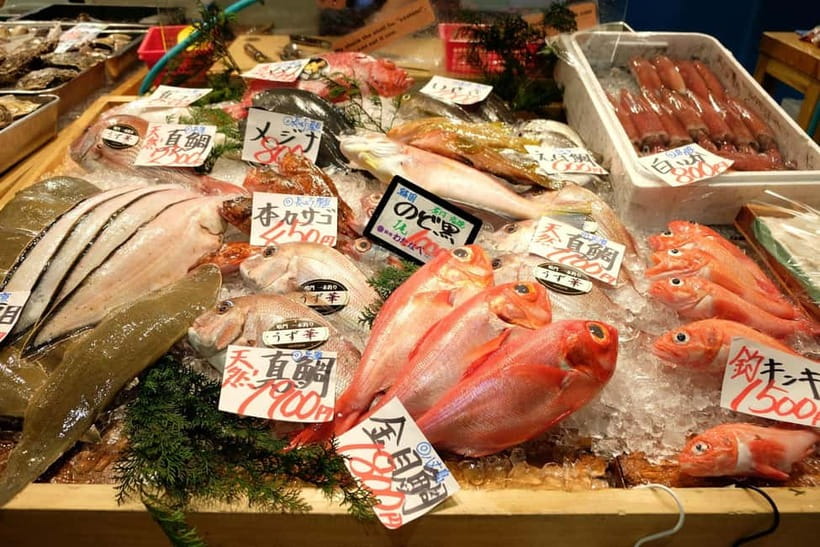
Wear closed-toe shoes with a good grip. The market floors can be wet, and sandals are not the best choice in a food district where staff are moving goods and liquids are common.
Rain and wind can make the experience less pleasant because much of the walk takes place around open market areas. Bring suitable clothing rather than assuming the morning will be sheltered. One participant felt poorly prepared for bad weather, so this is worth taking seriously.
Vegetarian and vegan options are available when possible, but choices may be limited because seafood is central to the market. Tell the operator about dietary restrictions in advance. The guide can prepare better alternatives if given warning.
Alcoholic drinks are only for people aged 20 and older under Japanese law. Younger participants receive non-alcoholic options instead. Children aged five and under can join free, but you should mention a child under six when booking so the group can plan accordingly.
Who should book this Tsukiji morning?
I would choose this walk if you want a friendly introduction to Japanese food and do not want to make every ordering decision yourself. It is also a good first activity in Tokyo because it combines food, neighborhoods, etiquette, and history without taking up a whole day.
Families can benefit from the short duration and frequent tastings, though young children may find the crowds and walking tiring. People with strong dietary restrictions should ask questions before booking, since the market’s central foods are seafood and meat.
Food-focused visitors will appreciate the range. This is not just sushi. You may encounter sweet omelet, dashi, tea, sweets, beef, fruit, soy products, and seasonal wagashi. The variety gives you a better sense of everyday Japanese eating than a single restaurant meal.
I would be more cautious if your main goal is to see wholesale fish auctions or working market operations. The tour explains the market’s history and may show food preparation, but its main focus is public stalls, tastings, vendors, and shrines.
The tour is carbon neutral and operated by a certified B Corp, which may matter if you prefer companies that aim to support local communities and reduce the impact of their work. The practical benefit is a small, locally connected experience rather than a large bus route.
Should you book it?
Book this Tsukiji walk if you want three easy hours of guided tasting, cultural context, and local introductions. The small group, broad food selection, and warm guide style make it a strong choice for a first visit, especially if you are curious but unsure what to order.
Skip it if you prefer to explore at your own pace, already know Tsukiji well, or specifically want access to wholesale operations. For everyone else, $80 buys a useful orientation to one of Tokyo’s most famous food districts, with enough tastings to make breakfast unnecessary and enough context to make the market memorable.
Free cancellation is available up to 24 hours before the start, and you can reserve while paying later. That gives you some flexibility, but the best practical preparation is simpler: arrive at the correct Higashi-ginza meeting point, wear sensible shoes, and bring an appetite.
FAQ
Where does the Tsukiji food tour begin?
It begins at Higashi-ginza Station, Exit 3, on the street level near the top of the escalator. Meet in front of the Kabukiza Theatre on the Harumi Street side, beside the small shrine and torii gate.
Where does the tour finish?
The walk finishes at Tsukiji Fish Market.
How long does the experience last?
The tour lasts three hours. Starting times depend on availability when you book.
What language is the tour conducted in?
The live tour guide speaks English.
How many people are in the group?
The group is limited to six participants.
What food and drinks are included?
Included tastings can include fresh sushi, Japanese snacks, and seasonal wagashi sweets. Past tastings have also included sashimi, tamagoyaki, matcha, dashi, mochi, Kobe beef, green tea, and sake. The exact selection can vary.
Are vegetarian and vegan options available?
Vegetarian and vegan options are available where possible, but choices may be limited because Tsukiji is a seafood-focused market. Tell the operator about dietary needs ahead of time.
Can children join the tour?
Children aged five and under join free. If you bring a child under six, notify the operator when booking so the group can plan for them. Alcoholic drinks are only available to people aged 20 or older, and younger participants receive non-alcoholic alternatives.
More Fish Market Walks in Tokyo
- Tokyo Sushi Making Class in Tsukiji with Professional Chef
★ 5.0 · 1,177 reviews - Tsukiji Fish Market: Street Food & Culture Walking Tour
★ 5.0 · 669 reviews - Tsukiji Fish Market Small-Group Food Walking Tour
★ 5.0 · 621 reviews - Tokyo: Tsukiji Fish Market Sushi Making Class with Pro Chef
★ 4.9 · 506 reviews
More Walking Tours in Tokyo
- Tokyo: Imperial Palace and Shogun Historical Walking Tour
★ 5.0 · 2,251 reviews - Tokyo: Shinjuku Local Bar and Izakaya Guided Walking Tour
★ 4.9 · 1,794 reviews - Tokyo: Asakusa Walking Tour with Sensoji Temple Visit
★ 4.8 · 1,583 reviews - Tokyo Castle & Imperial PalaceーShogun Walking Tour
★ 4.7 · 1,068 reviews
Just added around Tokyo
- Kawagoe Japanese Food Tour : Unagi Kaiseki and Sake near Tokyo★ 5.0 · 30 reviews
- Kawagoe 4hr Private Tour with Licensed Guide (Kawagoe Dep)★ 5.0 · 13 reviews
- Little EDO Sushi Making workshop in Kawagoe★ 5.0 · 18 reviews
- 【R34】Tokyo:Private Daikoku tour in Modified R34★ 4.9 · 92 reviews
- :Tokyo,Shibuya/ Pro Photography in Kimono / English-Friendly★ 5.0 · 26 reviews
- Tokyo:Celebrate Unique Japanese New Year Tradition Festivity★ 3.9 · 20 reviews
- Tokyo: Allstar Food Tour★ 4.7 · 29 reviews
- Tokyo: West-Side Cycling and Food Tour with Guide★ 5.0 · 37 reviews
Fish Market Tours, compared.
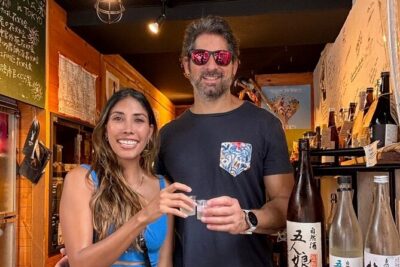
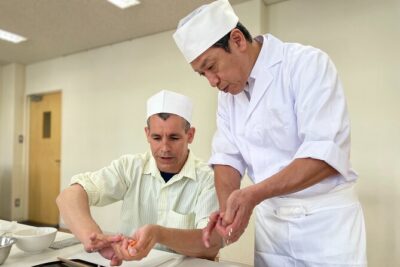
Tokyo Sushi Making Class in Tsukiji with Professional Chef
Our verdict →

Wakayama Cat Train, Seafood market, Hot Springs Tour
Our verdict →
Awesome Private Tour: Tsukiji, Asakusa, Shinjuku, Shibuya
Our verdict →Browse the lists this tour appears in