
Reviewed · RAMEN & NOODLE TOURS
Tokyo: Ramen Tasting Tour with 6 Mini Bowls of Ramen
Tokyo: Ramen Tasting Tour with 6 Mini Bowls of Ramen
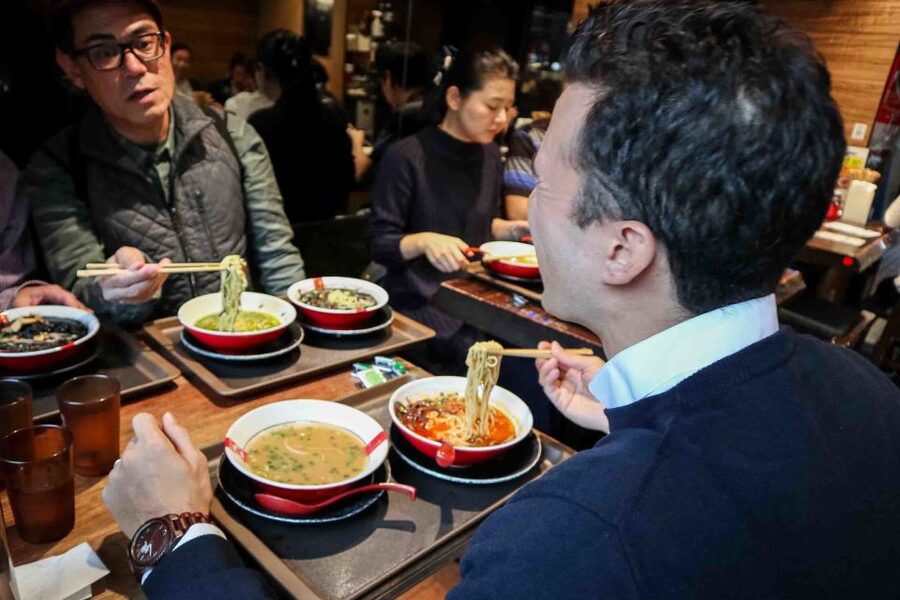
Ramen fans get a rare chance here: six different bowls in one afternoon, each about one-quarter the size of a normal serving. You choose from 11 or 12 options, so this is less a single meal than a guided tour through Japan’s noodle culture.
I like the smart portion sizes and the three distinct shops, each with its own style. I also like the visual teaching, with slides and handouts that make broth, noodles, and ramen’s development easier to understand. The catch is price: at $122 per person, this is not a cheap lunch, and you will walk about 3 kilometers before you finish.
Key points to know before booking
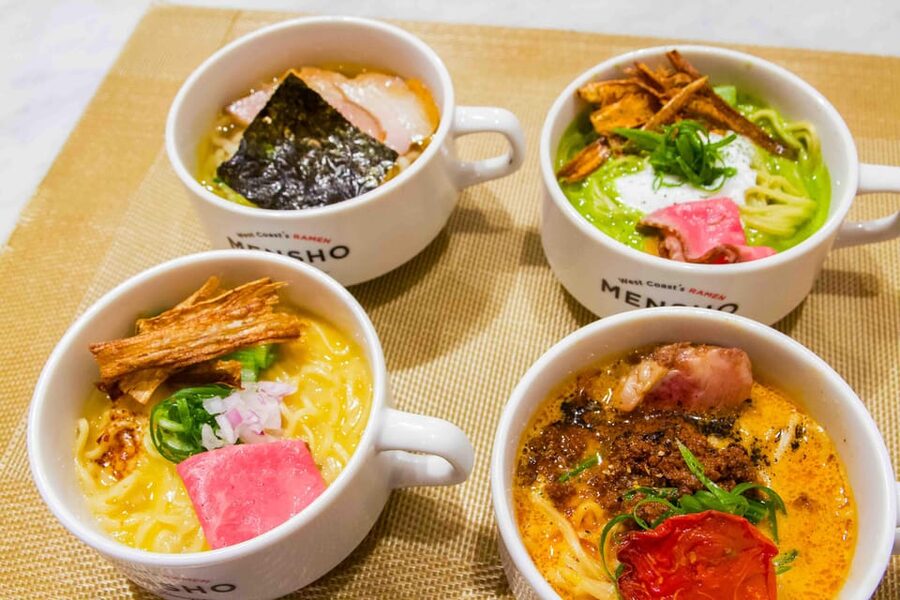
- Six quarter-size bowls: Choose six ramen styles from a menu of roughly 11 to 12 options.
- Three Tokyo neighborhoods: Routes may cover Shibuya, Shinjuku, and Ueno, with the exact plan depending on your booking.
- Different ramen traditions: Expect styles such as Hokkaido miso, Kyushu tonkotsu, curry ramen, tsukemen, and chicken-based bowls.
- Small groups: The group is limited to eight people, making it easier to ask questions and keep the tasting moving.
- A walking and learning tour: The 3-kilometer route gives you time to digest while your English-speaking guide explains ramen culture.
- Important food restriction: Every broth on this tour contains chicken, pork, and fish. A separate vegan and vegetarian tour is available.
Six bowls, not one oversized meal
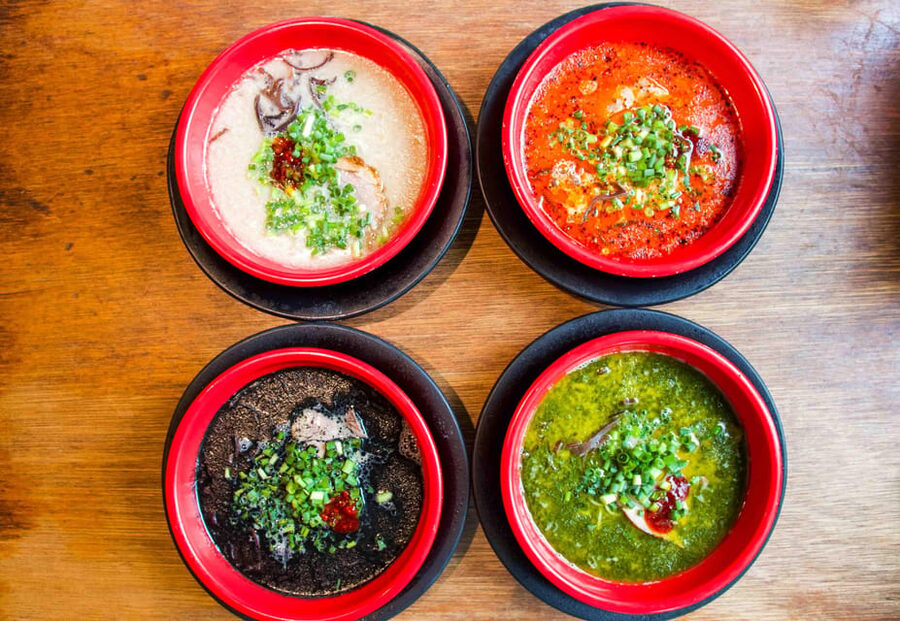
The best idea here is the portion size. A normal ramen bowl can be filling enough to end your food plans for the day. Six full bowls would be absurd. These tasting bowls are about one-quarter size, letting you compare styles without turning the final stop into a chore.
You choose six bowls from 11 or 12 choices. The usual pattern is two bowls at each shop, so you can compare side by side rather than simply eating the same kind of ramen three times. The exact selection depends on the route and what is available at the shops that day.
You might try a familiar tonkotsu broth, then move into curry ramen, squid ink ramen, pesto ramen, or a bowl built around a different noodle shape. The point is not just to find your favorite. It is to notice how broth, seasoning, noodle texture, and toppings change the character of the dish.
I would still plan carefully around this meal. Six samples sound modest, but they add up. One person found it hard to finish the final bowl, while another advised skipping lunch. For most people, a light breakfast or lunch makes better sense than arriving hungry after a large meal.
More Ramen Tours in Tokyo
- Eat and Drink Like a Local: Tokyo Ueno Food Tour-Taverns&Ramen
★ 5.0 · 957 reviews - Ramen & Gyoza Cooking Class in Tokyo with Local Supermarket Visit
★ 5.0 · 823 reviews - Tokyo: Easy Ramen Cooking Experience in Kabukicho, Shinjuku
★ 4.6 · 321 reviews
What happens at the three ramen shops
Each route uses three shops with different approaches to ramen. These are not three versions of the same basic bowl. The contrast is what gives the tour its value.
Shibuya: Hokkaido, tonkotsu, and curry
The Shibuya route begins with classic Hokkaido ramen. Hokkaido is strongly associated with miso ramen, fuller seasoning, and noodles with enough body to hold up to a substantial broth. This first stop gives you a useful reference point for the rest of the tour.
The second shop serves fusion tonkotsu ramen. Tonkotsu is made with pork bone broth and is often creamy and forceful, but a fusion version can push the style in a newer direction. This is a good place to notice how a shop can keep the basic idea while changing the seasoning or presentation.
The third stop focuses on savory curry ramen. Curry and ramen are both familiar in Japan, but the combination can taste quite different from standard shoyu or miso bowls. This final stop on the Shibuya route gives you a clear example of modern experimentation.
The route is also a walking tour of Shibuya, not simply a series of indoor meals. You move through the area between bowls, with the city itself providing part of the experience. The tour ends in Ebisu on this route, according to the stated schedule.
Shinjuku: Tokyo tradition and chicken broth
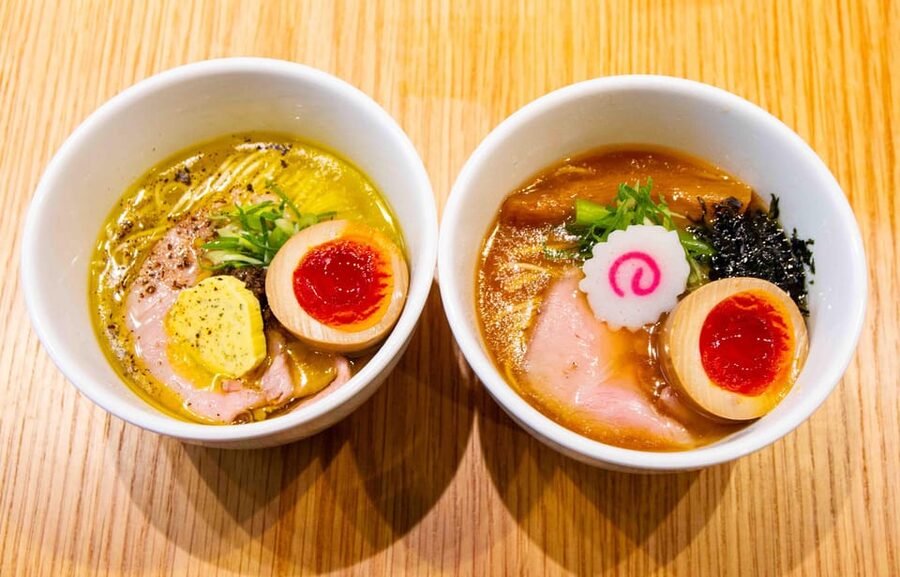
The Shinjuku route opens with classic Tokyo ramen. This style gives you a more traditional starting point, often built around a soy-seasoned broth rather than the heavier pork or curry flavors found later on other routes.
The second shop serves modern tori paitan, a rich chicken ramen. Chicken broth can be smooth and full-bodied, with a different finish from pork broth. Tasting it after classic Tokyo ramen makes the contrast easy to spot.
The third shop offers luxurious chicken or fish ramen. That wording signals a more refined bowl, but the useful part is the comparison. You can consider how fish changes aroma and aftertaste, and how chicken can create fullness without relying on pork.
Shinjuku is a practical area for this sort of outing because it combines major Tokyo sights with a wide range of eating places. Still, do not assume the exact meeting point until you check your selected option. Meeting locations vary, and the route can finish in Shinjuku rather than Ebisu.
Same trip, a completely different kind of day:
- 1-Day Tokyo Bus Tour
★ 5.0 · 14,250 reviews - Tokyo: TOKYO SKYTREE® Admission ticket
★ 4.5 · 11,192 reviews - Tokyo: teamLab Planets TOKYO Digital Art Museum Entry Ticket
★ 4.6 · 9,779 reviews - Tokyo: Sumo Show Experience with Chicken Hot Pot and a Photo
★ 4.8 · 6,678 reviews
Ueno: Kyushu, dipping noodles, and modern Tokyo
The Ueno route begins with classic Kyushu ramen. Kyushu is closely linked with tonkotsu, so this stop can offer a useful regional contrast with the fusion tonkotsu found on the Shibuya route.
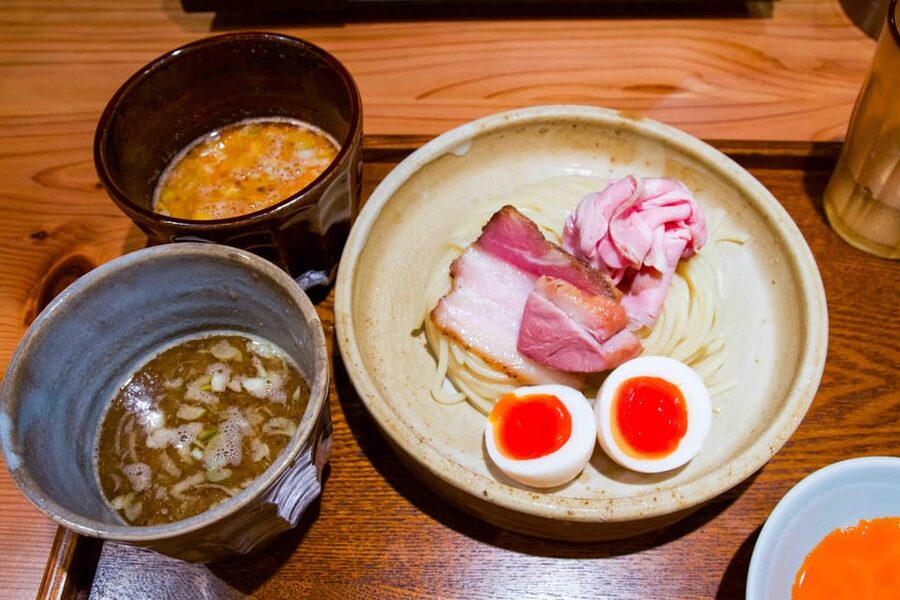
Next comes contemporary tsukemen, or dipping ramen. Instead of noodles sitting in a bowl of broth, you dip them into a separate, concentrated sauce. This changes the pace of eating and lets you control how much broth reaches each bite.
The final stop serves modern Tokyo ramen. After tasting a classic style and a contemporary dipping bowl, you have the background to notice what makes a newer Tokyo interpretation different. The route gives you a compact lesson in how ramen keeps changing while staying tied to regional traditions.
The guide makes the difference
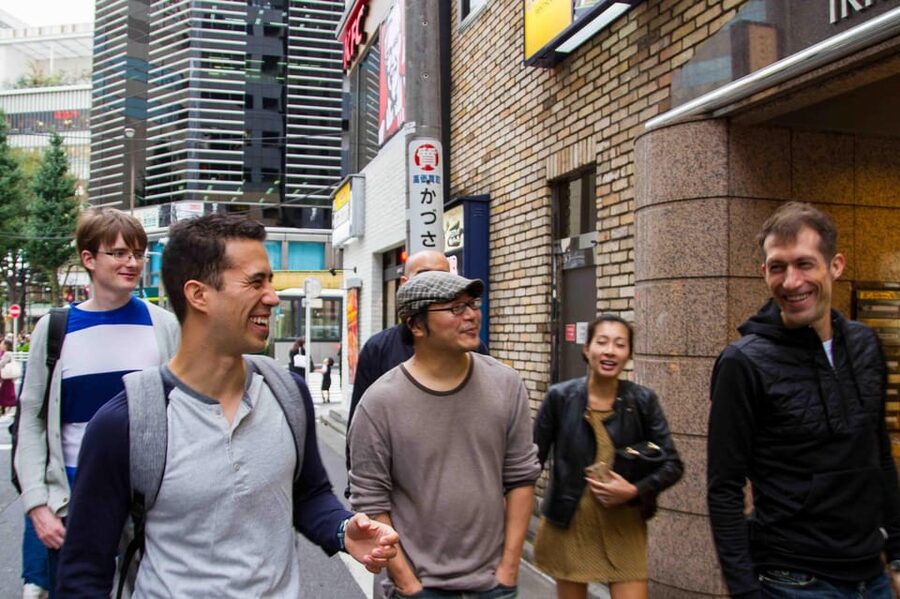
The food is the reason to book, but the guide shapes the quality of the afternoon. The group size is capped at eight, which matters in small ramen shops. You can ask questions without holding up a large crowd, and the guide can keep track of different bowl choices.
Guides named in the tour feedback include Sahori, Bunga, Makayla, Daisy, Manny, Brian, Michaela, and Sayori. Their approaches vary, but the strongest pattern is clear: you get an English-speaking guide who explains what is in front of you rather than simply pointing out a restaurant.
Sahori has been praised for clear English and for explaining what makes each ramen style different. Bunga brings strong enthusiasm for ramen culture and regional styles. Makayla uses an iPad presentation to show how ramen came to Japan and how it has changed over time. Daisy has also helped explain Tokyo beyond the food and answer wider trip questions.
The presentation matters because ramen can look deceptively simple. A bowl may contain broth, noodles, a few toppings, and seasoning, but small changes affect the whole result. Slides and handouts help you connect the taste to the style instead of trying to remember a string of Japanese names.
The guides also give practical Tokyo advice during the walk. That is useful early in your trip, when you are still learning how neighborhoods fit together and how to order in small shops. I would book this near the start of your stay if you want the food tips to shape the rest of your Tokyo meals.
Walking between bowls keeps the meal manageable
Expect about 3 kilometers of walking. This is not a difficult hike, but it is more than a short stroll between restaurants. You may walk through busy urban streets, use a train if required, and spend time moving from one neighborhood stop to the next.
The walking serves two purposes. It lets you see parts of Tokyo around Shibuya, Shinjuku, or Ueno, and it gives you a short break between bowls. Several people found the pace helpful because they could eat six portions without feeling overwhelmed too early.
Still, take the distance seriously if you have limited fitness or mobility. The tour is not recommended for people who struggle with a good amount of walking. Comfortable shoes are the obvious choice, and you should allow for the possibility that a train ticket is not included.
Rain can also affect the rhythm. On one particularly wet outing, the guide arranged a taxi for the last stop. That is a kind response, but it is better to treat the tour as an outdoor walking experience and dress for Tokyo weather.
Is $122 a fair price?
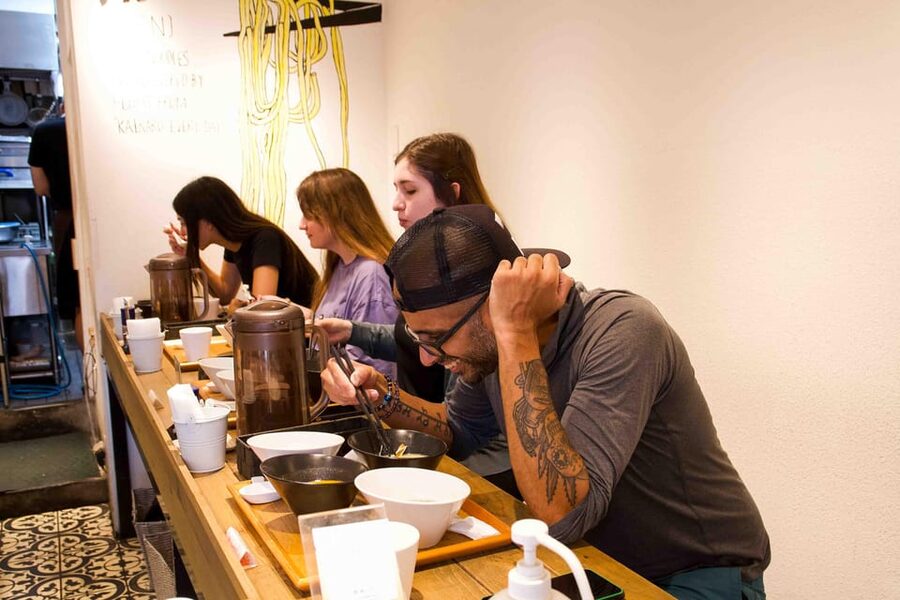
At $122 per person, the tour costs more than ordering ramen on your own. The food alone does not explain the price. You are paying for six special tasting portions, access to three selected shops, the guide, the teaching materials, neighborhood walking, and the convenience of comparing many styles without planning the route yourself.
The value improves if you are serious about ramen or unsure how to choose among Tokyo’s many ramen shops. A normal meal may give you one style. This outing gives you six, plus the vocabulary to understand what you are tasting.
The price is harder to justify if you simply want a large, inexpensive bowl of noodles. You can eat ramen for much less in Tokyo, and you may prefer spending the difference on several independent meals. The tour is best seen as a food class with a walking route, not as a budget meal.
One drink is included. Train tickets, if needed, are extra. Free cancellation is available up to 24 hours before the start, and you can reserve now and pay later, which helps if your Tokyo plans are still moving around.
Who will enjoy this most?
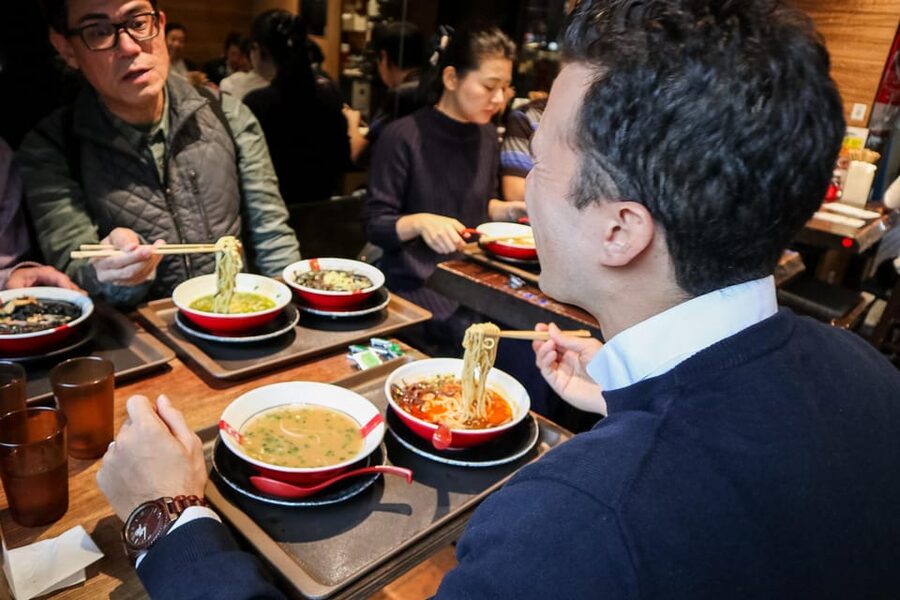
I would recommend it to first-time Tokyo visitors who like food and want a clear introduction to ramen. It also suits experienced Japan visitors who have eaten standard tonkotsu or shoyu but want to try less familiar options such as tsukemen, curry, squid ink, or pesto ramen.
Families can enjoy it, too. A nine-year-old joined one outing successfully, and the smaller bowls make it easier for younger eaters to sample without committing to a full serving. The walking may be the bigger issue for children than the food.
This tour is also a good fit for solo visitors and couples who want a social activity. With up to eight people, you can meet other diners without being placed in a large bus-sized group. The guide-led format also removes the pressure of figuring out ticket machines, ordering systems, and unfamiliar menus at every stop.
It is not suitable for vegans or vegetarians because all broths contain chicken, pork, and fish. If you avoid one ingredient but eat the others, check the available choices before booking. The information supplied only promises the separate vegan and vegetarian tour for those diets.
A smart place in your Tokyo schedule
Book this earlier rather than later if ramen is a major interest. You will leave with a better idea of how to judge broth, noodles, and regional styles, which can improve the rest of your food choices in Japan.
I would not schedule it immediately after another major meal. Six mini bowls are still a substantial amount of food, and the walking does not erase that. Give yourself a light start to the day and avoid planning another serious dinner unless you know you eat very generously.
Check the route before you book. The Shibuya option includes Hokkaido, fusion tonkotsu, and curry ramen. Shinjuku focuses on classic Tokyo, chicken paitan, and chicken or fish ramen. Ueno brings Kyushu, tsukemen, and modern Tokyo styles. The meeting point changes with the selected option, and the stated end point may be Ebisu or Shinjuku.
Should you book the ramen tasting tour?
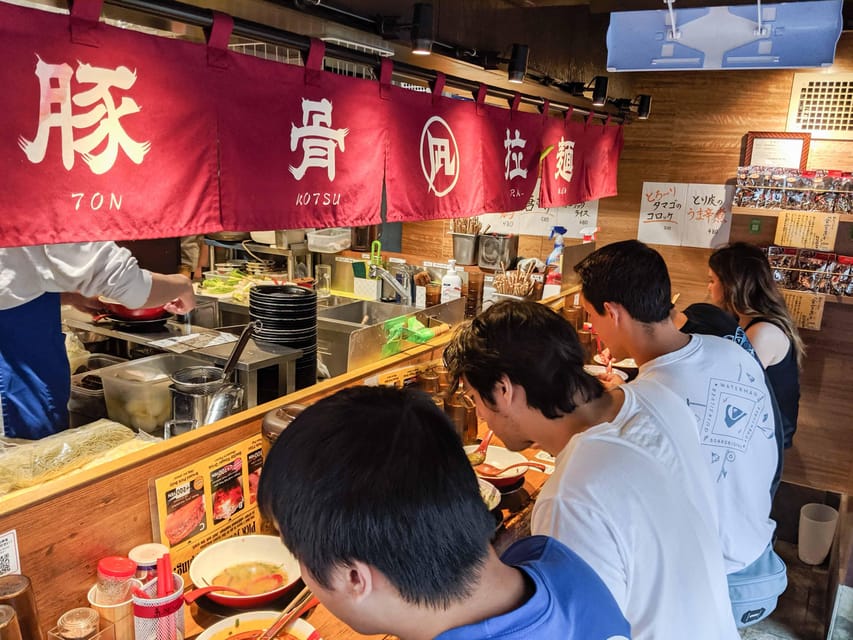
Book it if you want variety, instruction, and access to three different shops more than you want the cheapest possible bowl of ramen. The portion plan is clever, the routes show real differences between styles, and guides such as Sahori, Bunga, Makayla, and Daisy bring the subject to life with clear explanations and practical Tokyo tips.
Skip it if $122 feels too high for a food outing, if you dislike walking, or if you need vegan or vegetarian broth. For everyone else, this is a useful and enjoyable way to turn a familiar comfort food into a better understanding of Japanese regional cooking.
FAQ
How many bowls of ramen do I get?
You get six mini bowls of ramen. Each is about one-quarter the size of a regular bowl, and you choose the six from approximately 11 to 12 available styles.
How many ramen shops does the tour visit?
The tour visits three award-winning ramen shops, with different ramen styles at each stop.
Which Tokyo neighborhoods are included?
The route may include Shibuya, Shinjuku, or Ueno, depending on the option booked. The Shibuya route starts in Shibuya and ends in Ebisu. The tour information also states that some outings start or finish in Shinjuku.
How long does the tour last?
The tour lasts three hours. It includes walking between the ramen shops and time for explanations about ramen origins, types, and preparation.
Is the tour suitable for vegetarians or vegans?
No. All ramen broths on this tour contain chicken, pork, and fish. Vegans and vegetarians should book the separate Vegan and Vegetarian Ramen Tasting Tour.
Is transportation included?
Walking between the shops is part of the experience. A train ticket may be required and is not included in the price.
How much walking is involved?
You should expect approximately 3 kilometers, or 1.86 miles, of walking. The tour is not recommended for people with a low level of fitness.
More Food & Drink in Tokyo
- Tokyo: Shinjuku Food Tour (13 Dishes at 4 Local Eateries)
★ 5.0 · 6,603 reviews - Tokyo Tsukiji Fish Market Food and Culture Walking Tour
★ 5.0 · 3,184 reviews - Tokyo: Shinjuku Food Tour (15 Dishes and 4 Eateries)
★ 4.9 · 2,033 reviews - Best of Shinjuku: Izakaya Food Tour (4 Stops, 14+ Tastings)
★ 5.0 · 1,863 reviews
Just added around Tokyo
- Kawagoe Japanese Food Tour : Unagi Kaiseki and Sake near Tokyo★ 5.0 · 30 reviews
- Kawagoe 4hr Private Tour with Licensed Guide (Kawagoe Dep)★ 5.0 · 13 reviews
- Little EDO Sushi Making workshop in Kawagoe★ 5.0 · 18 reviews
- 【R34】Tokyo:Private Daikoku tour in Modified R34★ 4.9 · 92 reviews
- :Tokyo,Shibuya/ Pro Photography in Kimono / English-Friendly★ 5.0 · 26 reviews
- Tokyo:Celebrate Unique Japanese New Year Tradition Festivity★ 3.9 · 20 reviews
- Tokyo: Allstar Food Tour★ 4.7 · 29 reviews
- Tokyo: West-Side Cycling and Food Tour with Guide★ 5.0 · 37 reviews
Ramen & Noodle Tours, compared.

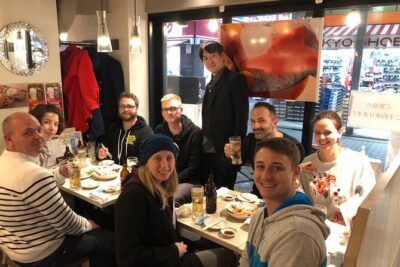
Eat and Drink Like a Local: Tokyo Ueno Food Tour-Taverns&Ramen
Our verdict →
Five Must-See Highlights Walking Tour & Ramen Lunch
Our verdict →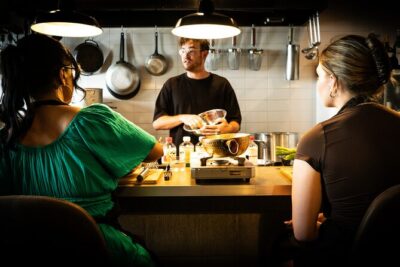
Professional Ramen & Gyoza with Ramen Chef in a restaurant!
Our verdict →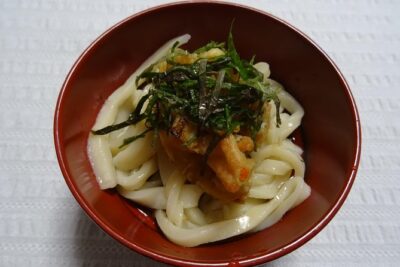
Popular in SapporoExperience authentic hand-made soba at a real soba shop!
Our verdict →
Browse the lists this tour appears in